Successfully copied to clipboard!
Angel Shark
Uncover the sandy secrets of the ocean's sneaky sharks!
Let’s Explore
Overview
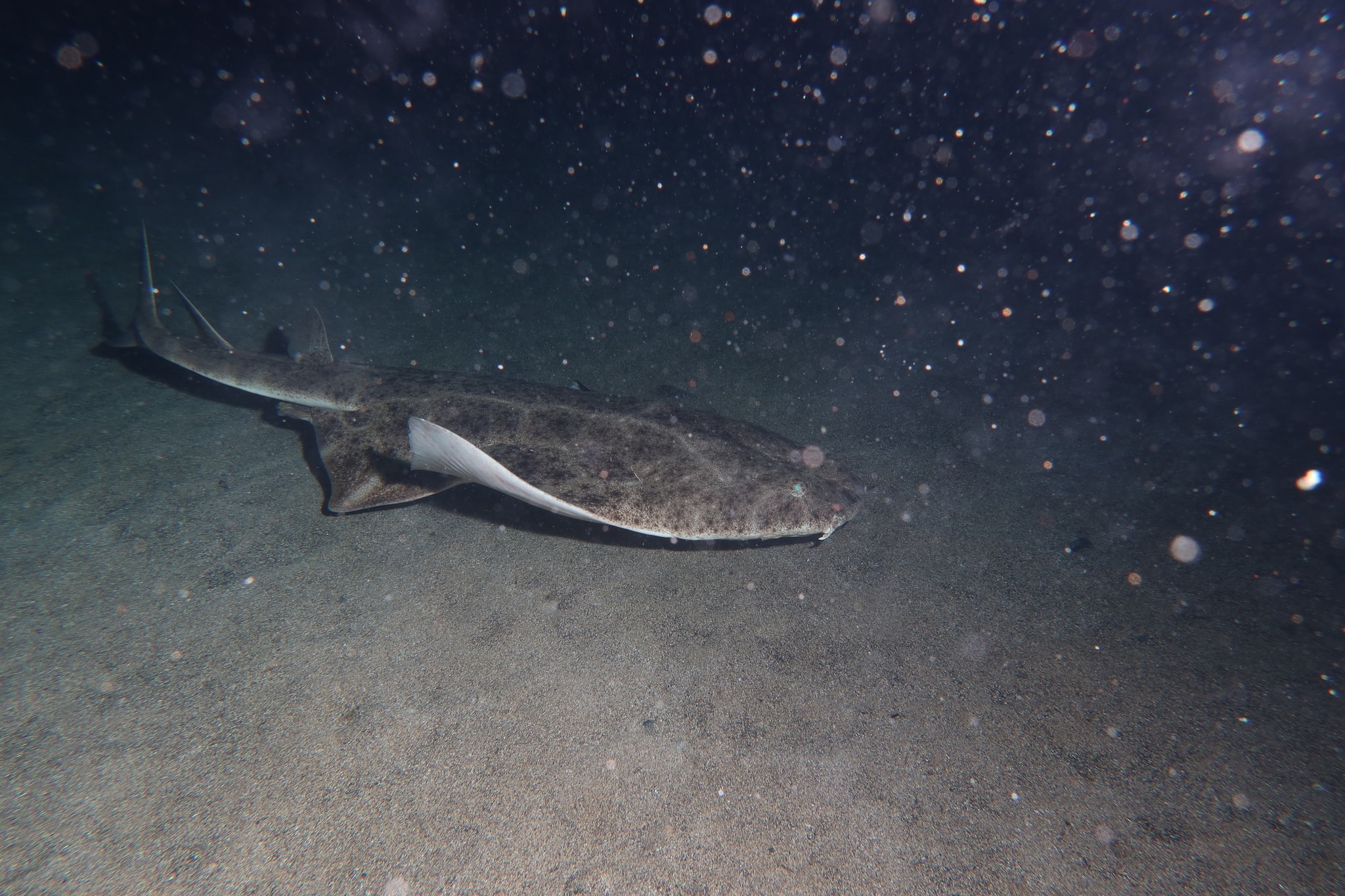
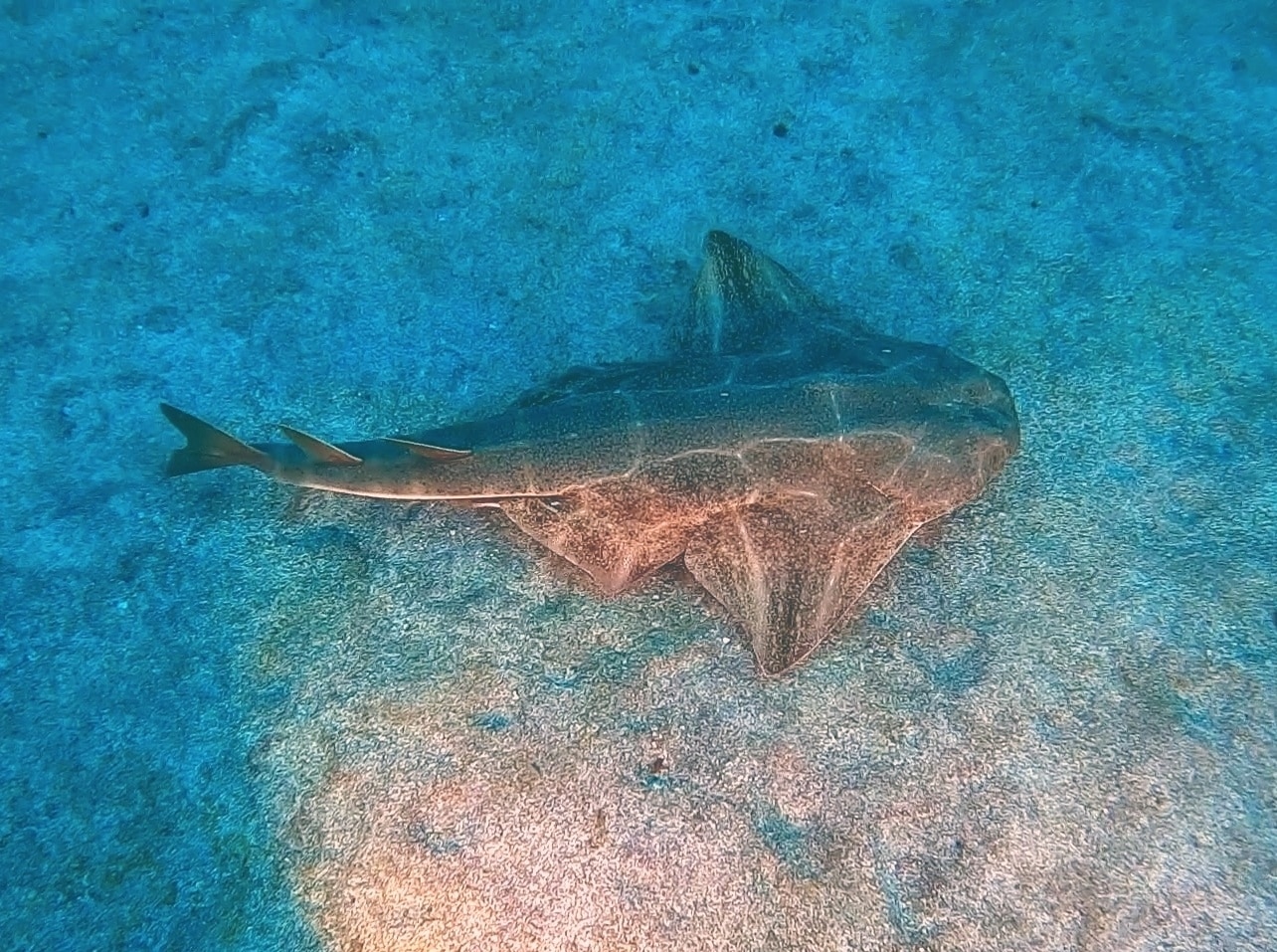
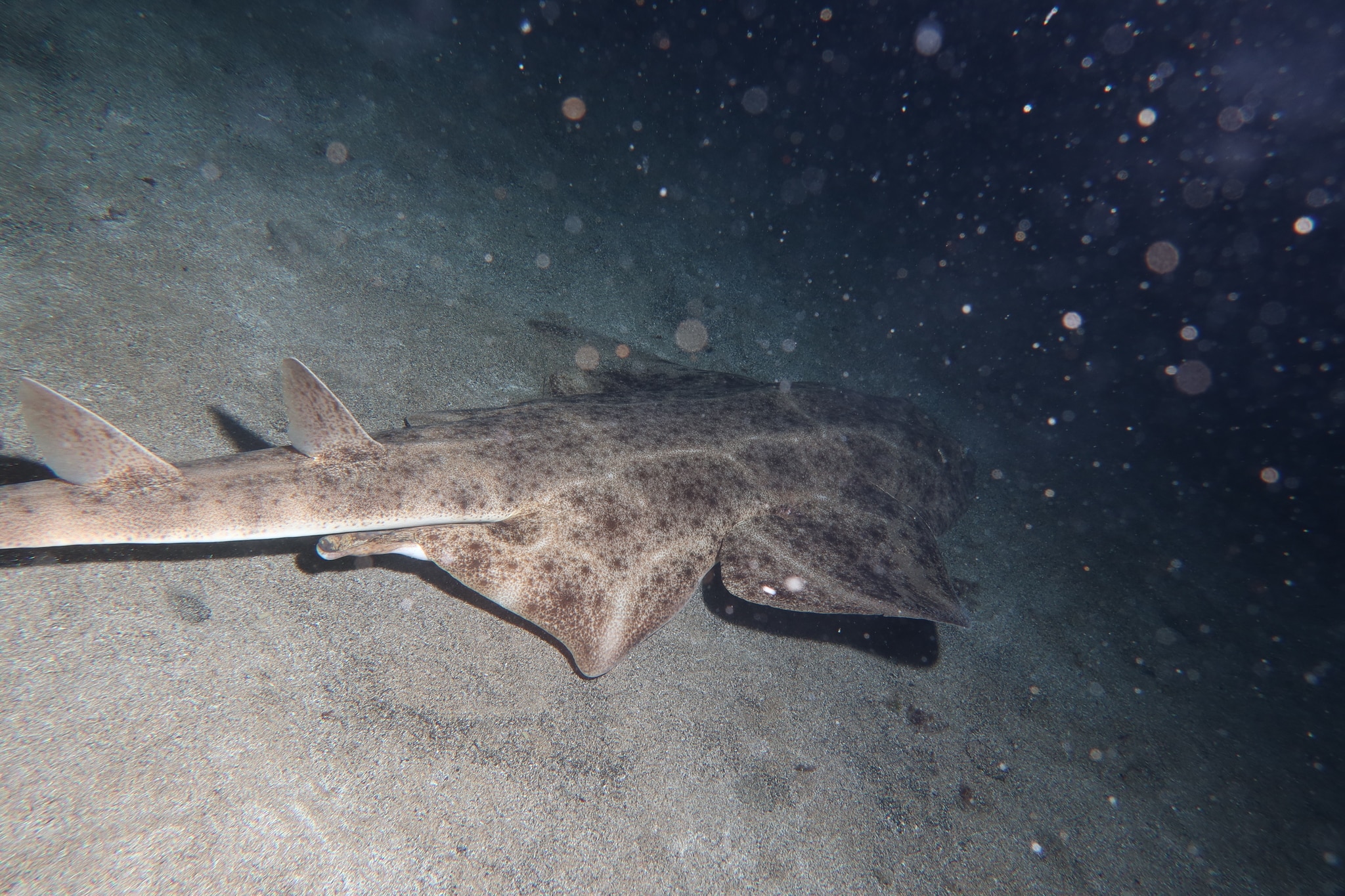
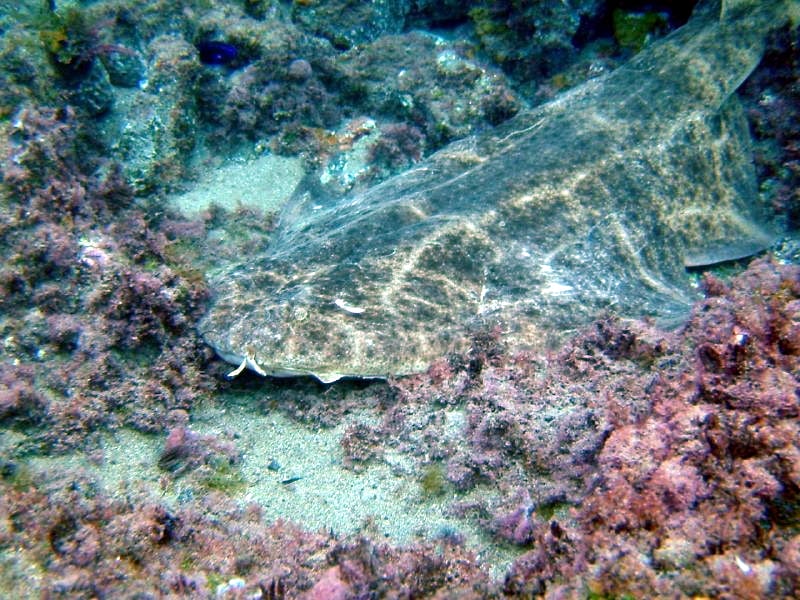
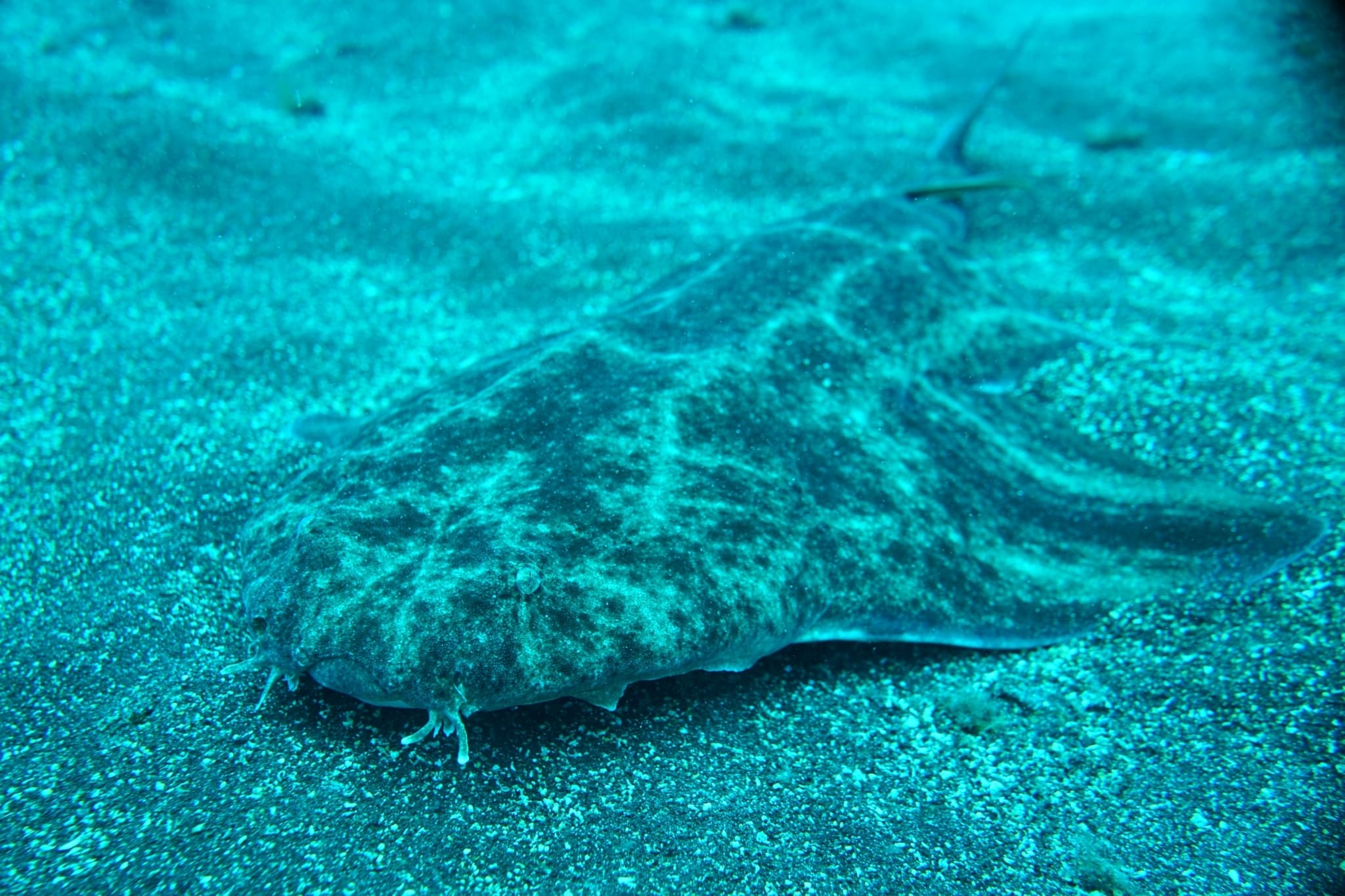
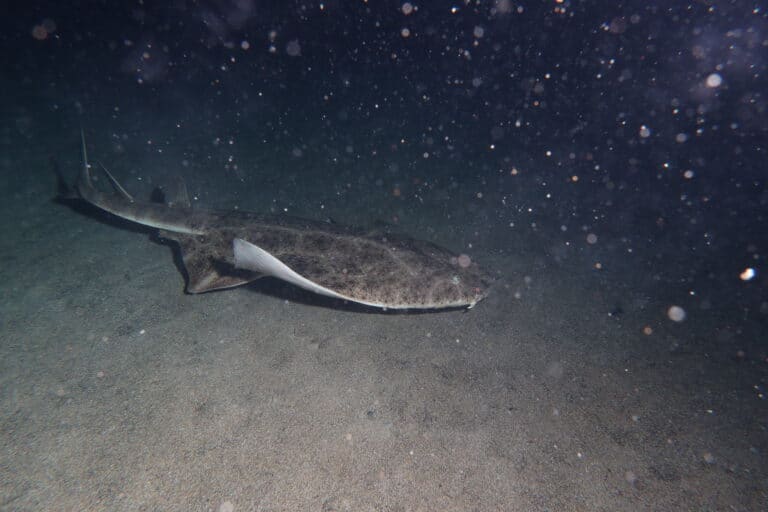
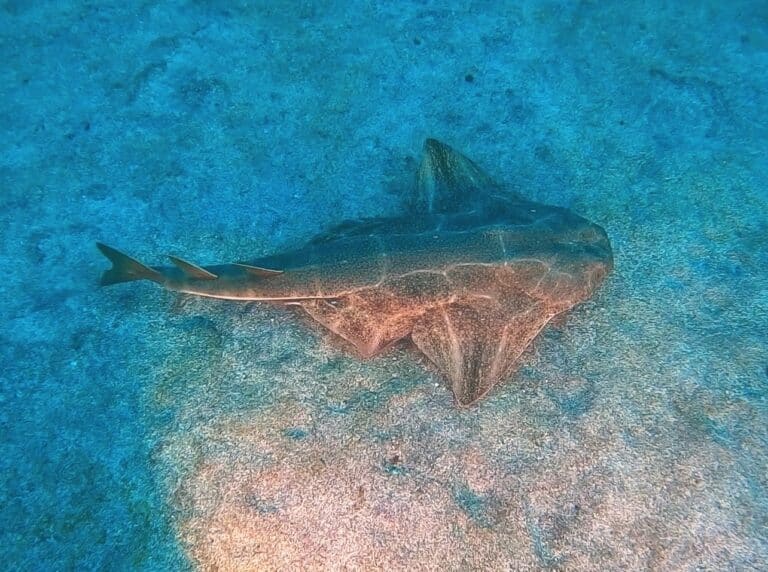
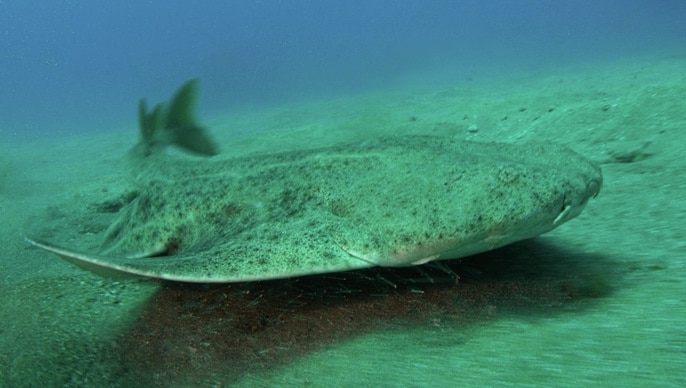
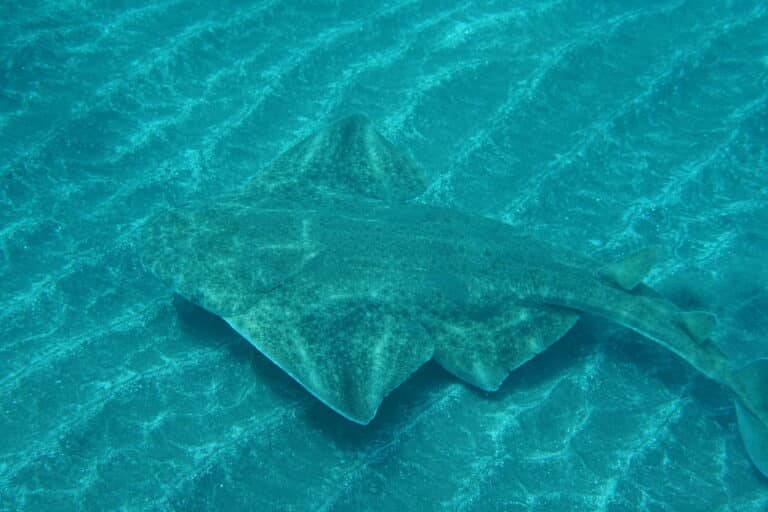
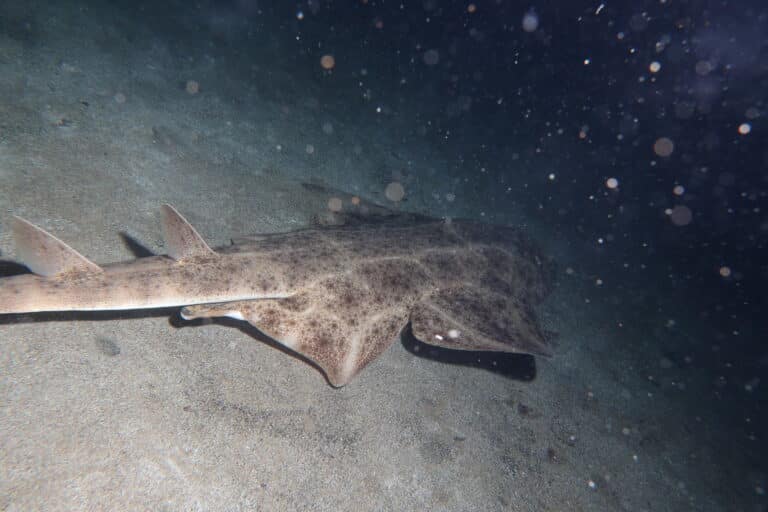
Angel sharks are amazing fish that feel more like swimming carpets! These flat-bodied creatures belong to a group called Chondrichthyes, which includes sharks and rays, but they have a unique twist: they like to hide in sand and wait for their prey.
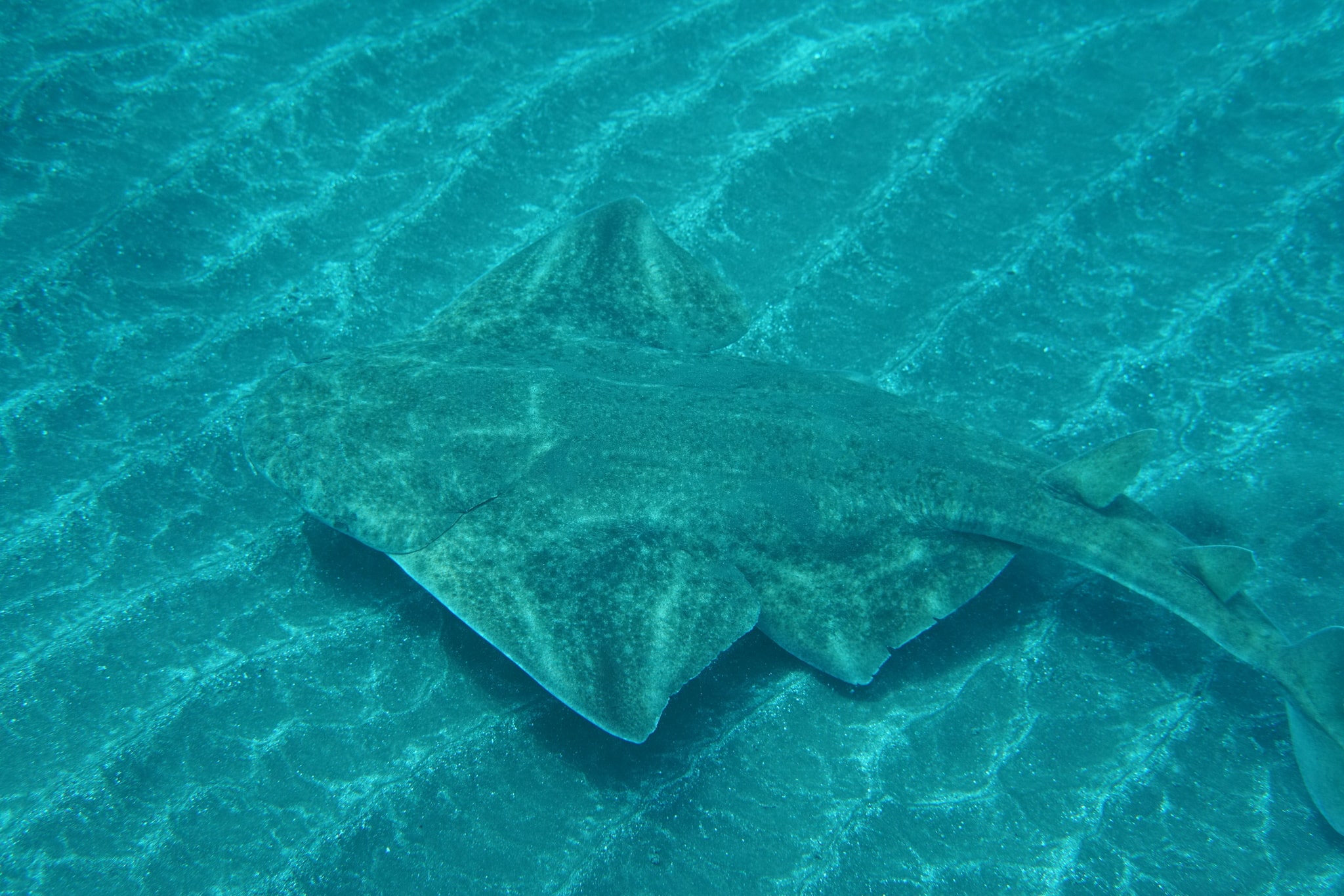
Angel sharks can grow to be about 1.5 to 2 meters long, which is around 4.9 to 6.6 feet! Their bodies are shaped like a ray, making them perfect for camouflaging with the ocean floor.
These fascinating fish enjoy a diet that includes fish, crustaceans, and mollusks. With a swift lunging motion, they snatch up their dinner from their hiding spots, proving that patience is a great virtue in the ocean!
Angel sharks have long lifespans, reaching up to 25 to 35 years. That's a lot of years for mastering the art of sneaky swimming!
These remarkable fish live in oceans around the world, usually near the seabed. Despite their fierce-looking appearance, they're not the monsters of the deep, just quirky hunters waiting for a tasty meal to swim by!
Every angle of the angel shark's life is a testament to their unique adaptations. Who knew sharks could be so flat and still be so fantastic?

Where can you find a Angel Shark in the wild?
What does a Angel Shark eat?
How big can a Angel Shark grow?
How long does a Angel Shark typically live?
What is the conservation status of the Angel Shark?
What are the main threats to the Angel Shark?
Fun facts
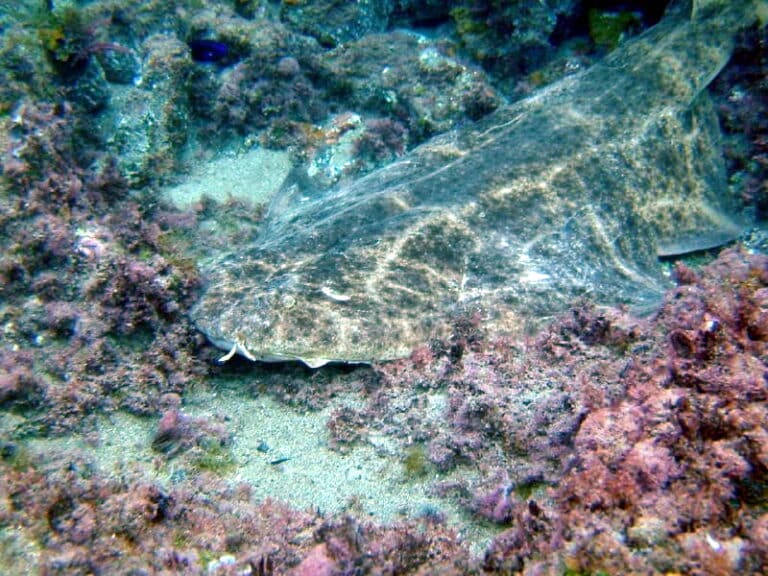
Angel sharks can stay perfectly still for hours, blending in with the ocean floor like a magician who makes themselves disappear!


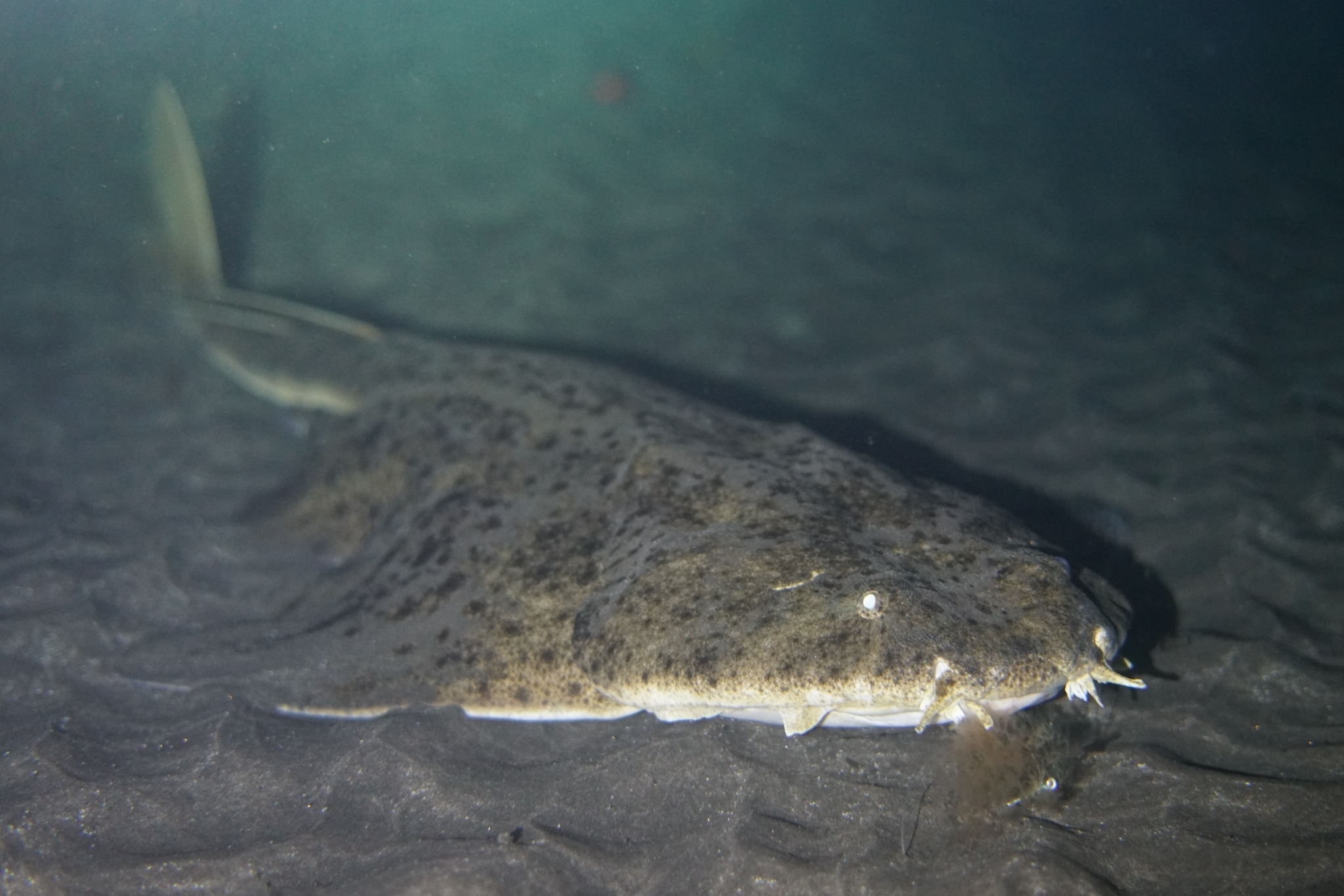
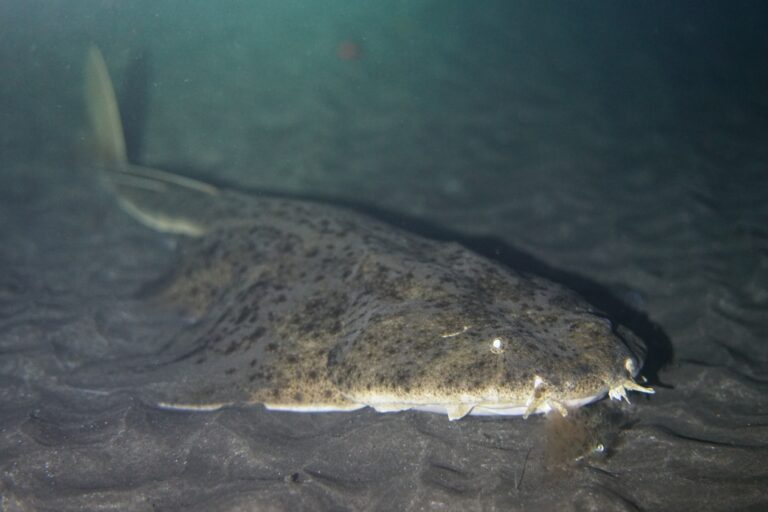
These fish have a unique mouth located on the underside of their bodies, which allows them to snap up prey from below without being seen, as if they are sneaky ocean ninjas!
Angel sharks have been known to give birth to live young, which means baby angel sharks hatch from eggs inside their moms, ready to swim into the world instead of popping out of shells.
The angel shark's skin is covered in tiny, rough scales that feel like sandpaper, acting as protection against predators while they lie in wait for their next meal.
Much like a superhero’s secret identity, angel sharks can change their color to better match their surroundings, making their camouflage game truly top-notch!
Some angel sharks can reach speeds up to 40 kilometers per hour (25 miles per hour) in short bursts, surprising both their prey and any curious sea onlookers!
These sharks have a special organ called the ampullae of Lorenzini, which allows them to detect electrical signals from prey, turning them into underwater detectives when it comes to finding meals.
In history, angel sharks inspired tales of sea monsters, but no need to fear! They prefer to hide rather than chase you, making them more introverted than intimidating.
When threatened, some angel sharks will bury themselves in the sand completely, making them look like unassuming lumps, leaving predators scratching their heads!
Despite their fierce look, angel sharks are more likely to swim away from trouble than confront it, showing that even creatures that look tough can be gentle giants.
Photos


The Basics


explore more
Amphibians
Arachnids
Birds
Cats
Crustaceans
Fish
Fish Pet Guide
Gastropods
Insects
Invertebrates
Mammals
Pet Fish
Pet Rodents
Plants
Reptiles
Roundworms
Sea Slugs