Successfully copied to clipboard!
Atlantic Sturgeon
Explore the incredible, ancient fish that glides through time!
Let’s Explore
Overview
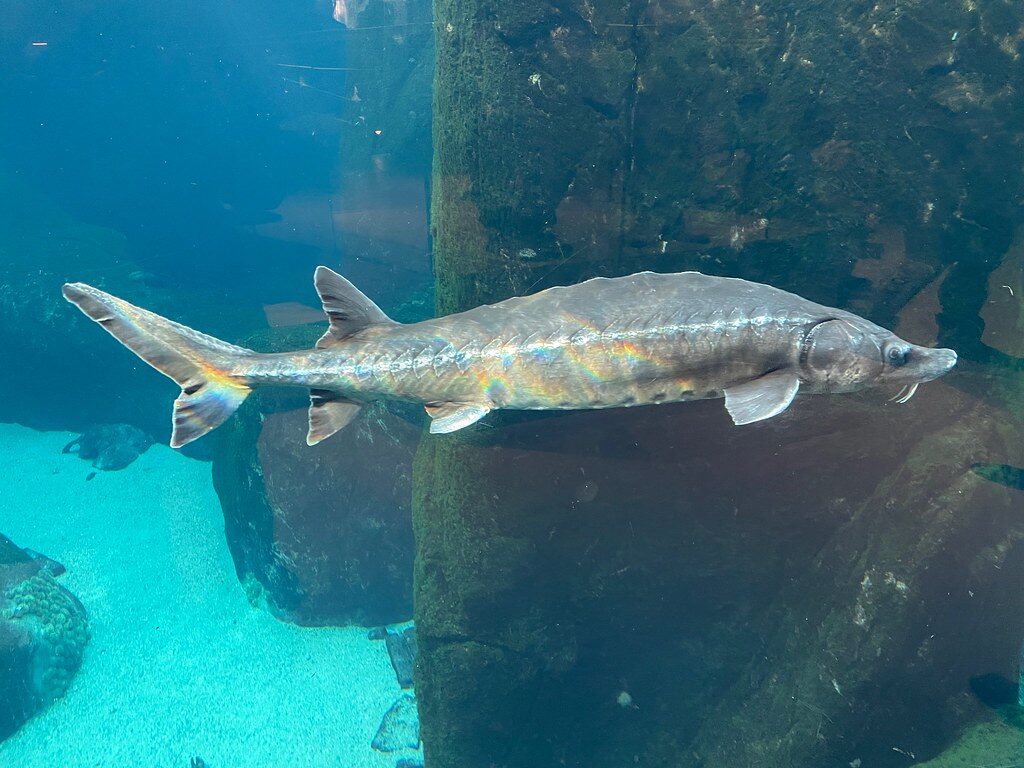
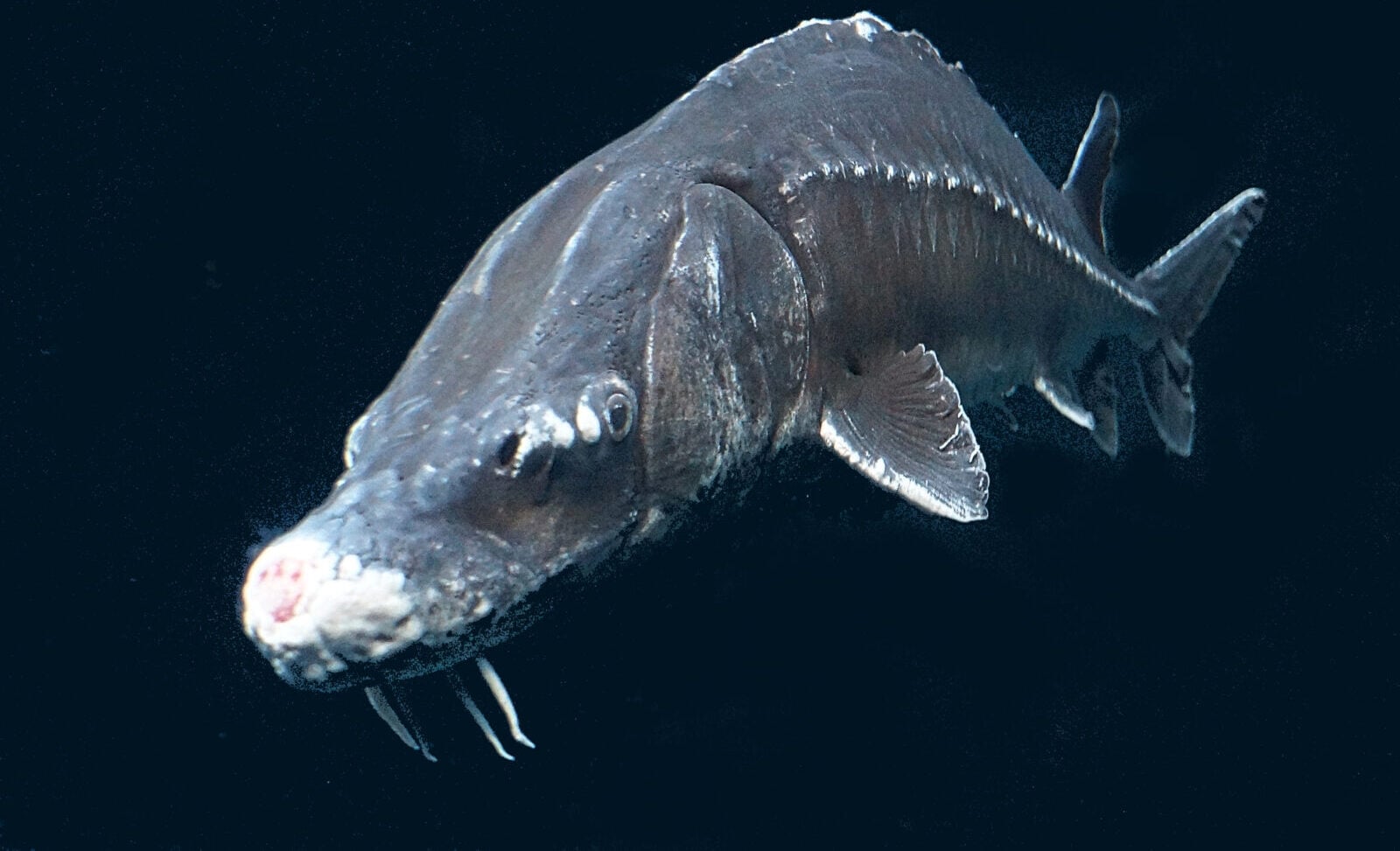
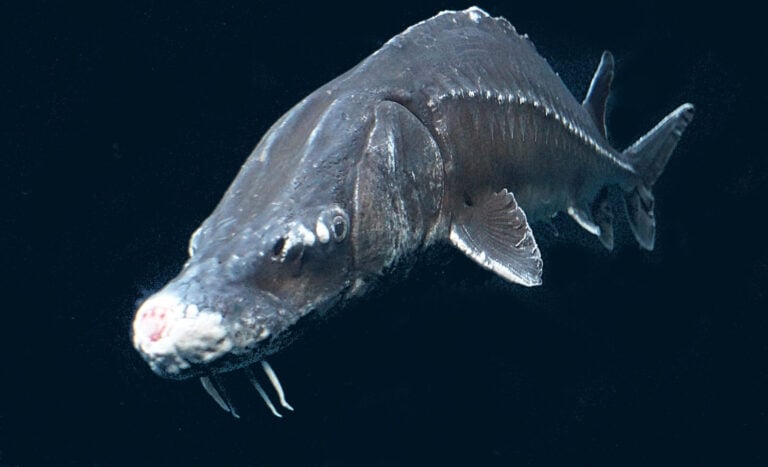
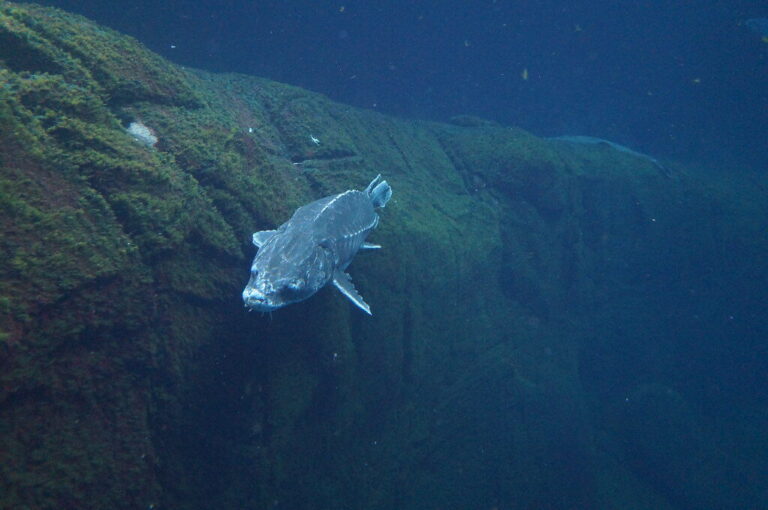
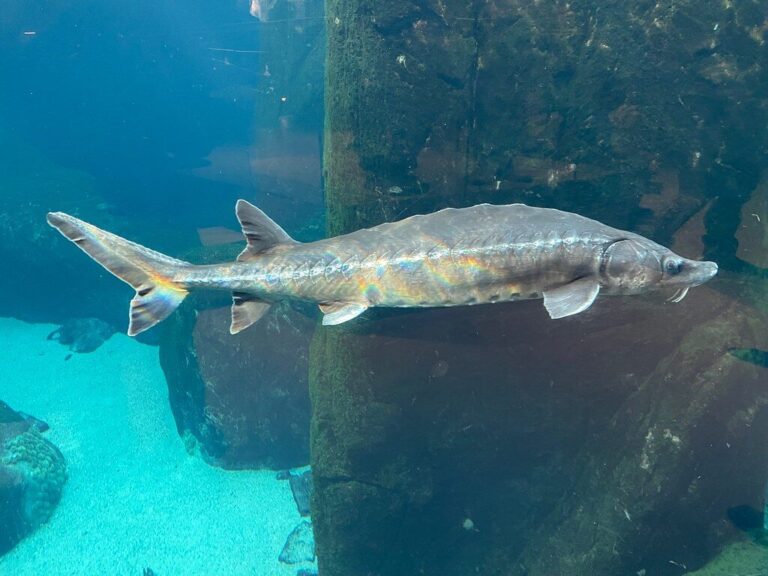
The Atlantic Sturgeon swims through the rivers and coastal waters of North America, reaching lengths of 1.8 to 2.4 meters (6 to 8 feet). This ancient fish has been swimming the seas for more than 200 million years, making it a real living fossil!
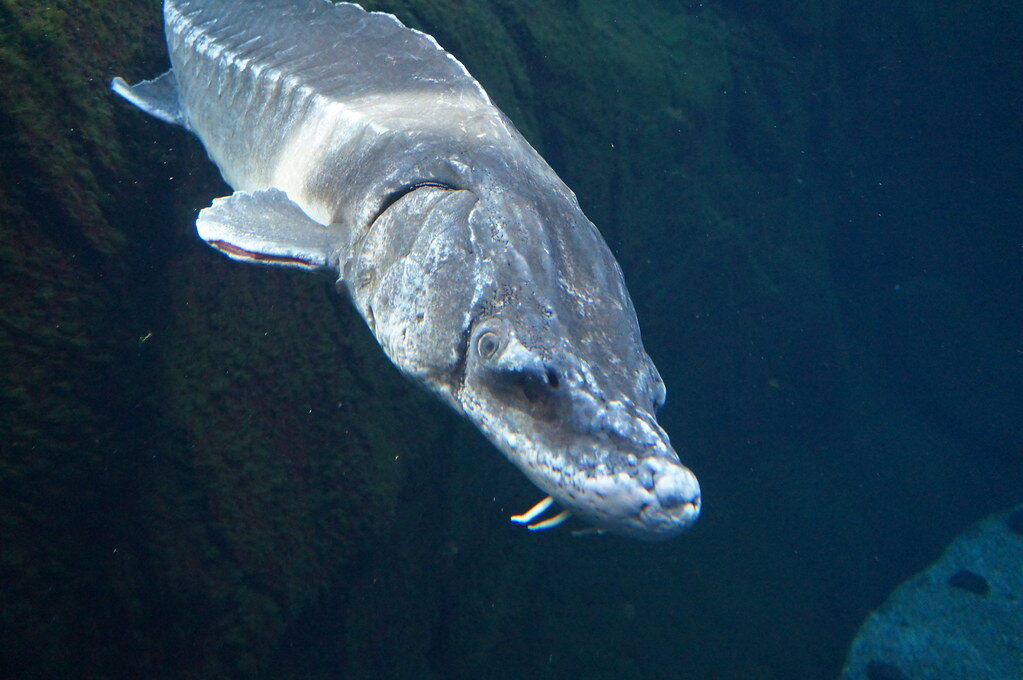
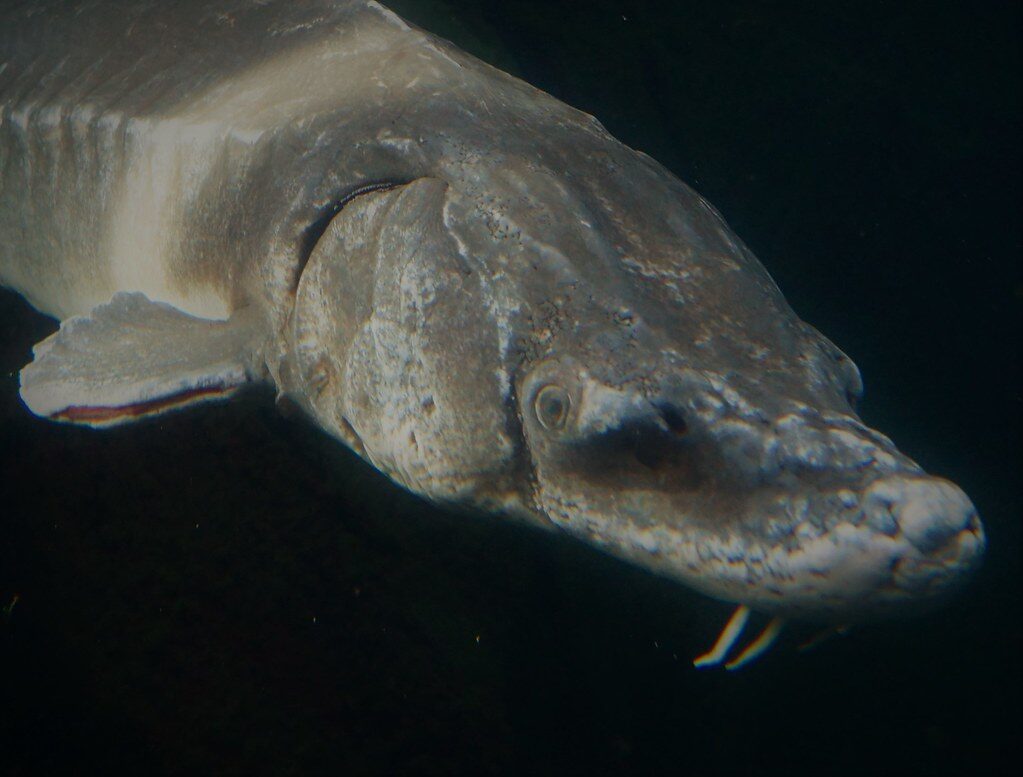
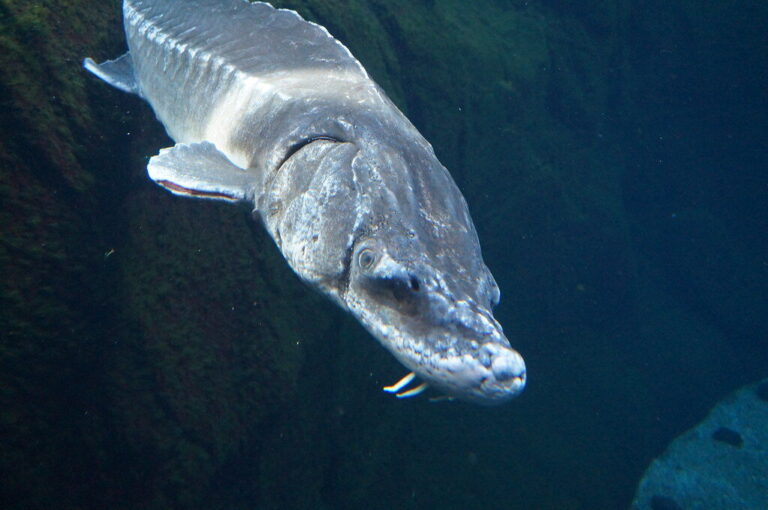
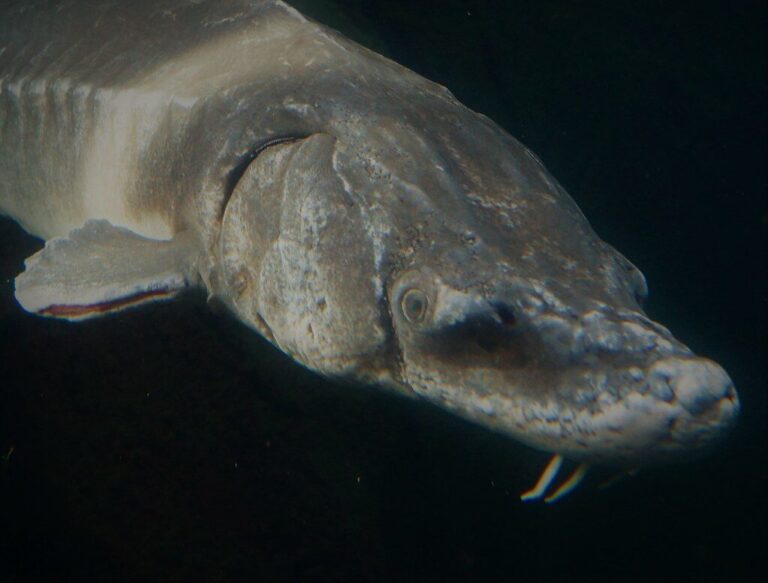
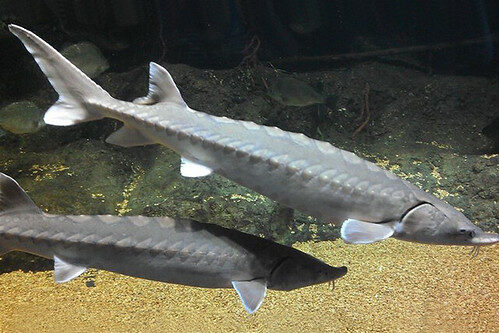
With a long, streamlined body covered in bony plates called scutes, the Atlantic Sturgeon looks like a mini dinosaur. Its unique appearance helps it glide smoothly through water, leaving other fish gobsmacked!
This sturgeon has a special diet based on crustaceans, mollusks, and insect larvae. They use their sensitive barbels, which are whisker-like sensors, to find food buried in the mud at the bottom of rivers.
Atlantic Sturgeons can live for an impressive 60 years, giving them plenty of time to swim around and explore. These fish don't just grow old gracefully; they also perform impressive acrobatics, leaping out of the water like they’re ready for an aquatic dance-off!
These ancient fish have a unique way of reproducing, often traveling long distances upstream to spawn in fresh water. After spawning, their young fish will hatch and grow in the safety of the rivers before heading back to the ocean to continue their adventures.
The Atlantic Sturgeon remains an important part of its ecosystem, helping to balance river environments. They may be vulnerable, but these magnificent fish continue to create a stir in aquatic habitats!

Where can you find a Atlantic Sturgeon in the wild?
What does a Atlantic Sturgeon eat?
How big can a Atlantic Sturgeon grow?
How long does a Atlantic Sturgeon typically live?
What is the conservation status of the Atlantic Sturgeon?
What are the main threats to the Atlantic Sturgeon?
Fun facts
The Atlantic Sturgeon can launch itself out of the water and perform incredible flips and jumps, showing off like a fishy acrobat.


These fish have a special sixth sense! Atlantic Sturgeons can detect weak electrical fields in the water, helping them find food even if their eyes are closed.
Although they are fish, Atlantic Sturgeons have a fascinating evolutionary history; they are closely related to ancient creatures like sharks and have roamed the Earth for more than 200 million years.
The unique scutes that cover their bodies help Atlantic Sturgeons swim smoothly through the water, making them look like prehistoric swimming machines!
Baby sturgeon have a funny habit of playing hide-and-seek in the mud; they use their barbels to dig into the riverbed, sneaking away from hungry predators.
When it comes time to spawn, Atlantic Sturgeons travel hundreds of kilometers upstream, making them the ultimate aquatic adventurers of the fish world!
Despite their size, relatively few species prey on Atlantic Sturgeon. Only large predators like sharks and big fish try to take a bite out of these ancient giants.
Moving in and out of freshwater and saltwater makes Atlantic Sturgeon super adaptable, proof that they can handle the watery life no matter the challenge!
Sometimes called the ‘living fossil’ of fish, these sturgeons have changed little over more than 200 million years, demonstrating that if it ain't broken, don’t fix it!
In the past, fishermen would catch Atlantic Sturgeons for their roe, which makes delicious caviar. This unique treat was so popular it has affected their population!
Photos


The Basics


explore more
Amphibians
Arachnids
Birds
Cats
Crustaceans
Fish
Fish Pet Guide
Gastropods
Insects
Invertebrates
Mammals
Pet Fish
Pet Rodents
Plants
Reptiles
Roundworms
Sea Slugs