

Successfully copied to clipboard!
Barb
Join colorful fish on exciting adventures in African waters!
Let’s Explore
Overview
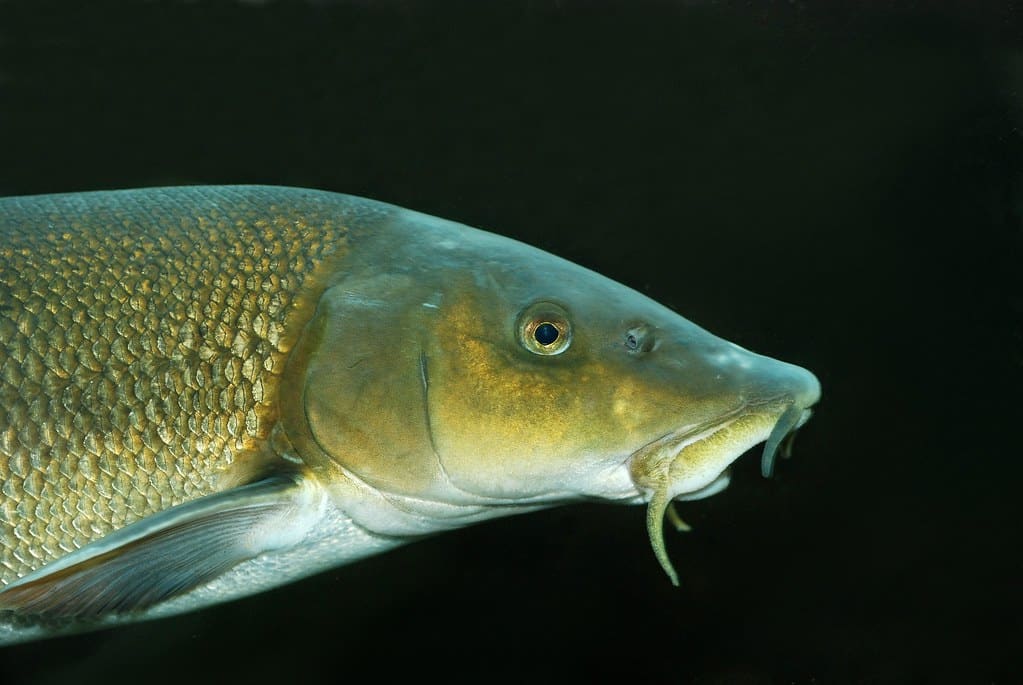
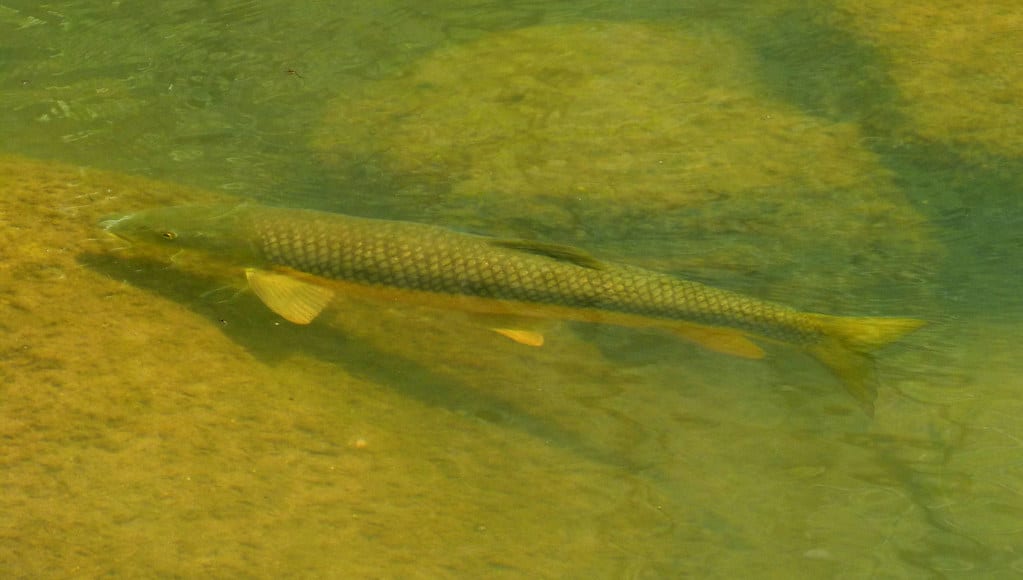
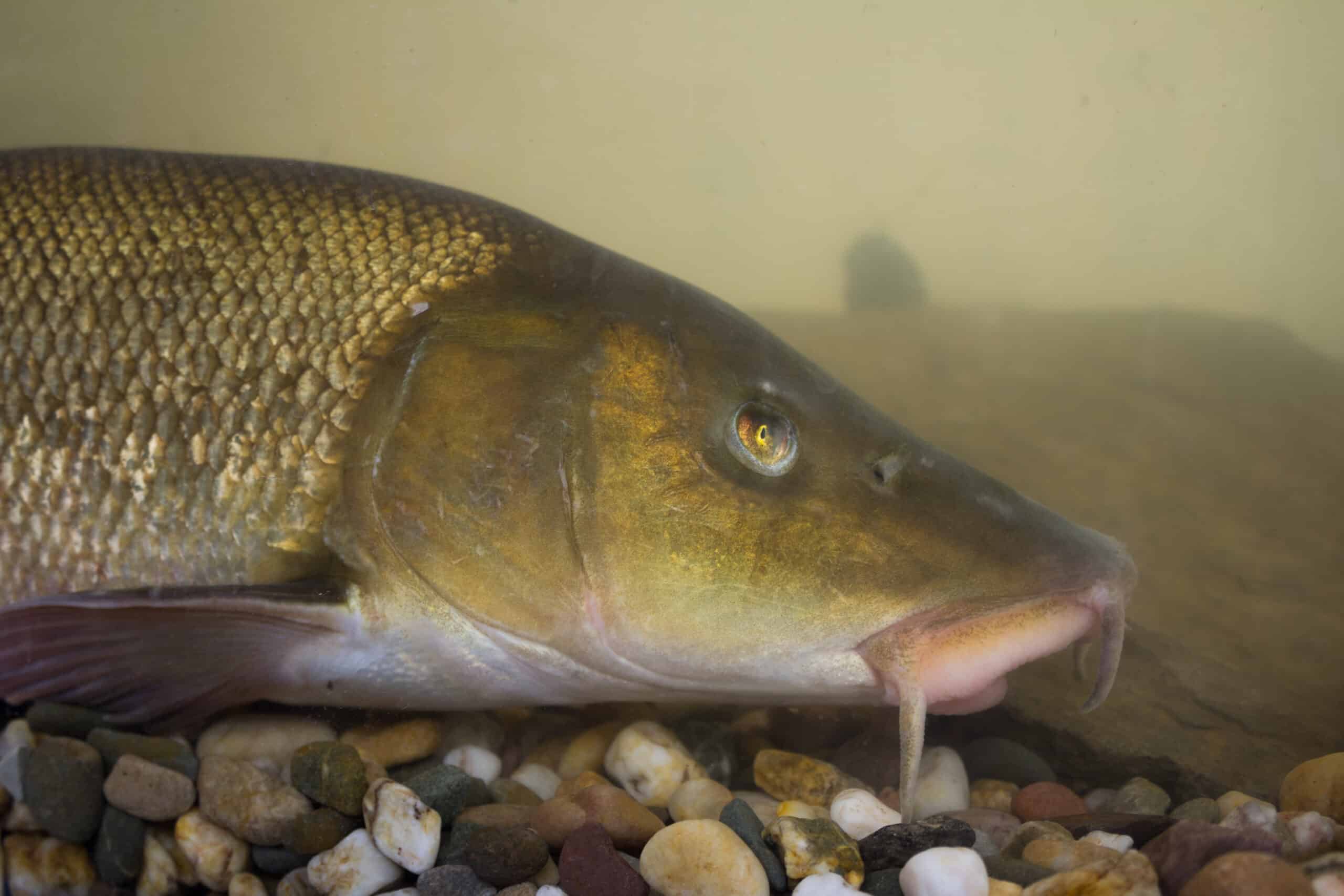
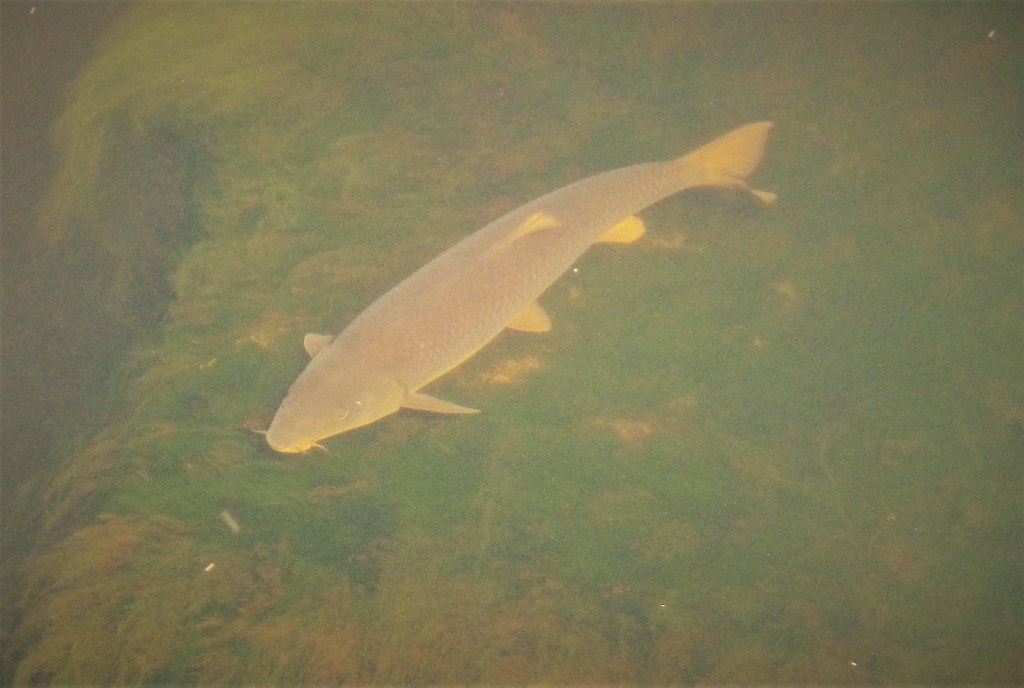
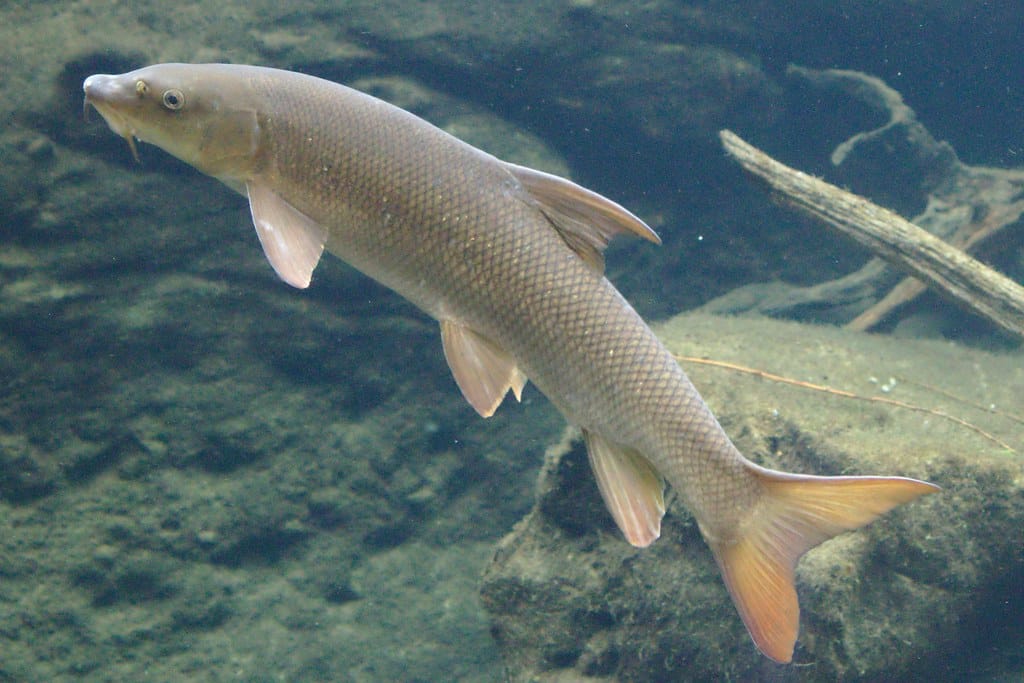
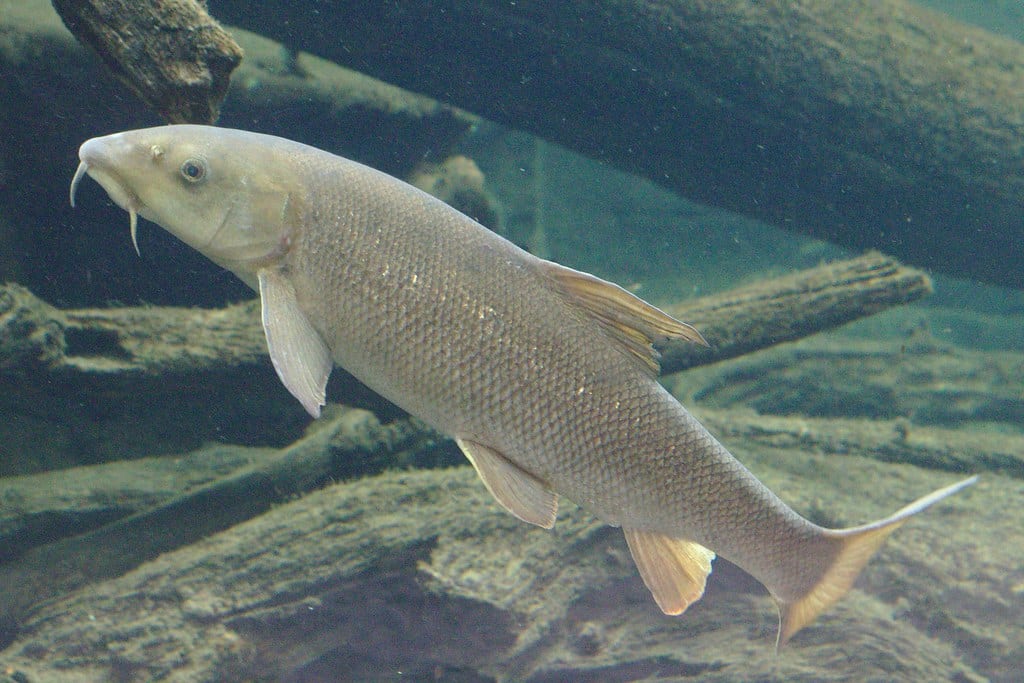
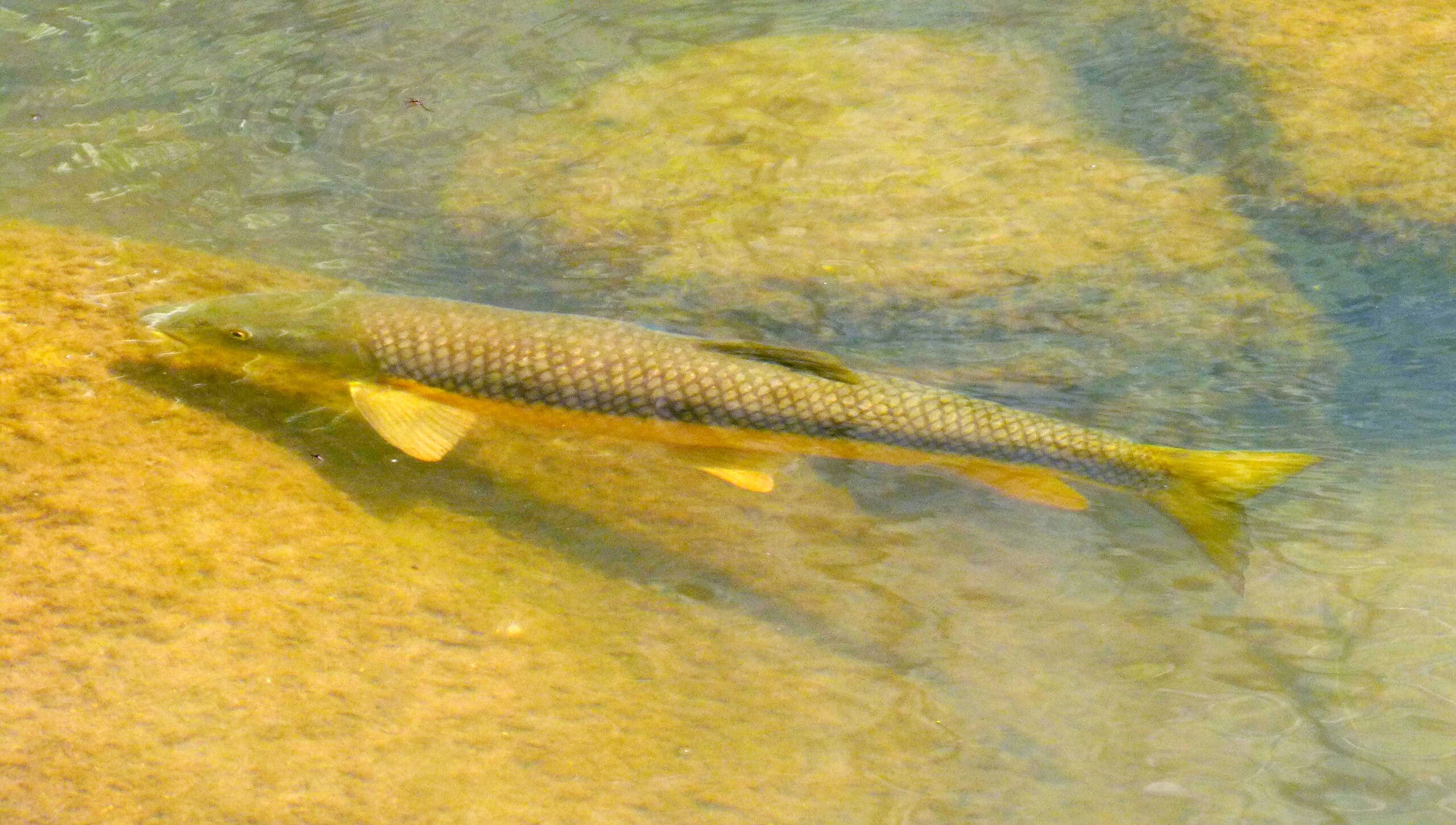
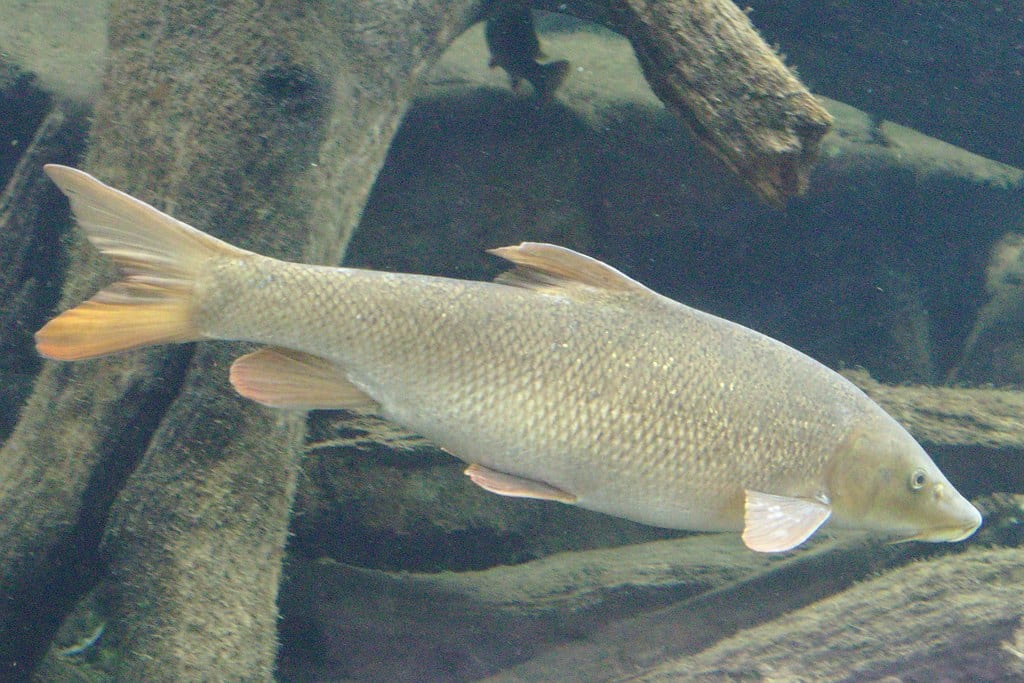
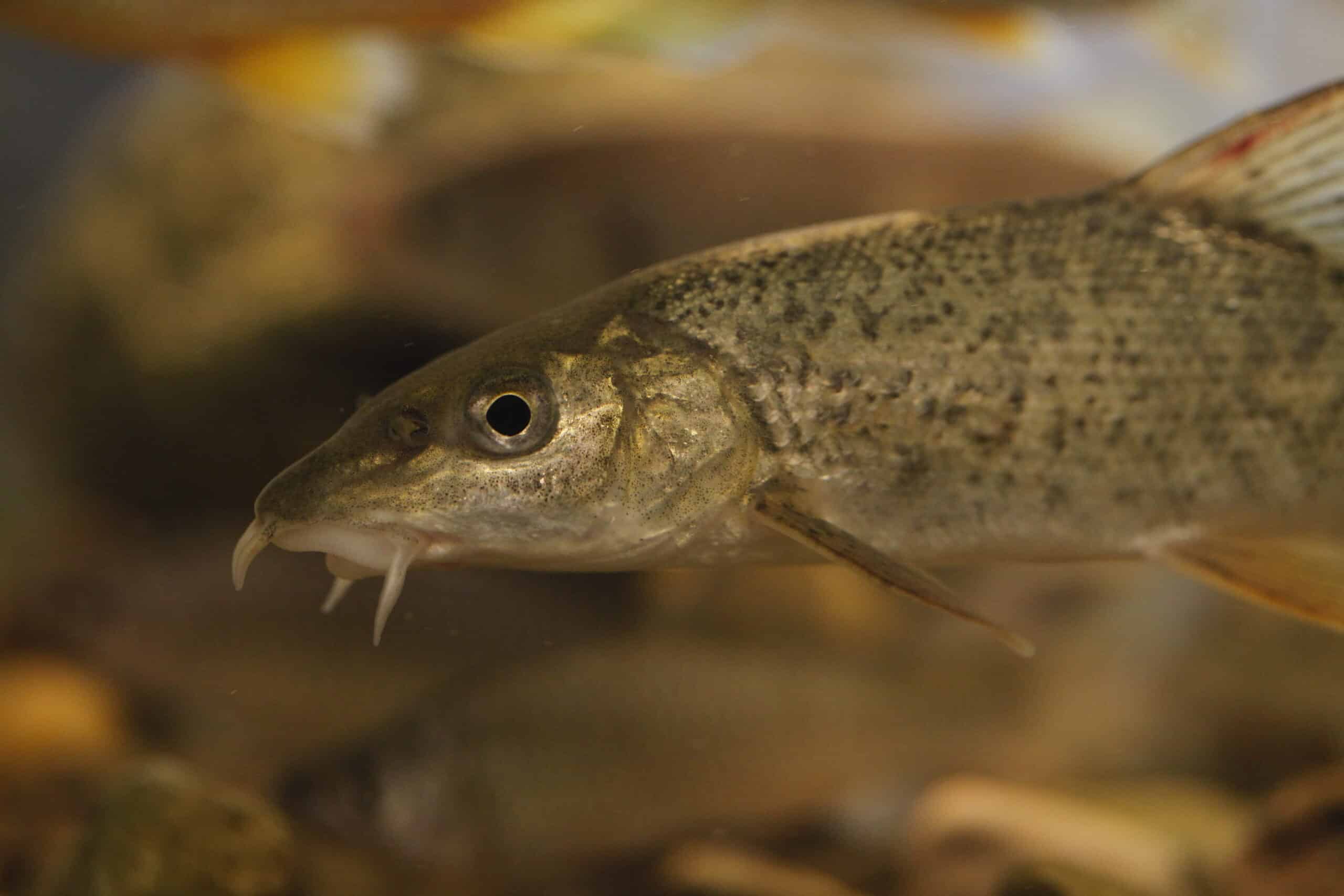
The Barb is a lively fish that swims in rivers and lakes across Africa. These colorful fish can range from 30 to 60 centimeters (12 to 24 inches) in length, making them a delightful sight to see while exploring aquatic worlds.
Barbs belong to the class Actinopterygii, which is the same class that includes most of the fish in our oceans and freshwater. They swim in schools, often creating a dazzling display of motion and color as they dart around in search of food.
These fish enjoy a diverse diet that includes insects, crustaceans, and tasty bits of plant matter. With their slightly flattened bodies and vibrant scales, Barbs grab their meals from both the water surface and the underwater plants.
Barbs have an impressive lifespan, living between 7 to 15 years in the wild. Their long lives and active swimming patterns make them a favorite among fish enthusiasts and wildlife watchers alike.
Swimming in groups also helps protect Barbs from predators. Their playful nature and social habits make them a joy to observe in their natural habitats.

Where can you find a Barb in the wild?
What does a Barb eat?
How big can a Barb grow?
How long does a Barb typically live?
What is the conservation status of the Barb?
What are the main threats to the Barb?
Fun facts
Barbs can communicate with their school mates using different sounds. They make small noises by vibrating their swim bladders, helping them stay together while exploring their watery homes.


Some Barb species can change color based on their mood or environment. When they feel excited, they might turn more vibrant, making them look even more dazzling!
Barbs are excellent jumpers! They can leap out of the water when startled or trying to escape predators, showing off their acrobatic skills.
These fish have an interesting way of eating— they often swim upside down to snack on insects and plants that float on the water's surface. This unusual trick helps them find food more easily.
Some Barbs display playful behavior in their schools. They can chase each other in short bursts, creating a fun and energetic environment in the water!
Barbs can change schools easily and often switch groups, making them social butterflies of the fish world. This behavior helps keep their genes varied and strong!
Photos

The Basics


explore more
Amphibians
Arachnids
Birds
Cats
Crustaceans
Fish
Fish Pet Guide
Gastropods
Insects
Invertebrates
Mammals
Pet Fish
Pet Rodents
Plants
Reptiles
Roundworms
Sea Slugs
