
Successfully copied to clipboard!
Eagle Ray
Experience the underwater ballet of graceful ocean flyers!
Let’s Explore
Overview
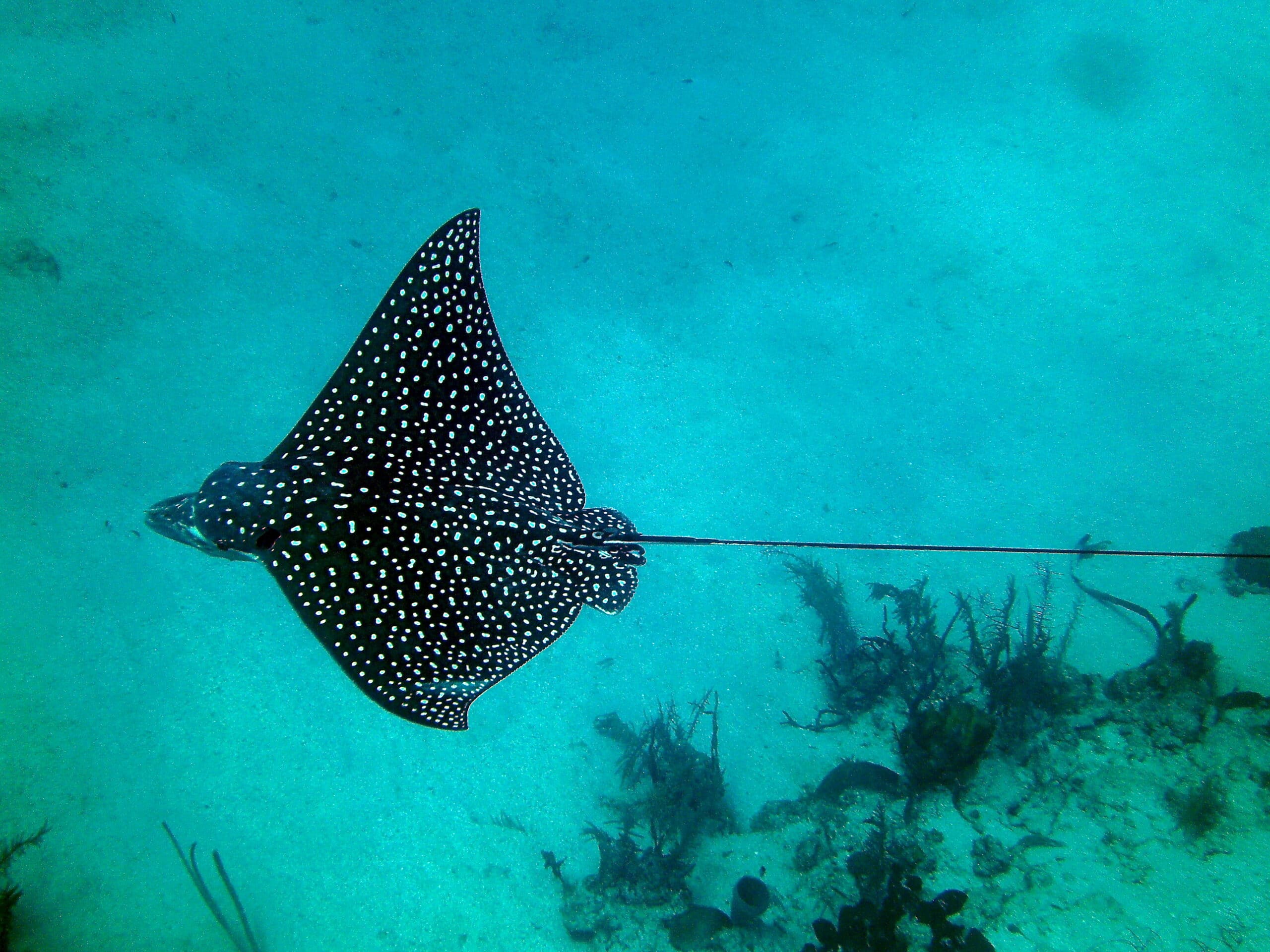
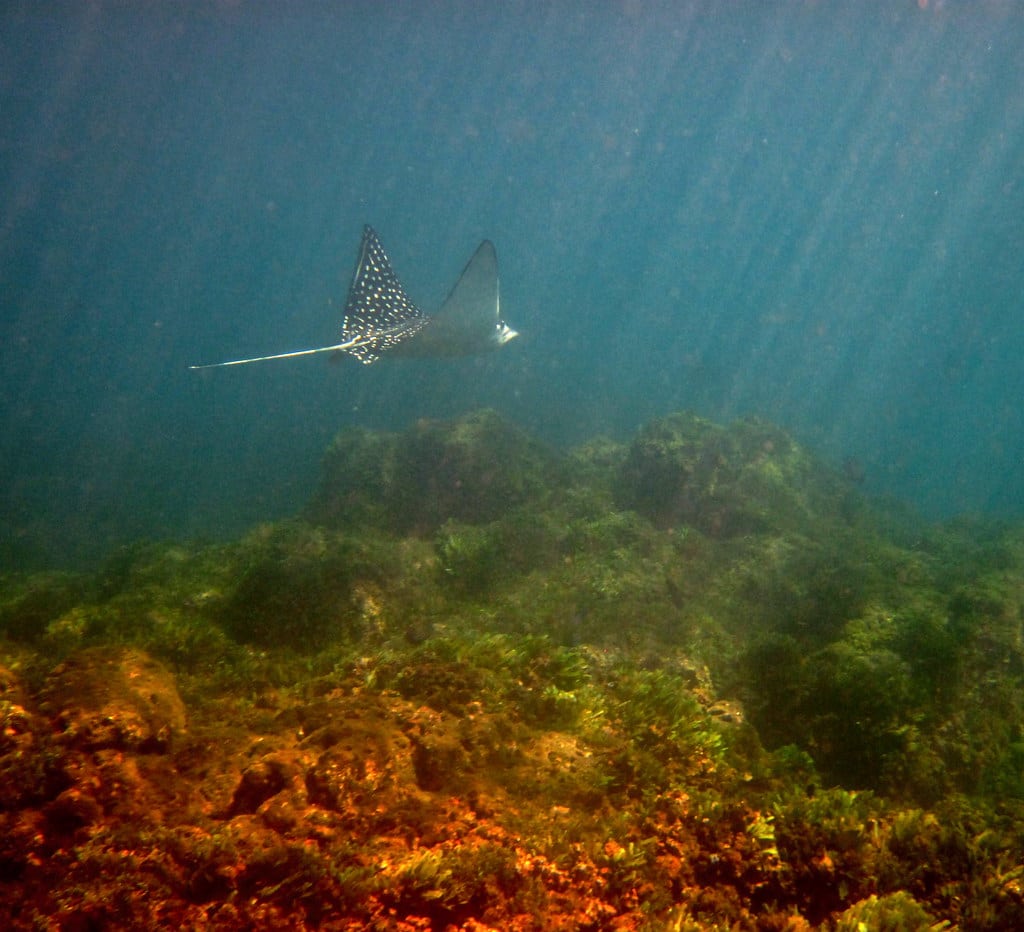
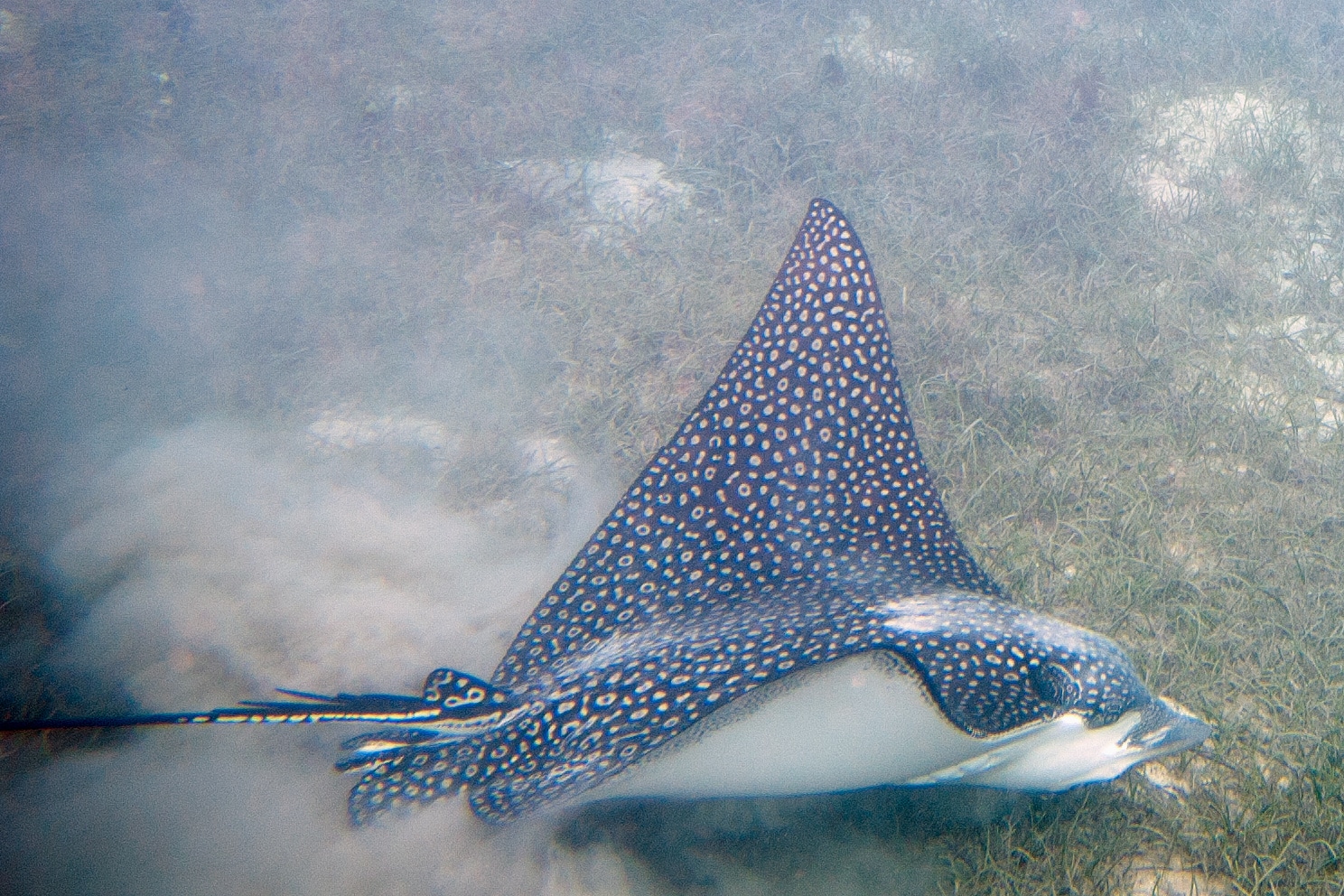
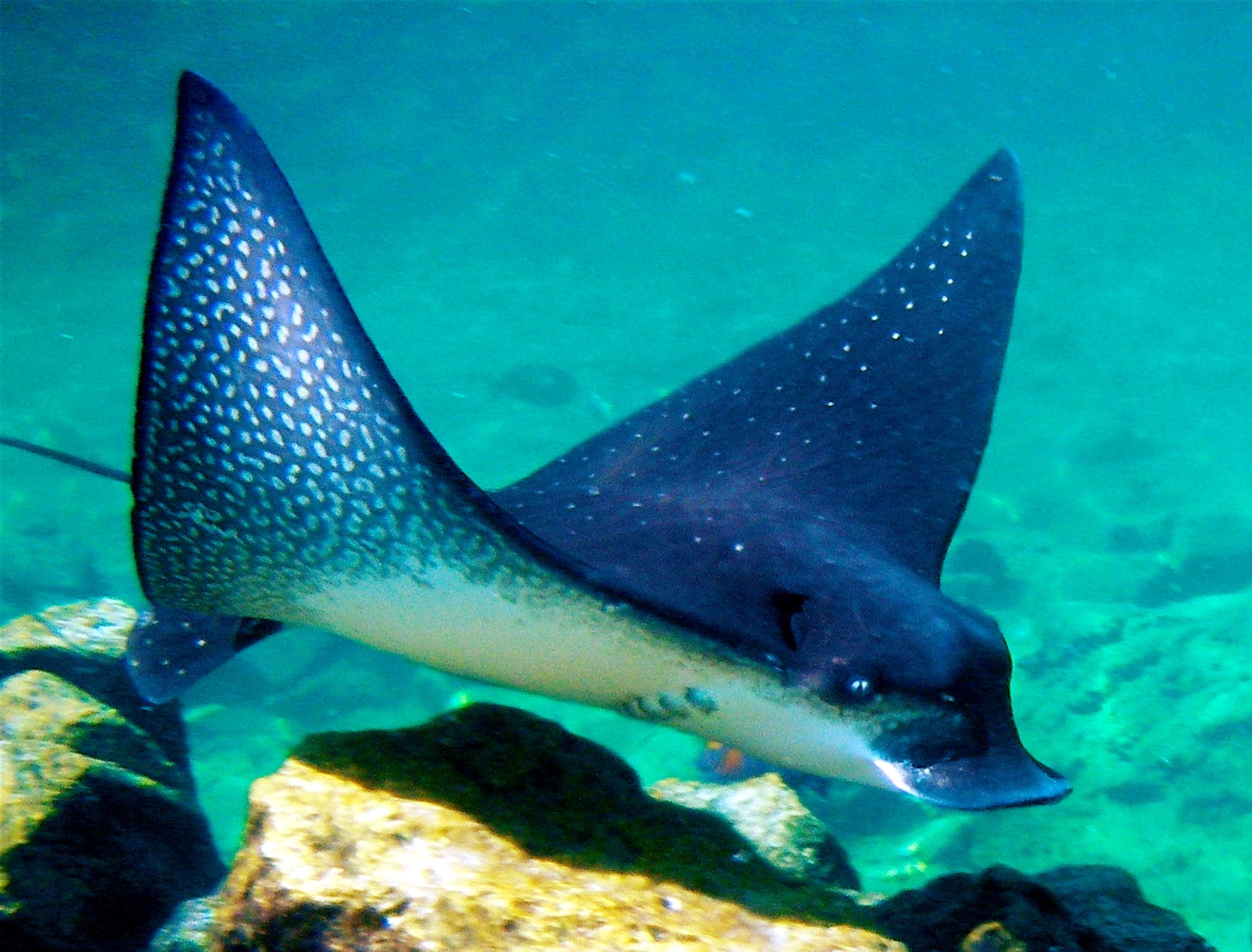
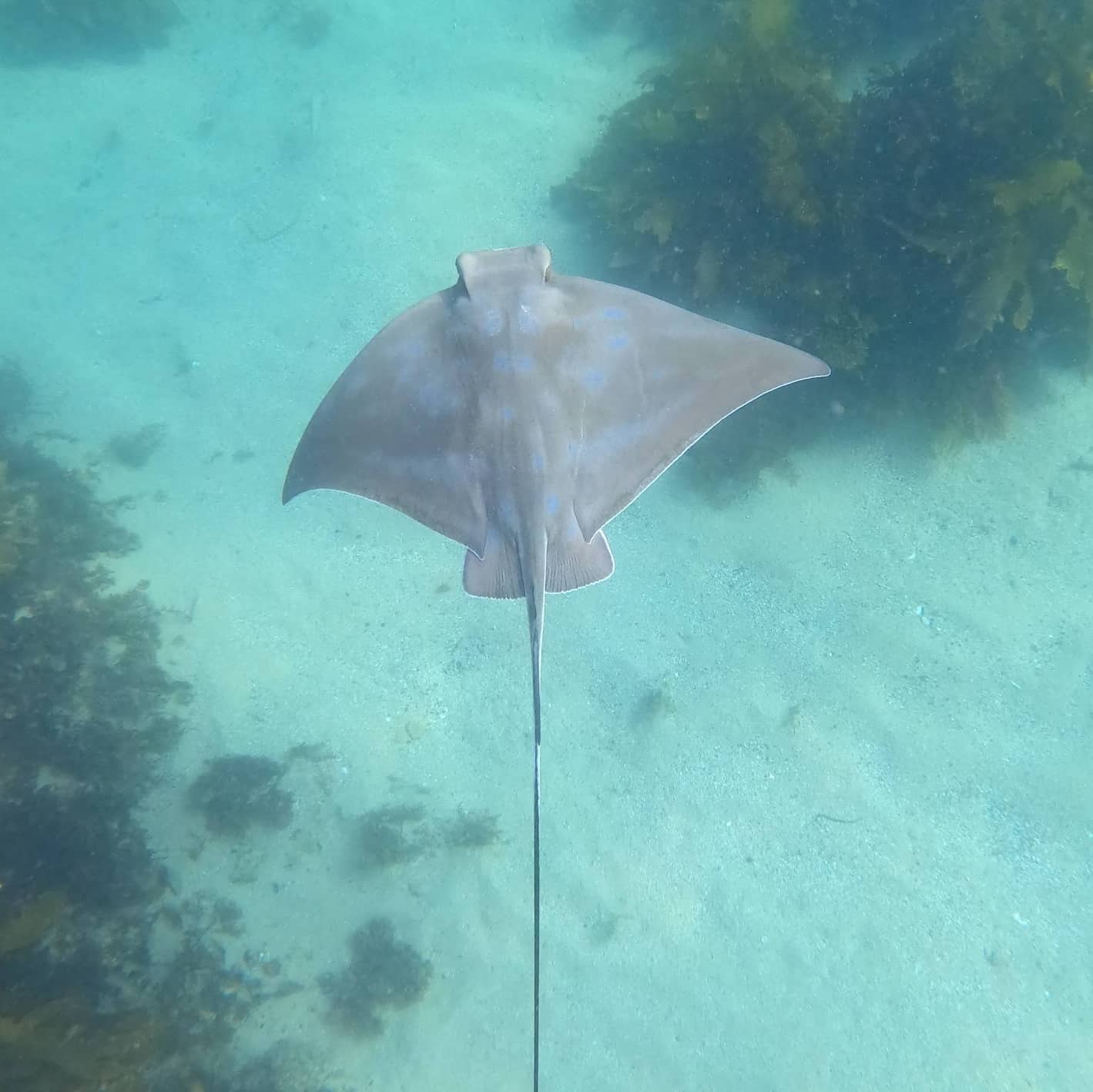
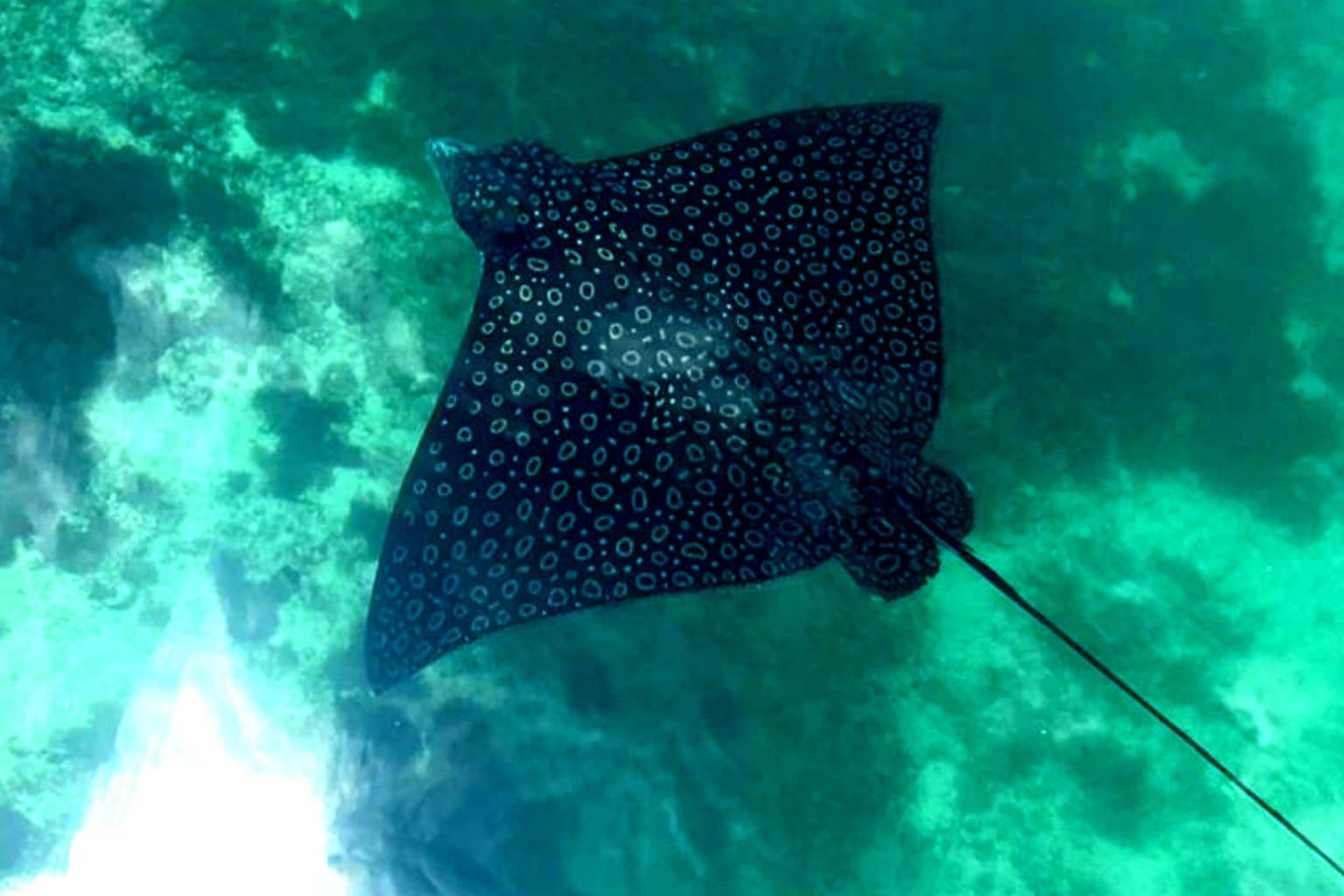
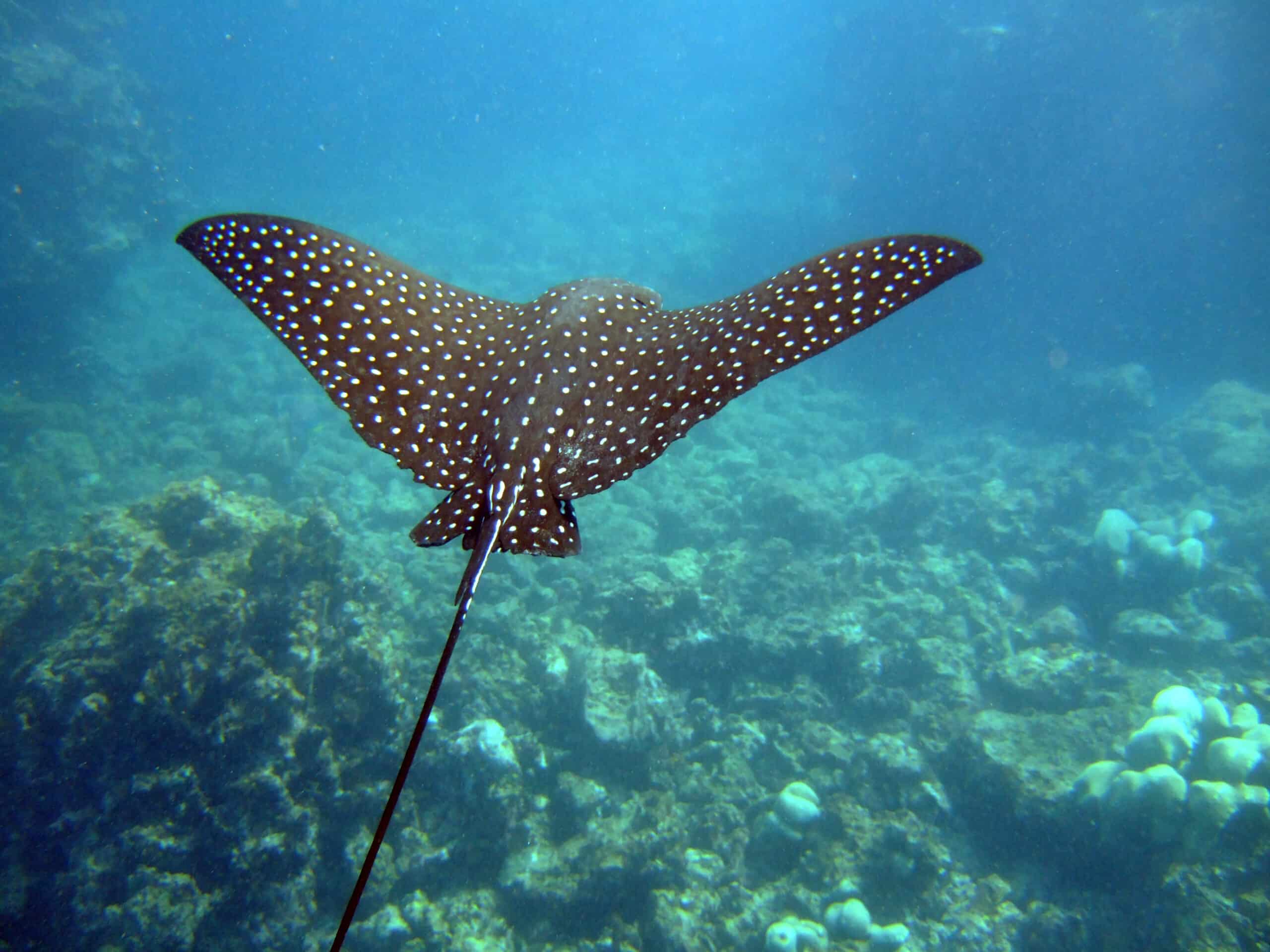
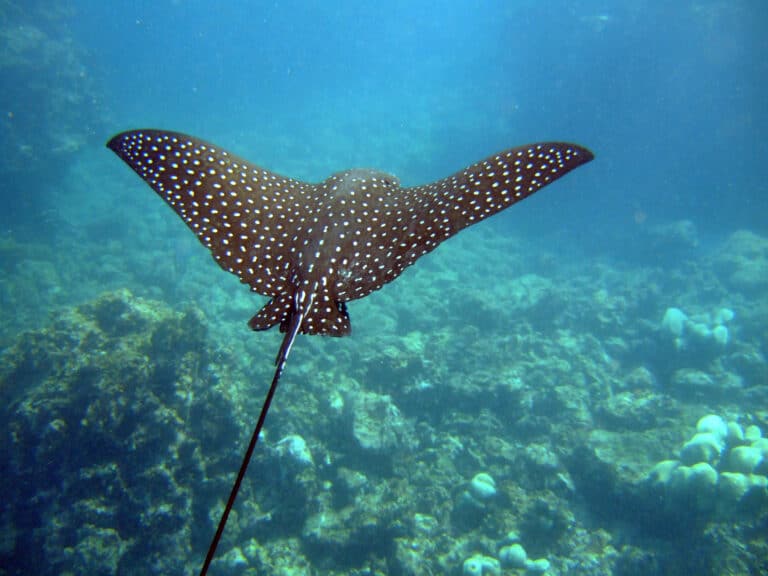
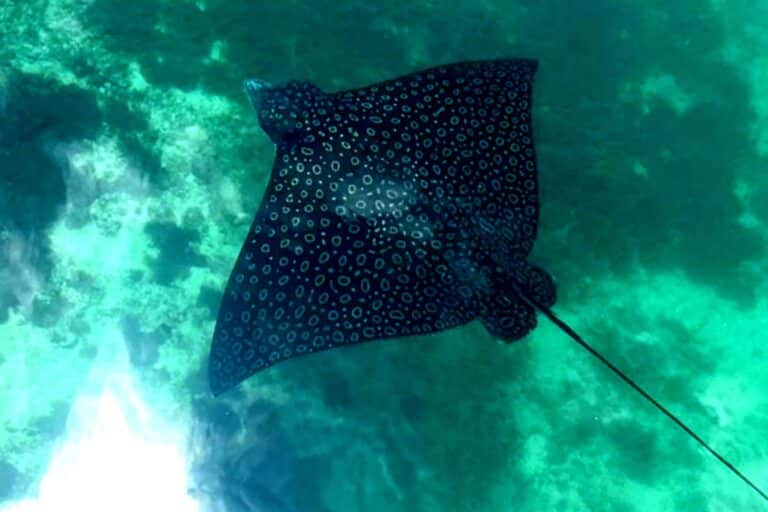
The Eagle Ray is a mesmerizing creature that glides through oceans with grace and style. These fish belong to the family Myliobatidae and can reach impressive wingspans of up to 16 feet wide, making them quite the sight to behold!
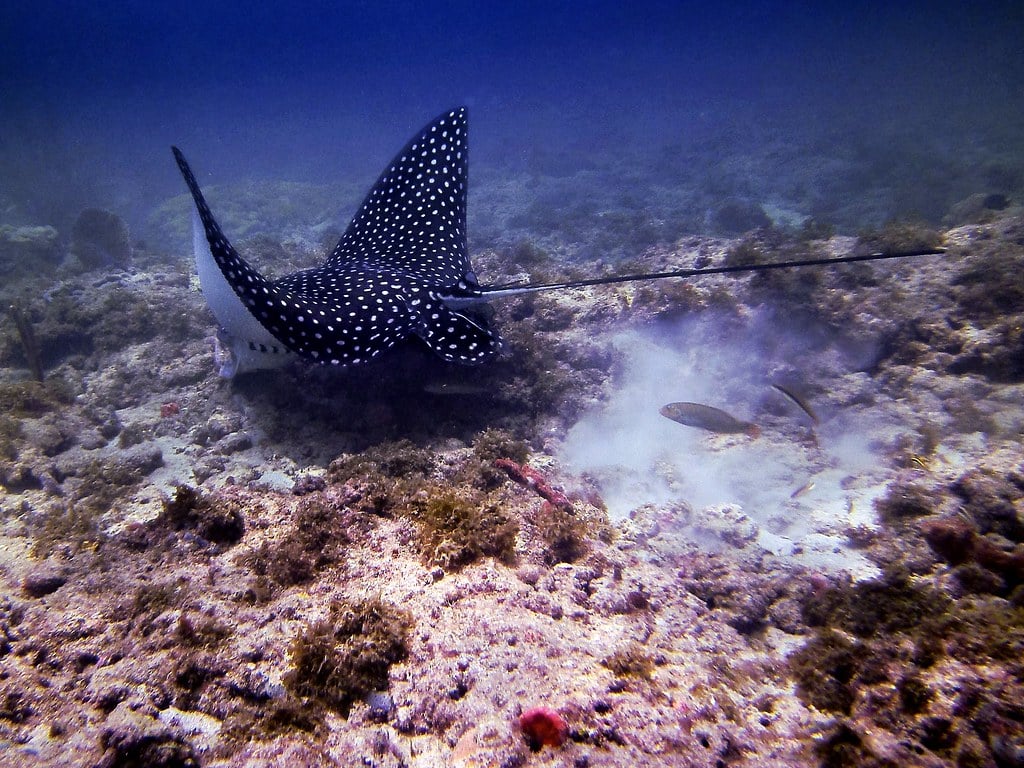
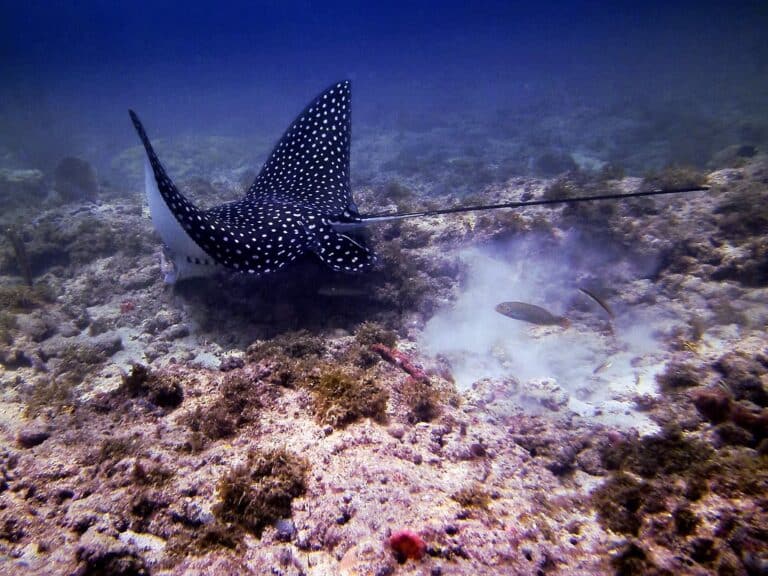
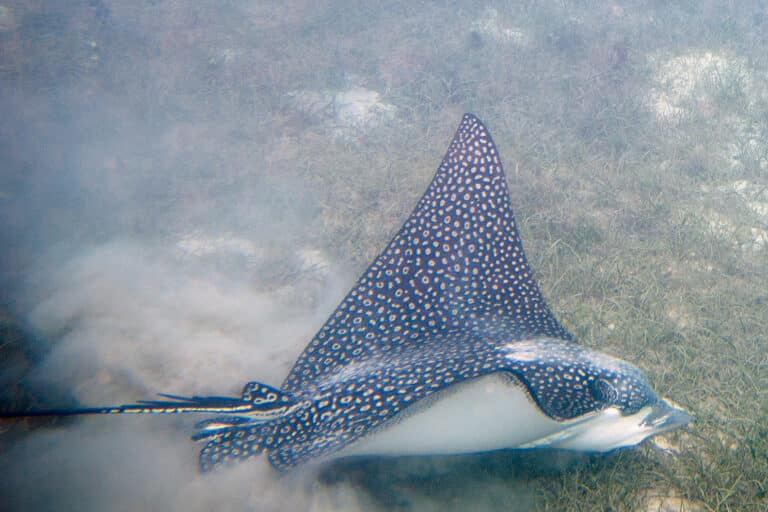
Eagle Rays are not just pretty faces; they have a balanced diet that consists of crustaceans, mollusks, and small fish. With their flattened bodies, they expertly dive into sandy ocean floors to hunt for tasty snacks hiding beneath the surface.
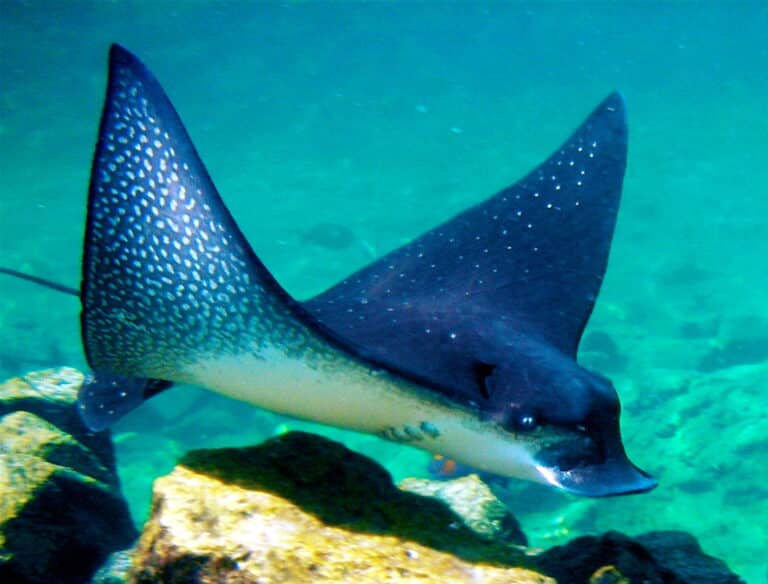
This aquatic marvel lives a long and fulfilling life, typically spanning 20 to 25 years. Their sleek, wing-like pectoral fins allow them to cruise effortlessly through the water, making them look like they are flying underwater.
One of the coolest features of Eagle Rays is that they can leap out of the water! They sometimes spring into the air, performing awesome flips, and splashes, which makes them a favorite among ocean enthusiasts.
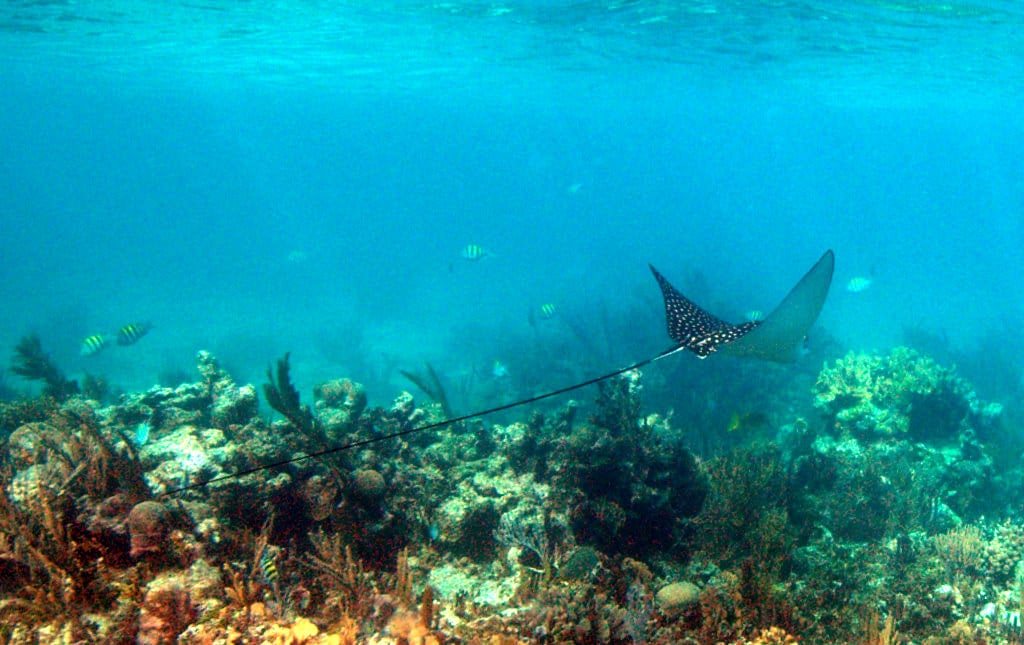
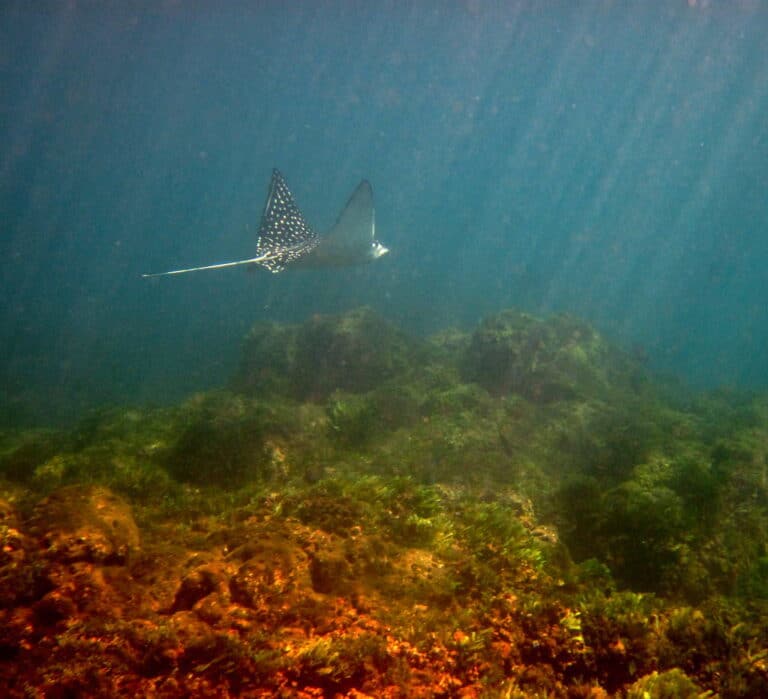
Despite their near-threatened status, Eagle Rays continue to enchant those who are lucky enough to encounter them. Whether they are swimming close to coral reefs or exploring open waters, these fish radiate beauty and mystery, inspiring awe in all who observe them.

Where can you find a Eagle Ray in the wild?
What does a Eagle Ray eat?
How big can a Eagle Ray grow?
How long does a Eagle Ray typically live?
What is the conservation status of the Eagle Ray?
What are the main threats to the Eagle Ray?
Fun facts
Eagle Rays can leap out of the water and perform flips and splashes, making them look like they are flying underwater!


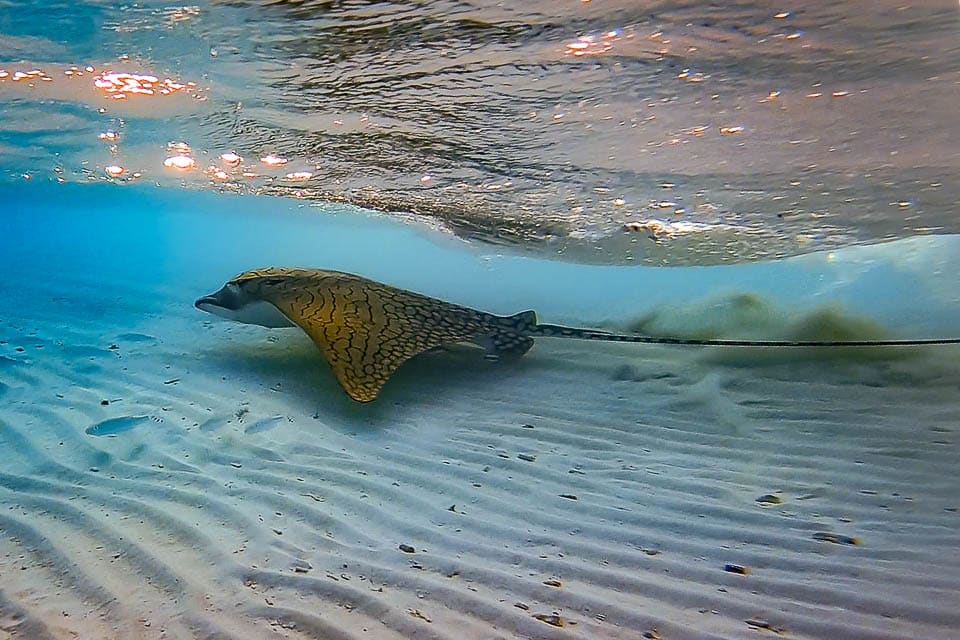
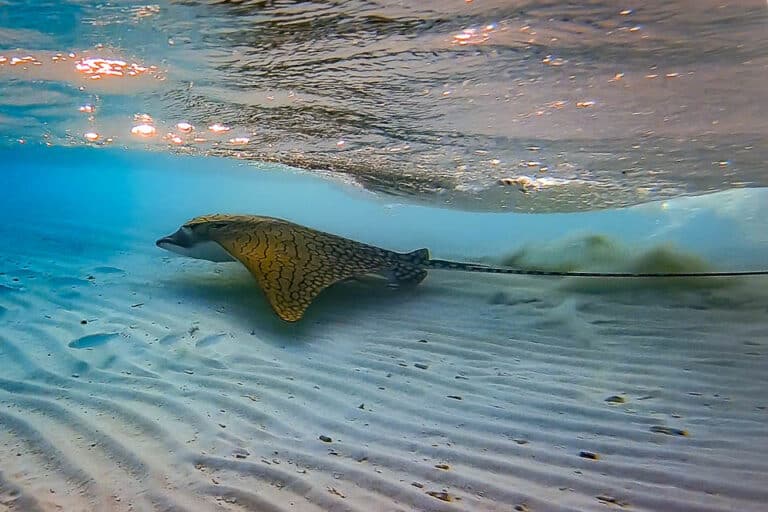
Their unique flat bodies help them maneuver through the ocean while gliding close to the sea floor. They can surprise prey by suddenly swooping down to scoop up treats hidden in the sand.
Eagle Rays have special sensors on their snouts called electroreceptors. These help them detect electrical signals given off by potential meals hiding in the sand.
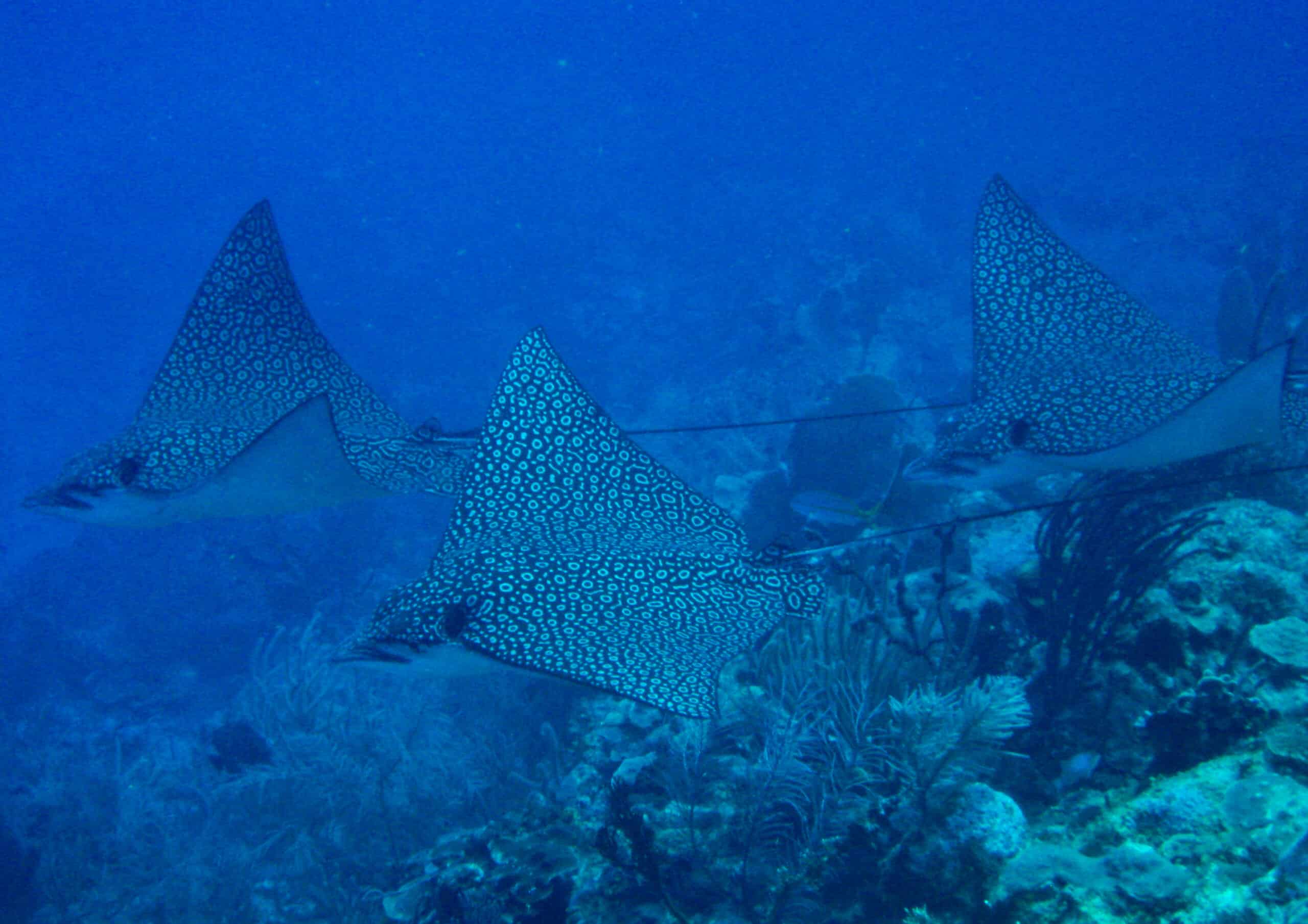
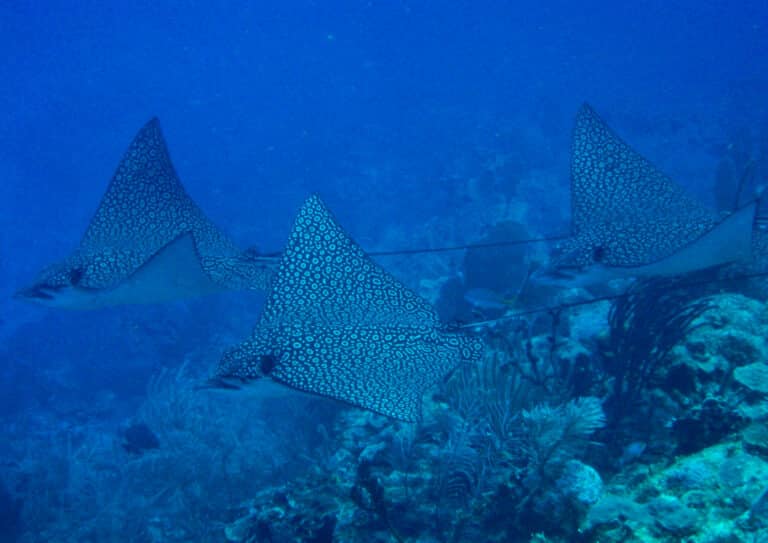
Some Eagle Rays can swim in groups, known as schools. These social gatherings help them find food together and stay safer from predators.
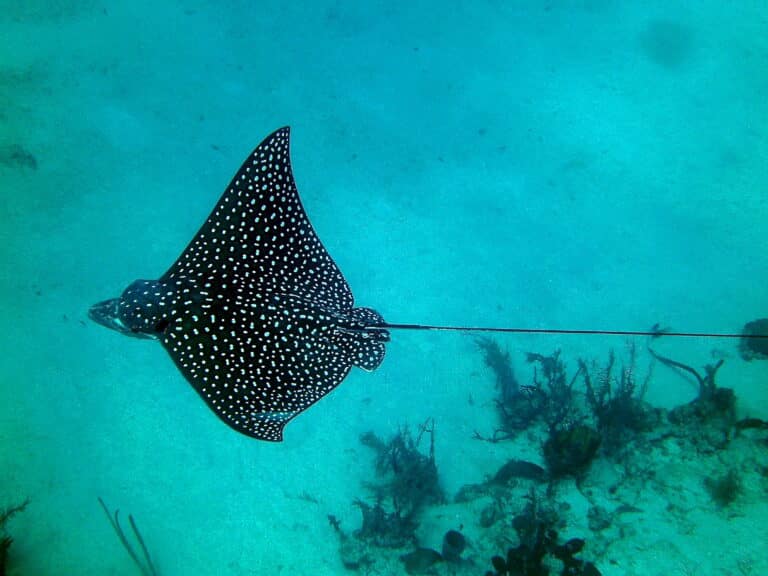
Eagle Rays use their strong pectoral fins to create a beautiful underwater dance as they swim, and their wings can spread as wide as 16 feet, making for a stunning sight!
Unlike most fish, Eagle Rays can only produce a few babies at a time, generally around two to four. This means it takes a long time for their populations to recover if they face threats.
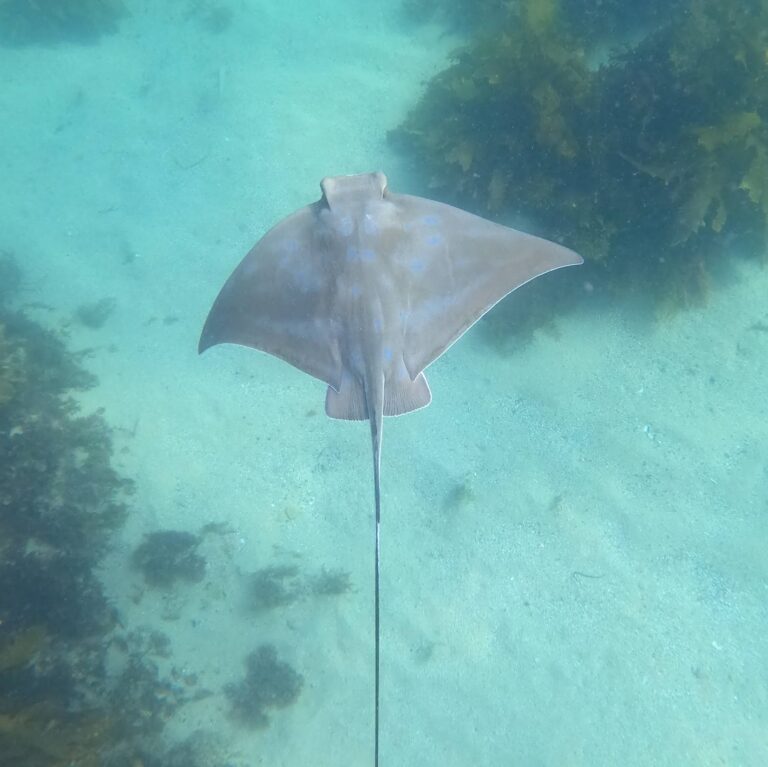
Eagle Rays often rest on the ocean floor, camouflaging themselves among sand and rocks. This clever hiding spot helps them avoid larger predators.
The markings on Eagle Rays, like spots and patterns, can be as unique as human fingerprints. Scientists use these patterns to identify individuals in the wild.
Some species of Eagle Rays can dive to depths of over 30 meters (98 feet) to hunt for food, showcasing their impressive swimming abilities.
In some cultures, people celebrate Eagle Rays during festivals to honor their beauty and grace. This shows that these magnificent creatures are loved by many!
Photos






The Basics


explore more
Amphibians
Arachnids
Birds
Cats
Crustaceans
Fish
Fish Pet Guide
Gastropods
Insects
Invertebrates
Mammals
Pet Fish
Pet Rodents
Plants
Reptiles
Roundworms
Sea Slugs