
Successfully copied to clipboard!
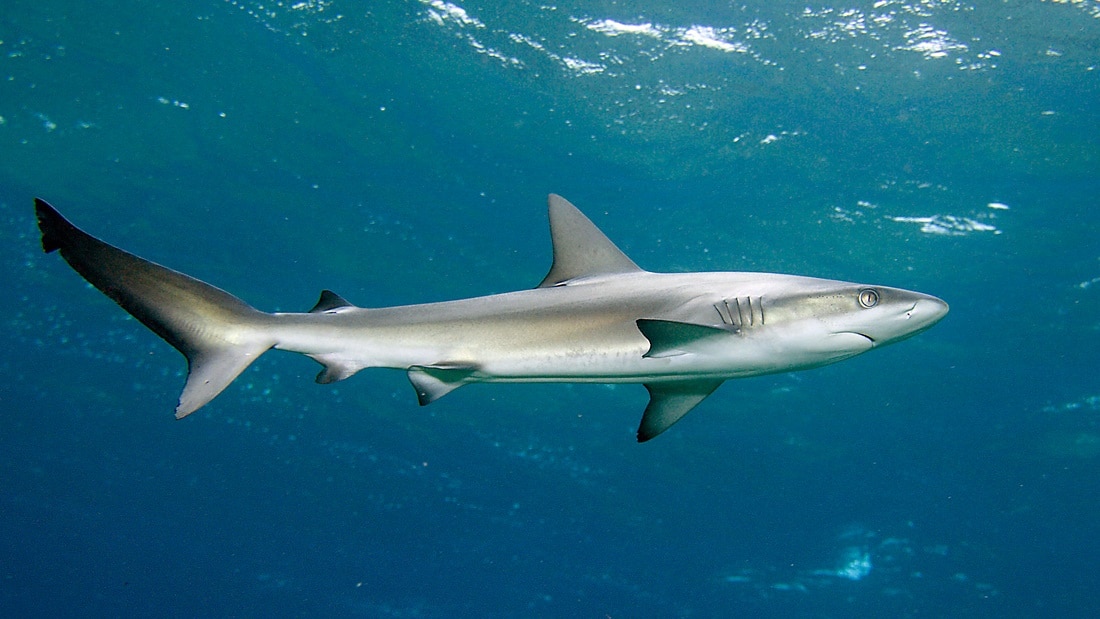
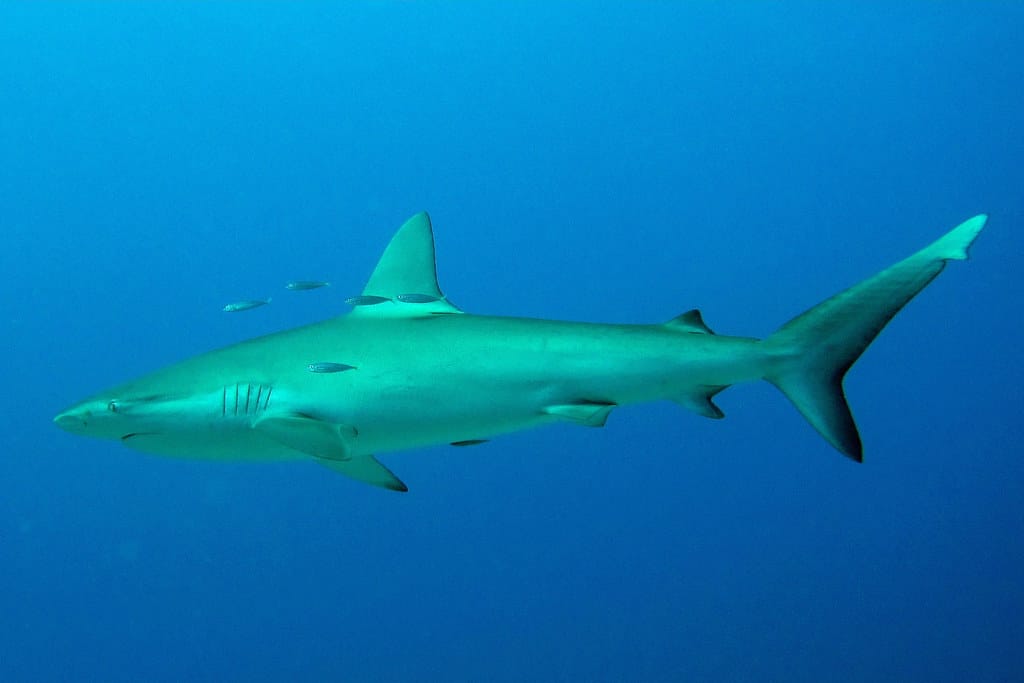
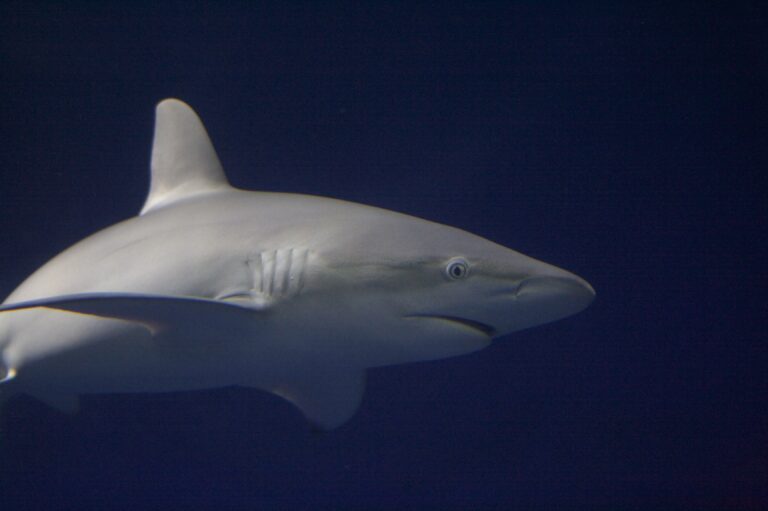
Galapagos Shark
Explore the vibrant underwater world of a majestic ocean predator!
Let’s Explore
Overview
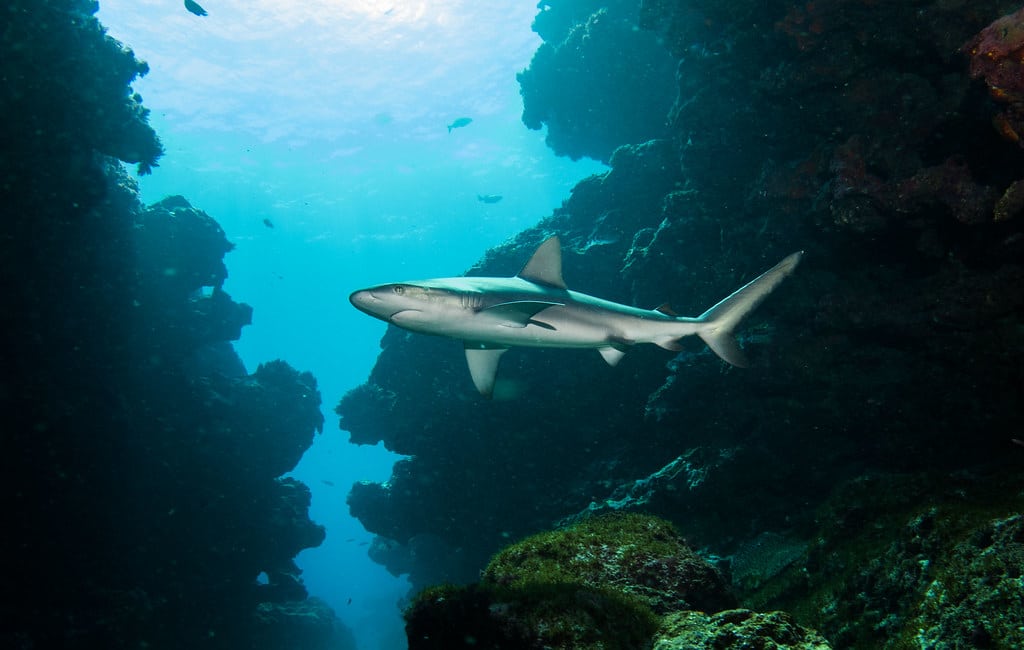
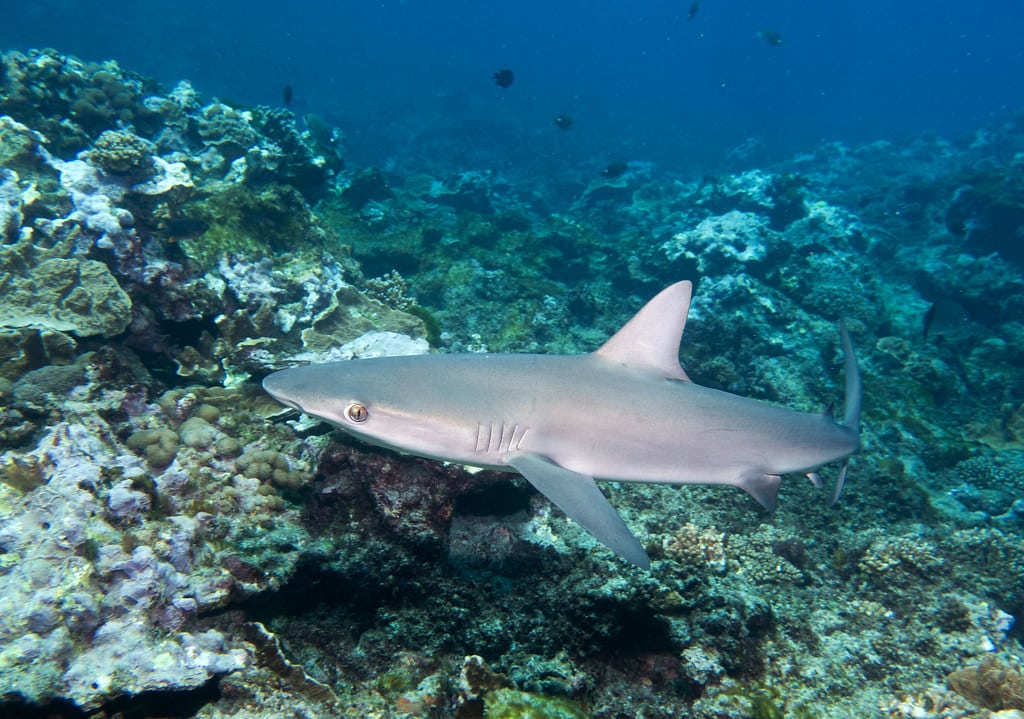
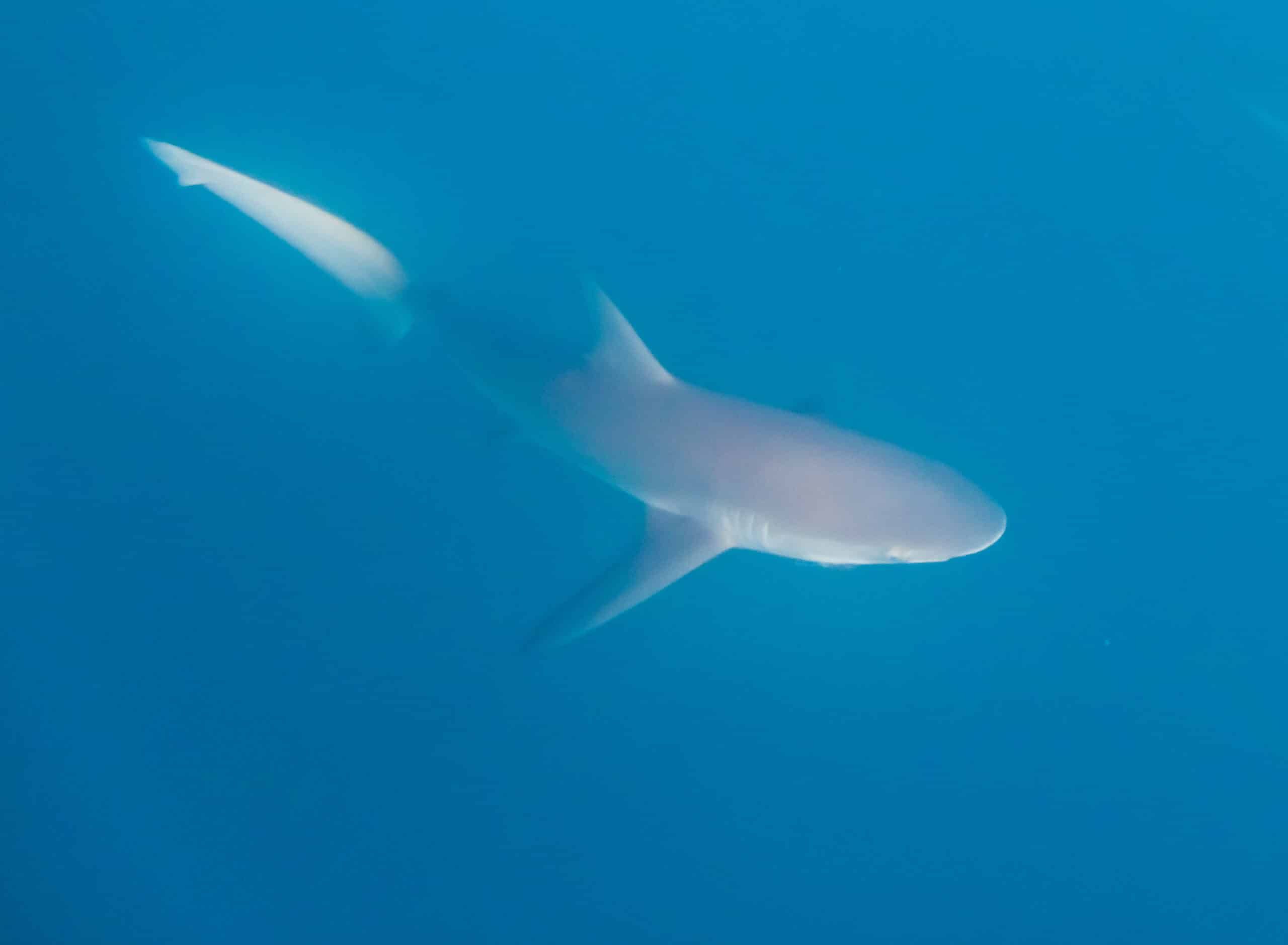
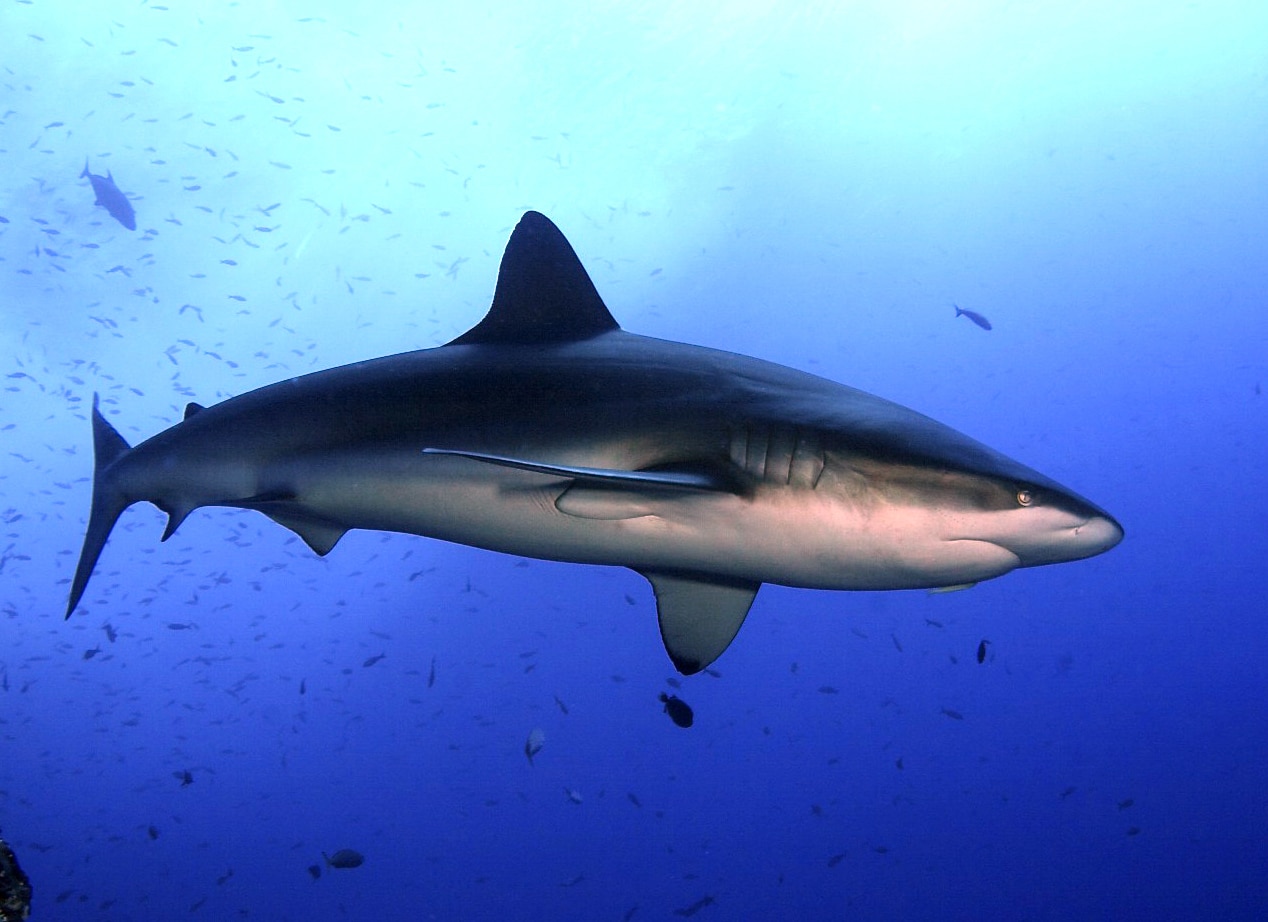
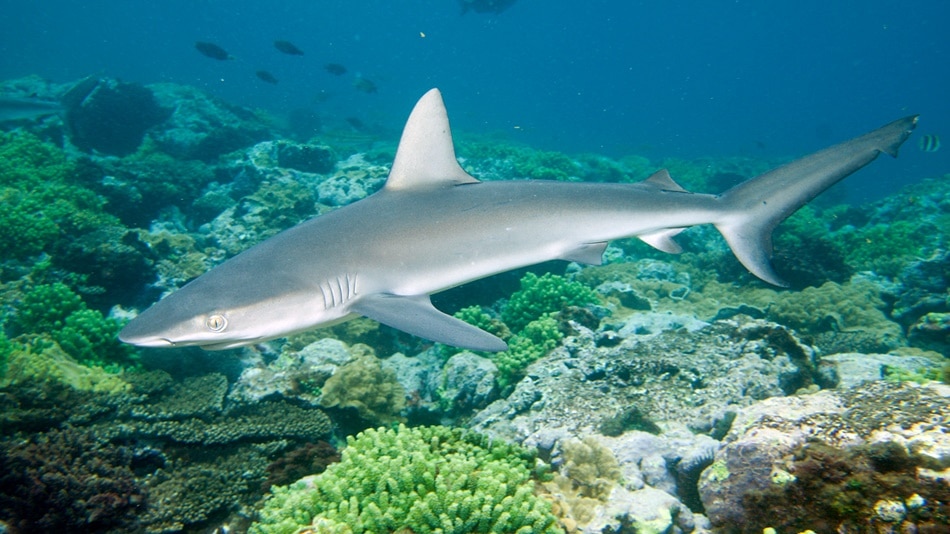
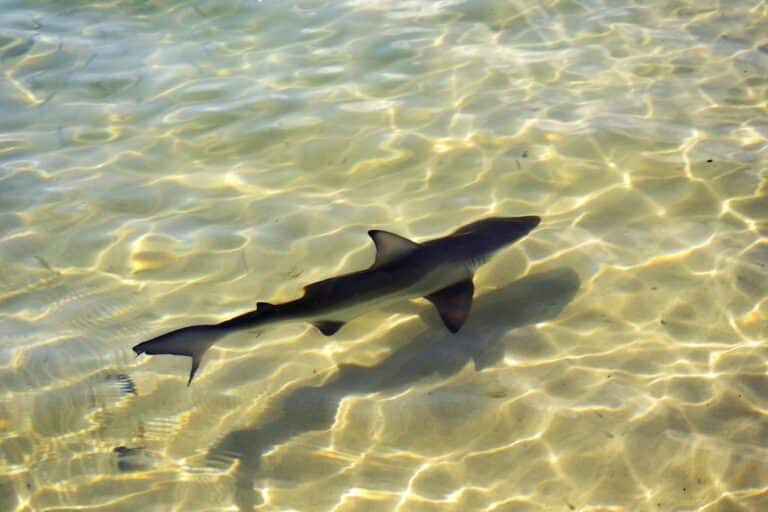
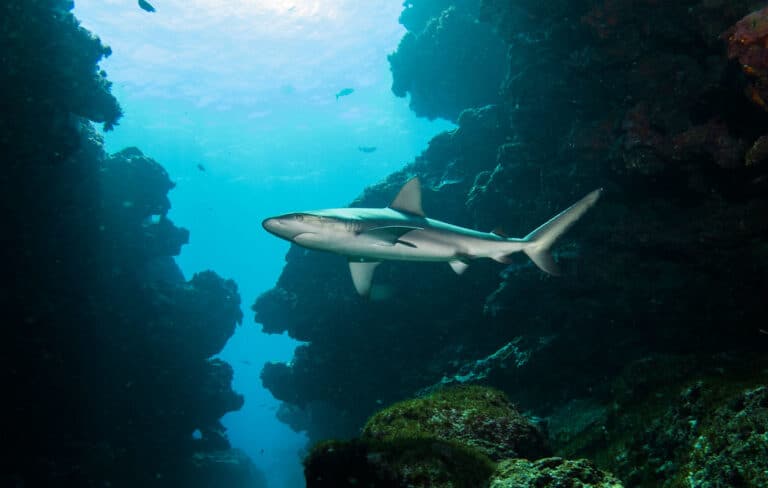
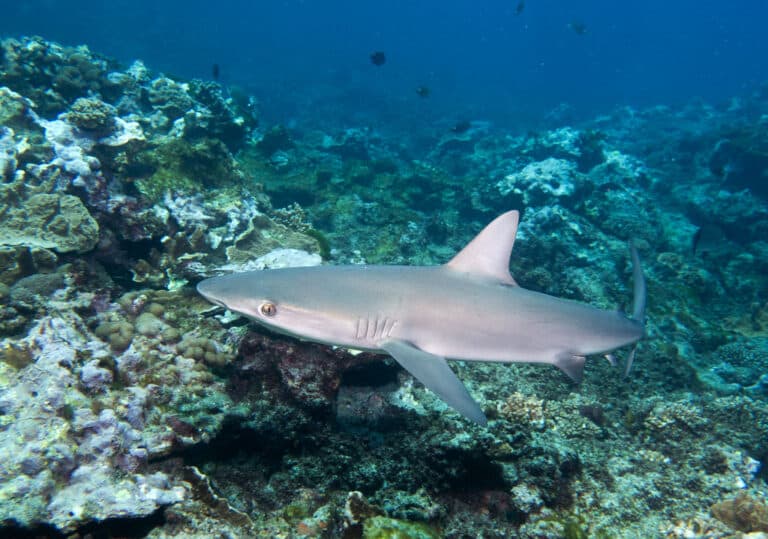
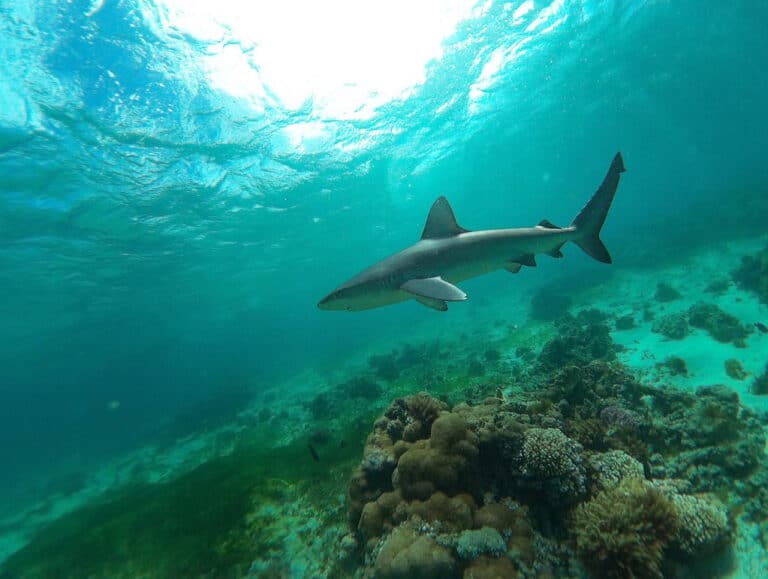
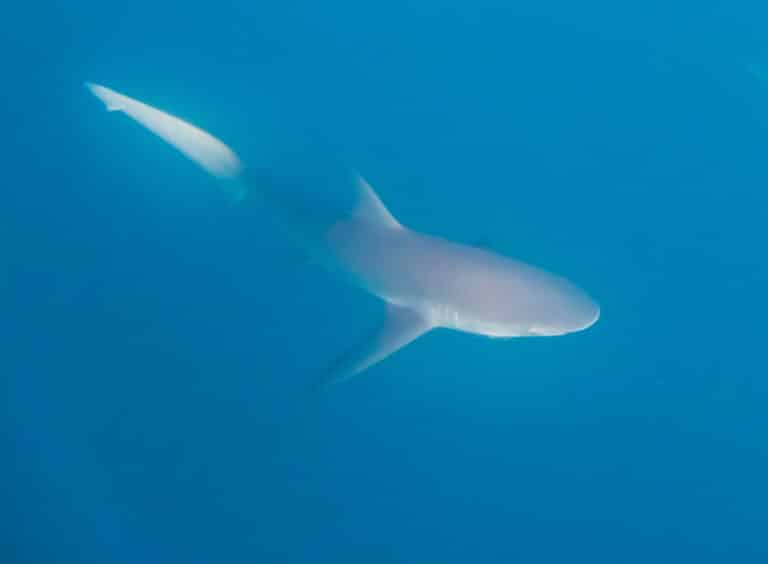
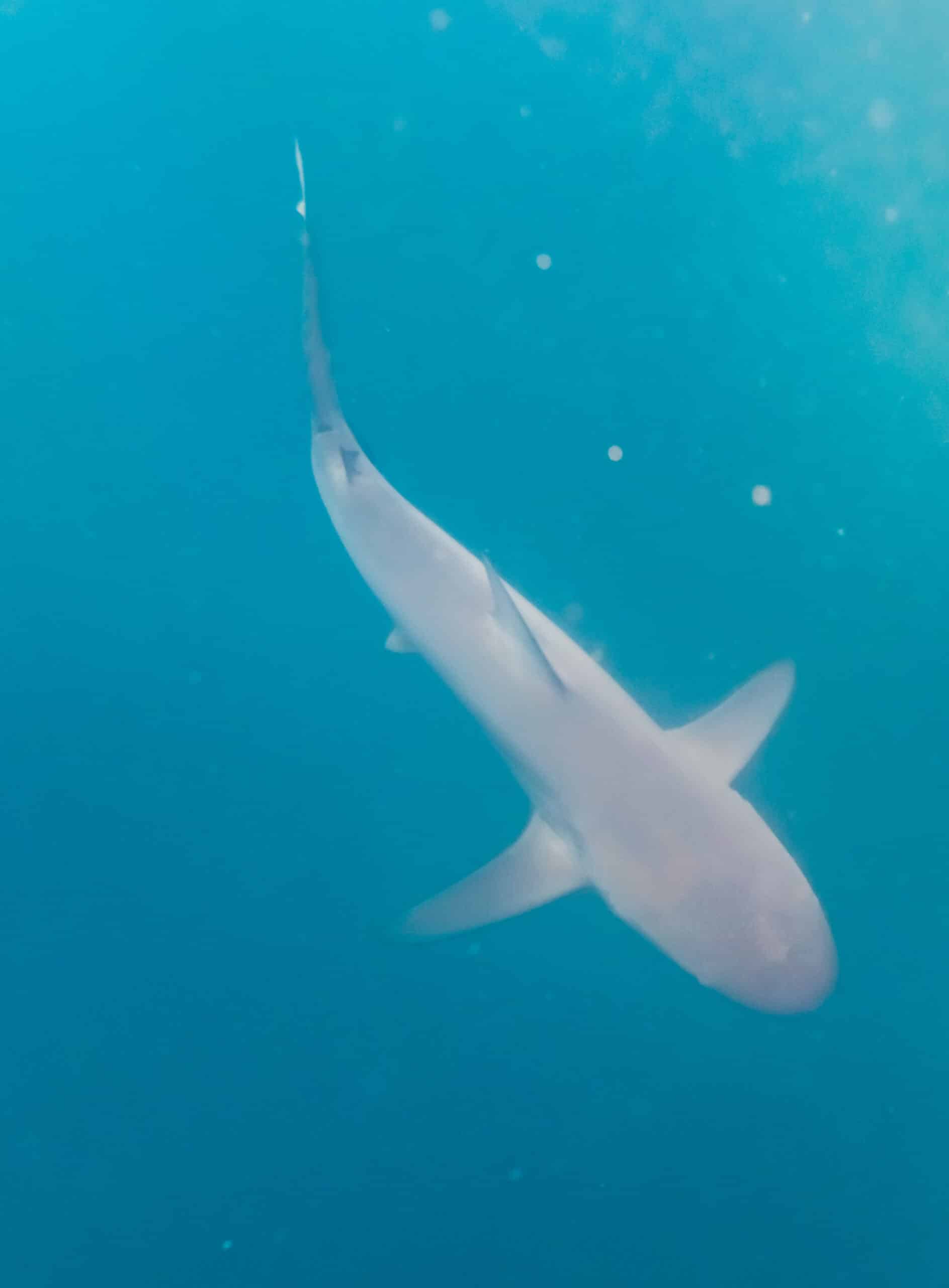
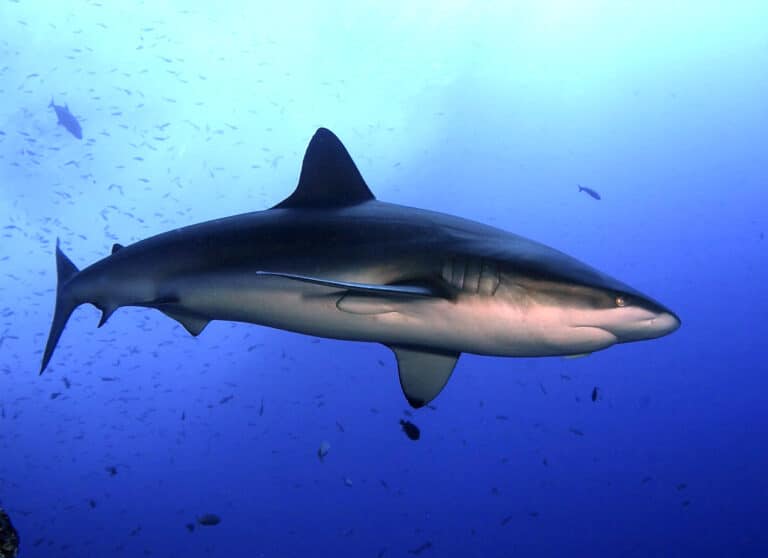
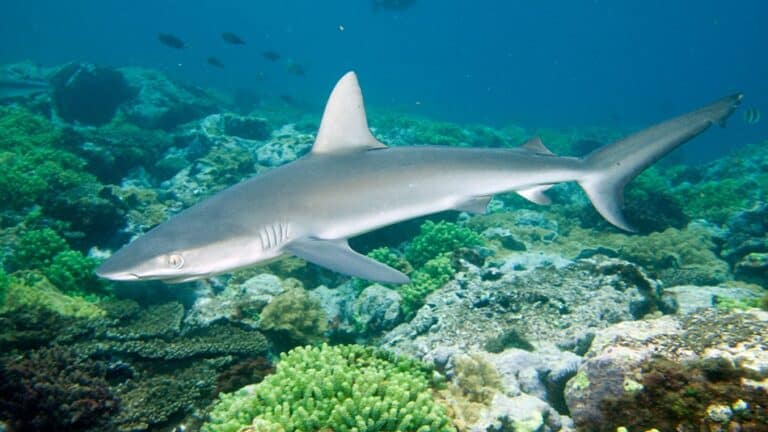
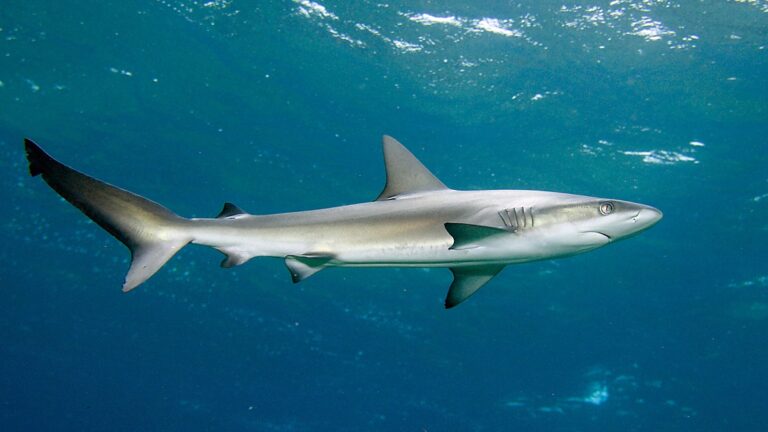
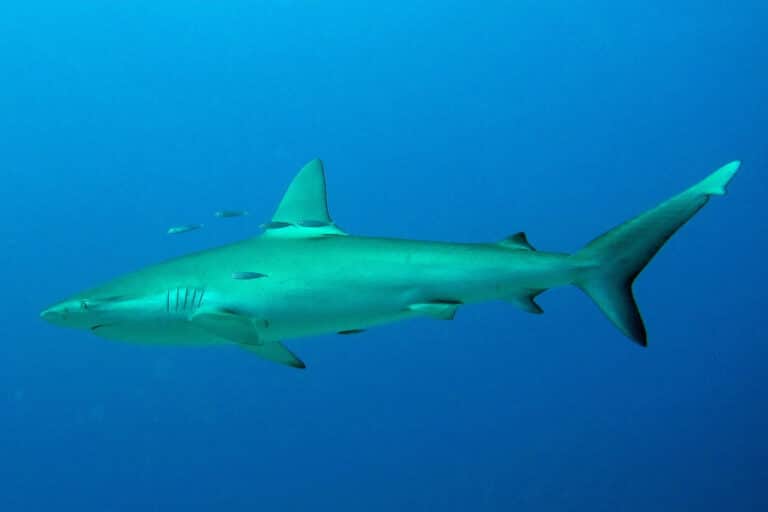
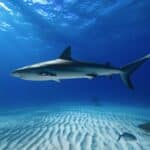
The Galapagos Shark is a captivating fish that lives in the beautiful waters around the Galapagos Islands. With an impressive length of 3 to 3.5 meters (9.8 to 11.4 feet), they glide through the ocean like underwater ninjas!
This sleek predator loves to feast on a variety of ocean critters. Its diet includes fish, cephalopods (that includes squids and octopuses), and crustaceans, making it a true seafood lover!
Galapagos Sharks have a lifespan of 20 to 25 years and can live a long exciting life full of adventure in their ocean home. They belong to a special class of fish called Chondrichthyes, which means their skeletons are made of cartilage instead of bones, just like their shark cousins.
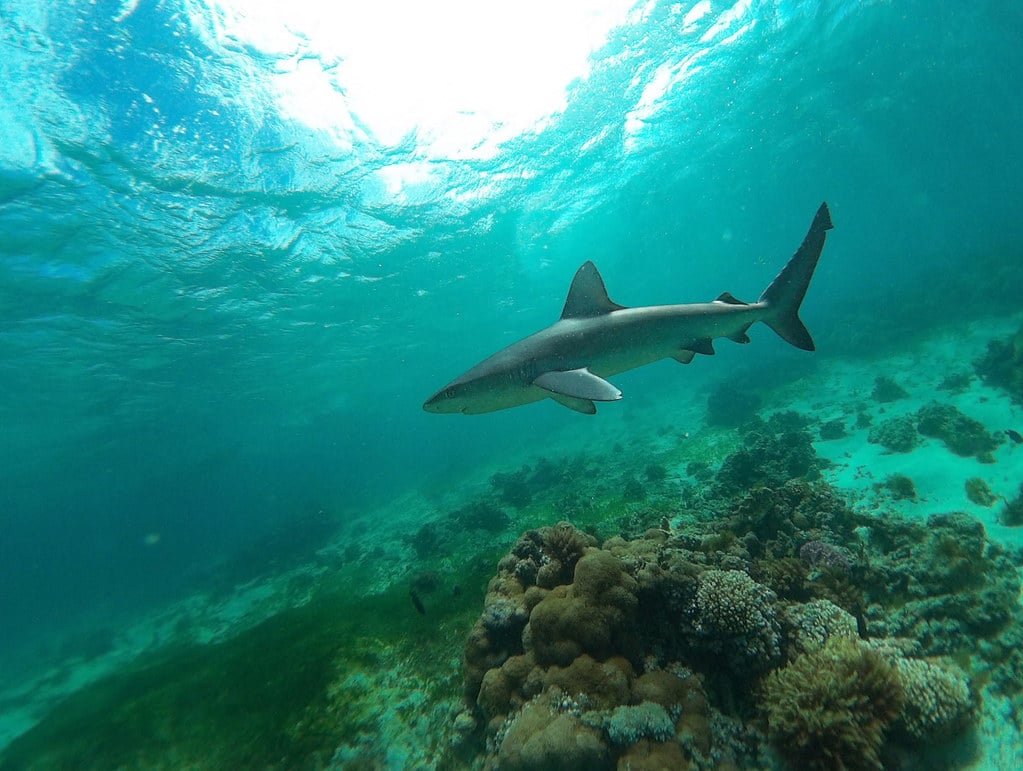
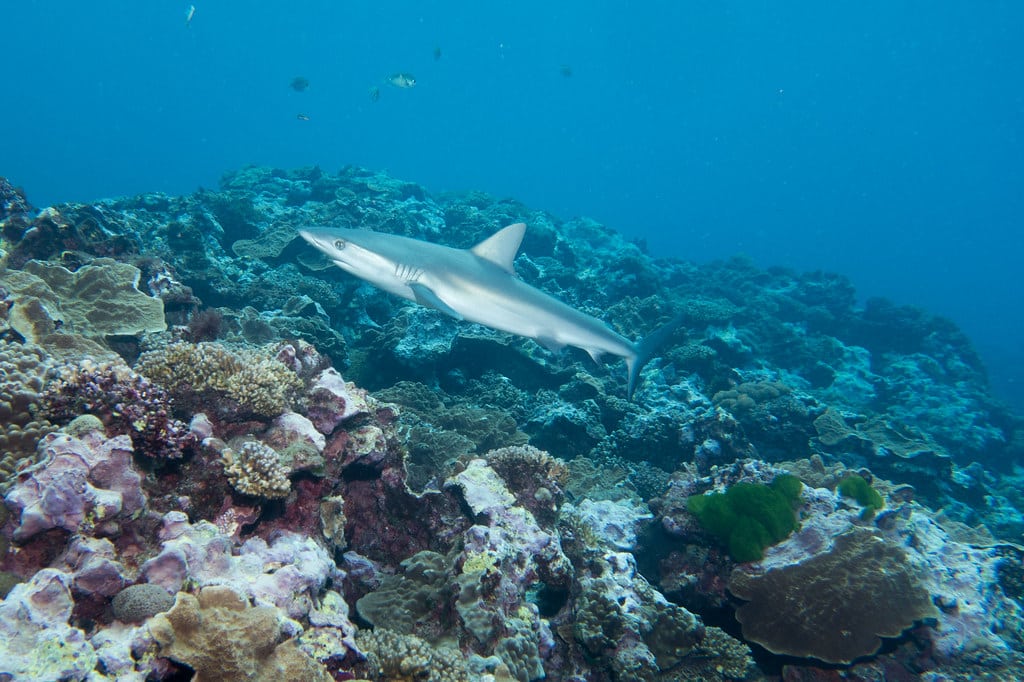
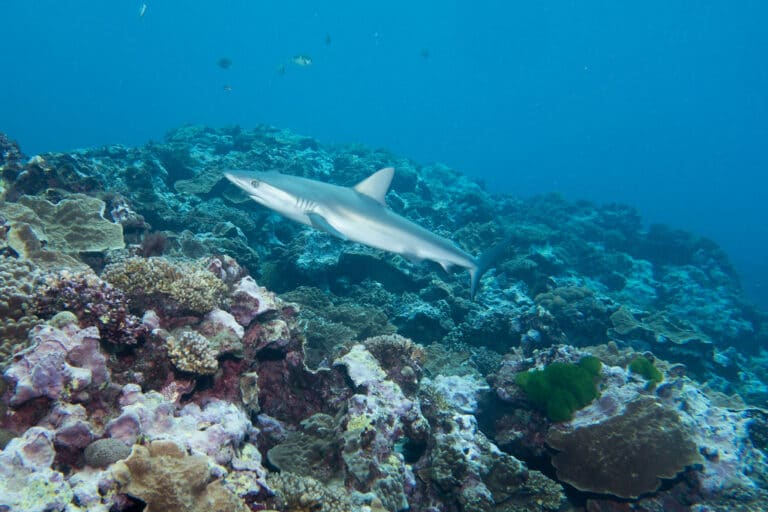
These sharks are part of the Carcharhinidae family and swim in warm, tropical waters. They are often spotted near the islands where they can hunt and explore their vibrant surroundings.
Despite their fierce reputation, Galapagos Sharks play a key role in keeping the ocean ecosystem healthy. They help maintain the balance of marine life by regulating fish populations, making them crucial for a thriving underwater community!
Next time you think of sharks, remember the magnificent Galapagos Shark! With their fascinating lifestyle and adventurous spirit, they remind us of the amazing life that exists beneath the waves.

Where can you find a Galapagos Shark in the wild?
What does a Galapagos Shark eat?
How big can a Galapagos Shark grow?
How long does a Galapagos Shark typically live?
What is the conservation status of the Galapagos Shark?
What are the main threats to the Galapagos Shark?
Fun facts
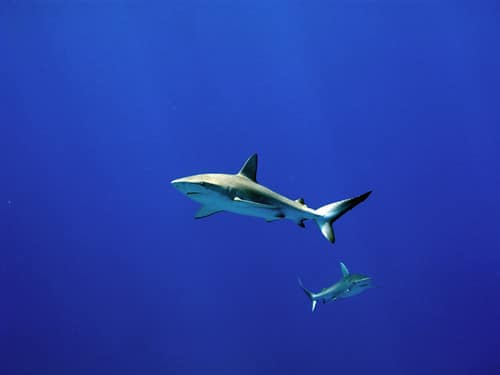
Galapagos Sharks often form groups called schools, which can include dozens of these sleek swimmers. Teaming up helps them hunt more effectively and dart away from potential danger!


These sharks often display a playful side by breaching, which means they jump out of the water and splash back in. This cool move shows off their agility and can be a way to communicate with other sharks!
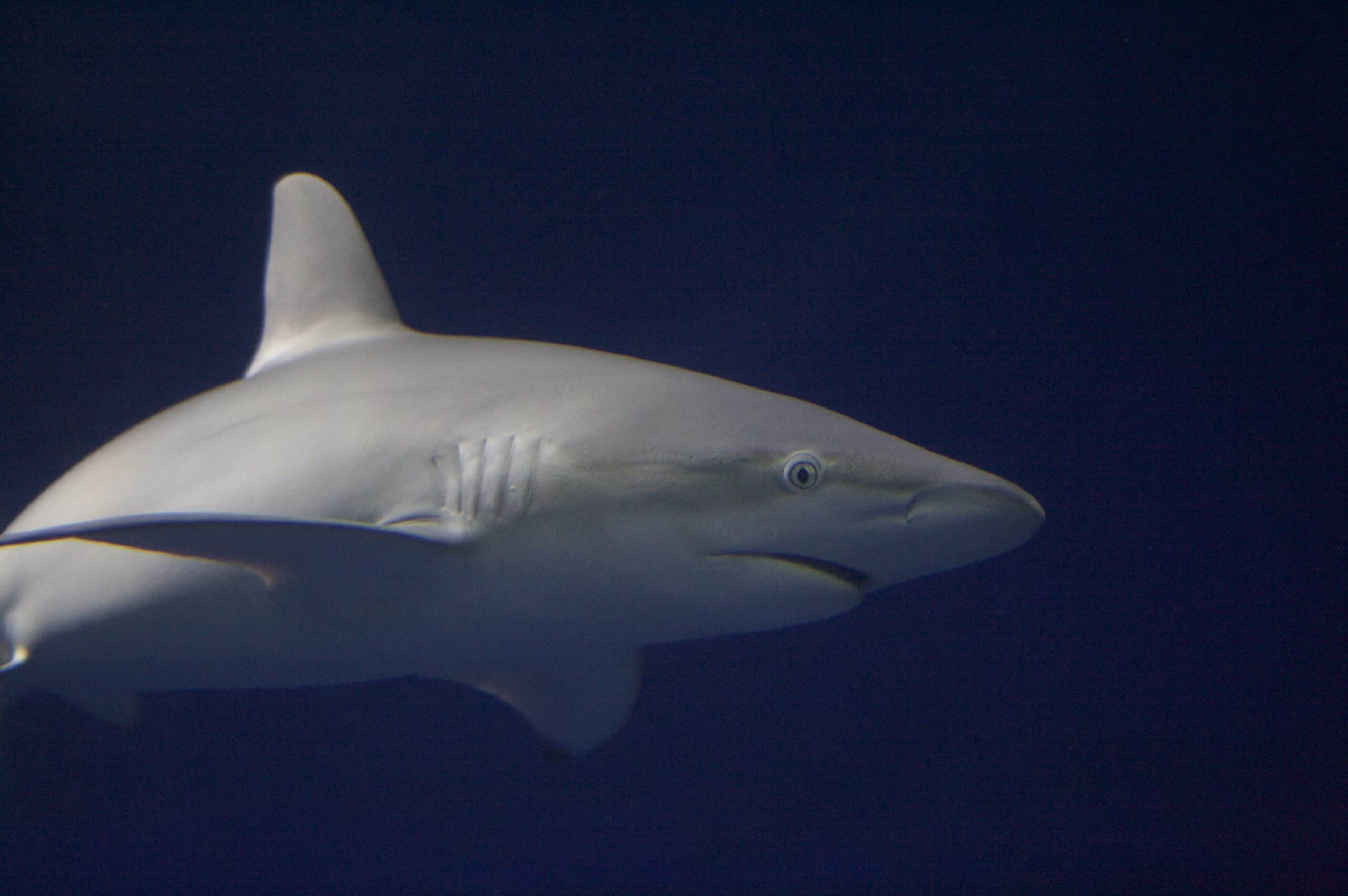
The Galapagos Shark has special sensors in its snout called ampullae of Lorenzini. These sensors help them detect electrical fields produced by other fish, which gives them an underwater advantage while hunting.
During the day, Galapagos Sharks enjoy resting on the ocean floor, but they become active hunters at night. These night owls take advantage of the darkness, making them stealthy predators!
Instead of swimming non-stop, these sharks can sometimes be seen swimming in circles or slow-moving patterns. This energy-saving tactic allows them to rest while keeping a lookout for tasty prey!
Galapagos Sharks have a remarkable cruising speed of around 4.6 kilometers per hour (2.9 miles per hour). That’s like leisurely strolling through the ocean while on the lookout for supper!
Young Galapagos Sharks are born live, which means they do not hatch from eggs like some other fish. This live birth helps increase their chances of survival in the ocean's adventurous environment!
A Galapagos Shark can use its sharp teeth to eat prey even in hard-to-reach places, like hiding among rocks. These teeth are constantly replaced, meaning their smile stays sharp and ready for action!
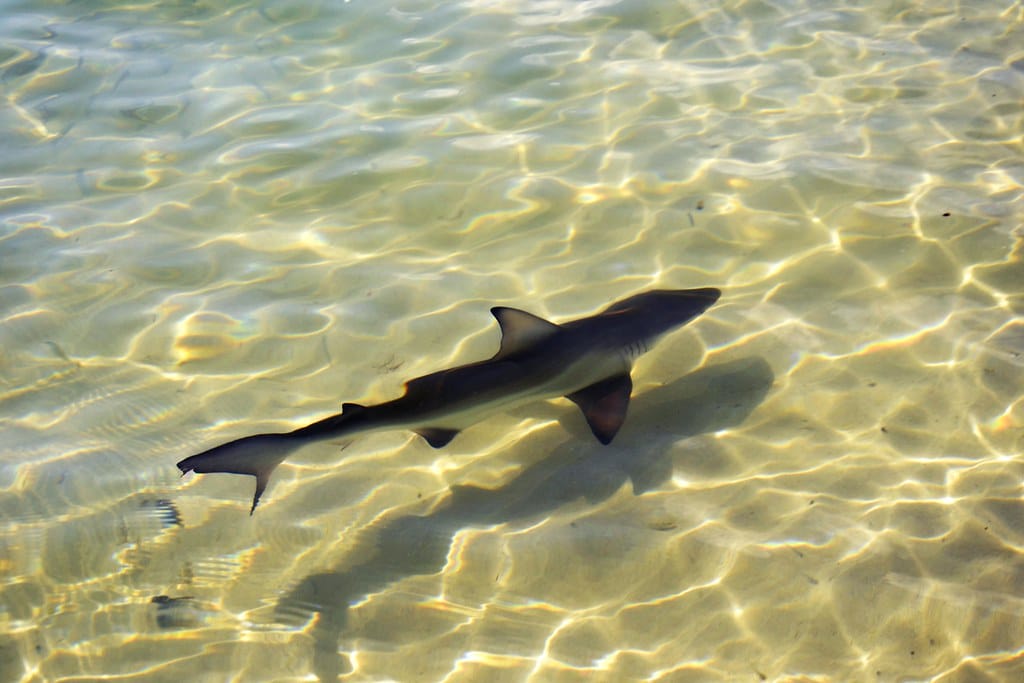
In their early years, Galapagos Sharks often hide in shallow waters to stay safe from larger predators. This strategic move helps them grow stronger before they venture into the deeper ocean!
In addition to helping the ocean ecosystem, Galapagos Sharks also attract tourists who want to go snorkeling or diving to see these amazing creatures up close. They play a crucial role in supporting local communities through eco-tourism!
Photos


The Basics


explore more
Amphibians
Arachnids
Birds
Cats
Crustaceans
Fish
Fish Pet Guide
Gastropods
Insects
Invertebrates
Mammals
Pet Fish
Pet Rodents
Plants
Reptiles
Roundworms
Sea Slugs