

Successfully copied to clipboard!
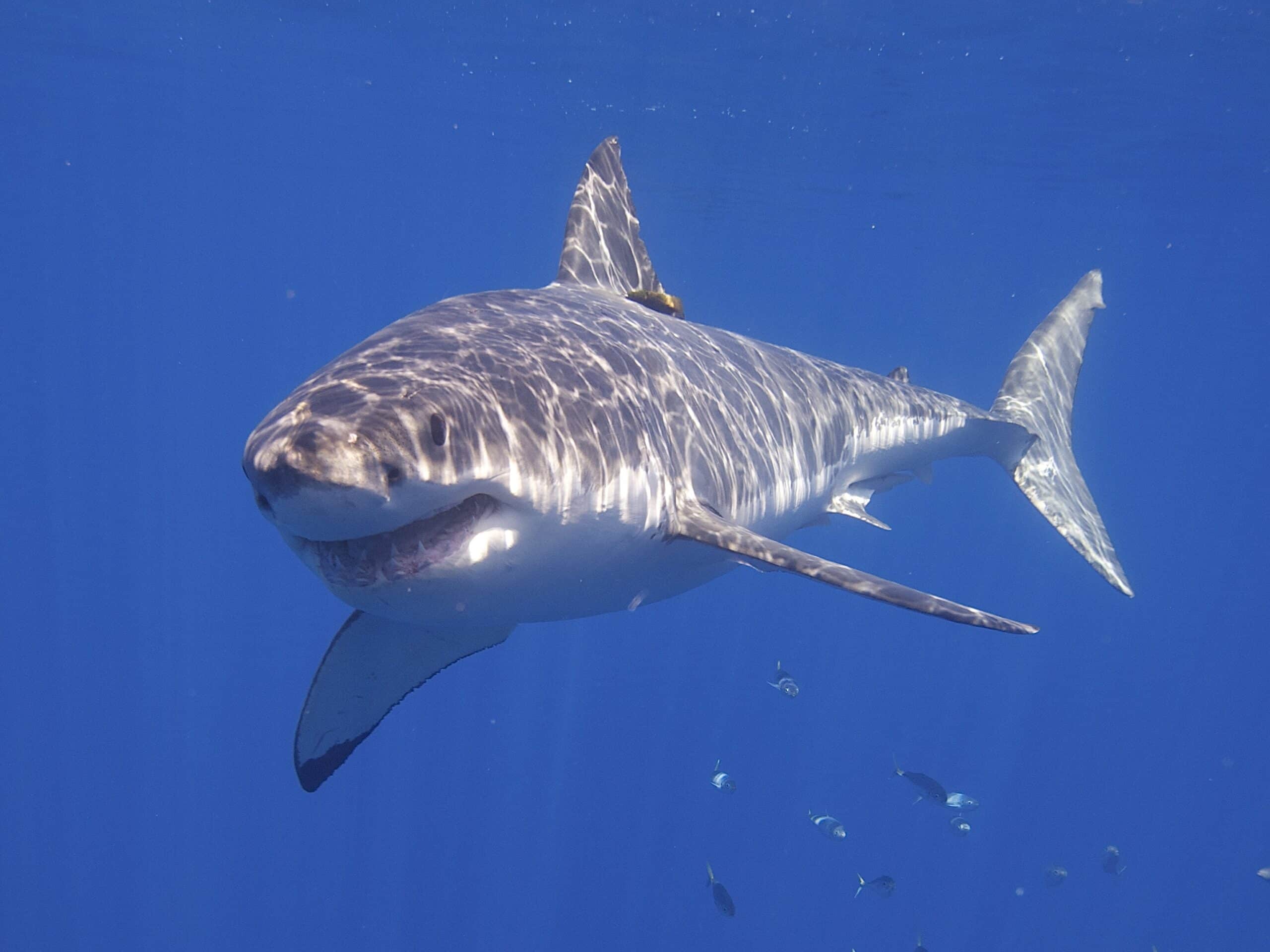
Great White Shark
Explore the ocean's most powerful predator: the Great White Shark!
Let’s Explore
Overview
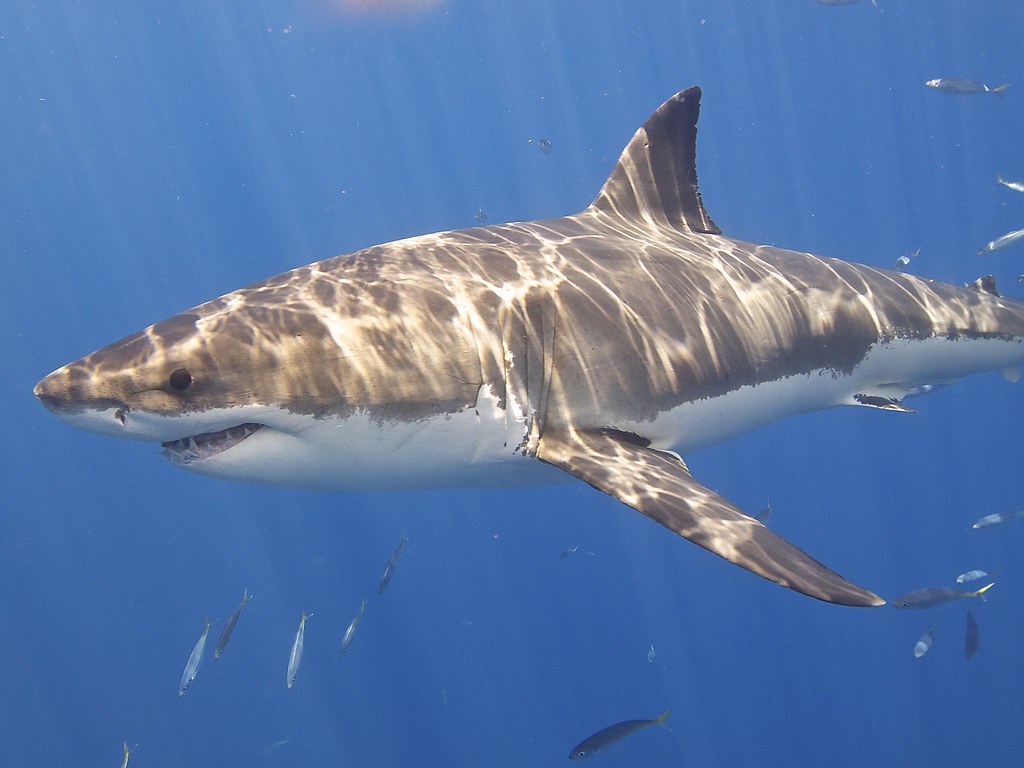
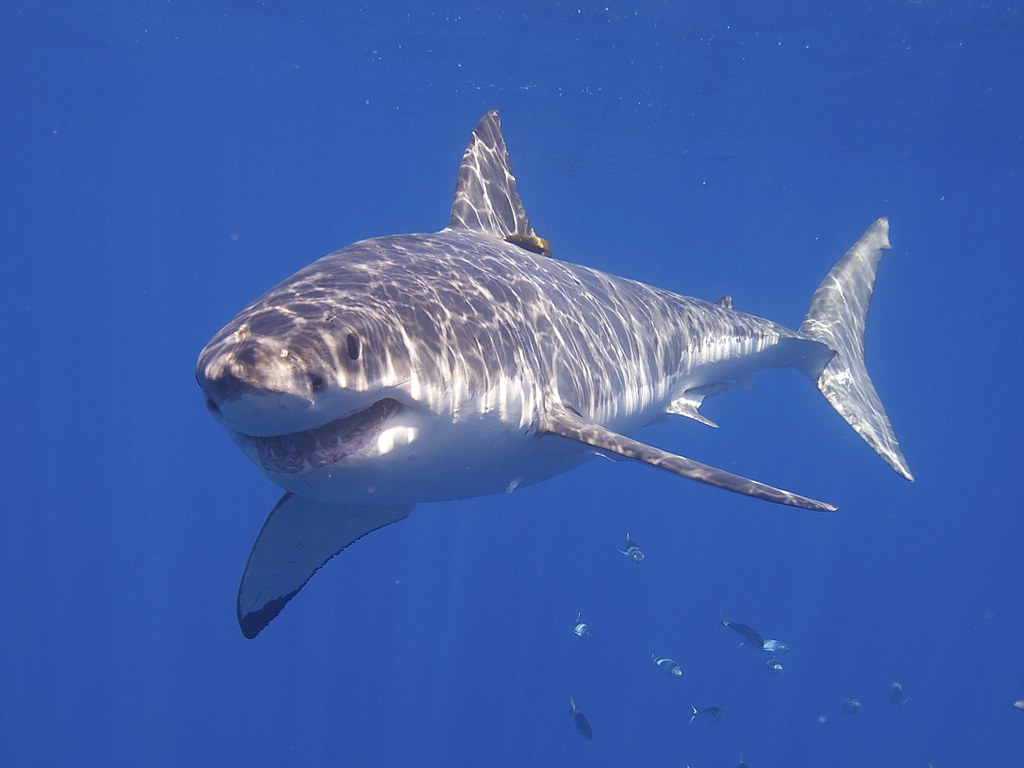
The Great White Shark is one of the most famous fish in the ocean. With average lengths ranging from 4.6 to 6.1 meters (15 to 20 feet), it is a true giant under the sea.
Great White Sharks belong to a special class of fish called Chondrichthyes. Unlike most fish, they have skeletons made of cartilage, similar to their relatives, the rays and skates.
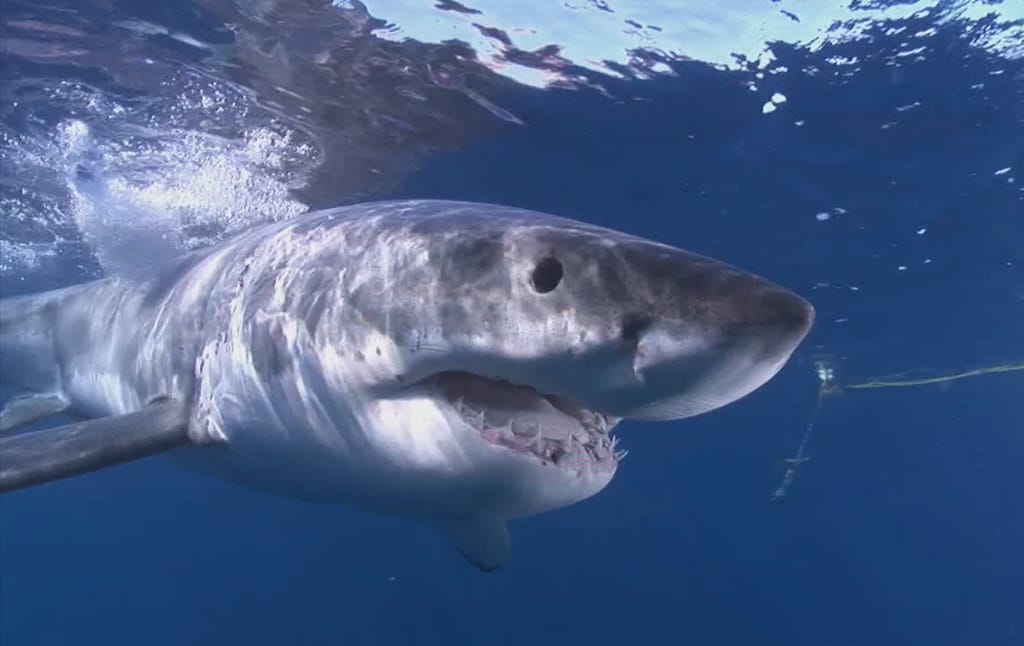
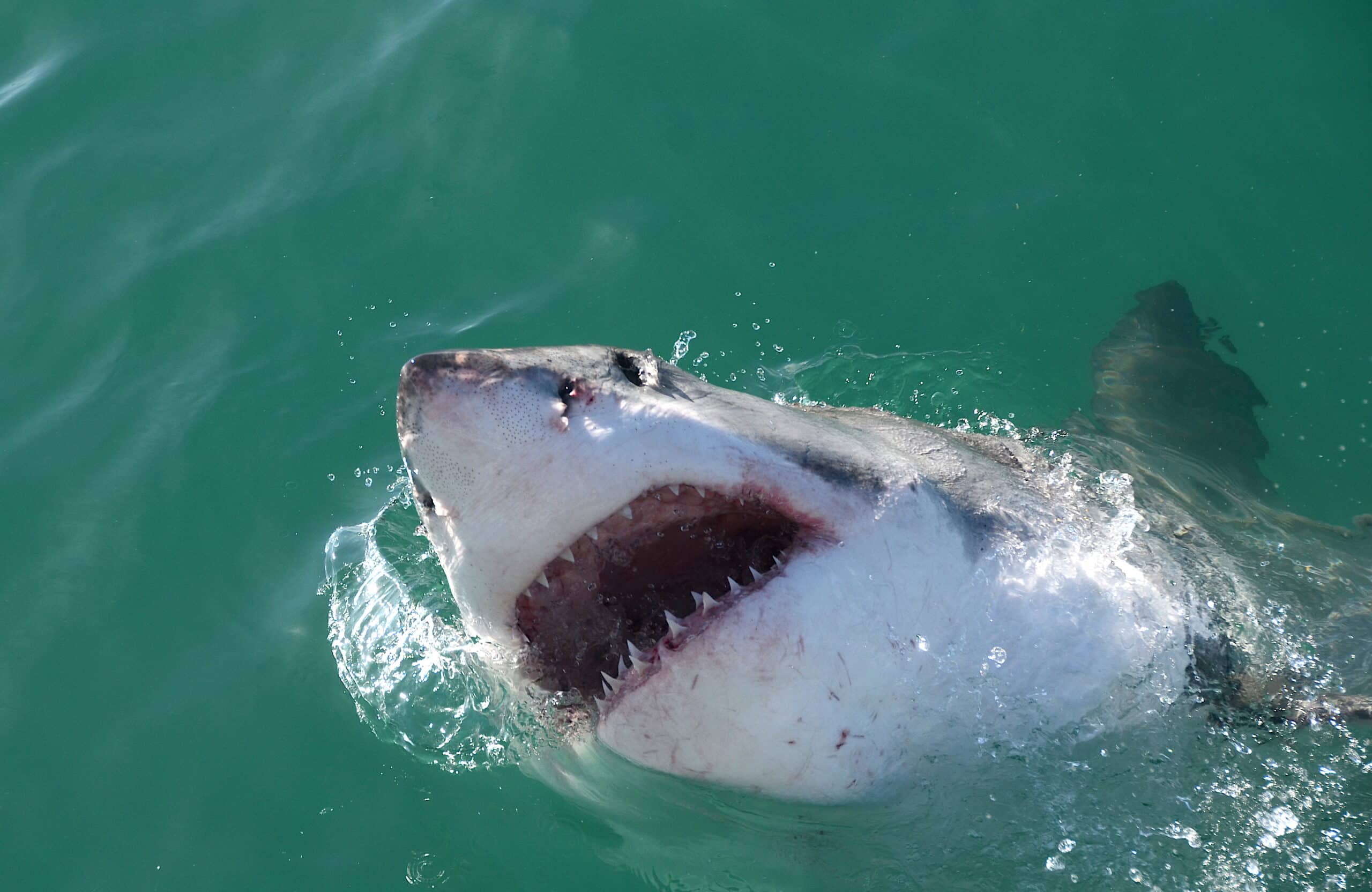
This incredible shark has a sharp set of teeth designed for catching its favorite meals. Great White Sharks love to feast on seals, sea lions, and various types of fish, making them excellent hunters!
Life for a Great White Shark can be quite an adventure, with a lifespan that can reach up to 70 years. These sharks can retain their energy by swimming slowly and gracefully through the water, saving their strength for the chase!
Great Whites often dive deep into the ocean to hunt, but they also enjoy basking near the surface. They can be very curious creatures, which might make them the ultimate ocean detectives, exploring their underwater homes like true adventurers!

Where can you find a Great White Shark in the wild?
What does a Great White Shark eat?
How big can a Great White Shark grow?
How long does a Great White Shark typically live?
What is the conservation status of the Great White Shark?
What are the main threats to the Great White Shark?
Fun facts
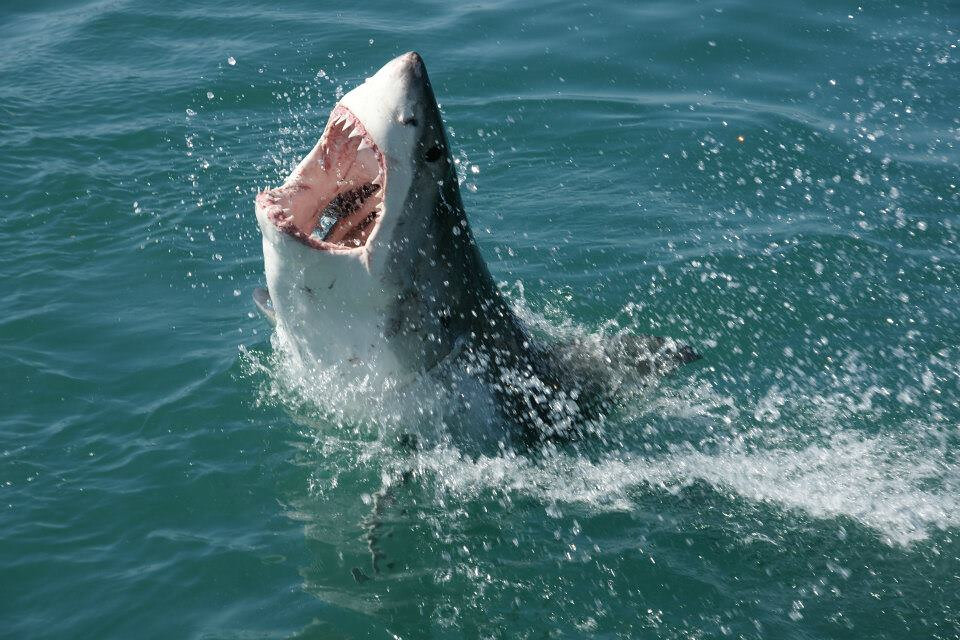
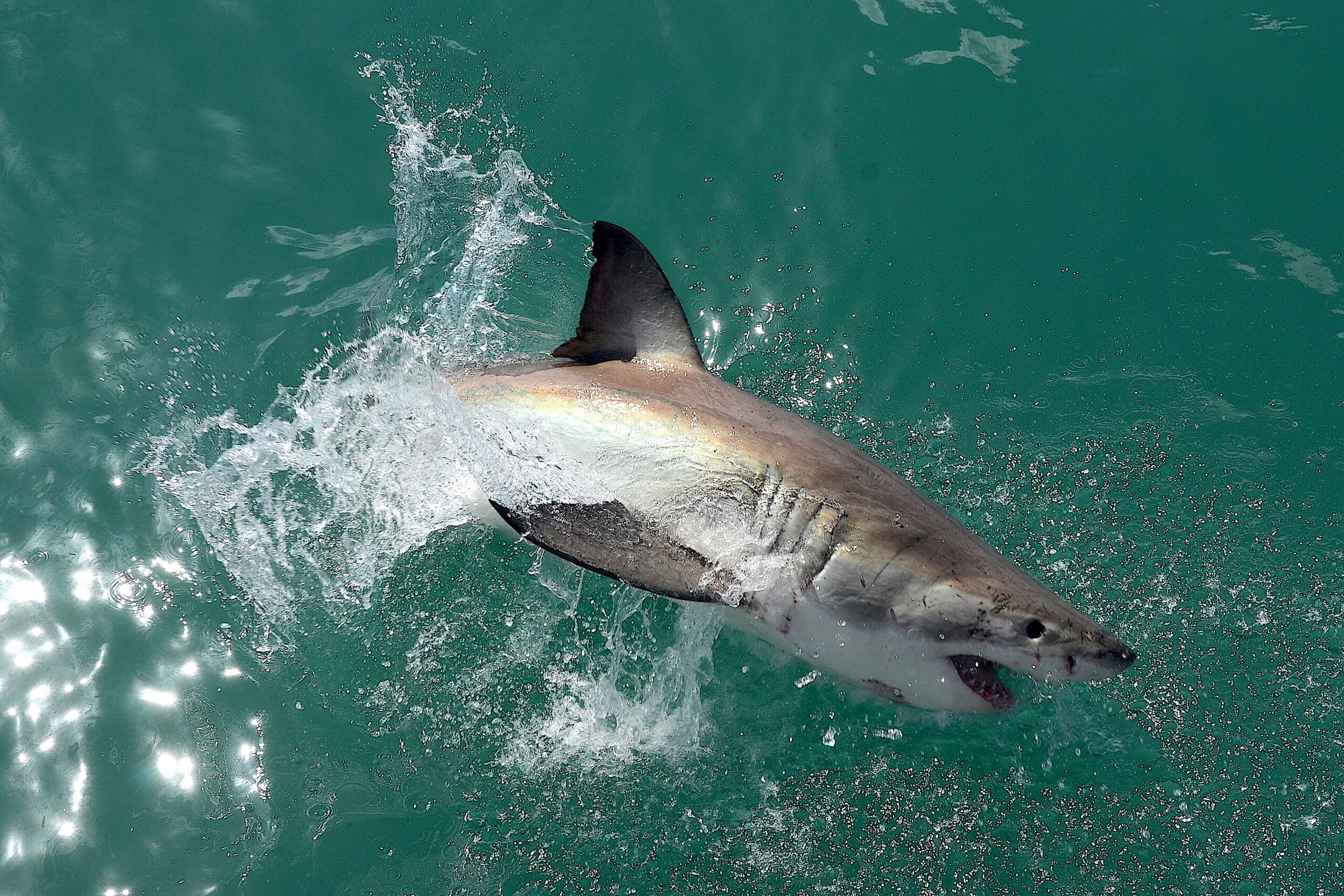
Great White Sharks can leap out of the water like superheroes! This spectacular behavior, known as breaching, helps them surprise their prey and shows off their power.


Their teeth are like nature's perfect design - each tooth can measure up to 7.6 centimeters (3 inches) long! They can lose thousands of teeth during their lifetime, constantly replacing them like a toothy conveyor belt.
Great White Sharks can detect a drop of blood in an Olympic-size swimming pool! Their sense of smell is so sharp that they can sniff out dinner from miles away.
They can swim at speeds up to 56 kilometers per hour (34.8 miles per hour) in short bursts. That means they can outswim many fish when it comes to snack time!
These sharks have a unique way of keeping warm. They maintain their body temperature above the surrounding water, thanks to a special blood vessel system that works like a warming blanket!
Great White Sharks can sense electromagnetic fields to find hidden prey. They use special organs called ampullae of Lorenzini, which help them detect signals even while they swim through dark waters.
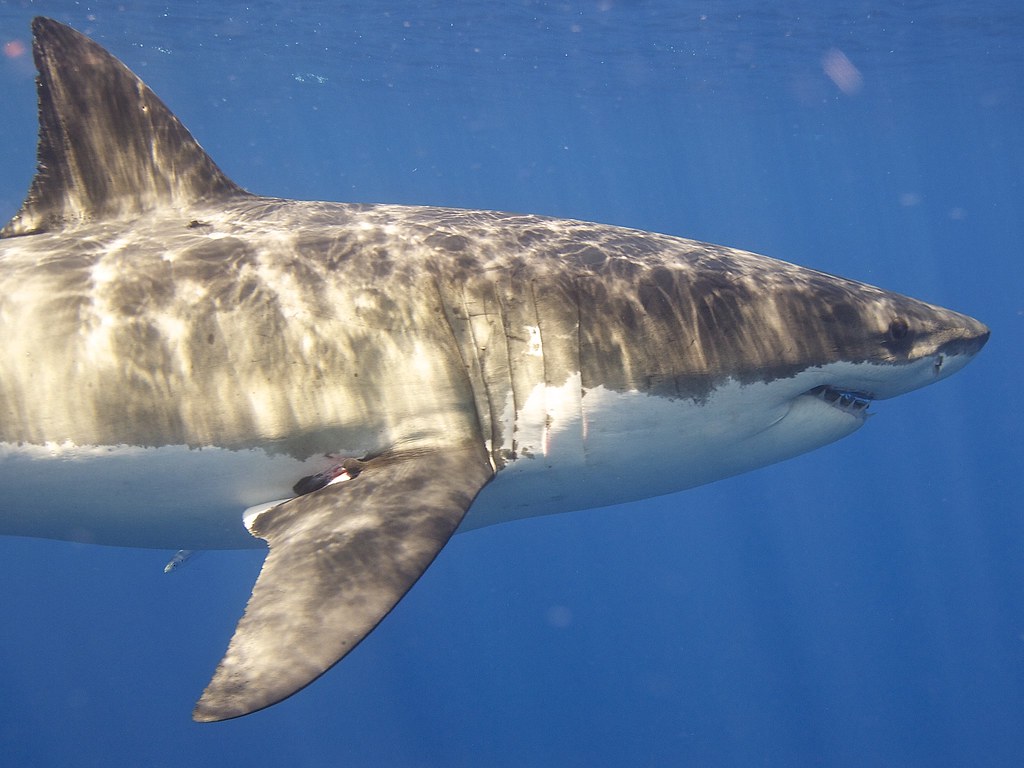
Their skin is rough and covered in tiny tooth-like structures called dermal denticles. This tough skin not only protects them but also helps them swim faster by reducing drag in the water!
Great White Sharks love to socialize with their fellow sharks! They often appear in groups, especially during feeding times, where they can share stories about their epic sea adventures.
They can close their eyes when hunting, protecting their eyesight by retracting a special membrane over their eyes, like a protective shield!
Incredible research reveals that Great White Sharks can learn. Scientists have found that these smart predators can remember which locations are rich in food and return to feast again!
Photos











The Basics


explore more
Amphibians
Arachnids
Birds
Cats
Crustaceans
Fish
Fish Pet Guide
Gastropods
Insects
Invertebrates
Mammals
Pet Fish
Pet Rodents
Plants
Reptiles
Roundworms
Sea Slugs
