

Successfully copied to clipboard!
Haddock
Uncover the vibrant life beneath the waves with this ocean dweller!
Let’s Explore
Overview
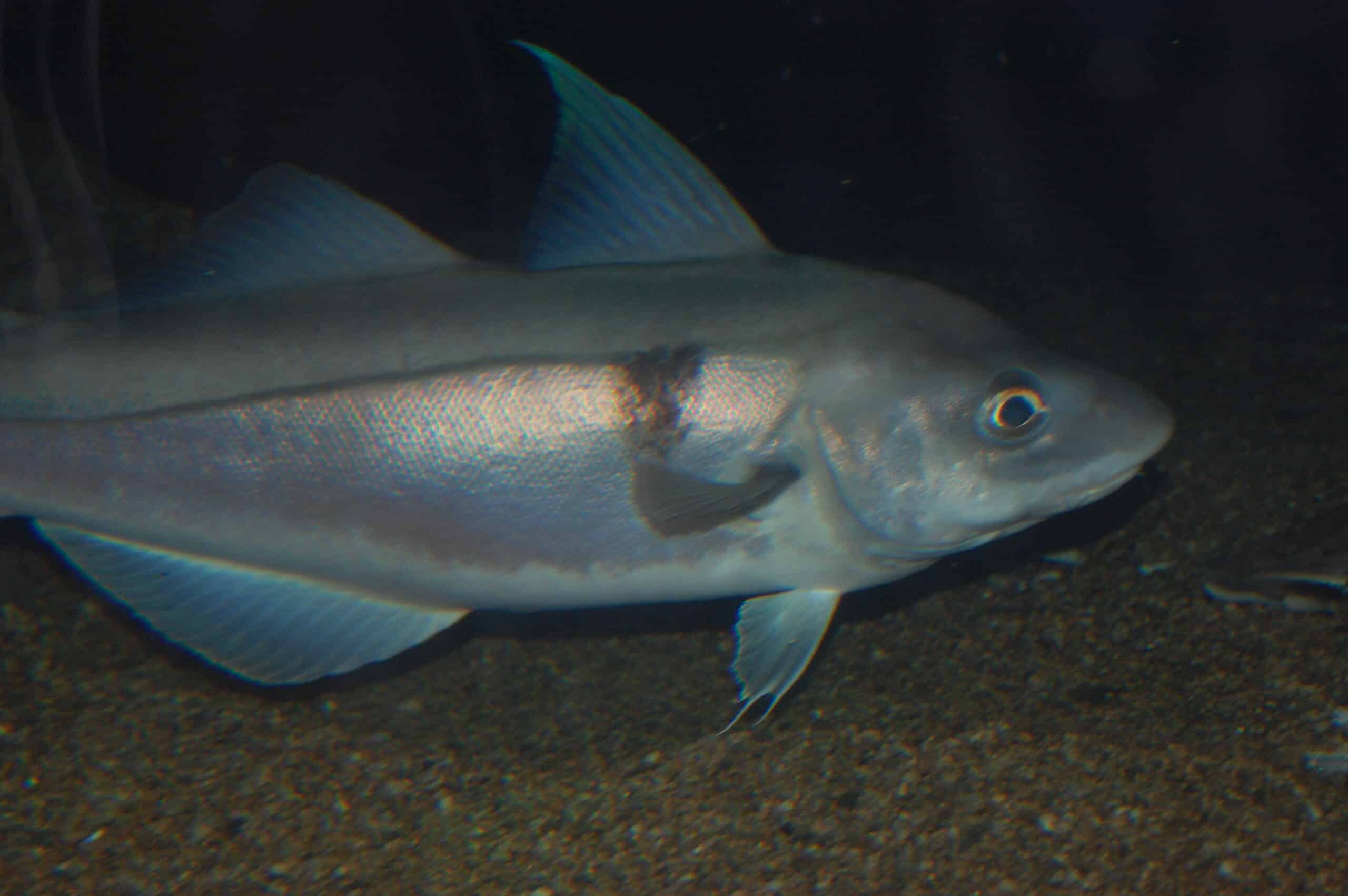
The haddock is a captivating fish that swims in the ocean and belongs to the Gadidae family. It has a streamlined body that typically measures between 40 to 61 centimeters (16 to 24 inches) in length, making it a fun catch for fishermen and a popular fish for dinner!
Haddocks are known for their unique coloring. They have a silvery-grey hue with a distinctive dark spot on each side and a beautiful white belly that makes them look quite dapper. This clever camouflage helps them blend in with their surroundings while they hunt for food!
What do haddocks like to munch on? They feast on small fish, crustaceans, and mollusks, snacking on tasty treats in their ocean home. Their keen sense of smell helps them discover meals hidden in the underwater world!
Haddocks are not just foodies; they also have a decent lifespan! They can live between 10 to 14 years, making them seasoned swimmers in their aquatic habitat. Just think of all the fascinating fishy experiences they have in their lifetime!
These fish generally swim in schools, making them social creatures of the sea. They enjoy hanging out with their friends while searching for snacks and staying safe from predators. Talk about a fishy friendship!
The scientific name for haddock is Melanogrammus aeglefinus, a name that might be hard to say but means they belong to the exciting class of Actinopterygii. These fish have been catching our attention for generations, both in the ocean and on our plates!

Where can you find a Haddock in the wild?
What does a Haddock eat?
How big can a Haddock grow?
How long does a Haddock typically live?
What is the conservation status of the Haddock?
What are the main threats to the Haddock?
Fun facts
Haddocks have a curious ability to change color based on their environment. This helps them camouflage against the sandy or muddy sea floor, making them harder for predators to spot!


Some haddocks can even produce a sound called 'grunting' by using their swim bladder. This chatter communicates with other haddocks, especially when they're feeling social!
Haddocks are excellent swimmers and can jet away from danger by rapidly wiggling their tails. They can swim at speeds up to 16 kilometers per hour (10 miles per hour) when a predator is close behind!
These fish have special taste buds all over their bodies to detect delicious food in the water. They can sense their next meal with the tips of their fins!
Haddocks can grow up to 93 centimeters (36.6 inches) long, but some fishermen report catching them even larger. Imagine the fish tales from those big catches!
These fish often spawn in groups, which creates a spectacular underwater sight. They sometimes release thousands of eggs at once, giving baby haddocks a fighting chance in the ocean!
Haddocks have an interesting relationship with their habitat. They will follow the movements of plankton blooms, ensuring they always have enough food to munch on!
During the winter months, haddocks like to take a break from their usual hunting grounds and migrate to deeper waters. They enjoy chilly waters like a snow day in the ocean!
Some cultures have fun folk tales about haddocks, claiming they bring good luck. If you see a haddock while fishing, it might just be a sign that the fish will be biting soon!
Haddocks get their name from an old English word meaning 'to have in plenty.' It's a nod to their tasty nature and popularity as a dinner choice for many!
Photos



The Basics


explore more
Amphibians
Arachnids
Birds
Cats
Crustaceans
Fish
Fish Pet Guide
Gastropods
Insects
Invertebrates
Mammals
Pet Fish
Pet Rodents
Plants
Reptiles
Roundworms
Sea Slugs
