

Successfully copied to clipboard!
Herring
Join the vibrant schools of the ocean's playful swimmers!
Let’s Explore
Overview
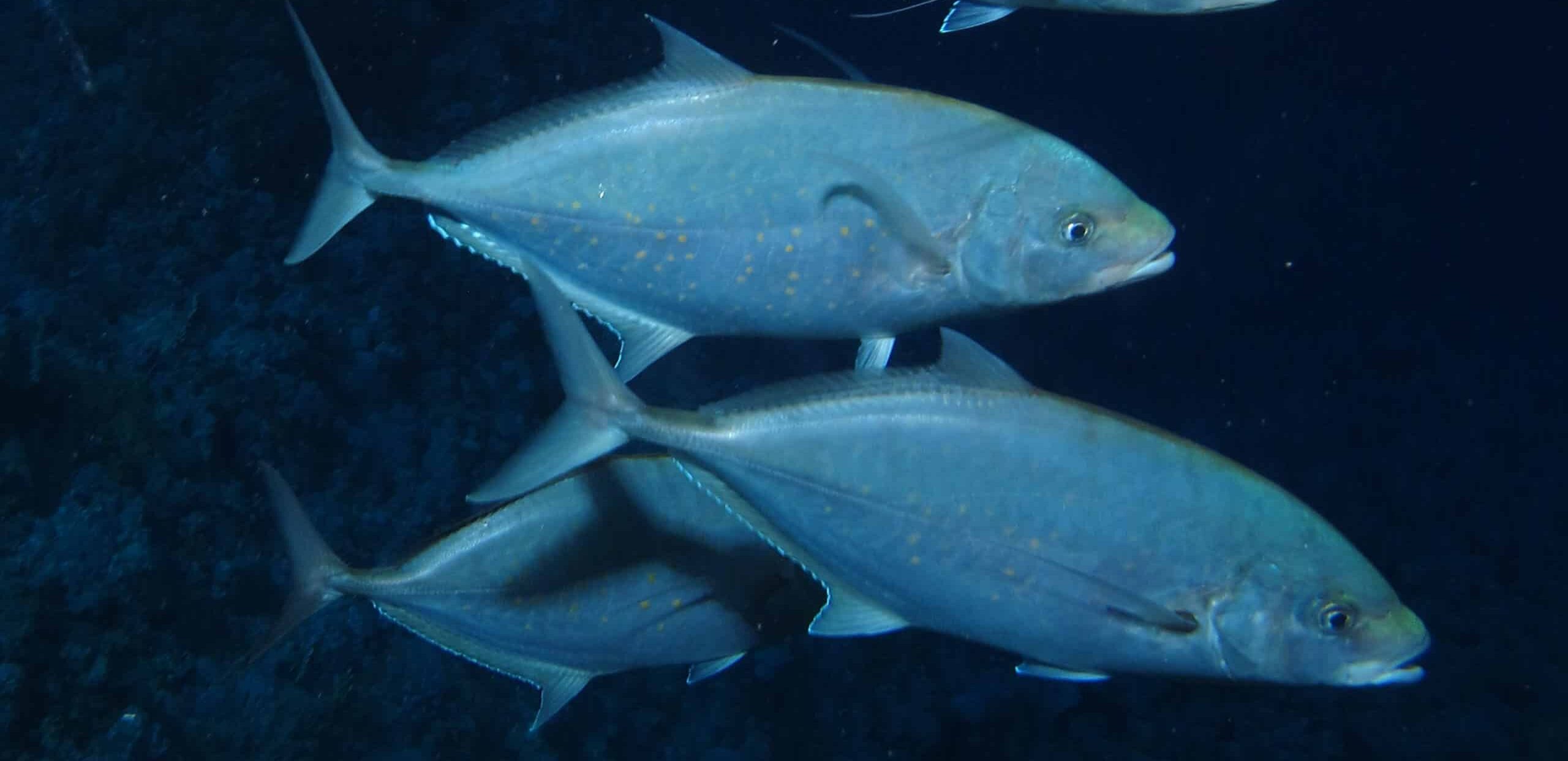
Herring are incredible small fish that travel in massive schools across the oceans. These fish belong to the Clupeidae family and can grow to be between 25 to 38 centimeters long, which is about 10 to 15 inches!
Herring love to snack on plankton, crustaceans, and small fish, making them quite the buffet goers of the sea. They find tasty treats by using their keen sense of smell, which helps them discover their food even in the murky depths.
This super fish can live between 12 to 16 years, making it a long-time traveler of the ocean! With their schools sometimes reaching into the millions, you might say they are experts at having a fishy good time!
Imagine going to a party with thousands of other fish! Herring do this as they travel in groups to avoid predators like sharks and larger fish. Talk about having a safety in numbers strategy!
Herring also play a vital role in marine ecosystems. They serve as a critical food source for many ocean animals like seals, sea birds, and fish. Without herring, the ocean food chain would look quite different!
Many people enjoy herring as a delicacy, and they can be found in various dishes around the world. Whether pickled, smoked or served fresh, herring brings flavor to many tables!

Where can you find a Herring in the wild?
What does a Herring eat?
How big can a Herring grow?
How long does a Herring typically live?
What is the conservation status of the Herring?
What are the main threats to the Herring?
Fun facts
Herring can swim in schools that number in the millions, which creates a mesmerizing, swirling spectacle beneath the waves!


When herring feel threatened, they can perform a fantastic flip or dash to confuse predators, making them slippery targets in the water.
These fish are super smellers! Herring use their incredible sense of smell to detect food from over a kilometer away.
Herring have a special way of hatching. Many of their eggs float in seaweed to avoid predators, creating cozy and safe mini nurseries.
Fishermen have long relied on herring to catch sea creatures like larger fish, birds, and seals because they form such large schools together - it’s like a seafood buffet!
Some people believe that herring can even 'see' food at night thanks to their glowing lateral line, which detects vibrations and movements in the water.
Herring are social eaters! They prefer to hunt for food in groups, making their feeding time a lively communal event.
In the past, herring have been seen as such a valuable food source that entire towns in coastal areas would celebrate 'Herring Festivals' where people would feast on these tasty fish!
Young herring occasionally stay near river mouths for fun; this allows them to explore shallow water before heading out to open seas!
Herring can quickly change their swimming patterns to stay in sync with the rest of their school, like a perfectly choreographed dance team!
Photos



The Basics


explore more
Amphibians
Arachnids
Birds
Cats
Crustaceans
Fish
Fish Pet Guide
Gastropods
Insects
Invertebrates
Mammals
Pet Fish
Pet Rodents
Plants
Reptiles
Roundworms
Sea Slugs
