Successfully copied to clipboard!
Lamprey
Explore the ancient, secretive fish with no jaws!
Let’s Explore
Overview
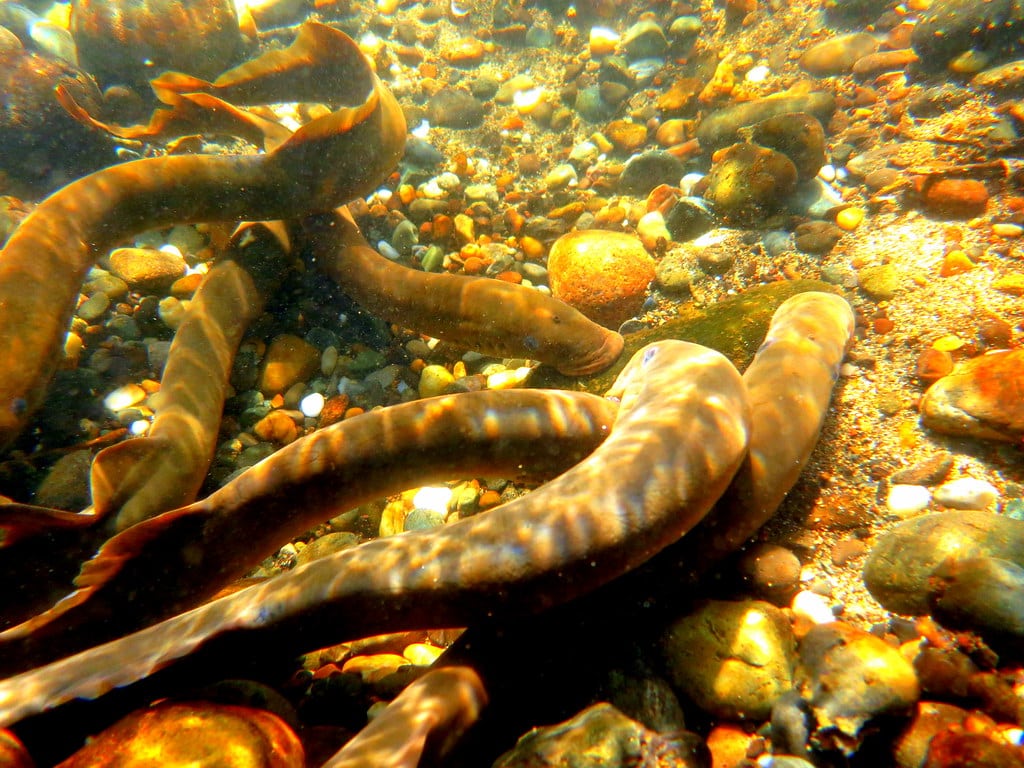
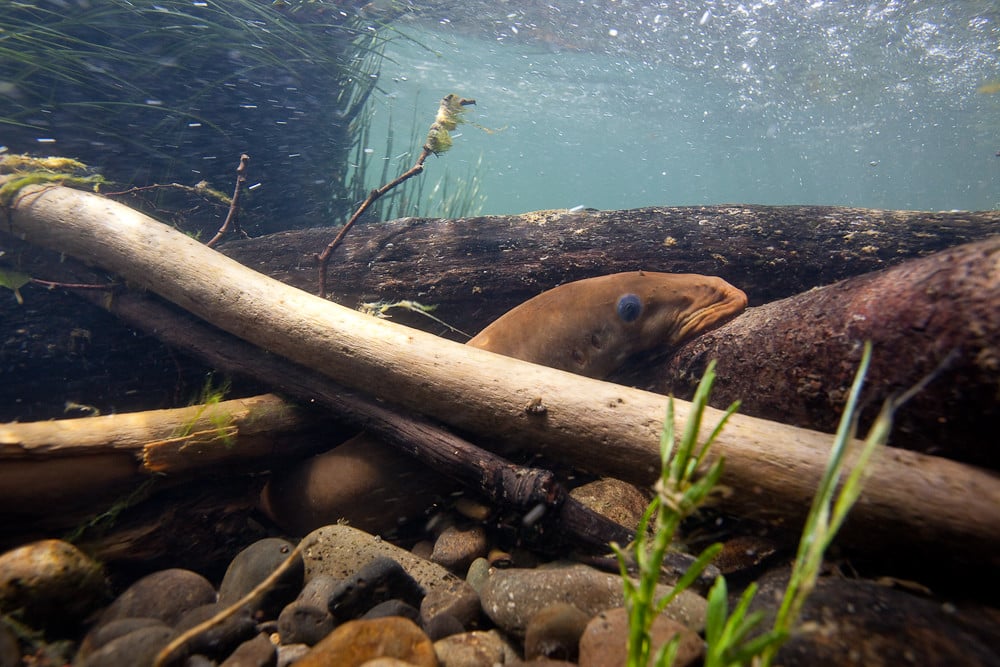
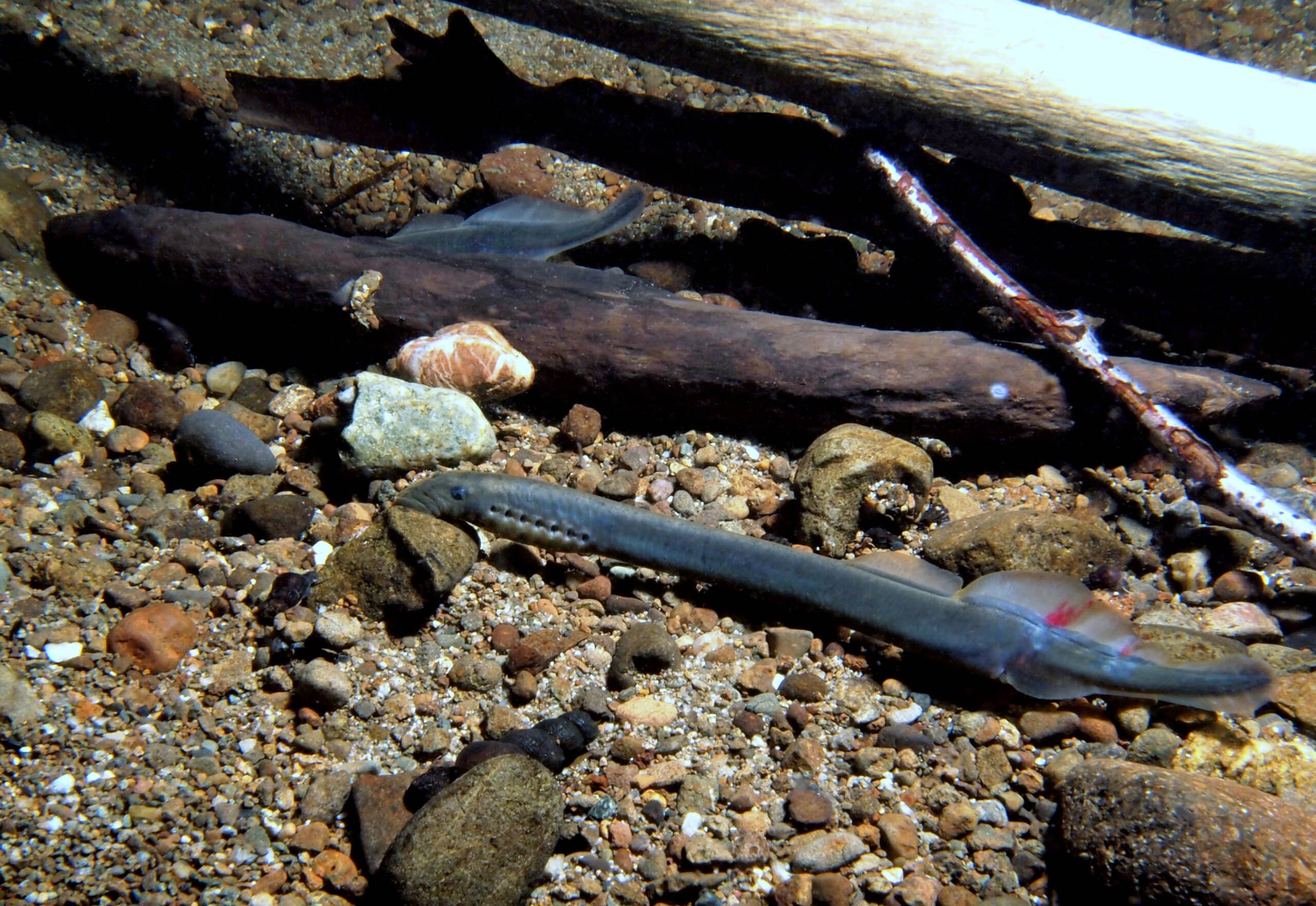
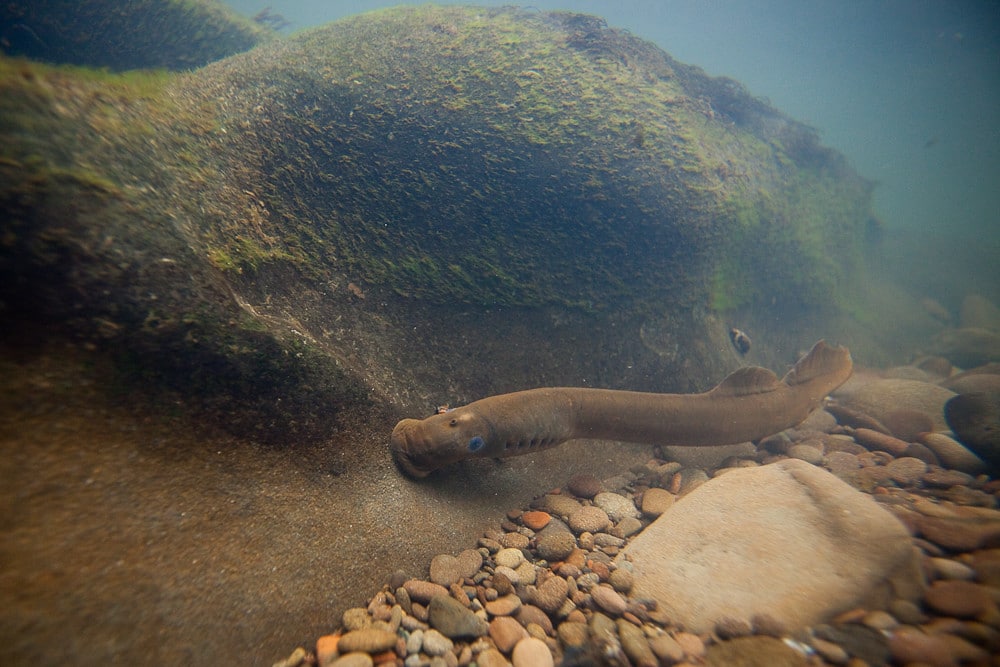
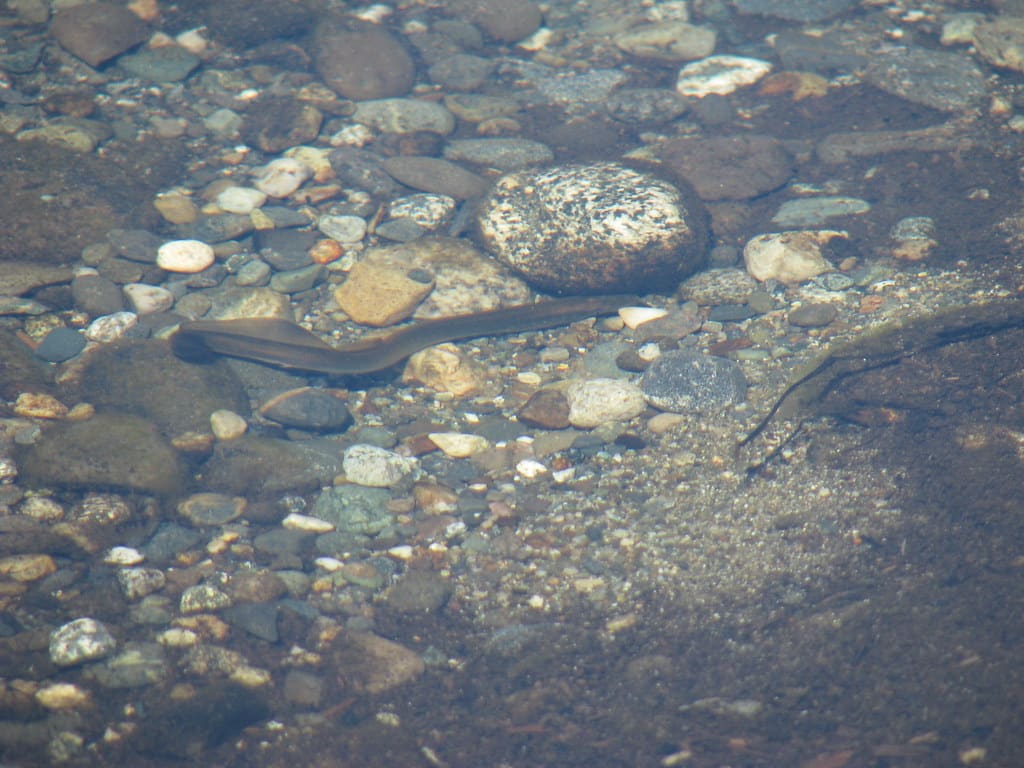
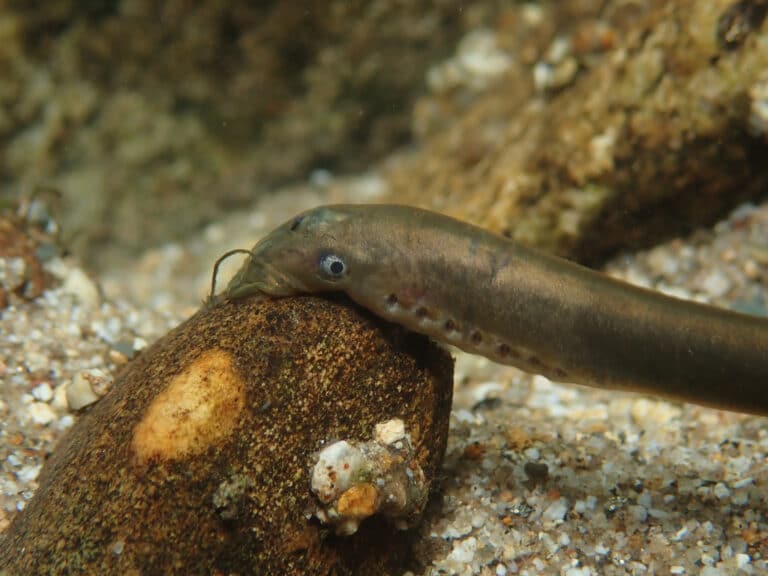
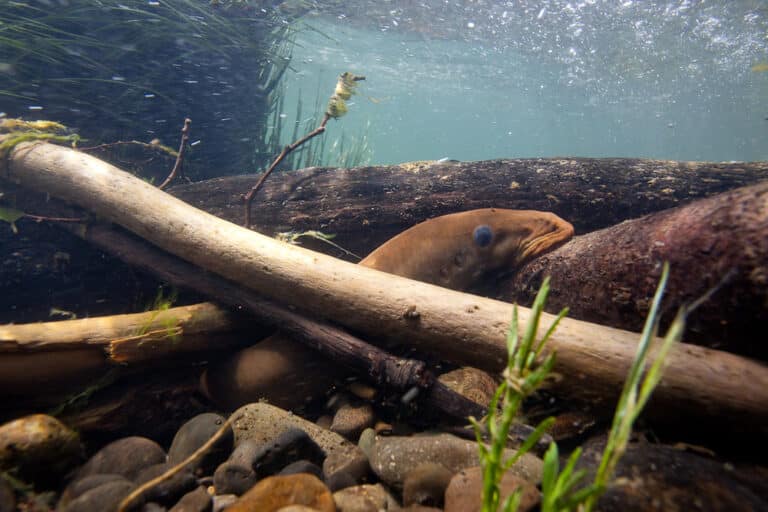
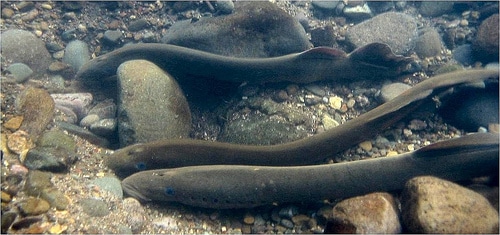
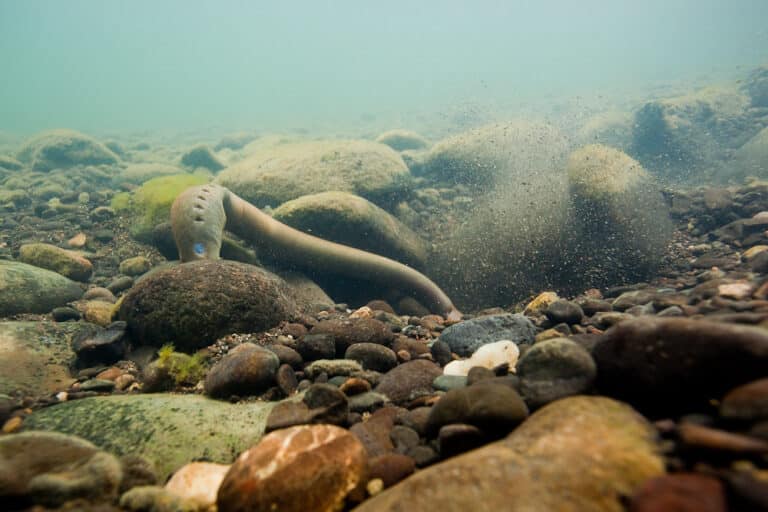
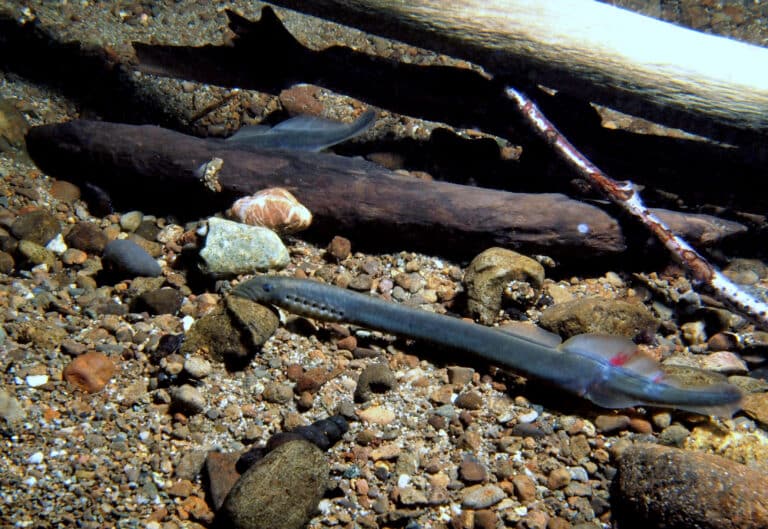
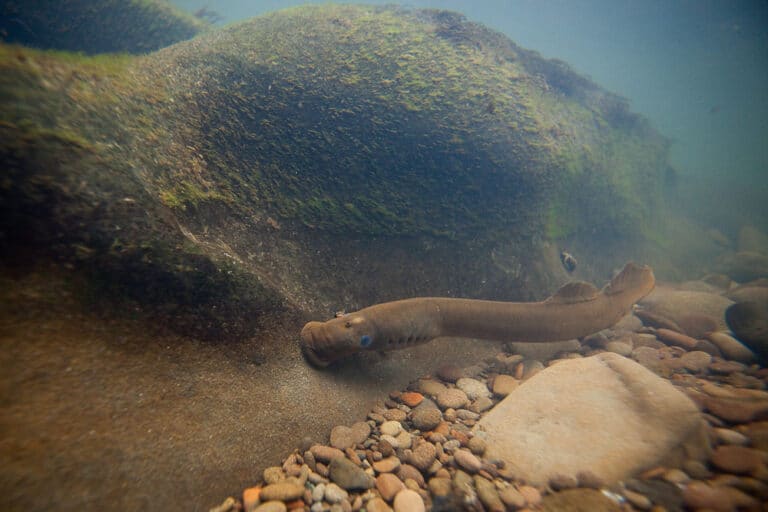
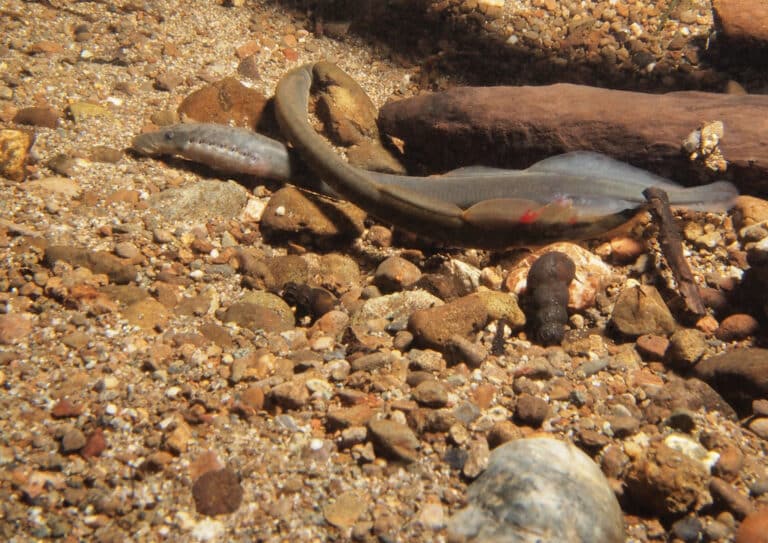
Lampreys are jawless fish that swim through the ocean like underwater ninjas. They can grow anywhere from 15 to 100 centimeters (about 6 to 40 inches), making them quite the impressive sight!
With bodies that look a bit like eels, lampreys belong to an ancient group of fish. They have been swimming in Earth's waters for around 340 million years, showcasing their resilience and adaptability through time.
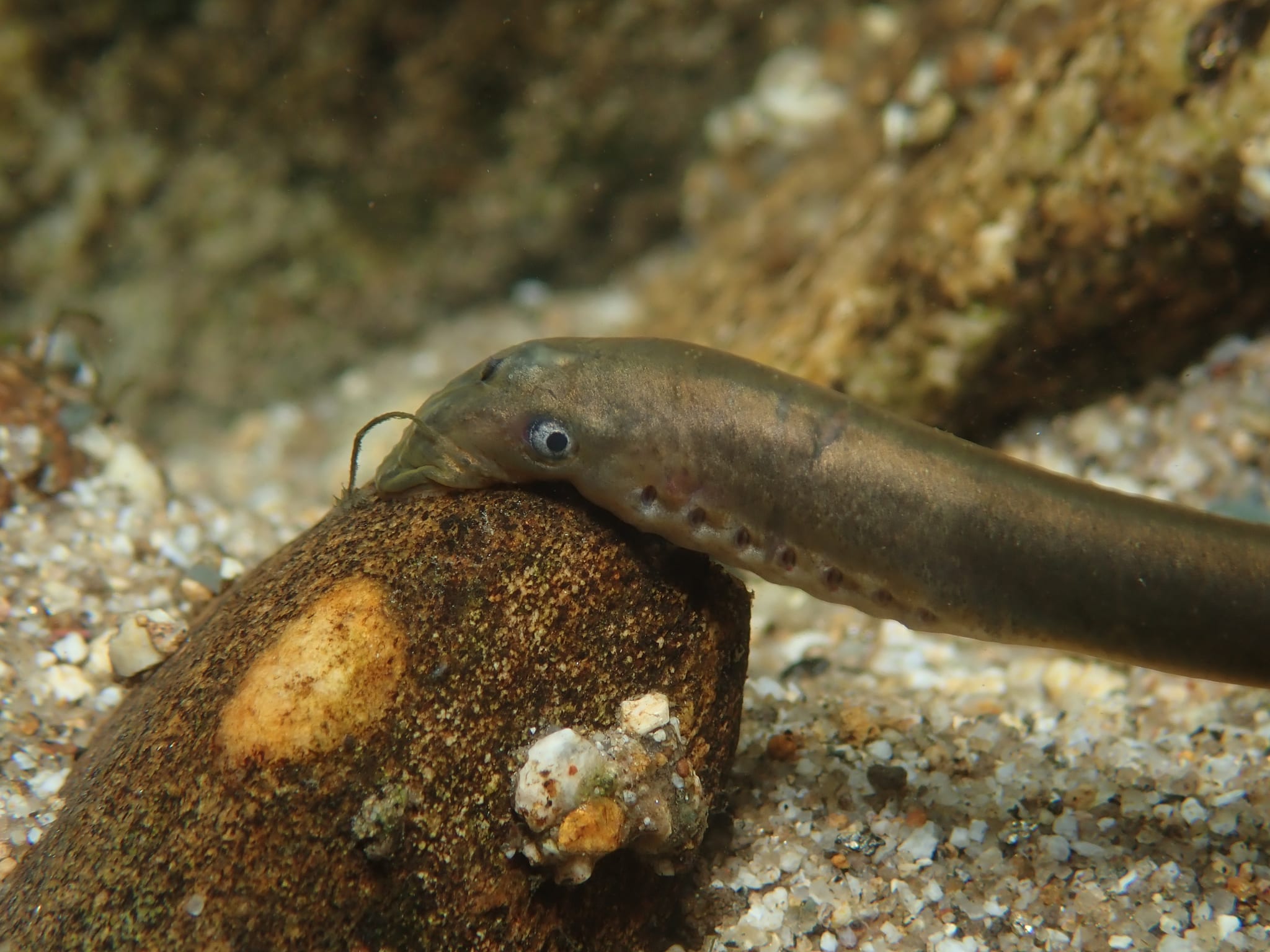
These creatures have a special circular mouth packed with sharp, hooked teeth. Instead of swallowing their food, they attach to other fish and suck out their blood and flesh—yikes!—which is how they get their nutrients.
Lampreys lead an interesting life; they lay up to 80,000 eggs at once! After hatching, the larvae feast on tiny microbes and bacteria before transforming into their parasitic form.
Not just any fish, lampreys are part of a unique family of creatures. They belong to the scientific family Petromyzontidae, making them relatives of other jawless wonders in the ocean.
Many fish fear the lamprey's powerful suction and sharp teeth. But worry not! Lampreys contribute to their ecosystems by playing a role in the food web, showcasing nature's balance!

Where can you find a Lamprey in the wild?
What does a Lamprey eat?
How big can a Lamprey grow?
How long does a Lamprey typically live?
What is the conservation status of the Lamprey?
What are the main threats to the Lamprey?
Fun facts
Lampreys can survive in a range of temperatures, but they prefer cool waters, usually between 5 and 20 degrees Celsius (41 to 68 degrees Fahrenheit). This unique temperature preference helps them thrive and stay active.


Did you know lampreys can create suction strong enough to hold onto slippery fish? Their special mouth serves like a super vacuum, allowing them to latch on tight while they feast.
Each species of lamprey has its own unique life cycle, with some living as larvae in fresh water for years before transforming into adults. It's like having a secret superhero origin story!
Lampreys can regenerate lost body parts, including their gills, just like some superheroes can heal quickly. This ability helps them recover from injuries and survive in the wild!
Some species of lampreys can migrate more than 1,000 kilometers (620 miles) during their life cycle! That's like swimming from New York City to Miami to find the best dining spots!
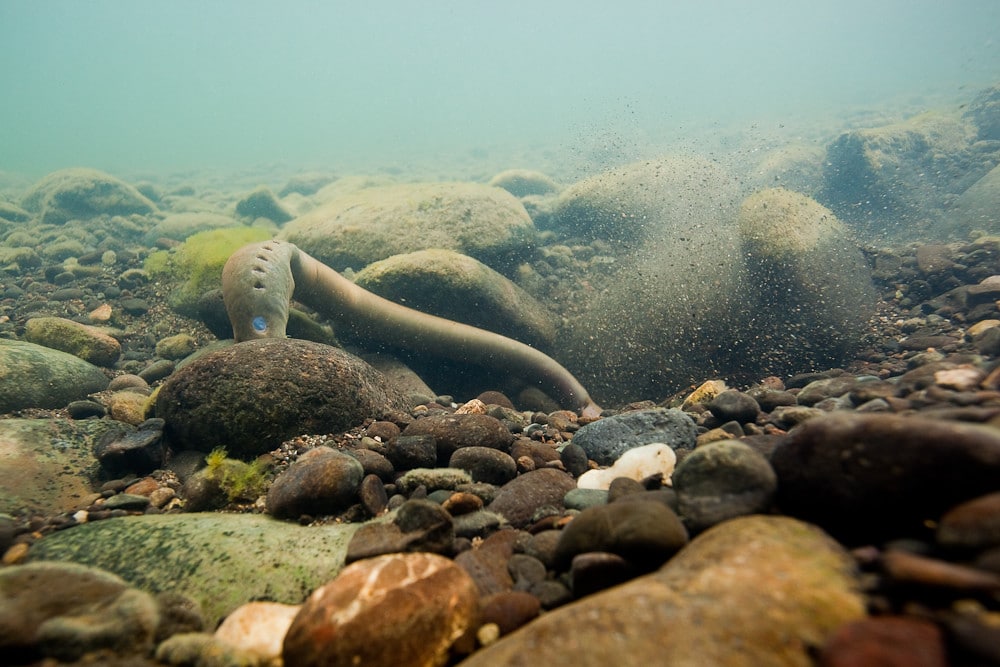
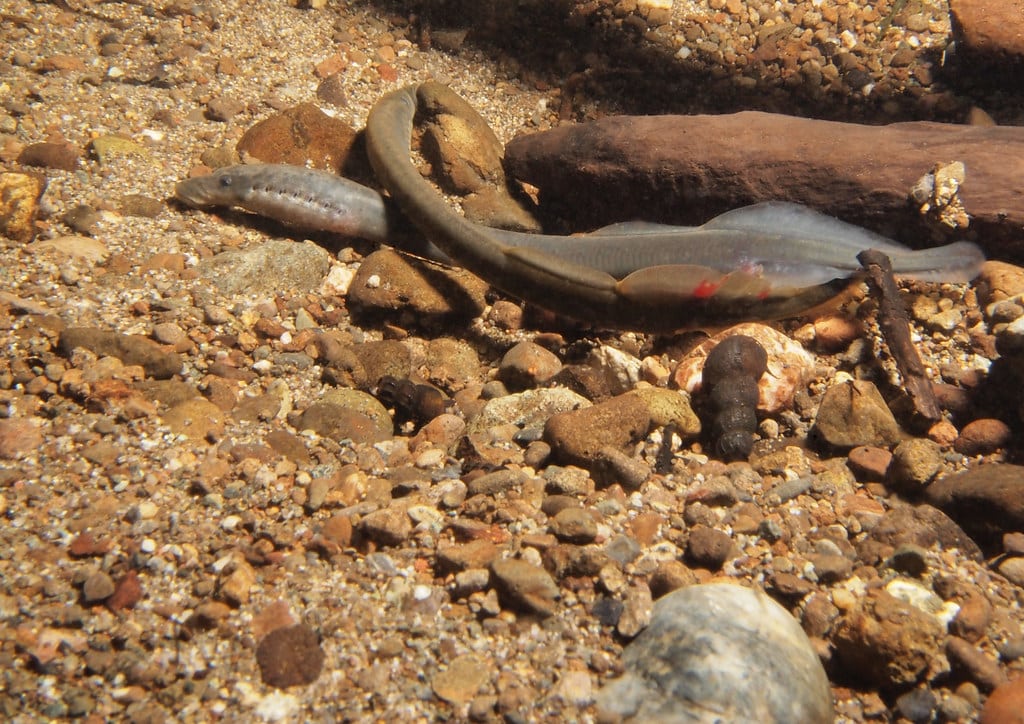
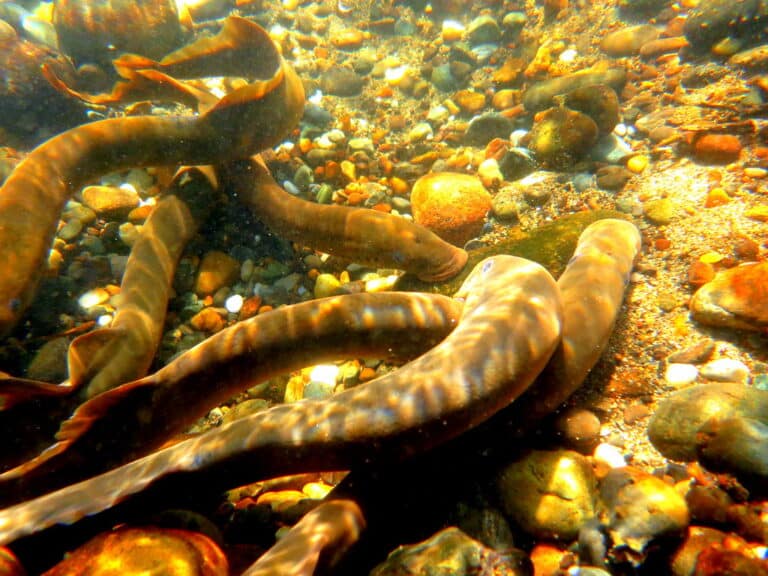
When it's time to mate, male lampreys create nests by moving rocks with their mouths. They are like underwater construction workers, building cozy homes for their little ones!
Paleontologists found lamprey fossils that date back over 360 million years, making these fish older than dinosaurs. Talk about ancient history swimming in today's oceans!
Lampreys can taste their environment using special receptors on their bodies. It’s like having a built-in taste test while they explore their aquatic world!
Even though lampreys look quite fierce, they help maintain the balance of their ecosystems by controlling fish populations. They play a special role in keeping nature healthy!
Some cultures consider lampreys a delicacy, and they even served them in royal feasts! Who knew these ancient fish could be gourmet cuisine?
Photos





The Basics


explore more
Amphibians
Arachnids
Birds
Cats
Crustaceans
Fish
Fish Pet Guide
Gastropods
Insects
Invertebrates
Mammals
Pet Fish
Pet Rodents
Plants
Reptiles
Roundworms
Sea Slugs