Successfully copied to clipboard!
Nematode
Uncover the tiny heroes of soil and water ecosystems!
Let’s Explore
Overview
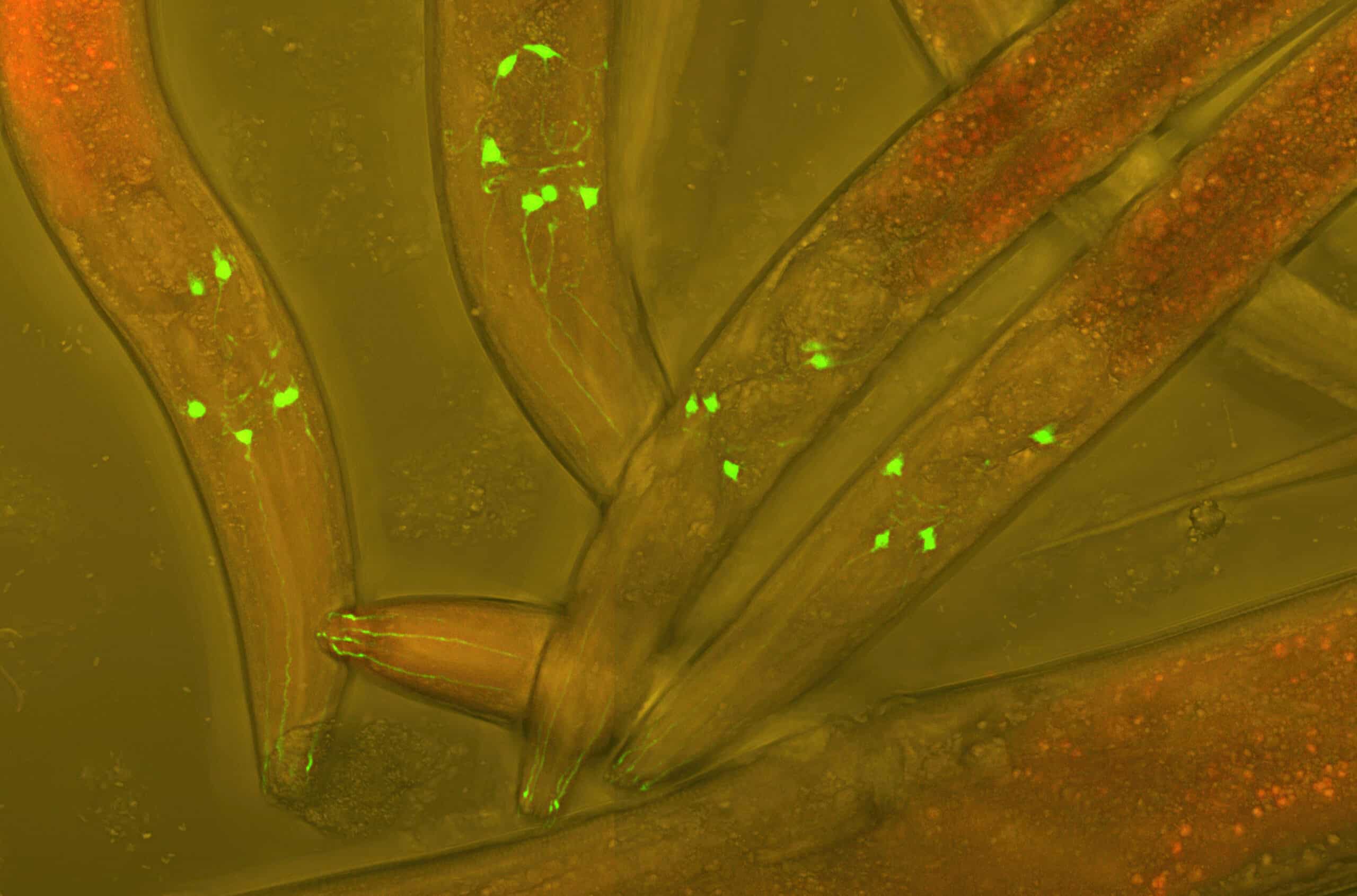
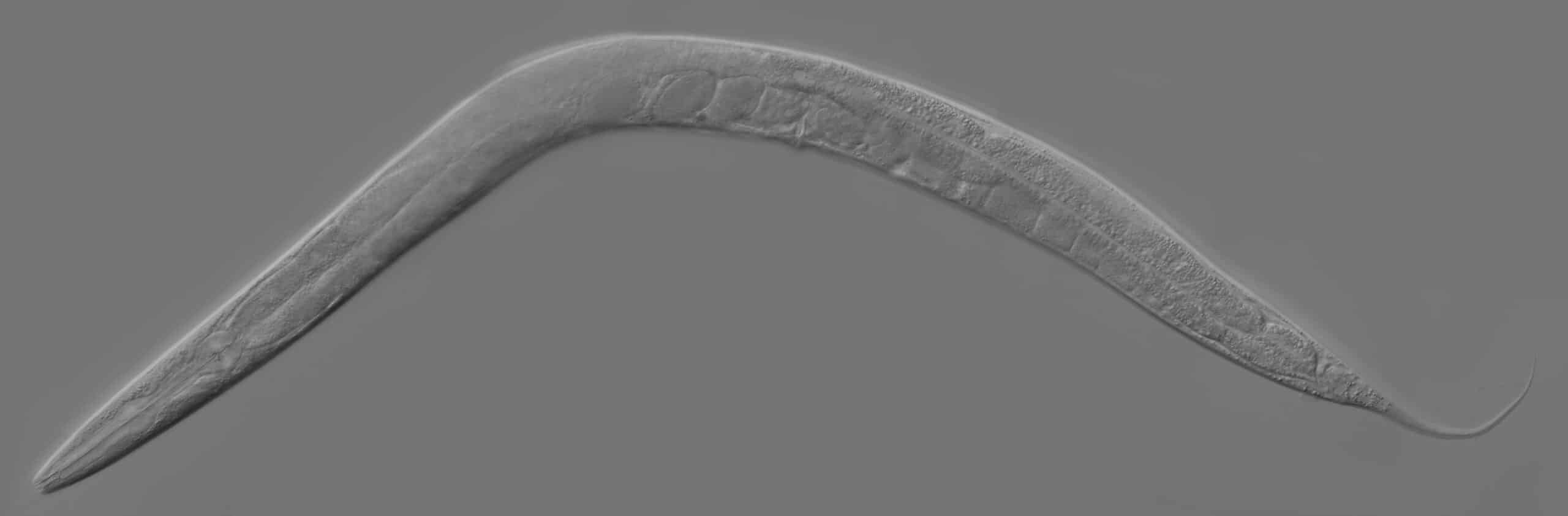
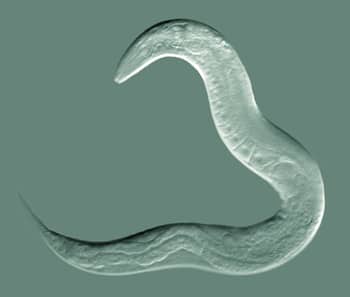
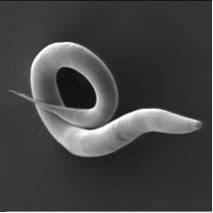
Nematodes, commonly known as roundworms, are tiny but mighty creatures! They belong to the class Nematoda and are found almost everywhere on Earth, from soil to water, making them true global adventurers.
These sneaky worms are typically about 1 millimeter long. That's smaller than a grain of sand, but they pack a big punch in the microscopic world with their impressive adaptability and diverse habitats.
Nematodes have a taste for bacteria, munching on them to fuel their busy lives. These little makers of motion play a key role in the ecosystem by breaking down organic material and helping nutrients cycle through the environment.
With a lifespan of only about 2 to 3 weeks, nematodes live fast and work hard! They reproduce quickly, ensuring their populations thrive in many different conditions, from the Arctic to tropical rainforests.
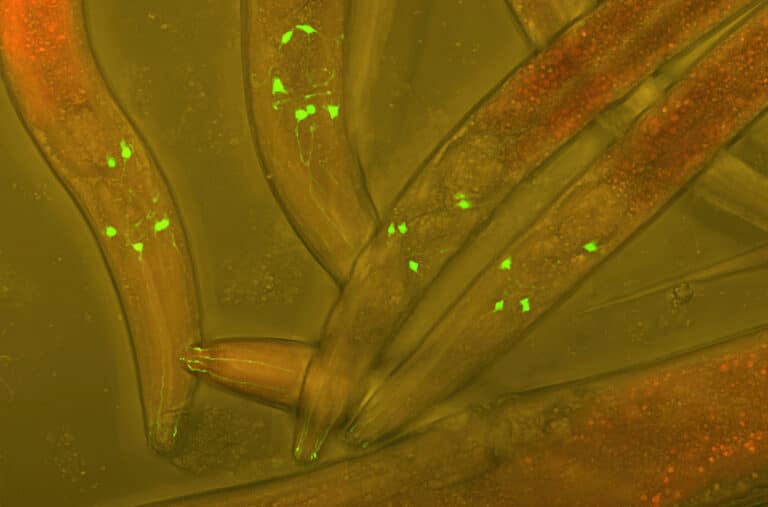
Scientists use C. elegans, a specific type of nematode, to study genetics and development. These curious critters help unlock the secrets of life, making them a big deal in the world of science, despite their small size.
So next time you dig in the dirt or splash in a puddle, remember that there are thousands of these tiny worms working hard to keep nature in balance. Nematodes might be small, but they are essential heroes of the soil and water!

Where can you find a Nematode in the wild?
What does a Nematode eat?
How big can a Nematode grow?
How long does a Nematode typically live?
What is the conservation status of the Nematode?
What are the main threats to the Nematode?
Fun facts
Nematodes can survive extreme conditions that would be deadly for other living things. They can endure temperatures as low as -196 degrees Celsius (-320 degrees Fahrenheit) and as high as 37 degrees Celsius (98.6 degrees Fahrenheit).


These tiny worms can go into a state called cryptobiosis when conditions are too harsh. In this state, they lose almost all their water and remain dormant, waiting for better times to come, like a superhero in hiding!
Nematodes have been around for about 500 million years, making them some of the Earth's oldest living animals. They have seen the rise and fall of dinosaurs and witnessed the changing world around them!
C. elegans, a type of nematode, has been sent to space as part of scientific experiments to study the effects of microgravity on living organisms. These little astronauts show that even the smallest creatures can travel far!
Nematodes play a huge role in decomposition. They help break down dead plants and animals, turning them into nutrients that feed other living things, making them like nature's recyclers!
In laboratory research, scientists use C. elegans to study human diseases. Despite being tiny worms, they help unlock secrets about how our bodies work, making them key players in medical discoveries.
These worms are masters at movement! They wiggle in an 'S' shape like a tiny rollercoaster ride as they travel through soil and water, making them fun to watch under a microscope.
Nematodes can shape the soil they live in. They create tunnels as they move, allowing air and water to reach plant roots, helping gardens thrive and ensuring the earth stays healthy!
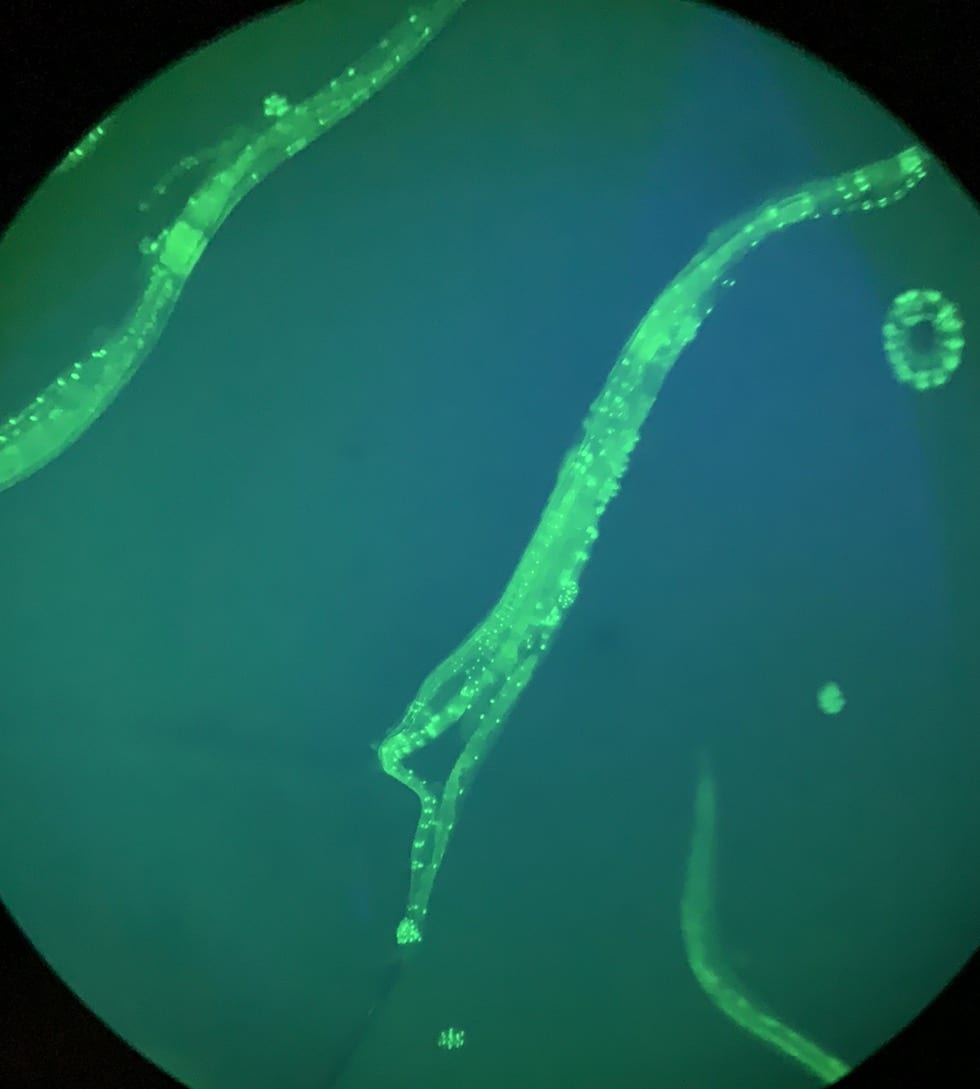
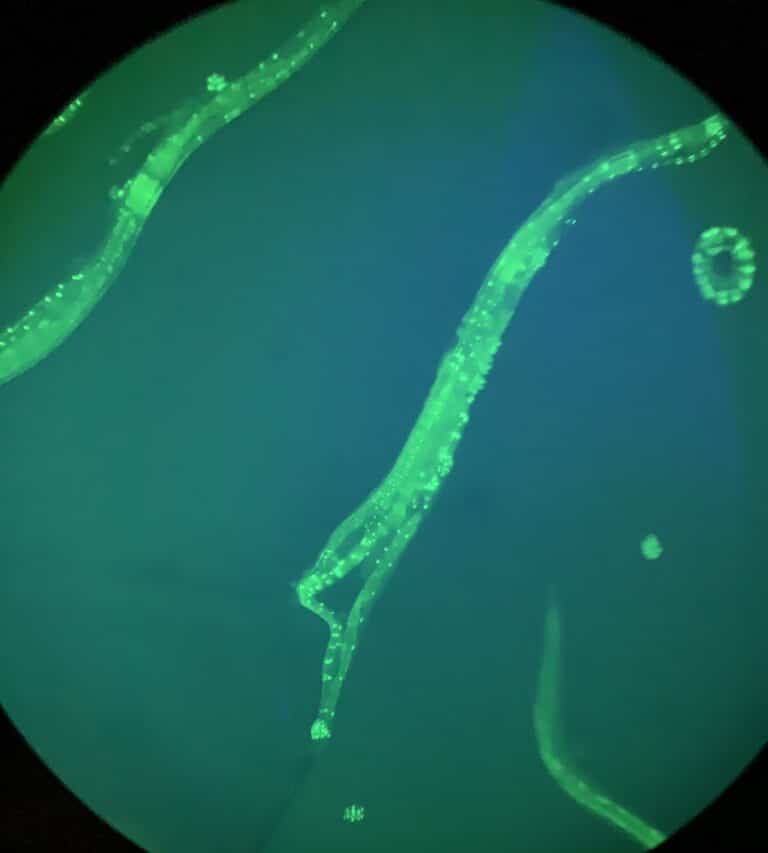
Some nematodes can glow in the dark! They produce a substance called bioluminescent protein which shines under certain conditions, lighting up the darkness like tiny magical worms.
Nematodes can rapidly evolve, changing traits in just a few generations. This allows them to adapt to new environments, making them strong survivors in the ever-changing world.
Photos

The Basics


explore more
Amphibians
Arachnids
Birds
Cats
Crustaceans
Fish
Fish Pet Guide
Gastropods
Insects
Invertebrates
Mammals
Pet Fish
Pet Rodents
Plants
Reptiles
Roundworms
Sea Slugs