
Successfully copied to clipboard!
Oyster
Explore the ocean's hidden heroes that clean our waters!
Let’s Explore
Overview
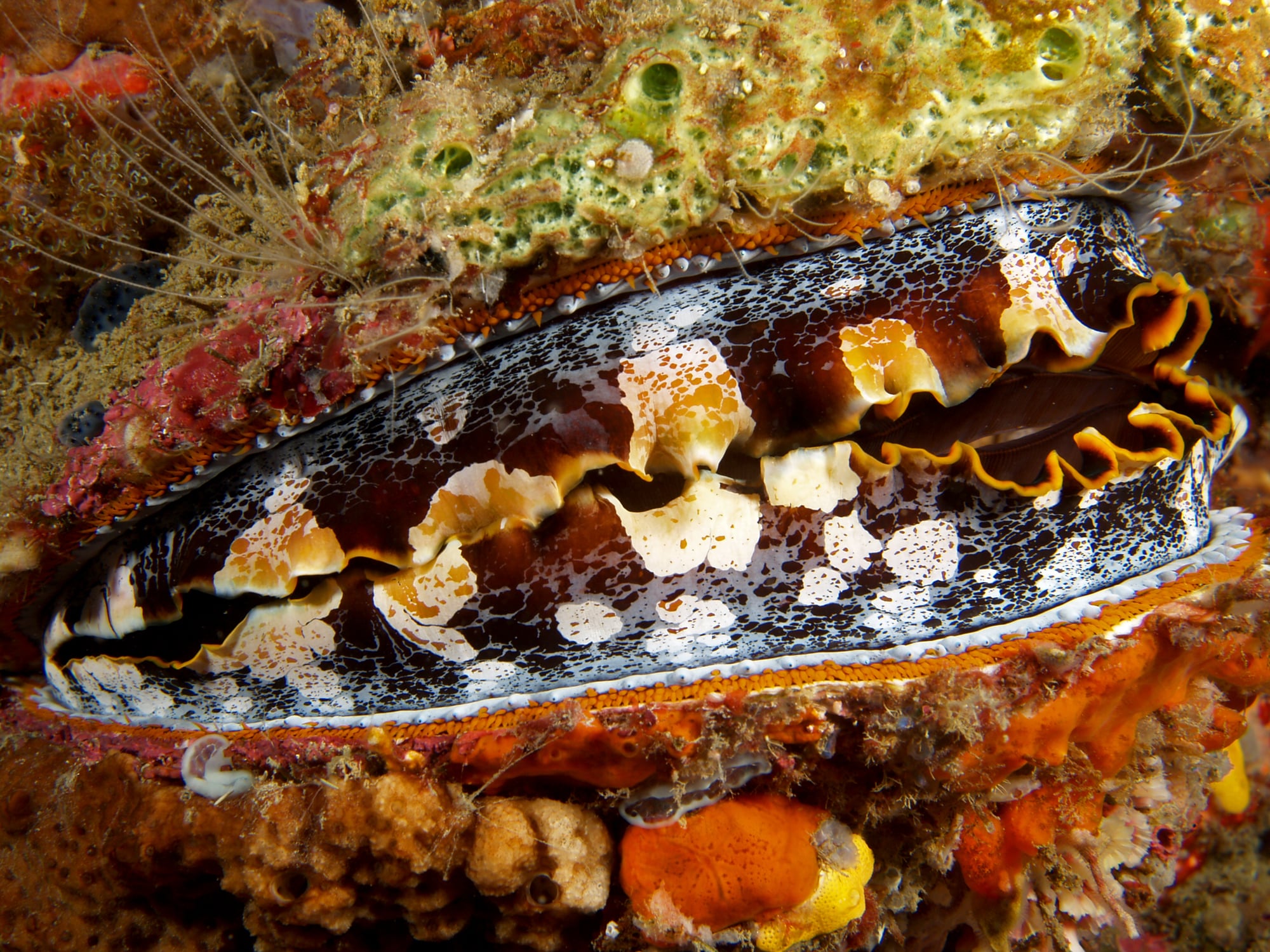
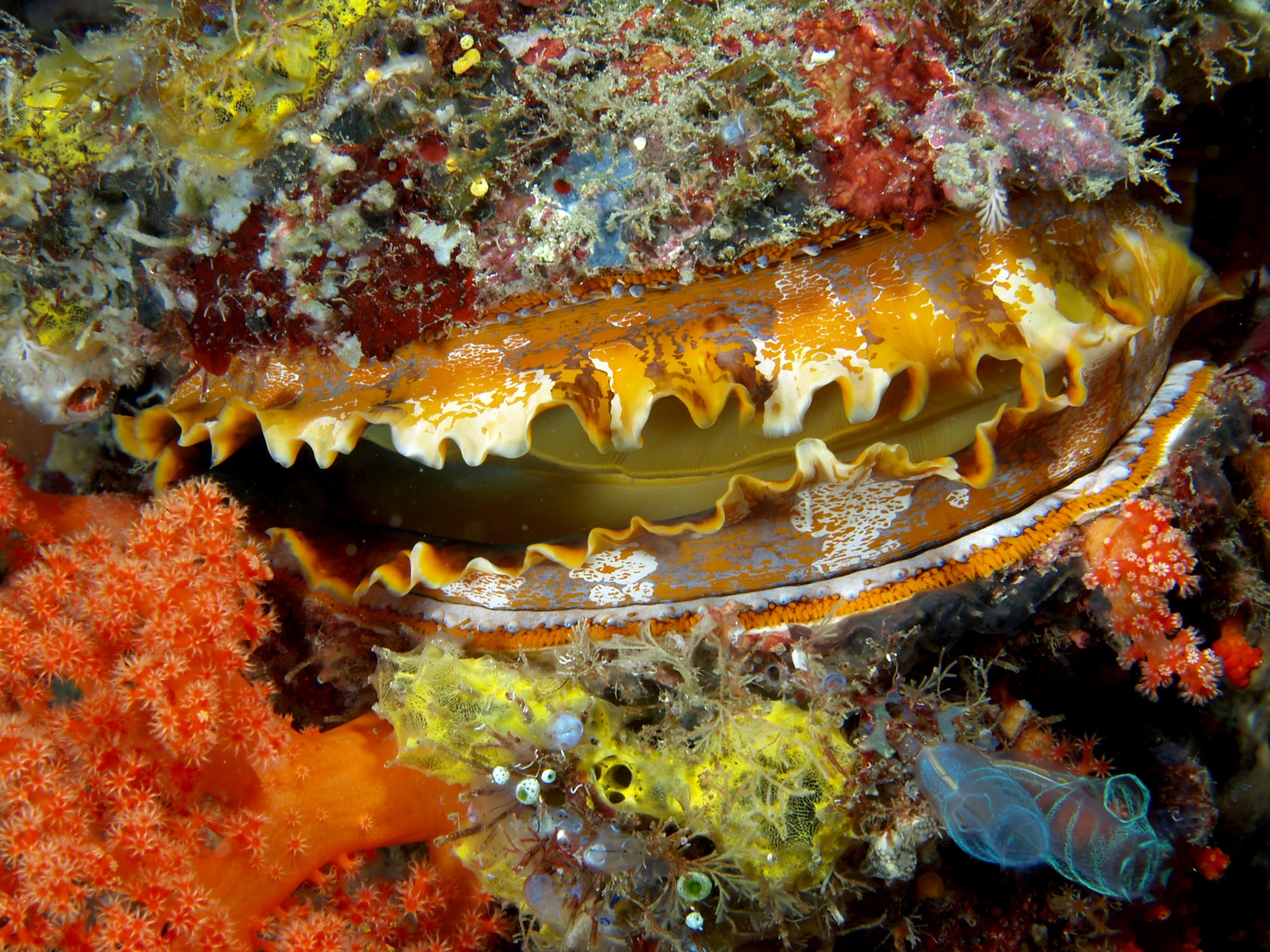
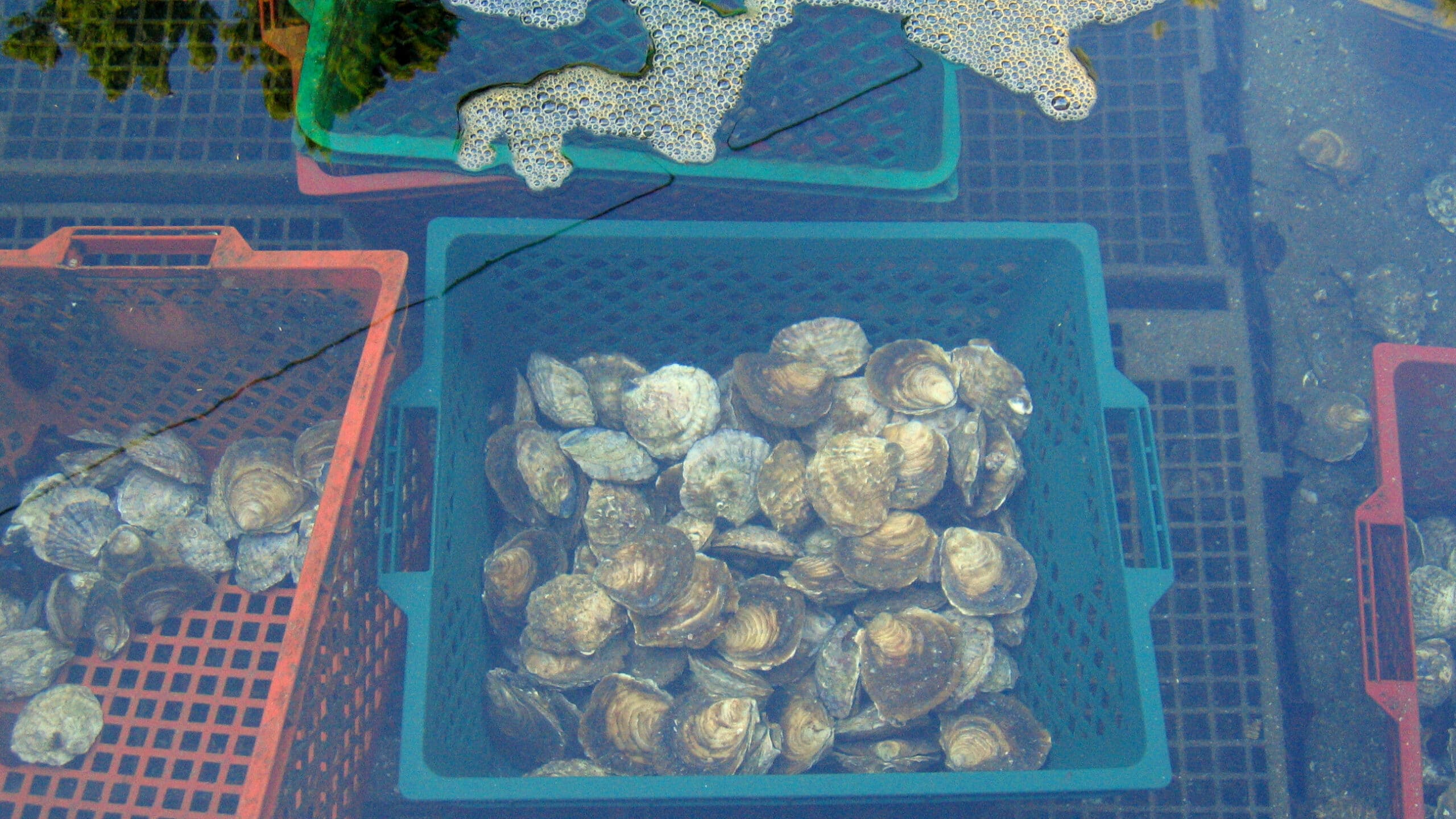
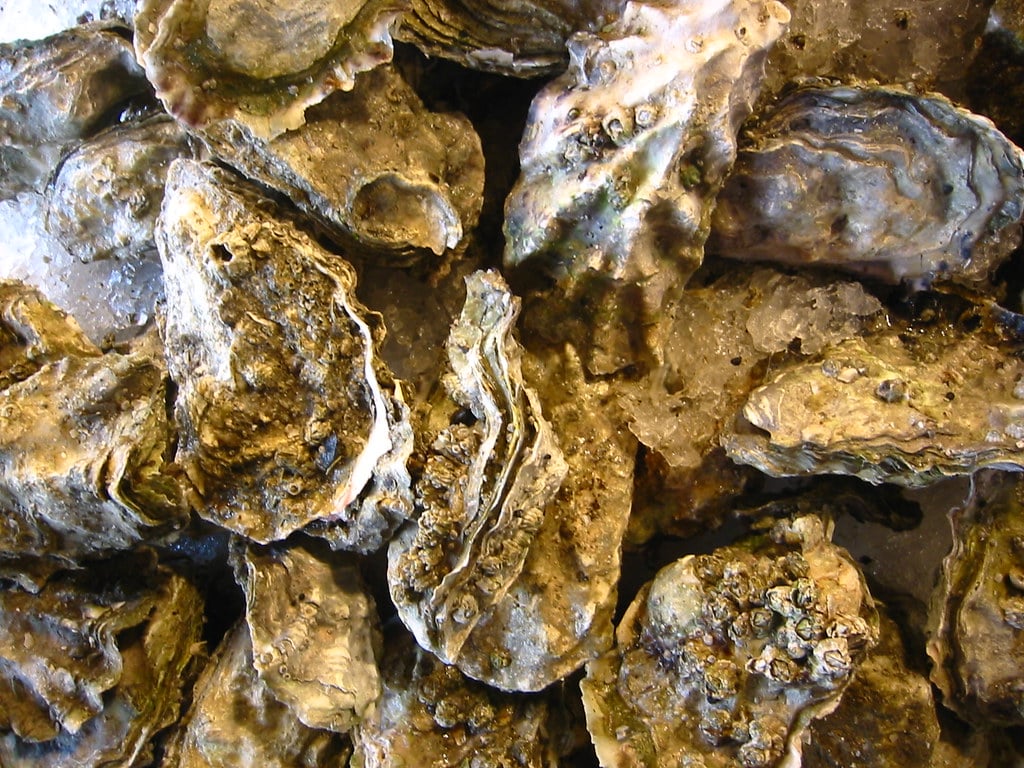
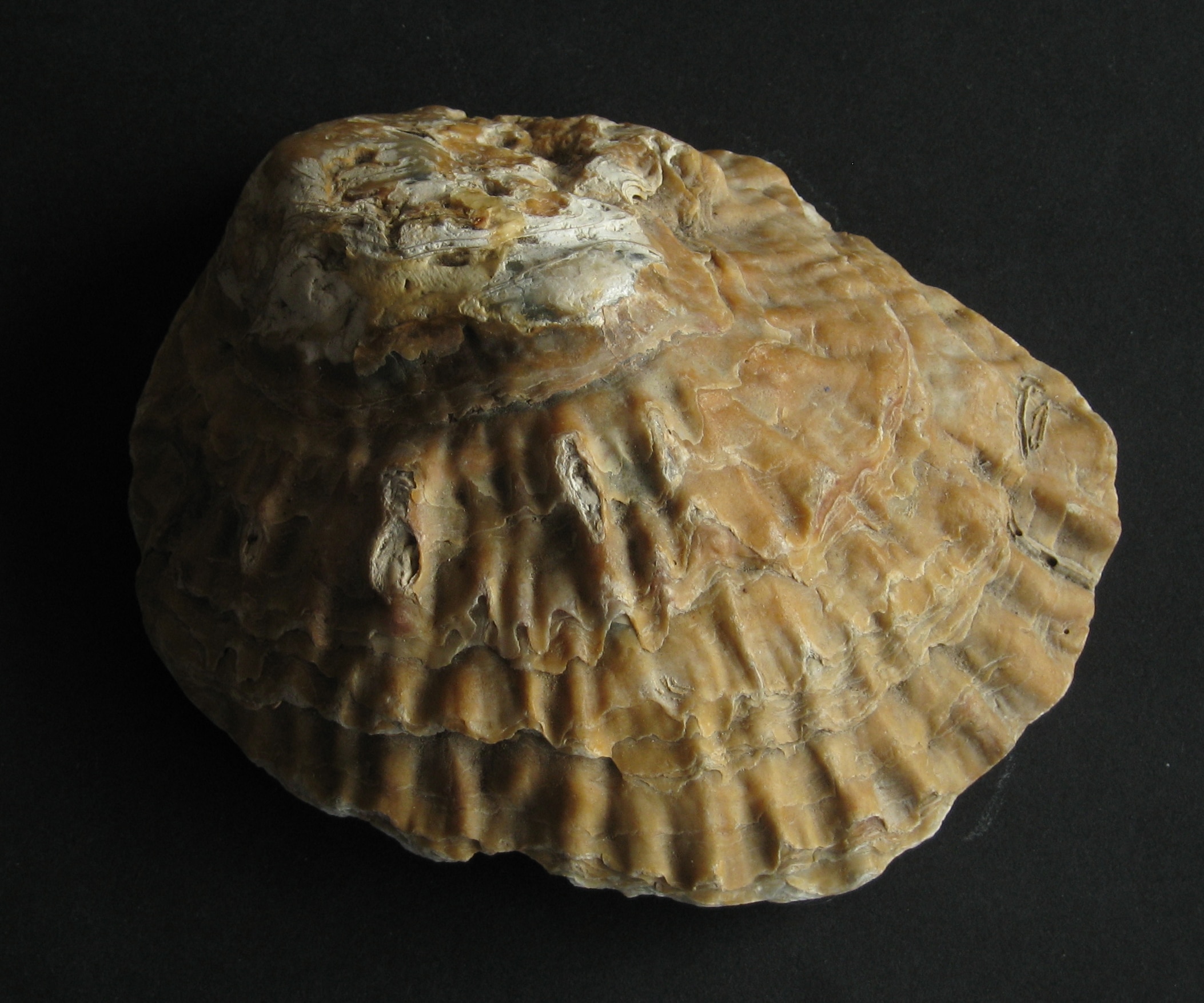
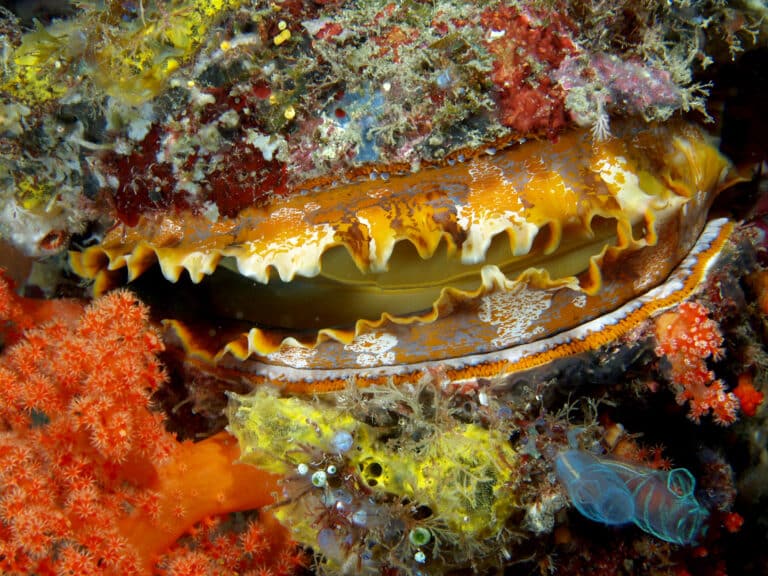
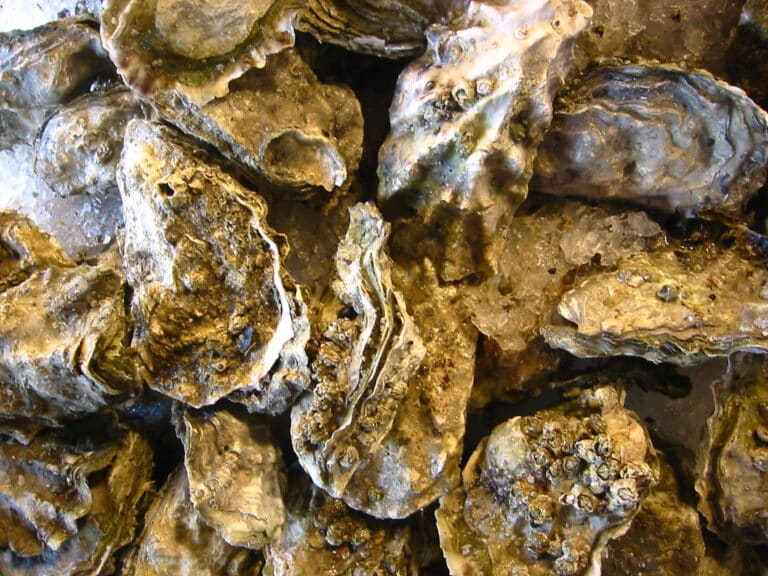
Oysters are incredible invertebrates that belong to the bivalve class. They are part of the Mollusca phylum and have lived in oceans for millions of years, bringing joy to many with their tasty, briny flavor.
Oysters can grow anywhere from 3 to 14 inches long, making them an interesting find in marine environments. These shelled creatures often live in groups, or beds, providing cozy homes for themselves and other sea life.
Oysters have a remarkable diet that consists mainly of tiny floating particles called plankton. They filter seawater through their bodies, munching on these micro goodies while keeping the water clean in the process. Talk about multitasking!
These little shells can live up to 20 years, which is quite impressive for a marine animal. Oysters have a special ability to produce pearls, making them the bling-bling of the ocean, although not all oysters create these shiny treasures.
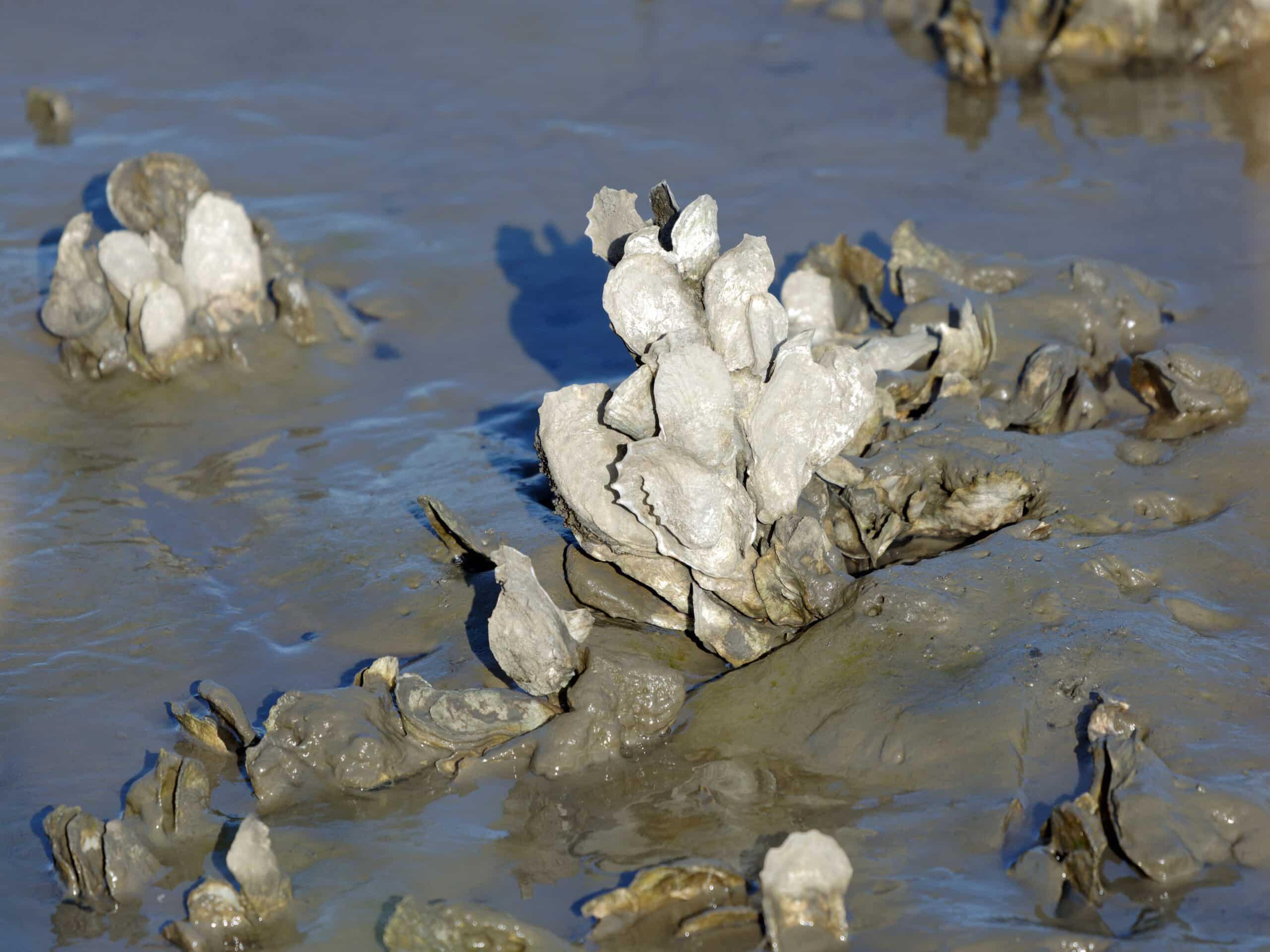
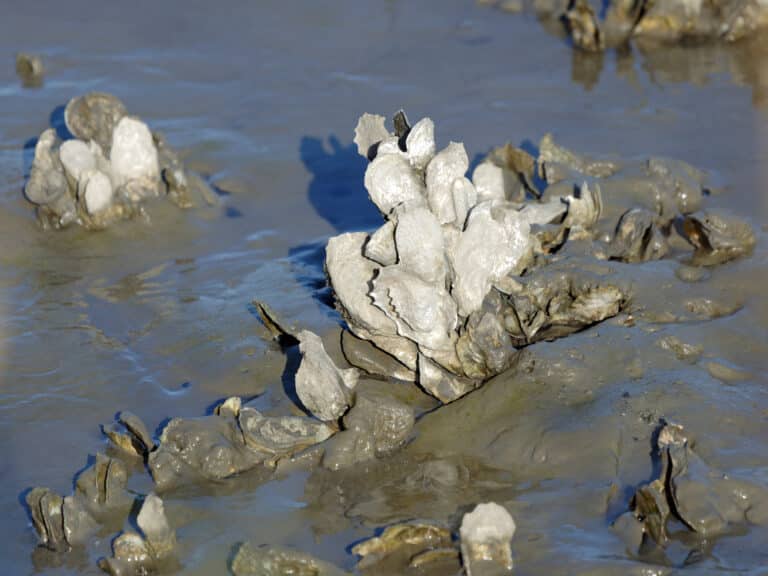
Oysters play an essential role in their ecosystems. They form reefs that shelter various marine creatures and help stabilize the ocean floor. Thanks to their filtering skills, they contribute to clearer and healthier waters, making the ocean a fantastic place for everyone!
Next time you enjoy a seafood feast, remember the noble oyster and its many magical feats in our oceans!

Where can you find a Oyster in the wild?
What does a Oyster eat?
How big can a Oyster grow?
How long does a Oyster typically live?
What is the conservation status of the Oyster?
What are the main threats to the Oyster?
Fun facts
Oysters can change their gender! They often start life as males, and as they grow older, they can switch to females, allowing them to adapt to their environment.


These little creatures can create pearls as a natural defense. When an irritant gets inside their shells, they coat it with layers of nacre, making a beautiful pearl to protect themselves!
Oysters can filter about 190 liters of water each day, which is enough to fill a bathtub! This cleaning action helps keep the ocean healthy and clear.
Some oysters can form 'oyster reefs' that provide homes for fish and other marine life. These reefs act like underwater hotels for different species, supporting biodiversity.
Baby oysters, called spat, can travel long distances on ocean currents before settling down to grow. They often cling to hard surfaces, starting their new lives attached to rocks or other oysters.
In some cultures, oysters are considered an aphrodisiac, meaning they are believed to increase love and excitement. Lobster and champagne are just a few of the tasty treats that pair well with them!
Oysters are skilled architects! In their reefs, they can create small hills and valleys on the ocean floor by stacking their own shells, providing homes for many other creatures.
Oysters have a unique way of making friends. They can “recognize” their neighbors and often prefer to group together, making cozy communities in the ocean.
Some people call oysters ‘nature's water filters’ because they improve water quality. By eating tiny plankton, they help control algae blooms and maintain a balanced ecosystem.
Did you know oysters can live in salty and brackish waters? Their ability to adapt helps them thrive in different environments, making them very versatile sea creatures!
Photos



The Basics


explore more
Amphibians
Arachnids
Birds
Cats
Crustaceans
Fish
Fish Pet Guide
Gastropods
Insects
Invertebrates
Mammals
Pet Fish
Pet Rodents
Plants
Reptiles
Roundworms
Sea Slugs