Successfully copied to clipboard!
Pipefish
Explore the ocean's slender wonders with amazing disguises!
Let’s Explore
Overview
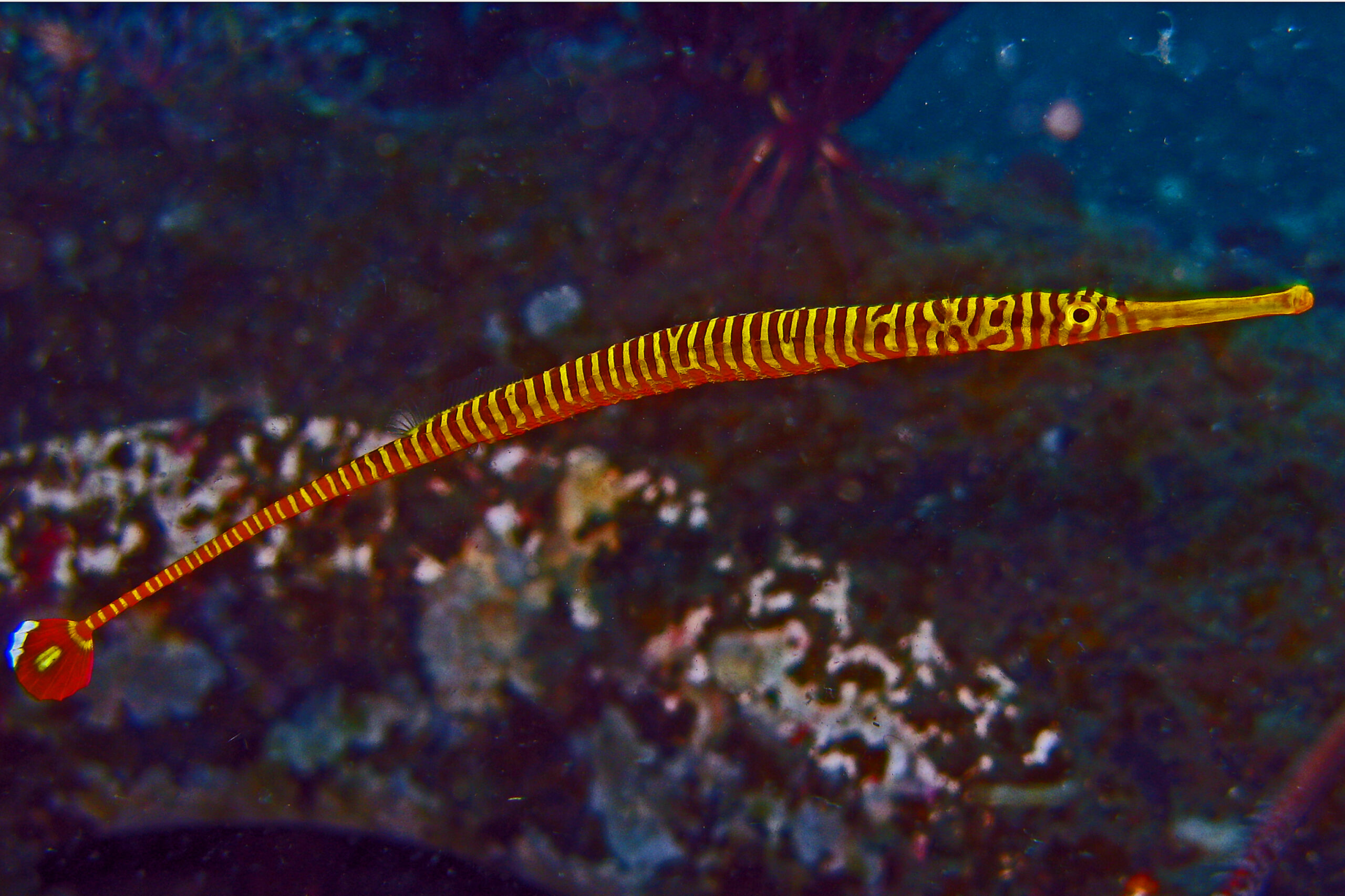
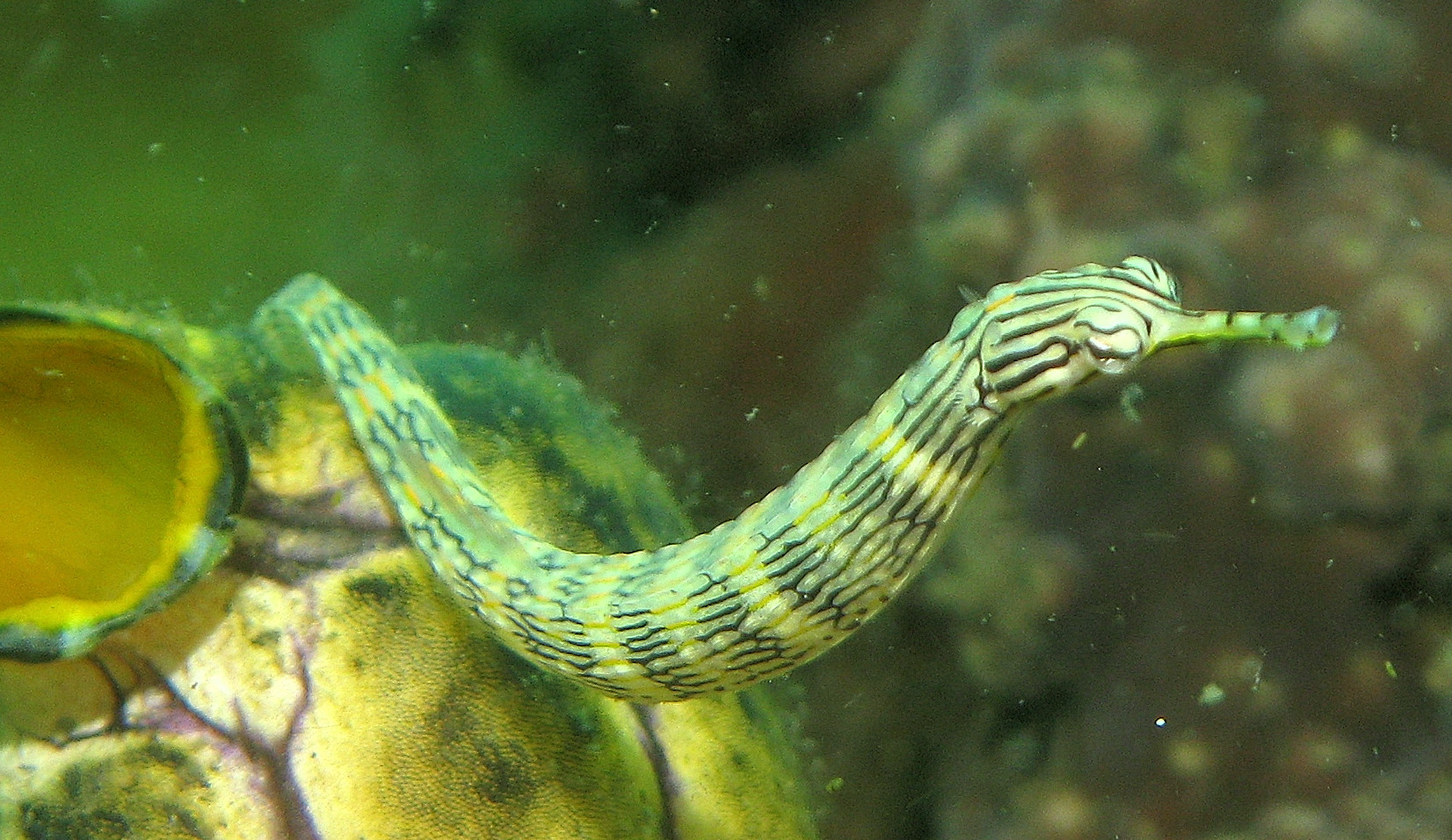
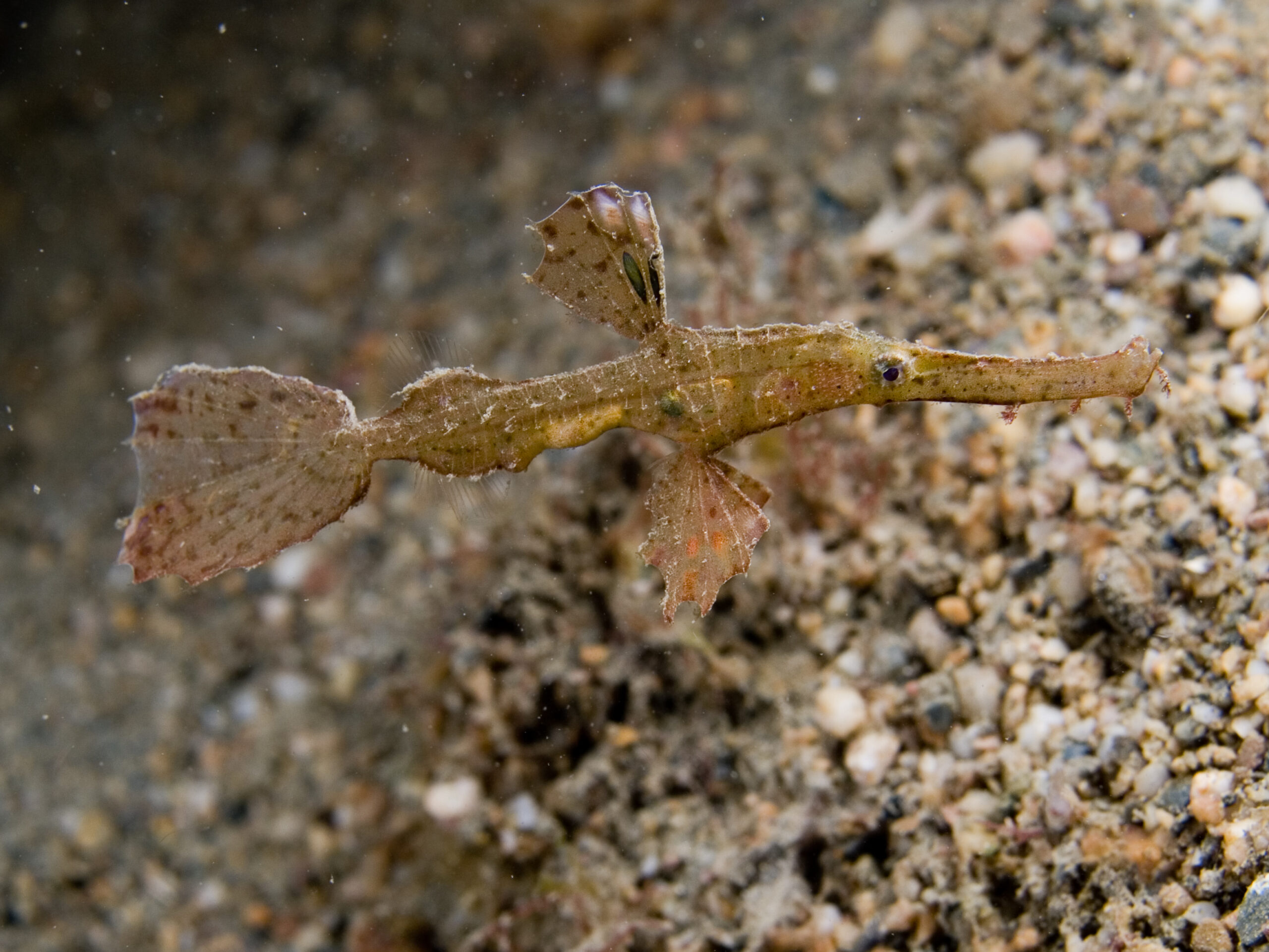
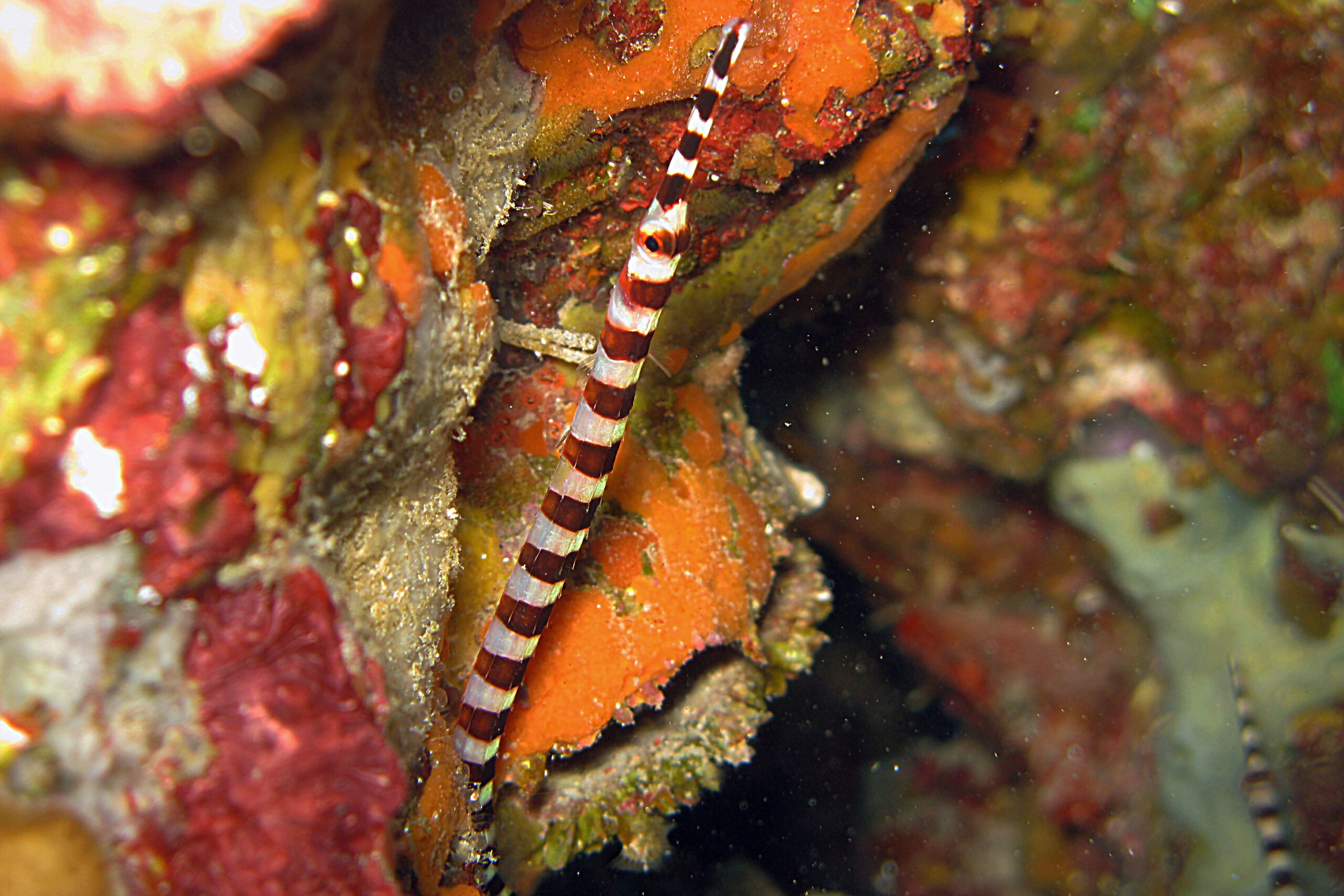
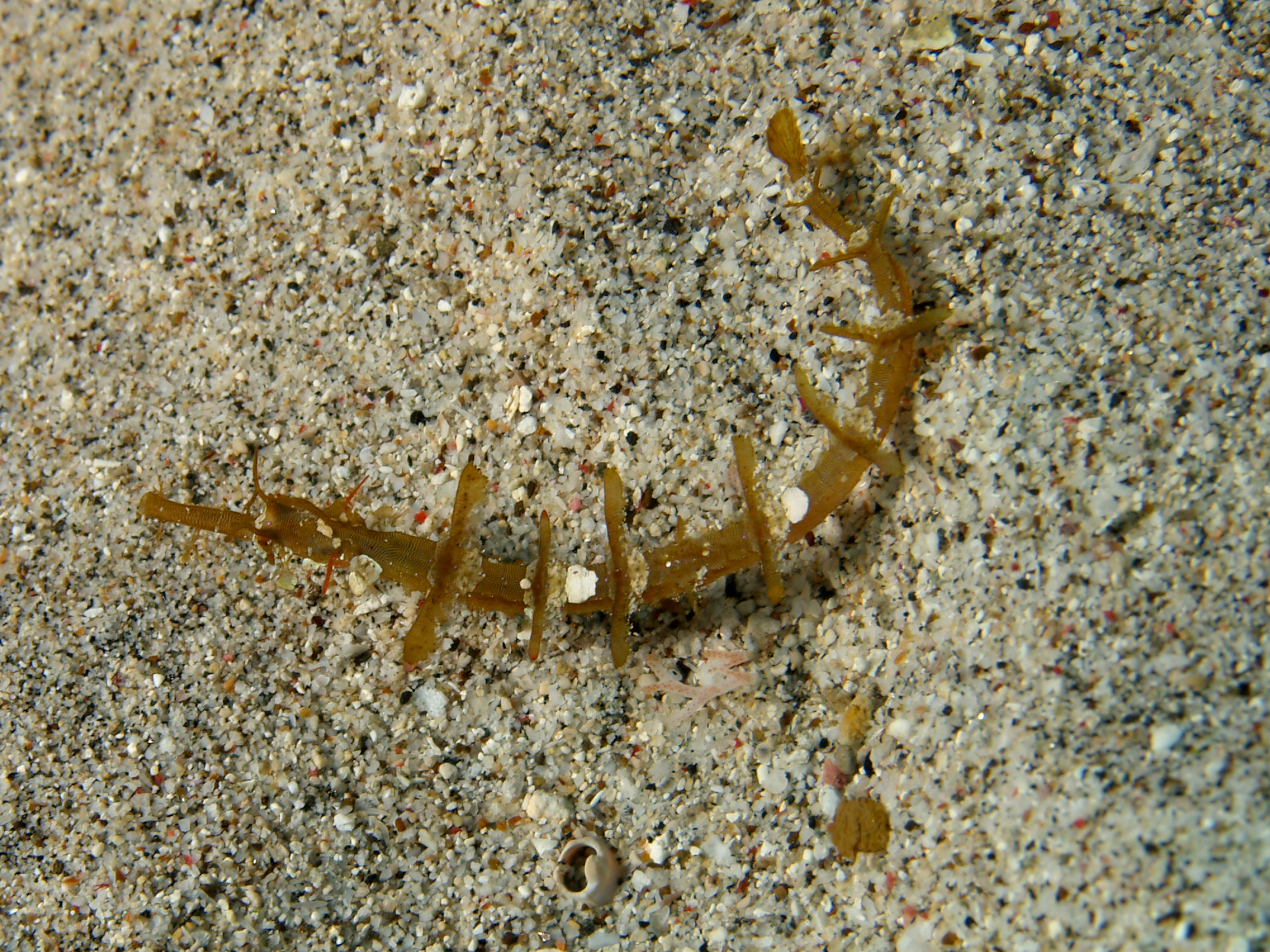
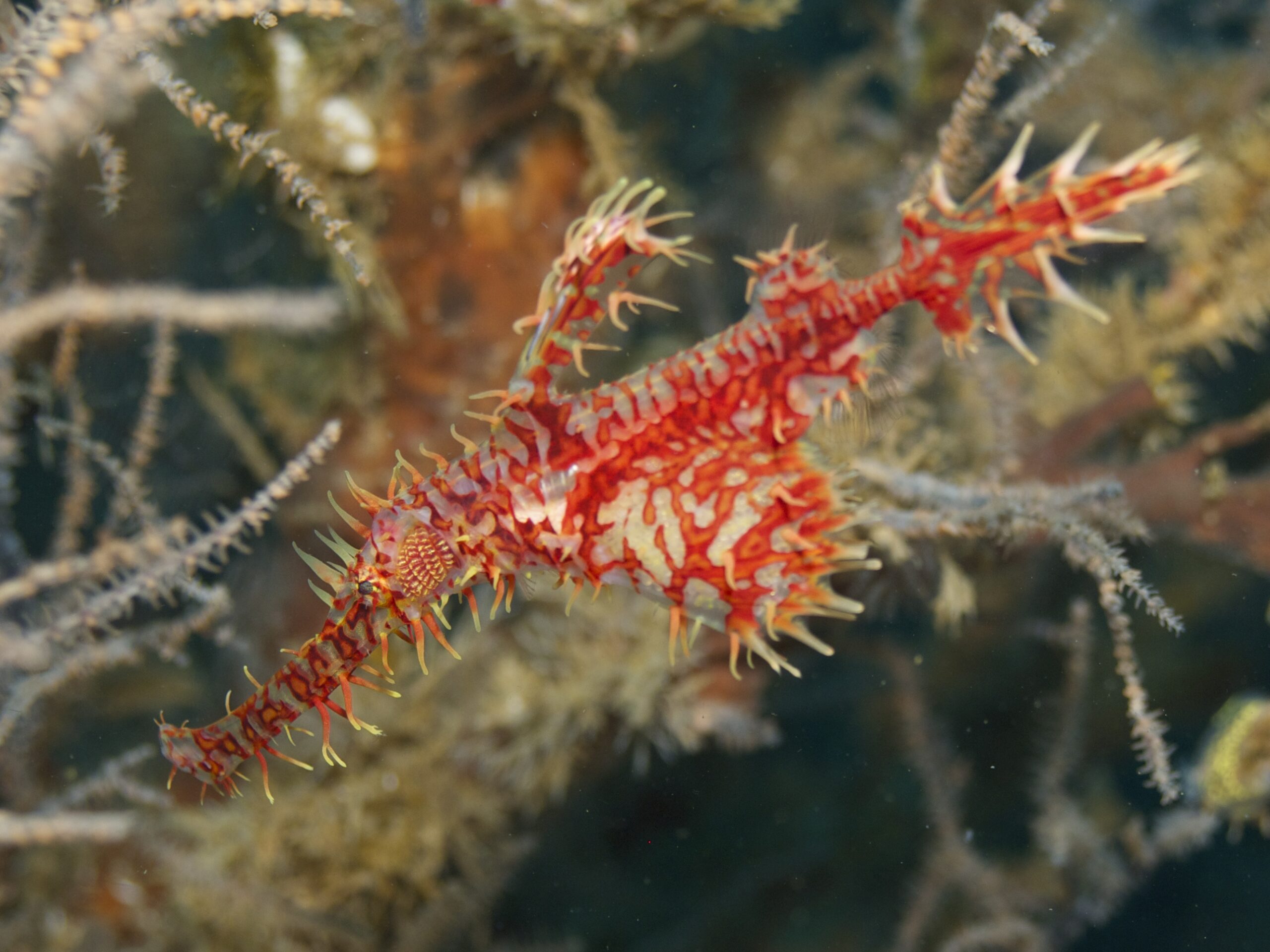
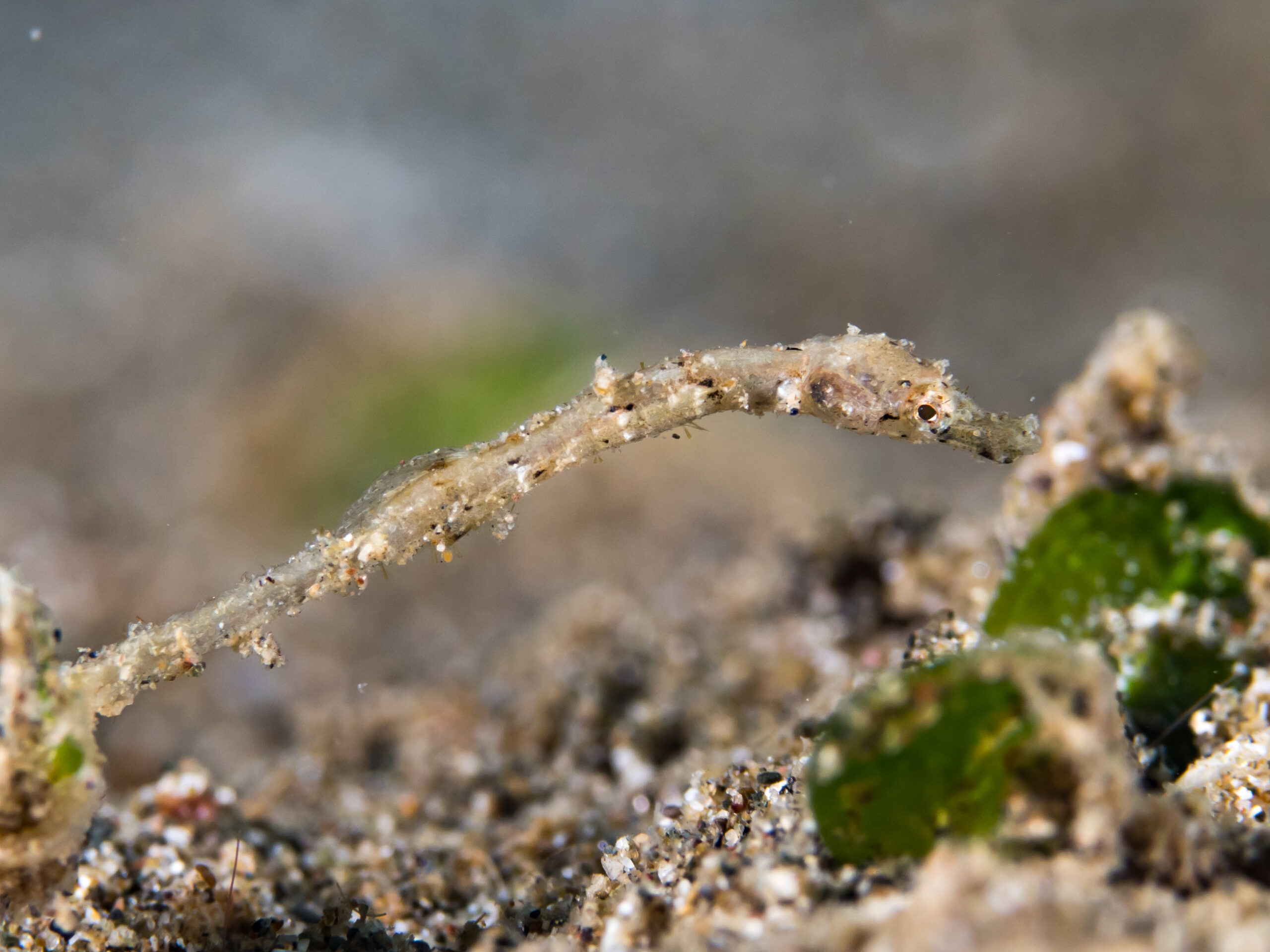
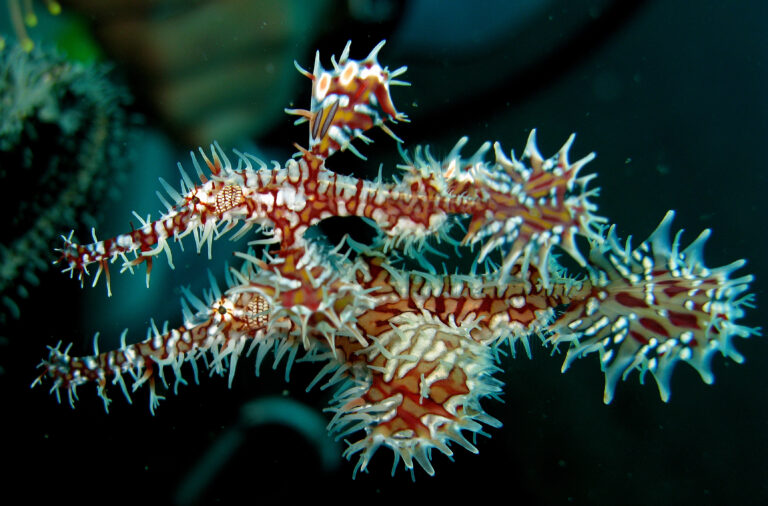
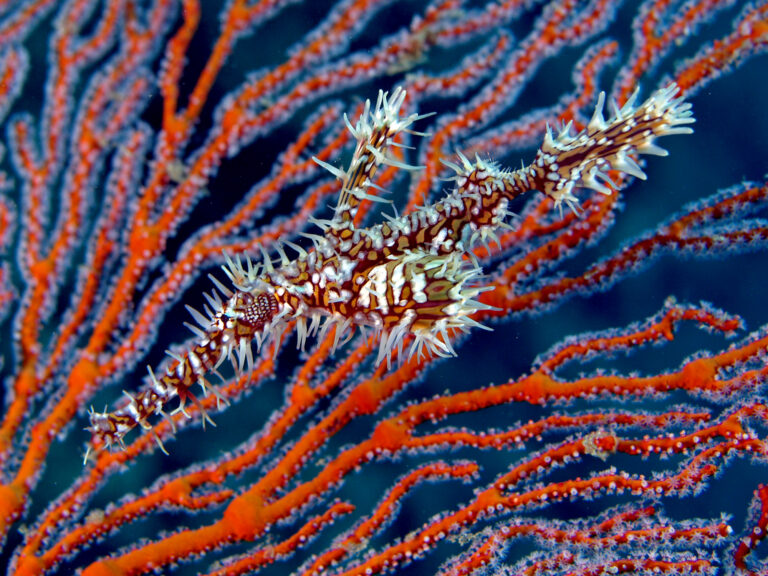
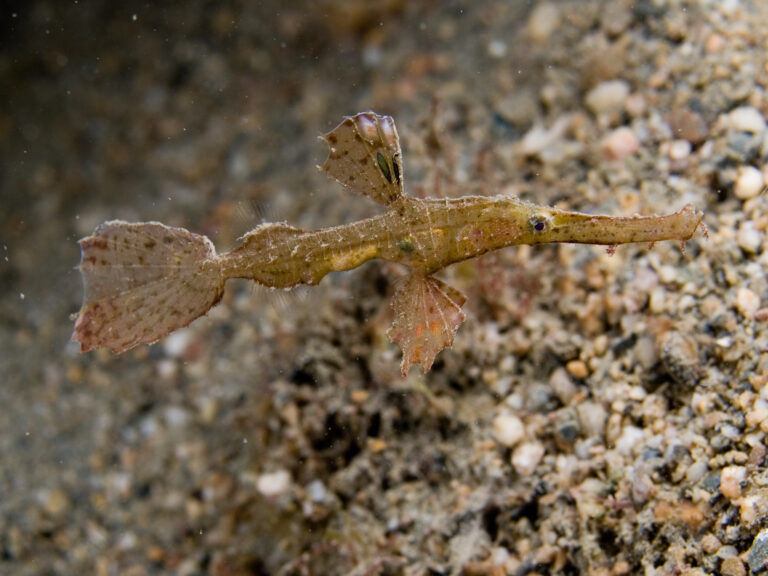
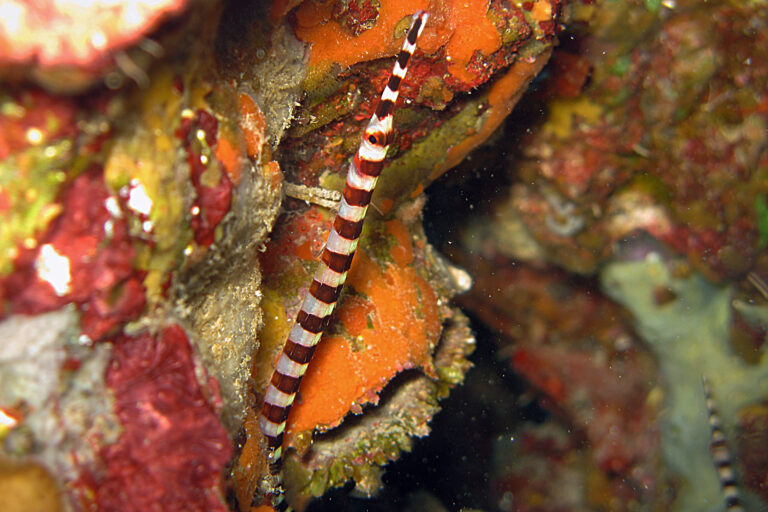
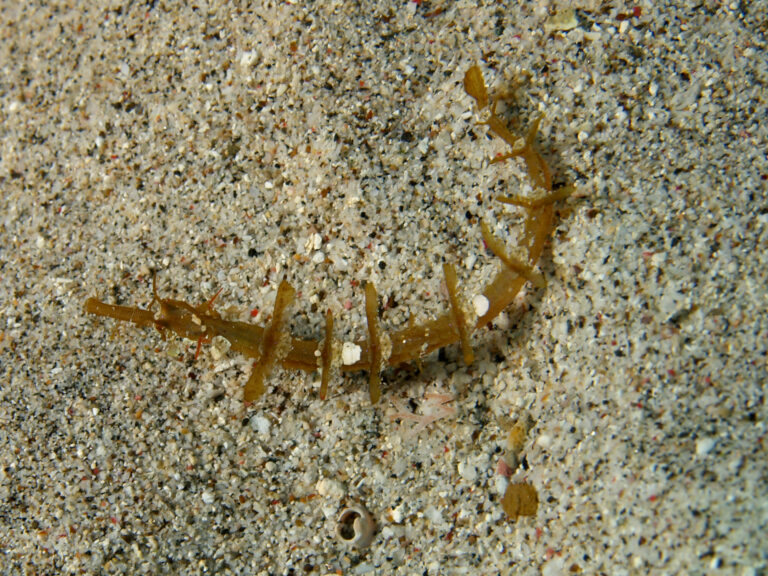
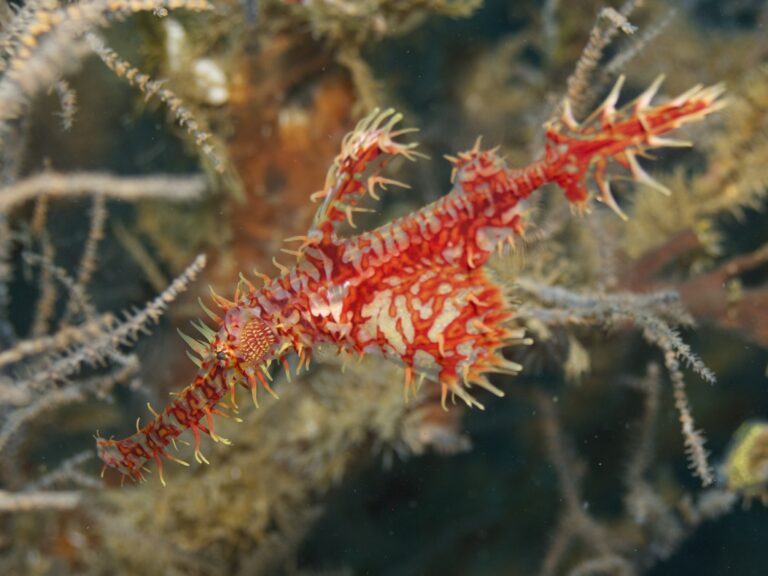
Pipefish belong to the family Syngnathidae and call oceans their home. These slender fish boast a unique appearance, often resembling long, thin tubes or straws, which makes them one of the coolest swimming critters you'll ever meet!
They can grow anywhere from 5 to 33 centimeters long, which is about 2 to 13 inches. Knowing their size might help you imagine how easy it is for them to hide among seaweed and coral!
Pipefish hunt for tiny snacks like small crustaceans and plankton. Their long, skinny snouts help them suck up food with ease, which is quite a clever way to dine in the ocean!
These fascinating fish live for up to 5 years in the wild. Some species show off their skills by using their tails to anchor themselves in the current, making it easier to grab their next meal.
In the world of pipefish, males take on the exciting role of baby carriers. They have a special pouch where they carry the fertilized eggs until they hatch, proving that caring for little ones can come in many forms under the sea!
With their graceful movements and extraordinary features, pipefish are a delightful find for anyone exploring the underwater world. Next time you're at the beach, keep your eyes peeled—you never know what incredible creatures might be swimming nearby!

Where can you find a Pipefish in the wild?
What does a Pipefish eat?
How big can a Pipefish grow?
How long does a Pipefish typically live?
What is the conservation status of the Pipefish?
What are the main threats to the Pipefish?
Fun facts
A male pipefish has a special pouch where he carries fertilized eggs until they hatch. It’s like a mini nursery right on his belly, making him the ultimate baby carrier of the sea!


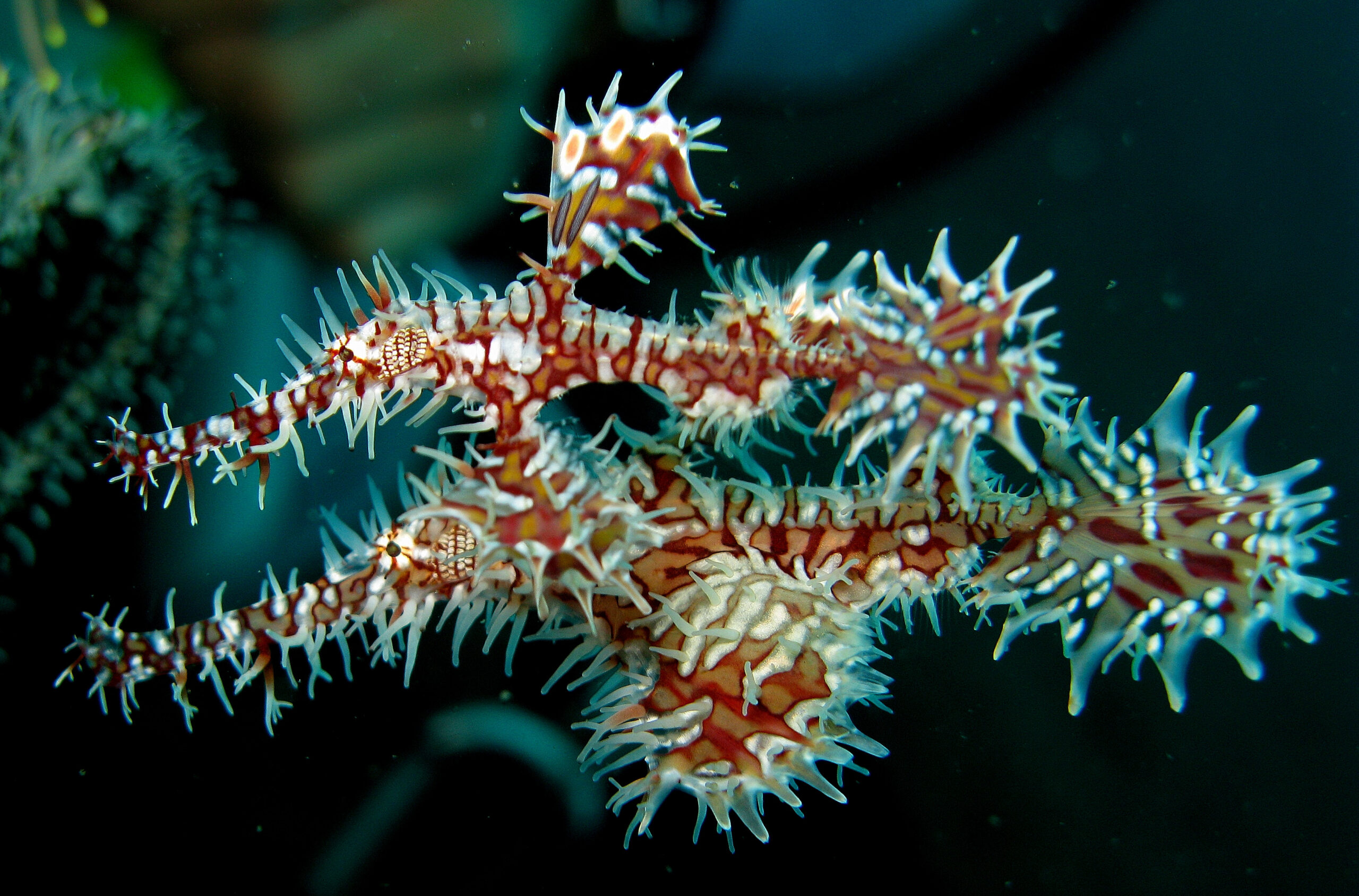
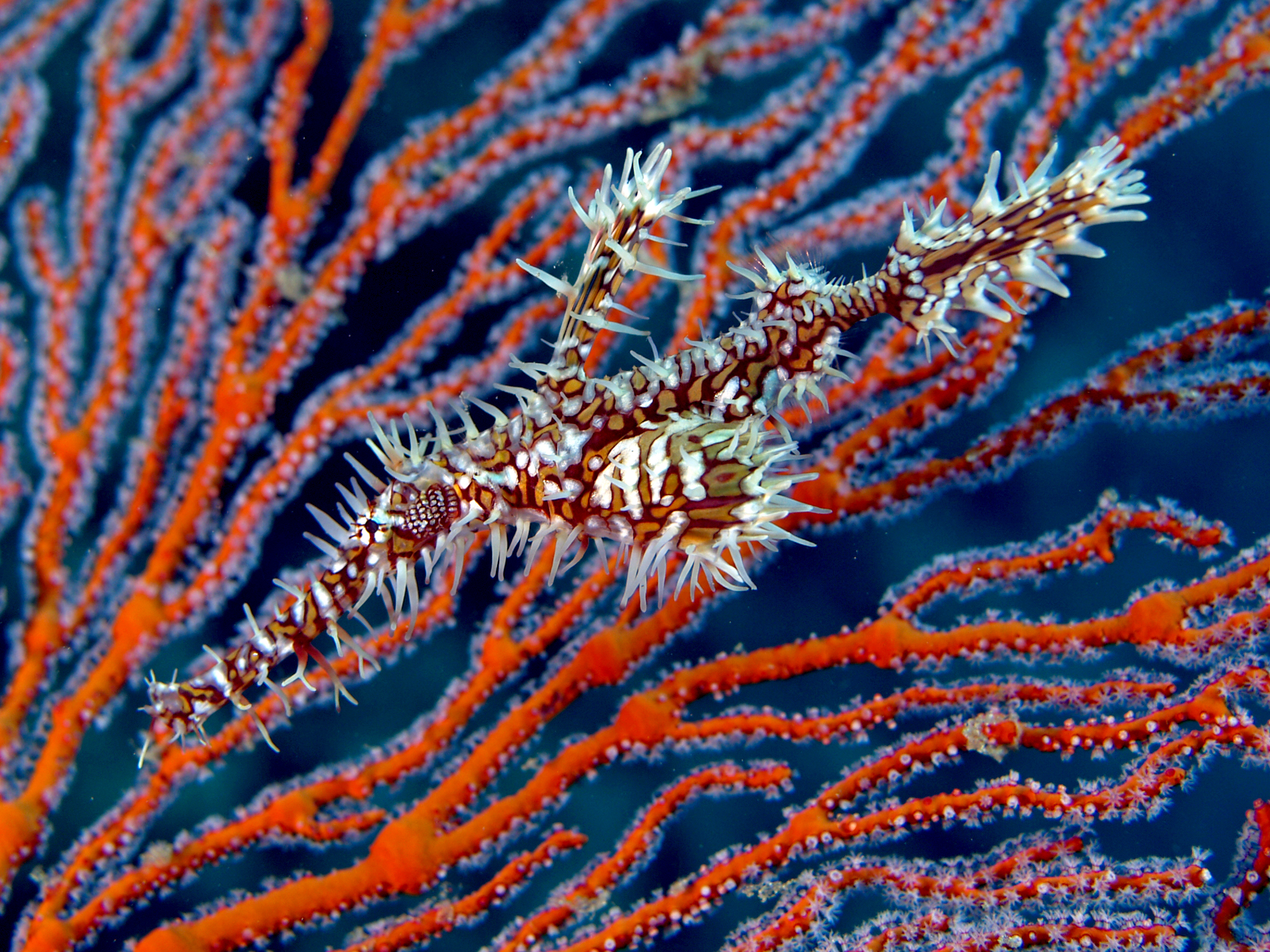
Pipefish can change their color to blend into their surroundings. This clever trick helps them avoid becoming lunch for larger fish or seabirds!
Some pipefish species can actually anchor themselves to seaweed or coral with their tails. This gives them a break from swimming and helps them wait quietly for tasty snacks.
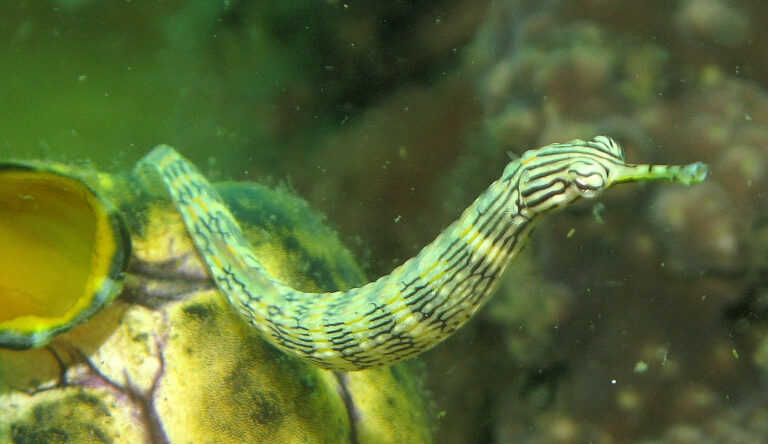
Pipefish have very long, skinny bodies that can twist and turn easily. This helps them navigate through tight spaces in seagrass and coral reefs, becoming masters of underwater hide and seek!
Many pipefish have a unique swimming style that resembles a snake gliding through water. They can move in a way that makes them look like they are floating, adding to their mystery in the ocean!
Some pipefish are strange enough to share the same habitat as their close relatives, seahorses. They both belong to the same family, but pipefish like to show off their long snouts while seahorses flaunt their curled tails!
These fascinating fish have tiny bony rings covering their bodies instead of scales. This unusual feature gives them a unique appearance and helps them move gracefully through the ocean!
Pipefish are not the fastest swimmers in the sea. They prefer to sneak up on their food instead of chasing it down, proving that sometimes slow and steady truly wins the race!
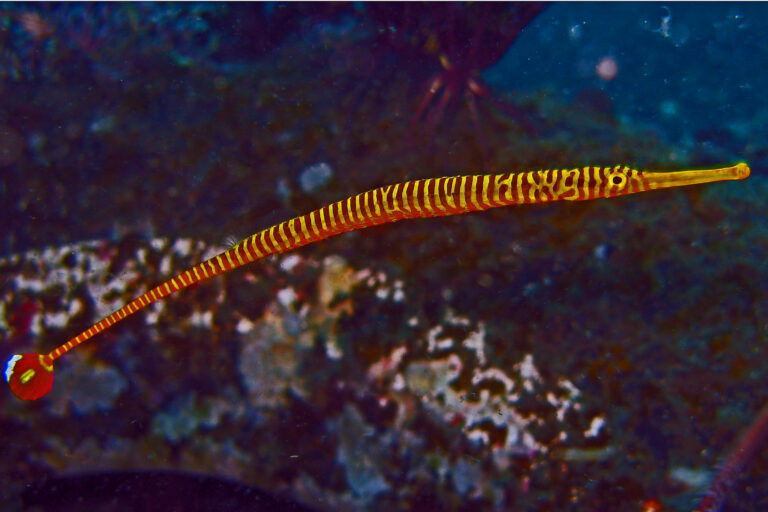
Some species of pipefish can be quite colorful, with patterns similar to a rainbow! Their bright colors can attract mates and make them look even cooler among coral!
Pipefish communicate by changing their body color and posture. Instead of using words, they use their appearance to express emotions and find friends in the ocean!
Photos





The Basics


explore more
Amphibians
Arachnids
Birds
Cats
Crustaceans
Fish
Fish Pet Guide
Gastropods
Insects
Invertebrates
Mammals
Pet Fish
Pet Rodents
Plants
Reptiles
Roundworms
Sea Slugs