
Successfully copied to clipboard!
Salamander
Uncover the vibrant secret lives of nature's slippery superheroes!
Let’s Explore
Overview
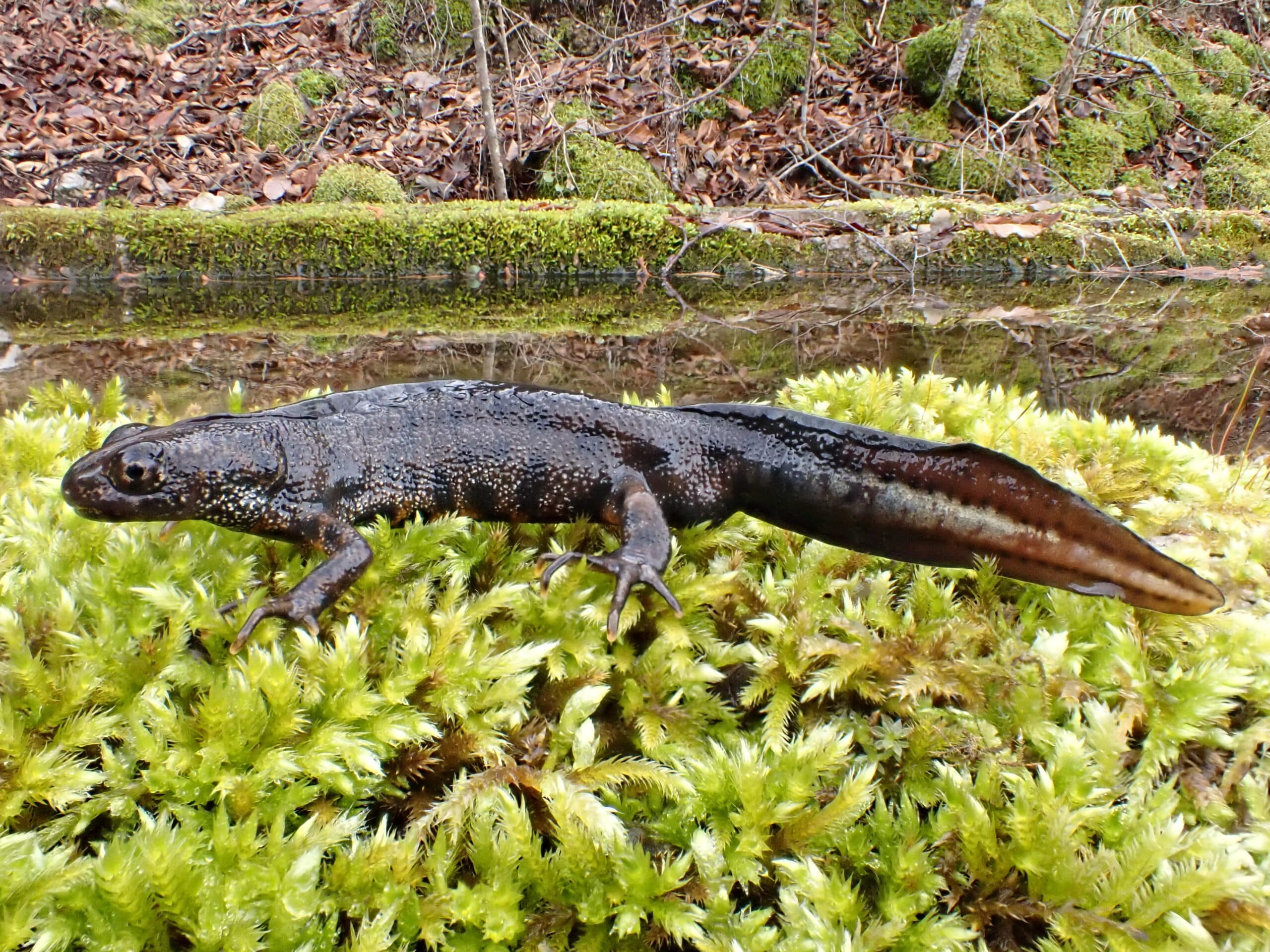
Salamanders are amazing amphibians that belong to the family Salamandridae. They mostly live in Asia but can be found in various habitats across the world, including forests, swamps, and streams.
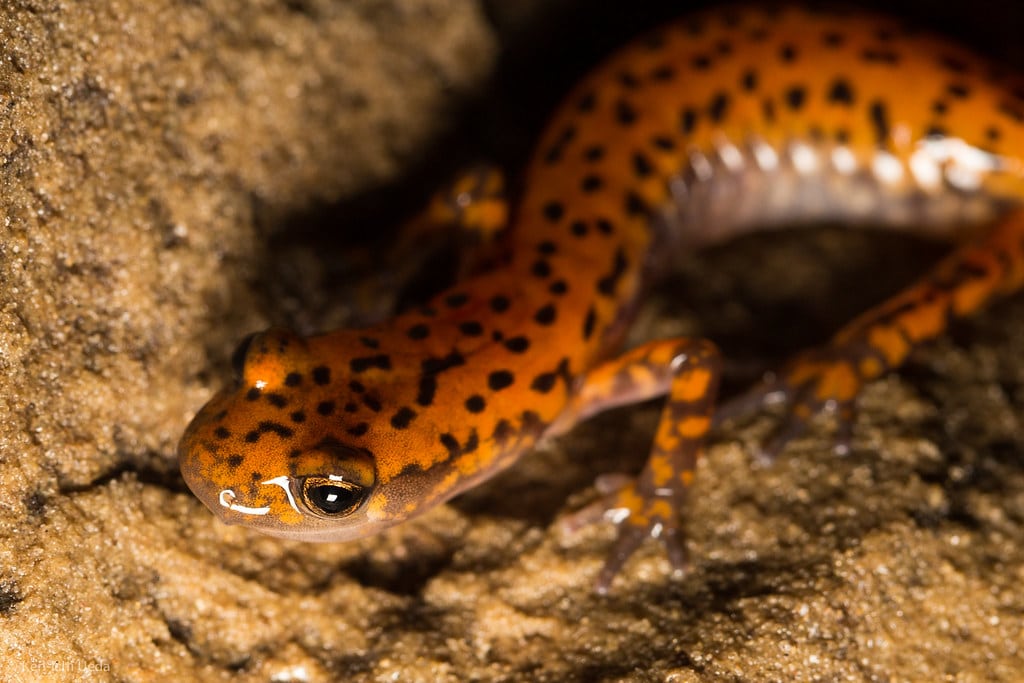
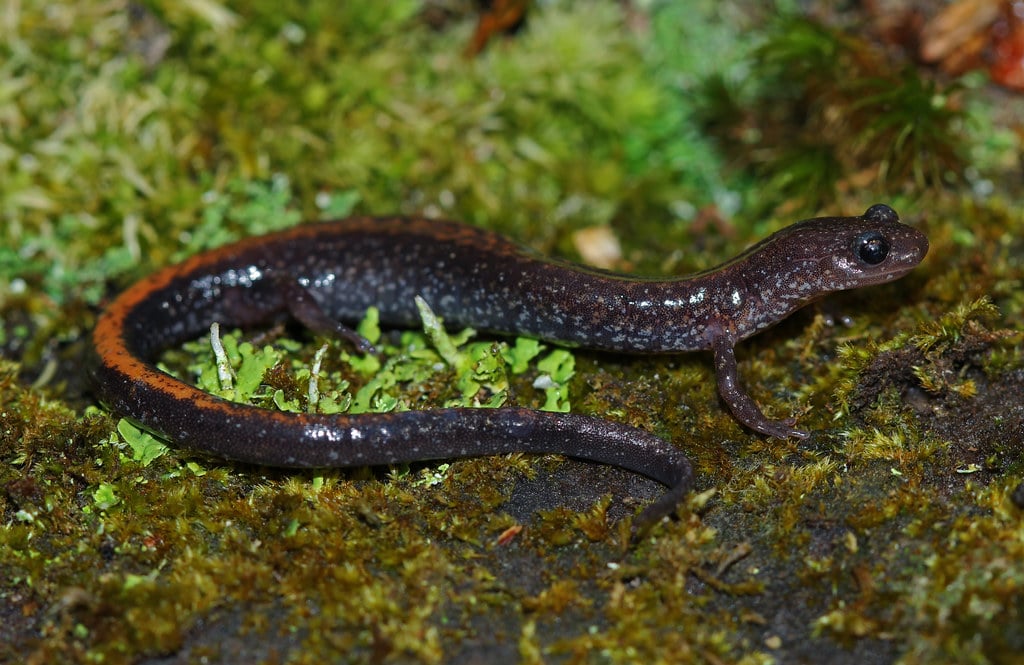
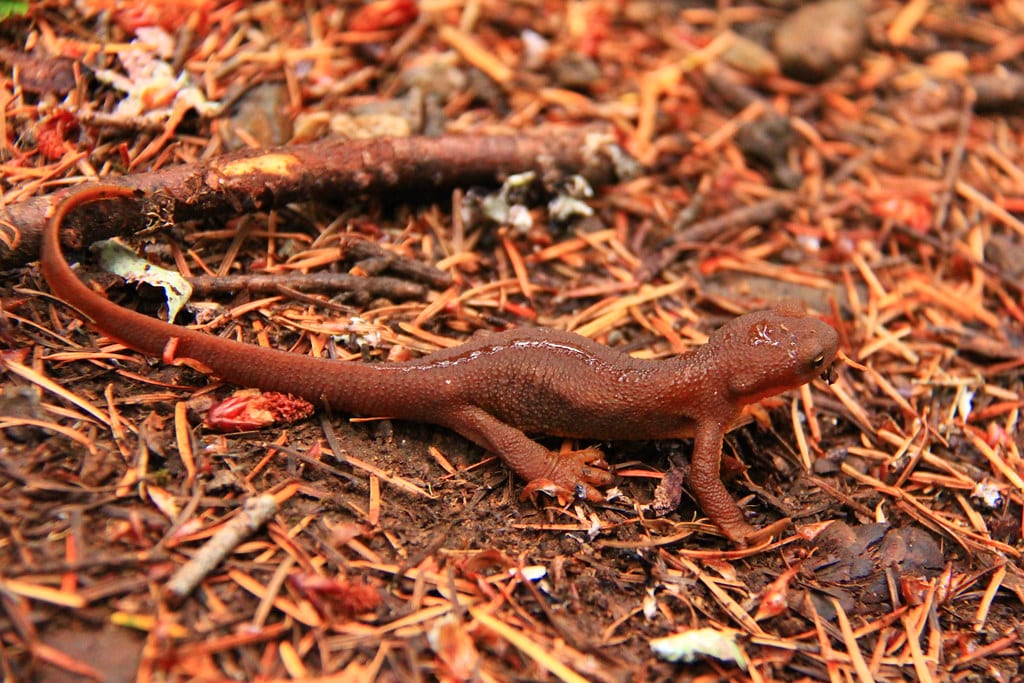
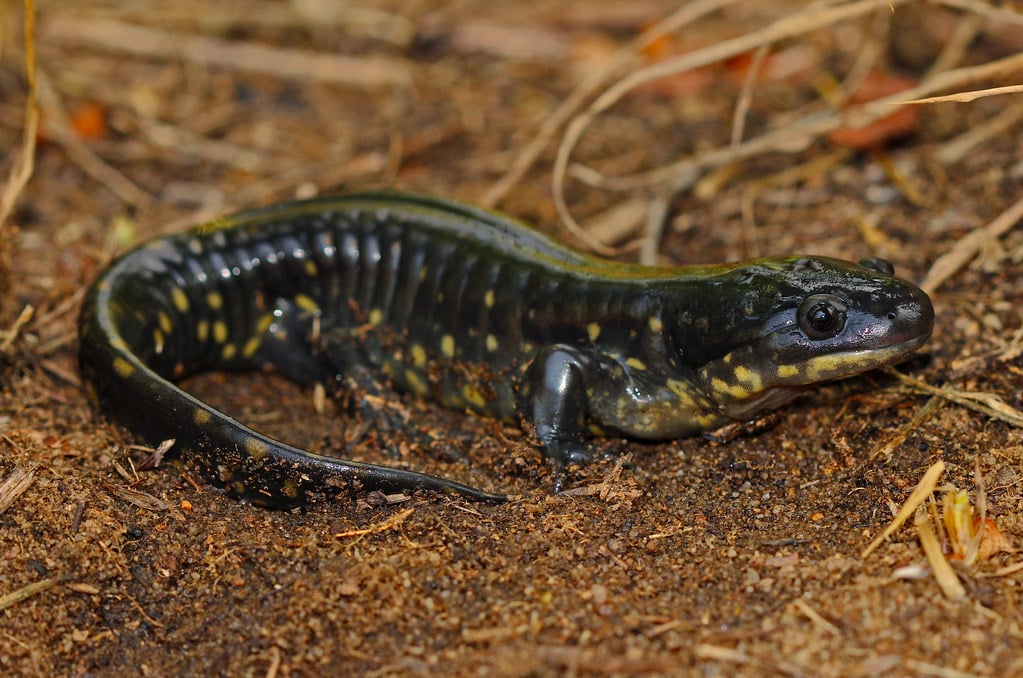
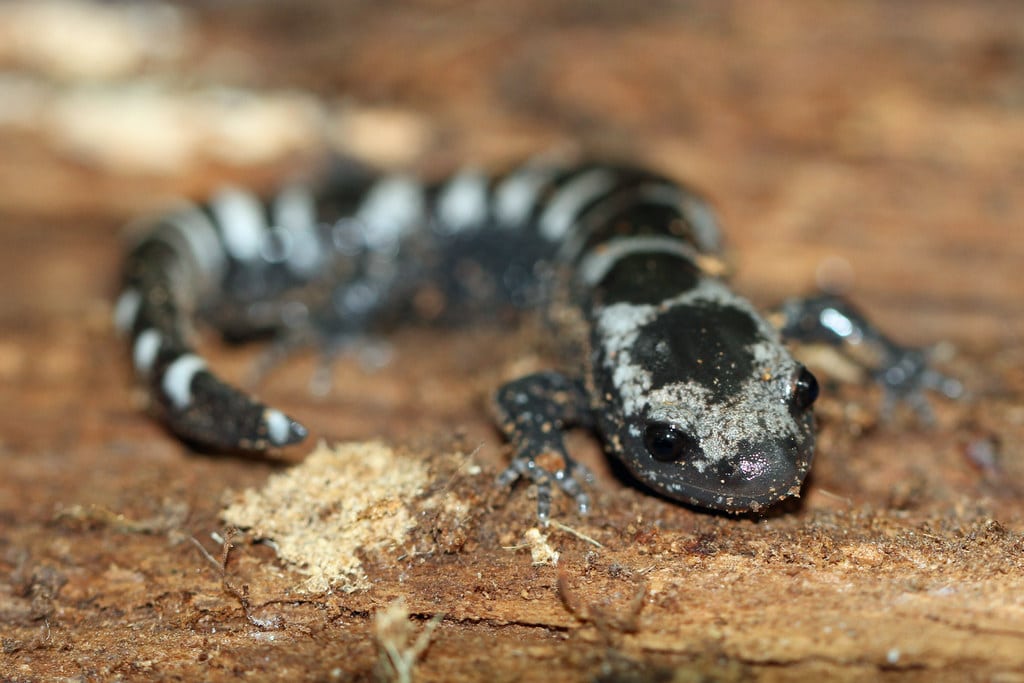
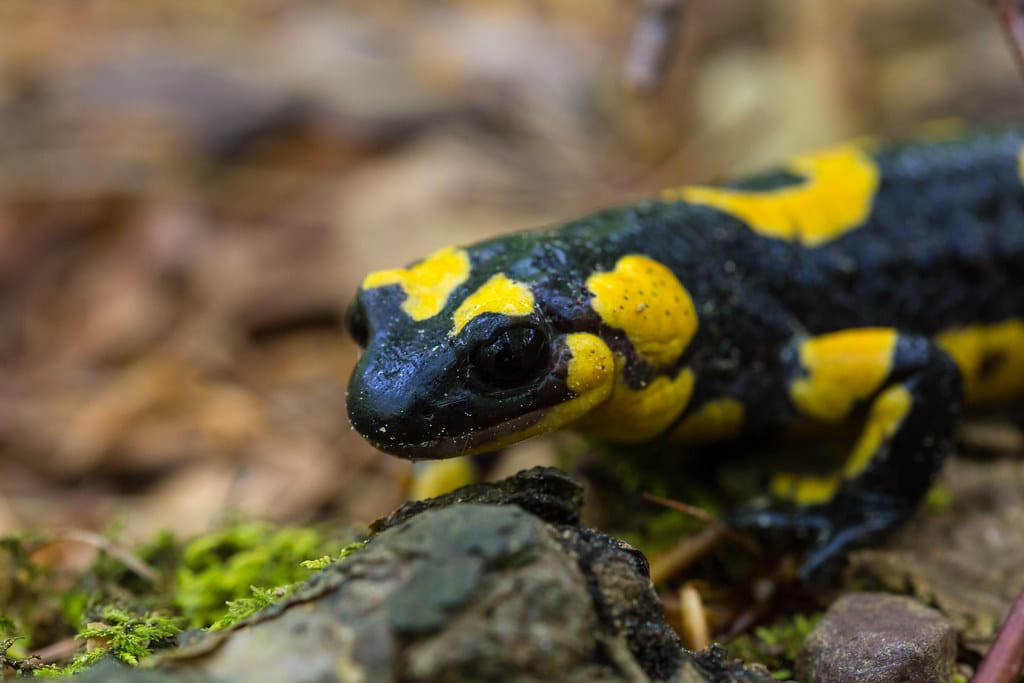
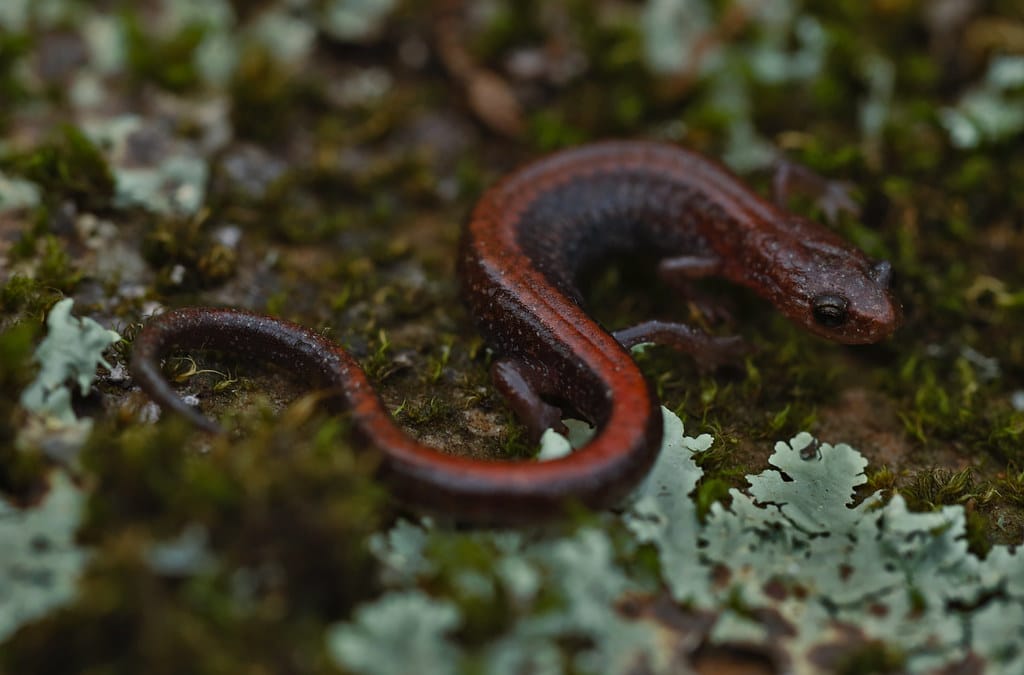
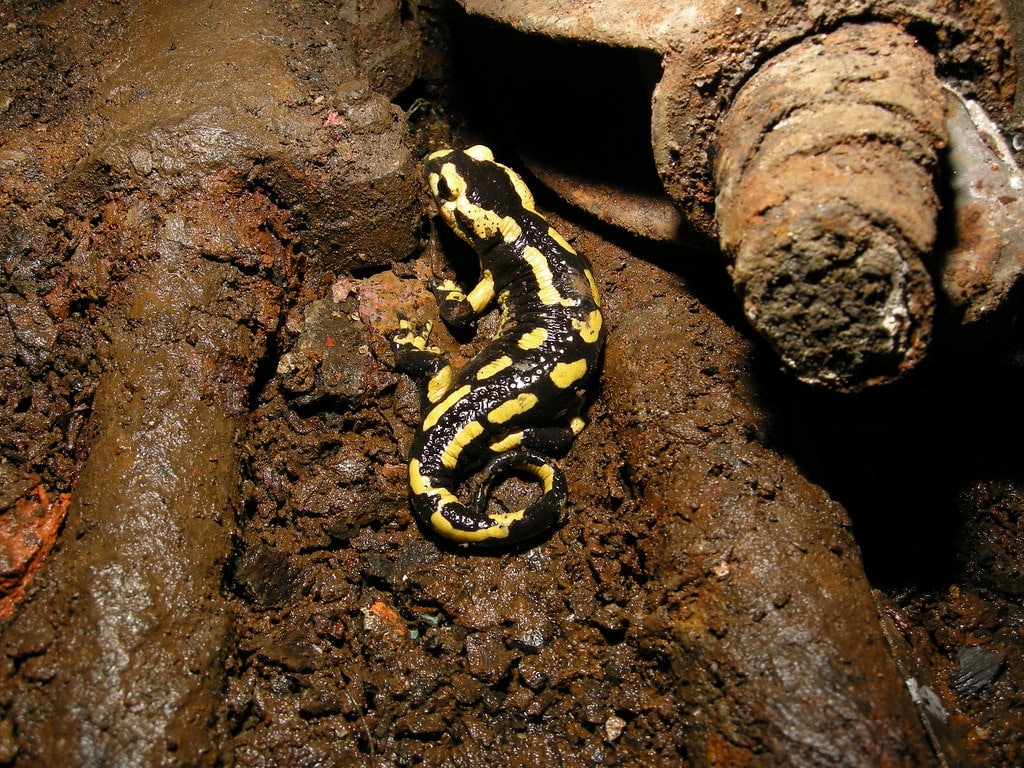
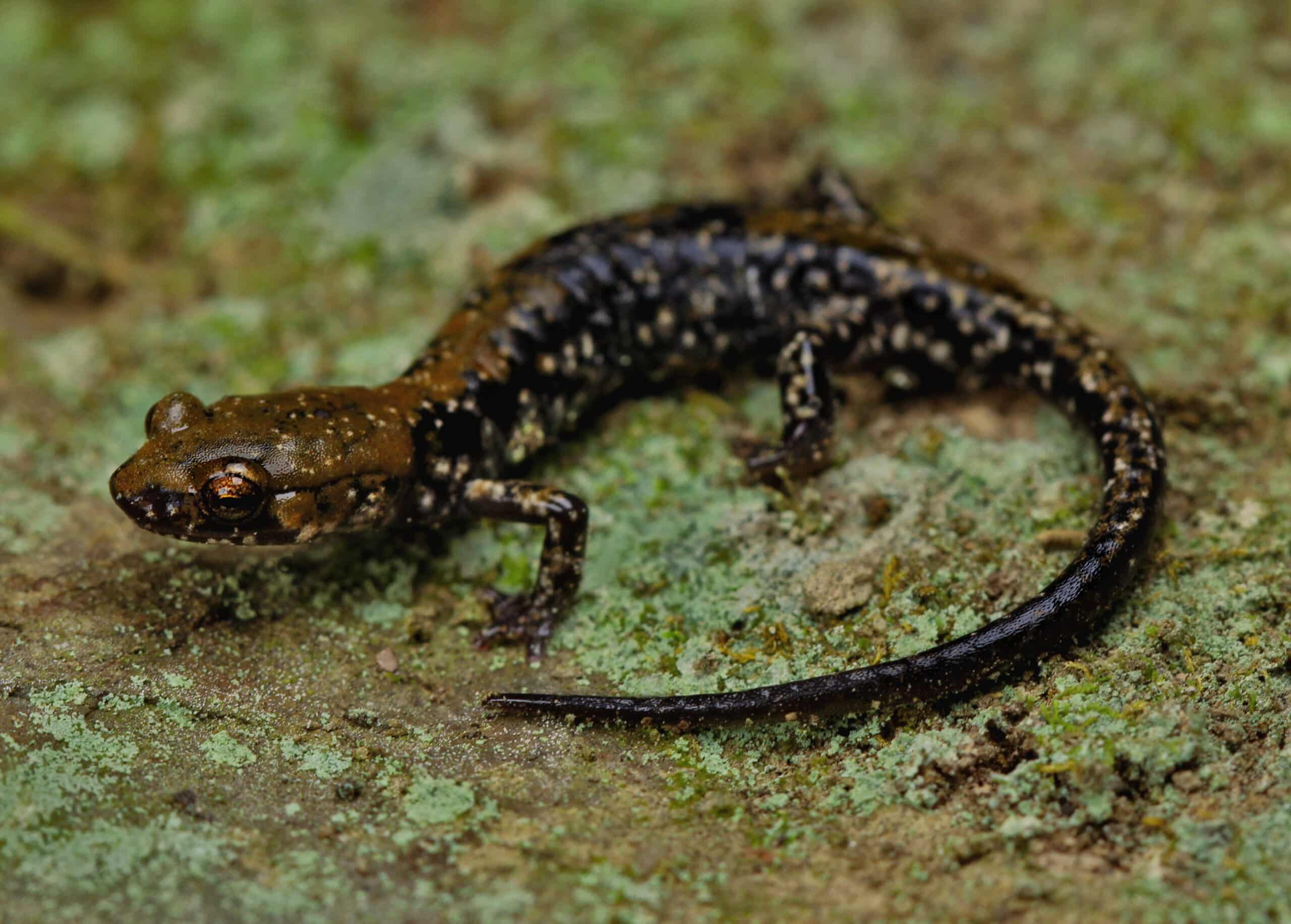
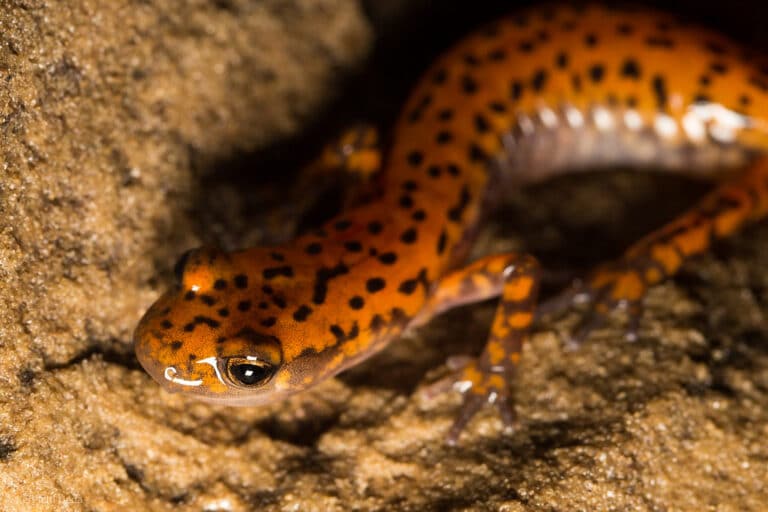
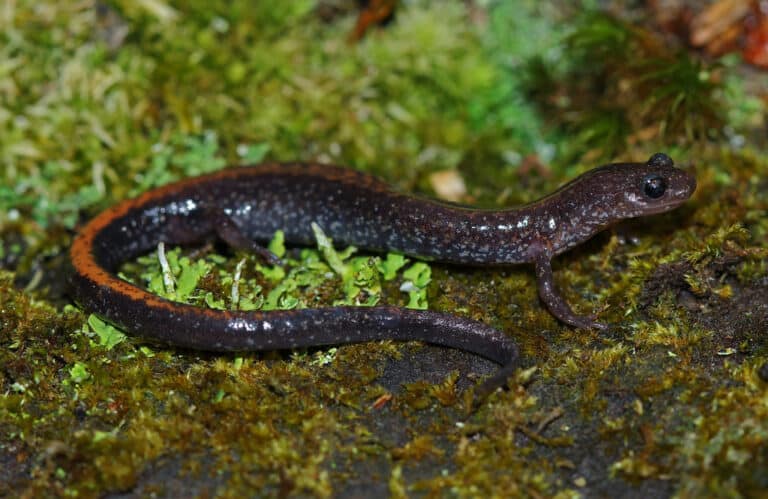
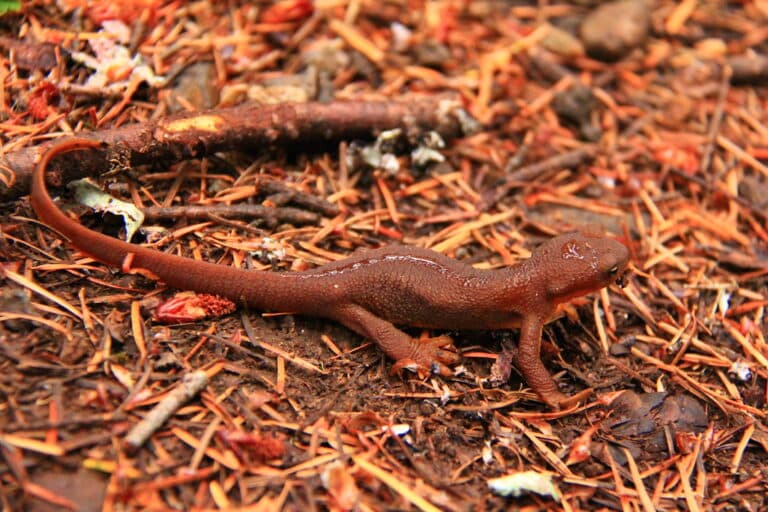
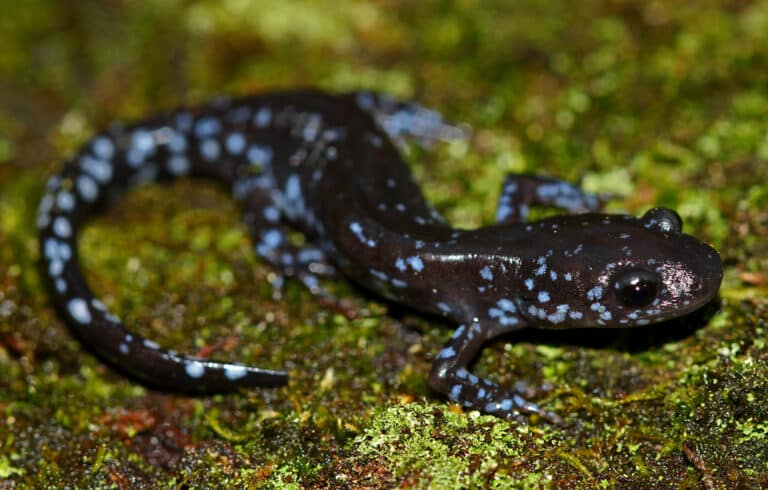
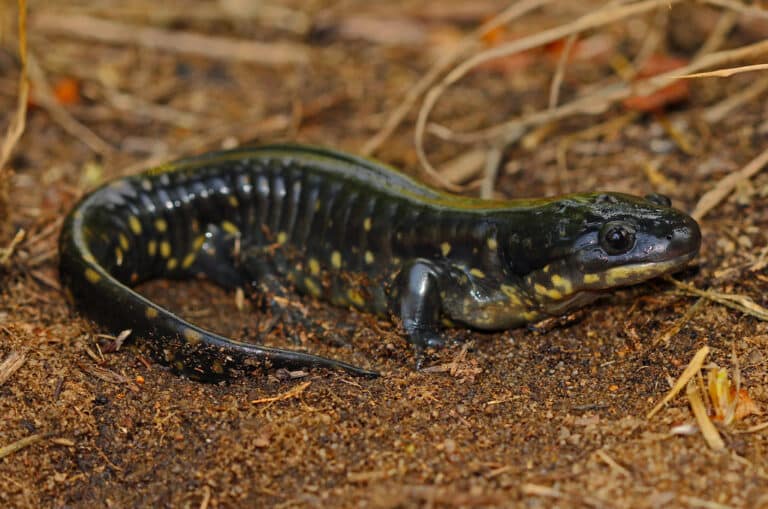
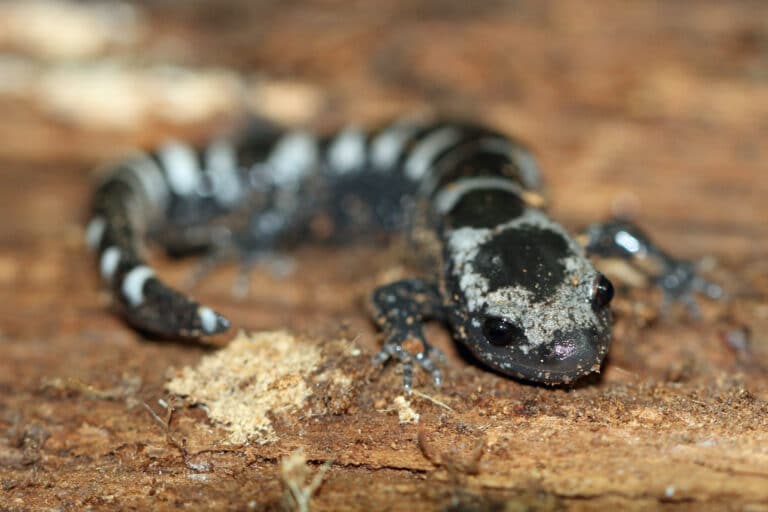
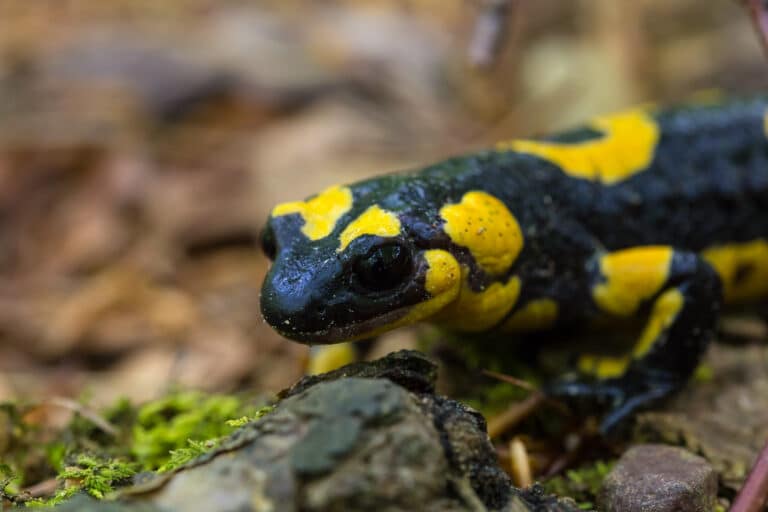
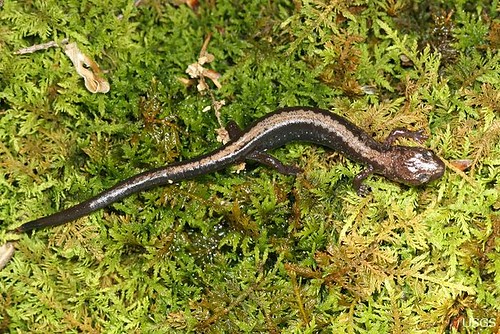
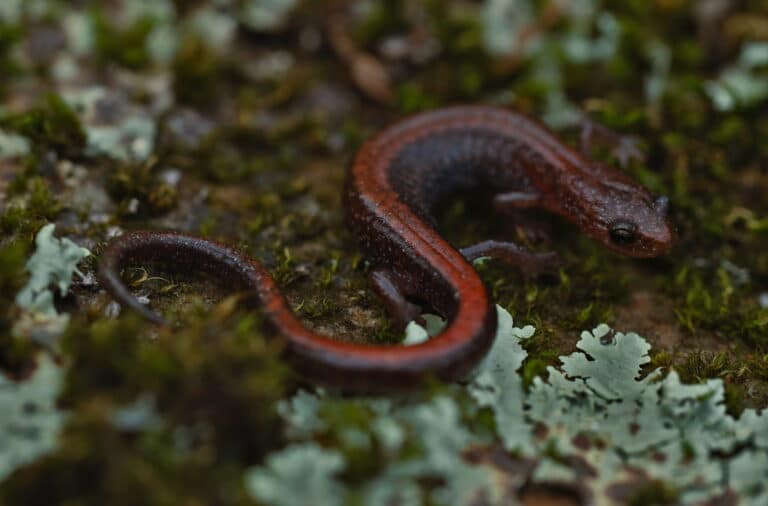
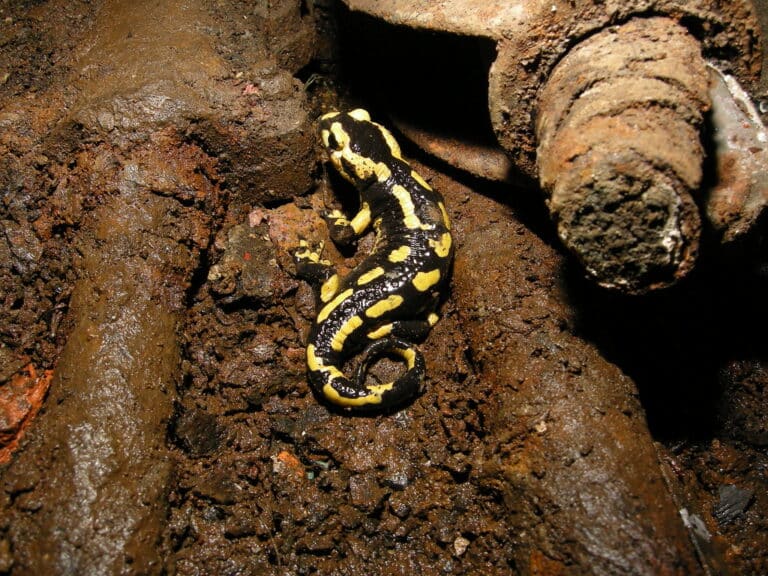
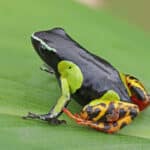
These slippery creatures can grow from 10 to 30 centimeters (4 to 12 inches) long, showcasing a kaleidoscope of colors. Salamanders come in shades of red, yellow, and black, making them look like little pieces of vibrant nature art as they wiggle through their environment!
Salamanders enjoy a diet of insects, worms, and tiny fish, making them thrilling hunters in their own right. With keen senses, they use their sharp sight and smell to track down their meals.
These fascinating animals can live a long time, with lifespans that range from 5 to 20 years. That’s quite a stretch for such small critters—talk about the fountain of youth!
One cool thing about salamanders is their unique ability to regenerate body parts. If they lose a tail or a leg, they can grow a new one, making them the superheroes of the animal kingdom!
Salamanders also need moist environments to survive because their skin absorbs water. This makes them an important part of the ecosystem by helping to control insect populations and serving as prey for larger animals.

Where can you find a Salamander in the wild?
What does a Salamander eat?
How big can a Salamander grow?
How long does a Salamander typically live?
What is the conservation status of the Salamander?
What are the main threats to the Salamander?
Fun facts
Some salamanders can breathe through their skin! This special adaptation allows them to absorb oxygen while they swim, essentially acting like little underwater superheroes.


When a salamander loses a tail or leg, they can regrow it! This amazing ability makes them experts in recovery and regeneration, making them one of nature's ultimate comeback stories.
Some species of salamanders have bright colors to warn predators that they might be toxic. It's like wearing a neon sign that says, 'Don't eat me, I'm not delicious!'
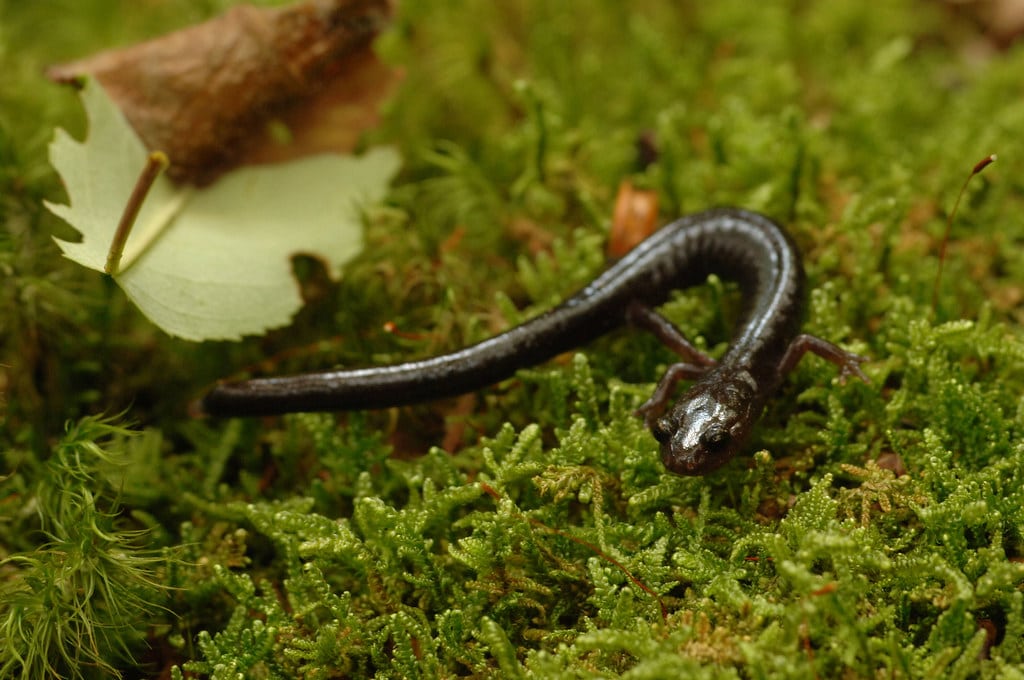
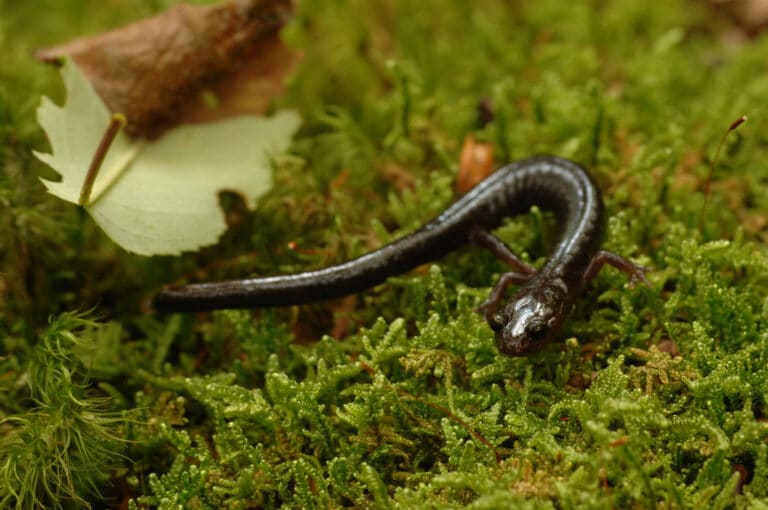
Salamanders can be super secretive! They often hide under rocks, leaves, and logs, making them expert masters of disguise in their watery homes.
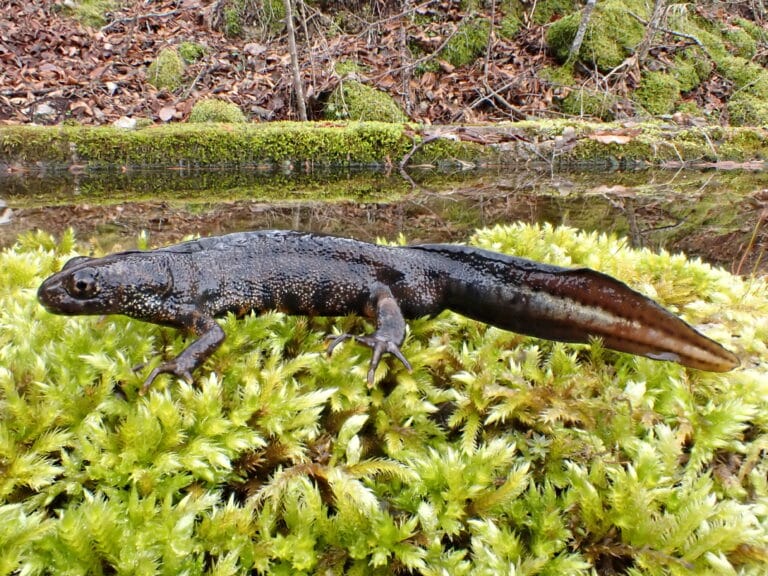
Some salamanders can live a double life, spending part of their time in water and part on land. They adapt their breathing and movement based on their habitat, like having a secret identity!
During courtship, some male salamanders perform a quirky dance to grab the attention of females. They wiggle and sway to show off their colors and charm their potential partners!
Some salamanders have a sticky tongue that can extend long distances. They use this remarkable tongue to catch prey quickly, almost like a superhero with a super-fast slingshot!
Certain salamanders can sense temperature changes in their environment. This ability helps them know when it’s time to find a perfect spot to cool off or warm up!
Some salamanders engage in 'walking while being watched.' They can stay still and hidden, then unleash a burst of speed to escape predators faster than you'd imagine!
There are around 700 species of salamanders! This variety shows the incredible adaptability of these creatures to live in different habitats all around the world.
Photos




The Basics


explore more
Amphibians
Arachnids
Birds
Cats
Crustaceans
Fish
Fish Pet Guide
Gastropods
Insects
Invertebrates
Mammals
Pet Fish
Pet Rodents
Plants
Reptiles
Roundworms
Sea Slugs