Successfully copied to clipboard!
Sculpin
Uncover the sneaky swimmers hidden among the rocks!
Let’s Explore
Overview
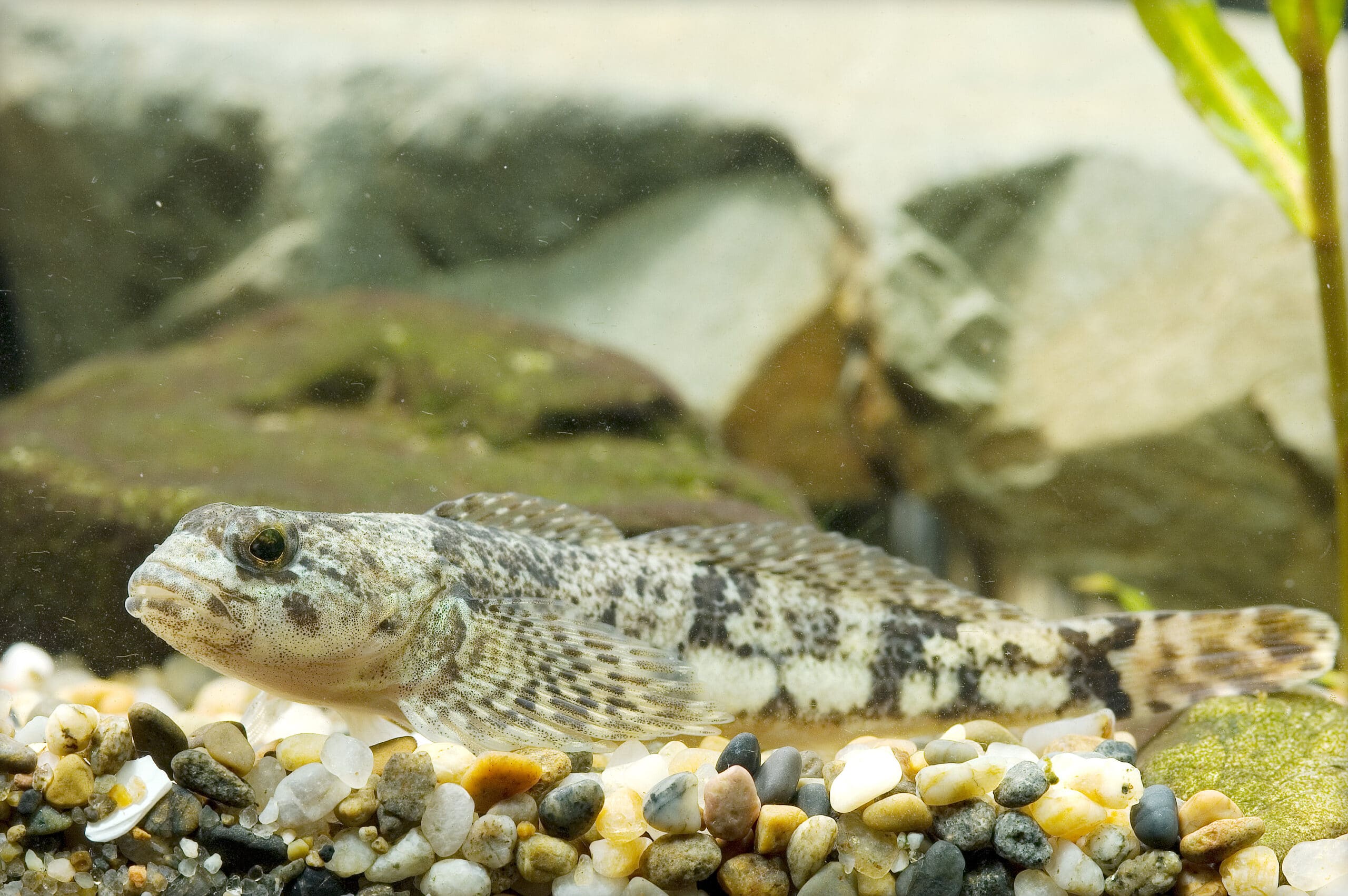
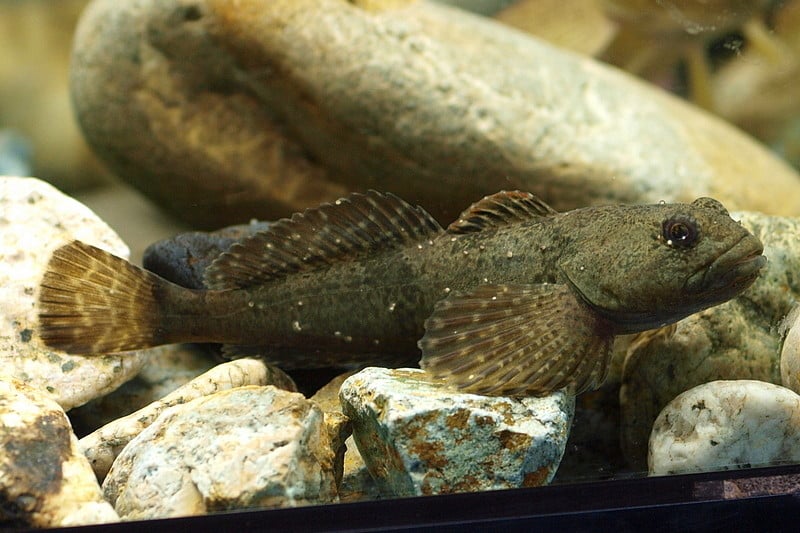
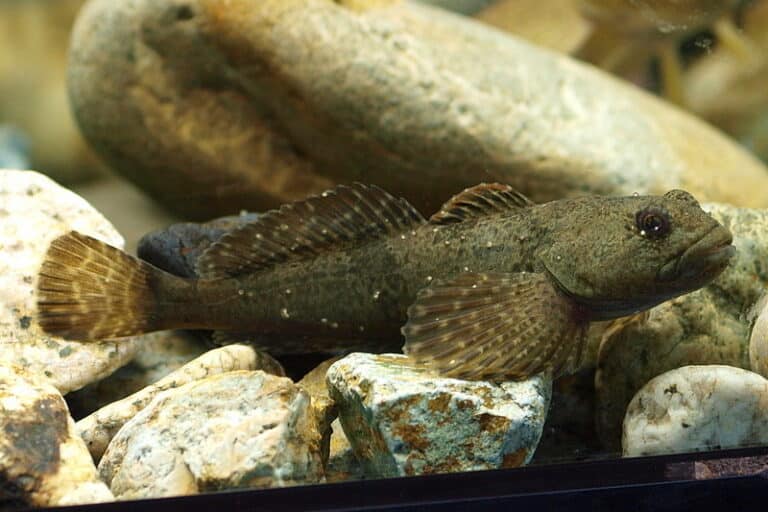
Sculpins are small, yet mighty fish that belong to the family Cottidae. These little swimmers typically measure between 5 to 10 centimeters (2 to 4 inches) long, making them perfect for getting into tiny crevices in their underwater homes.
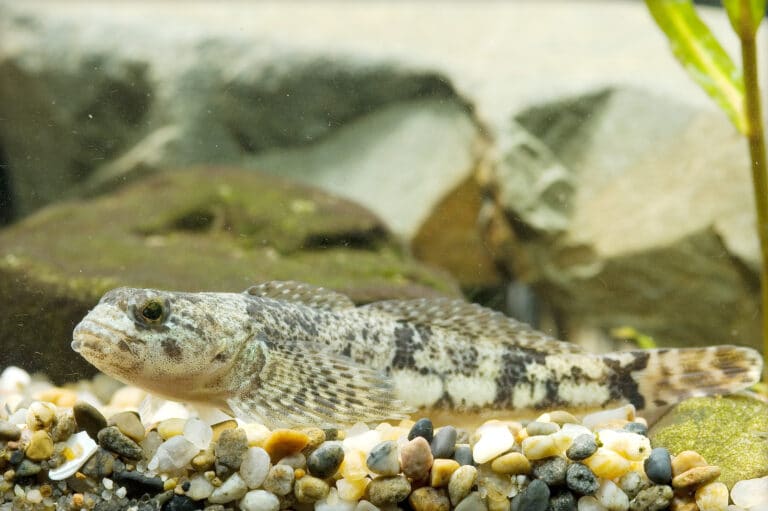
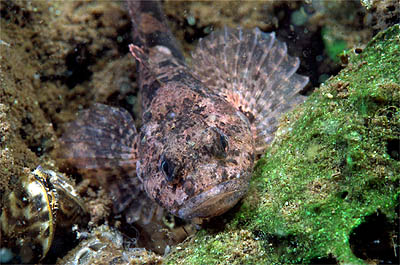
Sculpins have a unique body shape that helps them thrive in their environments. They often have large, rounded pectoral fins that look like wings, allowing them to glide gracefully over rocky bottoms while they search for food.
Sculpins feast on small crustaceans, insects, and worms, making them quite the culinary adventurers! With appetites like these, they play a vital role in their aquatic ecosystems by helping to control insect populations.
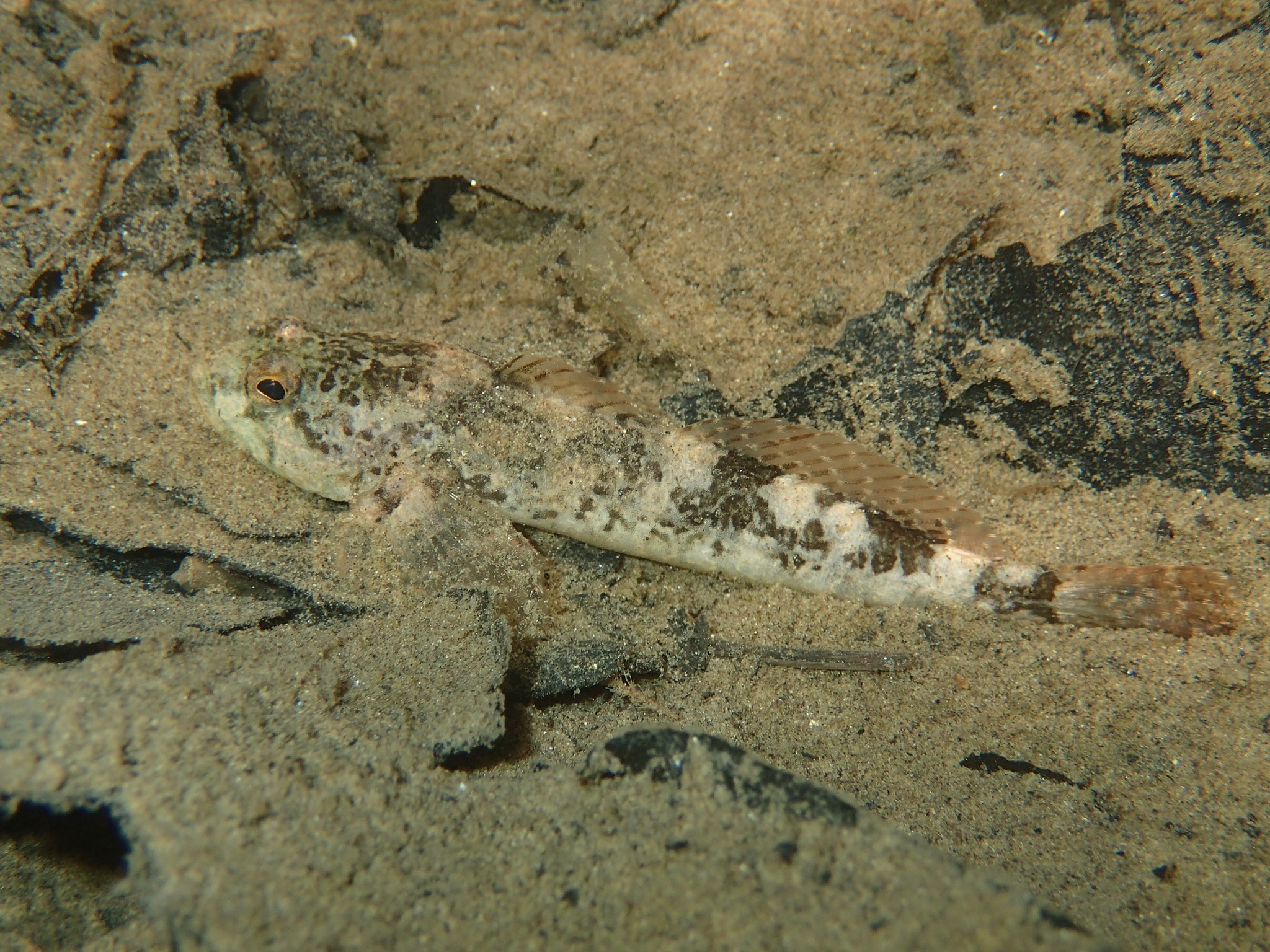
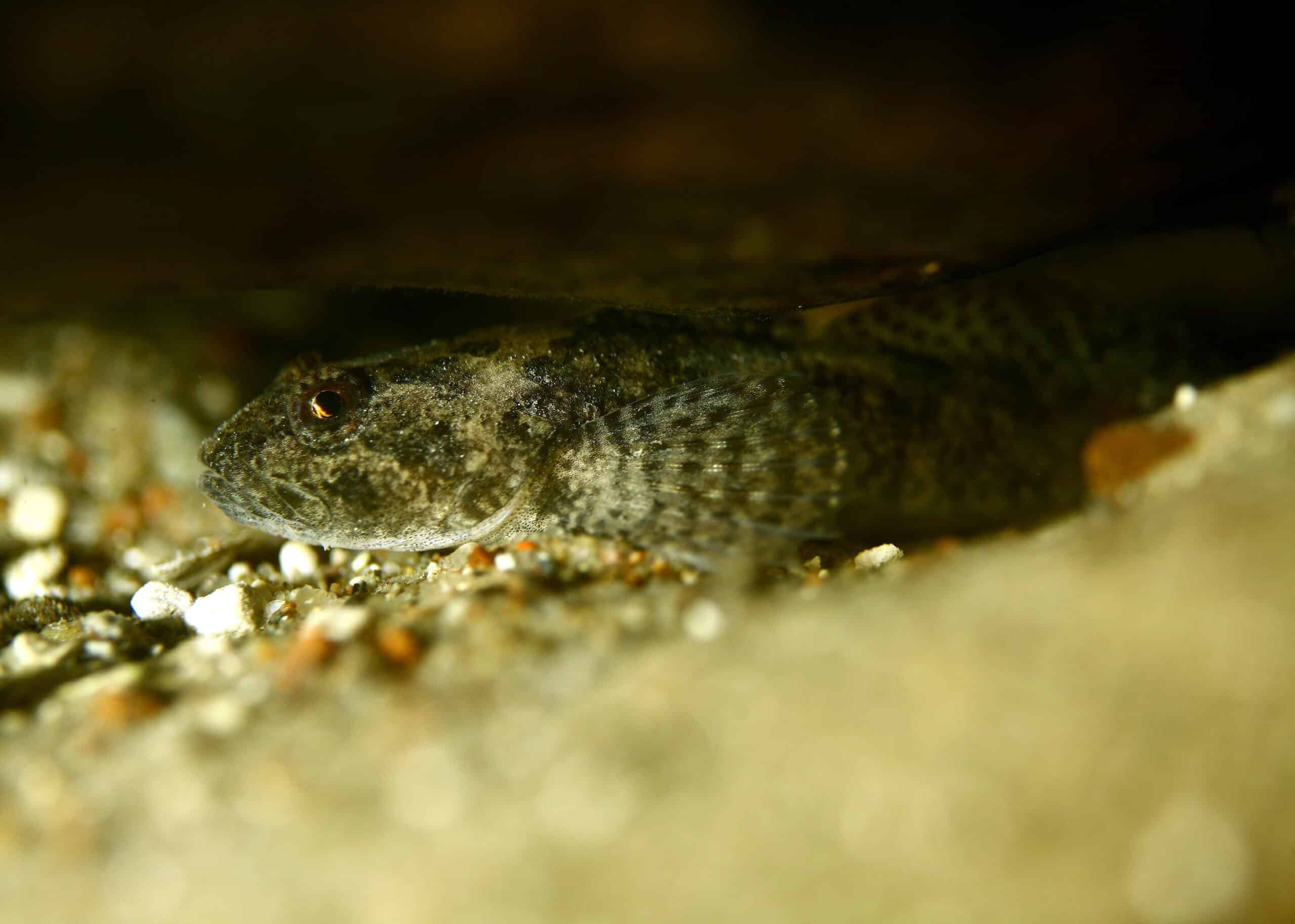
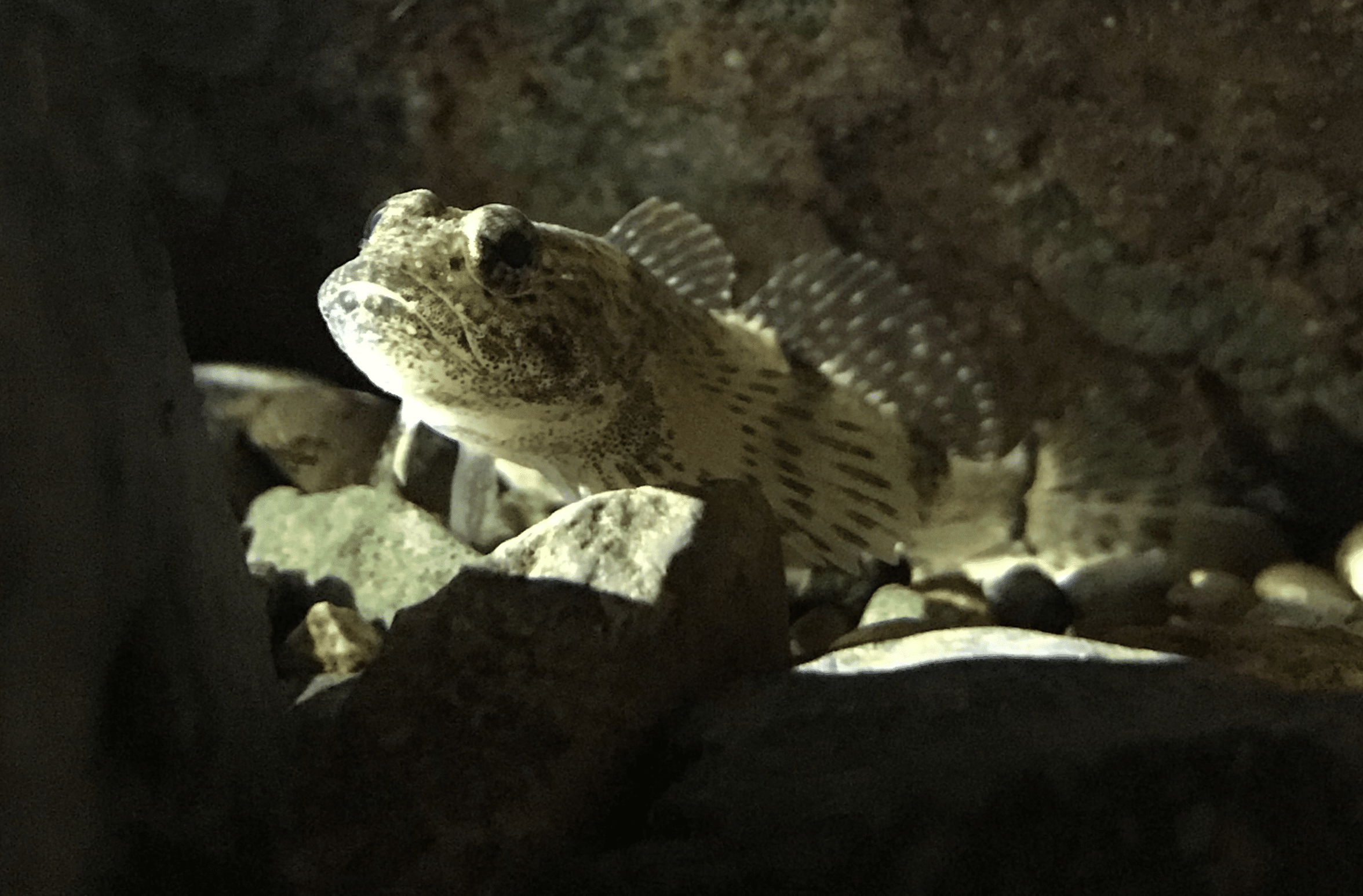
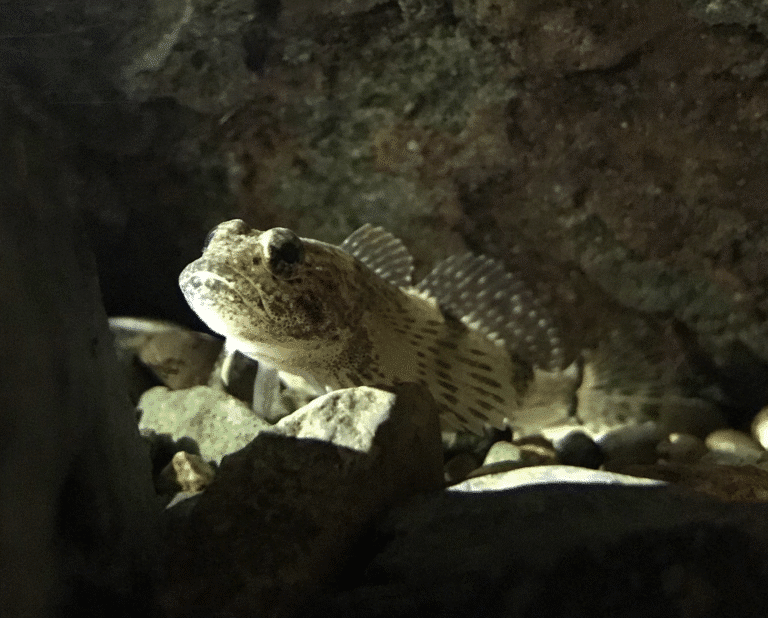
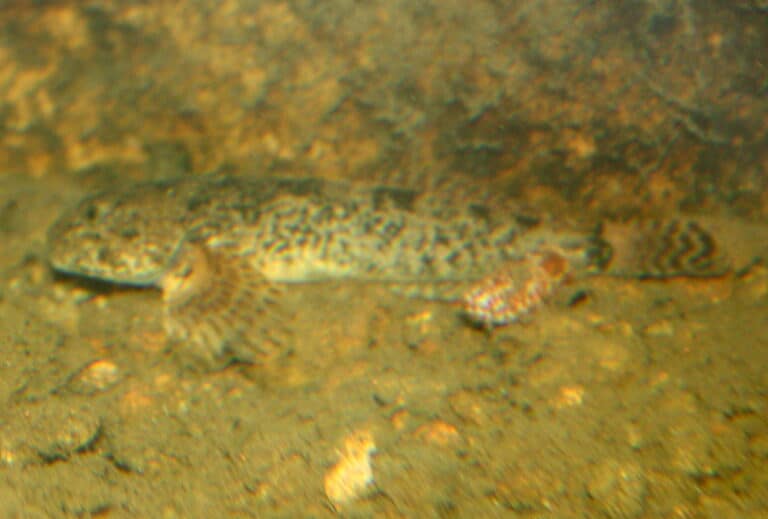
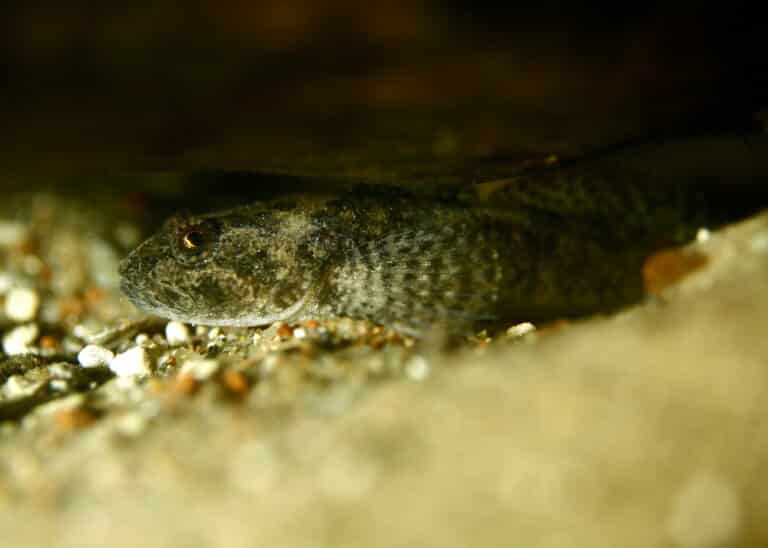
Sculpins live in lakes, rivers, and oceans, acting like little underwater ninjas. They love to hide among rocks and vegetation, using their amazing camouflage to blend in while waiting for dinner to swim by.
These fish usually enjoy a lifespan between 3 to 7 years, giving them plenty of time to perfect their hiding skills. Next time you splash in the water, remember that these sneaky sculpins could be lurking right beneath your feet!

Where can you find a Sculpin in the wild?
What does a Sculpin eat?
How big can a Sculpin grow?
How long does a Sculpin typically live?
What is the conservation status of the Sculpin?
What are the main threats to the Sculpin?
Fun facts
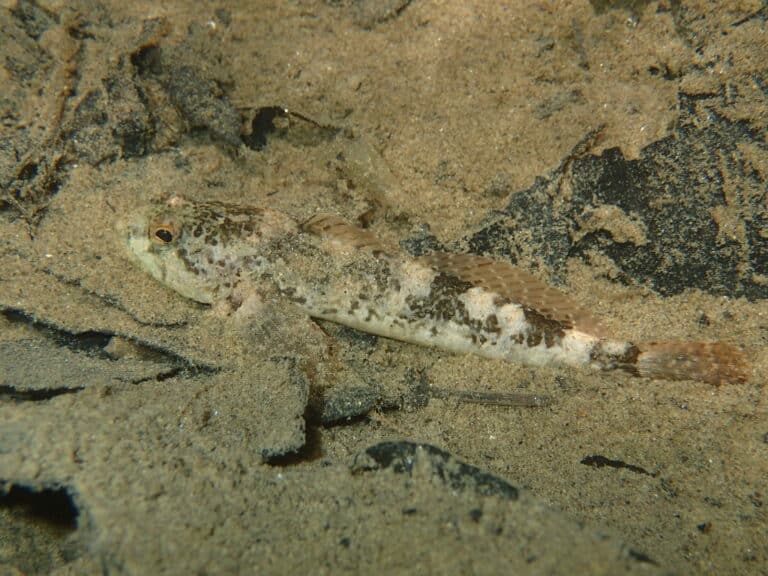
Sculpins can change color to blend in with their surroundings, acting like little underwater chameleons! This helps them hide from predators and ambush unsuspecting prey.


These fish have a peculiar way of swimming. Instead of moving their bodies, they use their large pectoral fins to glide almost like flying, making them the graceful dancers of the underwater world!
Sculpins have a superpower – they can detect vibrations in the water! This ability helps them sense the movement of prey nearby, making them expert hunters even in murky waters.
When feeling threatened, sculpins can flatten their bodies against the sandy or rocky bottom, making it nearly impossible for predators to spot them. It's like their secret hide-and-seek move!
Some sculpin species can produce a small amount of venom in their spines. This helps protect them from predators, making them the tough guys of the fish world!
These fish communicate with each other by making low-pitched sounds that travel through the water. It's like they're having secret underwater conversations that we can't hear!
Sculpins often engage in a form of 'parenting.' Some species will guard their eggs, keeping them safe from curious fish and other hungry critters. Talk about a protective parent!
Some sculpin species can be found living in saltwater, showing off their adaptability. They easily thrive in both freshwater and ocean habitats, making them real survivors of the aquatic world!
A sculpin's eyes are positioned on top of its head, allowing it to see above water without exposing too much of its body. They are like little periscopes that help them spot threats and prey!
In some folklores, sculpins are associated with magical qualities because of their elusive nature. People believed they could bring good luck to fishermen on their journeys!
Photos


The Basics


explore more
Amphibians
Arachnids
Birds
Cats
Crustaceans
Fish
Fish Pet Guide
Gastropods
Insects
Invertebrates
Mammals
Pet Fish
Pet Rodents
Plants
Reptiles
Roundworms
Sea Slugs