

Successfully copied to clipboard!
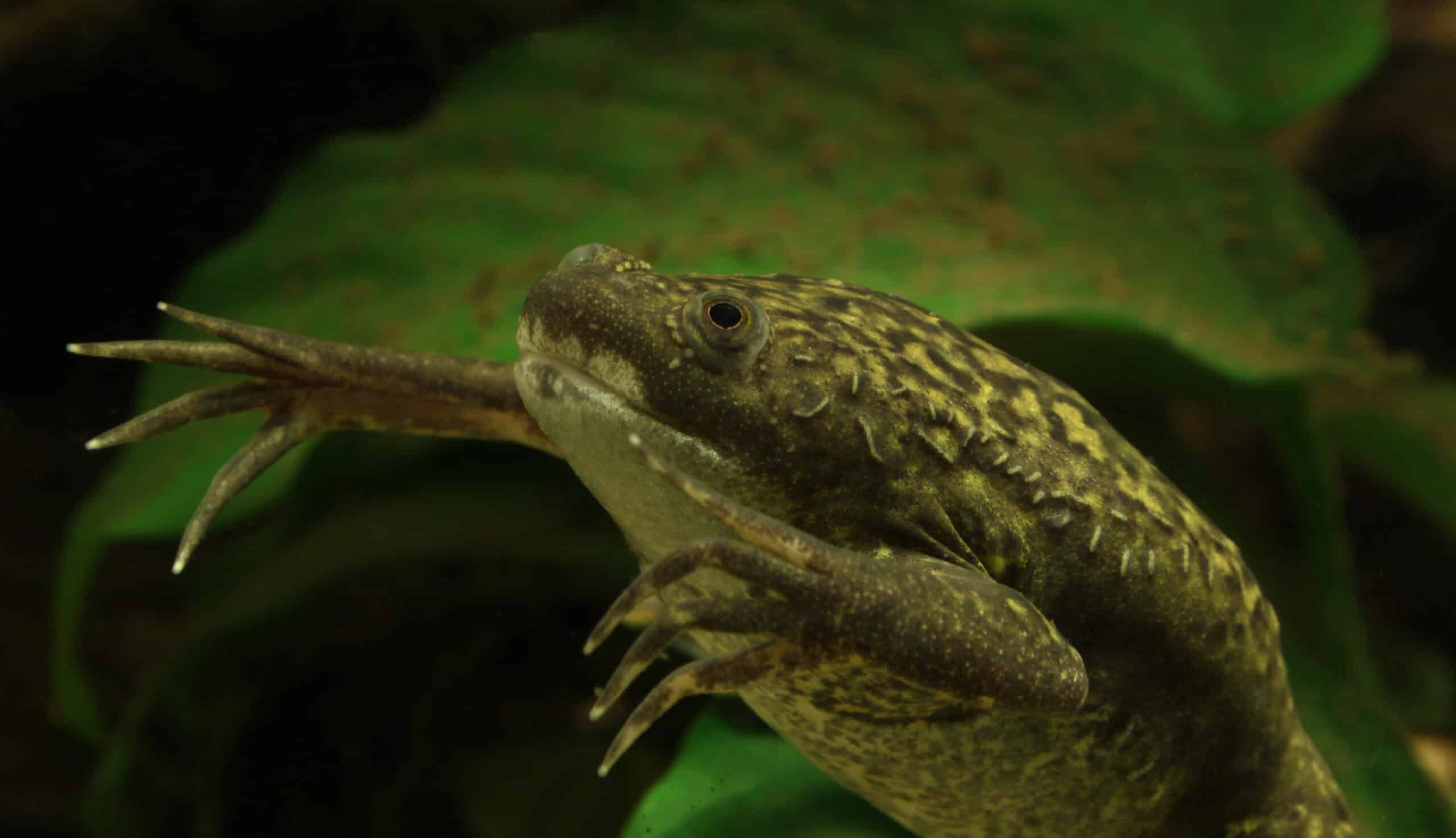
African Clawed Frog
Jump into the thrilling world of a froggy superstar!
Let’s Explore
Overview
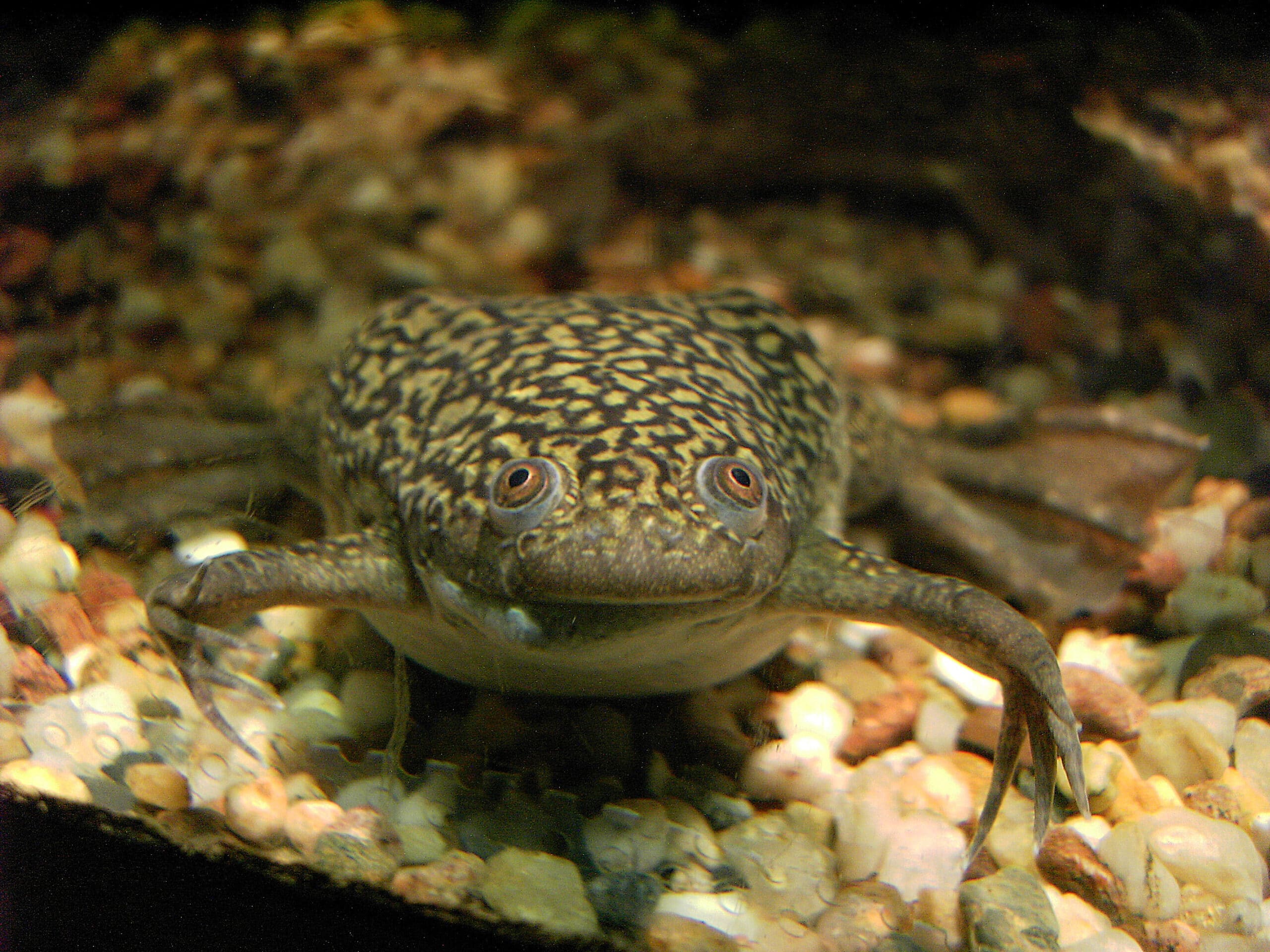
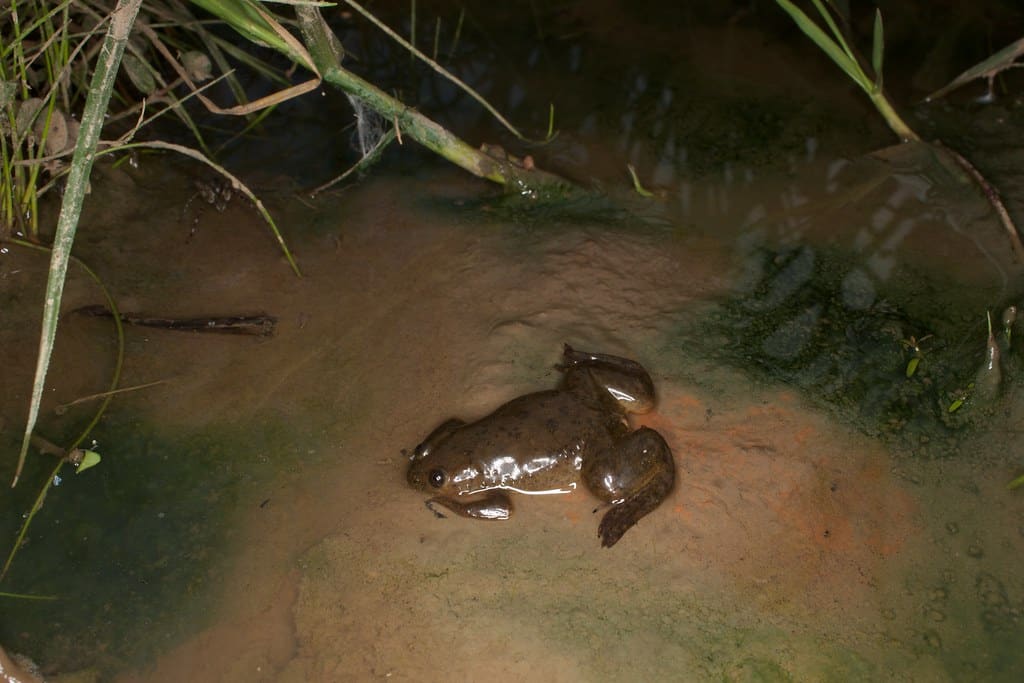
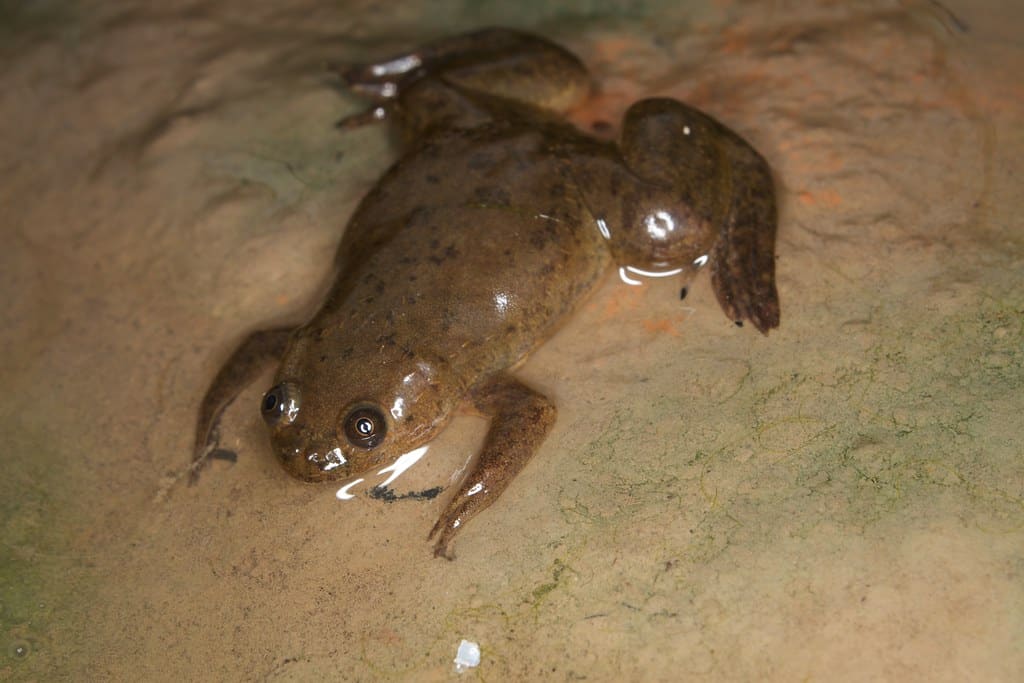
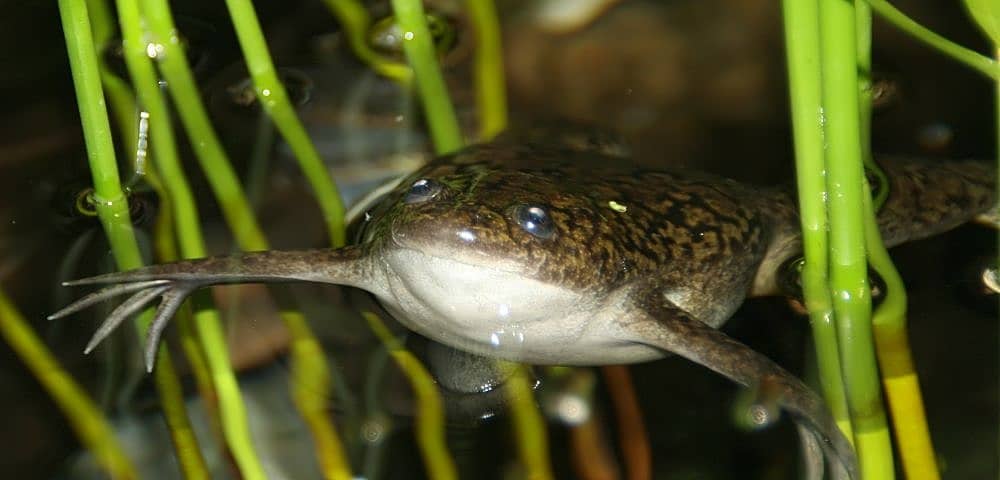
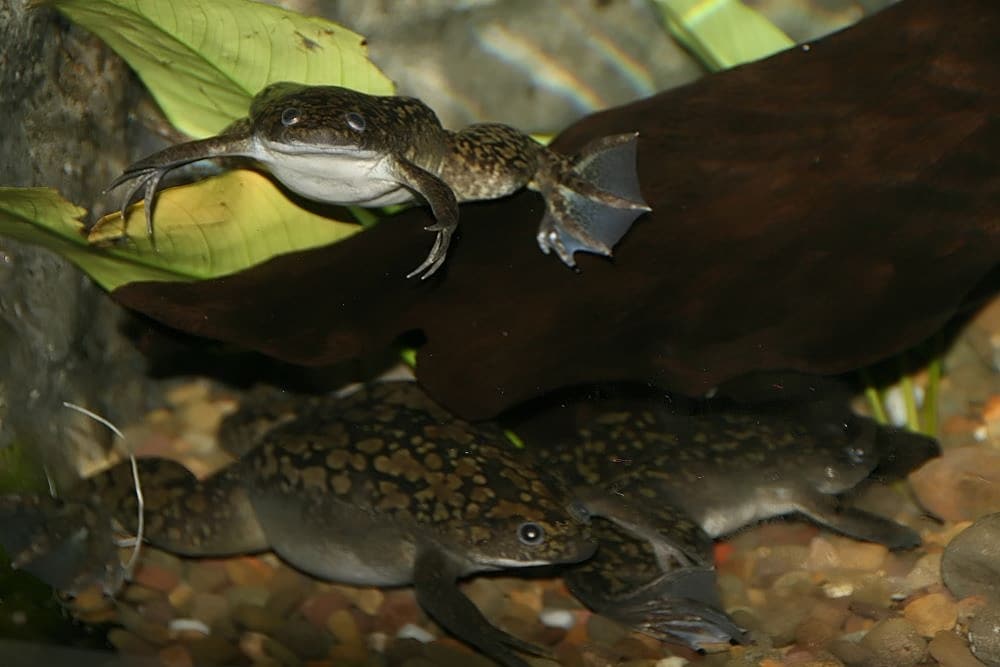
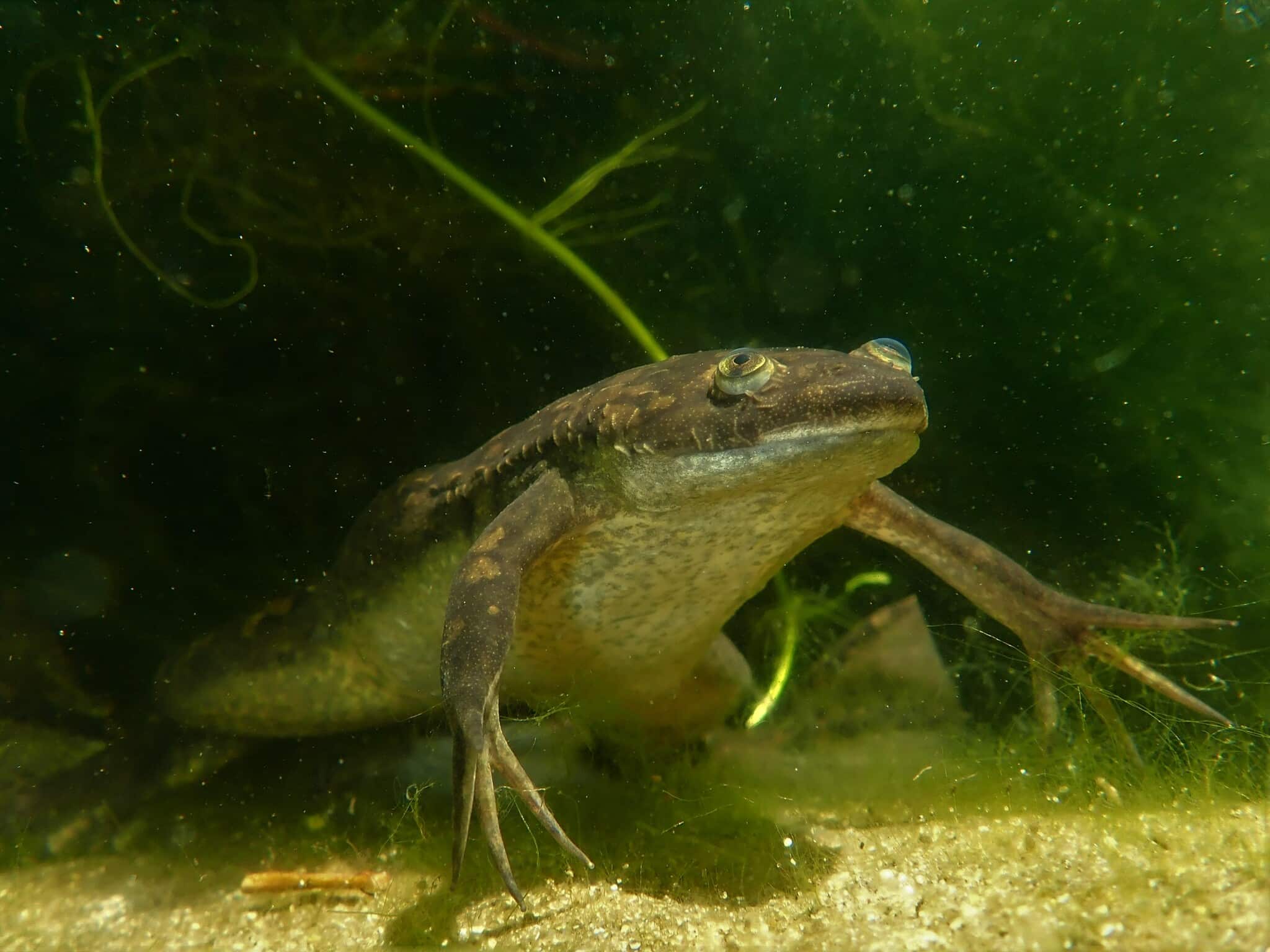
The African Clawed Frog, known scientifically as Xenopus laevis, is a splashy amphibian that calls Africa its home. This frog gets its name from its unique, claw-like toes, which help it swim swiftly through water.
These frogs usually measure around 10 to 13 centimeters (4 to 5 inches) in length. They may be small, but they pack a punch in personality with their bulging eyes and smooth, greenish skin.
African Clawed Frogs love to munch on a diet that includes insects, small fish, and worms. They are expert hunters and use their strong legs to leap around for their next meal, making dinner time an exciting adventure!
These frogs are also known for their longevity, often living between 5 to 15 years in the wild. Some might even say they have a froggy fountain of youth!
As amphibians, African Clawed Frogs go through a life cycle that starts with eggs, hatching into tadpoles before growing legs and transitioning into adults. This incredible transformation keeps things hopping in their watery world!

Where can you find a African Clawed Frog in the wild?
What does a African Clawed Frog eat?
How big can a African Clawed Frog grow?
How long does a African Clawed Frog typically live?
What is the conservation status of the African Clawed Frog?
What are the main threats to the African Clawed Frog?
Fun facts
African Clawed Frogs can actually see in color! Their eyes are specially designed to spot food in murky waters, allowing them to catch tasty snacks with ease.


These frogs have a fun party trick - they can hold their breath for over 20 minutes while swimming underwater. Talk about a froggy talent show!
With their unique claw-like toes, they are excellent swimmers. They use these 'claws' like paddles to move quickly, helping them escape from predators.
African Clawed Frogs are popular in laboratories because they can regenerate lost limbs! Scientists study them to learn more about healing and regeneration.
Females can lay thousands of eggs at once, creating a froggy frenzy! This means even more tadpoles and more hopping fun in their watery homes.
These amphibians can make sounds, which they use to communicate. Their croaks help them chat with other frogs, making each watery gathering lively.
Unlike many frogs, African Clawed Frogs do not croak like traditional frogs. Instead, they create a soft, chirping sound reminiscent of a tiny bird!
They can survive in water temperatures between 15 and 30 degrees Celsius (59 to 86 degrees Fahrenheit). This froggy creature enjoys a warm dip in the pond!
African Clawed Frogs display interesting social behavior. They sometimes form groups to keep safe, proving that there is strength in numbers, even in the frog world!
This unique frog can live in both fresh and brackish waters, showing off its adaptability. Whether in a tranquil pond or a bustling river, these frogs know how to thrive!
Photos

The Basics


explore more
Amphibians
Arachnids
Birds
Cats
Crustaceans
Fish
Fish Pet Guide
Gastropods
Insects
Invertebrates
Mammals
Pet Fish
Pet Rodents
Plants
Reptiles
Roundworms
Sea Slugs
