Successfully copied to clipboard!
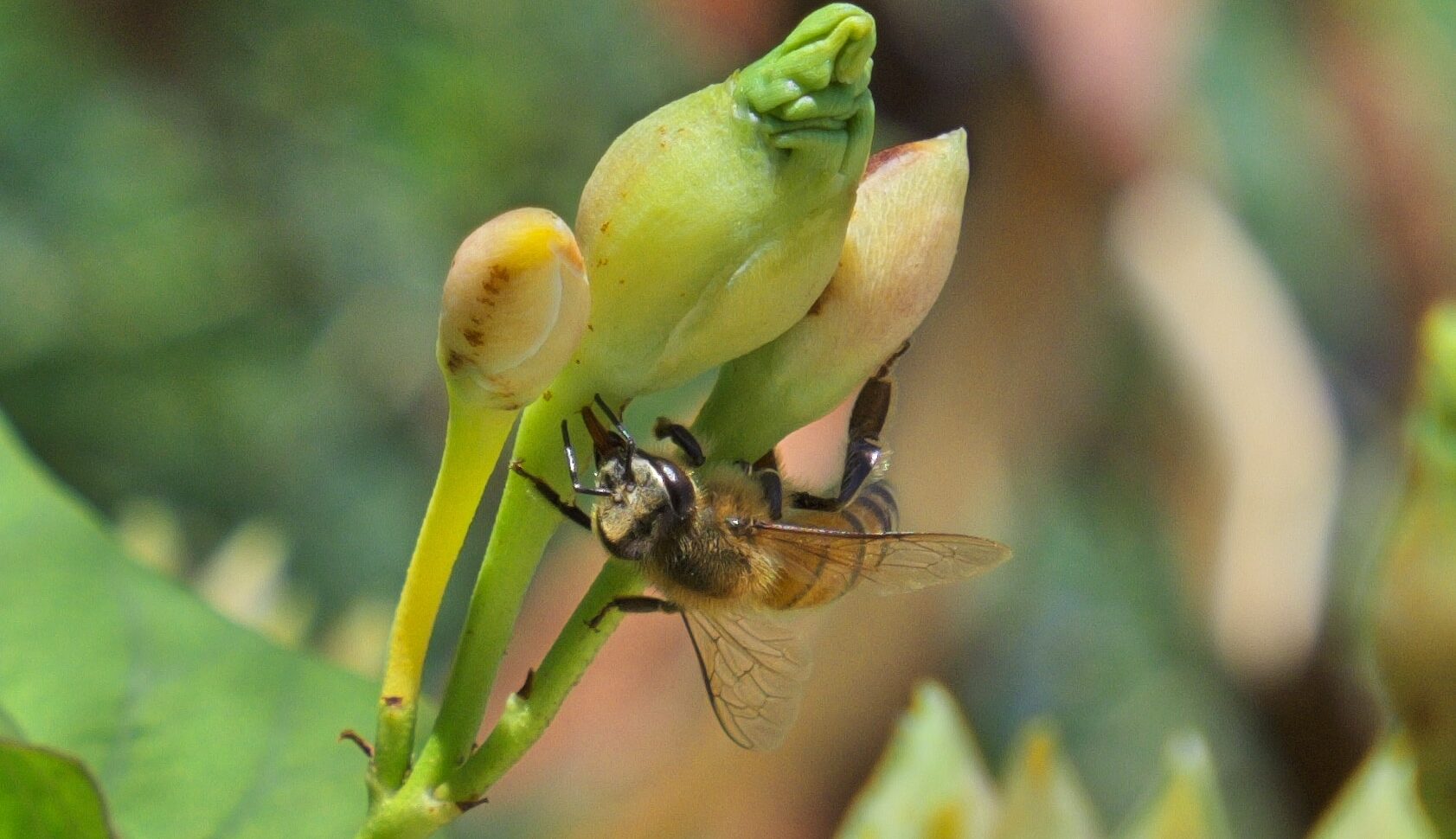
Africanized bee (killer bee)
Buzzing heroes of our gardens and fields!
Let’s Explore
Overview
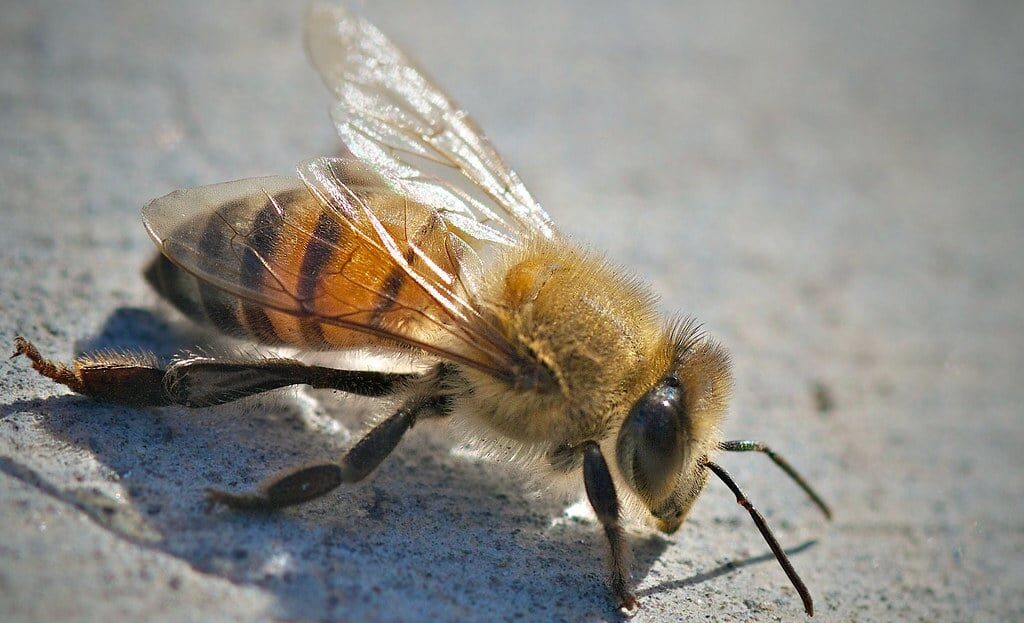
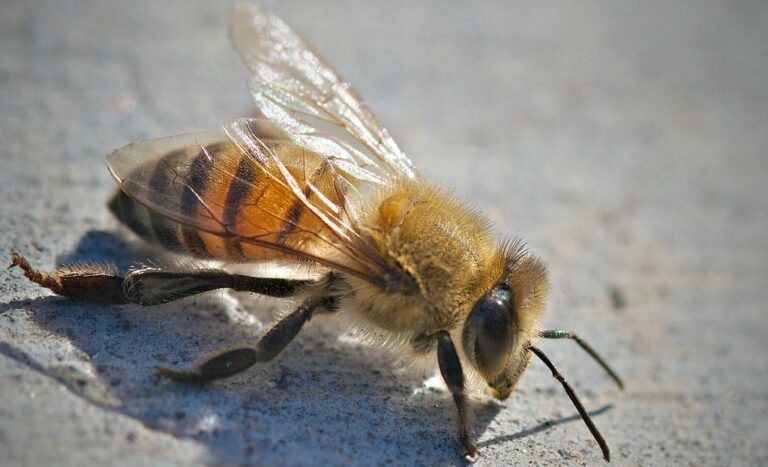
The Africanized bee, commonly known as the killer bee, is an intriguing insect that lives in Central and South America. These buzzing little critters belong to the amazing world of invertebrates and are scientifically named Apis mellifera.
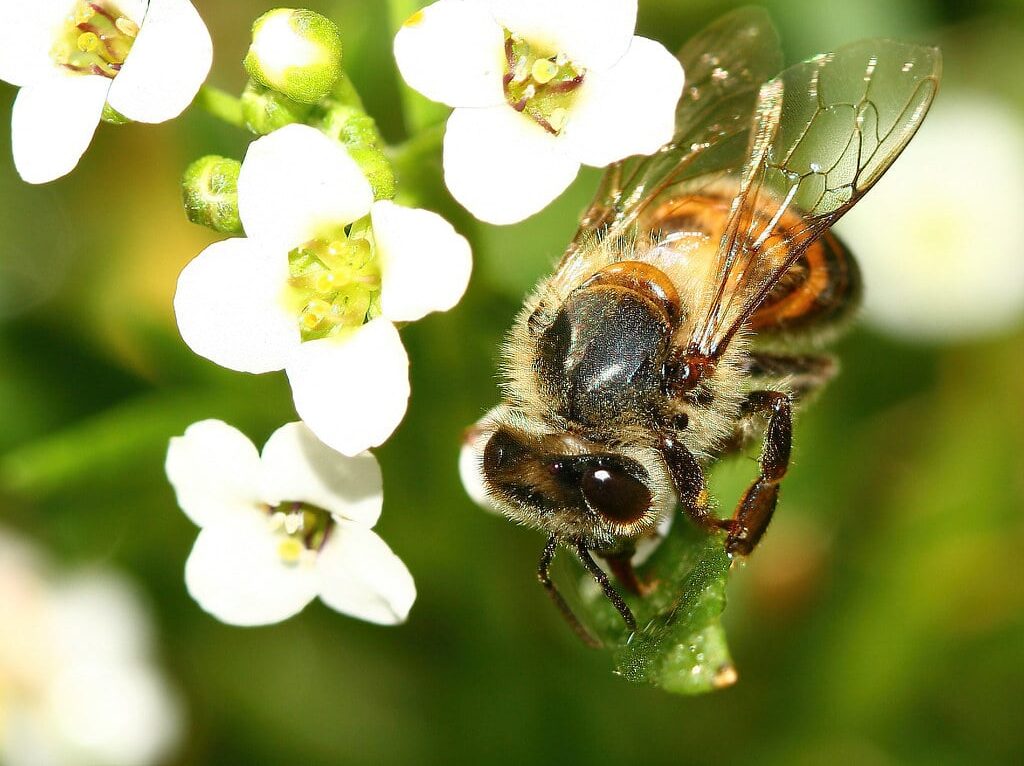
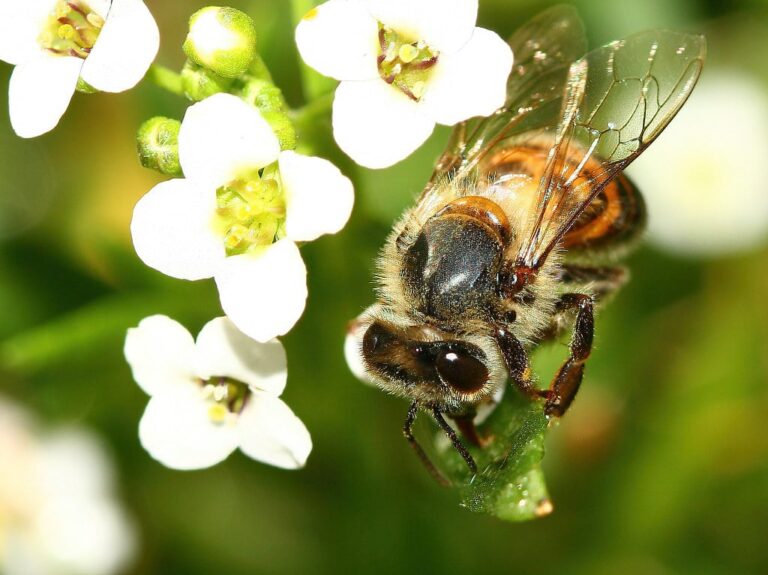
Despite their nickname, Africanized bees actually play an important role in nature. They help pollinate flowers by collecting nectar and pollen, which keeps the environment vibrant and colorful.
These bees measure about 1/2 inch long, making them small yet mighty. Their colonies work together like a super team, showing off amazing teamwork and organization.
Africanized bees have a lifespan that ranges from a few weeks to several months. They live fast, work hard, and enjoy every moment buzzing around their busy lives.
While they can be seen as scary due to their defensive nature, it is important to remember they only become aggressive when they feel threatened. Like all bees, they contribute to the balance of ecosystems and the health of plant life!
So, the next time you see a bee buzzing by, give a little wave! You might be sharing space with a hard-working Africanized bee that's busy helping nature bloom!

Where can you find a Africanized bee (killer bee) in the wild?
What does a Africanized bee (killer bee) eat?
How big can a Africanized bee (killer bee) grow?
How long does a Africanized bee (killer bee) typically live?
What is the conservation status of the Africanized bee (killer bee)?
What are the main threats to the Africanized bee (killer bee)?
Fun facts
Africanized bees communicate using a special dance called the waggle dance. This dance tells other bees where to find food, making them expert navigators!


These bees are super social and live in colonies that can have 20,000 to 80,000 members. It is like a buzzing city where everyone has a job to do!
Africanized bees can fly at speeds of up to 24 kilometers per hour (15 miles per hour). That is faster than most people can run!
Their defensive nature makes them famous for protecting their hives. If they feel threatened, they can swarm in large numbers, much like a superhero team coming together!
These bees prefer to build their hives in hidden locations to stay safe. Sometimes, they even sneak into people's attics or wall cavities to create cozy homes.
Unlike many bees, which are calm most of the time, Africanized bees can be more aggressive if they think their hive is in danger. So, it's best to keep a safe distance!
The queen bee in an Africanized bee colony can lay up to 1,500 eggs in a single day. That’s like having a mini factory of baby bees being born!
Africanized bees are born as either a worker, drone, or queen. Each type of bee has special roles, like workers gathering food and drones helping with reproduction.
They have evolved to be more adaptable than their non-Africanized cousins, allowing them to thrive in diverse environments like deserts and rainforests.
Many plants depend on these bees for pollination. Without them, fruits and flowers would struggle to grow, proving how important they are to our ecosystems!
Photos





The Basics


explore more
Amphibians
Arachnids
Birds
Cats
Crustaceans
Fish
Fish Pet Guide
Gastropods
Insects
Invertebrates
Mammals
Pet Fish
Pet Rodents
Plants
Reptiles
Roundworms
Sea Slugs