
Successfully copied to clipboard!
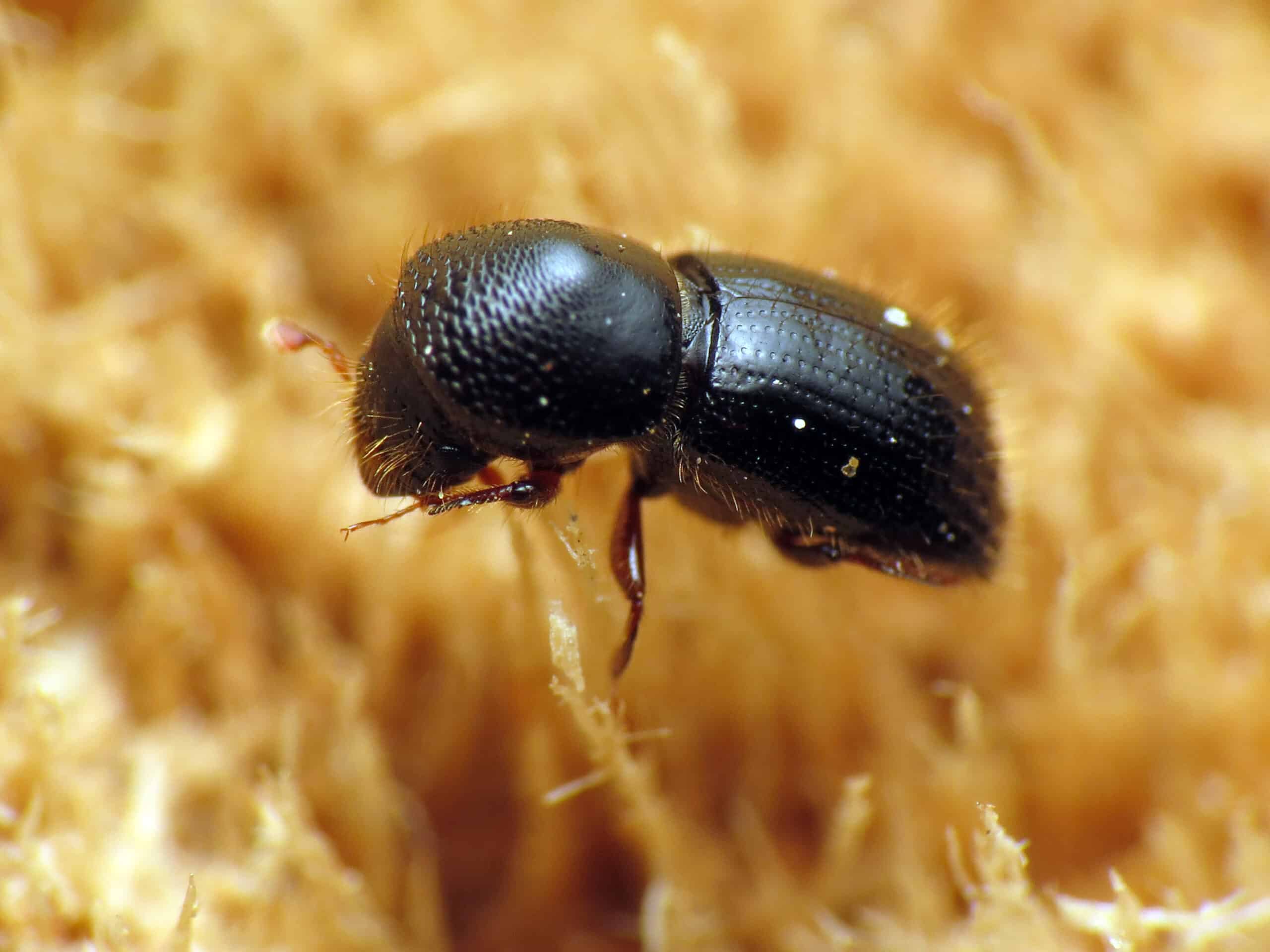
Ambrosia Beetle
Explore the tiny heroes that keep forests thriving!
Let’s Explore
Overview
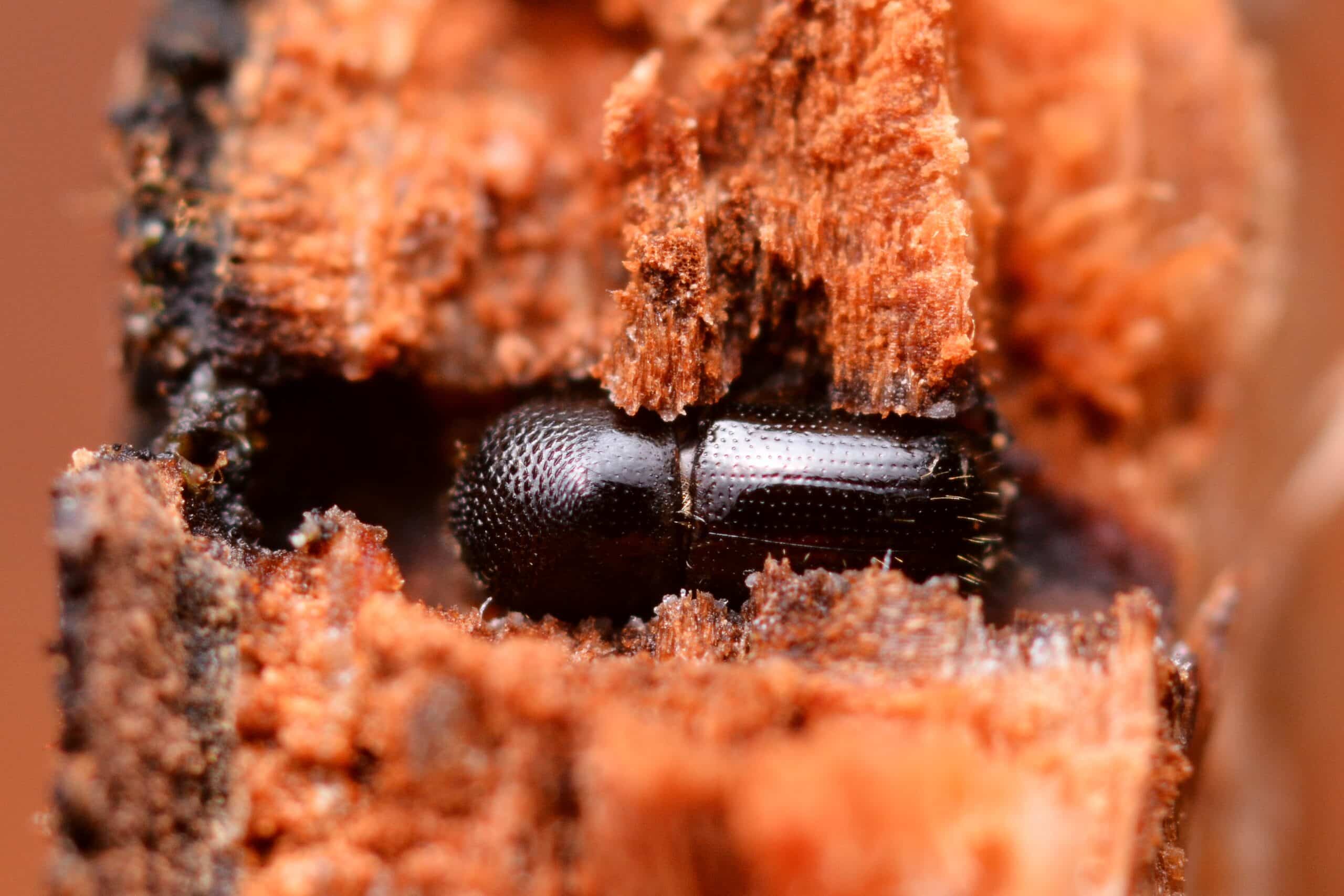
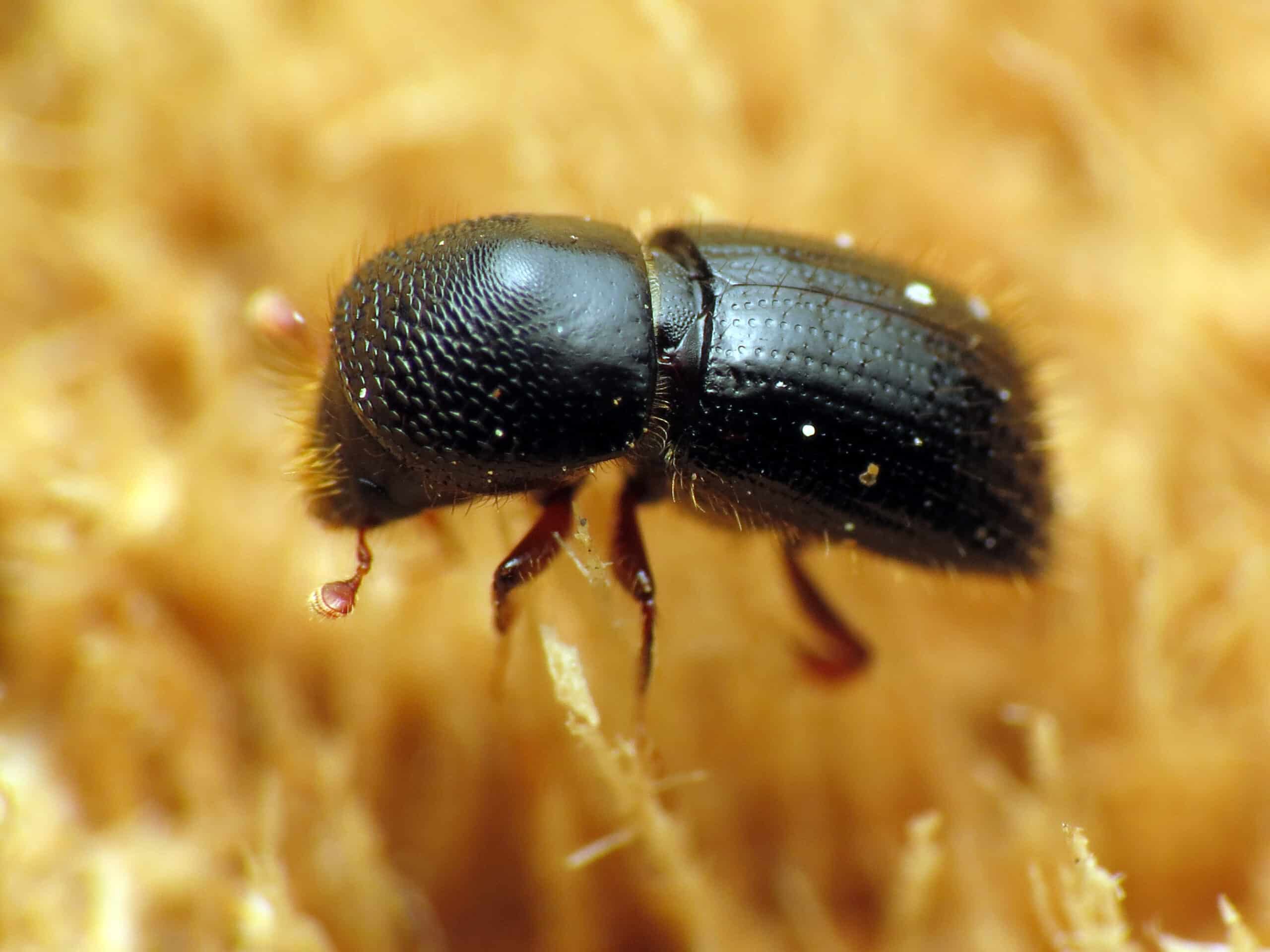
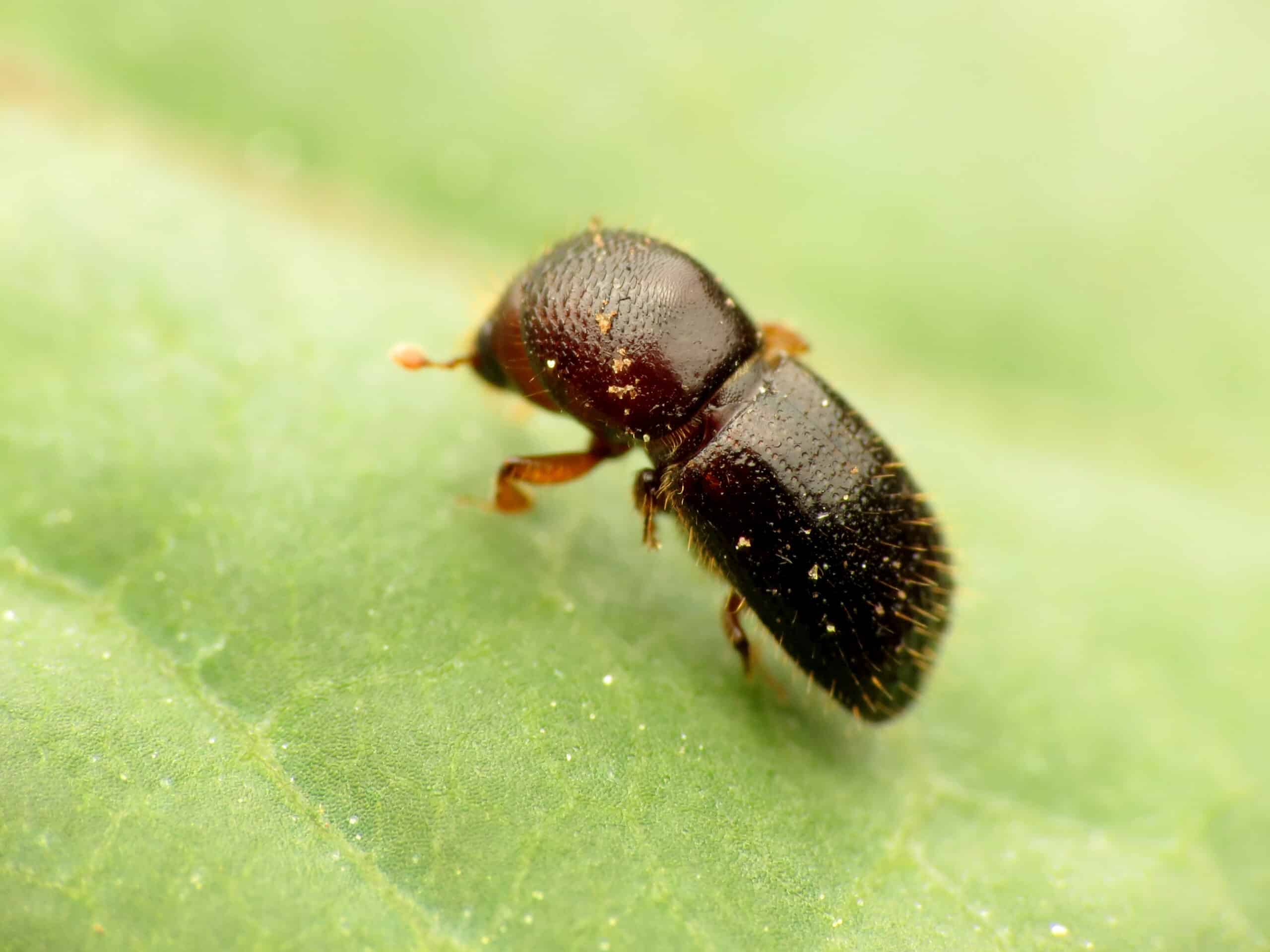
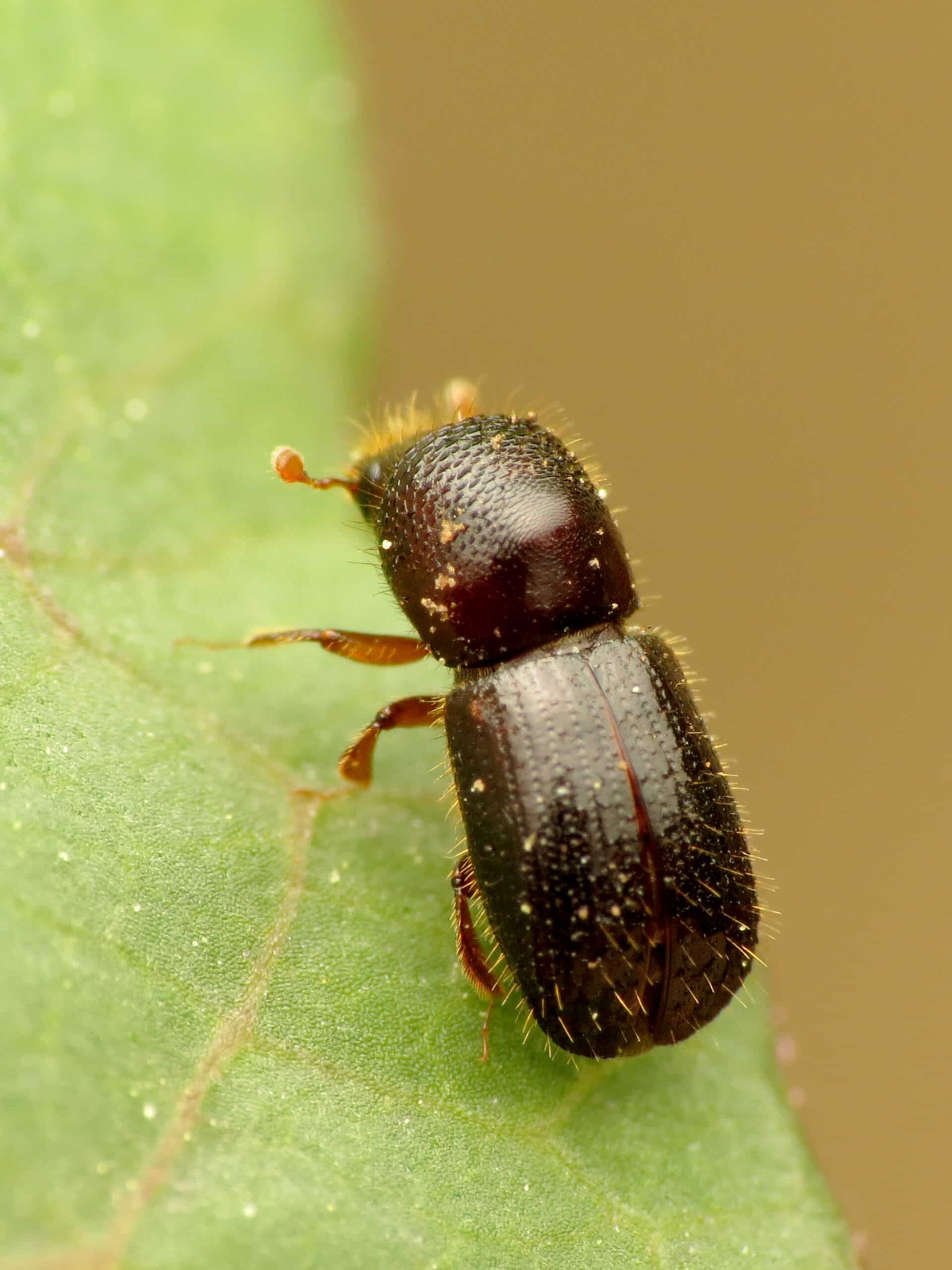
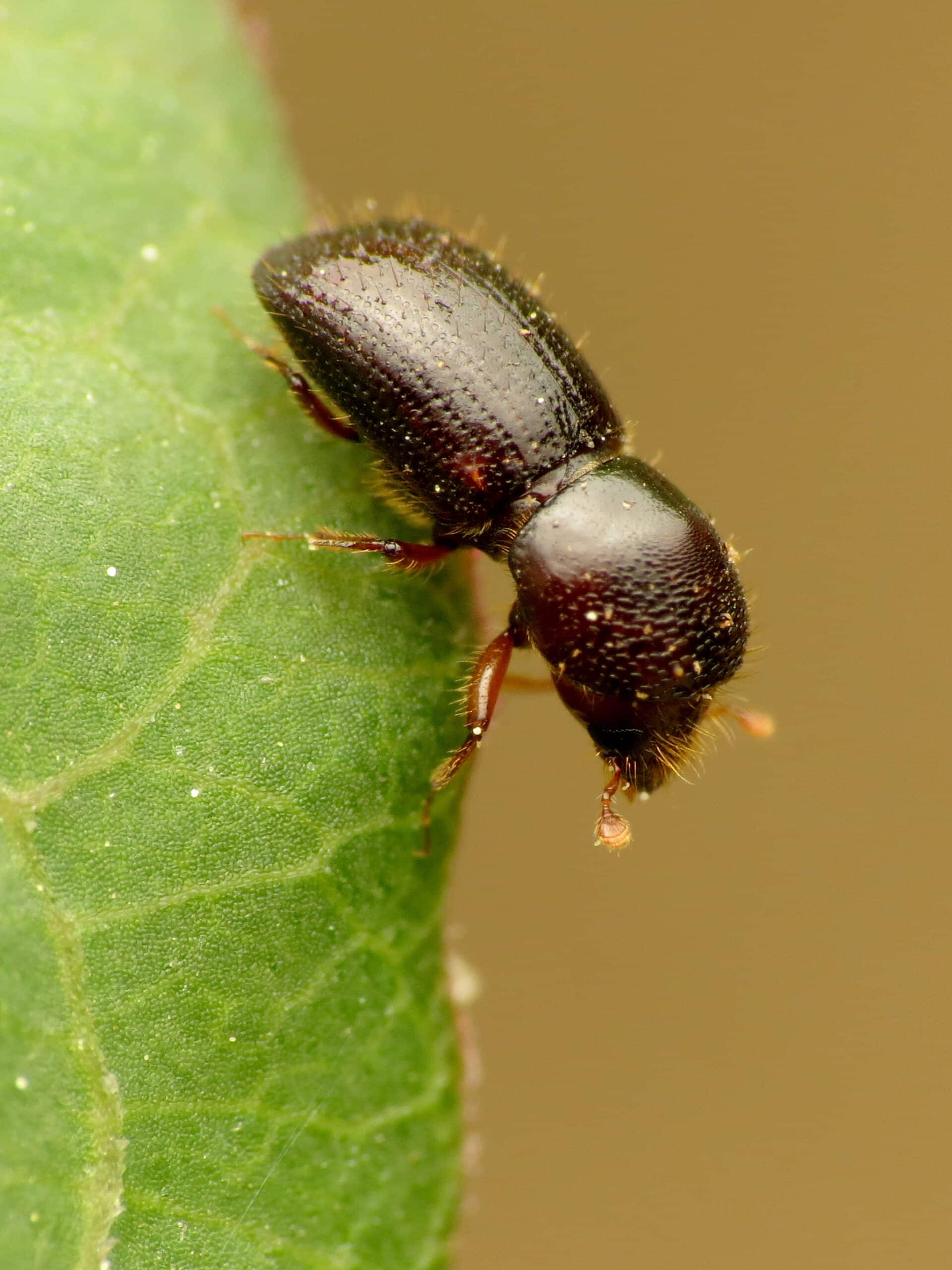
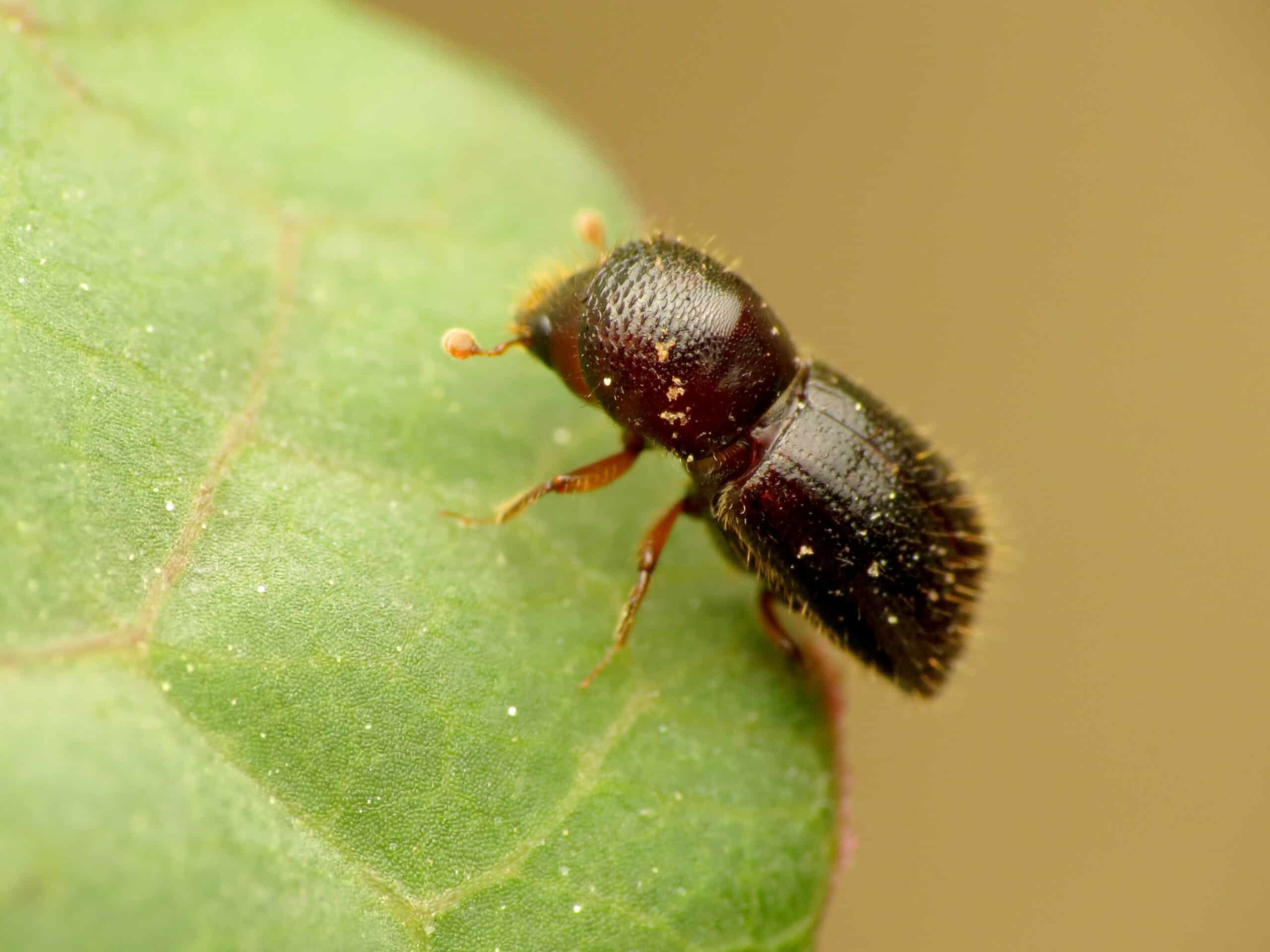
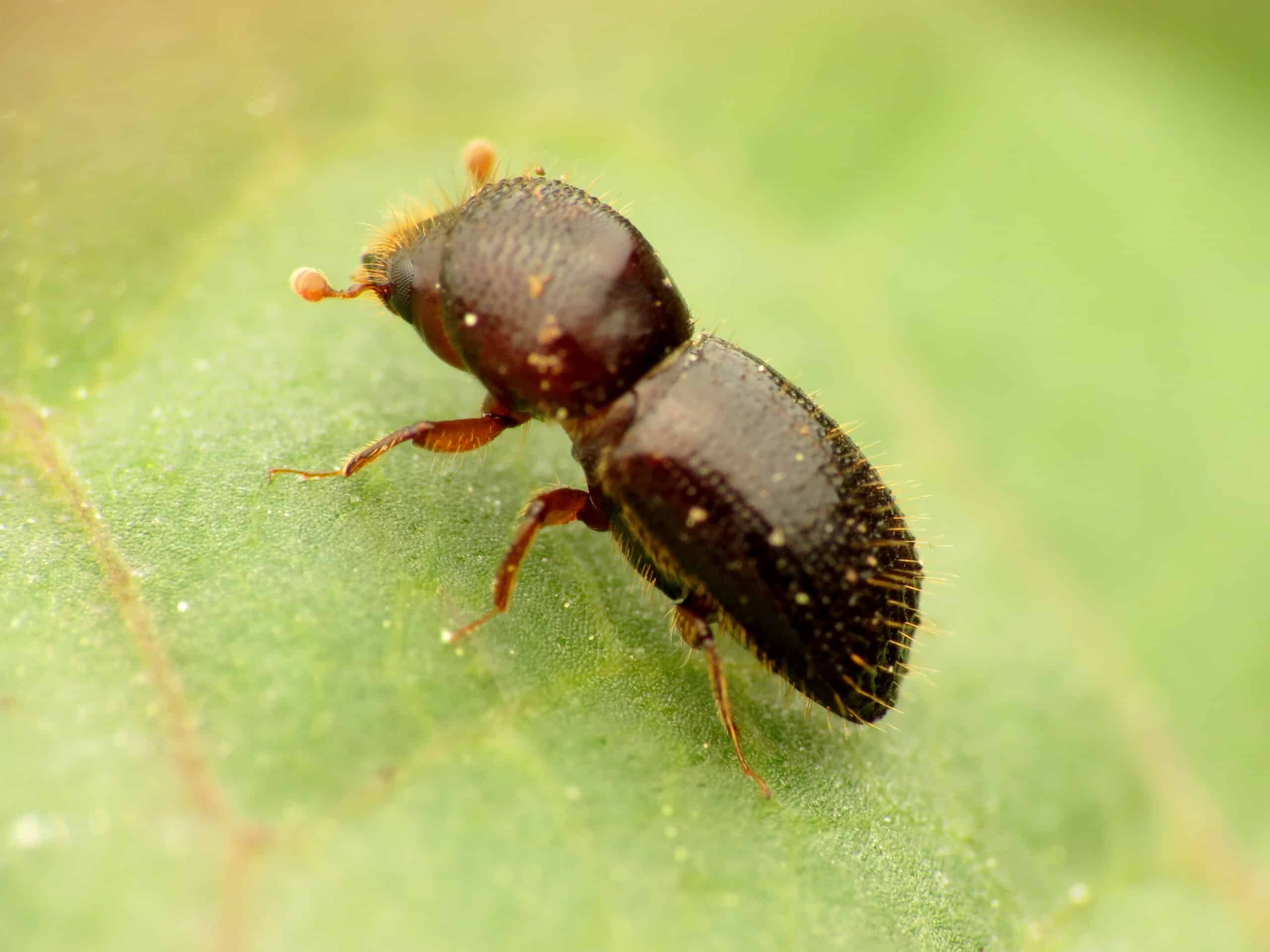
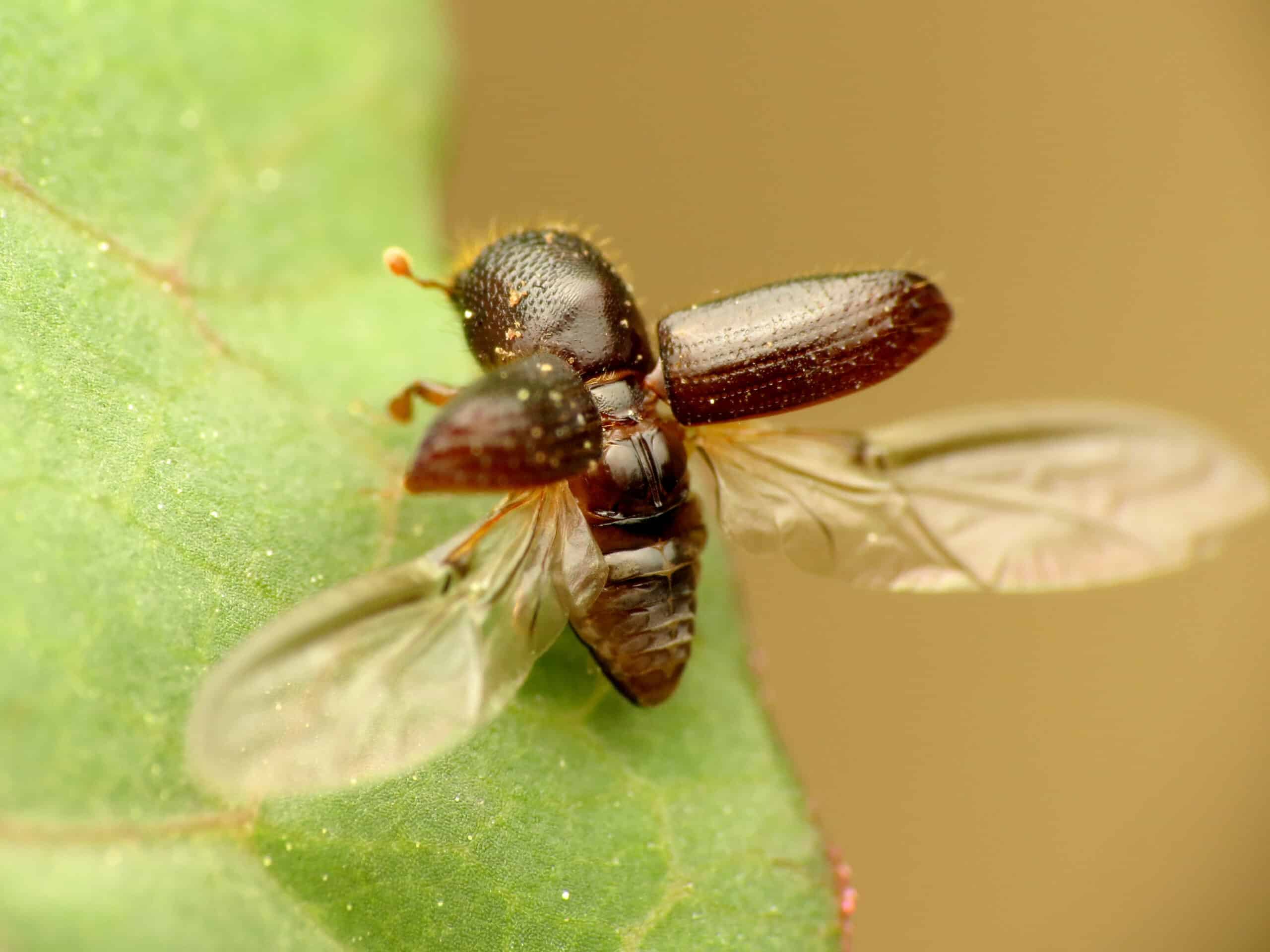
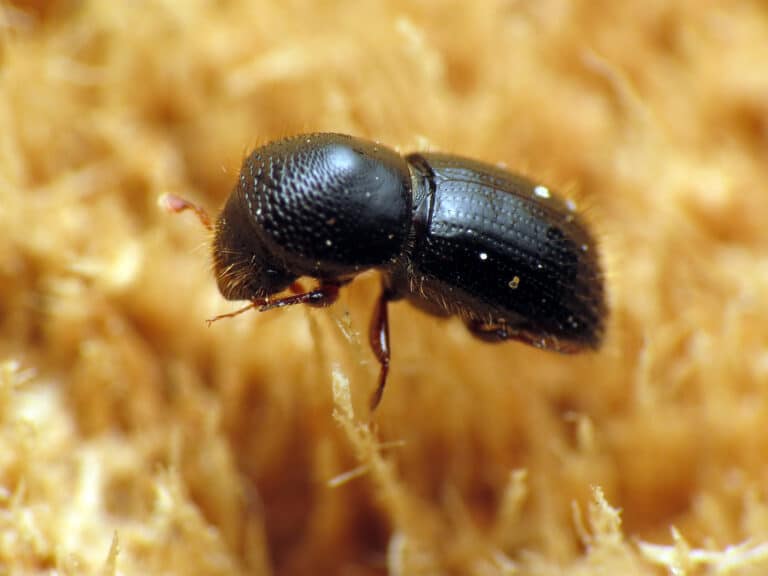
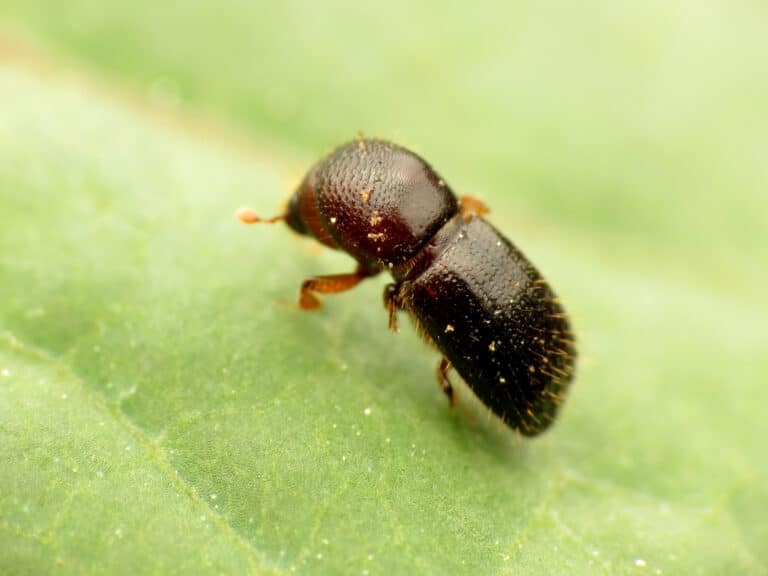
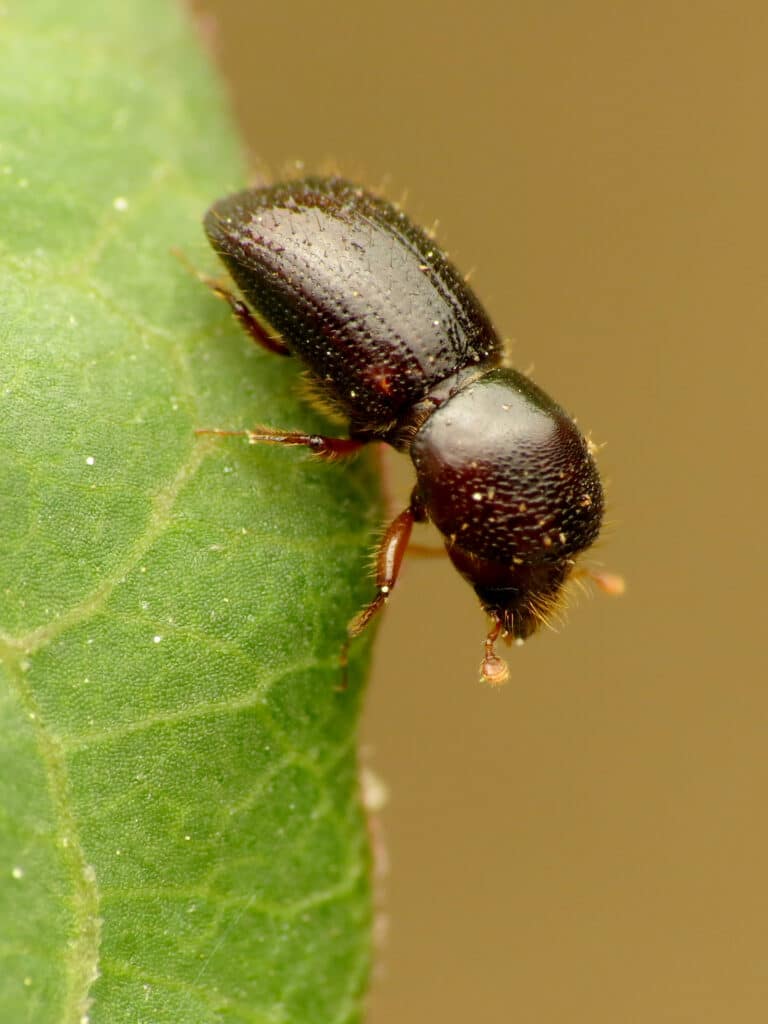
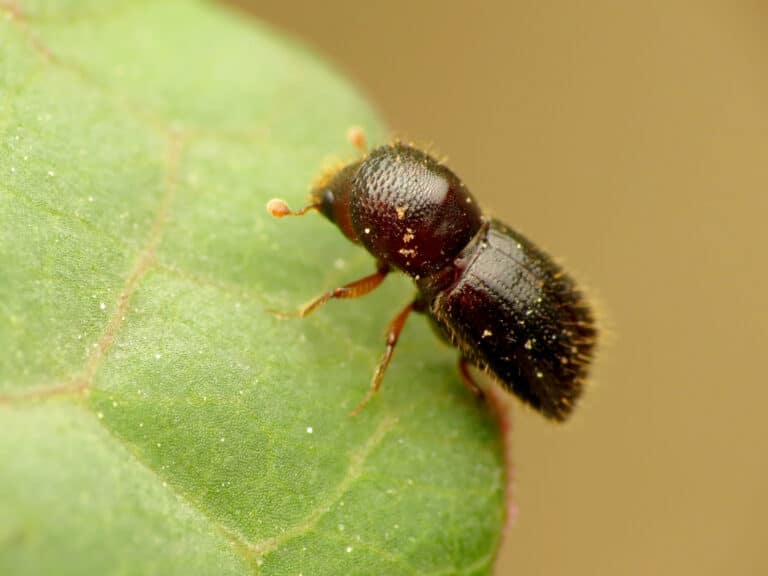
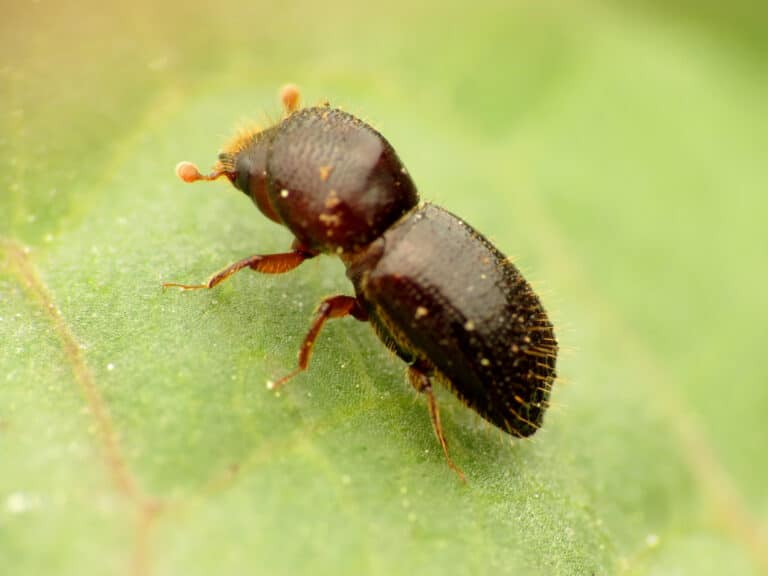
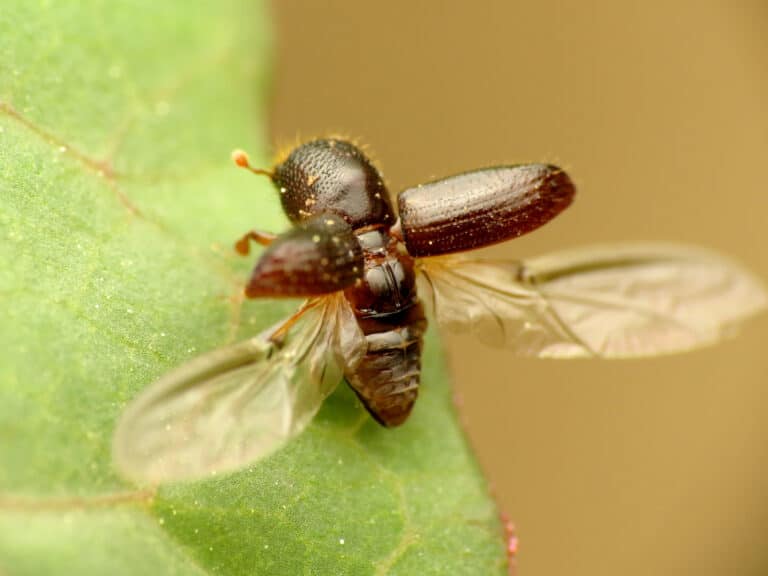
The Ambrosia Beetle is a tiny superhero of the forest! Measuring only 2 to 3 millimeters long, these little critters pack a big punch when it comes to their wood-loving lifestyle.
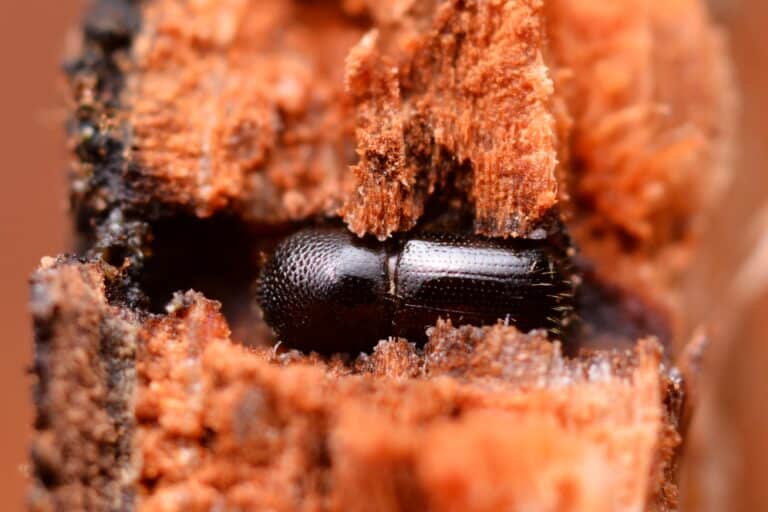
These beetles belong to a group called invertebrates, which means they don’t have a backbone. They fit snugly into the insect family and, just like a ninja, they slip into trees to create their homes.
Ambrosia Beetles munch on wood and fungi, making them natural recyclers in the ecosystem. They help break down trees and create a nutritious environment for other creatures.
After laying their eggs, the female beetles grow fungi in their tunnels. This tasty treat provides food for their larvae, ensuring that the next generation can thrive and continue the cycle of wood and fungus feasting!
These industrious beetles typically live for several months. In that time, they work hard, ensuring the forest remains healthy and lively while they quietly go about their beetle business.

Where can you find a Ambrosia Beetle in the wild?
What does a Ambrosia Beetle eat?
How big can a Ambrosia Beetle grow?
How long does a Ambrosia Beetle typically live?
What is the conservation status of the Ambrosia Beetle?
What are the main threats to the Ambrosia Beetle?
Fun facts
Ambrosia Beetles have a special talent for growing their own food - they farm fungi in the tunnels they make inside trees, ensuring a fresh meal for their larvae!


These miniature beetles can reproduce rapidly; a single female can lay up to 100 eggs in a short time, creating a bustling family right inside the trunk of a tree.
Ambrosia Beetles can actually help trees, as their tunneling helps air and nutrients flow, promoting health and growth for the plants around them.
Their mini size means they can sneak into tiny spaces. This makes them great at hiding from predators and helps them find the perfect places to munch and lay eggs.
When under threat, some Ambrosia Beetles can release chemicals that warn others in their community about danger, just like sending out an emergency alarm!
Male Ambrosia Beetles can sometimes fight over females, using their strong jaws like boxing gloves to defend their territory and win the right to mate!
Instead of acting alone, Ambrosia Beetles like to team up. They often live in groups, helping each other find the best trees and sharing the fun of fungi farming.
Ambrosia Beetles have a unique relationship with trees; they help decompose old wood while also giving trees a chance to grow better as they break down their nutrients.
These industrious beetles have super tiny mouths that act like a buzzsaw, allowing them to carve into wood like a tiny lumberjack.
Despite their super skills, Ambrosia Beetles face tough challenges, especially from human activities like cutting forests. Protecting their homes helps keep their tiny world thriving!
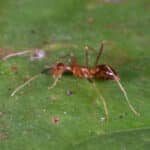
Photos




The Basics


explore more
Amphibians
Arachnids
Birds
Cats
Crustaceans
Fish
Fish Pet Guide
Gastropods
Insects
Invertebrates
Mammals
Pet Fish
Pet Rodents
Plants
Reptiles
Roundworms
Sea Slugs