Successfully copied to clipboard!
American Dog Tick
Uncover the tiny bloodsuckers hiding in your backyard!
Let’s Explore
Overview
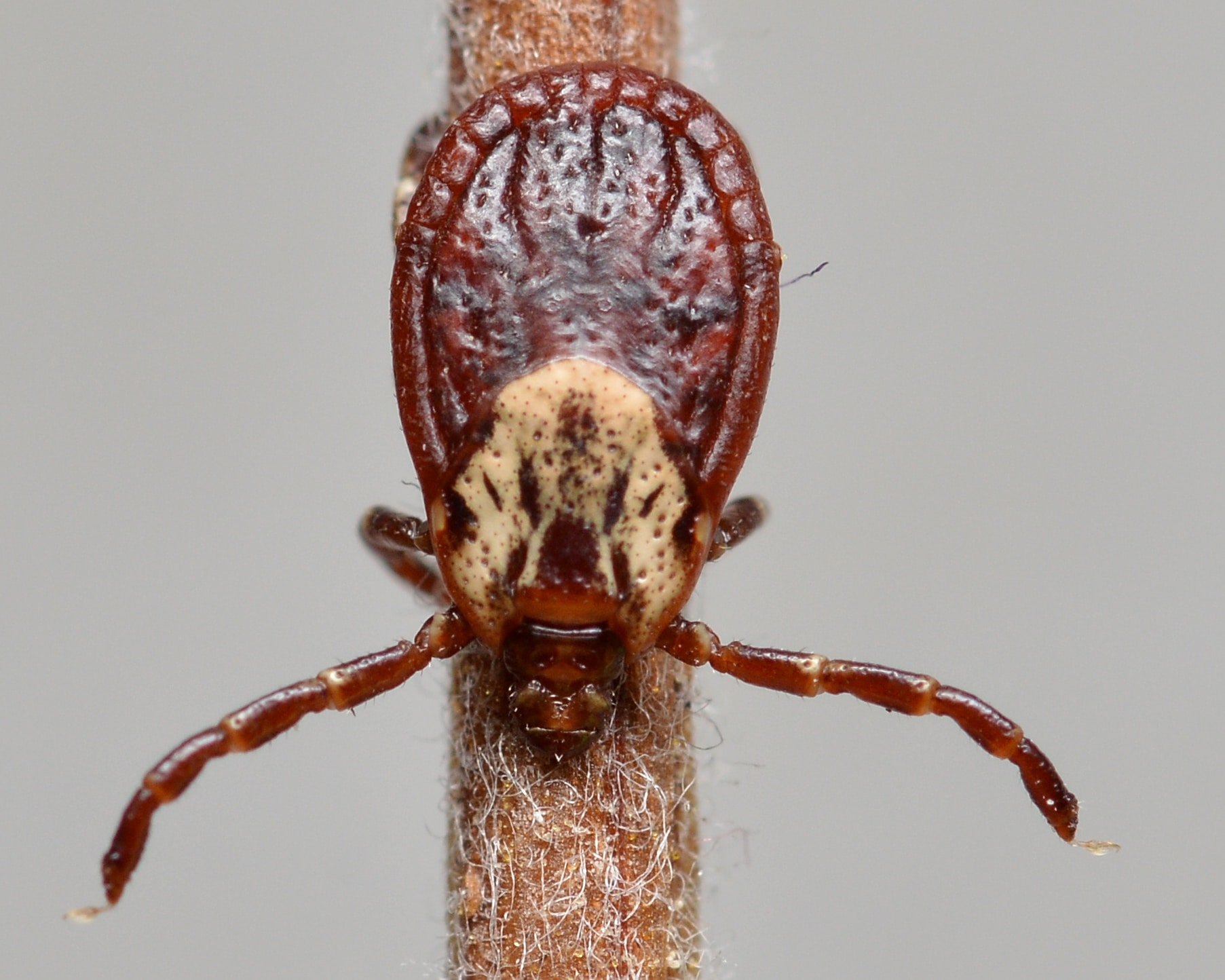
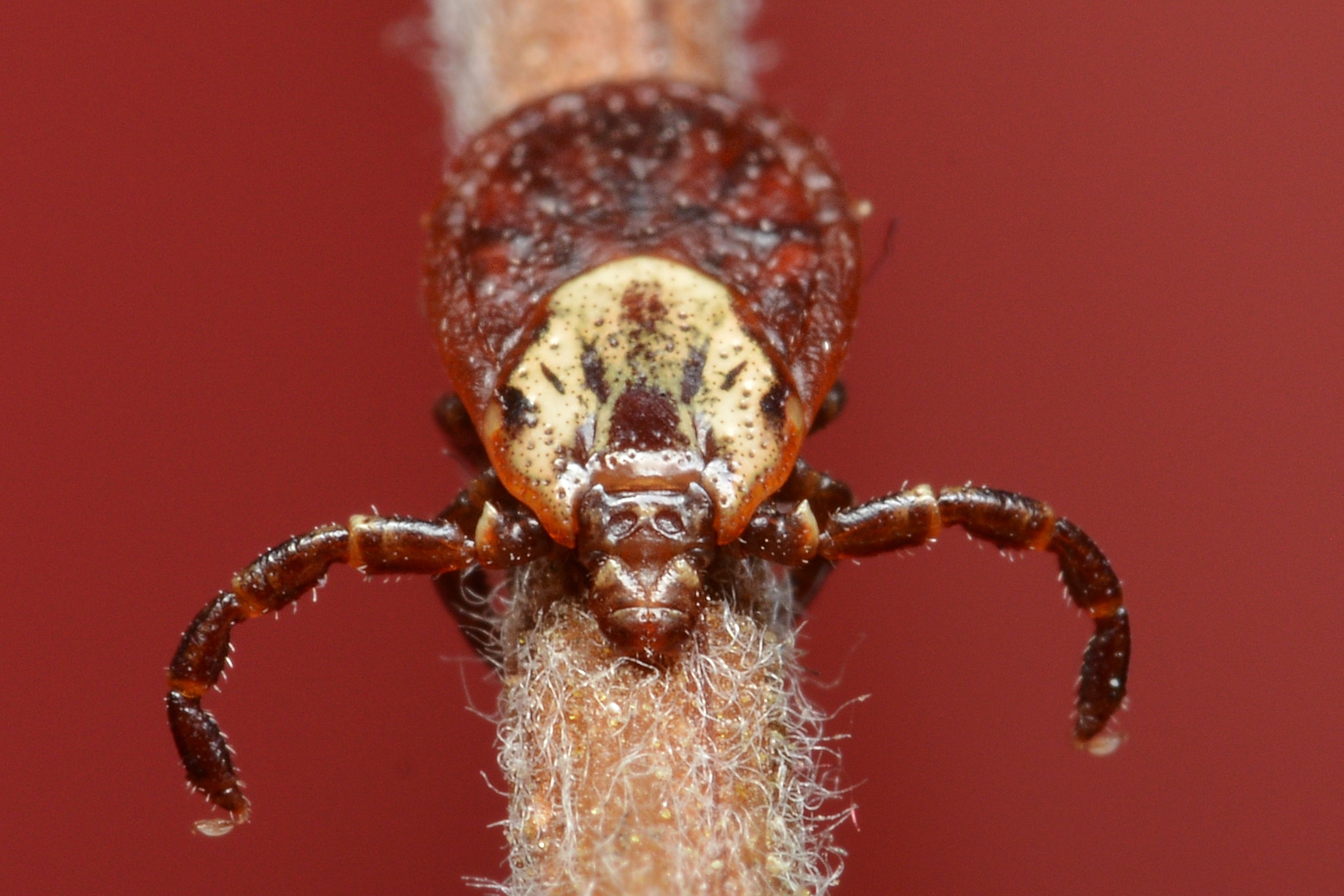
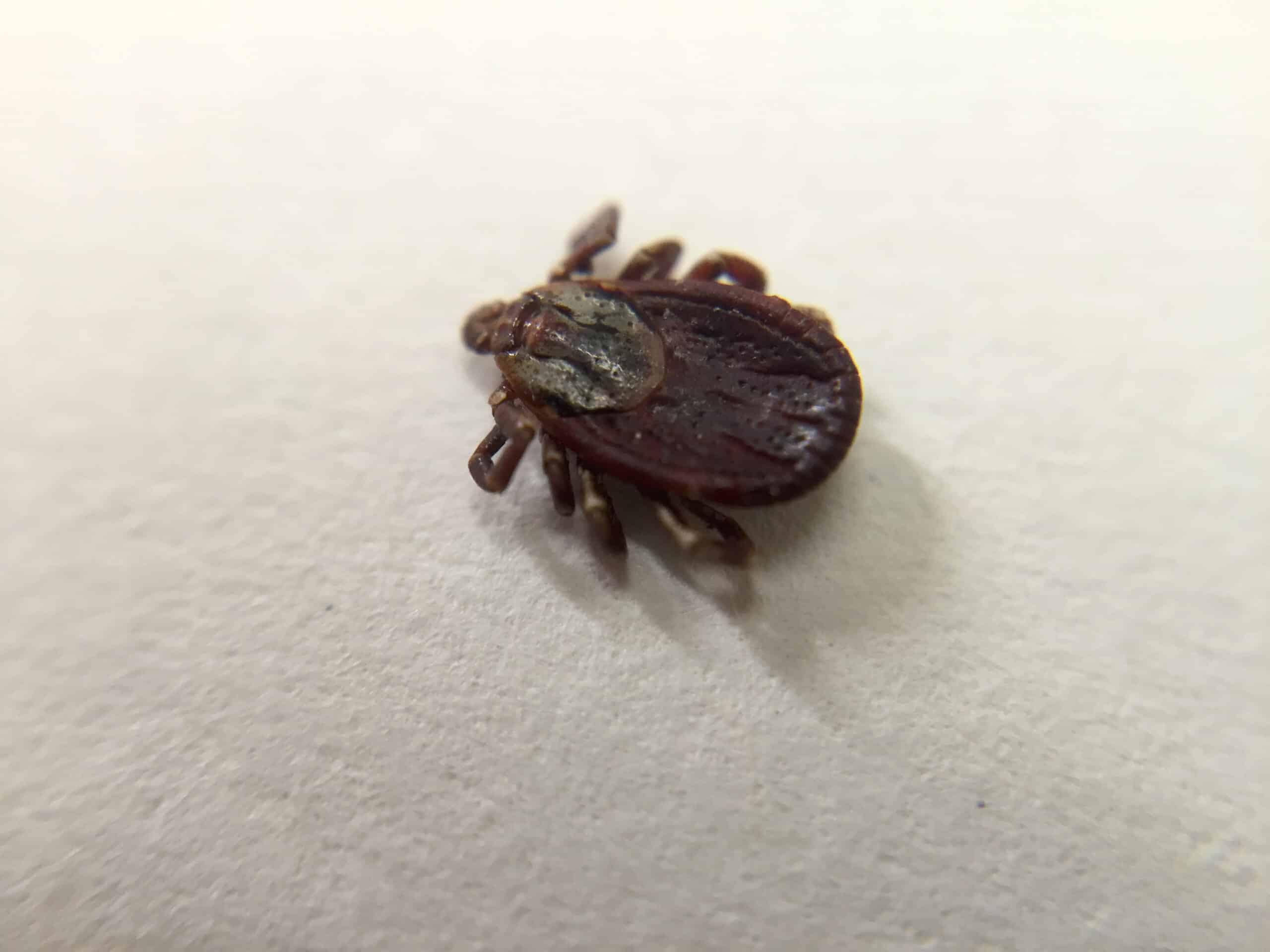
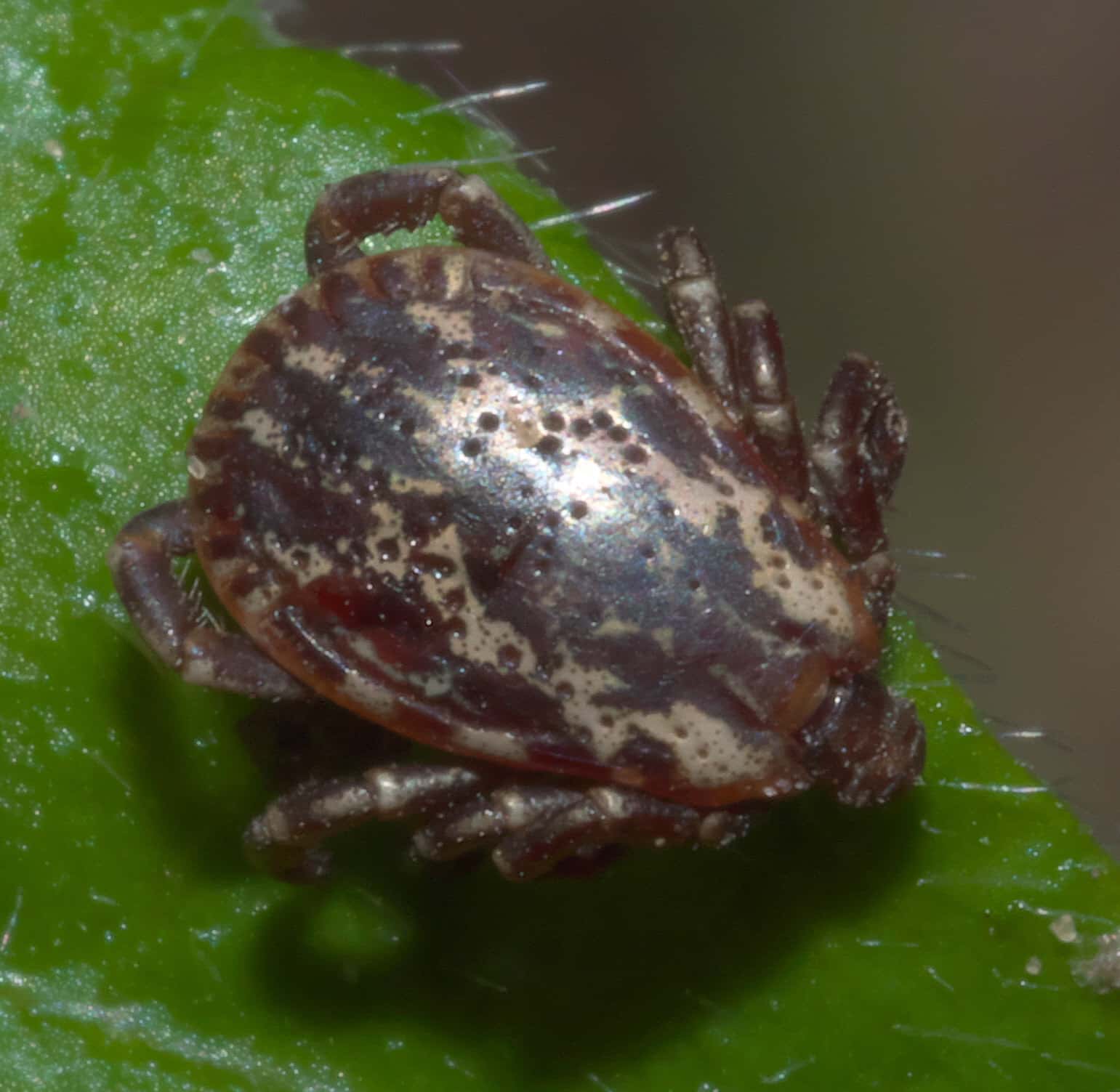
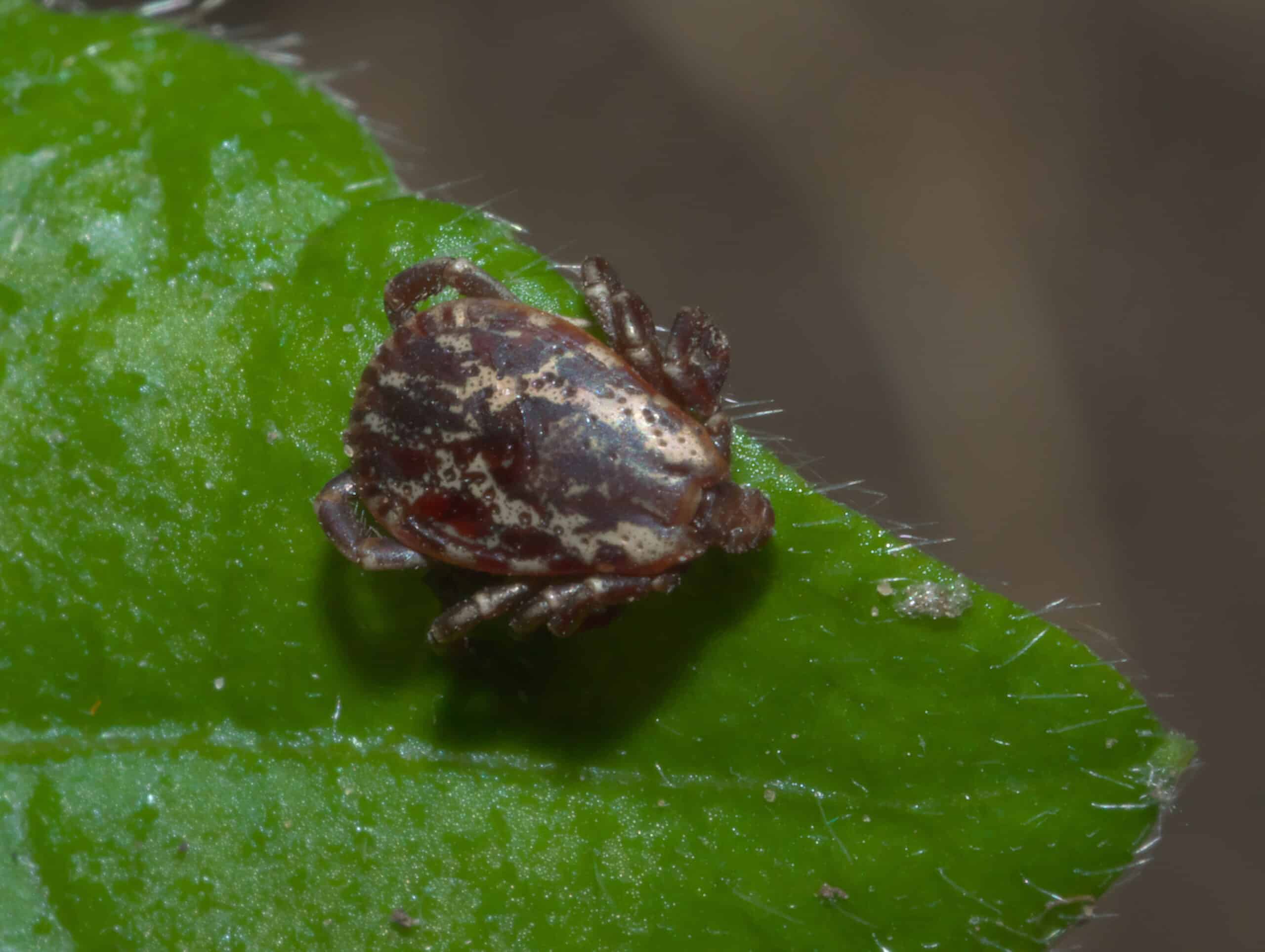
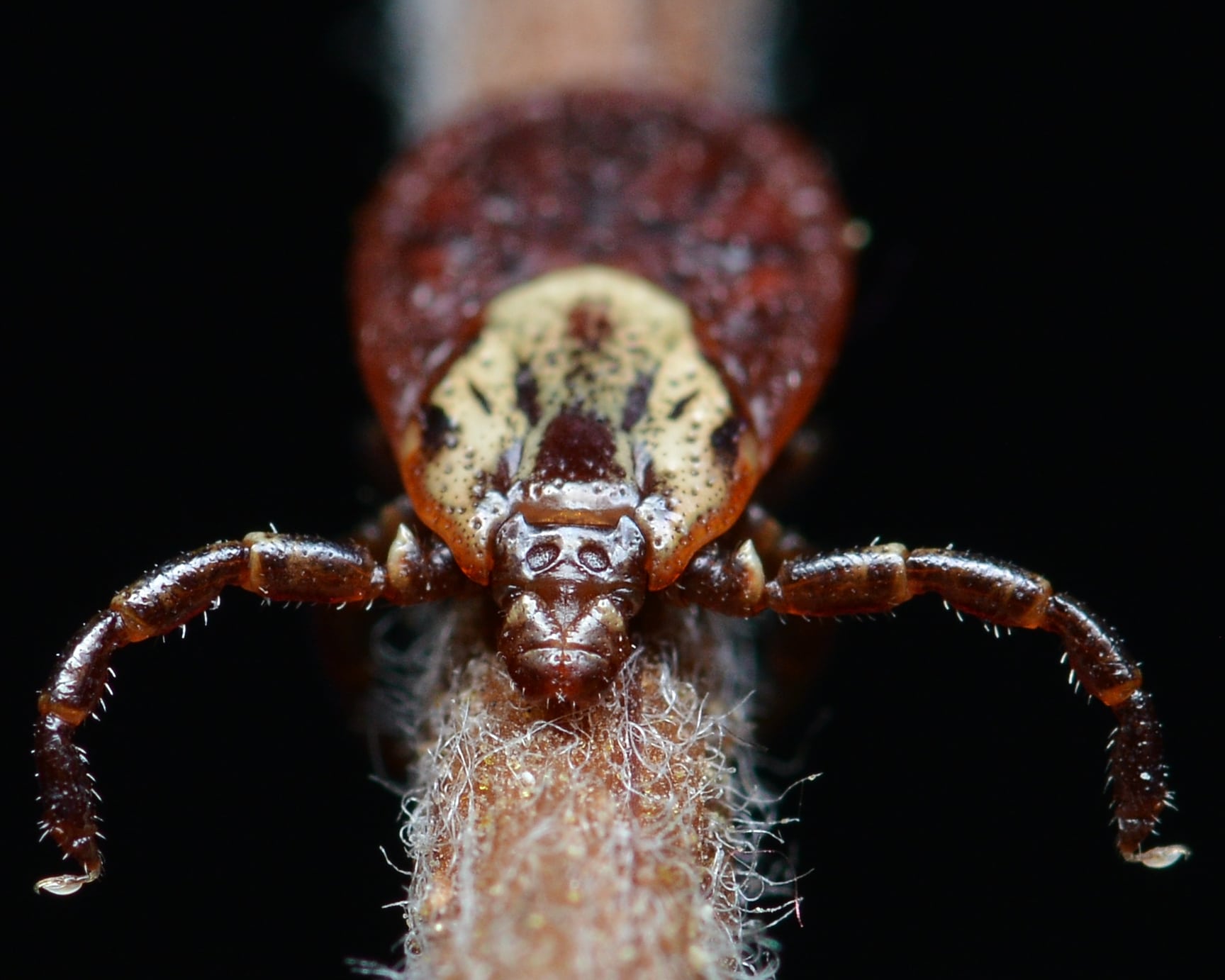
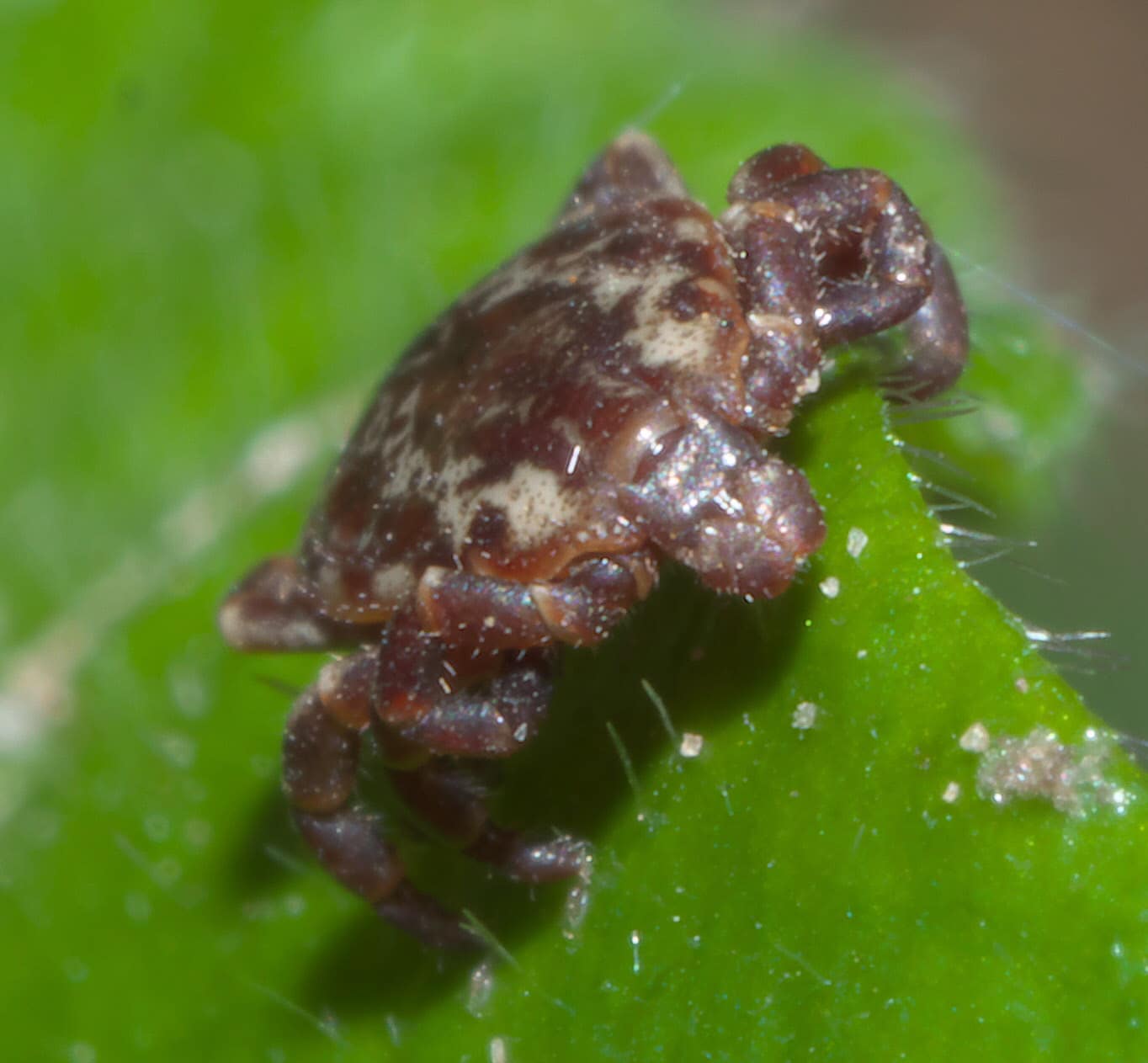
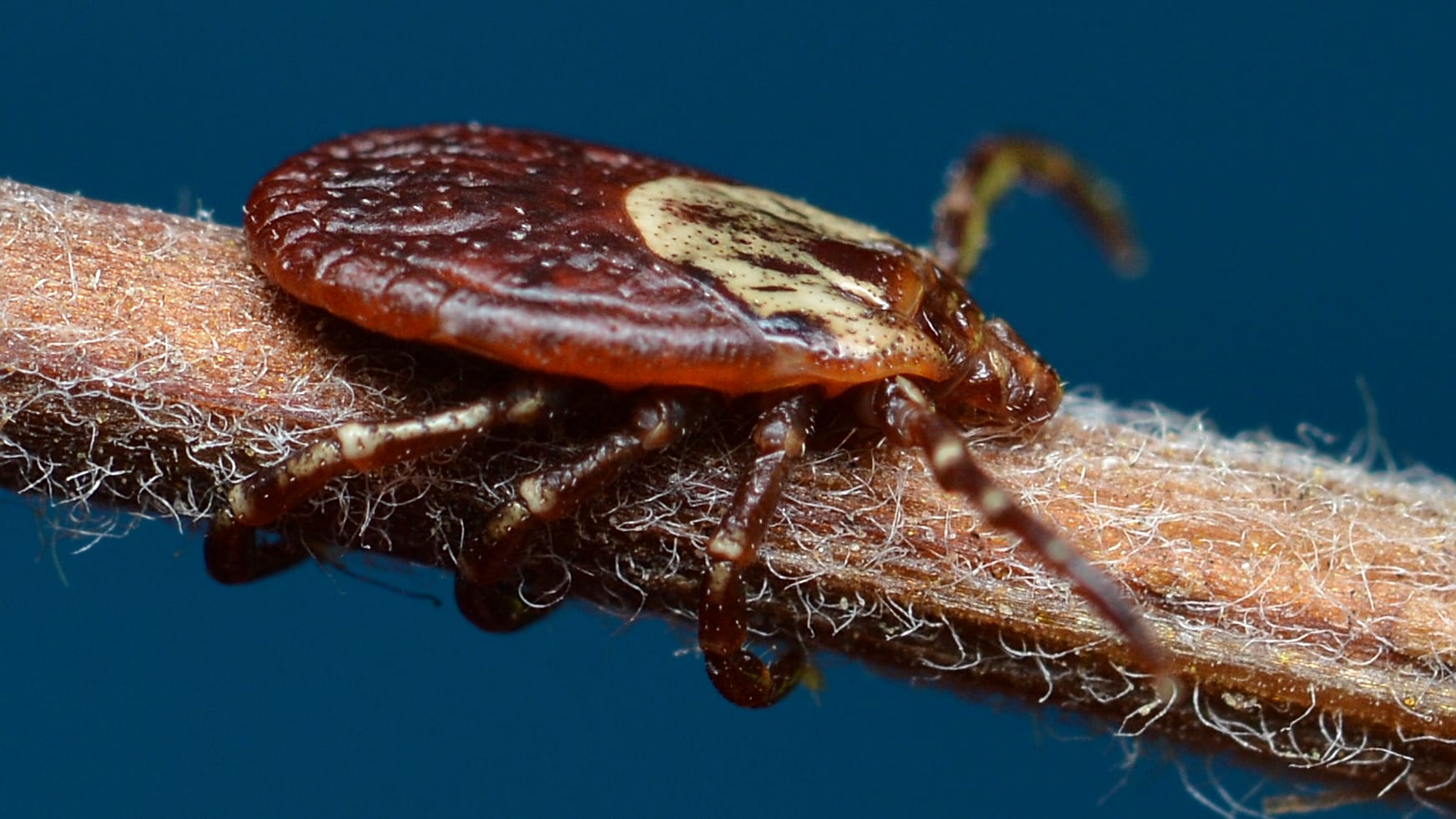
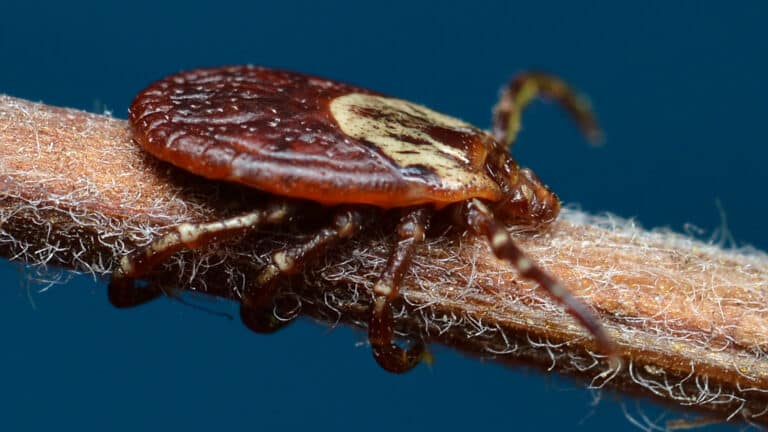
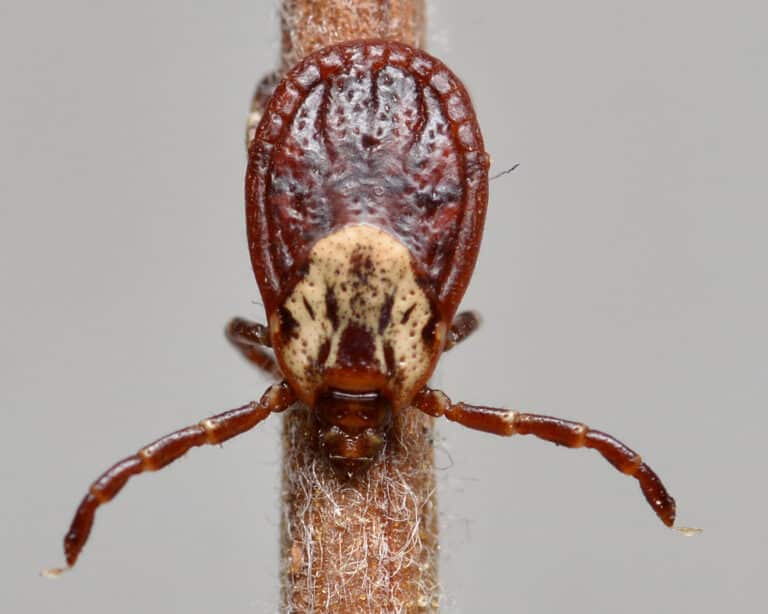
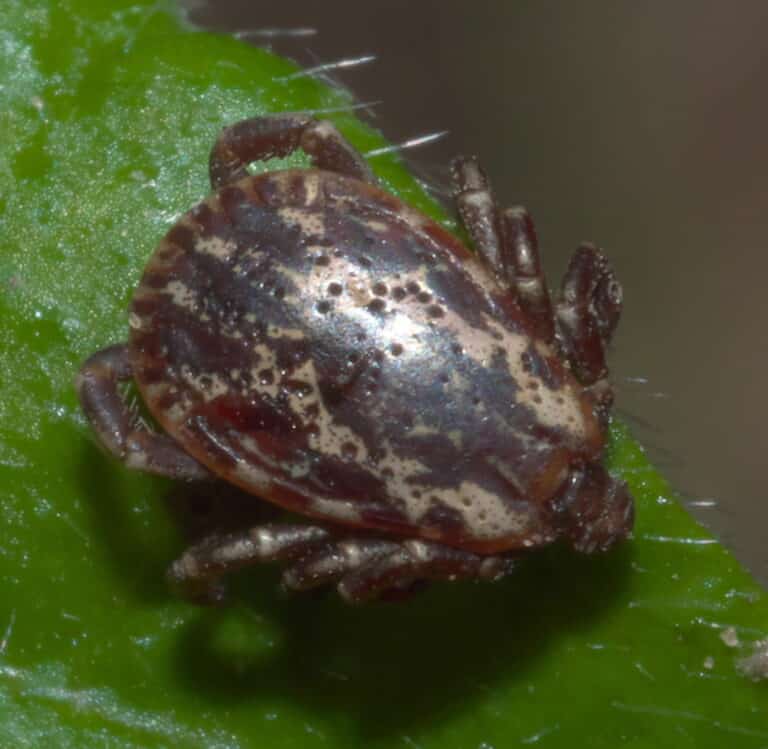
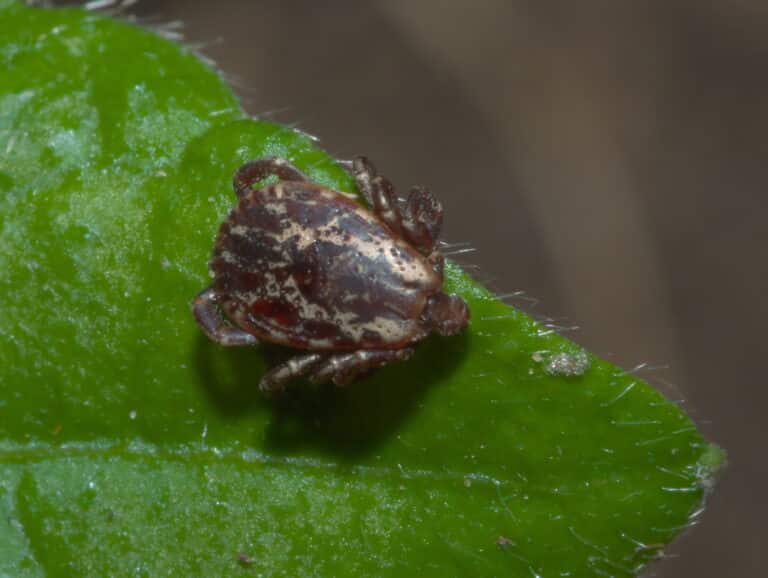
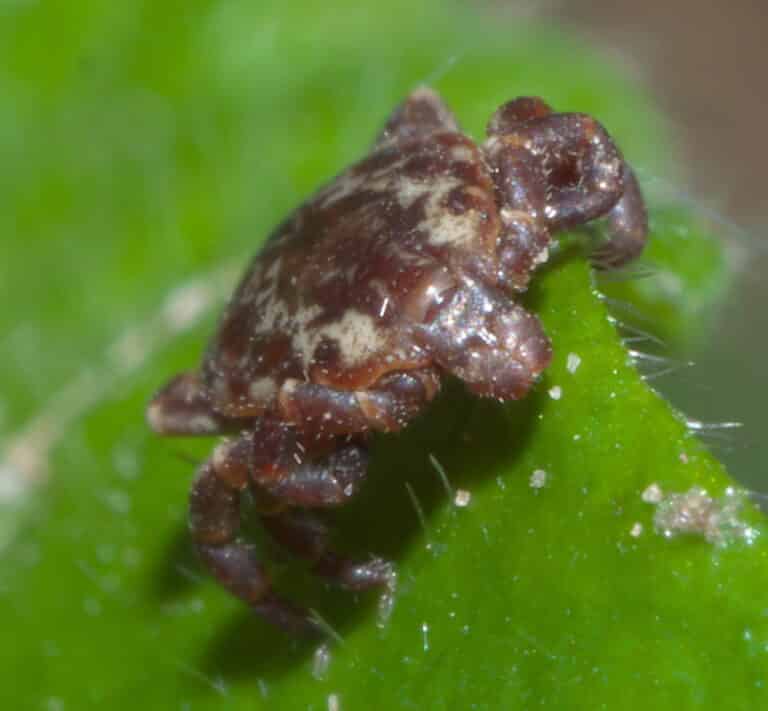
The American Dog Tick is a tiny but mighty member of the arachnid family, measuring just 3 to 5 millimeters long. These little critters thrive in North America and love to hang out in grassy and wooded areas, waiting for their next meal to waltz by.
American Dog Ticks are expert bloodsuckers! Their diet mainly consists of blood from mammals, including dogs and raccoons. Just like a miniature vampire, they attach to their host and feast until they are full.
These ticks have a surprisingly long lifespan for such small creatures, living up to 2 to 3 years. During this time, they have multiple opportunities to find a host and make a meal out of their blood, which helps them grow and reproduce.
American Dog Ticks belong to the order Ixodida, which is the same family as all other ticks. This important group plays a role in the ecosystem by being food for birds and other animals, as well as by transferring nutrients through their travels.
Don't let their size fool you; American Dog Ticks can carry diseases and should be treated with caution. Remember to check yourself and your pets after outdoor fun to avoid these sneaky little hitchhikers!
With their unique biology and role in nature, American Dog Ticks are truly fascinating creatures. They show us that even the smallest beings can have a big impact on their environment, making the wild world around us even more interesting!

Where can you find a American Dog Tick in the wild?
What does a American Dog Tick eat?
How big can a American Dog Tick grow?
How long does a American Dog Tick typically live?
What is the conservation status of the American Dog Tick?
What are the main threats to the American Dog Tick?
Fun facts
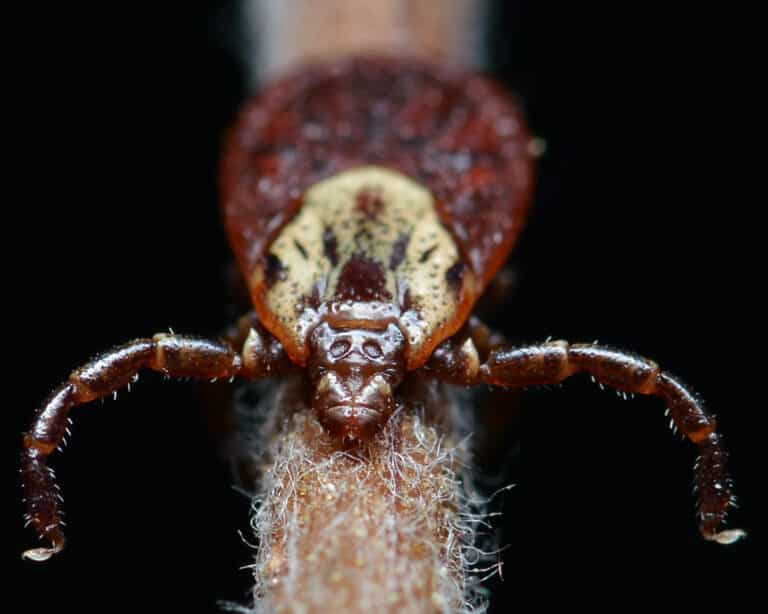
The American Dog Tick can detect scents from quite far away, allowing it to find its hosts with impressive accuracy. They use special sensory organs called Haller's organs located on their front pair of legs to sniff out mammals nearby!


Ticks love a good meal, and they can consume more than 10 times their body weight in blood! After a feast, they can appear so full that they look like tiny balloons.
American Dog Ticks have an amazing survival strategy. They can survive without food for up to 2 years, which helps them when hosts are hard to find. Talk about patience!
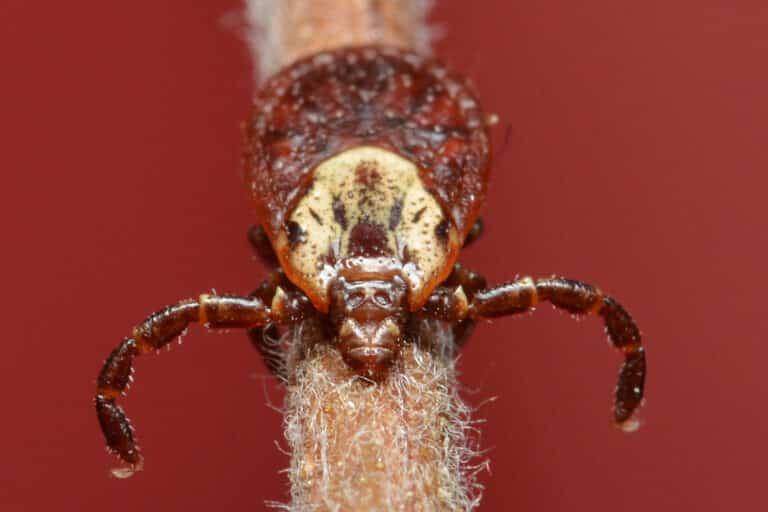
During their quest for blood, these little arachnids use a special mouthpart called a hypostome, which acts like a tiny anchor. This allows them to stay attached to their hosts, even if the host tries to shake them off!
While they are mainly viewed as pests, American Dog Ticks help the ecosystem. They serve as snacks for birds and other small animals, creating a tasty connection in the food chain.
Ticks are excellent hitchhikers! They can climb onto animals or humans that walk by, often waiting in tall grasses or bushes to find a ride. They have mastered the art of seeking out a free meal!
The molting process for ticks is quite fascinating. They shed their skin several times as they grow, starting as eggs, turning into larvae, nymphs, and finally adults, like tiny arachnid transformers!
While they may sound scary, American Dog Ticks are not born with diseases. They pick up these harmful microbes during their meals, making them more of a 'tiny transfer service' than just bloodsuckers.
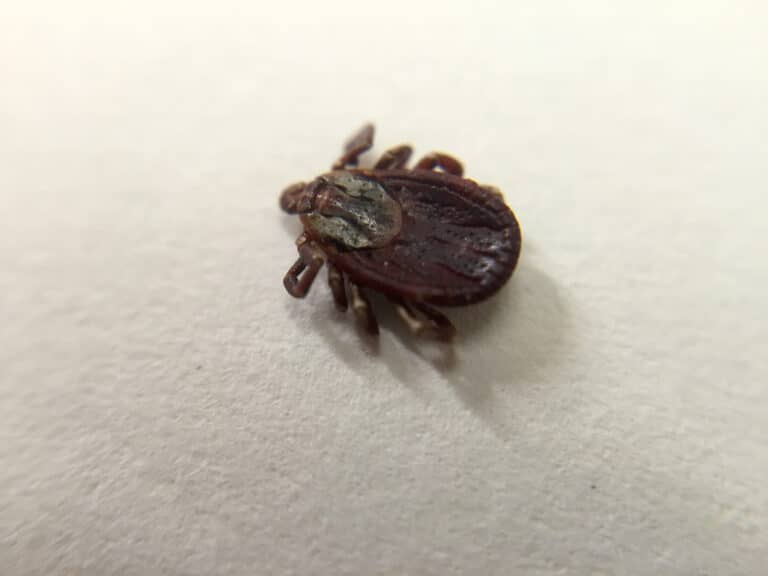
Some American Dog Ticks can change color from brown to a pale greenish color after feeding! This makes them look like little jewels, glowing after a successful meal.
These ticks sometimes partner up in their own social way. Female ticks can lay thousands of eggs, resulting in 'tick family reunions' as new generations hatch and start their own adventures!
Photos





The Basics


explore more
Amphibians
Arachnids
Birds
Cats
Crustaceans
Fish
Fish Pet Guide
Gastropods
Insects
Invertebrates
Mammals
Pet Fish
Pet Rodents
Plants
Reptiles
Roundworms
Sea Slugs