Successfully copied to clipboard!
Anaconda
Explore the thrilling world of nature's giant river serpents!
Let’s Explore
Overview
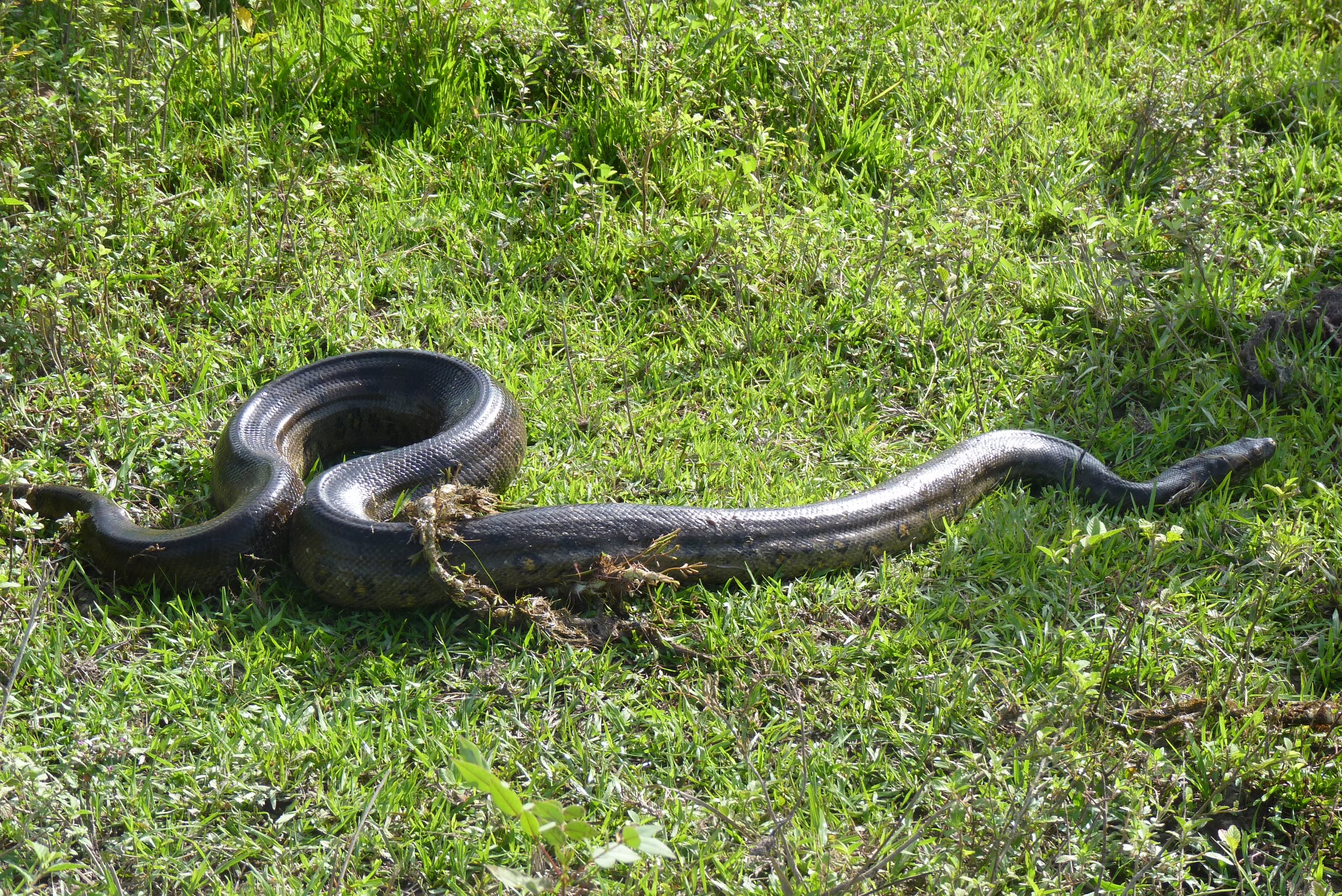
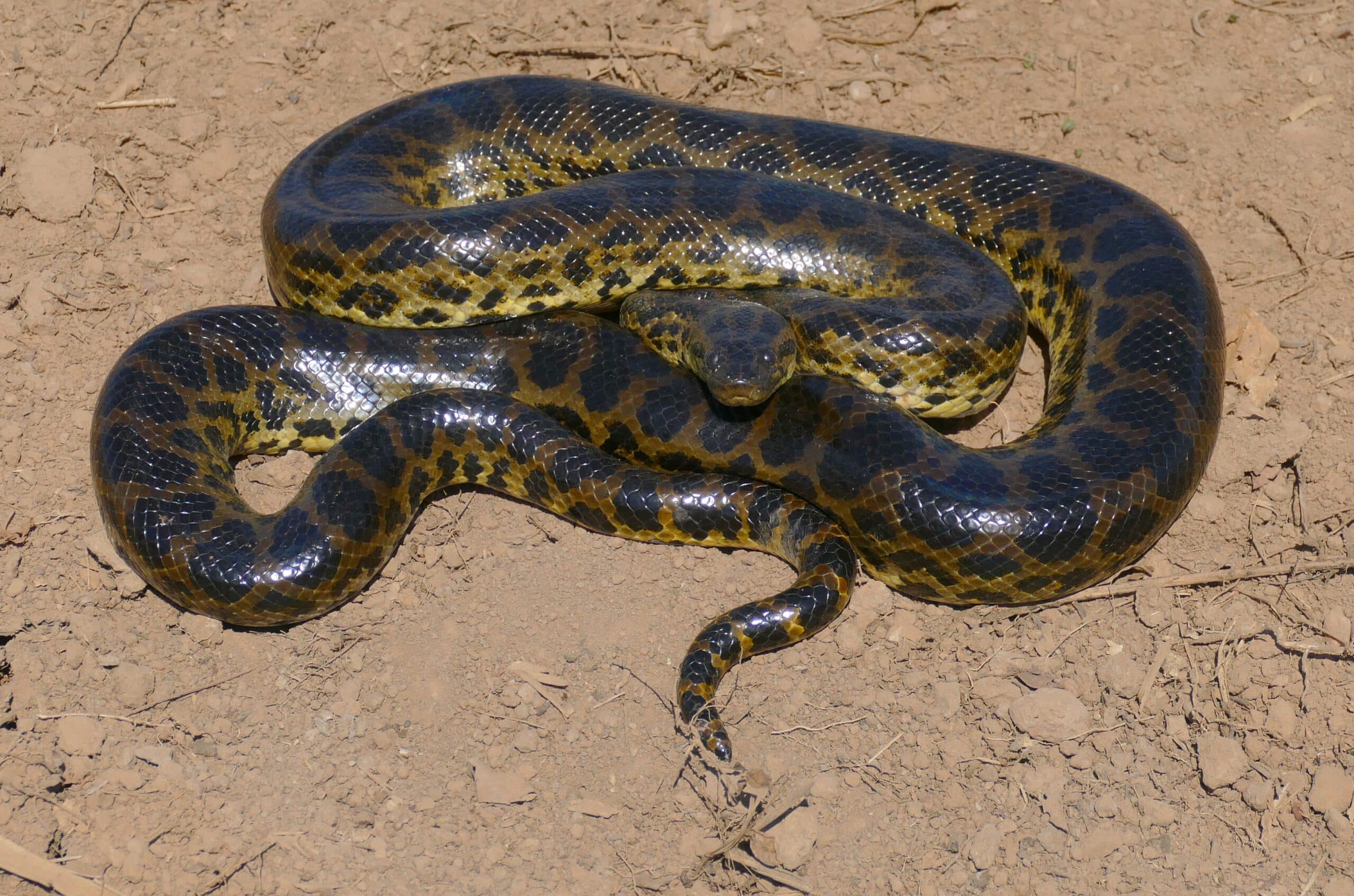
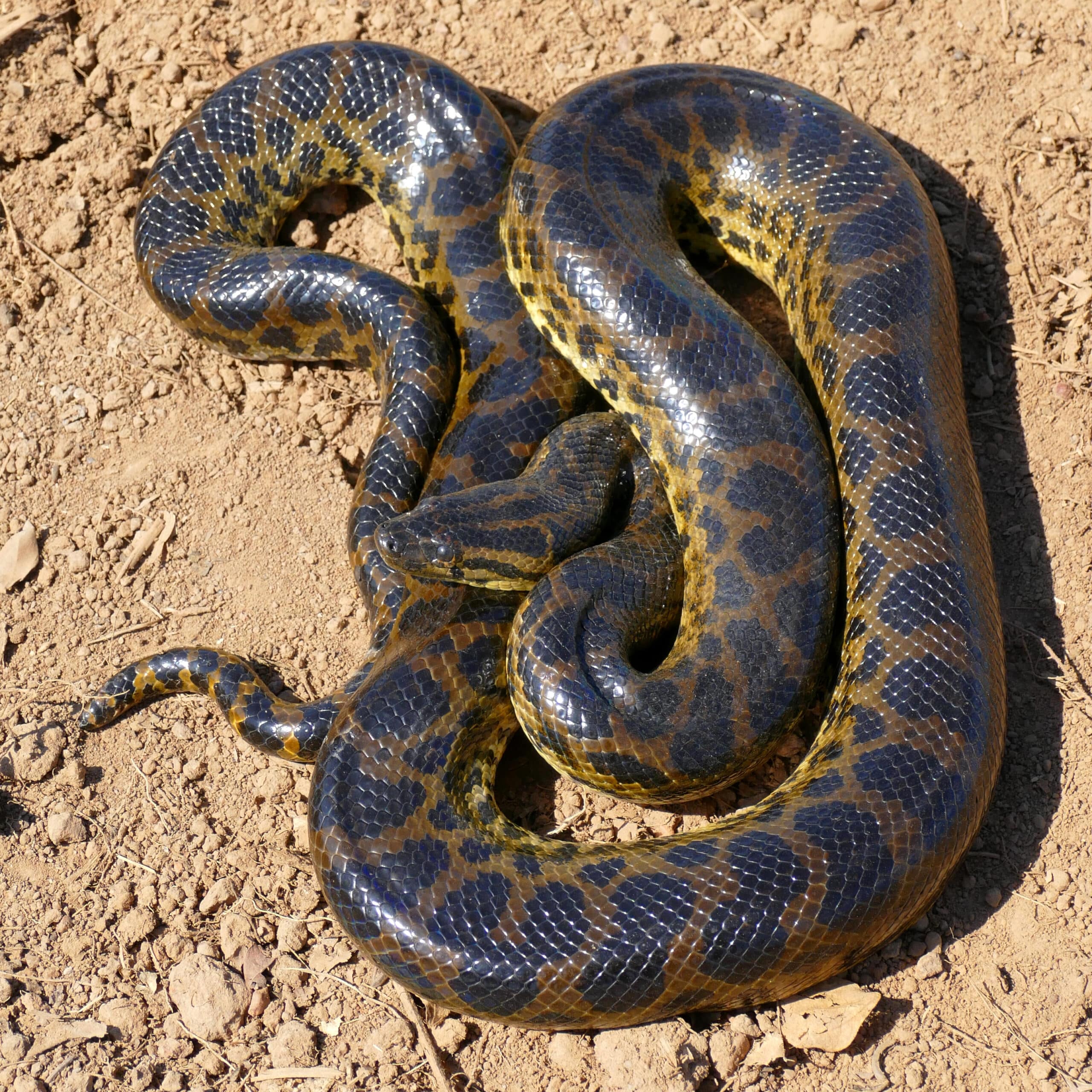
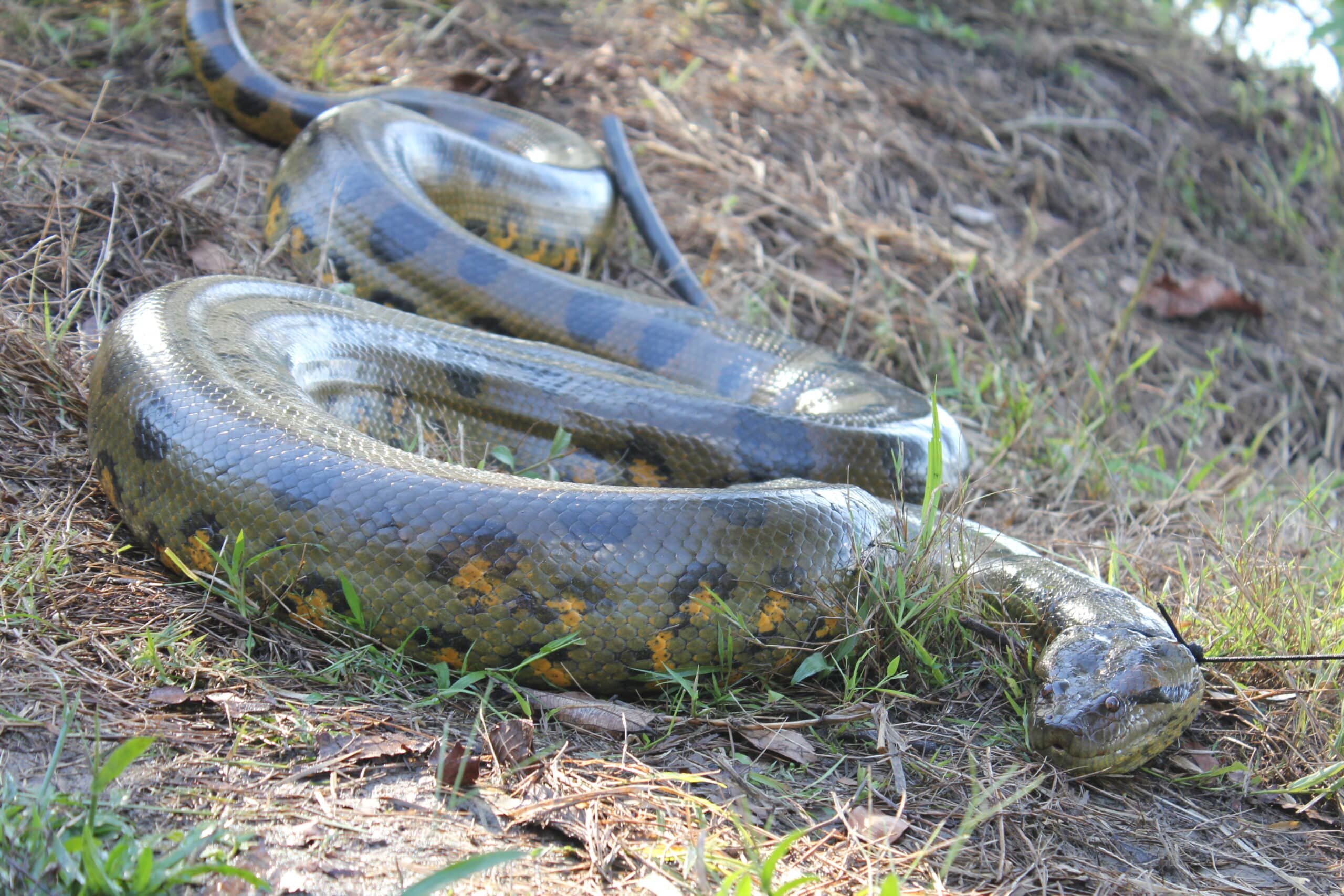
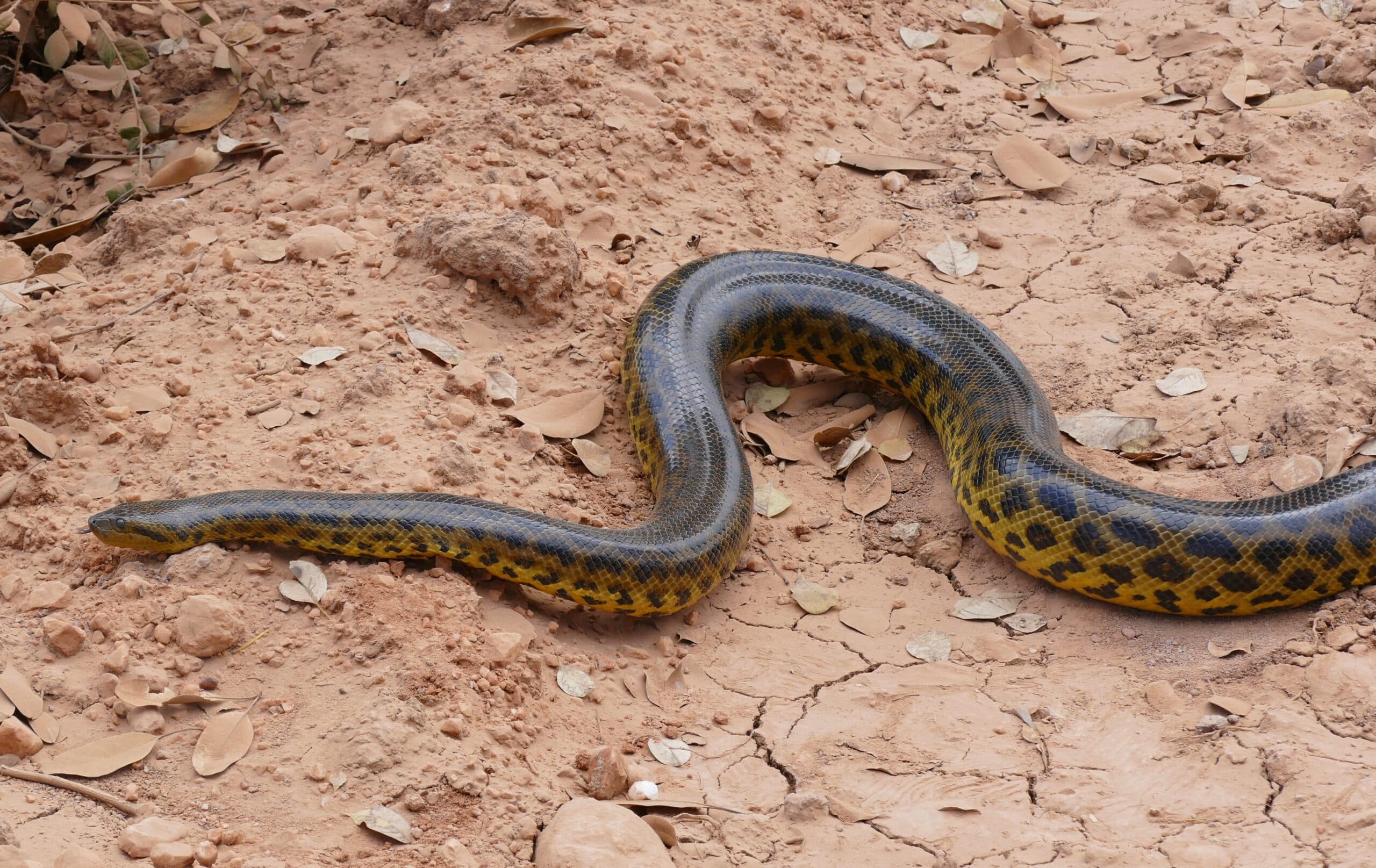
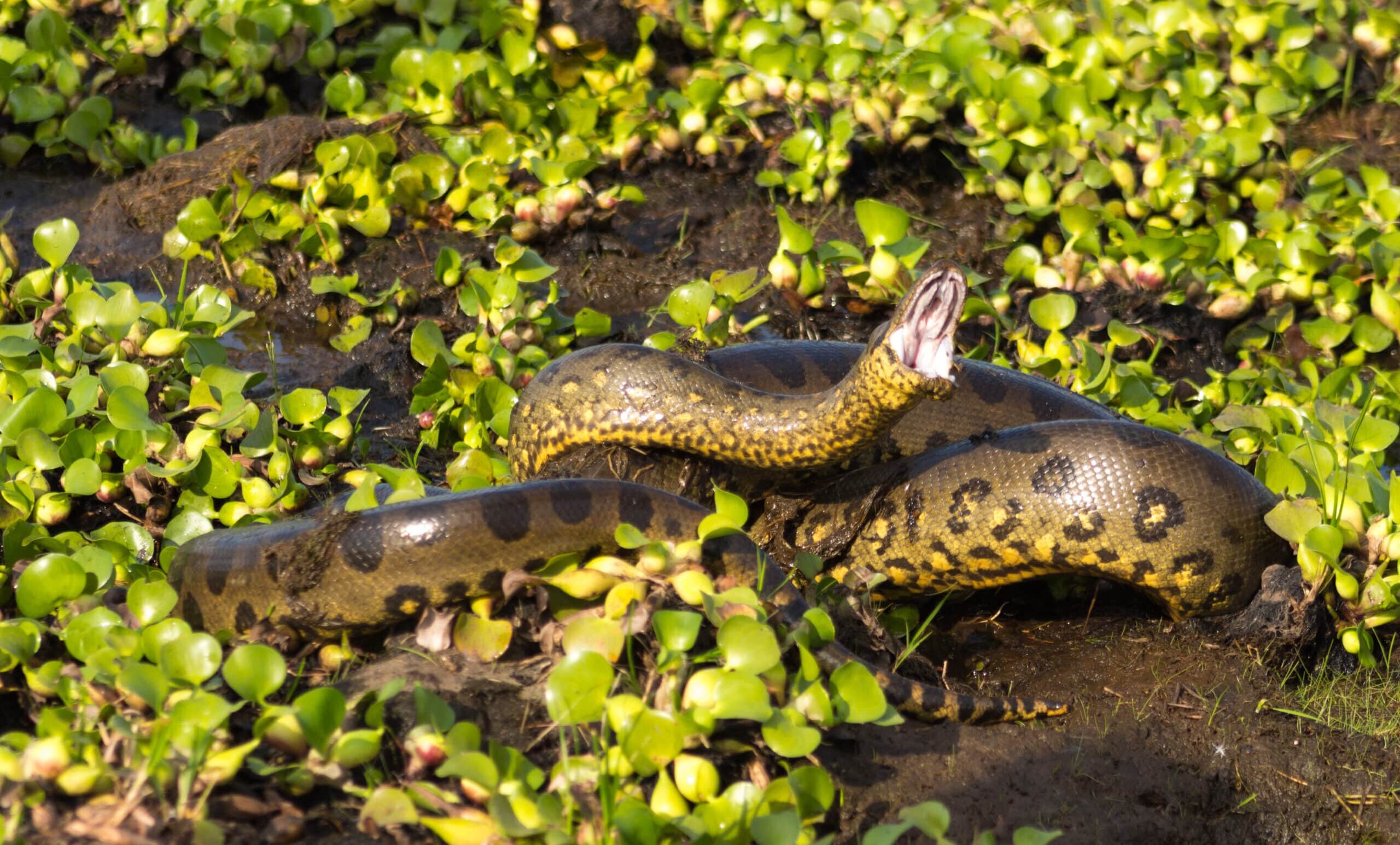
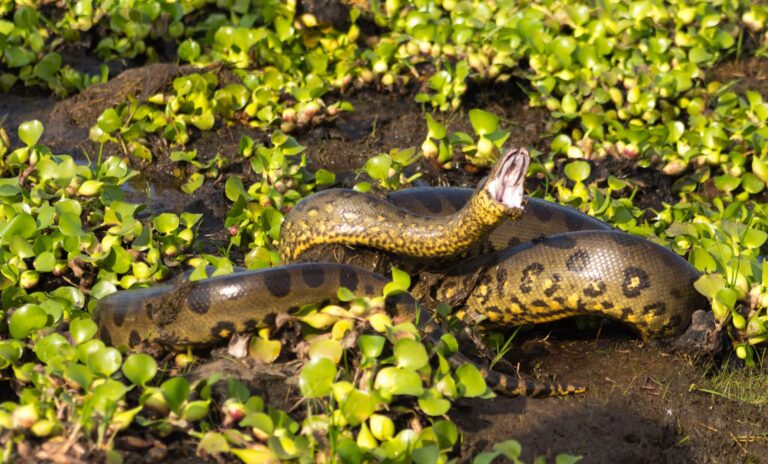
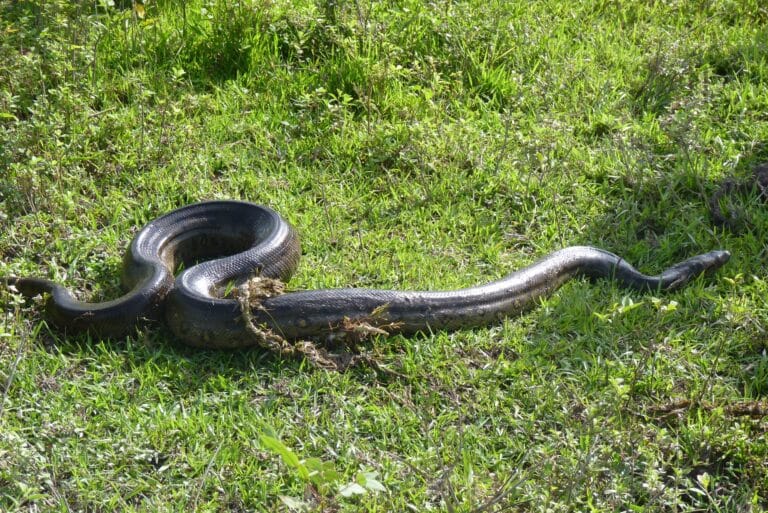
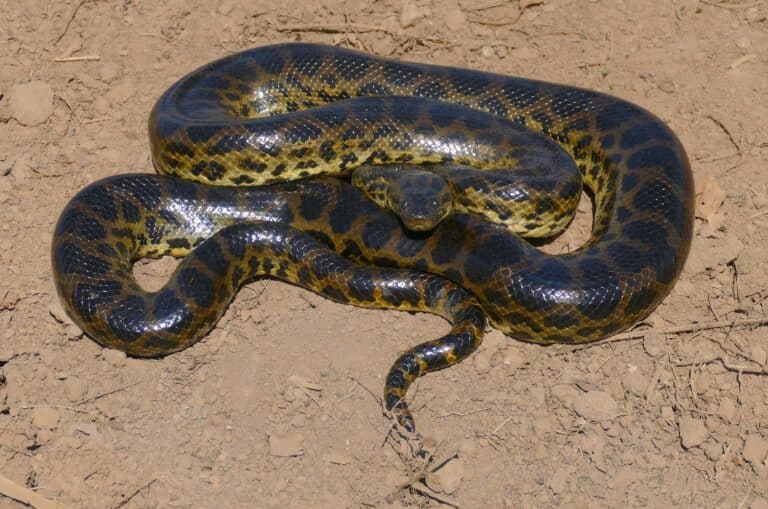
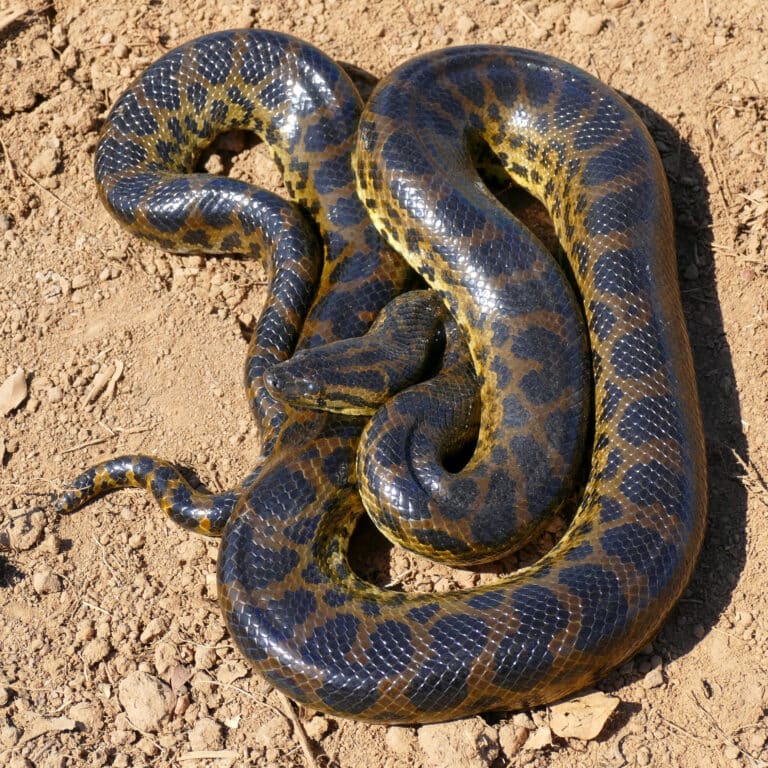
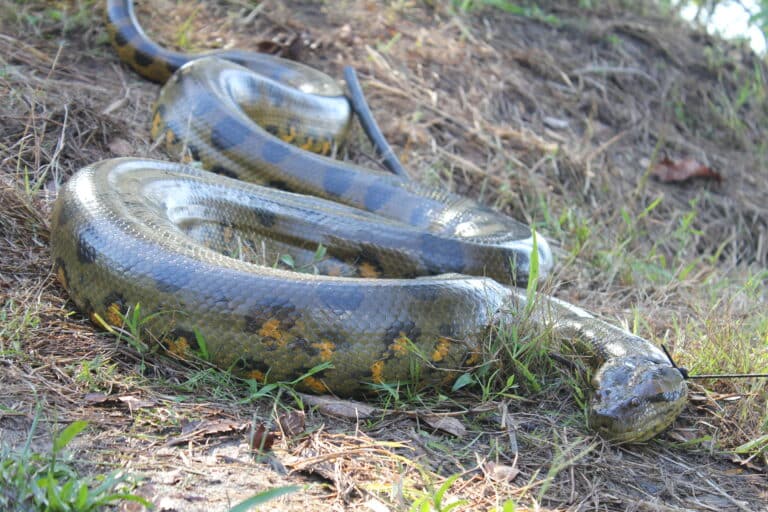
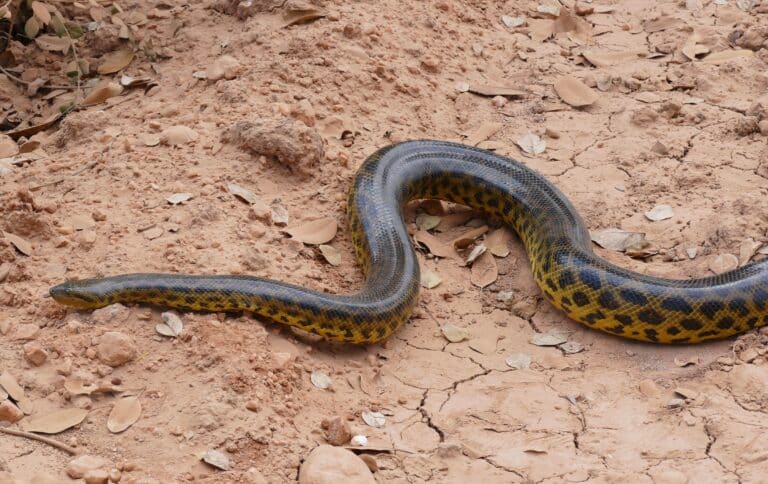
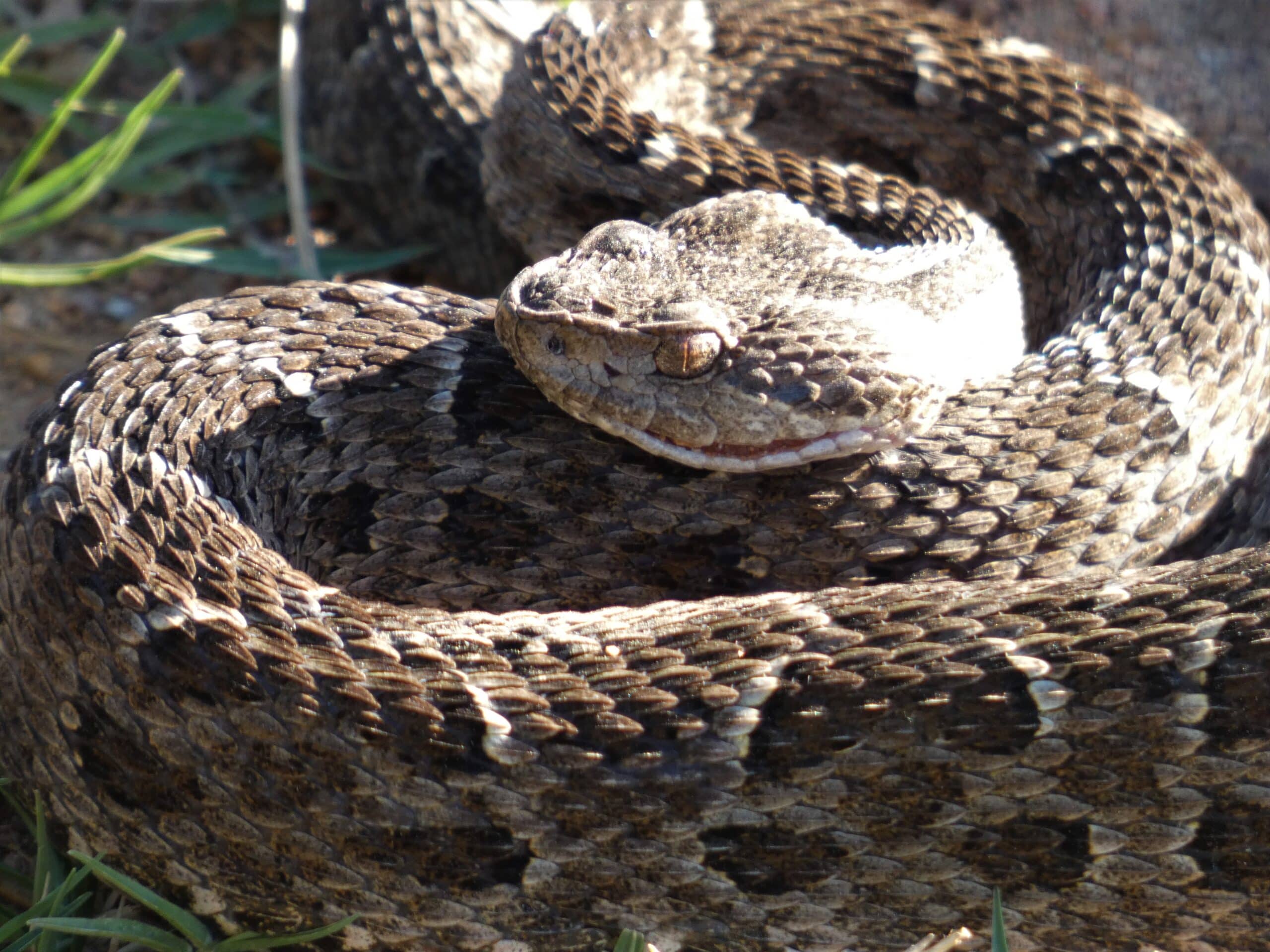
The Anaconda is a giant snake that slithers its way through rivers and swamplands in South America. It belongs to the family of Boidae and holds the title for one of the largest snakes in the world!
Anacondas can grow up to 9 meters (30 feet) long, which is longer than a school bus! With such a massive size, they often get mistaken for mythic creatures right out of a storybook.
This remarkable reptile enjoys a varied diet. Anacondas feast on fish, birds, mammals, and even other reptiles. Think of them as the ultimate river buffet—their favorite dish is whatever swims or strolls too close!
Anacondas have a secret weapon: powerful muscles that help them constrict their prey. They wrap their long bodies around unsuspecting animals, squeezing tightly before dinner is served.
<pWith a lifespan of 10 to 12 years, Anacondas have plenty of time to roam their watery habitats. They glide gracefully through the water, making them one of nature’s stealthiest hunters.
These fantastic snakes are usually found lounging in the sun or slinking through water. If you spot one in the wild, remember to marvel at their beauty from a safe distance—safety first, adventure later!
The Anaconda is a brilliant example of nature's wonders. Their impressive size, unique behaviors, and extraordinary habitats make them a creature worth learning about and enjoying!

Where can you find a Anaconda in the wild?
What does a Anaconda eat?
How big can a Anaconda grow?
How long does a Anaconda typically live?
What is the conservation status of the Anaconda?
What are the main threats to the Anaconda?
Fun facts
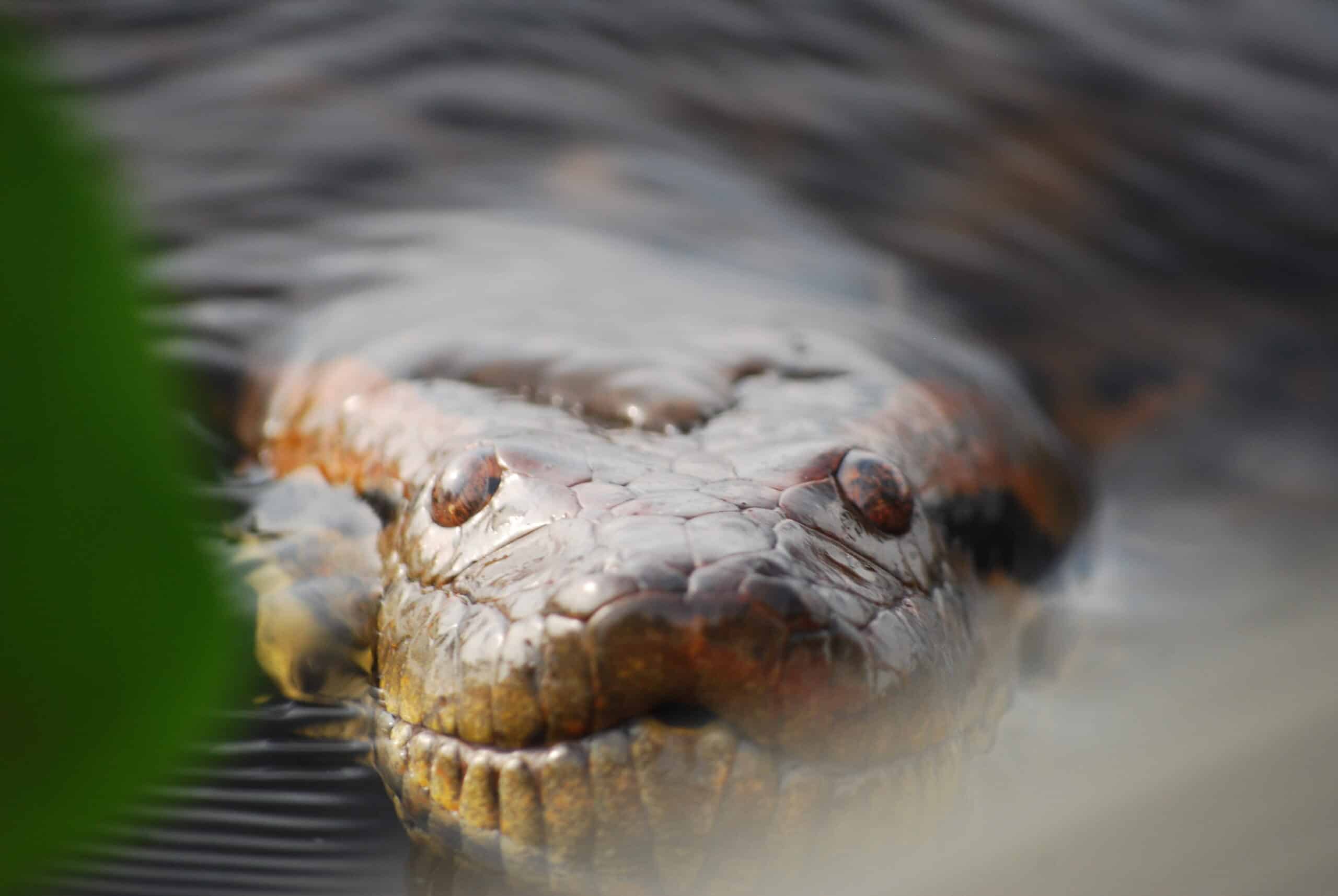
Anacondas are expert swimmers and can hold their breath for up to 10 minutes underwater, allowing them to sneak up on their prey like a stealthy underwater ninja!


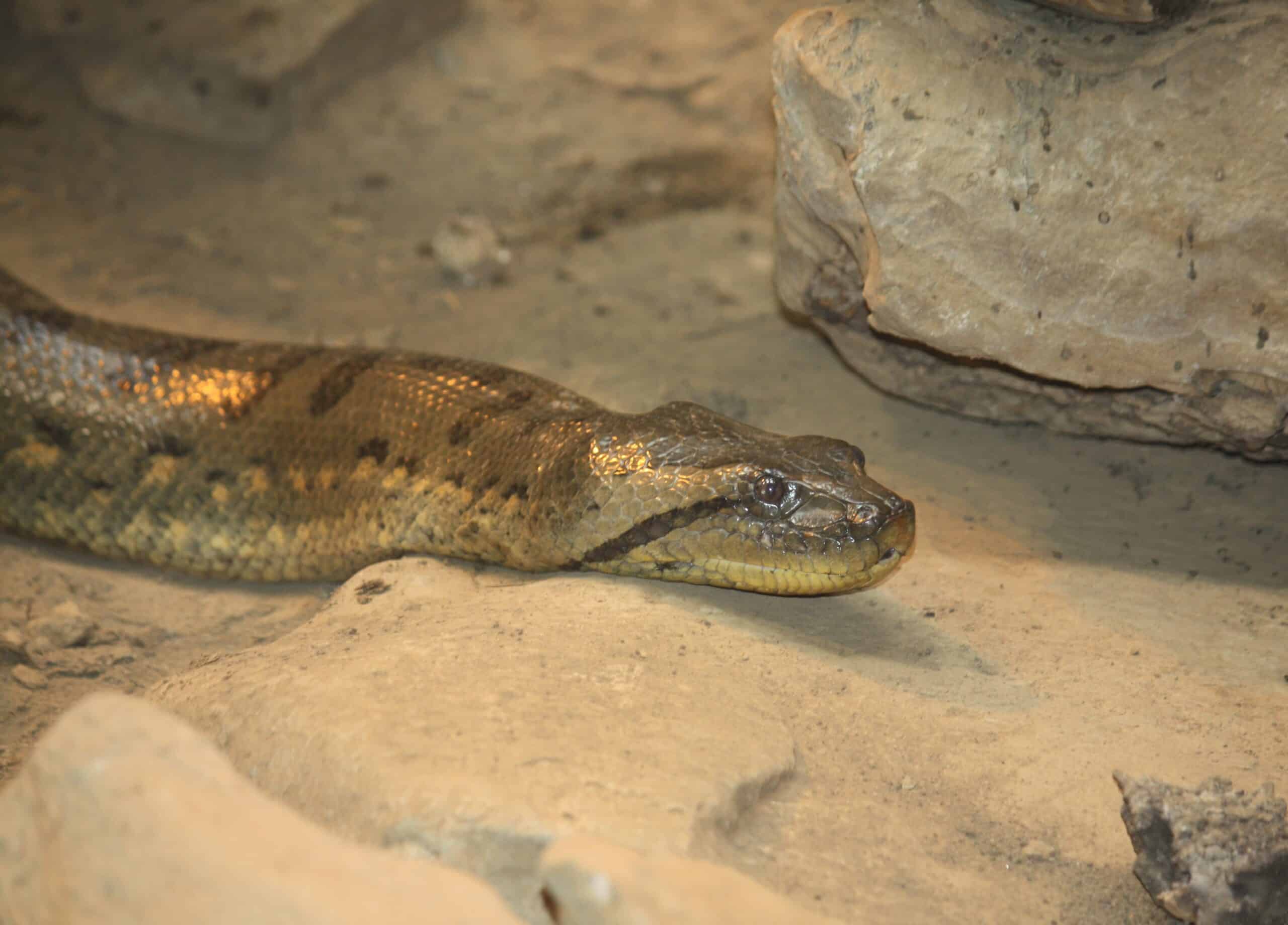
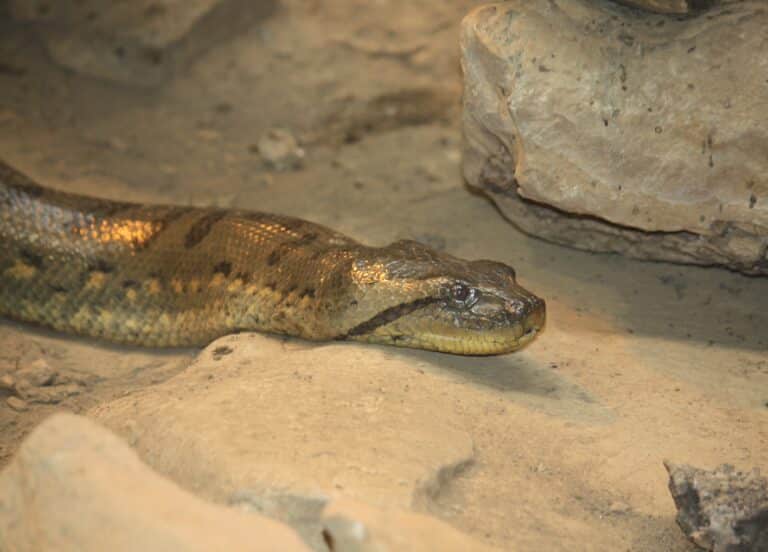
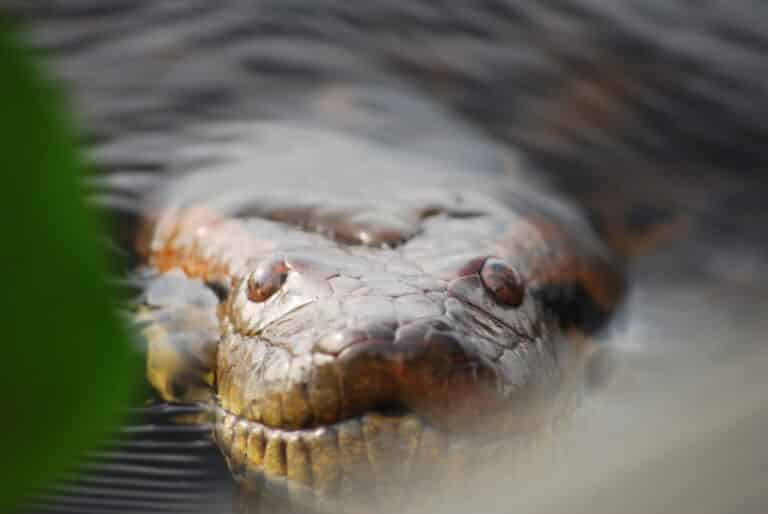
Their eyes and nostrils sit on top of their heads. This means they can see and breathe while mostly submerged in water, making them great hunters!
Anacondas are cold-blooded, which means they rely on the sun to warm up. They love to bask on sunny riverbanks, soaking in the sunlight like a big, green reptile blanket.
During mating, male anacondas often engage in a competition called a 'breeding ball.' Multiple males will wrap around a female to try to win her favor. It’s like a snake dance-off!
Anacondas can eat prey that is much larger than their heads! They can stretch their jaws wide open, allowing them to gulp down food as big as a deer or even a caiman!
Anacondas can weigh more than 227 kilograms (500 pounds)! That’s heavier than a small bear, proving that these snakes are more than just big— they are muscular and powerful.
After giving birth, female anacondas can have up to 40 babies at once, which are known as neonates. These little ones are already around 60 to 90 centimeters (2 to 3 feet) long and ready to swim!
These giant snakes have been known to reach lengths of up to 11 meters (36 feet) in rare cases, making them some of the longest snakes on Earth!
The skin of an anaconda can change colors! They can darken or lighten to help them blend in with their surroundings, making them super sneaky!
Some cultures in South America consider anacondas to be symbols of strength and wisdom. Many stories tell of their majestic powers in nature, making them fascinating creatures in folklore!
Photos




The Basics


explore more
Amphibians
Arachnids
Birds
Cats
Crustaceans
Fish
Fish Pet Guide
Gastropods
Insects
Invertebrates
Mammals
Pet Fish
Pet Rodents
Plants
Reptiles
Roundworms
Sea Slugs