
Successfully copied to clipboard!
Viper
Unleash your curiosity about this amazing forest slitherer!
Let’s Explore
Overview
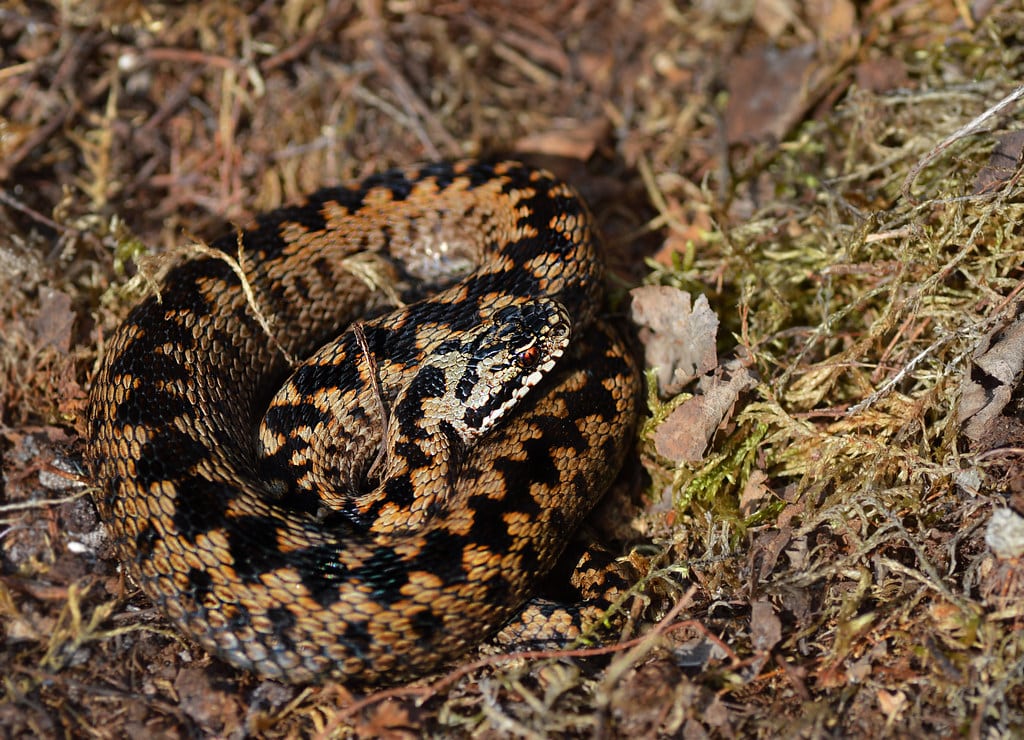
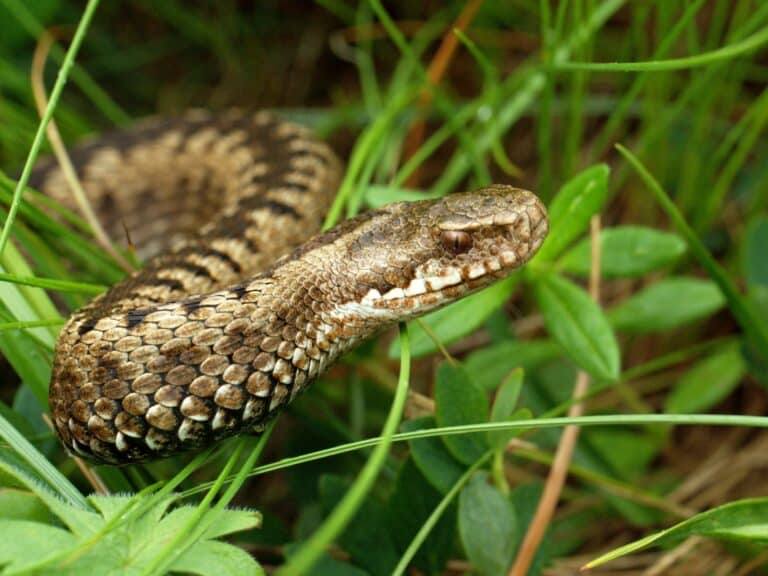
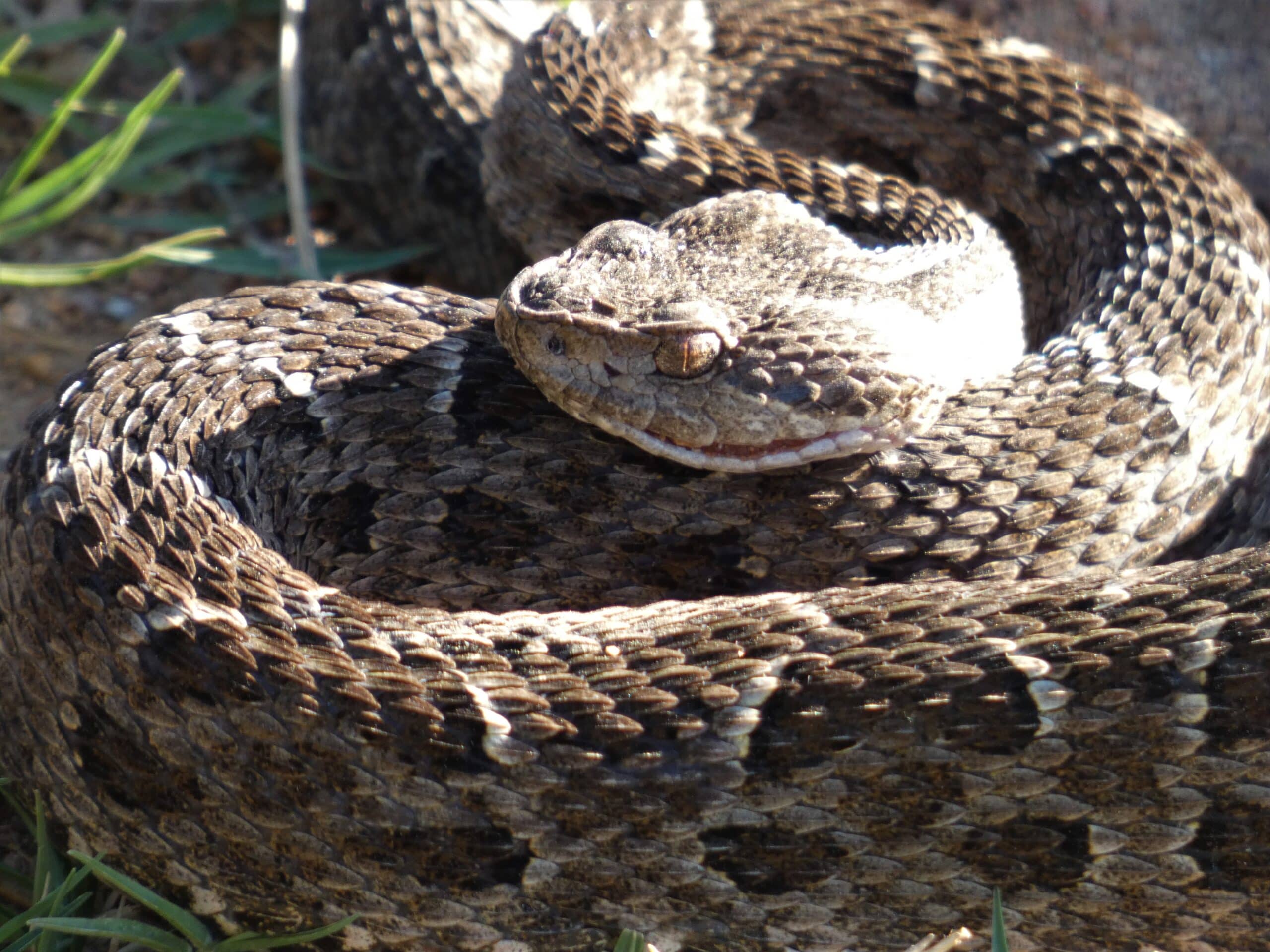
The Viper, with the scientific name Vipera berus, slithers into our hearts as a member of the reptile family. This cool creature can grow to about 2 feet long, making it a perfect size to inhabit various environments in Africa.
Vipers are not just known for their cool looks; they also have a diet packed with excitement! They feast on small rodents and lizards, using their sharp fangs to catch dinner. Talk about a real-life snake charmer!
These intriguing reptiles can lead quite the lengthy life, living between 10 to 15 years. This gives them plenty of time to wiggle through the grass and explore their surroundings in search of tasty meals.

Where can you find a Viper in the wild?
What does a Viper eat?
How big can a Viper grow?
How long does a Viper typically live?
What is the conservation status of the Viper?
What are the main threats to the Viper?
Fun facts
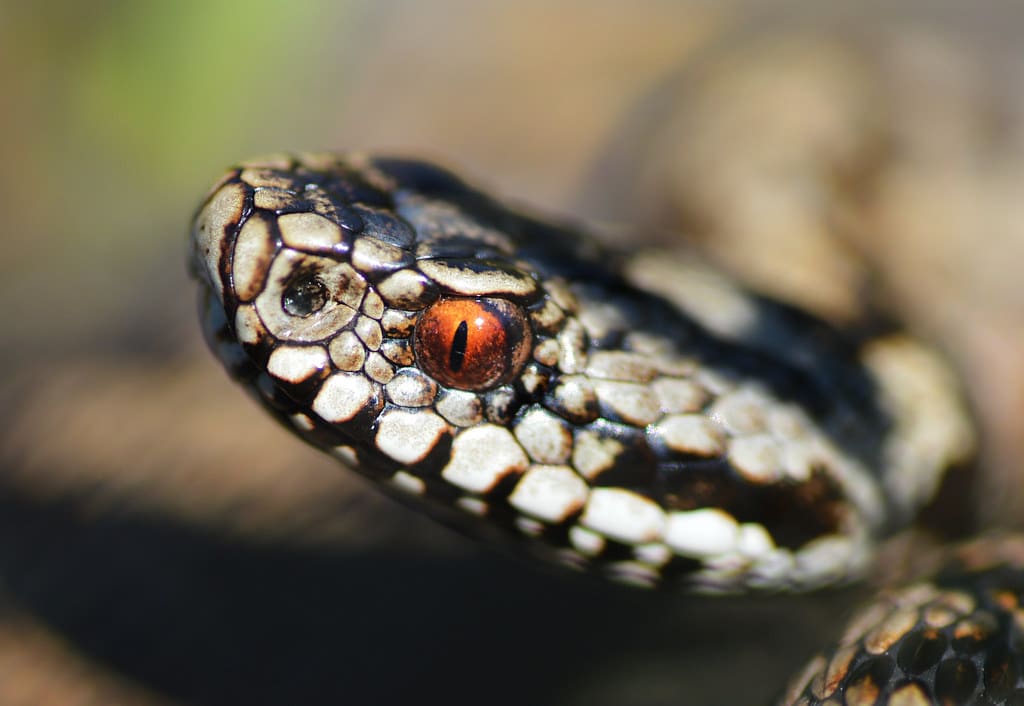
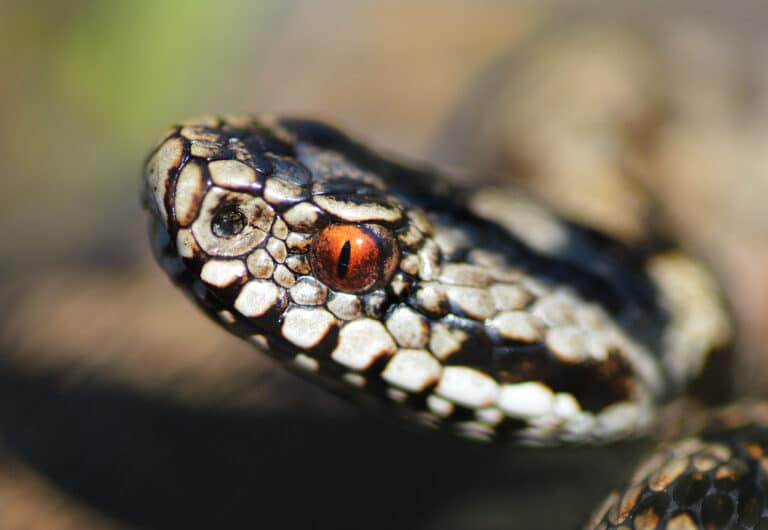
The Viper has a unique way of hunting. It uses heat-sensing pits located on its face to detect warm-blooded prey, making it a thermal detective in the wild!


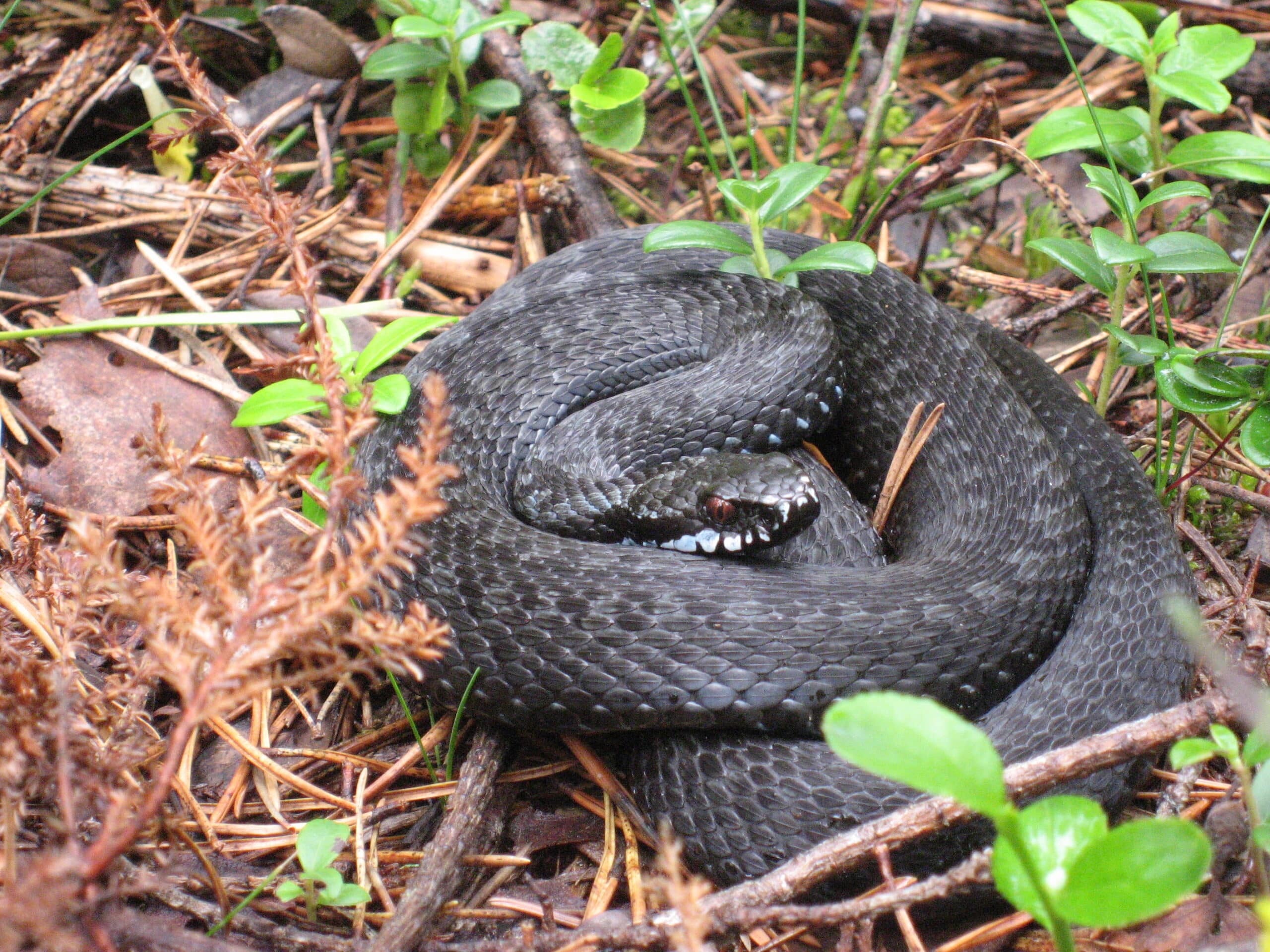
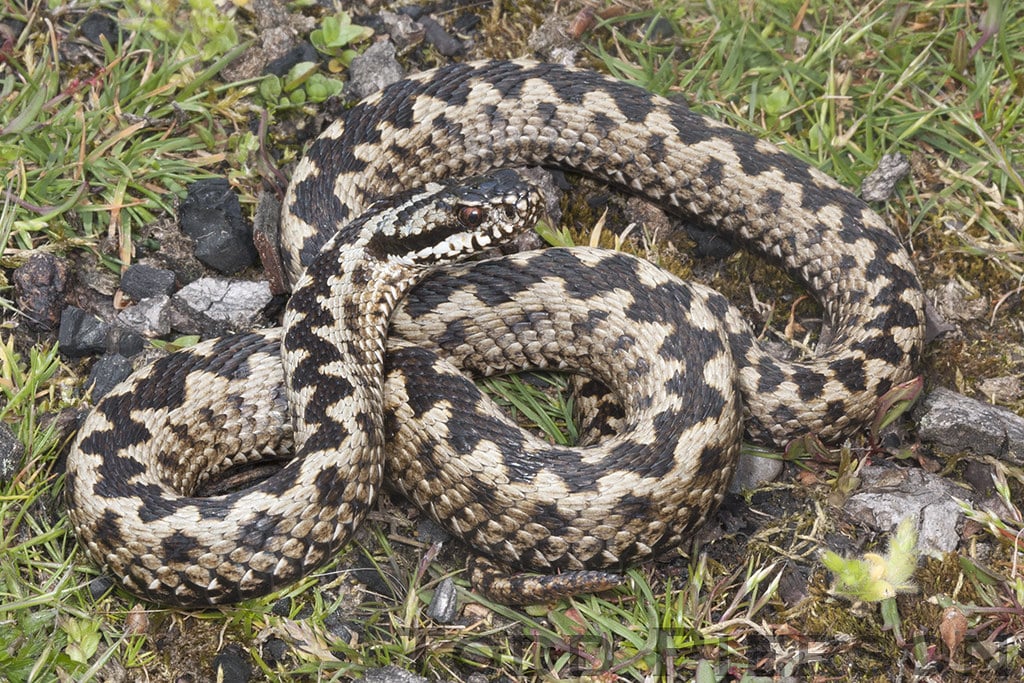
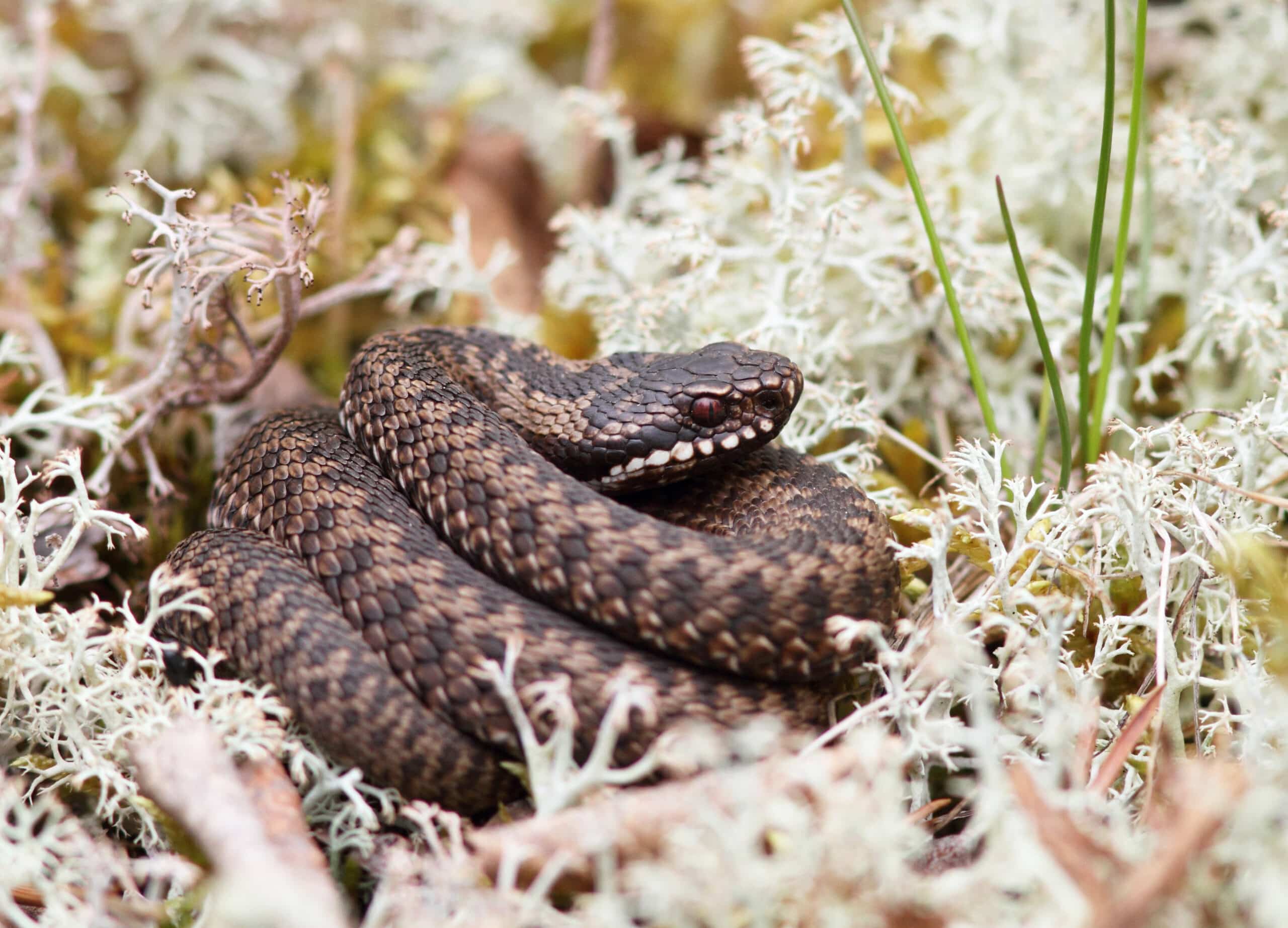
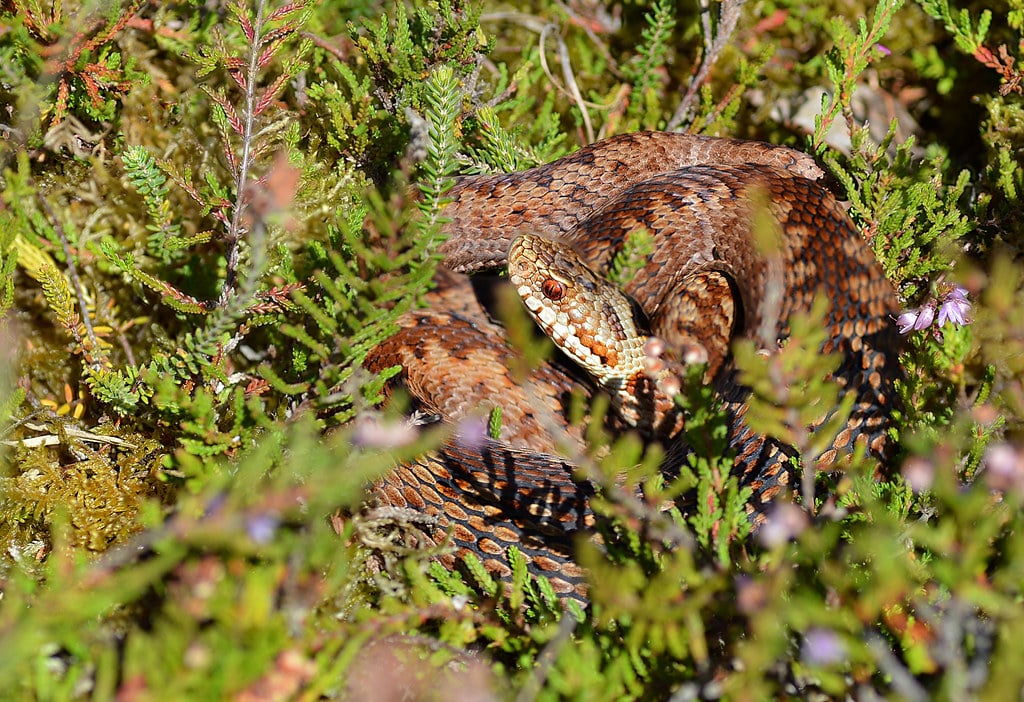
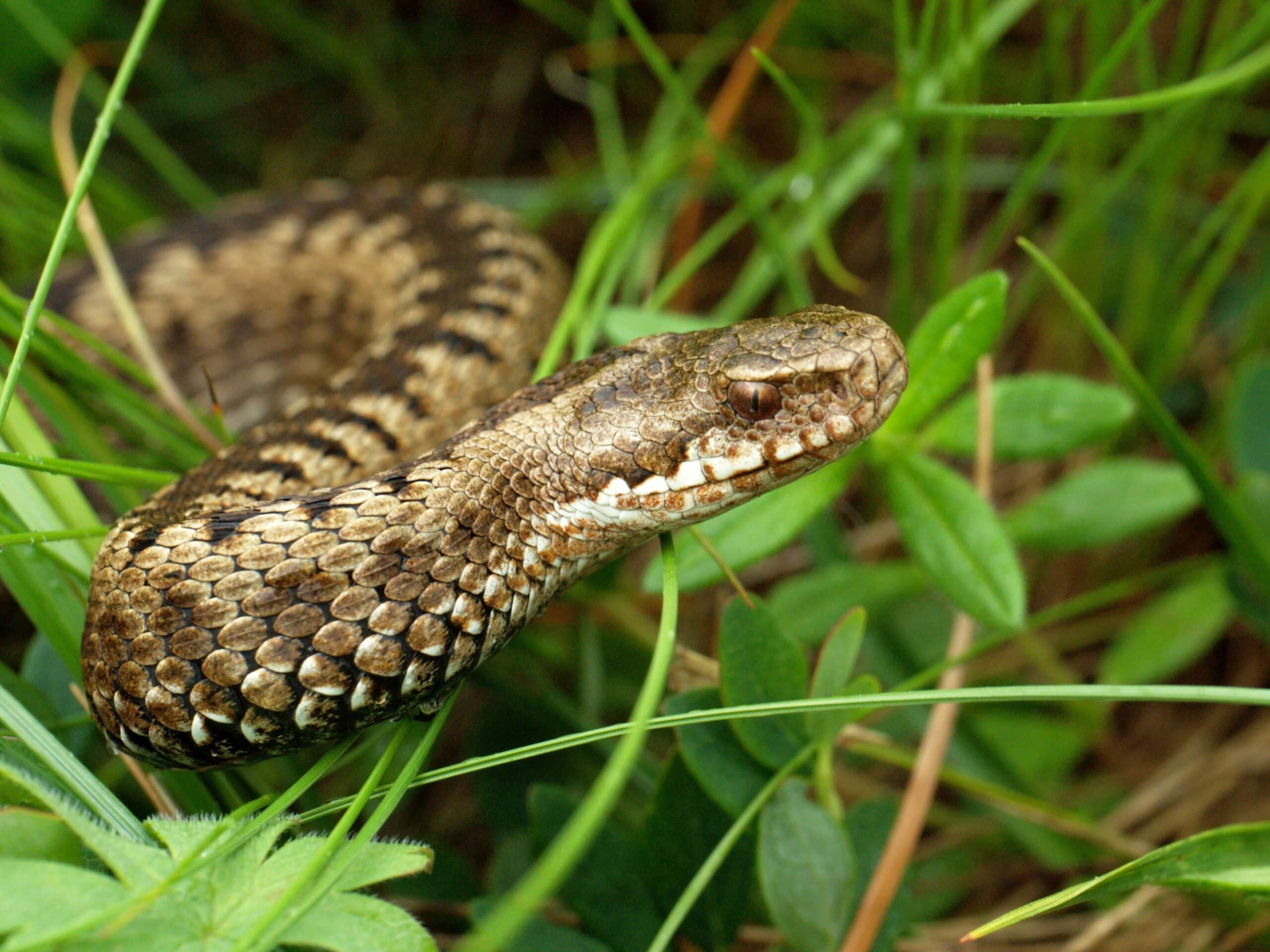
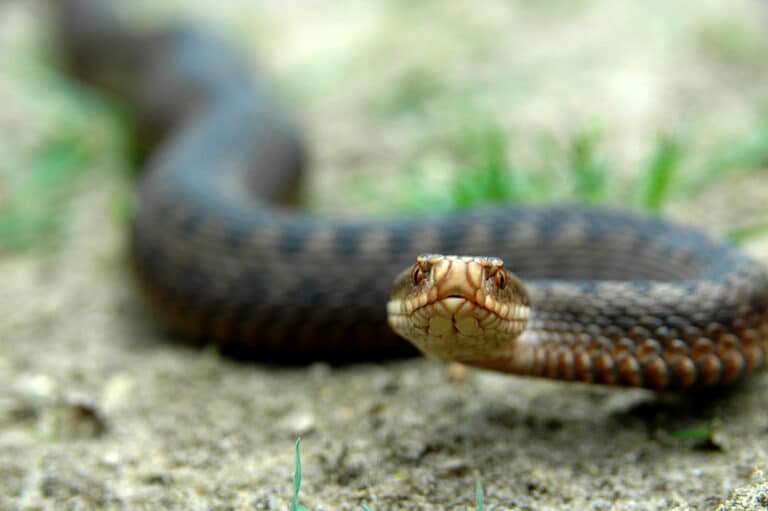
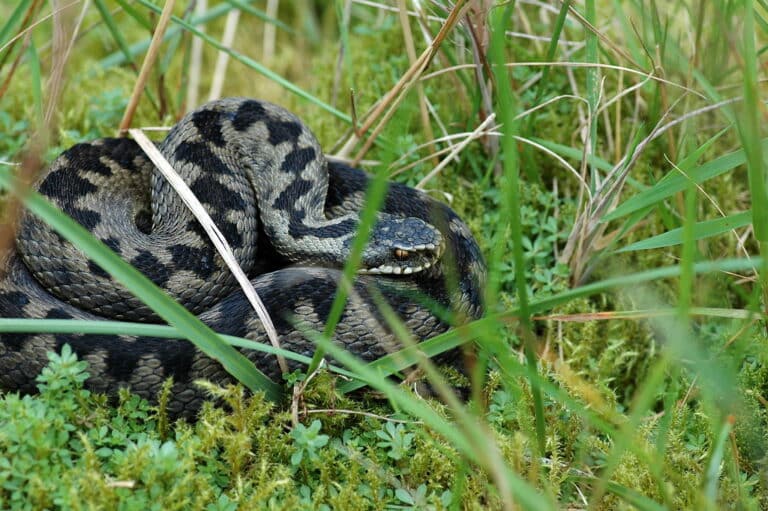
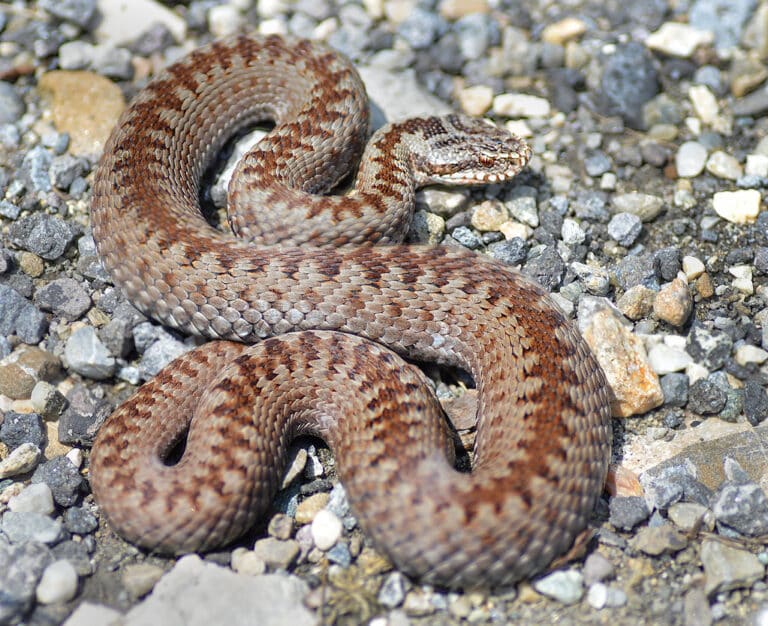
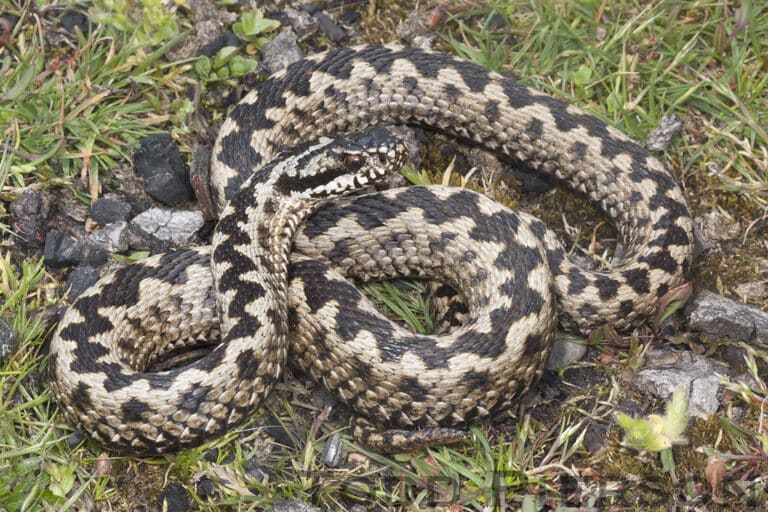
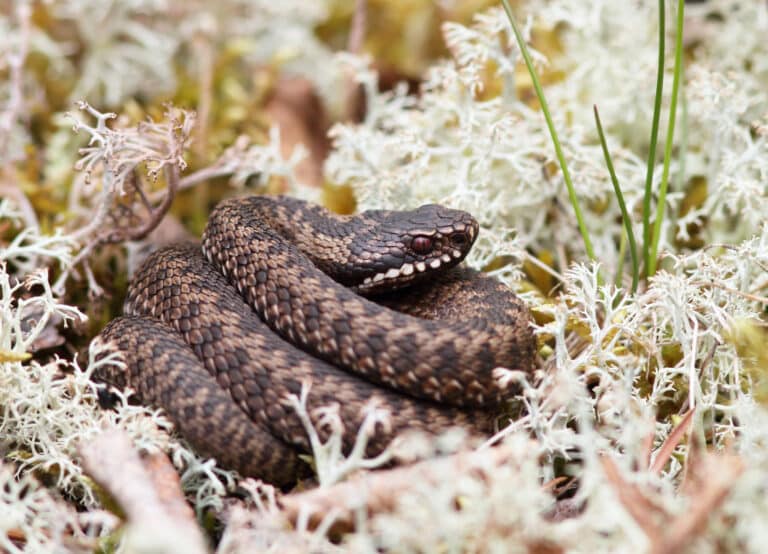
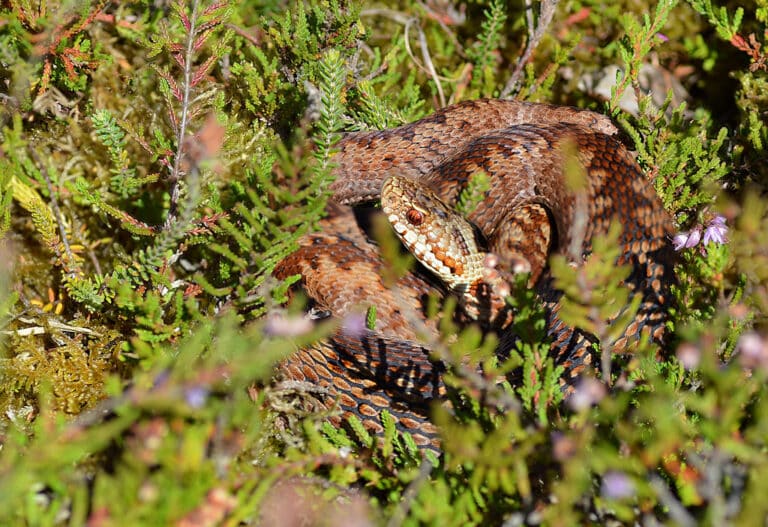
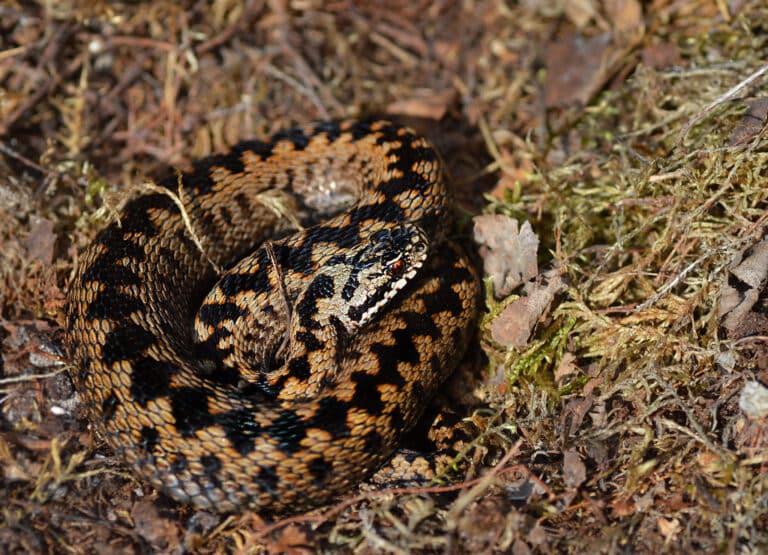
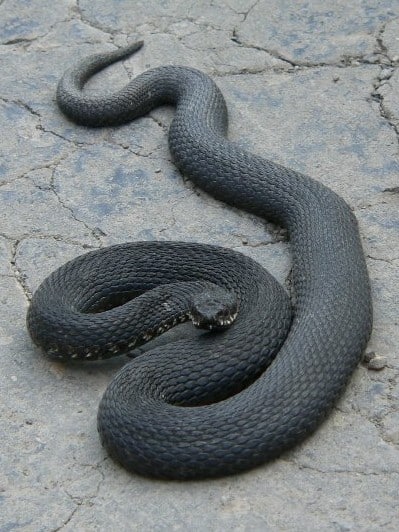
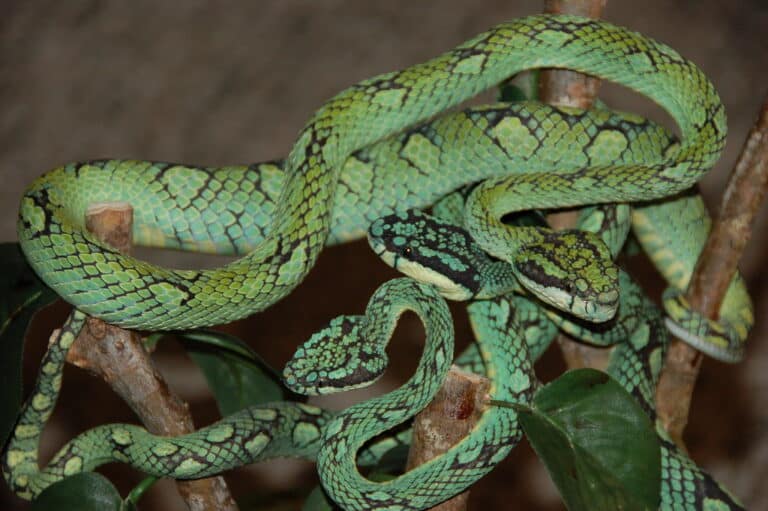
This snake can blend in with its surroundings flawlessly. Its scales come in various shades of brown, gray, and even black, helping it become the ultimate hide-and-seek champion in nature!
Vipers can be quite the performers! When threatened, they may flatten their bodies and hiss loudly, putting on a show to scare away intruders.
Amazing Vipers can deliver venom with precision. Their fangs can retract like tiny daggers, only showing up when it's time to strike!
These snakes have a rather funny way of attracting mates! During courtship, males engage in combat by wrestling each other, like a miniature snake wrestling match!
Vipers are excellent swimmers, even though they prefer land. They can glide through water when needed, showing off their dual talents!
This clever snake can survive long periods without food. If a viper has a filling meal, it can last for weeks, making it the ultimate meal-planner!
Vipers have been known to live in various temperatures. They can thrive in chilly environments, which makes them adaptable and ready for any weather!
Baby Vipers are independent from birth. They do not receive any parenting, so they already know how to hunt and survive right after they hatch!
Vipers have a special role in their ecosystem. By controlling rodent populations, they help nature balance, acting like tiny guardians of the forest!
Photos



The Basics


explore more
Amphibians
Arachnids
Birds
Cats
Crustaceans
Fish
Fish Pet Guide
Gastropods
Insects
Invertebrates
Mammals
Pet Fish
Pet Rodents
Plants
Reptiles
Roundworms
Sea Slugs