Successfully copied to clipboard!
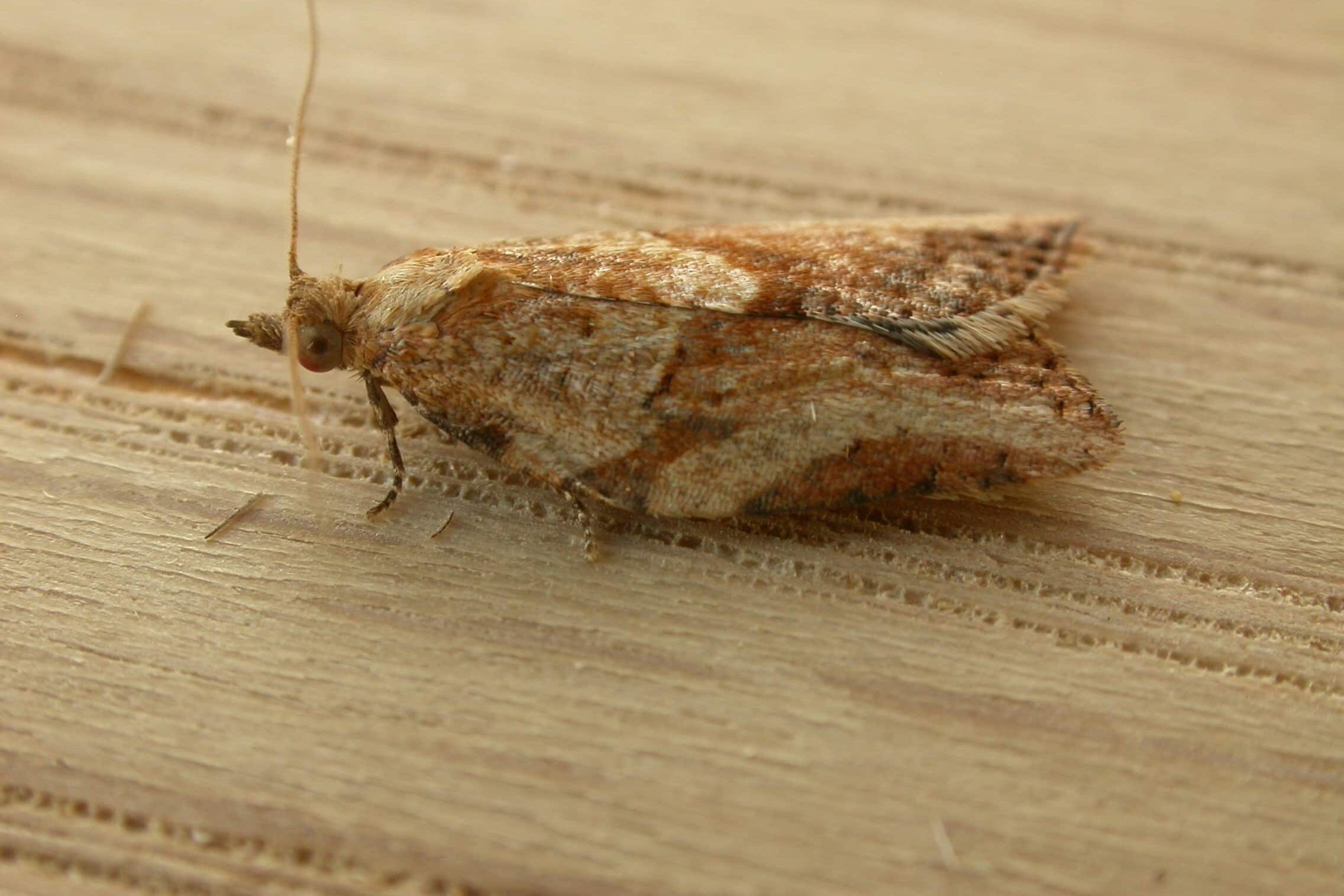
Apple Moth
Uncover the colorful magic of tiny garden flutterers!
Let’s Explore
Overview
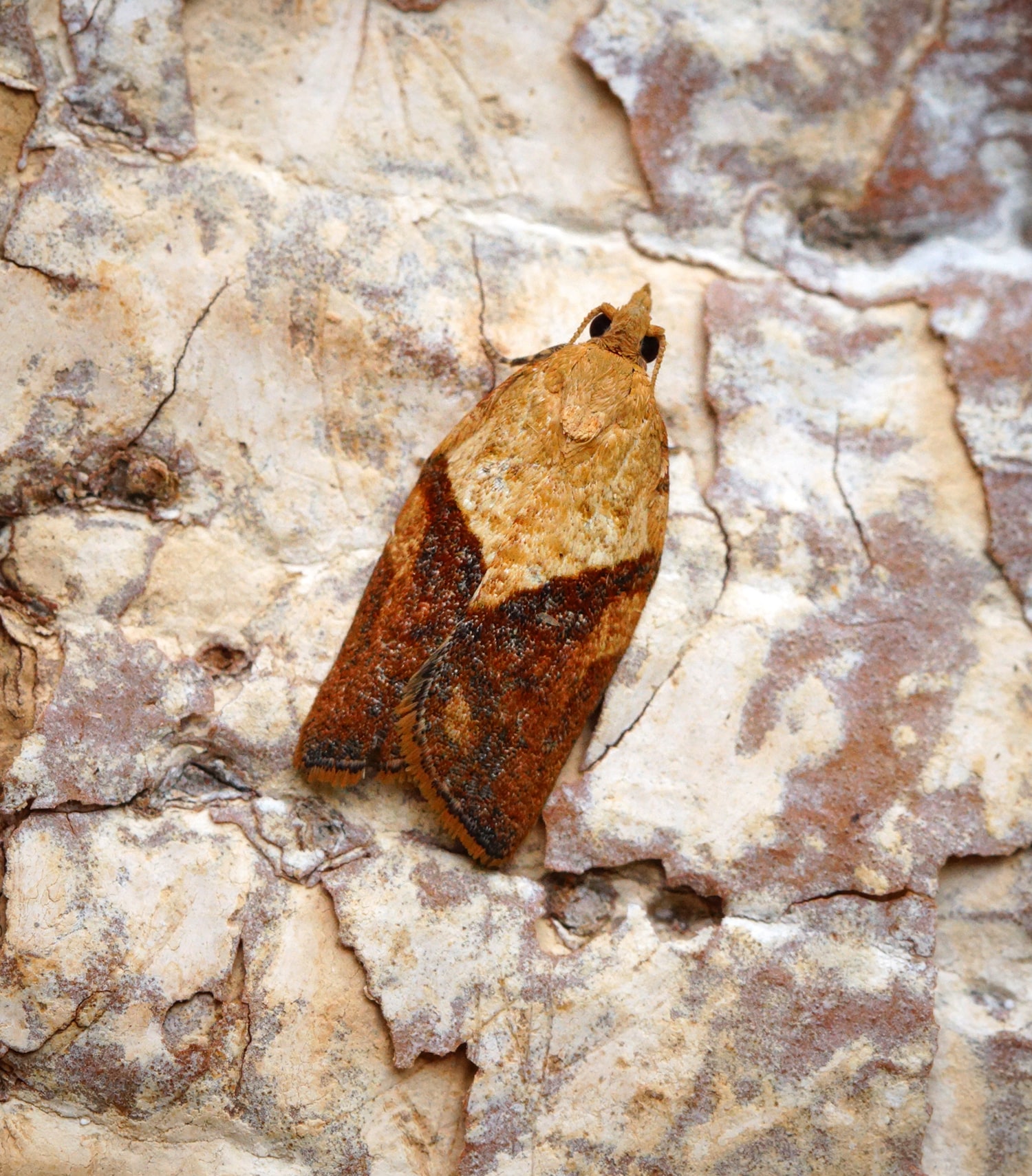
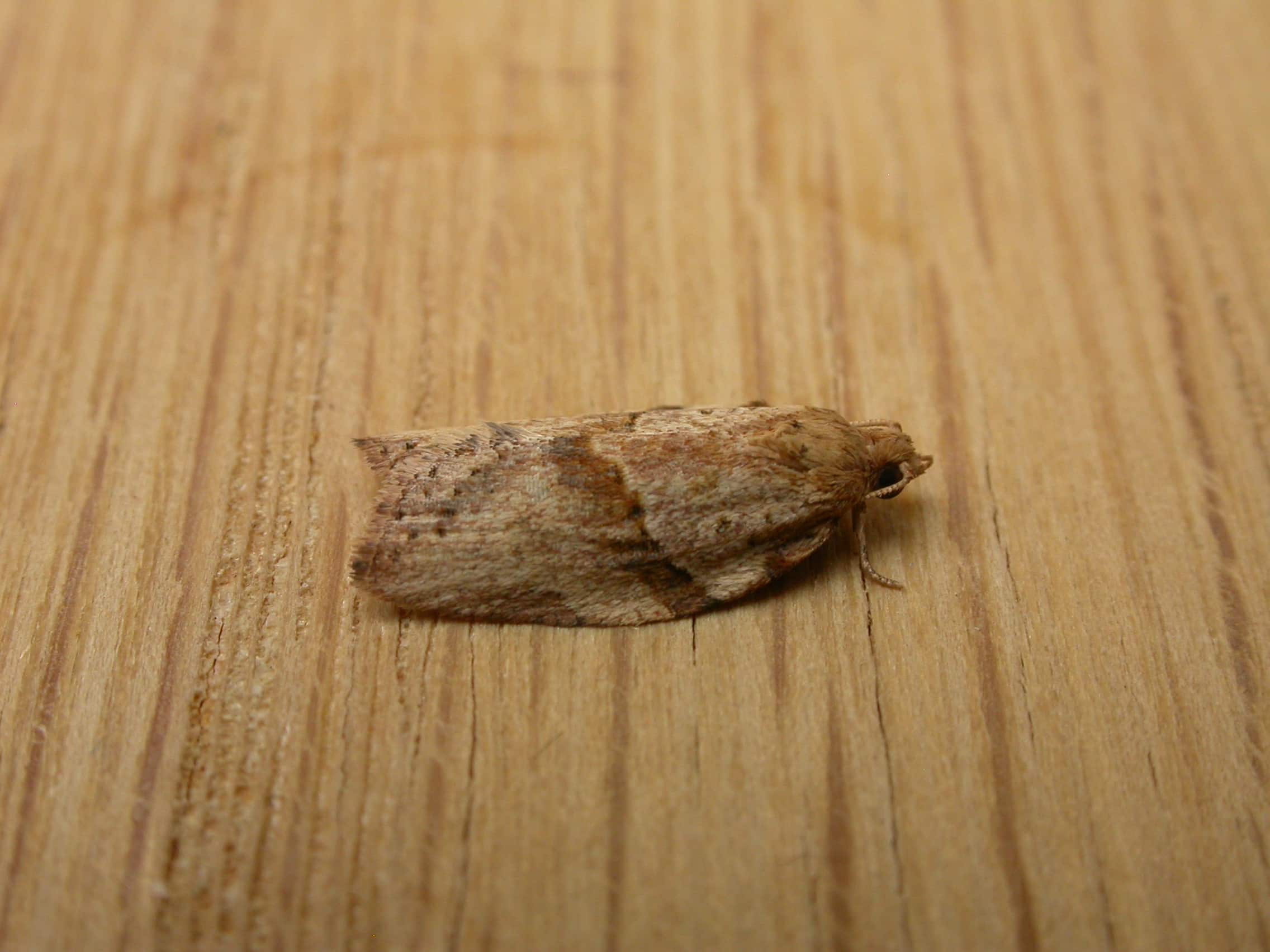
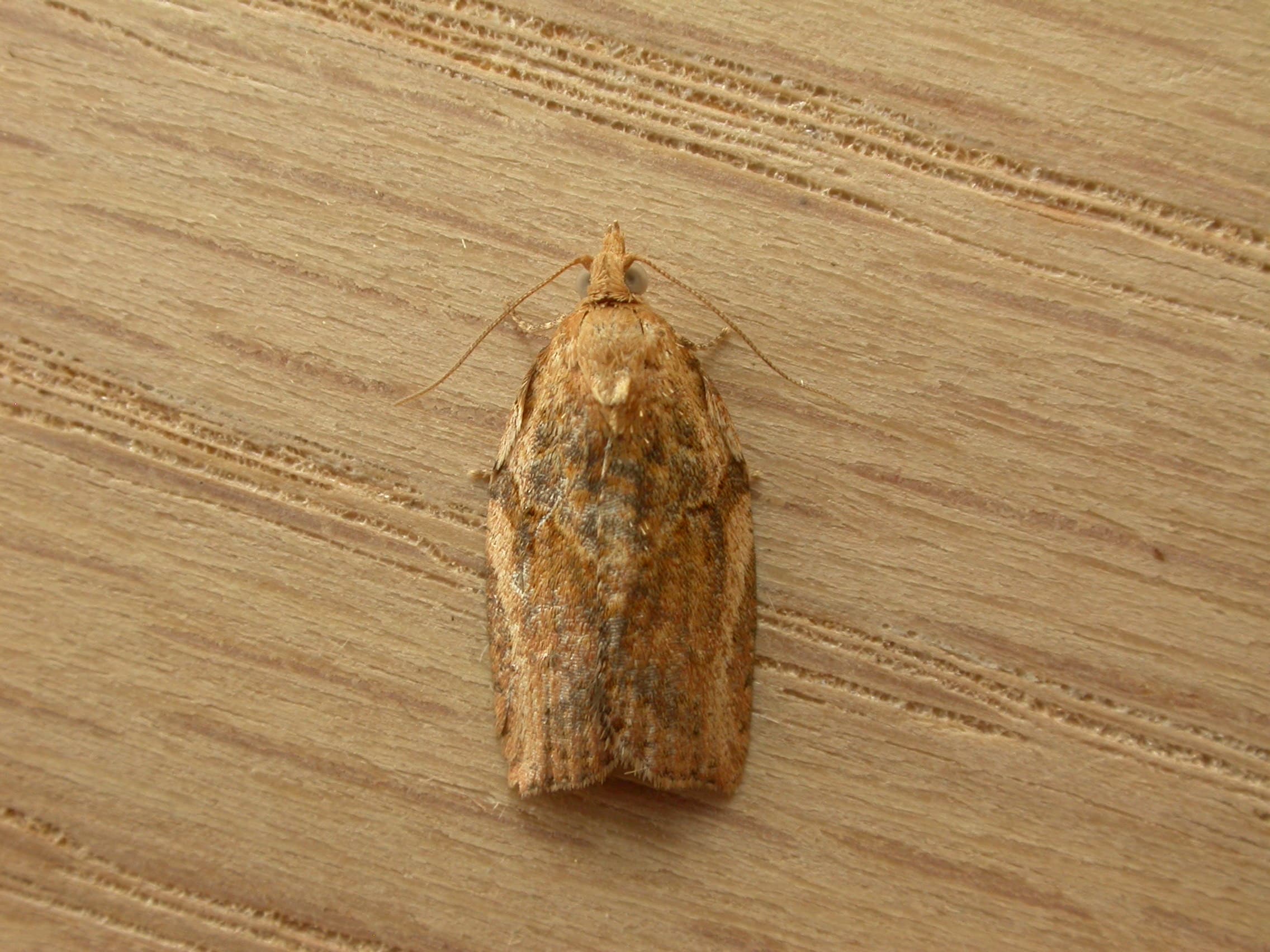
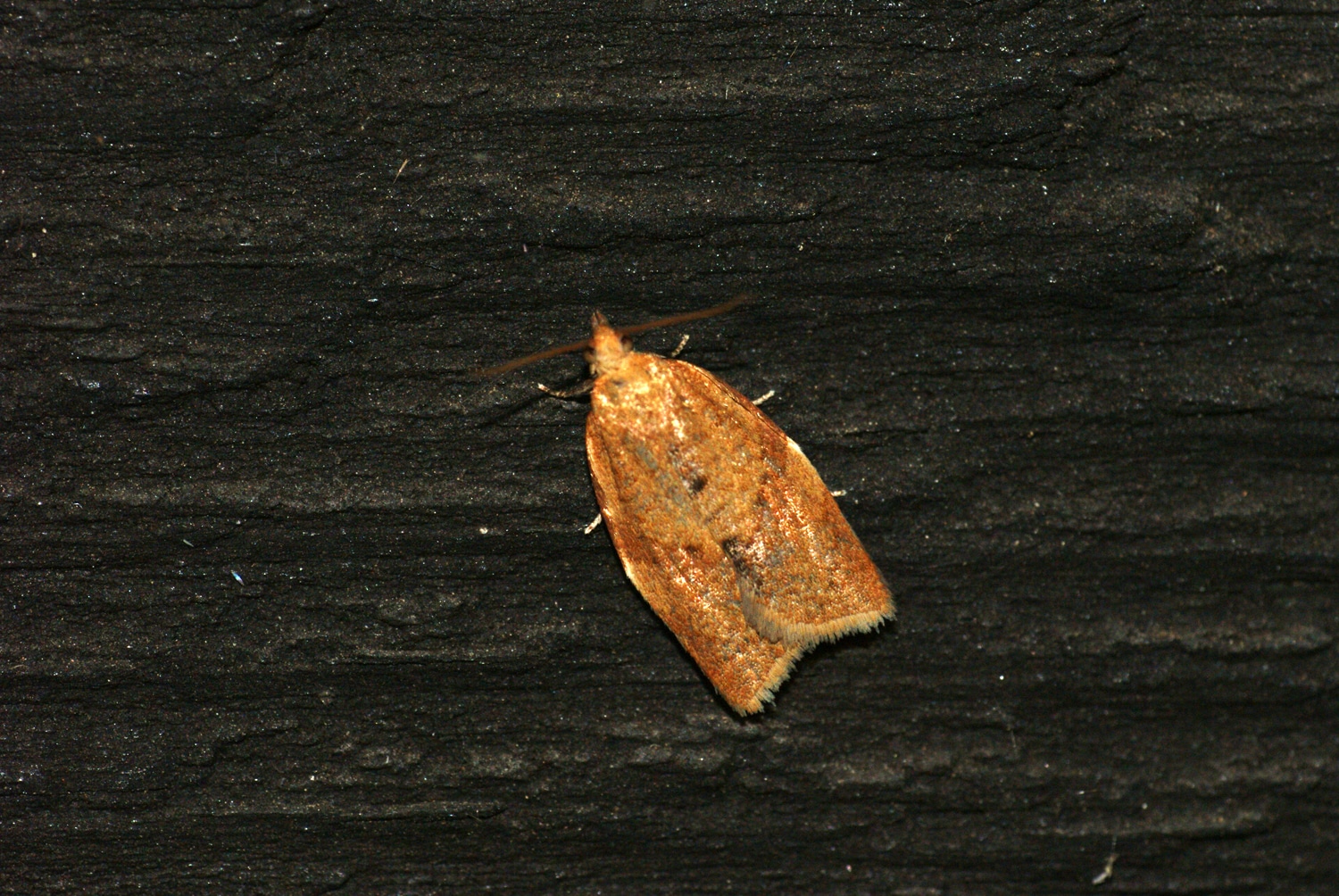
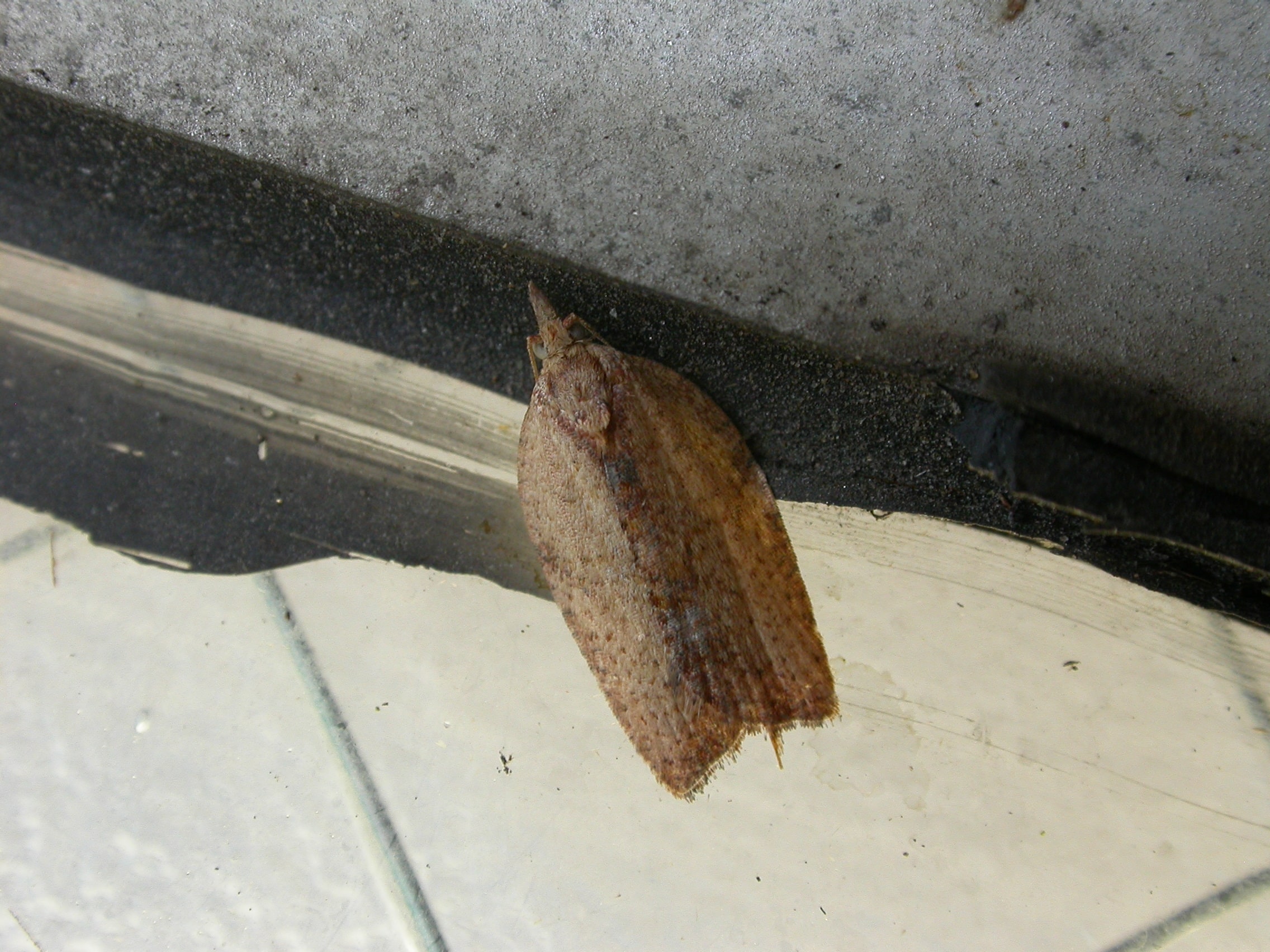
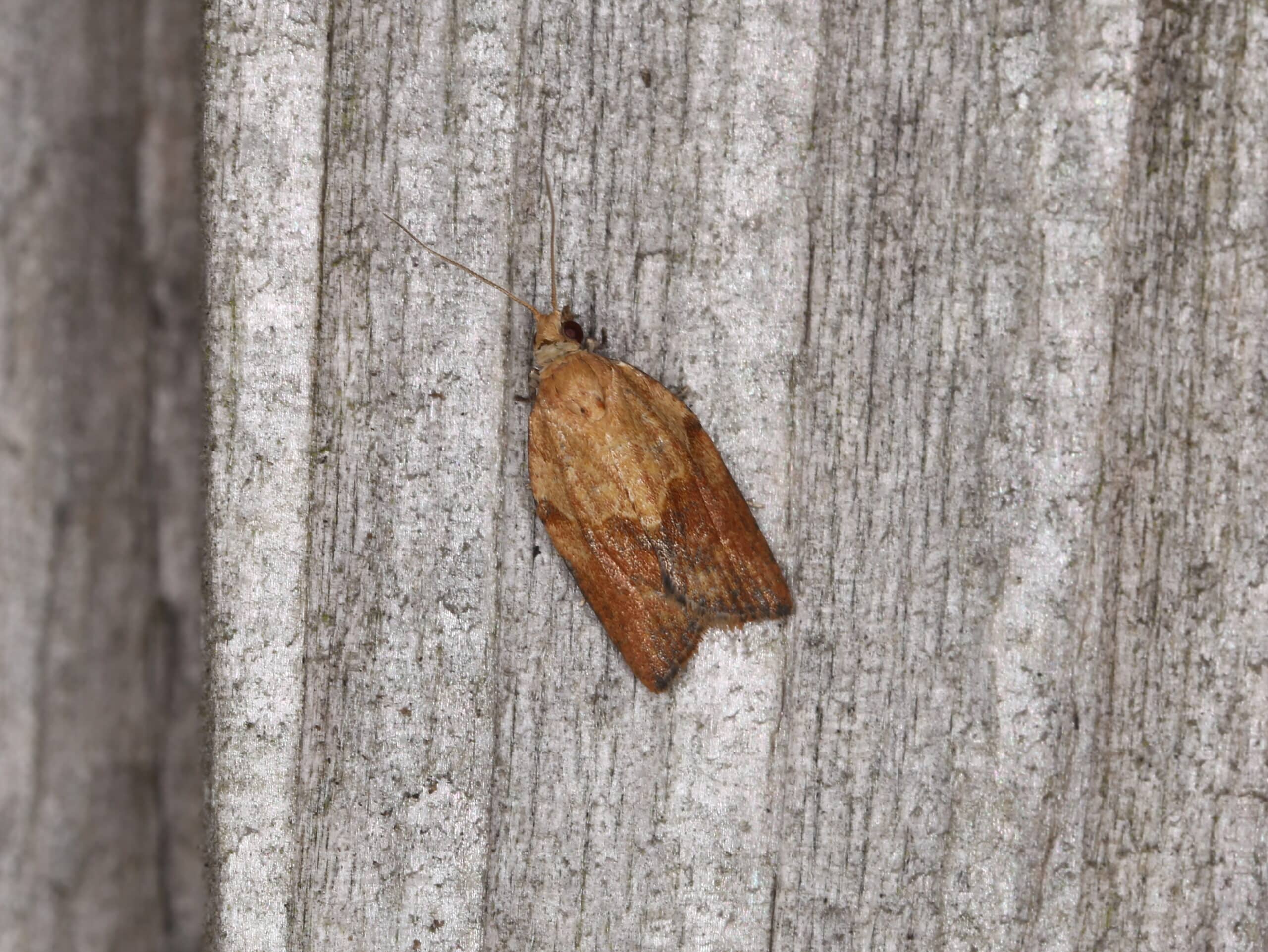
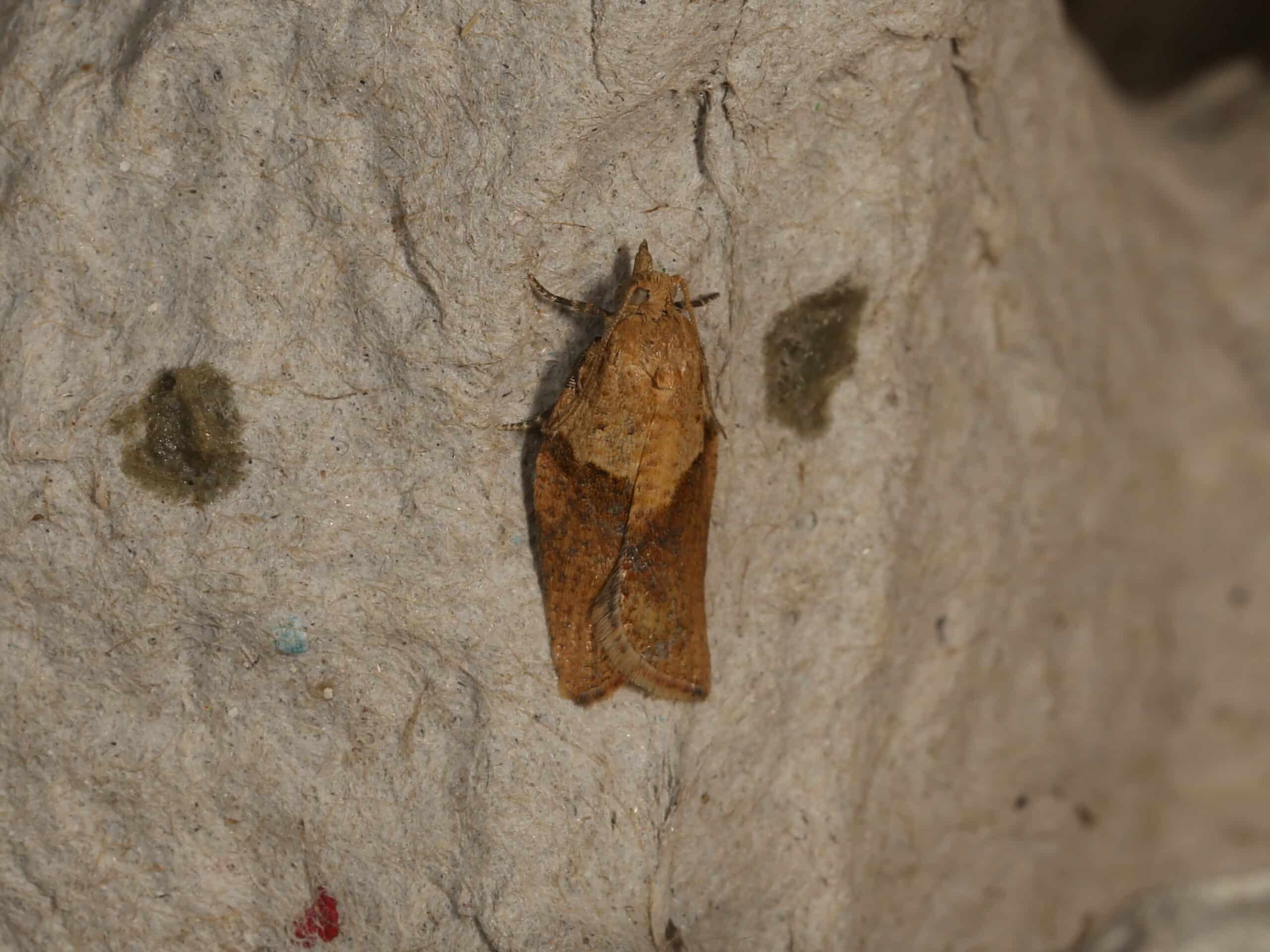
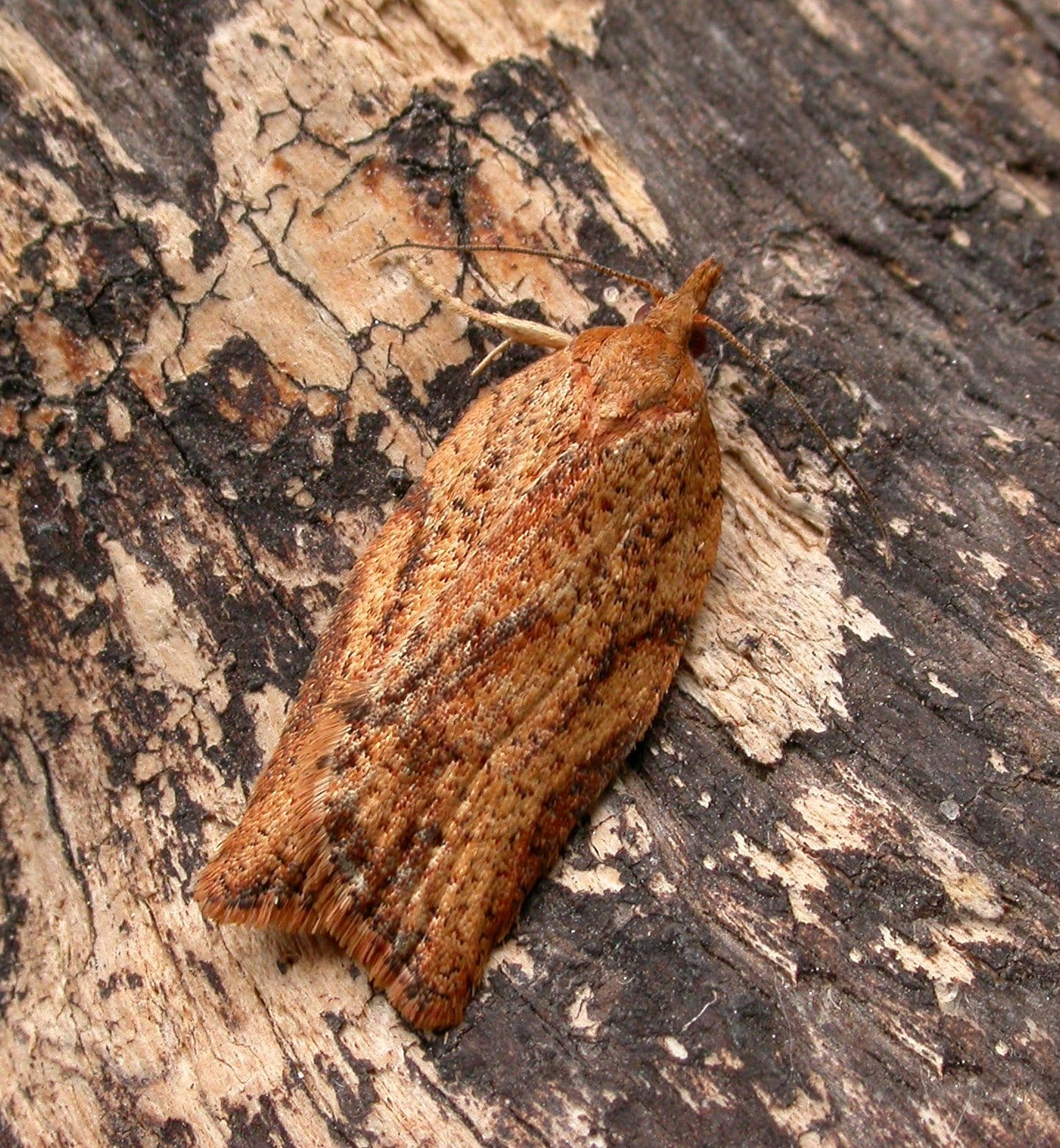
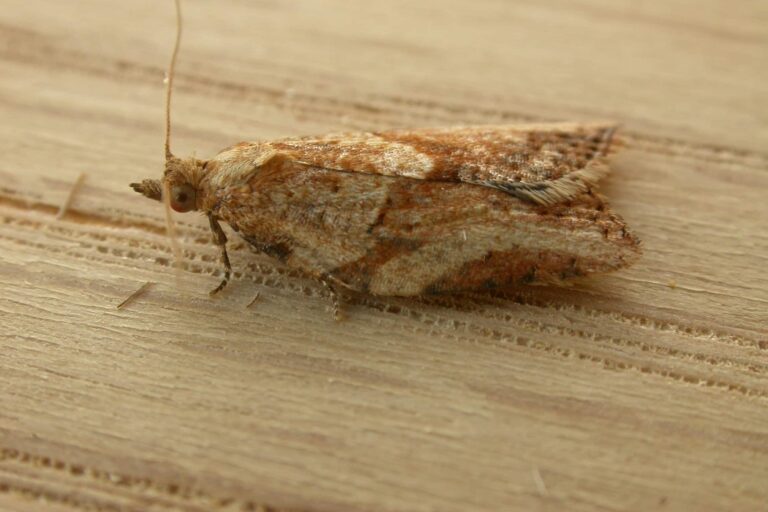
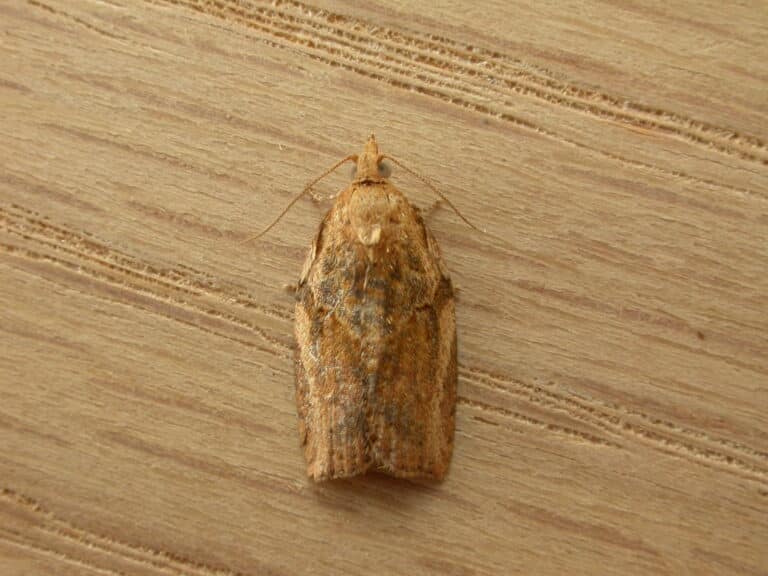
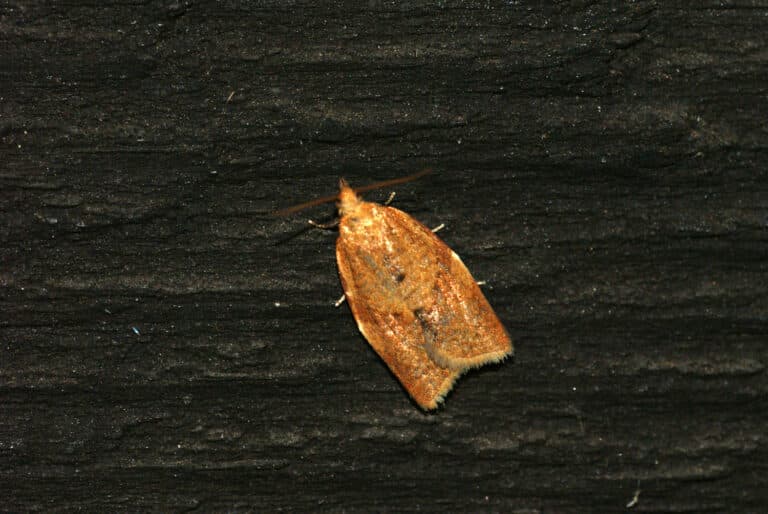
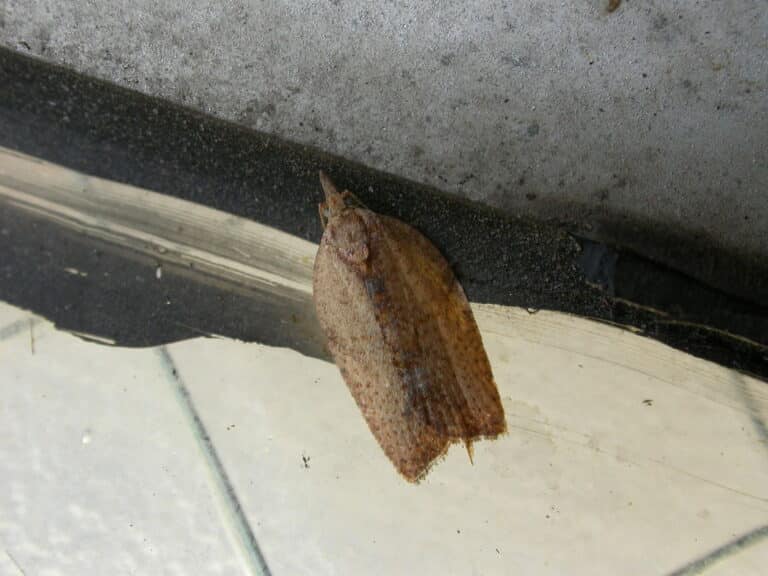
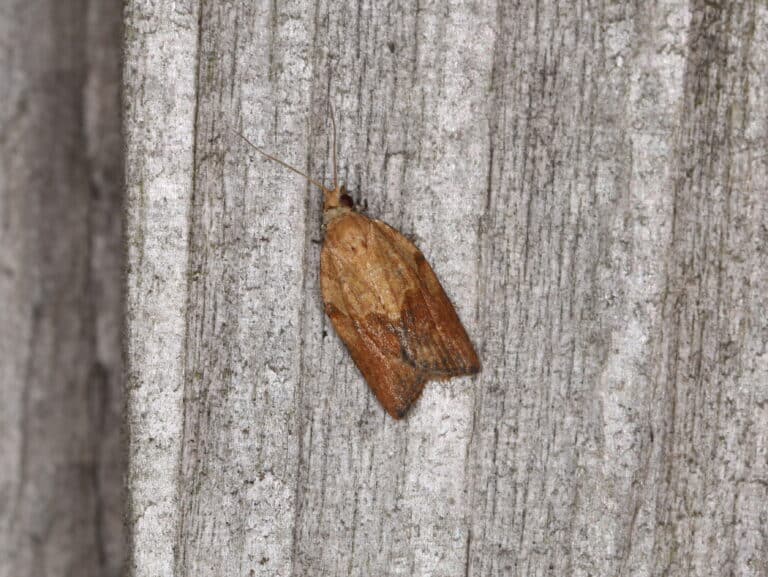
The Apple Moth, also known as Epiphyas postvittana, is a tiny but fascinating insect belonging to the class Insecta. These little critters have a wingspan of about 1 inch, making them small enough to fit in the palm of your hand!
This moth is part of the Lepidoptera order, which includes both moths and butterflies. You can often find them fluttering around Europe, especially near fruit trees and grapevines, their favorite dining spots.
Apple Moths munch on the leaves of fruit trees, creating a tasty buffet for themselves. They love to snack on delicious variety, but that often means less lunch for the trees they feast on.
As adults, Apple Moths only live for a few weeks, but they're busy little bees (or moths!). During their short lives, they focus on eating and finding mates, passing on their genes before their time is up.
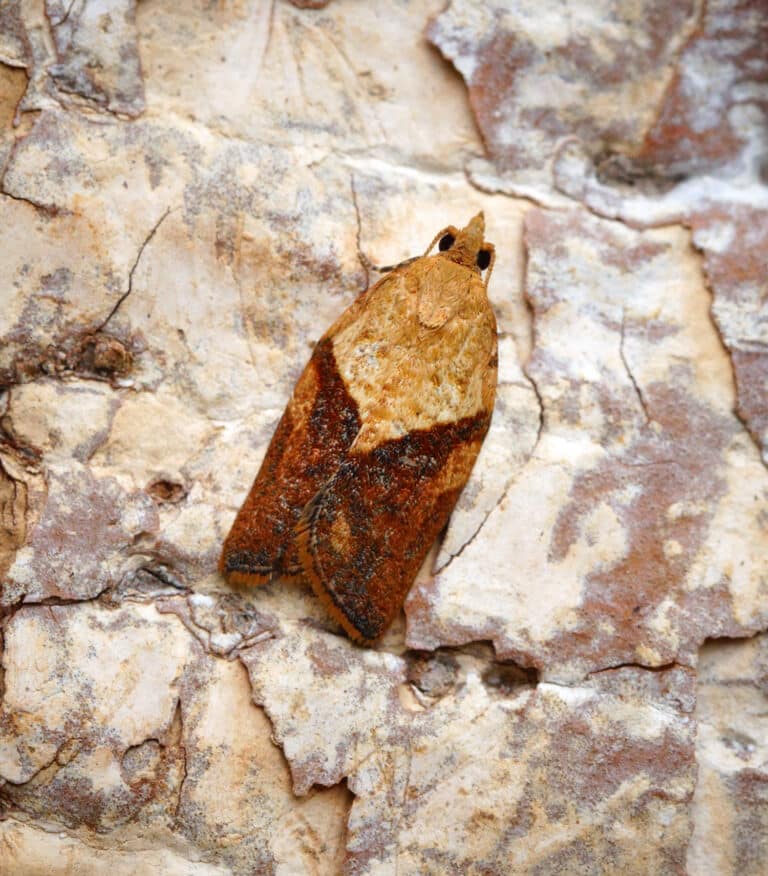
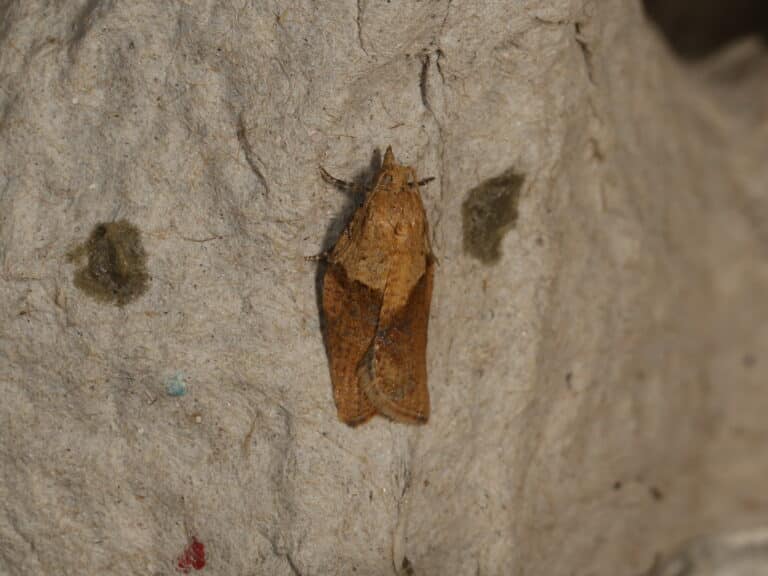
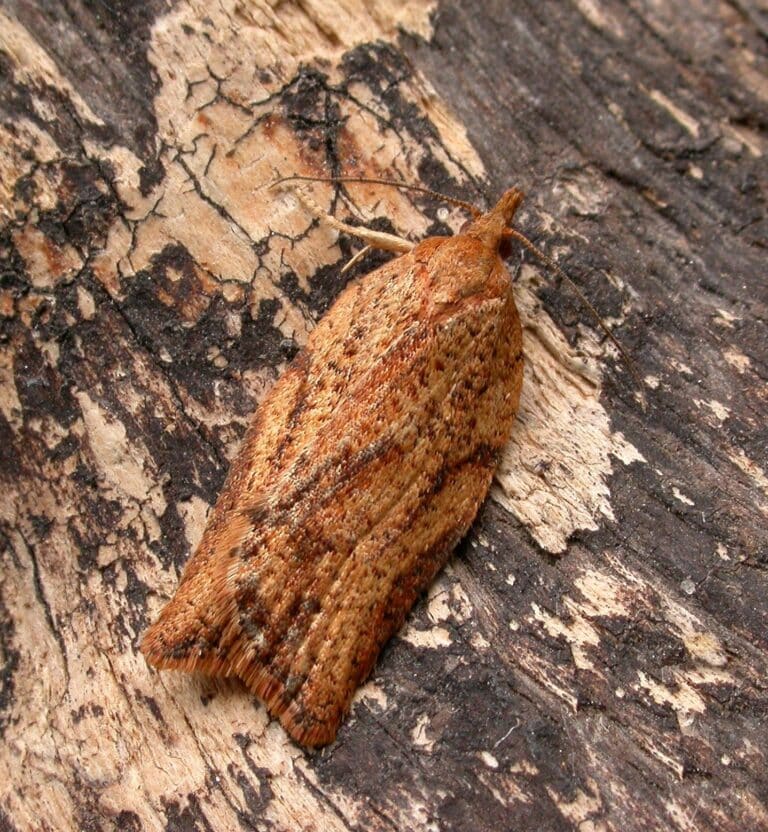
With their playful patterns and colors, Apple Moths can bring a splash of beauty to the gardens they inhabit. Their presence shows us just how diverse and interesting the world of insects really is!
Even though they might not be the biggest insects around, Apple Moths remind us that it’s the little critters that count. So, next time you see a small moth, remember the everyday magic it brings to our gardens!

Where can you find a Apple Moth in the wild?
What does a Apple Moth eat?
How big can a Apple Moth grow?
How long does a Apple Moth typically live?
What is the conservation status of the Apple Moth?
What are the main threats to the Apple Moth?
Fun facts
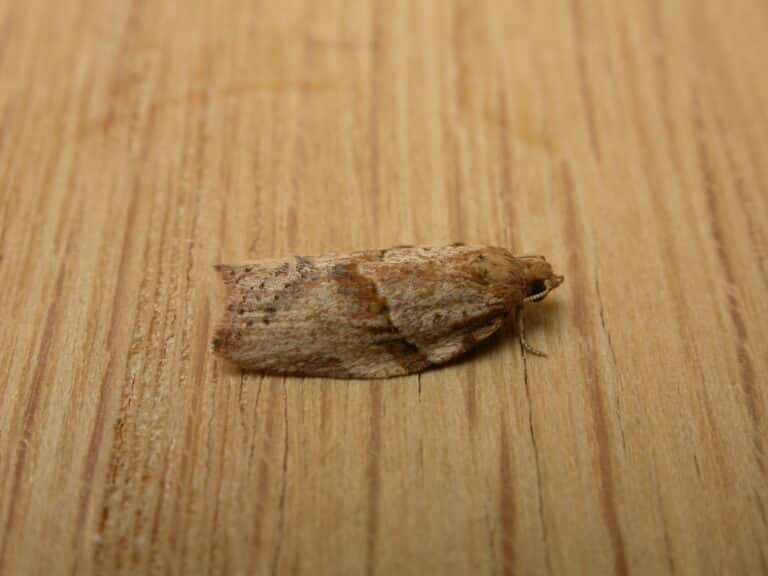
The Apple Moth has incredible camouflage skills! Its wing patterns mimic the colors of leaves and bark, helping it hide from hungry predators.


This tiny moth can lay up to 200 eggs at a time, giving rise to a whole new generation of fluttering friends! Each egg looks like a tiny grain of rice, making them super hard to spot.
Apple Moths are busy party-goers who can reproduce quickly, with some populations doubling in size every two months! This means their garden dance parties can get pretty lively.
When Apple Moths are in their caterpillar stage, they can do a neat trick - they spin silk to create protective webs! These comfy cocoons keep them safe while they munch on leaves.
After they hatch, Apple Moths can taste food with their feet, which helps them decide whether a leaf is a tasty treat or not! Their tiny feet are like little gourmet chefs.
During the day, Apple Moths tend to rest and conserve energy. At night, they come alive, fluttering around in search of food and potential mates, turning gardens into their own nightclubs!
Apple Moths might be small, but they can fly up to 40 kilometers in search of food and mates! That's like completing a marathon, just to find a nice salad!
While munching on leaves, Apple Moths can actually help trees grow healthier by pruning their foliage. Their snacking keeps the plants from getting too bushy!
The Apple Moth plays an important role in the ecosystem. By feeding on leaves, they help recycle nutrients back into the soil, making it rich and fertile for new plants to grow.
Some people use Apple Moths as natural pest controllers. By attracting these tiny insects, gardeners can help keep harmful pests at bay without using harmful chemicals!
Photos





The Basics


explore more
Amphibians
Arachnids
Birds
Cats
Crustaceans
Fish
Fish Pet Guide
Gastropods
Insects
Invertebrates
Mammals
Pet Fish
Pet Rodents
Plants
Reptiles
Roundworms
Sea Slugs