

Successfully copied to clipboard!
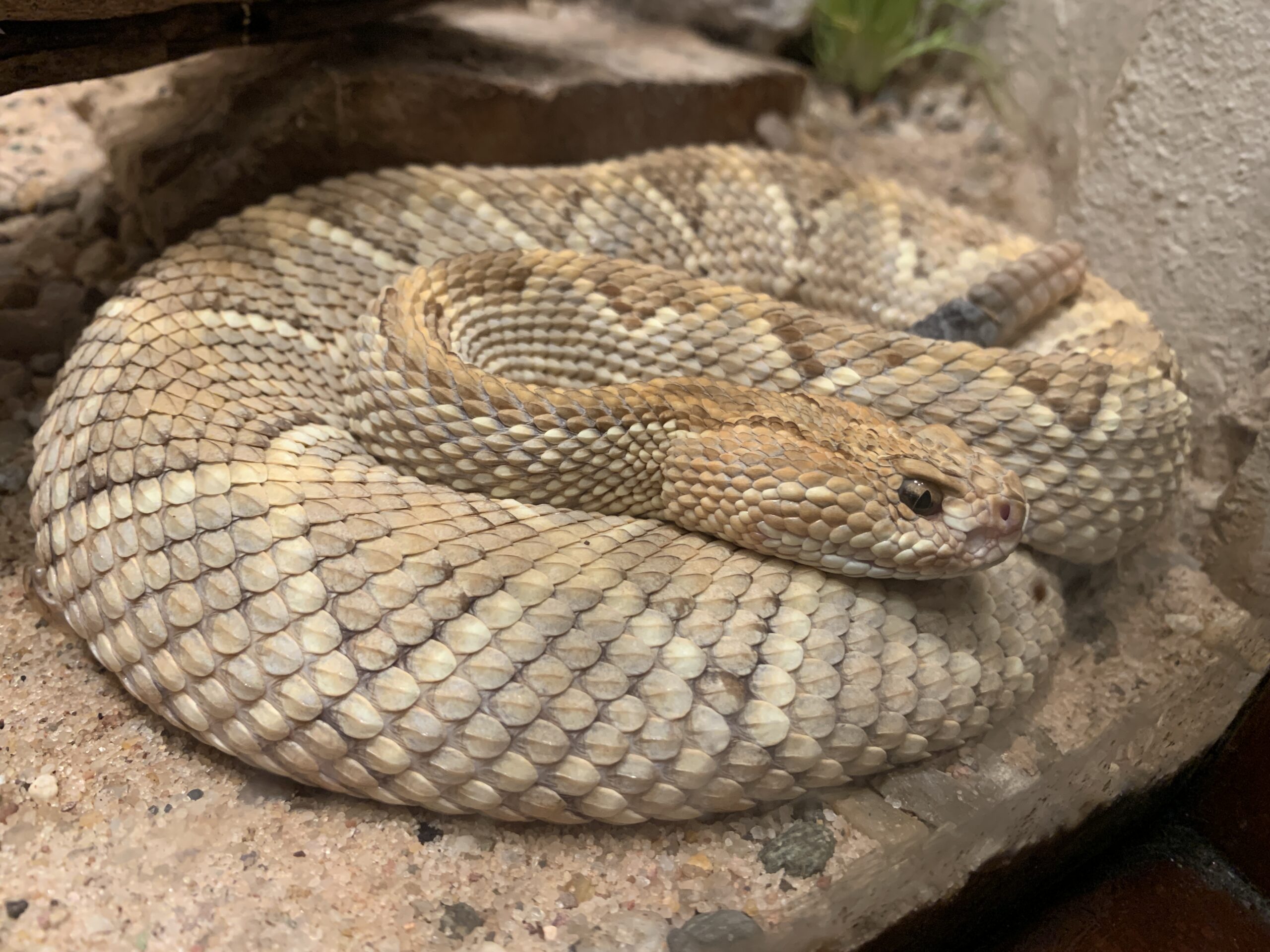
Aruba Rattlesnake
Uncover the secret lives of Aruba's rare rattlesnake!
Let’s Explore
Overview
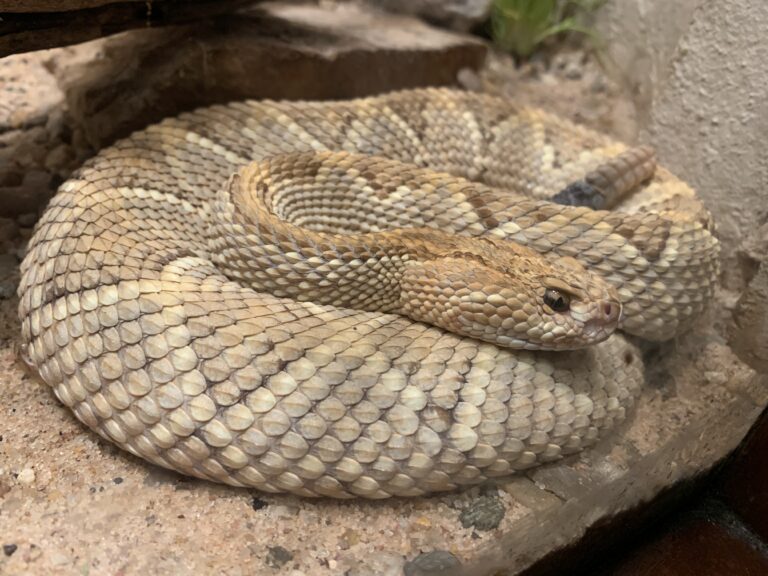
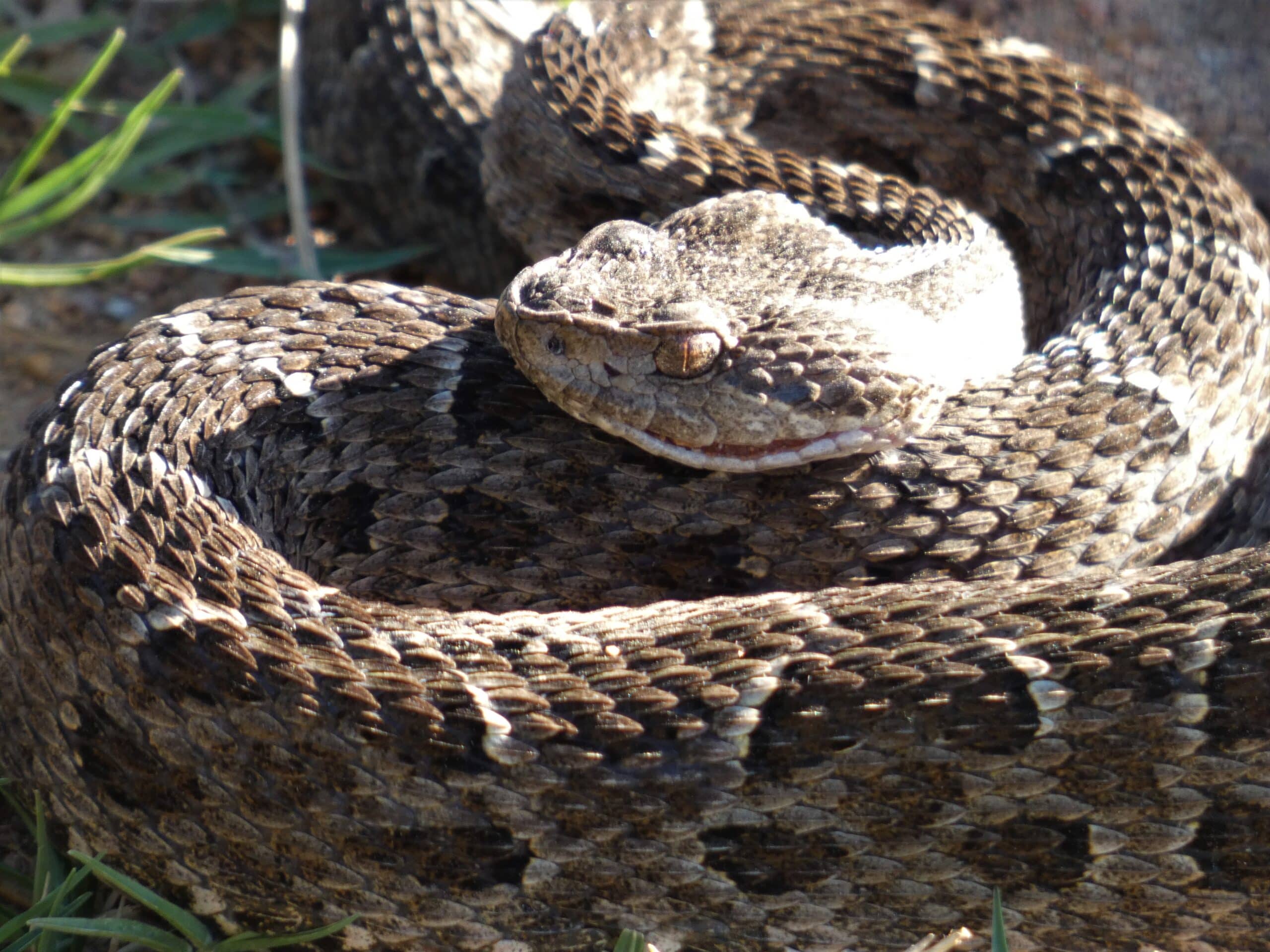
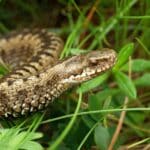
The Aruba Rattlesnake is a striking reptile found in the beautiful landscapes of South America, specifically on the small island of Aruba. This snake showcases a unique color pattern that helps it blend into its sandy and rocky environment, making it a stealthy predator of the island.
The Aruba Rattlesnake grows to an average size between 0.6 to 0.9 meters (2 to 3 feet) long. With this size, it slithers effortlessly, using its rattle to warn potential predators and keep itself safe while searching for food.
This rattlesnake has a diverse diet, munching on small mammals, birds, and lizards. Its keen sense of smell helps it track down dinner, while its sharp fangs inject venom to subdue its prey faster than you can say "slinky snake!"
The typical lifespan of an Aruba Rattlesnake ranges from 15 to 20 years. This means if you meet one of these snakes, you could be friends for quite a long time, as long as you respect their space and let them do their snake thing!
These fascinating reptiles belong to the family Viperidae, known for their long fangs that help deliver venom. While they might sound scary, these snakes prefer to avoid humans and would much rather rattle their tail to warn you than attack.

Where can you find a Aruba Rattlesnake in the wild?
What does a Aruba Rattlesnake eat?
How big can a Aruba Rattlesnake grow?
How long does a Aruba Rattlesnake typically live?
What is the conservation status of the Aruba Rattlesnake?
What are the main threats to the Aruba Rattlesnake?
Fun facts
Aruba Rattlesnakes have a rattle that makes a unique sound, sort of like nature's own alarm bell, to warn intruders to stay away.


This snake can change its colors slightly based on the temperature of its environment. When it’s cooler, it may appear darker, while in warm sunlight, it can look lighter, making it a fashionable reptile!
Some Aruba Rattlesnakes are expert hiders! They blend so well into their surroundings that those looking for them might think they are just part of the scenery.
These snakes have a special way of finding their prey. They use their forked tongues to 'taste' the air, sniffing out where their next meal might be hiding.
Aruba Rattlesnakes are not only cool hunters but also social creatures. Males sometimes perform a kind of dance, swaying around each other to show off their strength and abilities to attract females.
As a skillful hunter, the Aruba Rattlesnake strikes with a speed that can catch its dinner off guard in just a fraction of a second!
When the Aruba Rattlesnake feels threatened, it does not simply slither away. Instead, it rattles its tail as a warning sign, like shaking a tiny maraca to say 'back off!'
Young Aruba Rattlesnakes are born with a small rattle, which grows as they shed their skin over time, making them a real-life version of a super cool, growing instrument!
Even though they are venomous, Aruba Rattlesnakes prefer to avoid confrontation with humans, making them shy reptiles that would much rather escape than fight.
Efforts to save the Aruba Rattlesnake include creating protected areas on the island. With teamwork from people excited about nature, these snakes might just thrive again!
Photos



The Basics


explore more
Amphibians
Arachnids
Birds
Cats
Crustaceans
Fish
Fish Pet Guide
Gastropods
Insects
Invertebrates
Mammals
Pet Fish
Pet Rodents
Plants
Reptiles
Roundworms
Sea Slugs


