Successfully copied to clipboard!
Asian Giant Hornet
Explore the buzzing world of giant insect wonders!
Let’s Explore
Overview
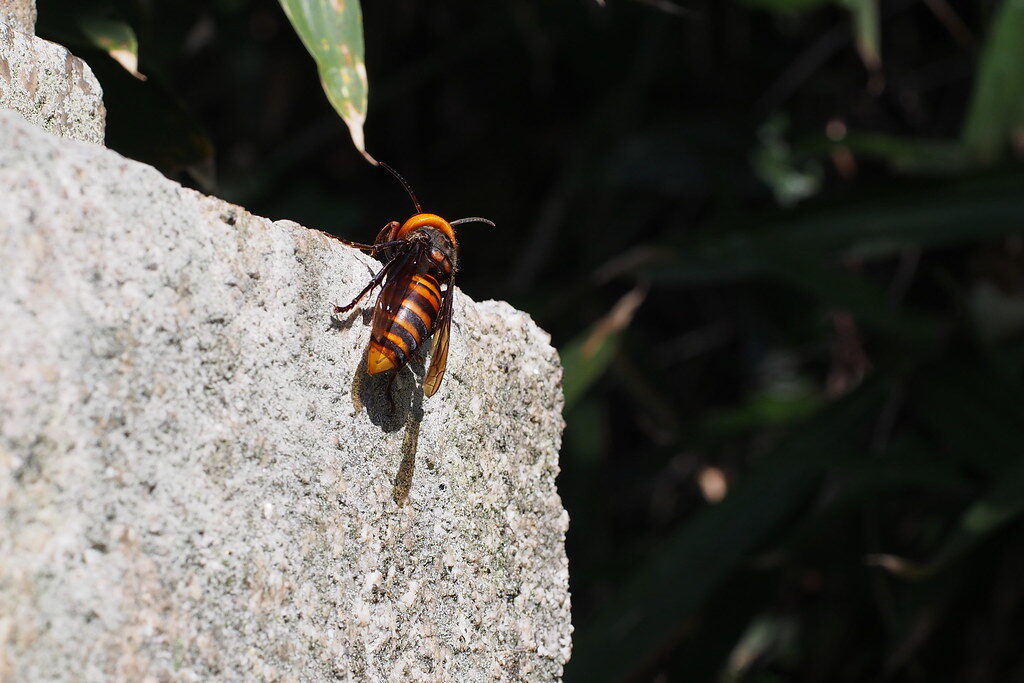
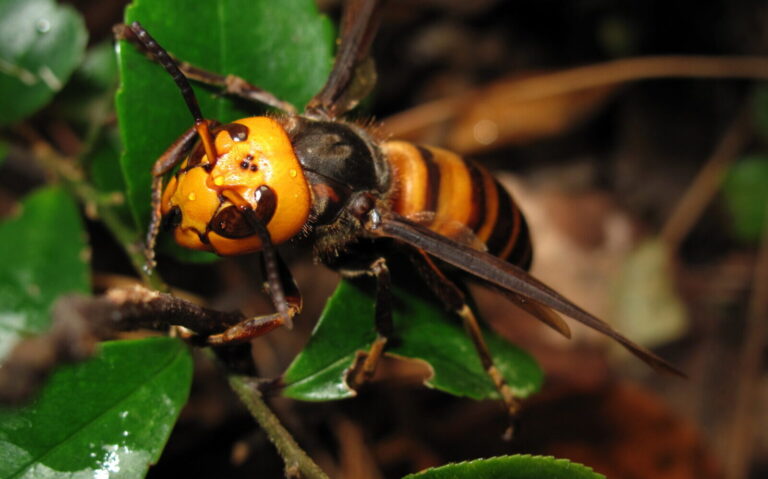
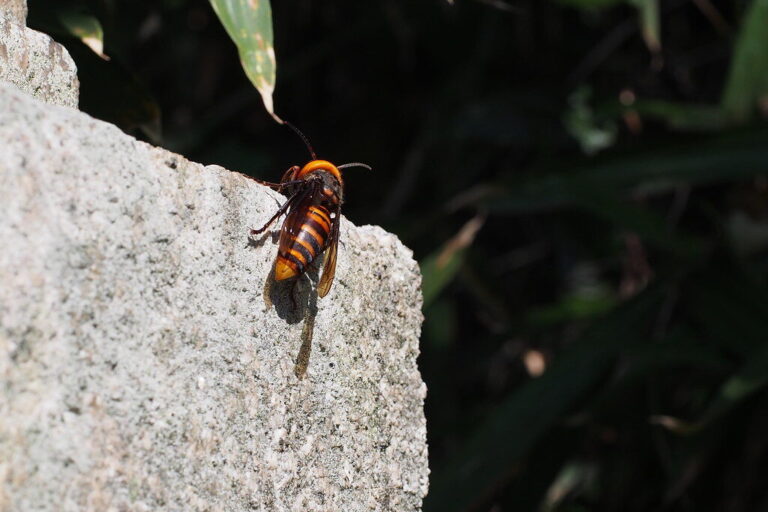
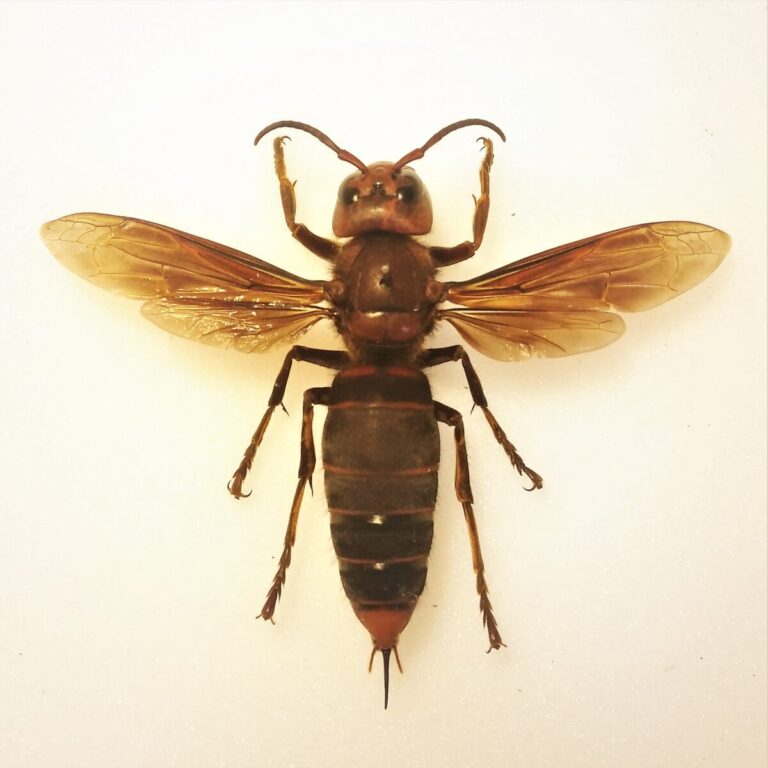
The Asian Giant Hornet buzzes in from Asia and stands out as one of the largest hornets in the world. These striking insects can measure between 3.8 to 5.1 centimeters long, which is about 1.5 to 2 inches—making them real heavyweights in the insect world!
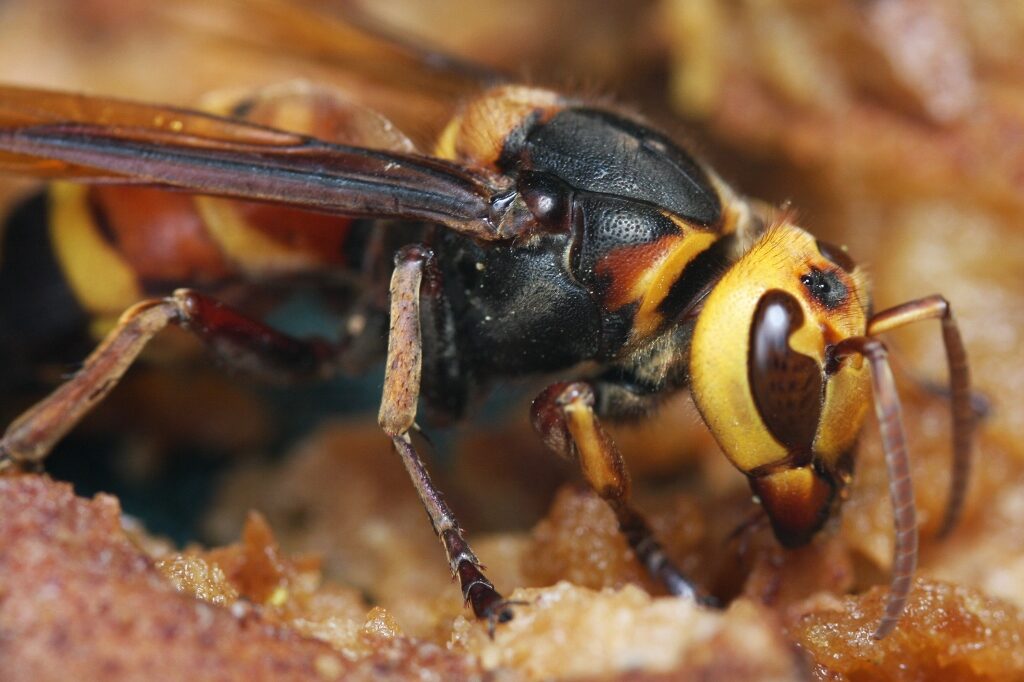
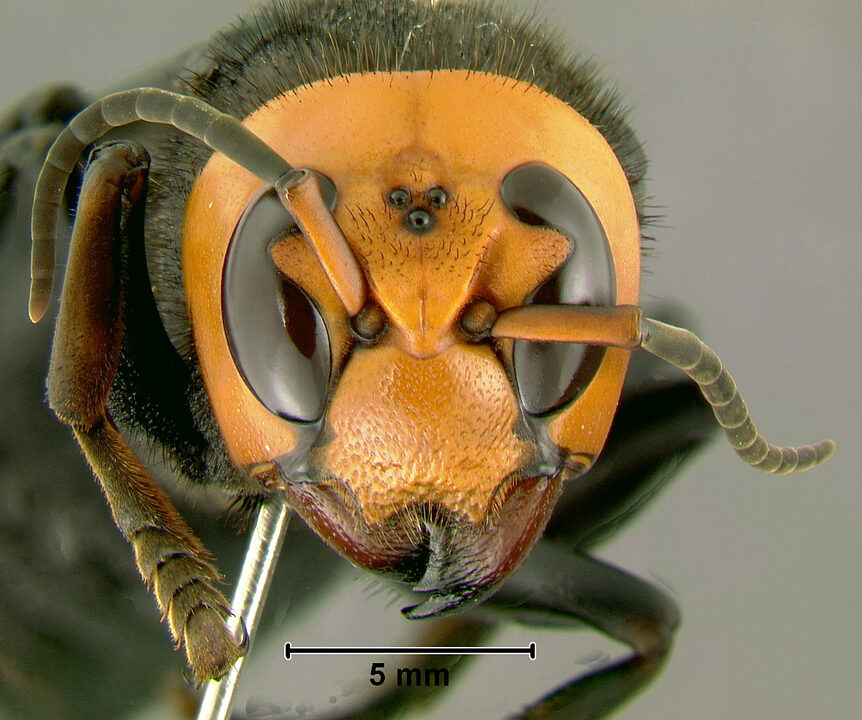
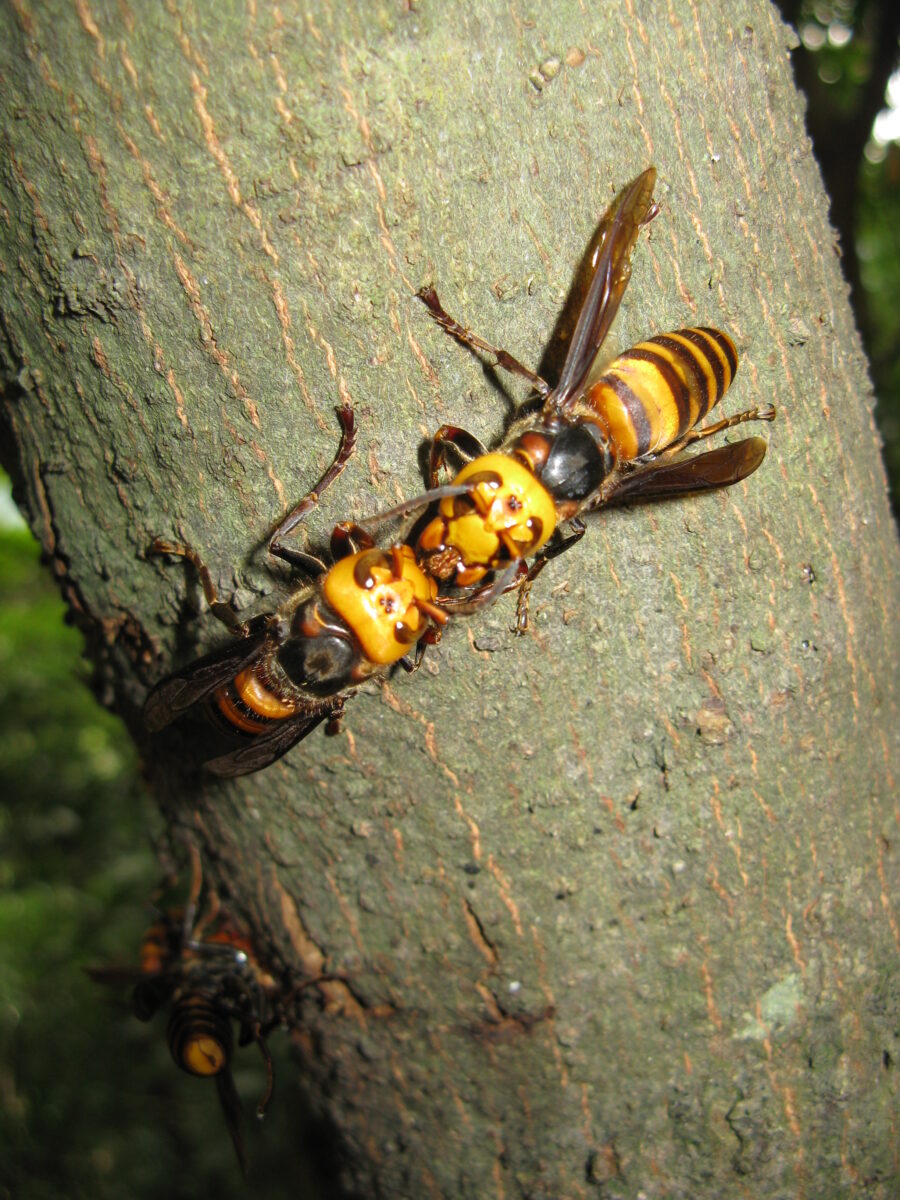
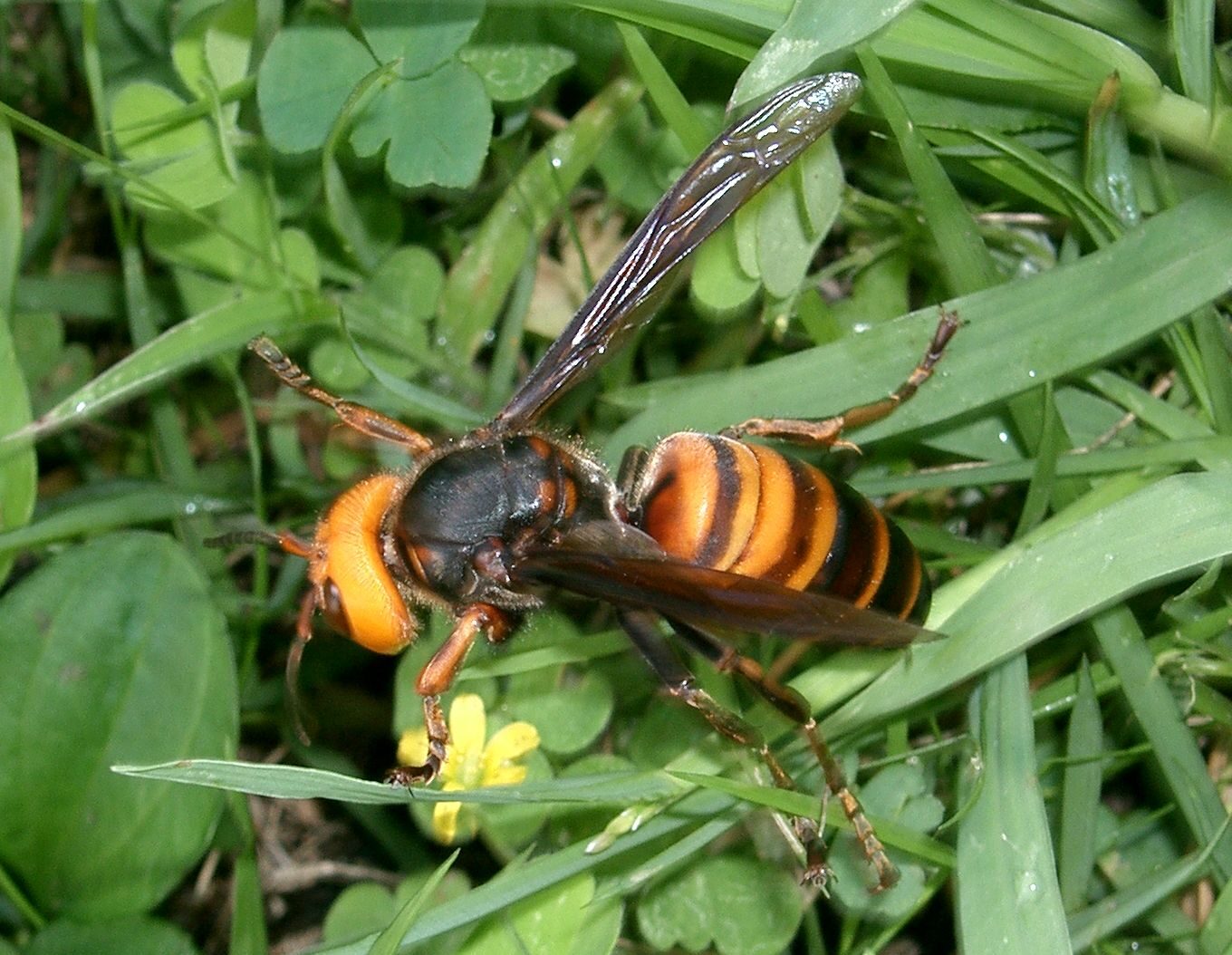
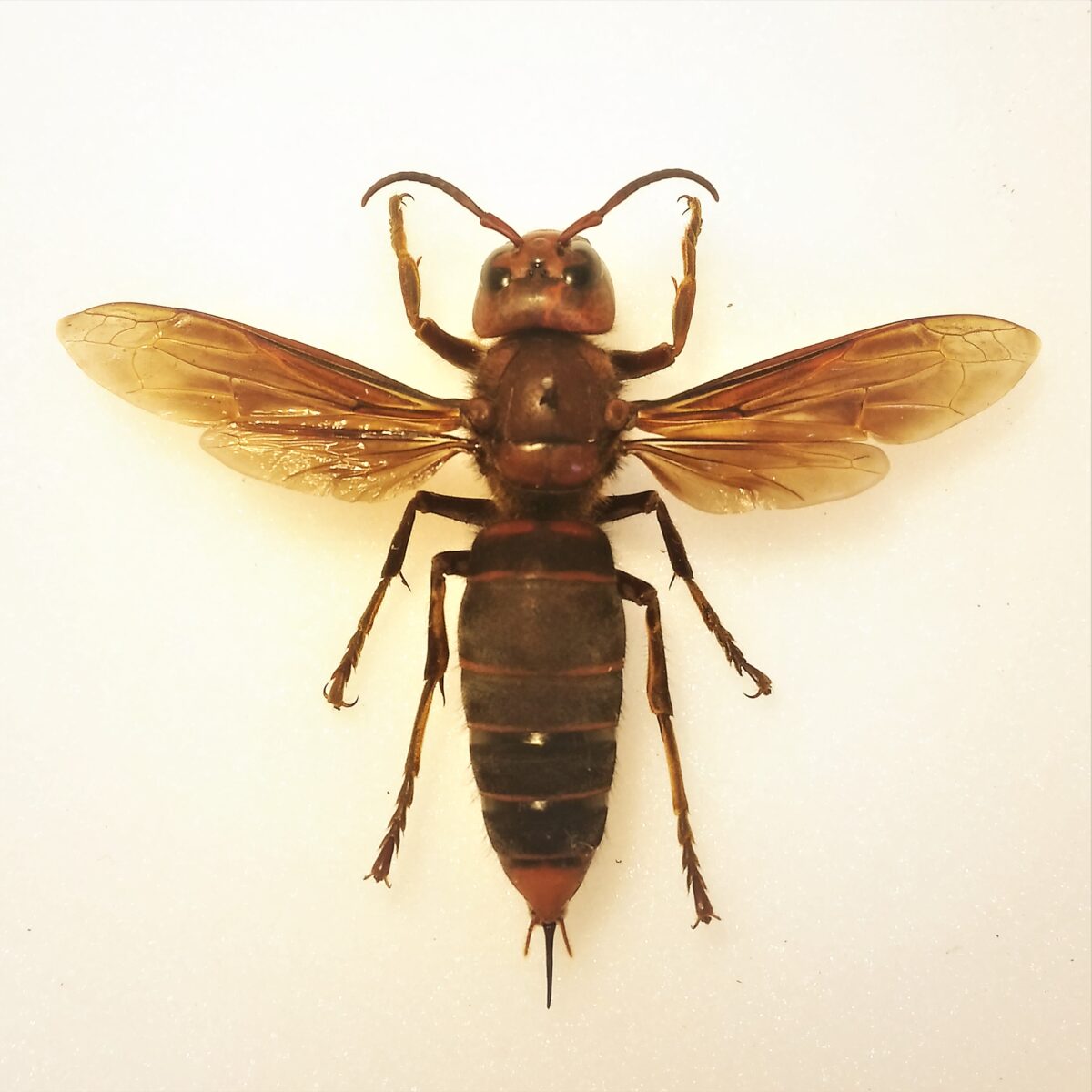
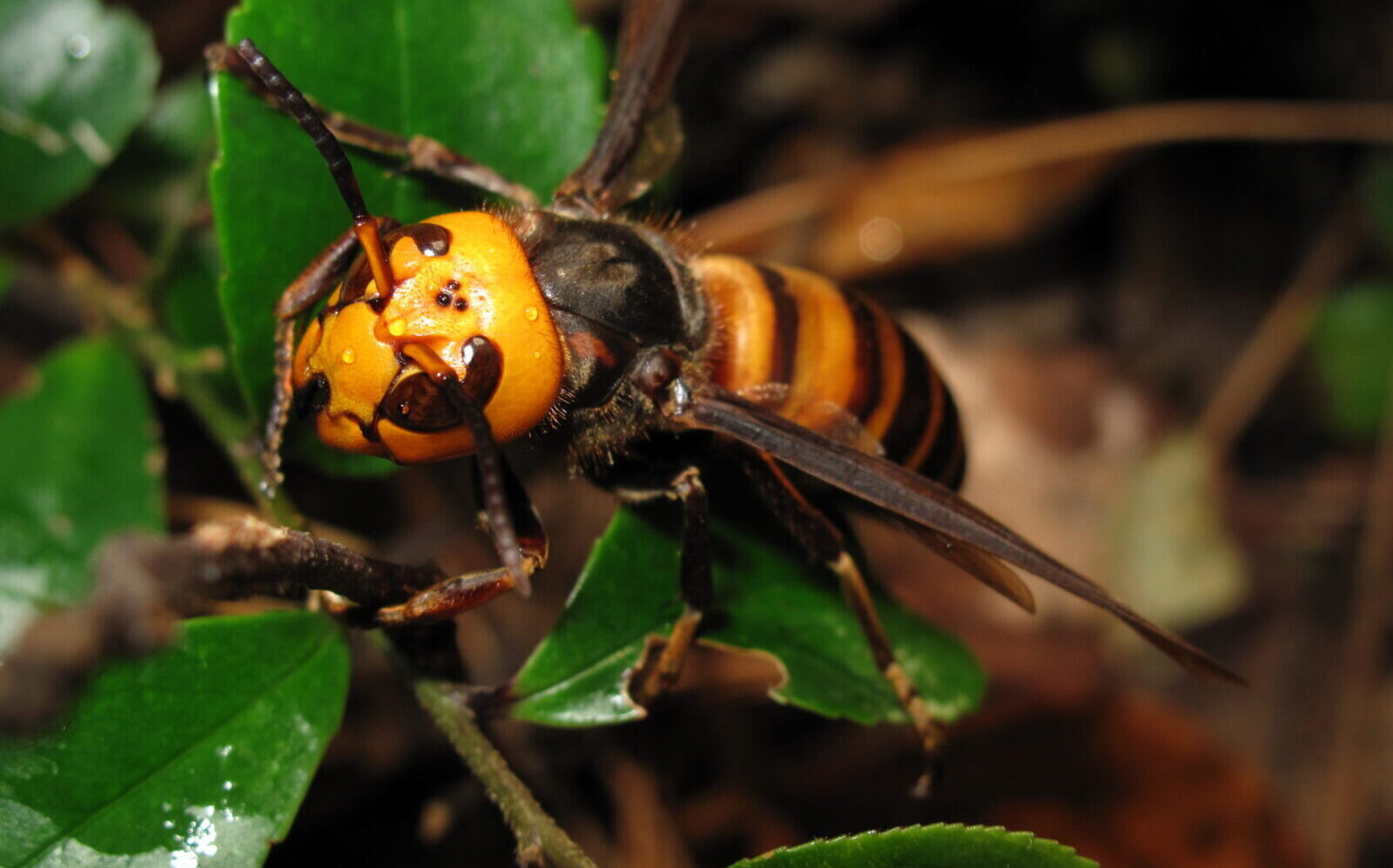
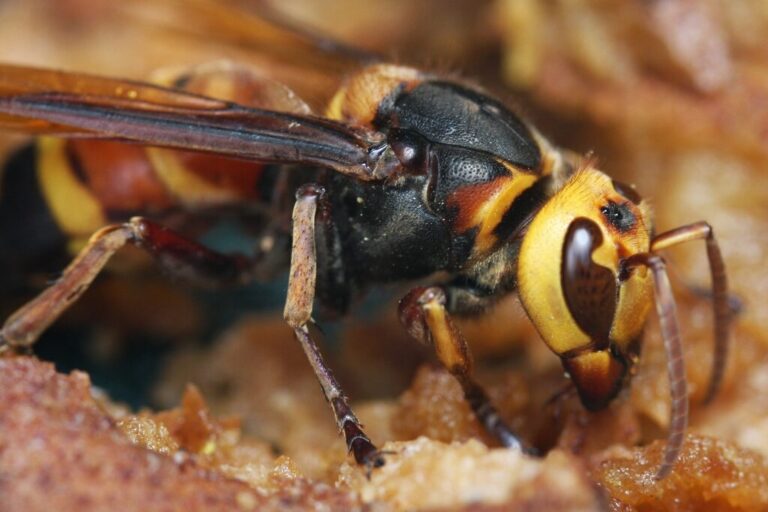
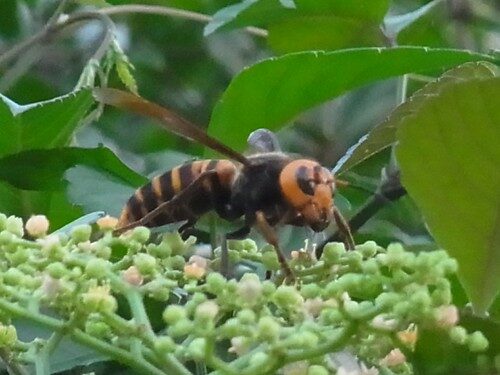
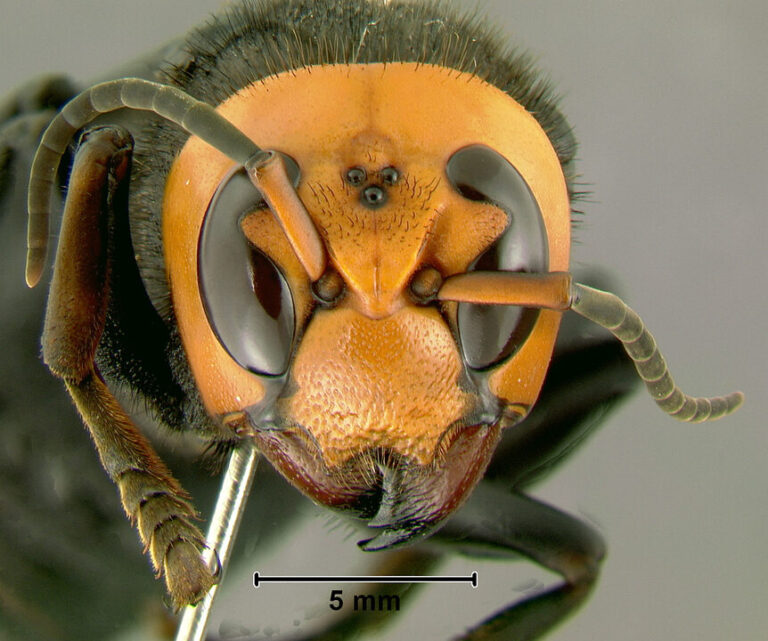
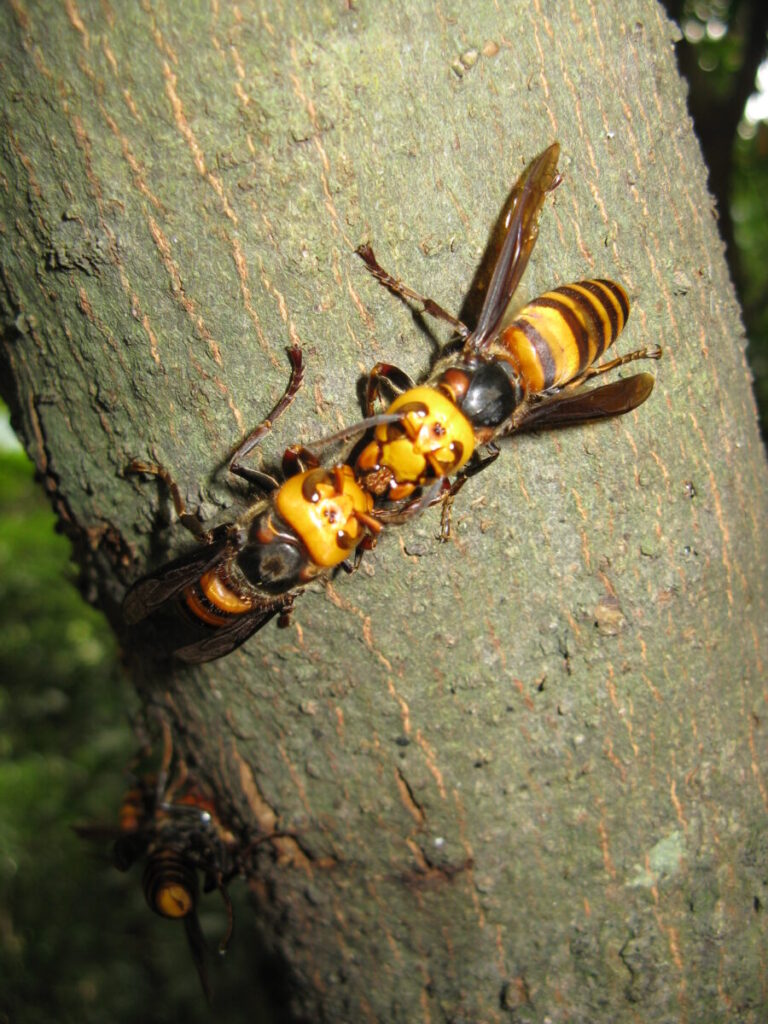
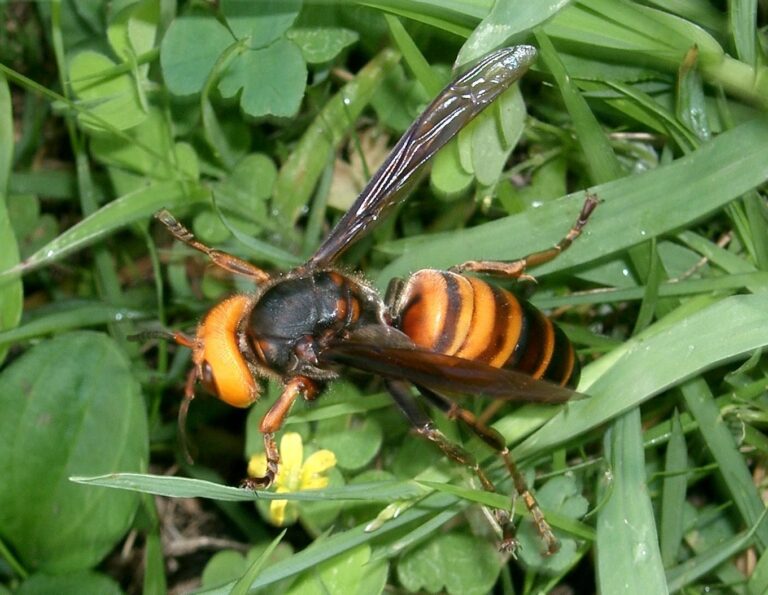
Asian Giant Hornets belong to the class Insecta and fall under the order Hymenoptera, which includes bees and wasps. They have a well-defined yellow-orange head, a black-and-yellow striped abdomen, and large wings that create a strong buzzing sound as they dart around looking for food.
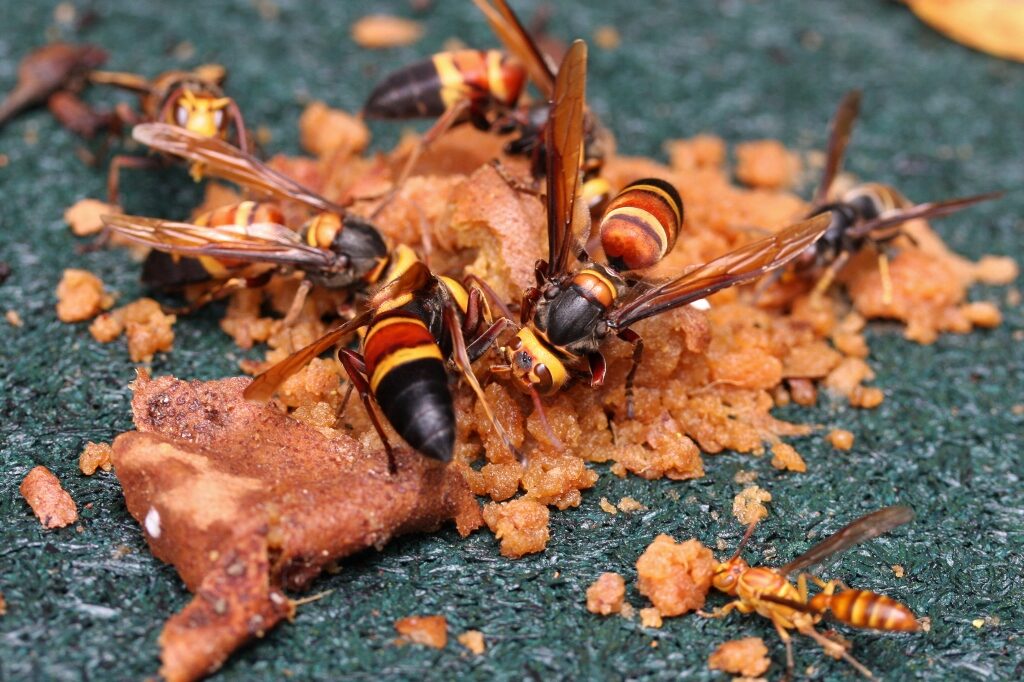
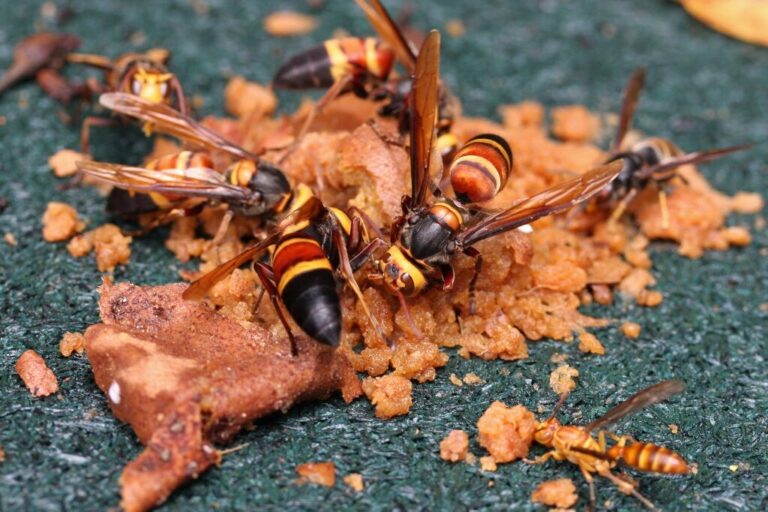
These hornets love to munch on protein-rich snacks like other insects, tree sap, and even honeybee larvae. Their fierce appetite helps keep their colony strong, as they raise their young on a diet fit for champions!
During their brief lifespan of several months, Asian Giant Hornets lead busy lives. They build their nests, often in trees or shrubs, using chewed-up wood pulp mixed with their saliva, creating a remarkable paper-like structure.
While these hornets may seem intimidating, they play an important role in their ecosystem. They help control insect populations and contribute to the balance of nature, proving that even the biggest hornets have a positive side when you look closely!

Where can you find a Asian Giant Hornet in the wild?
What does a Asian Giant Hornet eat?
How big can a Asian Giant Hornet grow?
How long does a Asian Giant Hornet typically live?
What is the conservation status of the Asian Giant Hornet?
What are the main threats to the Asian Giant Hornet?
Fun facts
The Asian Giant Hornet can fly up to 40 kilometers per hour (24.9 miles per hour), making it a speedy insect that zips through the air like a little fighter jet.


This hornet has a very interesting way of communicating. When they find food, they perform a special dance to alert their buddies, turning meal time into a social event!
An Asian Giant Hornet's sting contains a venom that can cause intense pain similar to being shot, so they are known for their strong defense, which helps protect their colony.
These hornets can eat up to 30 honeybees in just one afternoon! Their hunting skills help them ensure their colony has enough food to thrive.
The Asian Giant Hornet contributes to the ecosystem by controlling insect populations. This keeps everything in balance, proving even the biggest can be helpful.
In Japan, hornet larvae are considered a delicacy and are served in some dishes. People enjoy eating them for their unique taste, showing how cultures can view food differently.
These hornets can tolerate colder temperatures than many other insects, allowing them to continue their busy lives even as the weather changes.
Asian Giant Hornets have excellent eyesight that helps them spot food and navigate their surroundings, making them clever hunters in the forest!
The queens of the colony start new nests in spring, where they lay their eggs and raise her first batch of workers. This shows off their leadership skills right from the start!
Hornet nests can be enormous, sometimes growing to the size of a basketball! This provides plenty of room for hundreds of workers to live and work together.
Photos





The Basics


explore more
Amphibians
Arachnids
Birds
Cats
Crustaceans
Fish
Fish Pet Guide
Gastropods
Insects
Invertebrates
Mammals
Pet Fish
Pet Rodents
Plants
Reptiles
Roundworms
Sea Slugs