Successfully copied to clipboard!
Asian Longhorn Beetle
Explore the vibrant world of nature's wood munchers!
Let’s Explore
Overview
The Asian Longhorn Beetle is a remarkable insect native to Asia. This beetle, with its scientific name Anoplophora glabripennis, belongs to the class Insecta and the order Coleoptera, making it a part of the fascinating world of bugs.
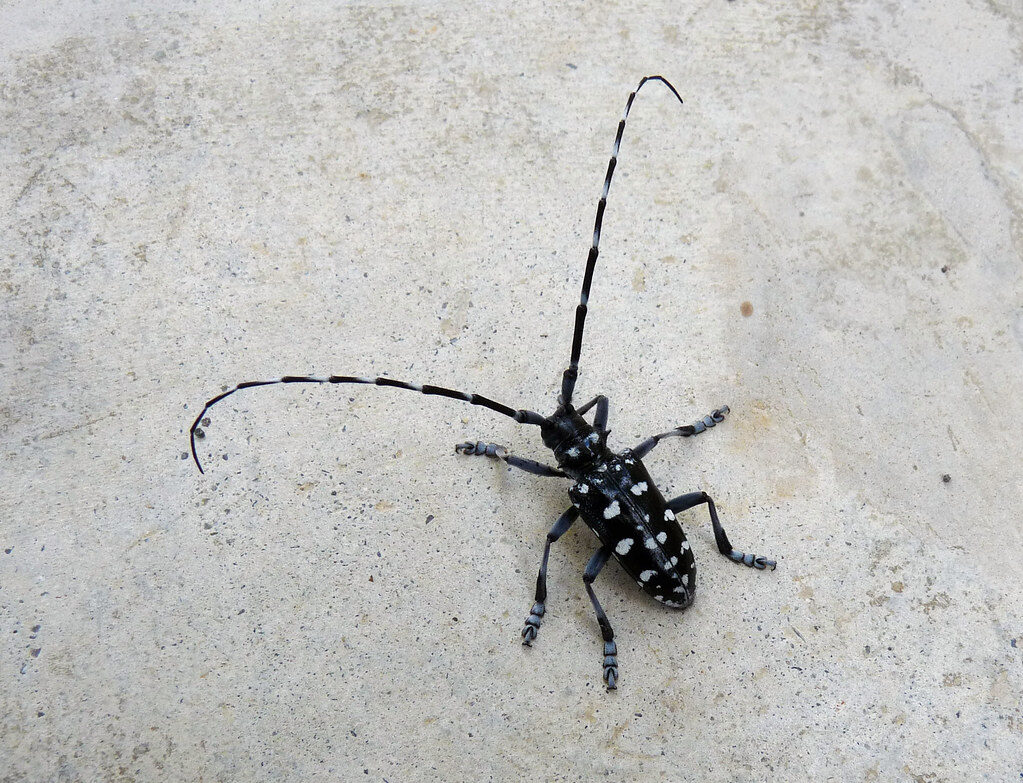
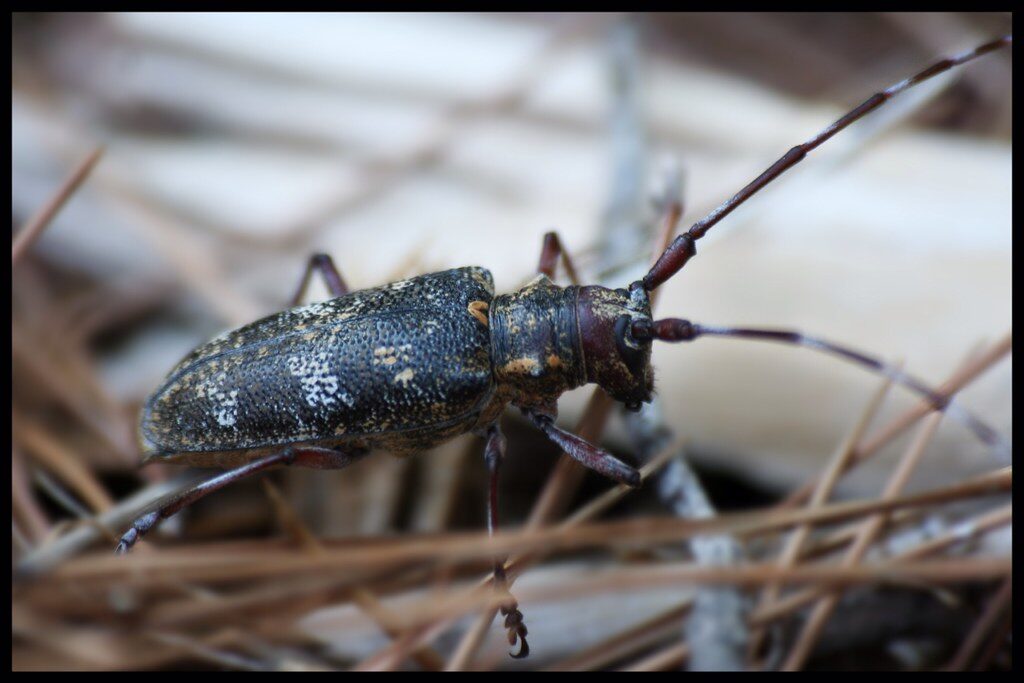
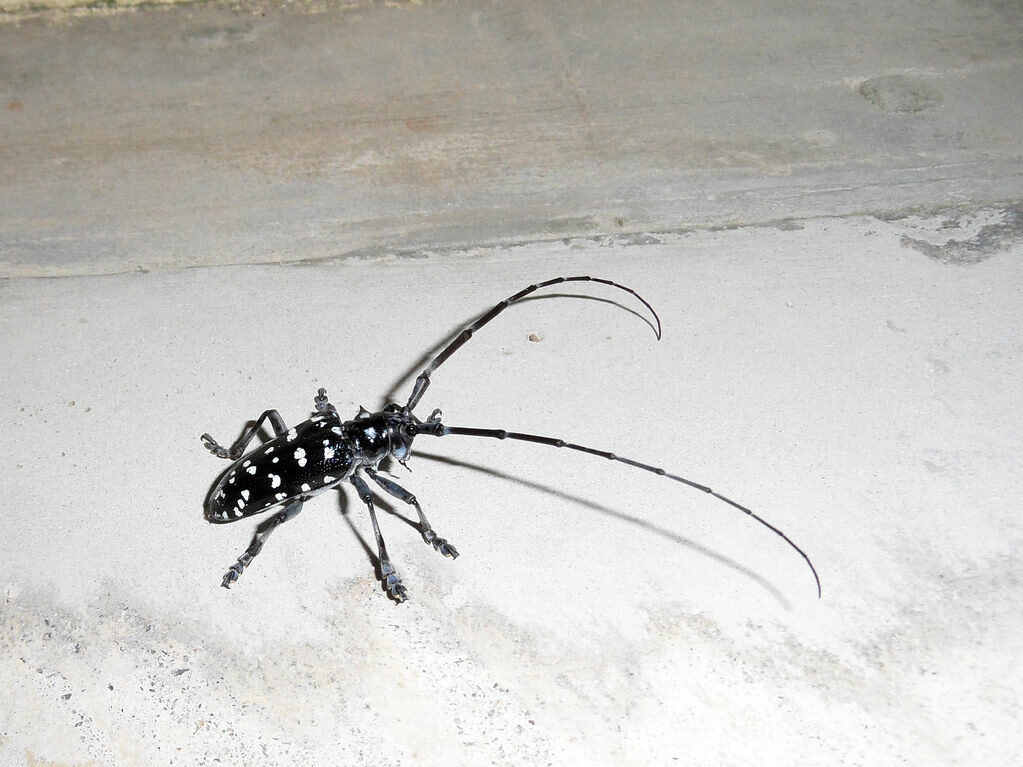
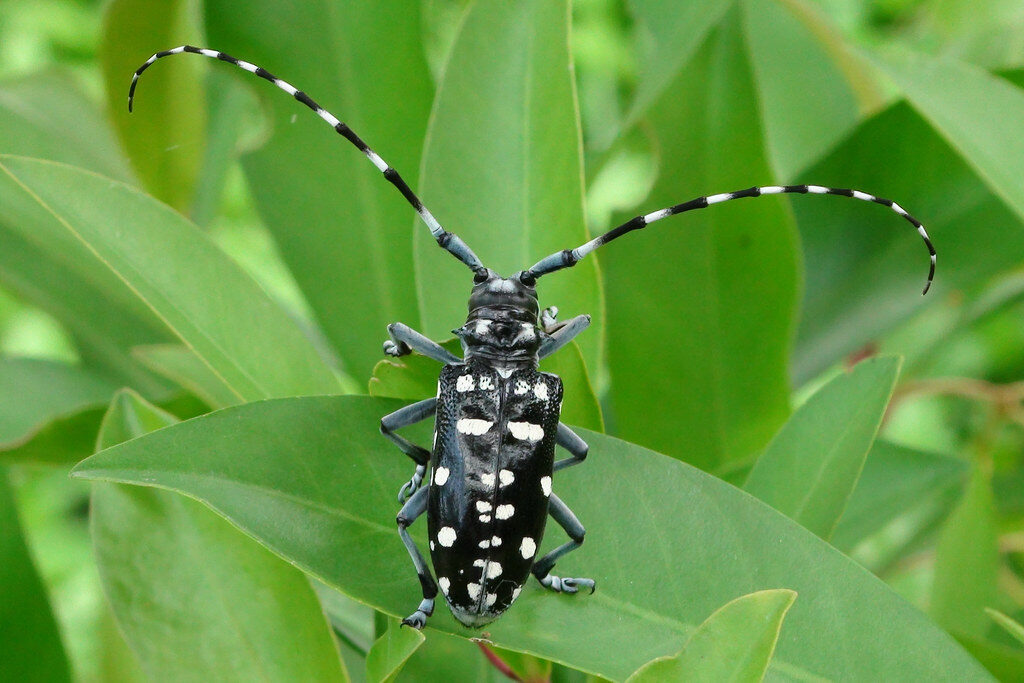
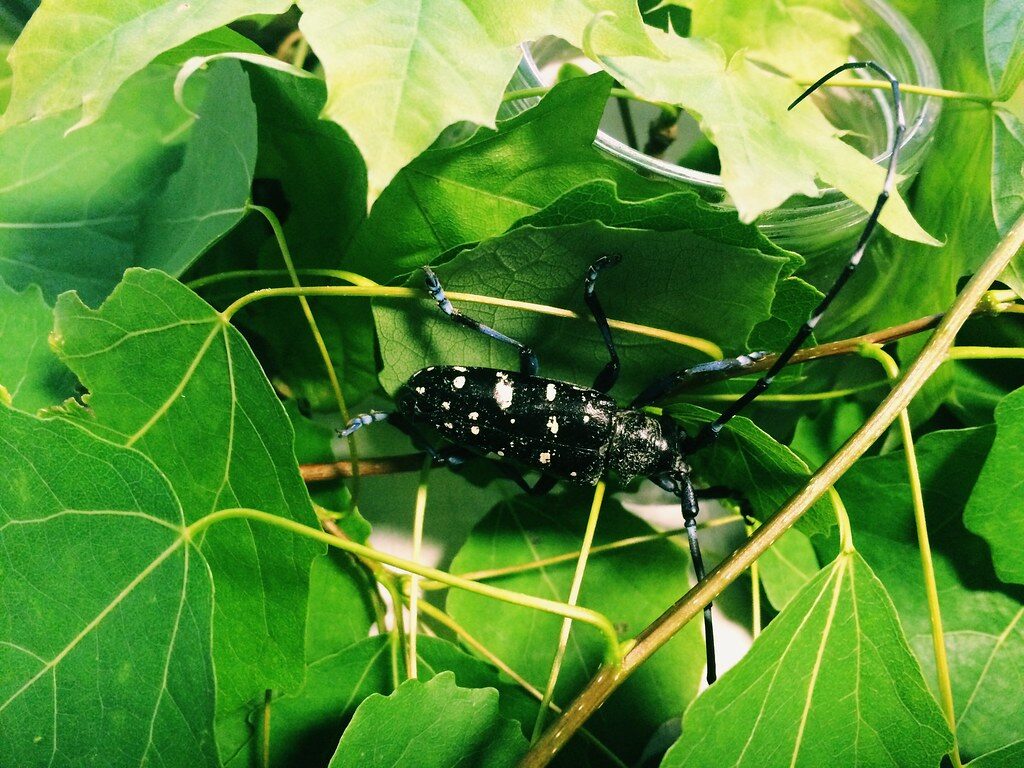
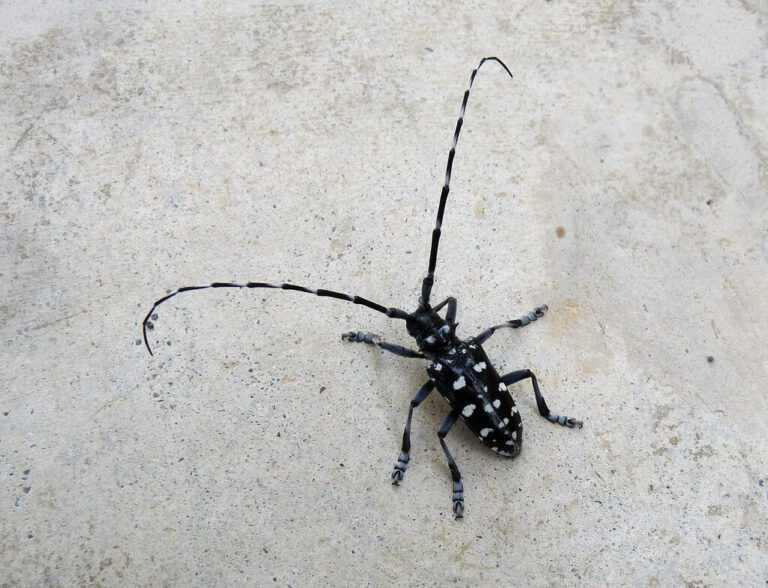
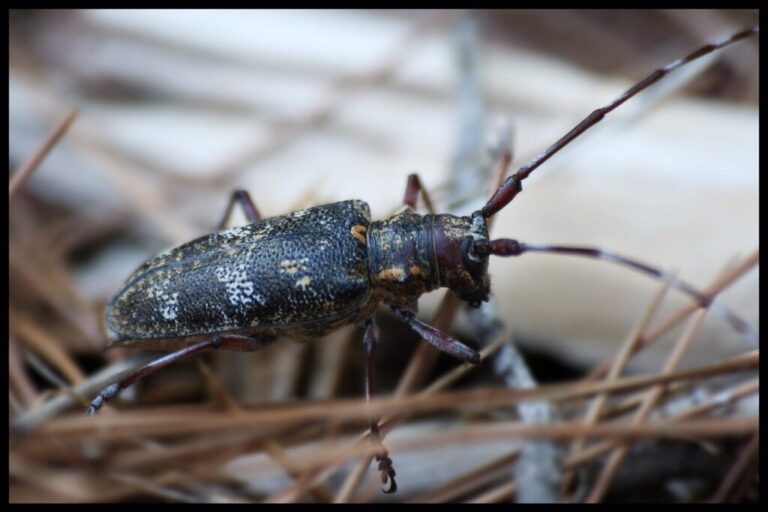
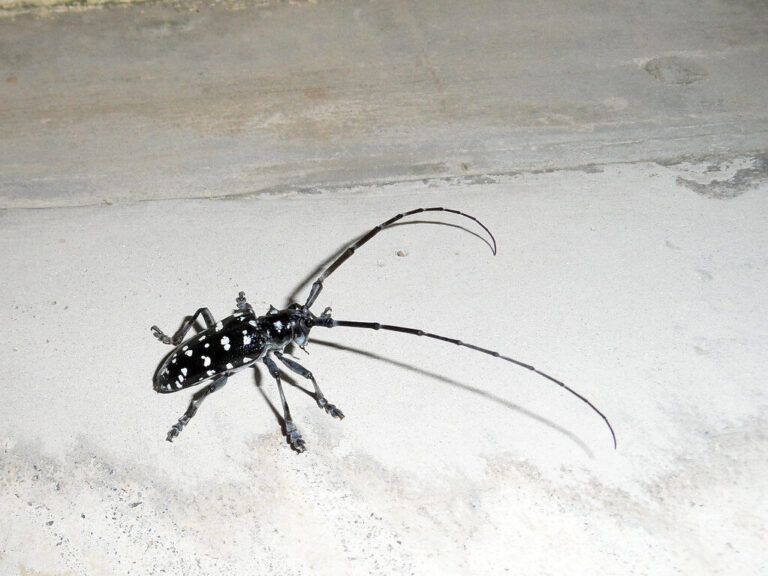
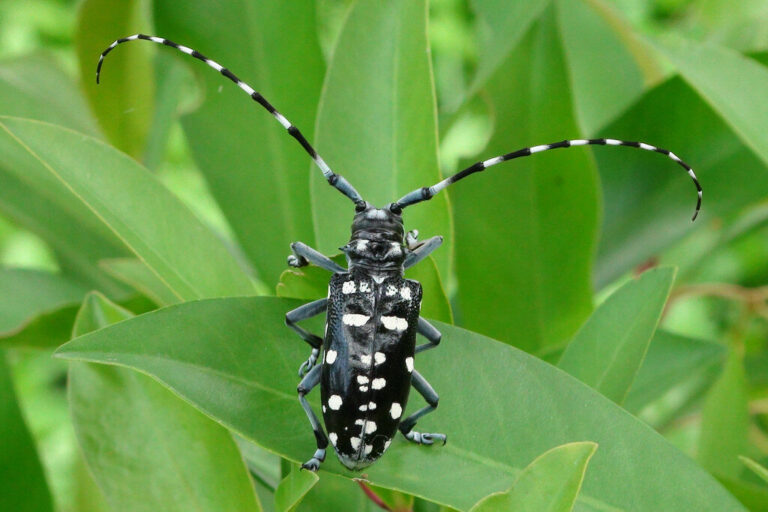
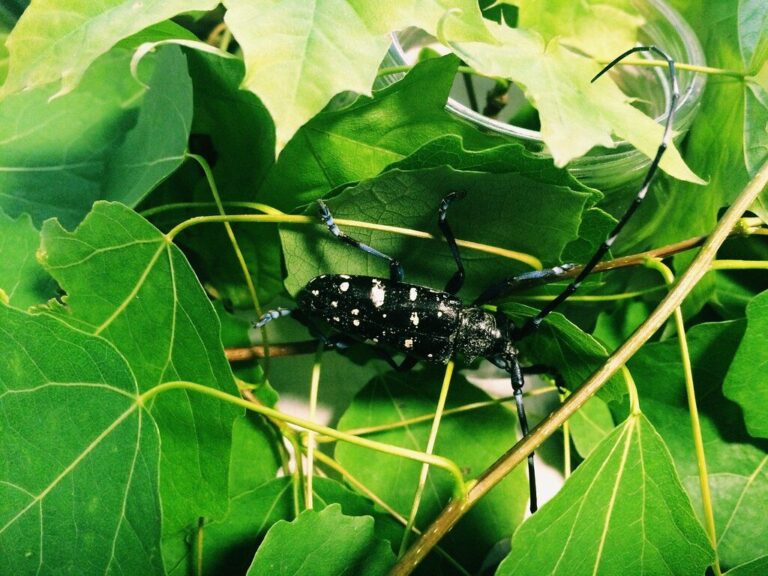
Asian Longhorn Beetles measure between 20 to 40 millimeters long, making them a noticeable presence in the forest. With their long antennae and striking black-and-white patterns, they are the true fashionistas of the insect world!
These beetles love to snack on wood and leaves from deciduous trees. They munch away primarily on hardwoods, which keeps their diet quite special, making every tree a buffet!
In their lifetime, which lasts about 1 to 2 years, these beetles go through fascinating life stages. They start as tiny eggs, hatch into larvae, and then grow into the stunning adults that buzz around.
Although they are not considered to be in danger, the Asian Longhorn Beetle plays an important role in its ecosystem. By feeding on trees, they help decompose wood and create habitats for other forest creatures—talk about a team player!
So next time you see one of these beetles, remember, they are not just any insect—they are ecosystem heroes in tiny, spotted bodies!

Where can you find a Asian Longhorn Beetle in the wild?
What does a Asian Longhorn Beetle eat?
How big can a Asian Longhorn Beetle grow?
How long does a Asian Longhorn Beetle typically live?
What is the conservation status of the Asian Longhorn Beetle?
What are the main threats to the Asian Longhorn Beetle?
Fun facts
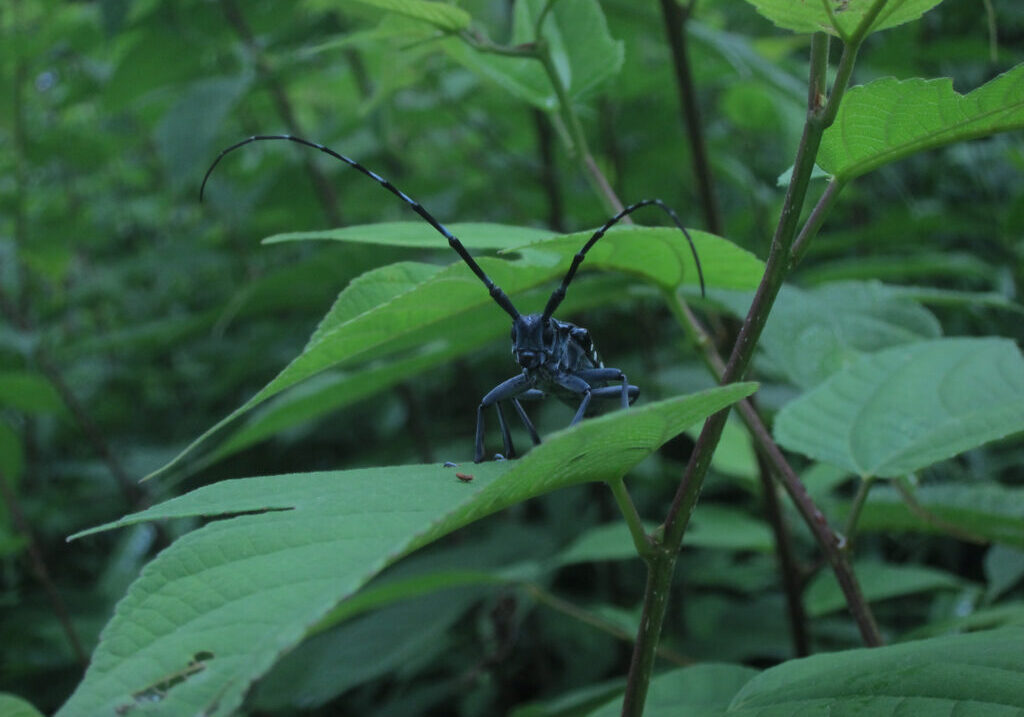
Asian Longhorn Beetles boast antennae that can grow to be twice as long as their bodies! These long 'feelers' help them navigate through their leafy homes, like super-sensitive radar dishes.


When they munch on wood, Asian Longhorn Beetle larvae create unique tunnels that look like little highways through trees. These tiny excavations help decompose wood, acting as nature's recyclers!
The colorful patterns on Asian Longhorn Beetles do more than look cool; they also help camouflage them from predators like birds. They become masterful hide-and-seek champions in the leafy canopies!
In their quest for food, these beetles can live in many types of deciduous trees, including maples and willows, making them expert tree-hoppers! Each tree offers a new buffet for their strong appetites.
Asian Longhorn Beetles lay their eggs in tree bark, creating real-life 'nurseries' for their larvae. Once they hatch, these little baby beetles have a cozy place to munch until they grow up!
These beetles don't just snack quietly; they make quite a ruckus! The sound of their wood-munching can sometimes be heard echoing through the forest, like a dinner party gone wild!
Adult Asian Longhorn Beetles only show up for a short time in the summer, partying in the trees before they lay their eggs. Talk about a speedy life with a spectacular summer show!
When faced with threats, Asian Longhorn Beetles can play a clever game of hide-and-seek, burrowing into the wood to stay safe from prying eyes. They know the best hiding spots in their woody homes!
These beetles contribute to their habitat by breaking down dead wood, which creates homes for other creatures like fungi and tiny insects. They help keep the forest lively and diverse!
Scientists study Asian Longhorn Beetles for insights into forest health and ecology. Their very existence can signal the well-being of entire ecosystems, making them tiny guardians of the forest!
Photos





The Basics


explore more
Amphibians
Arachnids
Birds
Cats
Crustaceans
Fish
Fish Pet Guide
Gastropods
Insects
Invertebrates
Mammals
Pet Fish
Pet Rodents
Plants
Reptiles
Roundworms
Sea Slugs