Successfully copied to clipboard!
Barnacle
Unveil the secret life of ocean's tiny, sticky superheroes!
Let’s Explore
Overview
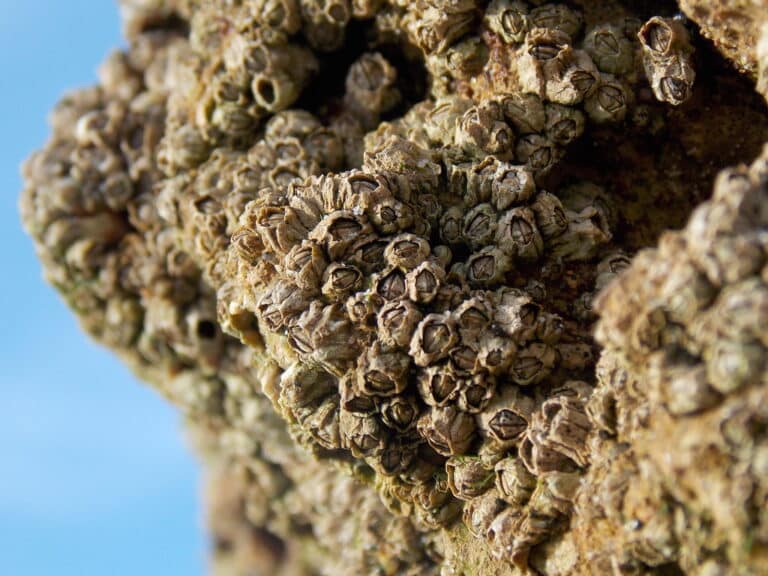
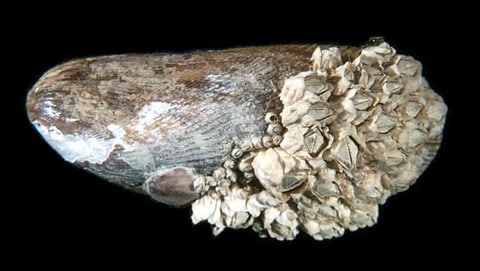
Barnacles are quirky creatures that attach themselves to rocks, ships, and even whales in oceans around the world. They belong to the class Maxillopoda and are part of the phylum Arthropoda, making them relatives of insects and crabs!
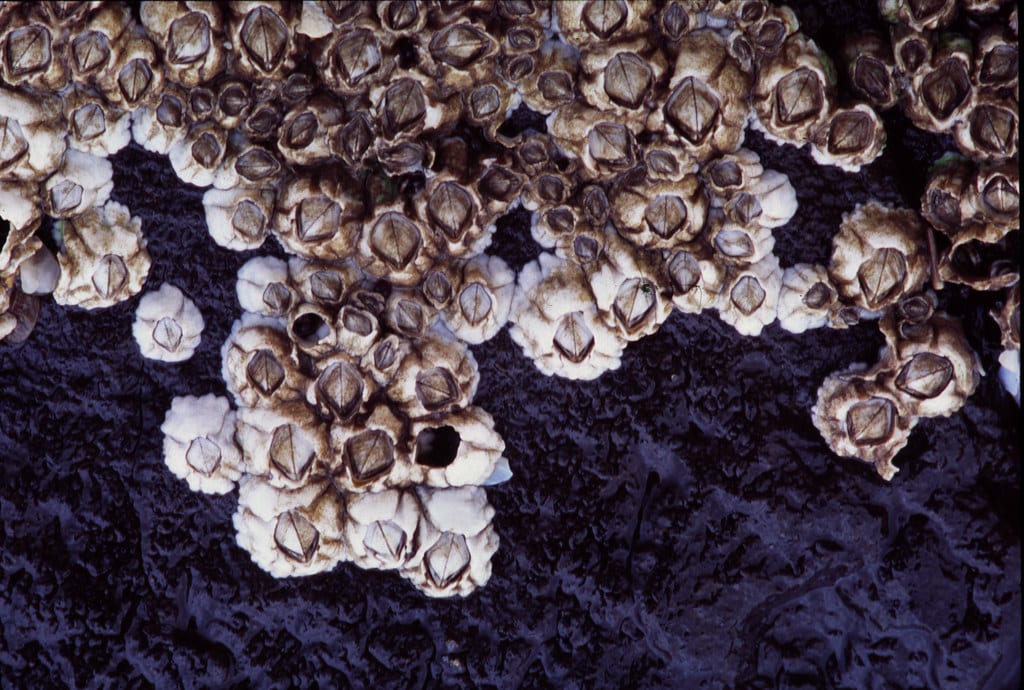
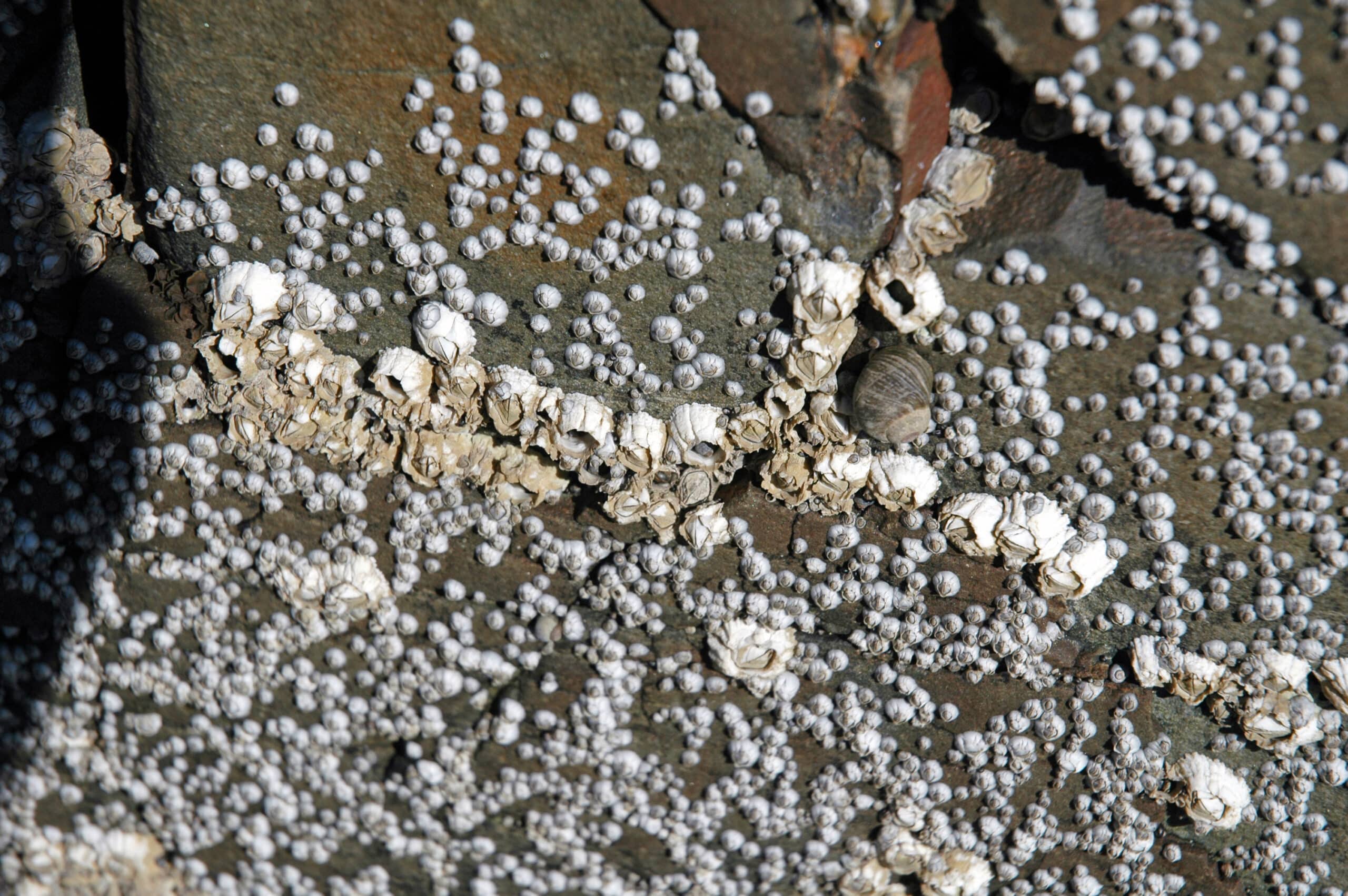
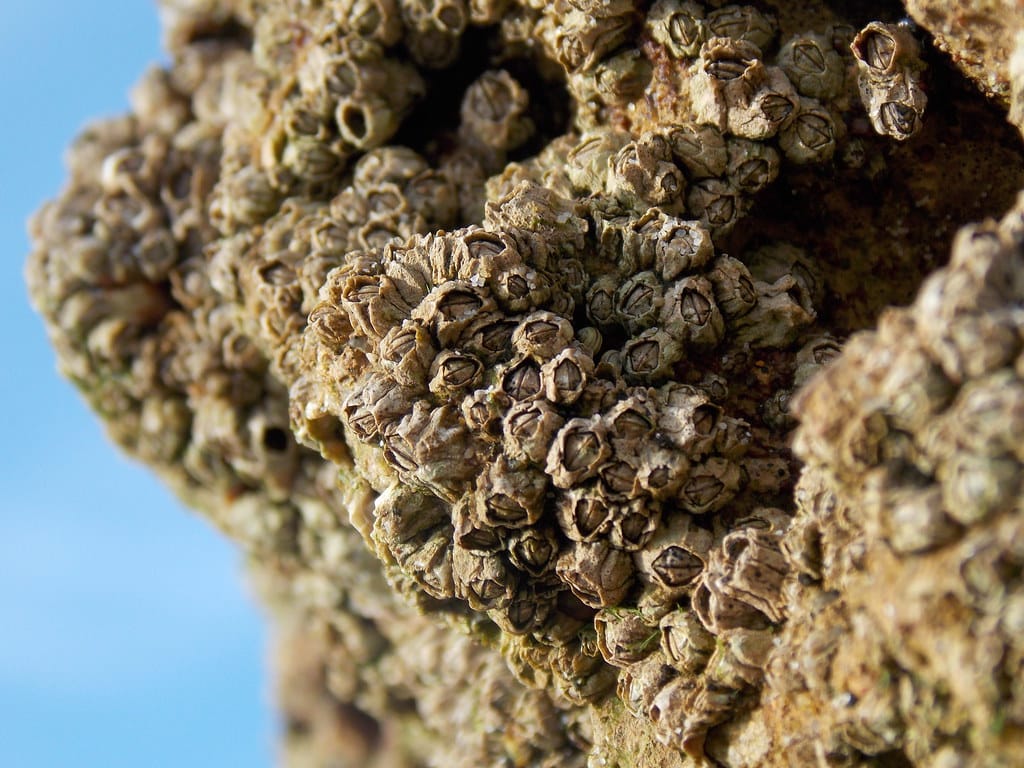
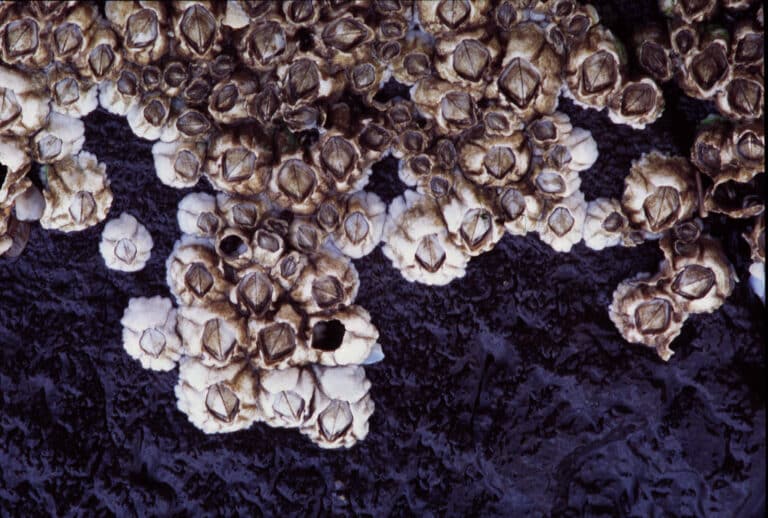
These tiny invertebrates can grow up to 2.5 centimeters wide. Their hard shells protect them from waves and predators, while they often look like small, white or brown, conical structures stuck to surfaces.
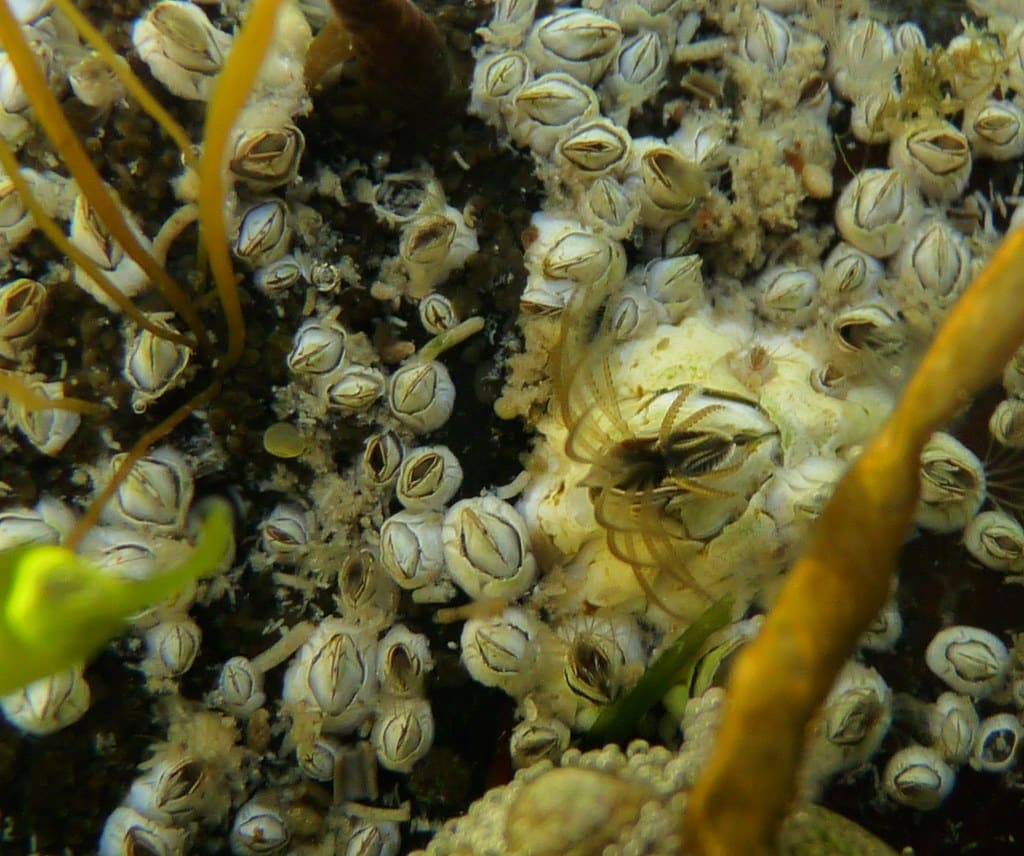
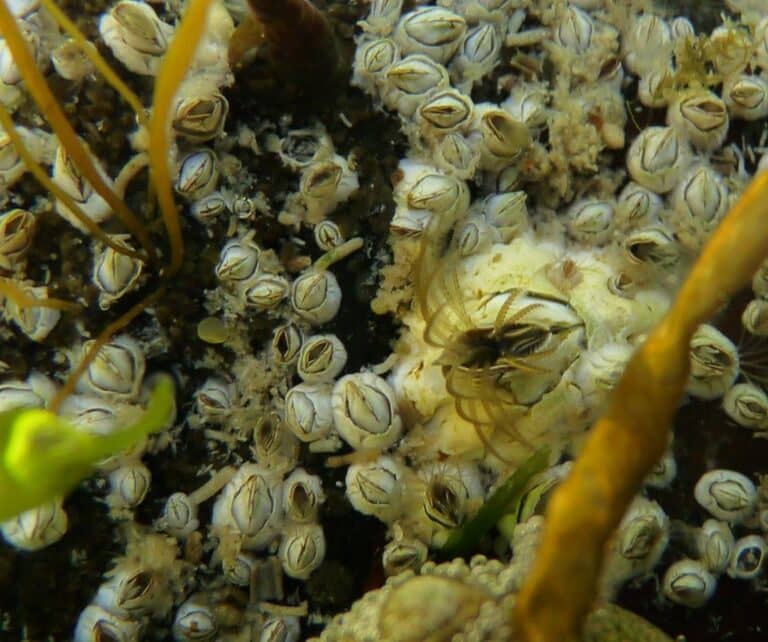
Barnacles have a unique feeding style that makes them standout snackers. They catch tiny plankton from the water by extending their feathery legs, which filter the yummy food right out of the ocean!
With a lifespan between 2 to 7 years, barnacles have some time to settle down and enjoy their ocean home. Once they find a spot, they live attached for life, showing just how good they are at making a lasting impression.
Although they may seem like simple creatures, barnacles are essential for marine ecosystems. They provide food for various animals and help create habitats for other sea creatures, proving that even small things can make a big difference in the sea!
If you ever look closely at a barnacle, you might spot its adorable little mouth inside—now that’s a tasty surprise! So next time you're near the shore, remember to admire these charming little animals and their hard-working ways in the watery world!

Where can you find a Barnacle in the wild?
What does a Barnacle eat?
How big can a Barnacle grow?
How long does a Barnacle typically live?
What is the conservation status of the Barnacle?
What are the main threats to the Barnacle?
Fun facts
Barnacles have a surprising ability to glue themselves to almost anything, including boats and even whales! Their glue is so strong that scientists study it to build super-strong adhesives for human use.


Once barnacles attach to a surface, they never let go for life! This means they literally pick a spot and commit to being there, resembling tiny, shelled roommates who always stay put.
Barnacles don't just sit there; they wave their feathery legs to filter food out of the water. It's like an underwater dance party for plankton, and barnacles are the enthusiastic hosts!
Some barnacles can create their own homes out of small particles like sand and shell debris! They build these cozy shells to have more protection against predators, making them little architects of the sea.
A barnacle's teeny opening can be so tiny that you might need a magnifying glass to see its mouth! When you do, you will find that even the smallest creatures have amazing adaptations.
Barnacles can live with their shells partially open to let water flow freely while still being attached. This allows them to snatch delicious food while enjoying a relaxing ocean breeze.
Once barnacles settle in, they can survive rough conditions, including crashing waves and strong currents. They are like the ultimate ocean tough guys, proving that small creatures can face big challenges!
Some barnacles are able to change color depending on their environment. This color-changing skill helps them blend in and stay safe from hungry predators, showcasing their clever side.
Young barnacles swim freely in the ocean before finding a place to settle. They are adventurous little explorers, traveling around until they find their perfect home in the salty sea!
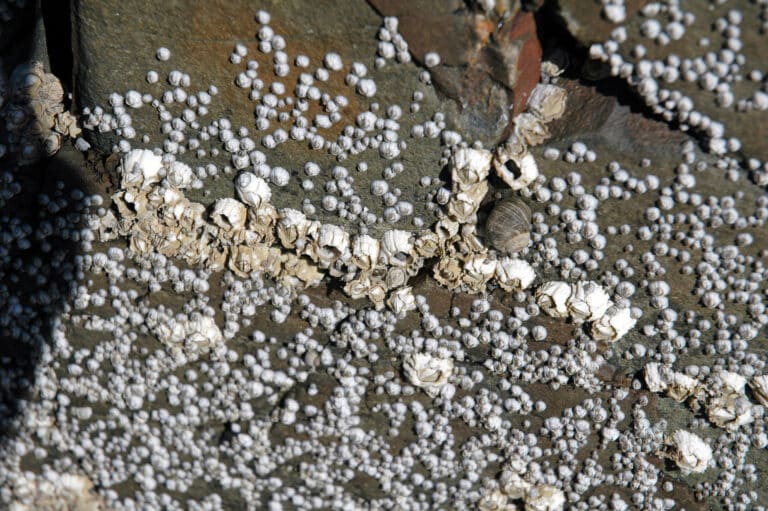
Barnacle colonies can act like mini reefs, providing homes for many tiny sea creatures. By sticking together in groups, they create vibrant ecosystems and make the ocean a lively place!
Photos





The Basics


explore more
Amphibians
Arachnids
Birds
Cats
Crustaceans
Fish
Fish Pet Guide
Gastropods
Insects
Invertebrates
Mammals
Pet Fish
Pet Rodents
Plants
Reptiles
Roundworms
Sea Slugs