Successfully copied to clipboard!
Bed Bugs
Uncover the tiny nighttime troublemakers lurking in your bedding!
Let’s Explore
Overview
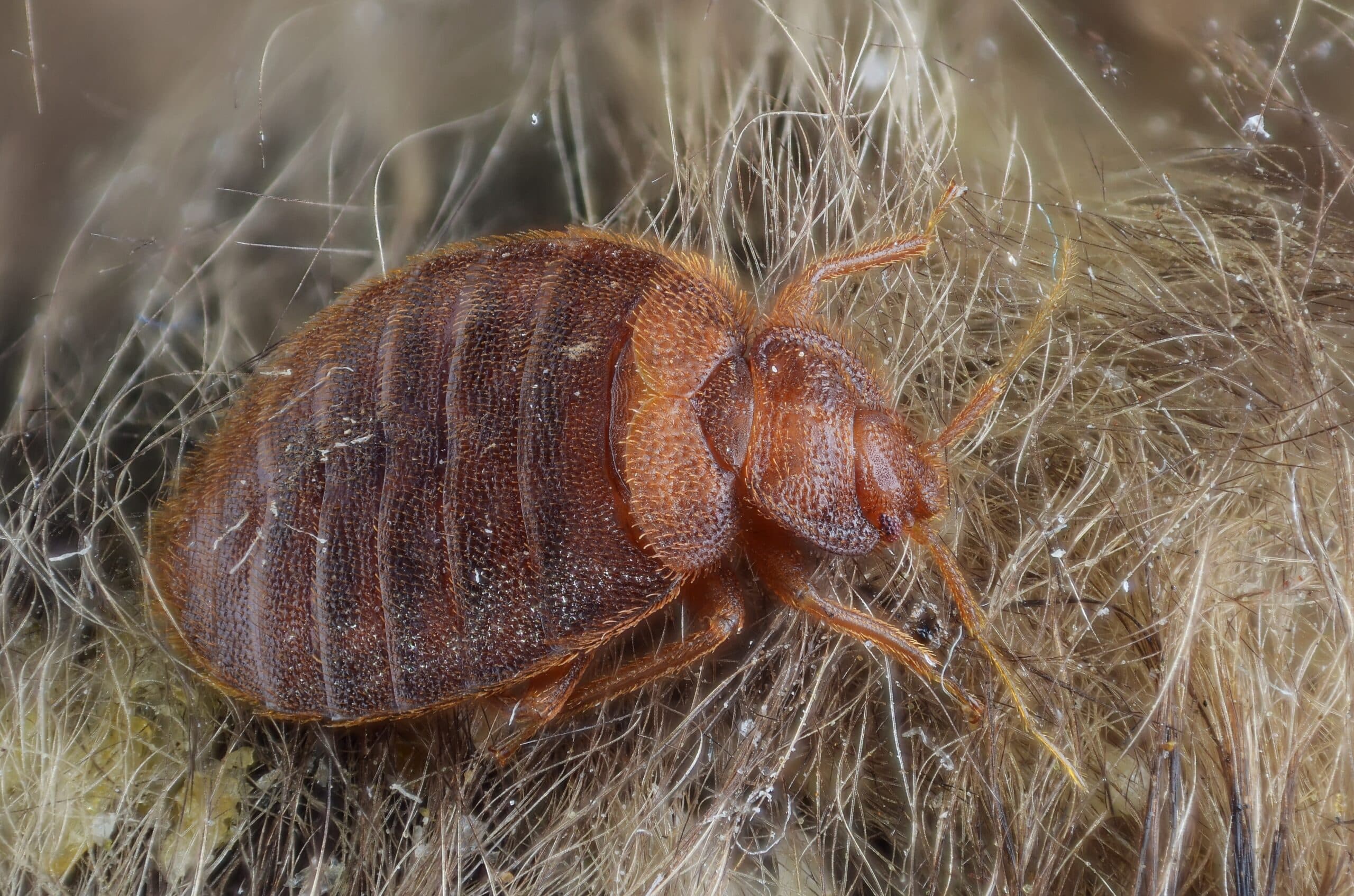
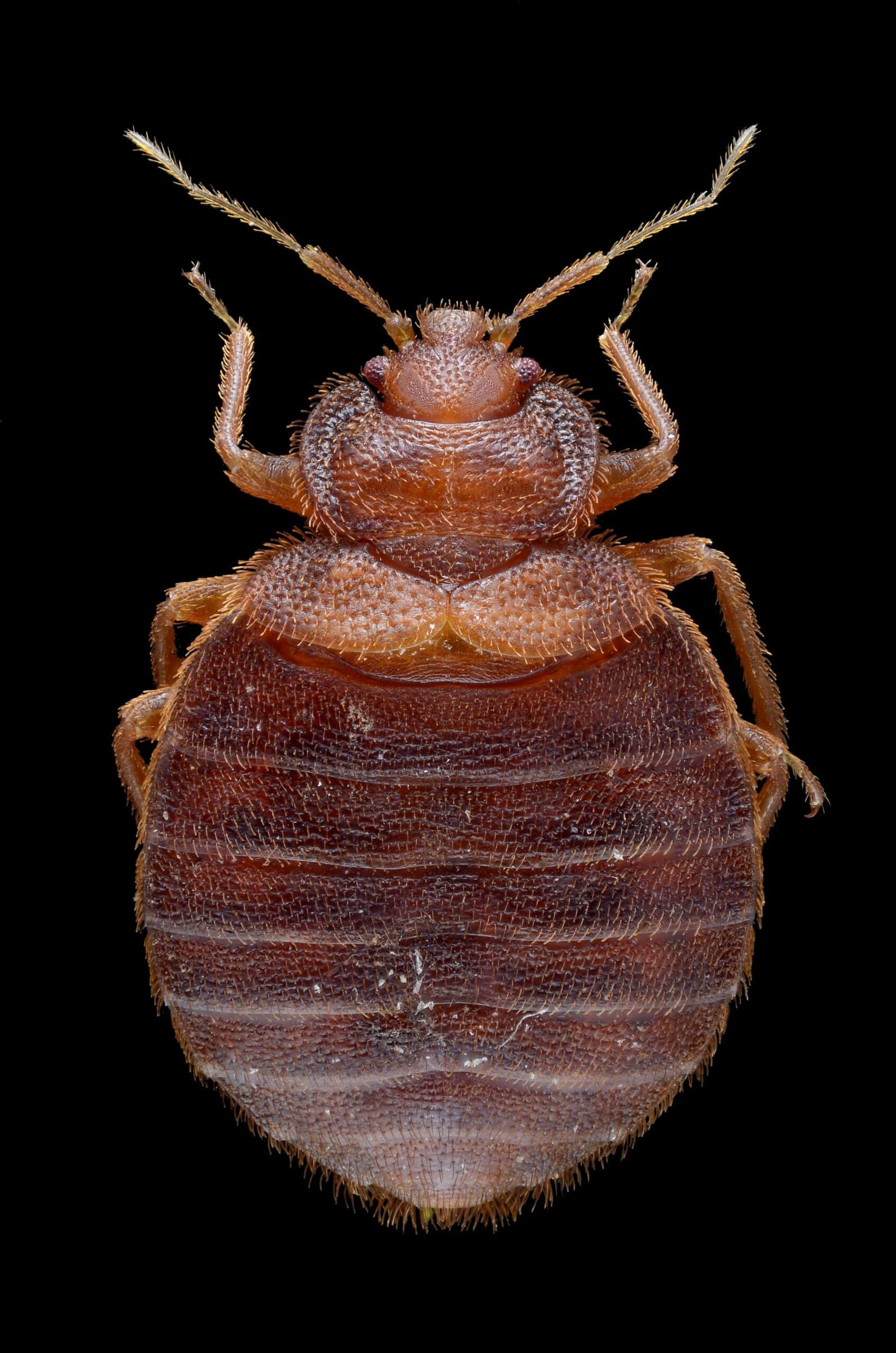
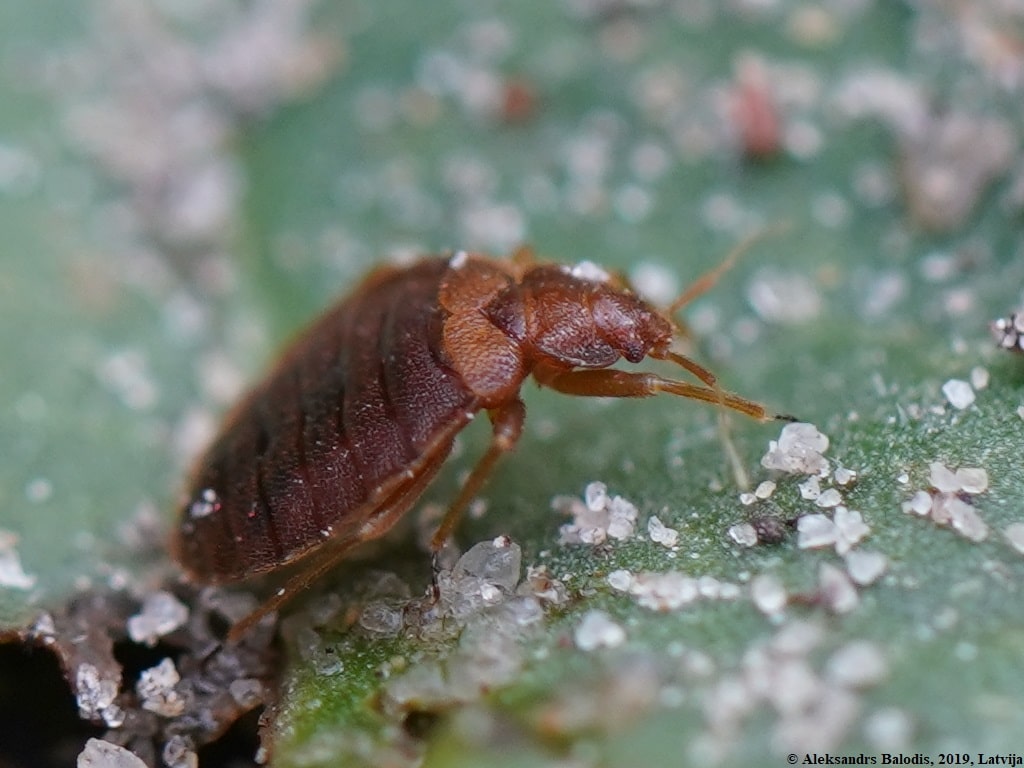
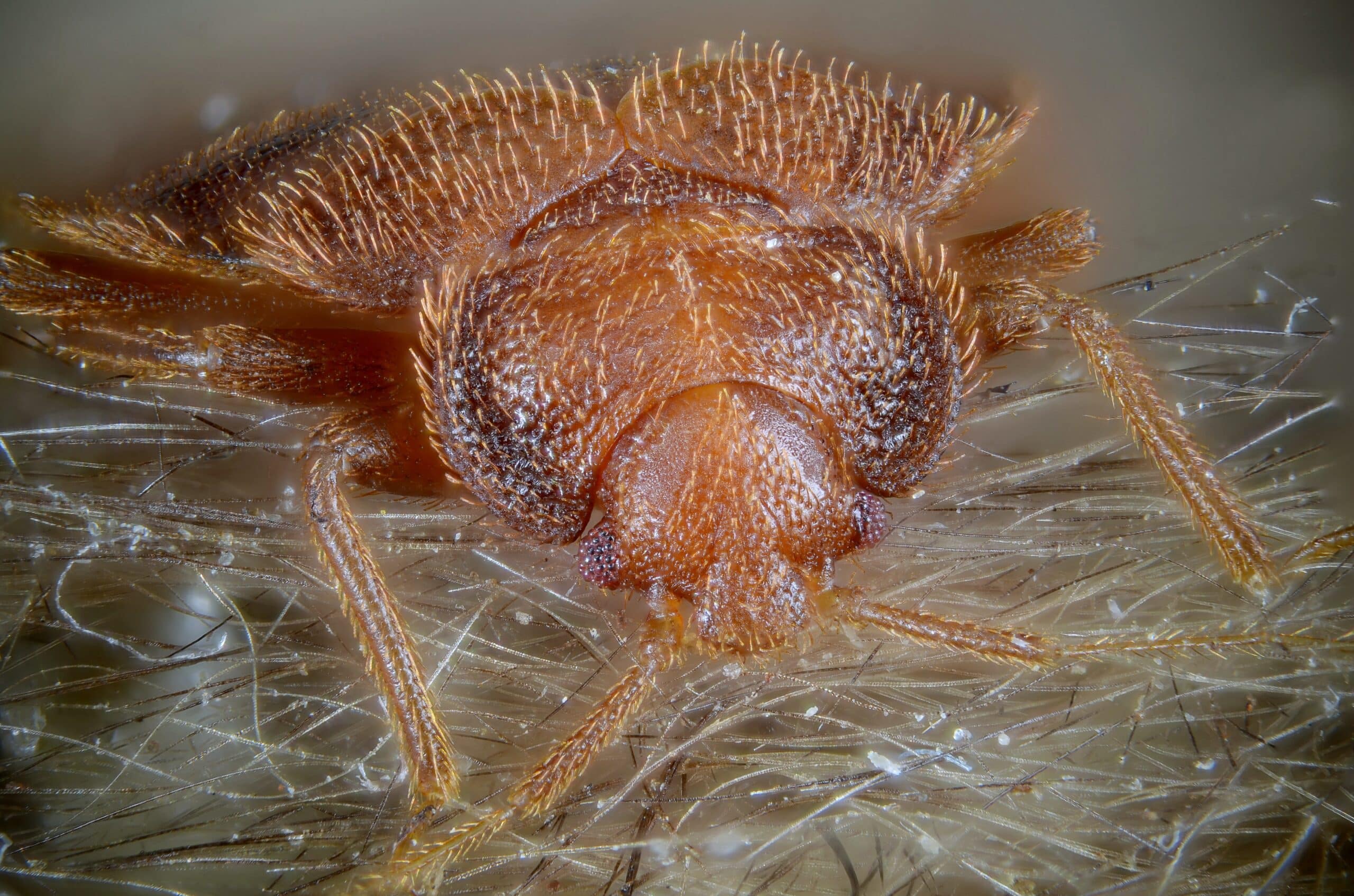
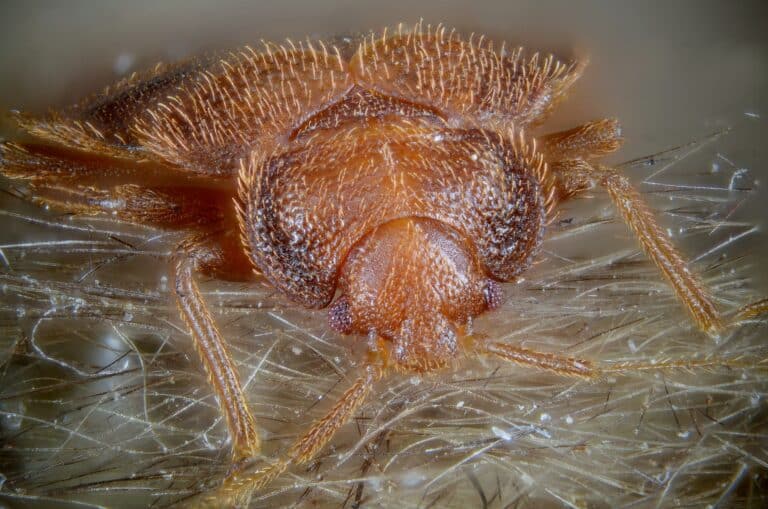
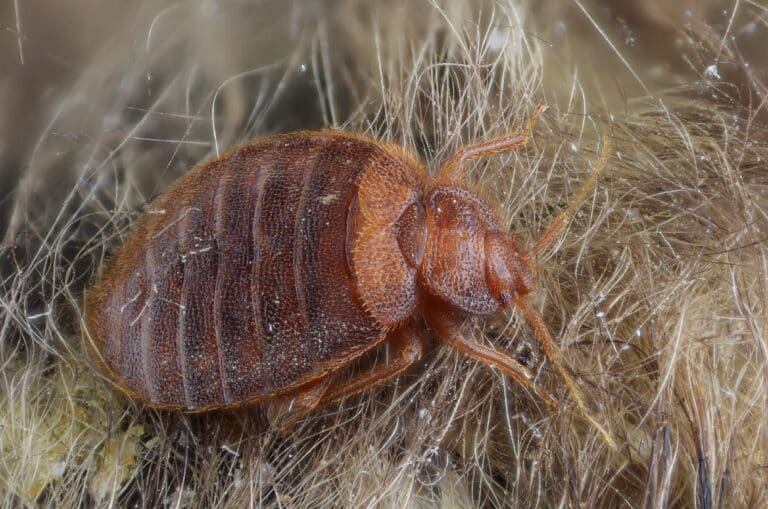
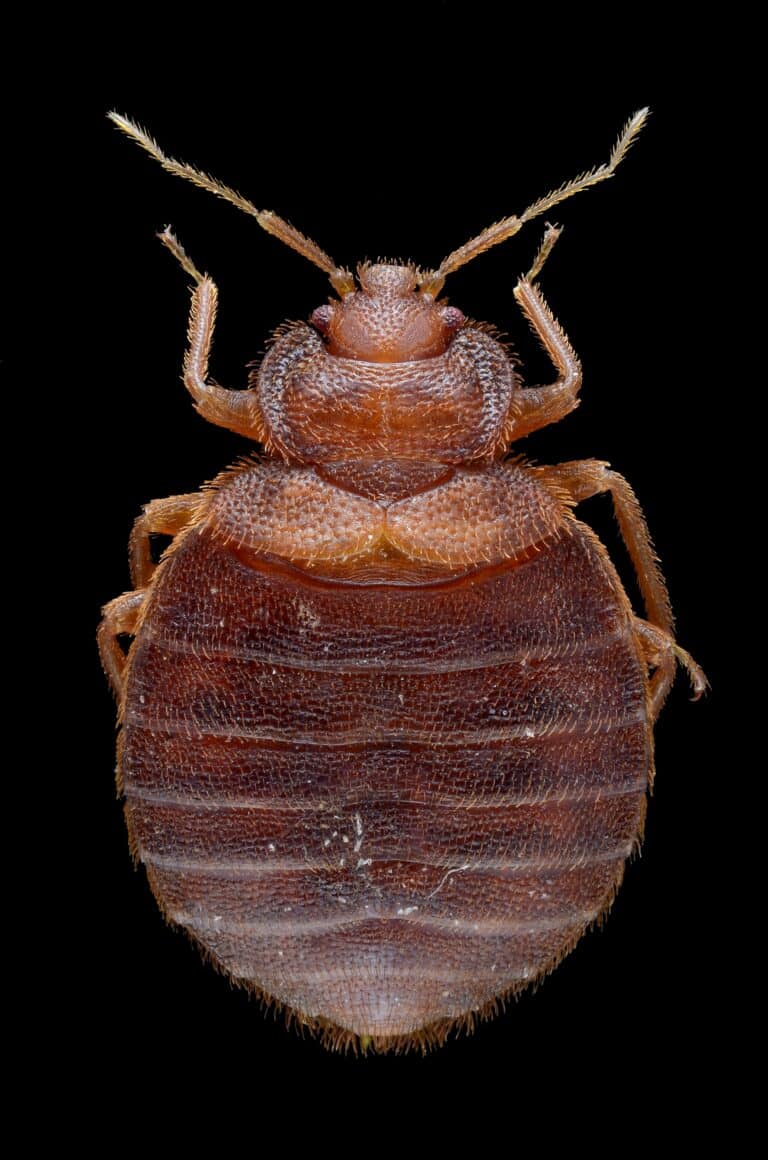
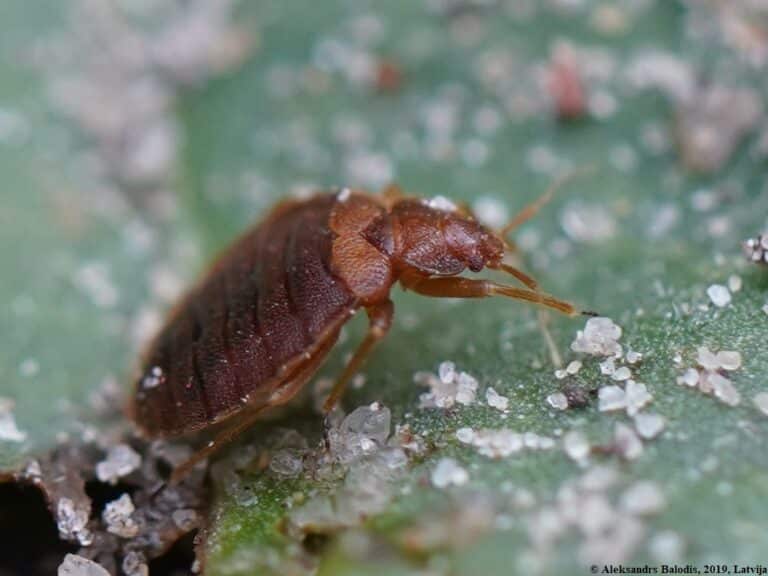
Bed bugs are tiny insects that belong to the scientific class Insecta and the order Hemiptera. These little critters measure about 4 to 5 millimeters long, making them small but mighty in their quest for a meal.
These little pests have a special dining preference. Bed bugs love to feast on the blood of warm-blooded animals, especially humans, making them more of a nuisance than a friend at bedtime. They can sneak up and take their meals while you sleep, leaving you wondering who had the last snack.
Bed bugs have a life span of about 10 months, which gives them plenty of time to search for their next meal. They can be super sneaky and often hide in cracks, crevices, and bedding, making it tougher to catch them in the act.
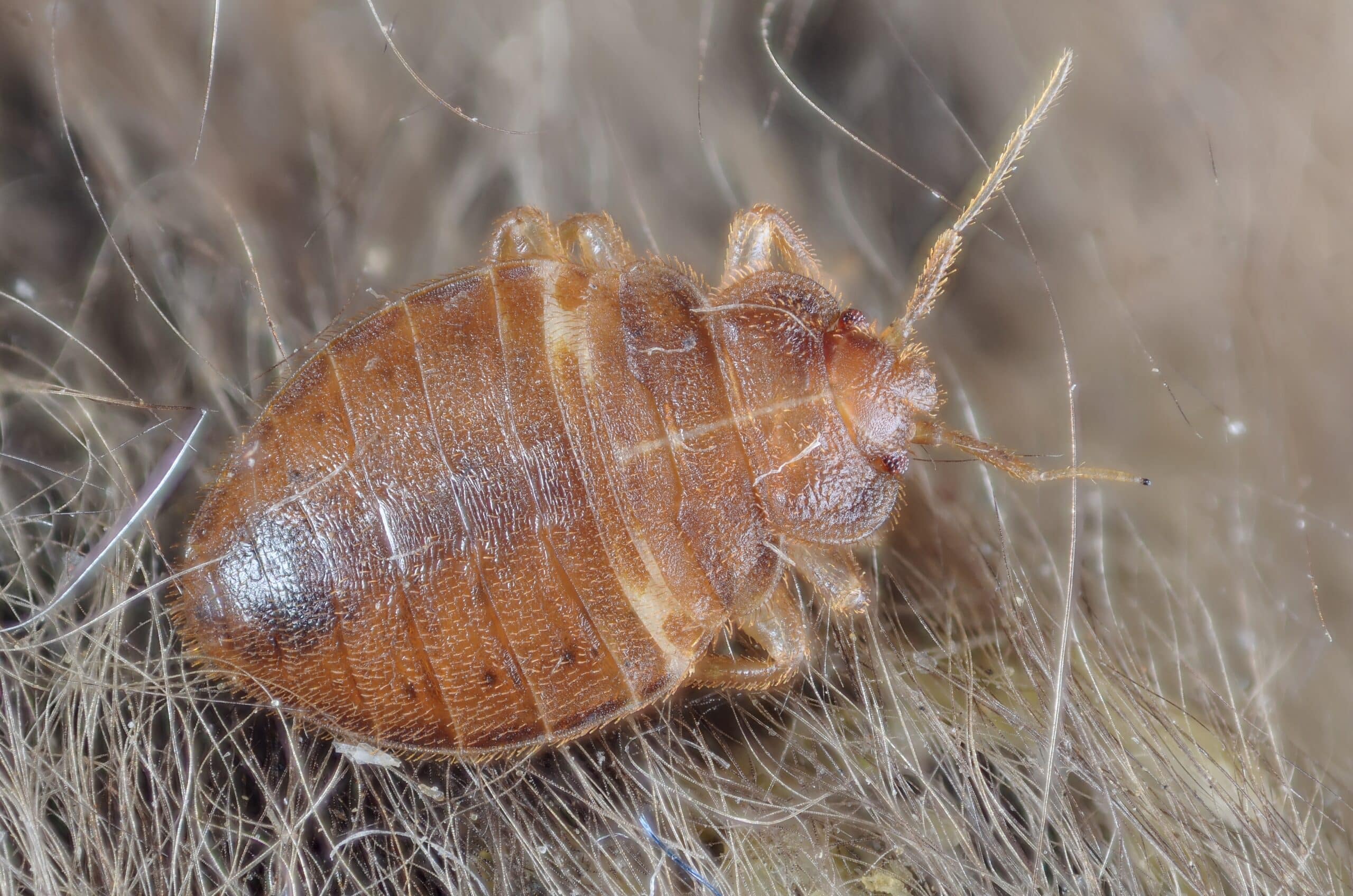
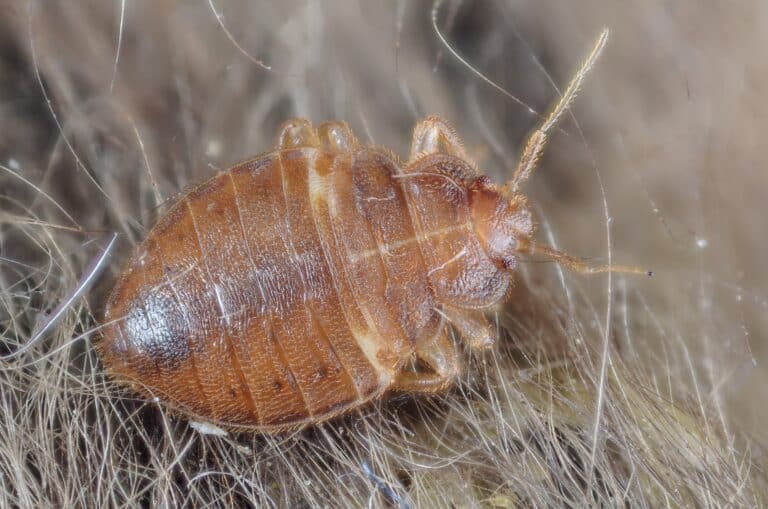
They have an interesting life cycle, starting from eggs to nymphs and finally becoming adults. Each female bed bug can lay several eggs, which hatch into little nymphs ready for adventure and snacks right away!
Bed bugs are not dangerous, but they can cause itchy bites that can keep you awake. So, it's always good practice to keep your sleeping spaces clean and check for any hidden hitchhikers before settling down for the night!

Where can you find a Bed Bugs in the wild?
What does a Bed Bugs eat?
How big can a Bed Bugs grow?
How long does a Bed Bugs typically live?
What is the conservation status of the Bed Bugs?
What are the main threats to the Bed Bugs?
Fun facts
Bed bugs can survive for months without eating, letting them continue their sneaky ways even when food is scarce. They can take a break for up to a year and still be ready to feast when the opportunity arises!


These little bugs communicate with each other through pheromones, which are special chemical signals. It's like they have their own secret language to warn each other about danger or attract friends for a meal party!
Bed bugs can sense carbon dioxide, which helps them find sleeping humans. They can detect the gas we breathe out, guiding them right to their next meal.
Each female bed bug can lay up to 12 eggs a day! In just a few weeks, those eggs can turn into tiny nymphs all ready to hunt for dinner.
Bed bugs do not fly. Instead, they sneak around by crawling quickly and can travel up to 30.5 meters (100 feet) in a night, giving them plenty of chances to find a tasty snack.
Bed bugs can live in various habitats, including hotels and movie theaters. They are expert travelers, using luggage and clothing to hitch rides to new places where they can settle in for a meal.
Bed bugs cannot jump, which sets them apart from some other pests. Instead, they crawl in search of food, making them quite the little explorers at night.
When bed bugs bite, they inject saliva that helps thin the blood, making it easier for them to sip their meals. Luckily, this saliva is what makes bites itchy but not dangerous!
These insects can change color during their life cycle. Nymphs start out pale and turn brownish as they grow, helping them blend into their environments.
Bed bugs can live up to 10 months, which gives them plenty of time to find snacks and mates before their journey ends. They are expert survivalists, adapting well to different living conditions.
Photos





The Basics


explore more
Amphibians
Arachnids
Birds
Cats
Crustaceans
Fish
Fish Pet Guide
Gastropods
Insects
Invertebrates
Mammals
Pet Fish
Pet Rodents
Plants
Reptiles
Roundworms
Sea Slugs