Successfully copied to clipboard!
Beewolf wasp
Meet the heroic hunters that pollinate and protect the flowers!
Let’s Explore
Overview
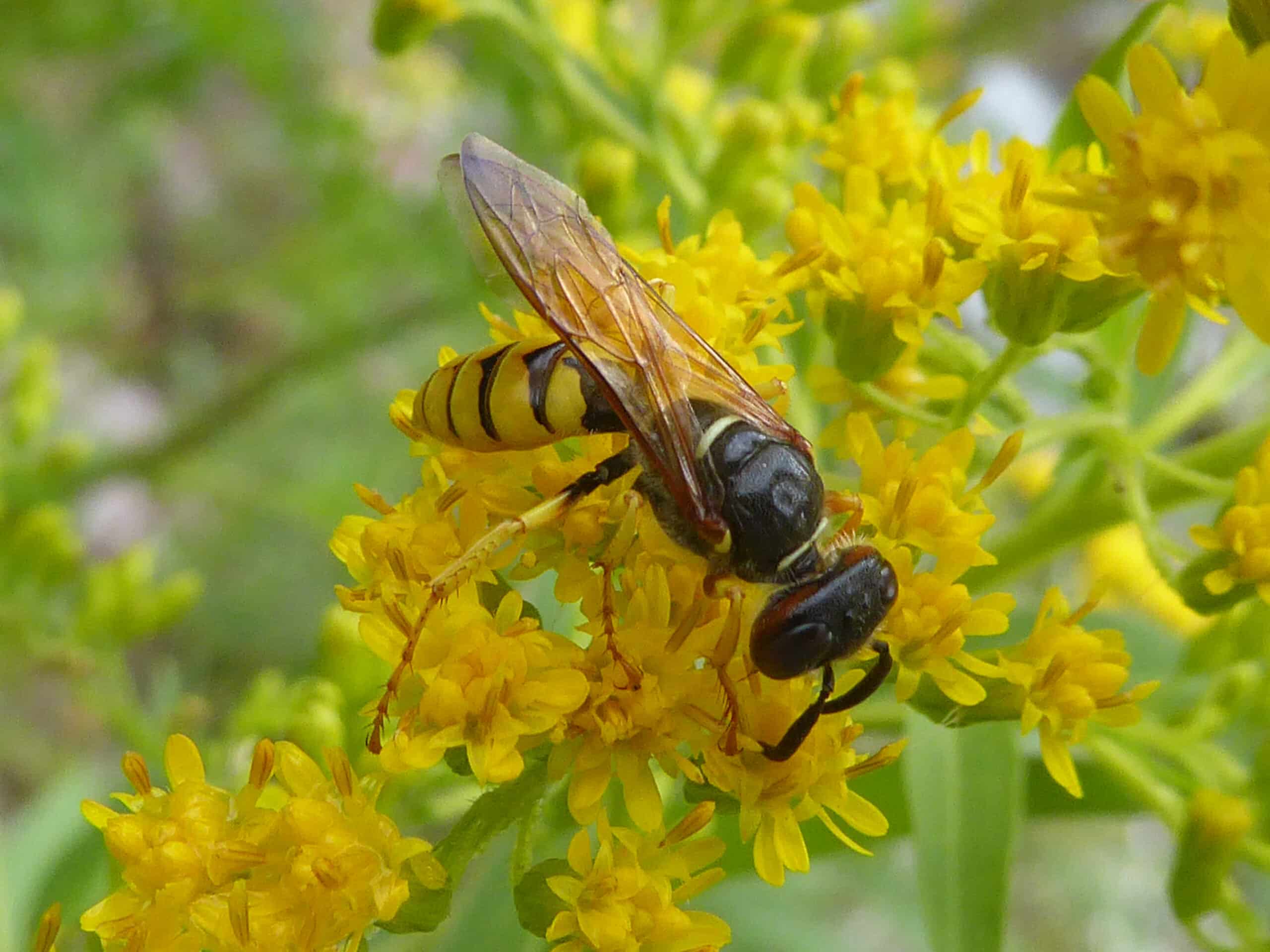
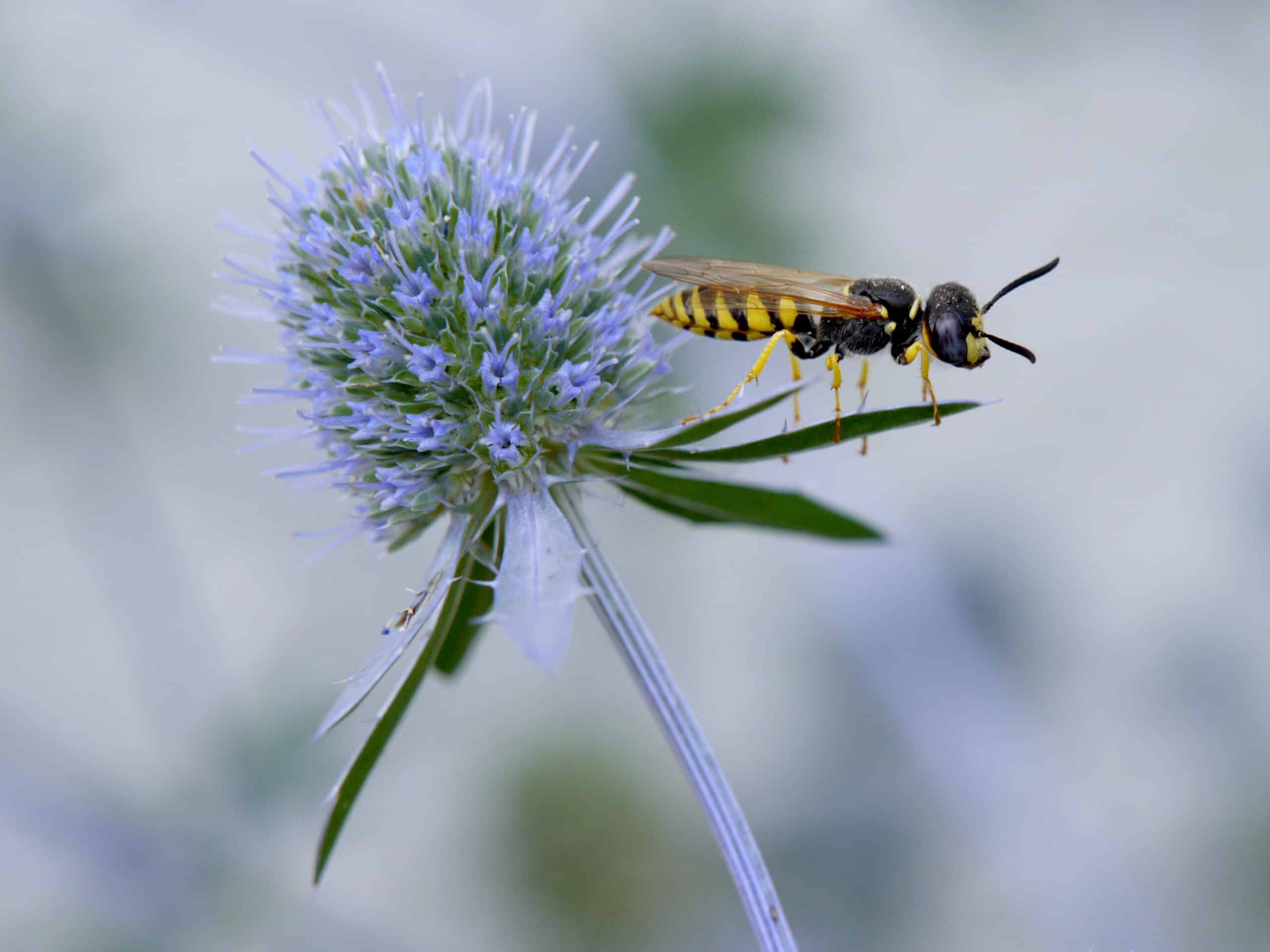
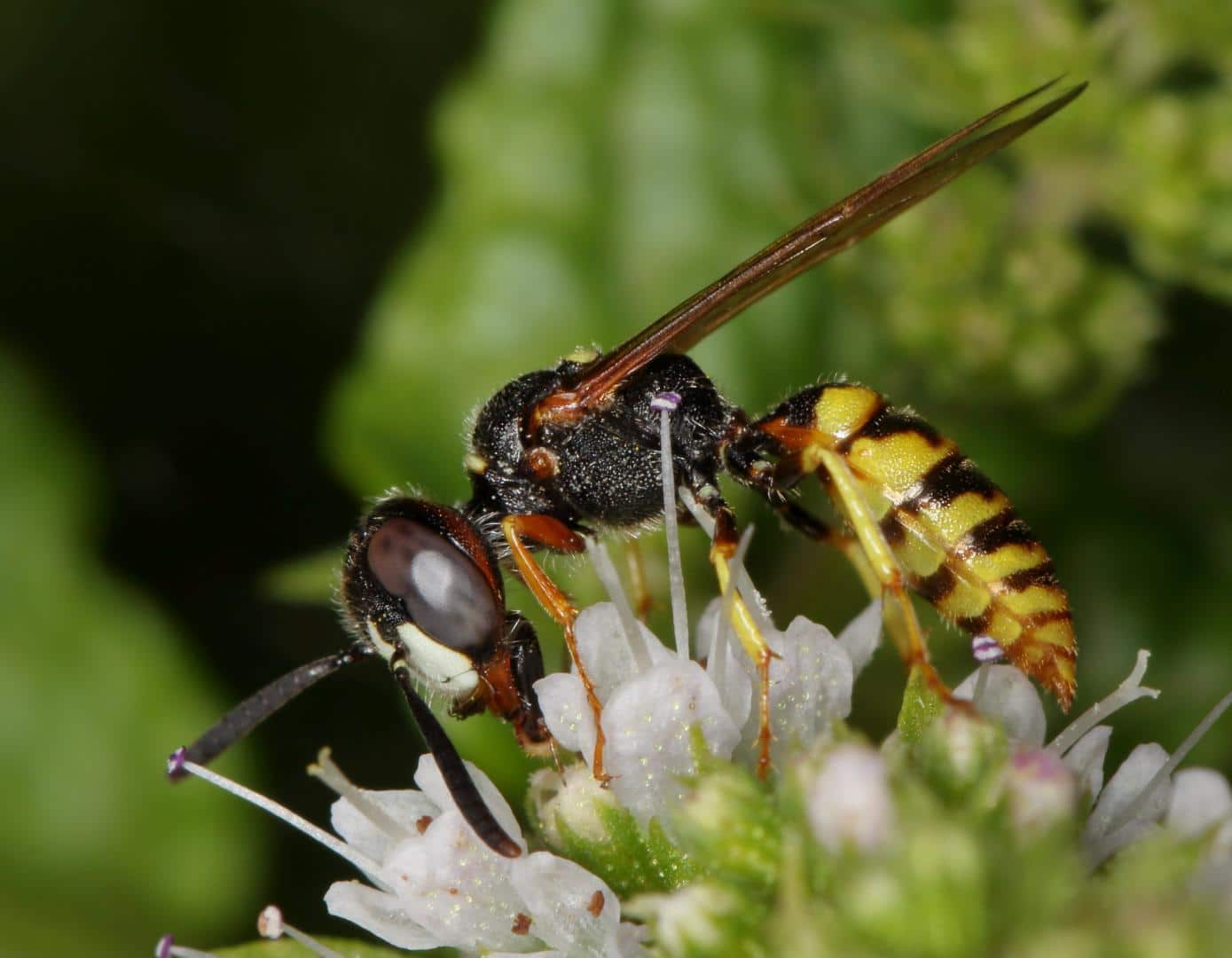
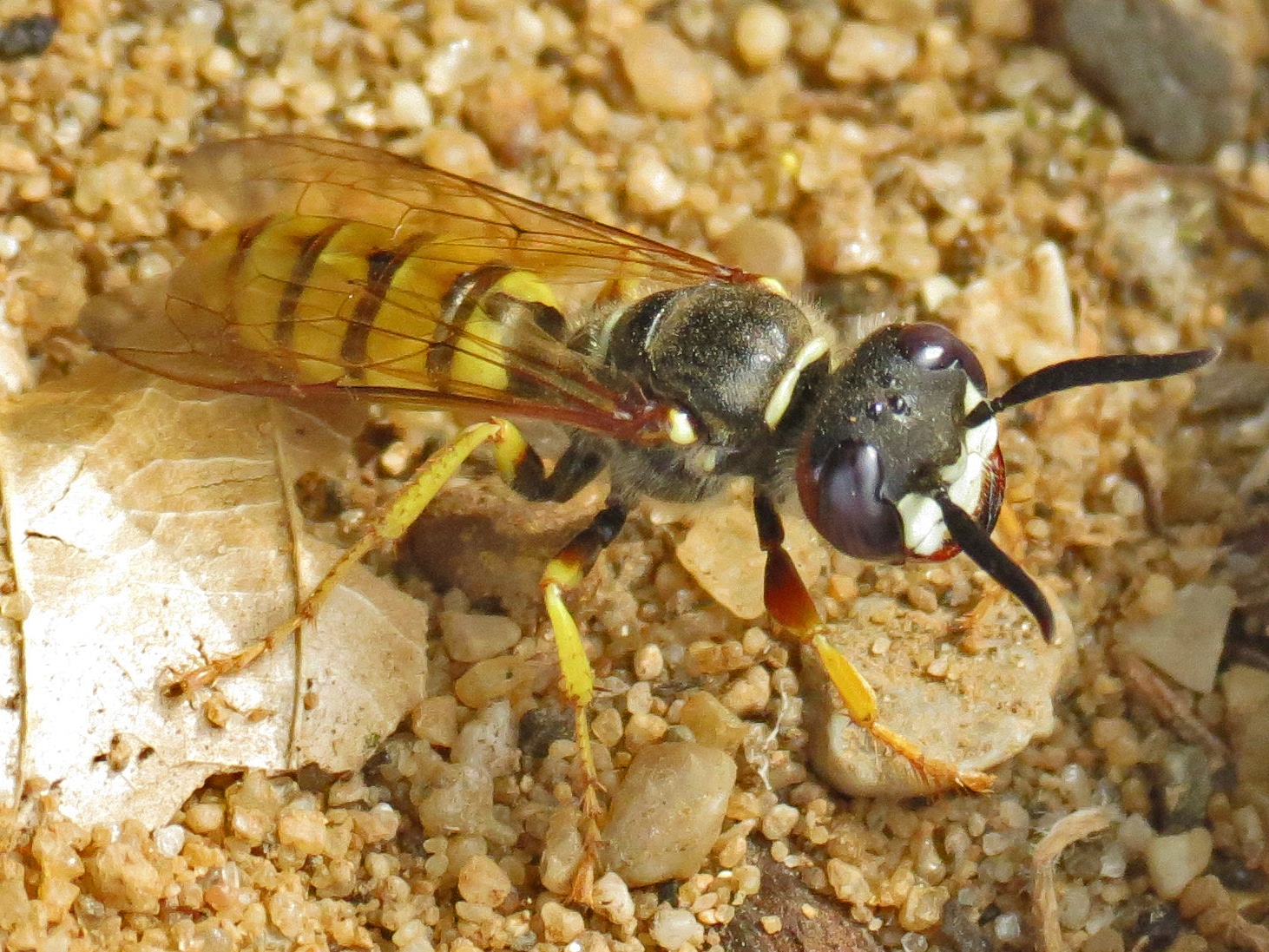
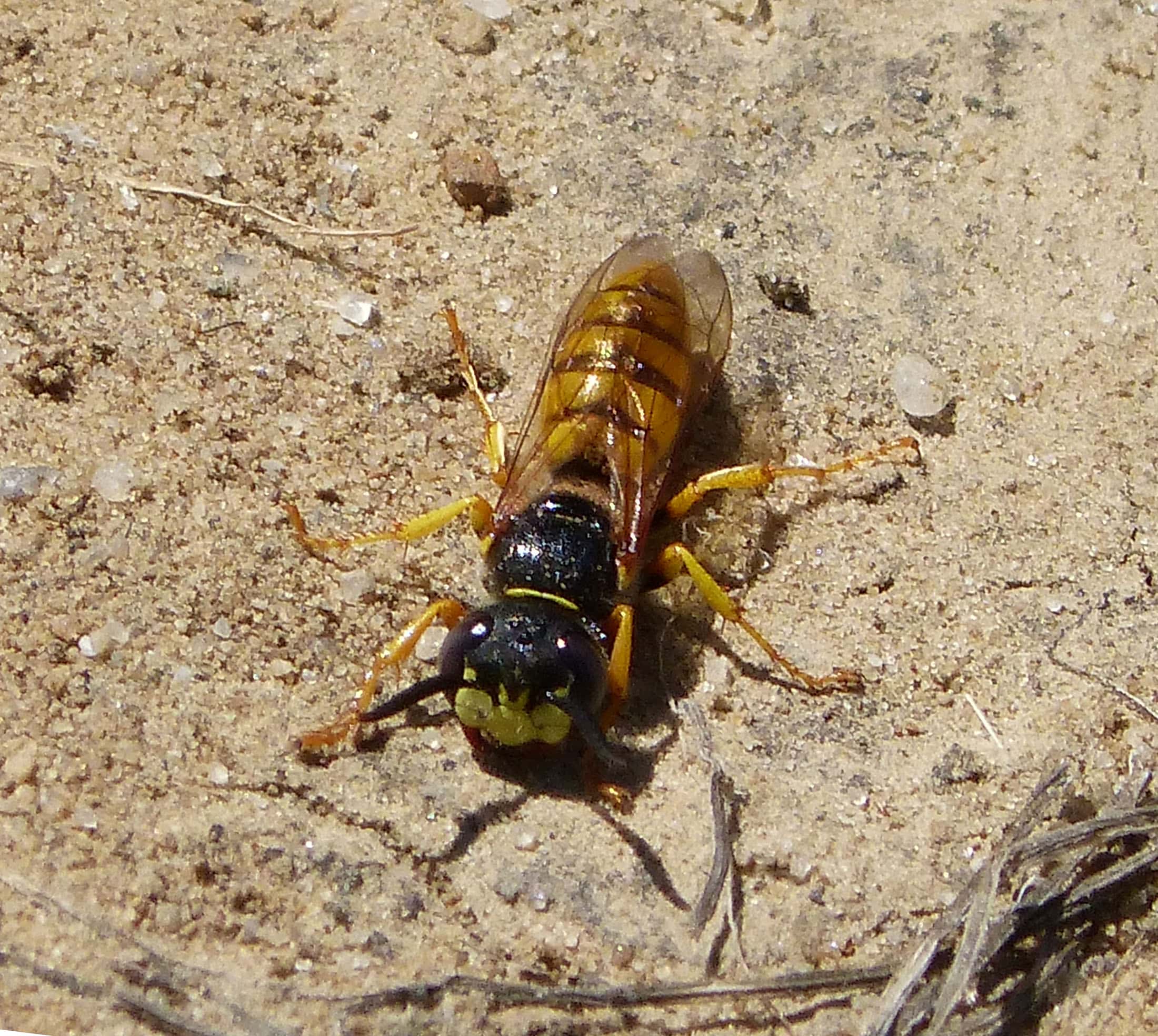
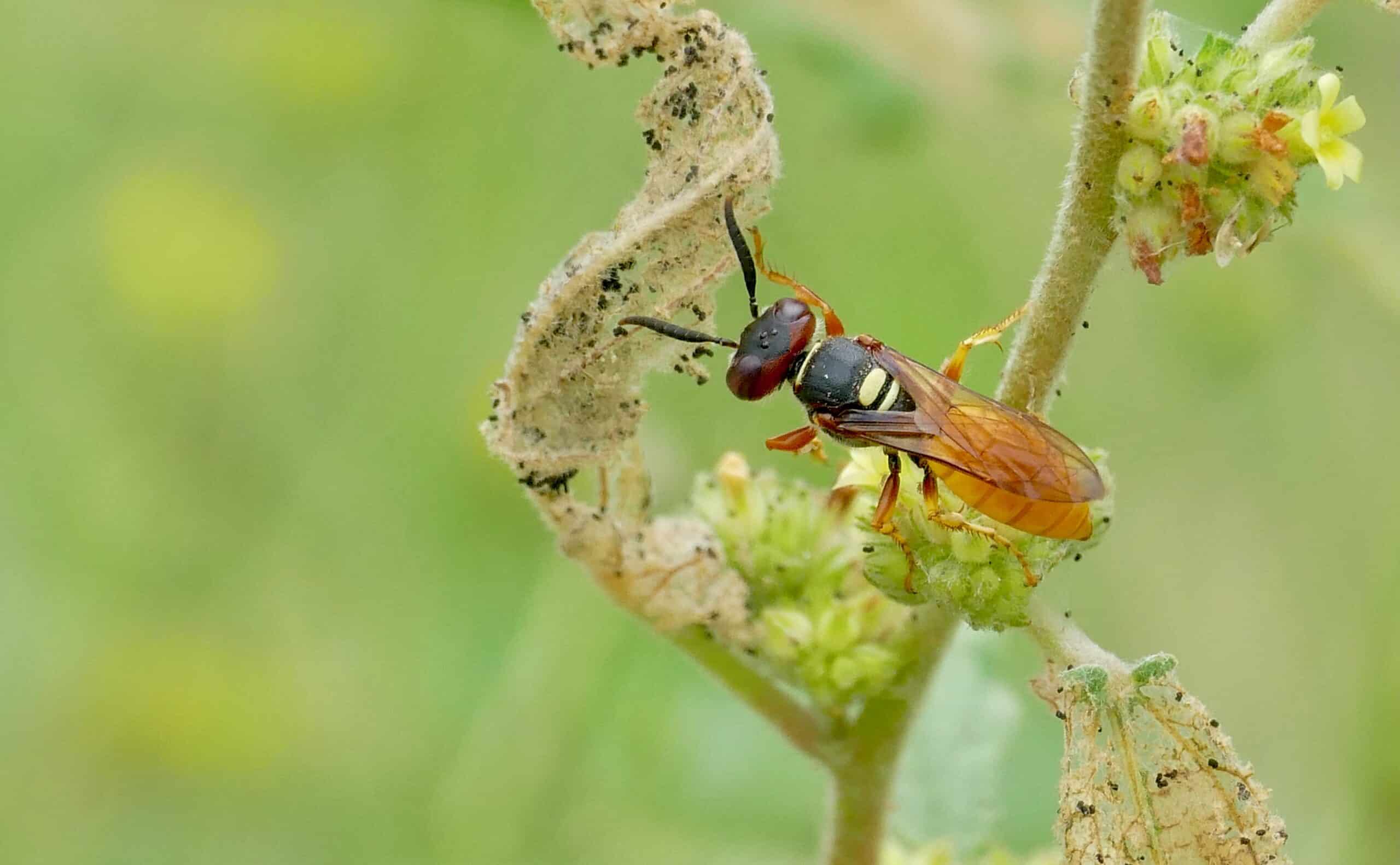
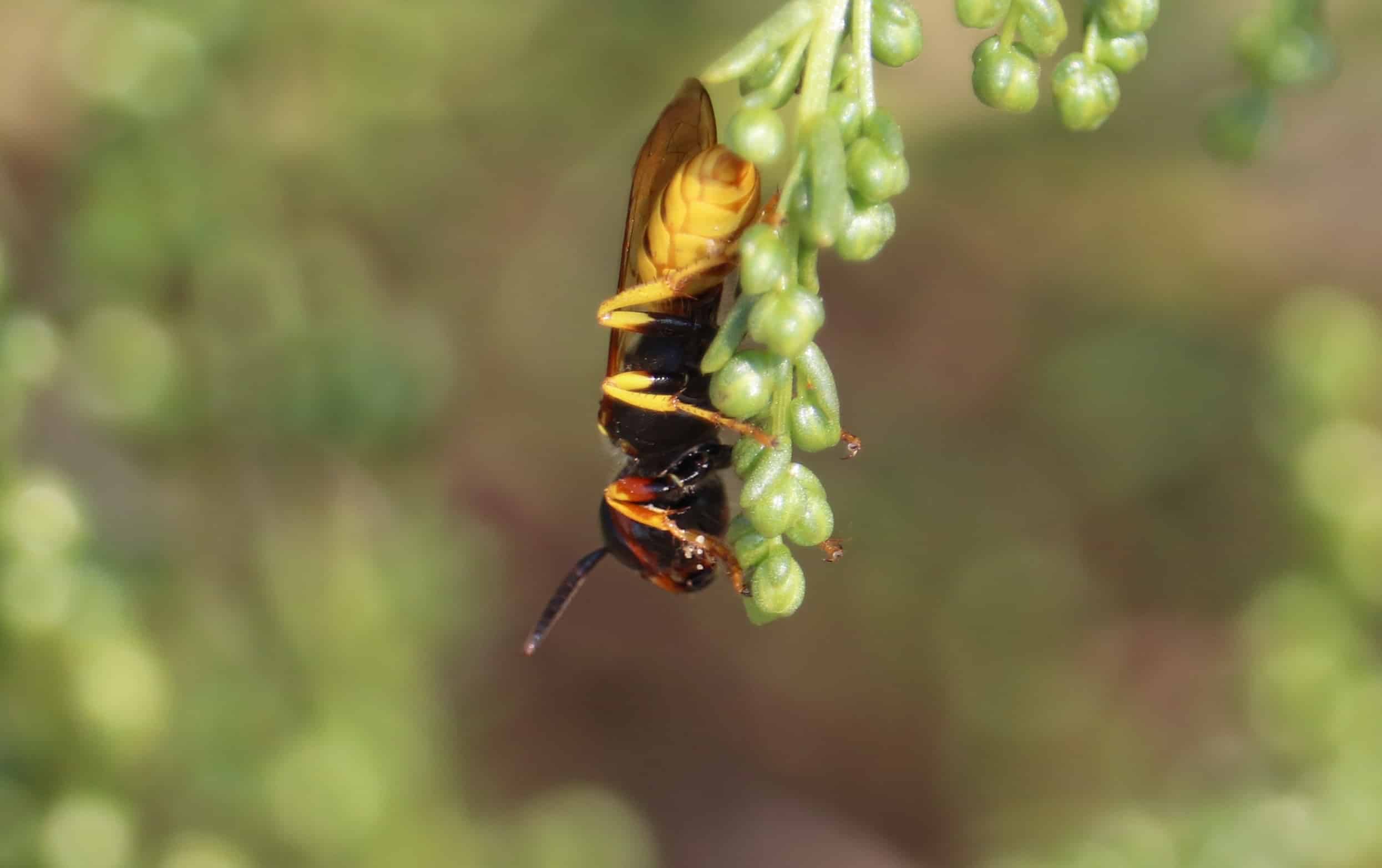
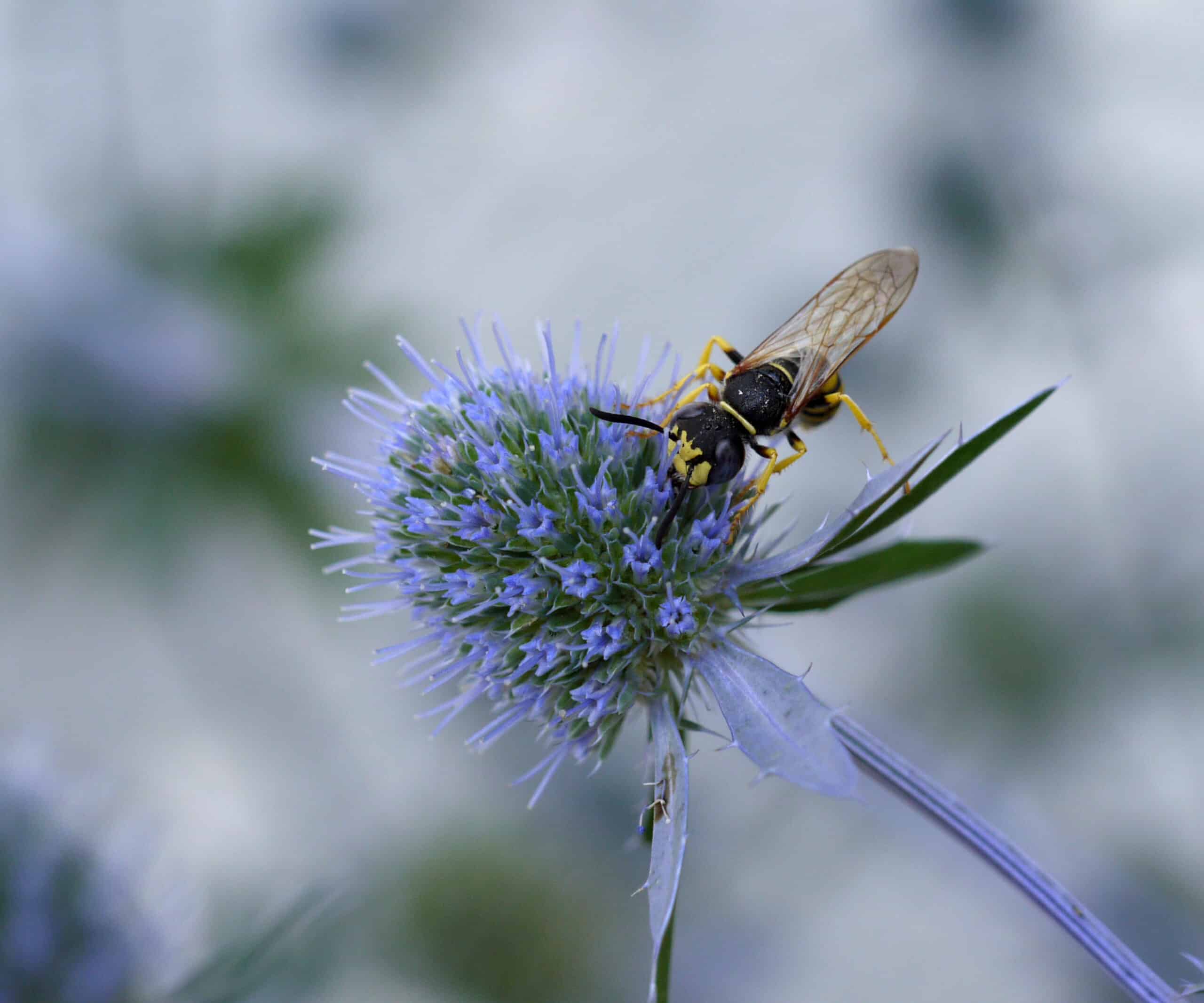
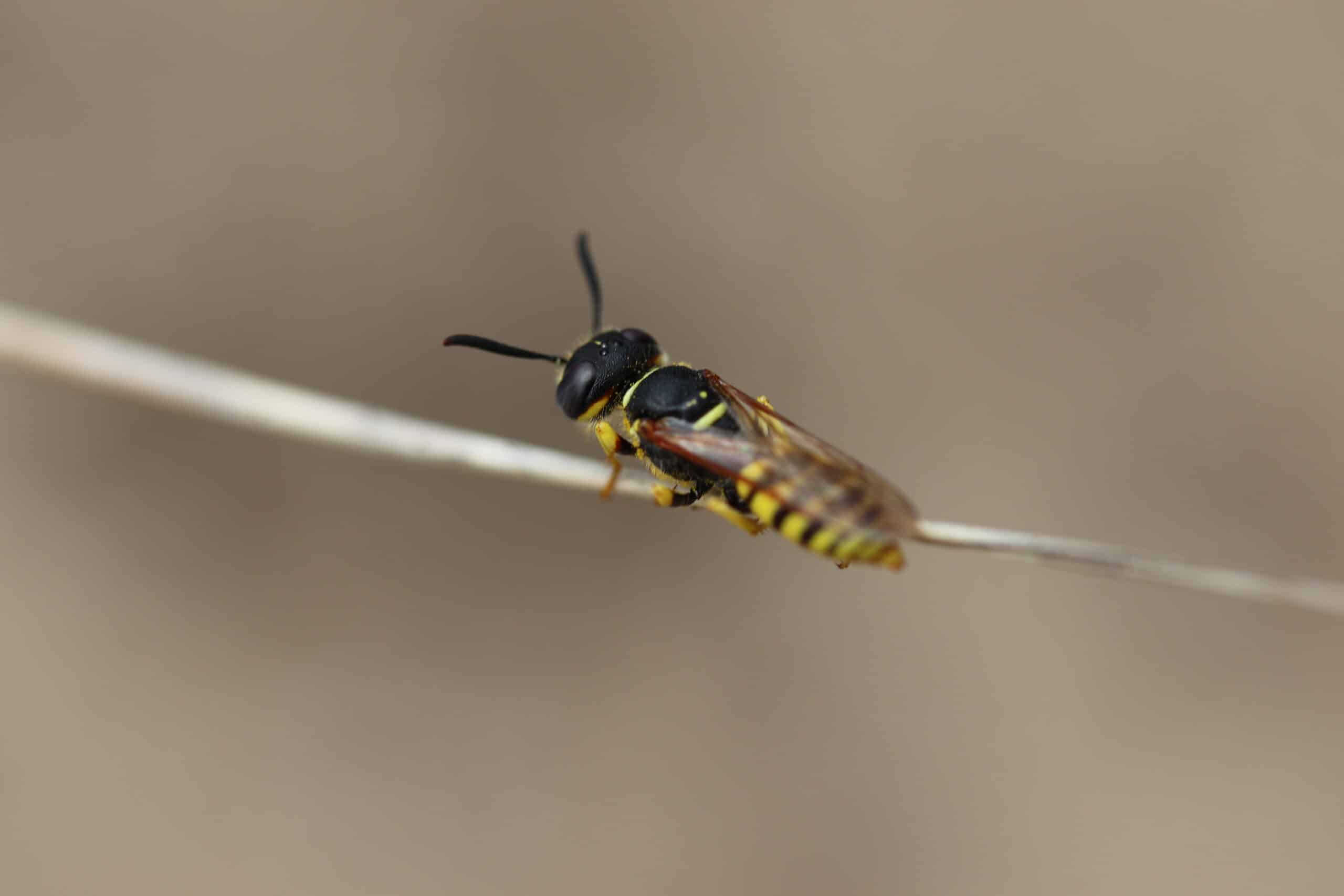
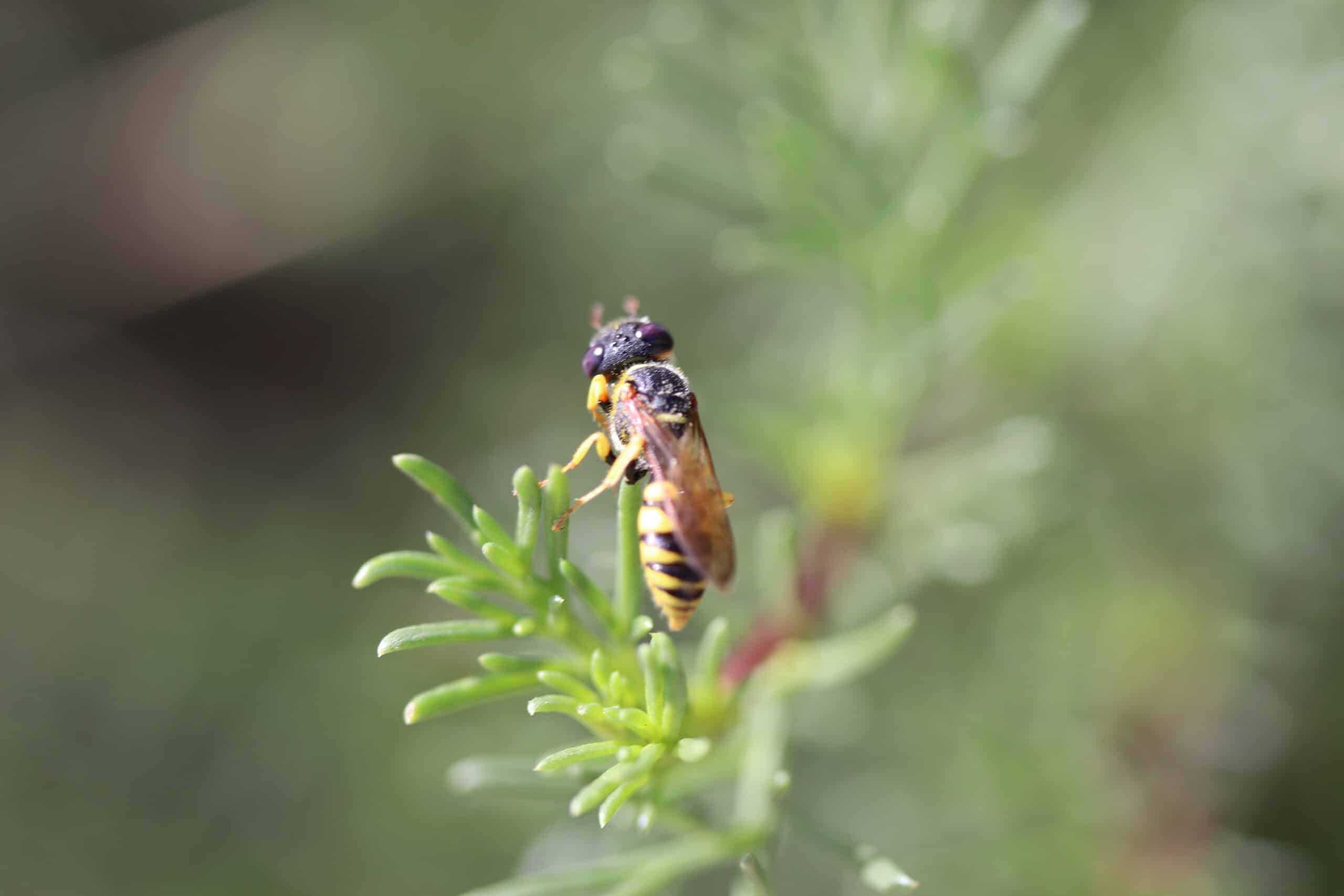
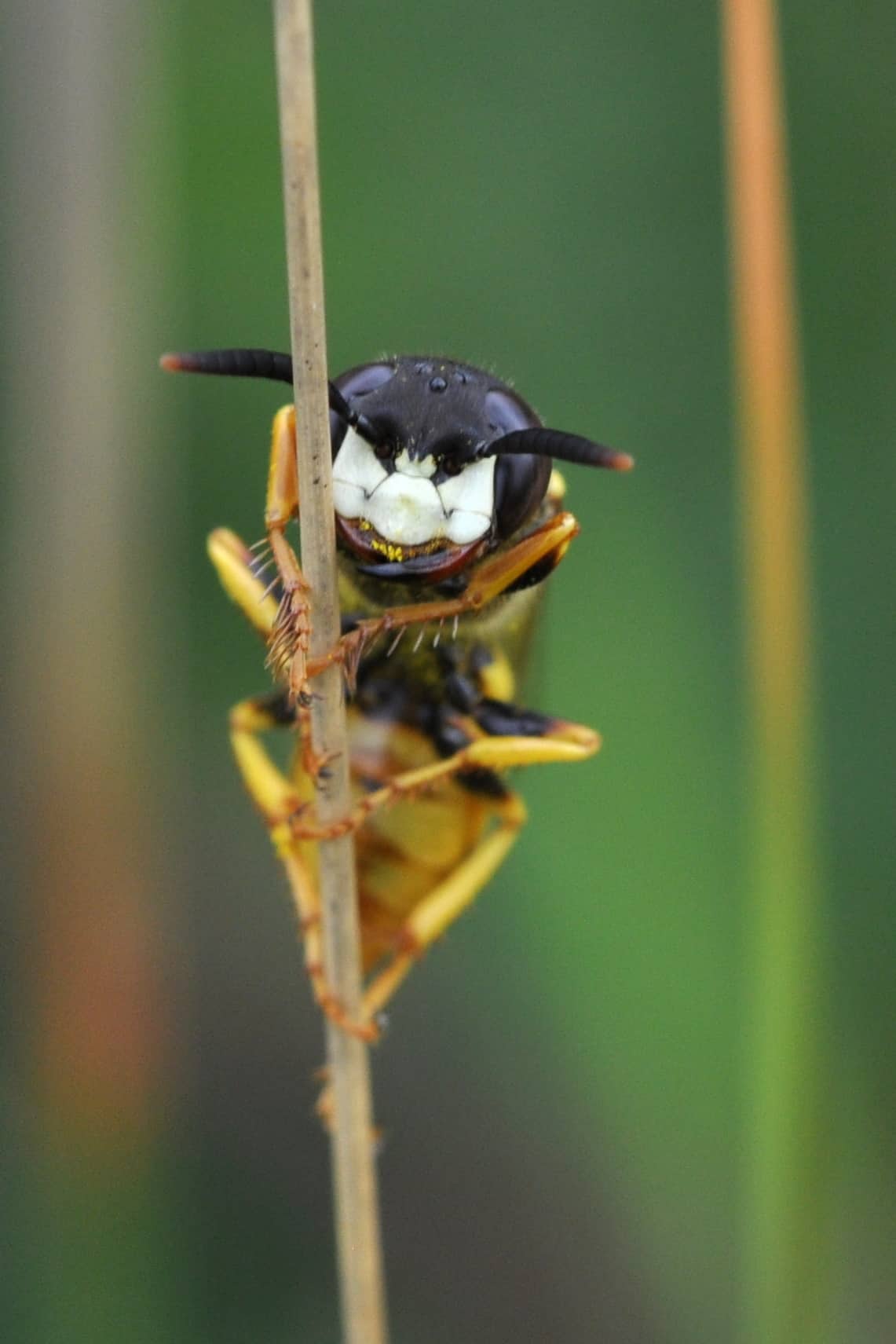
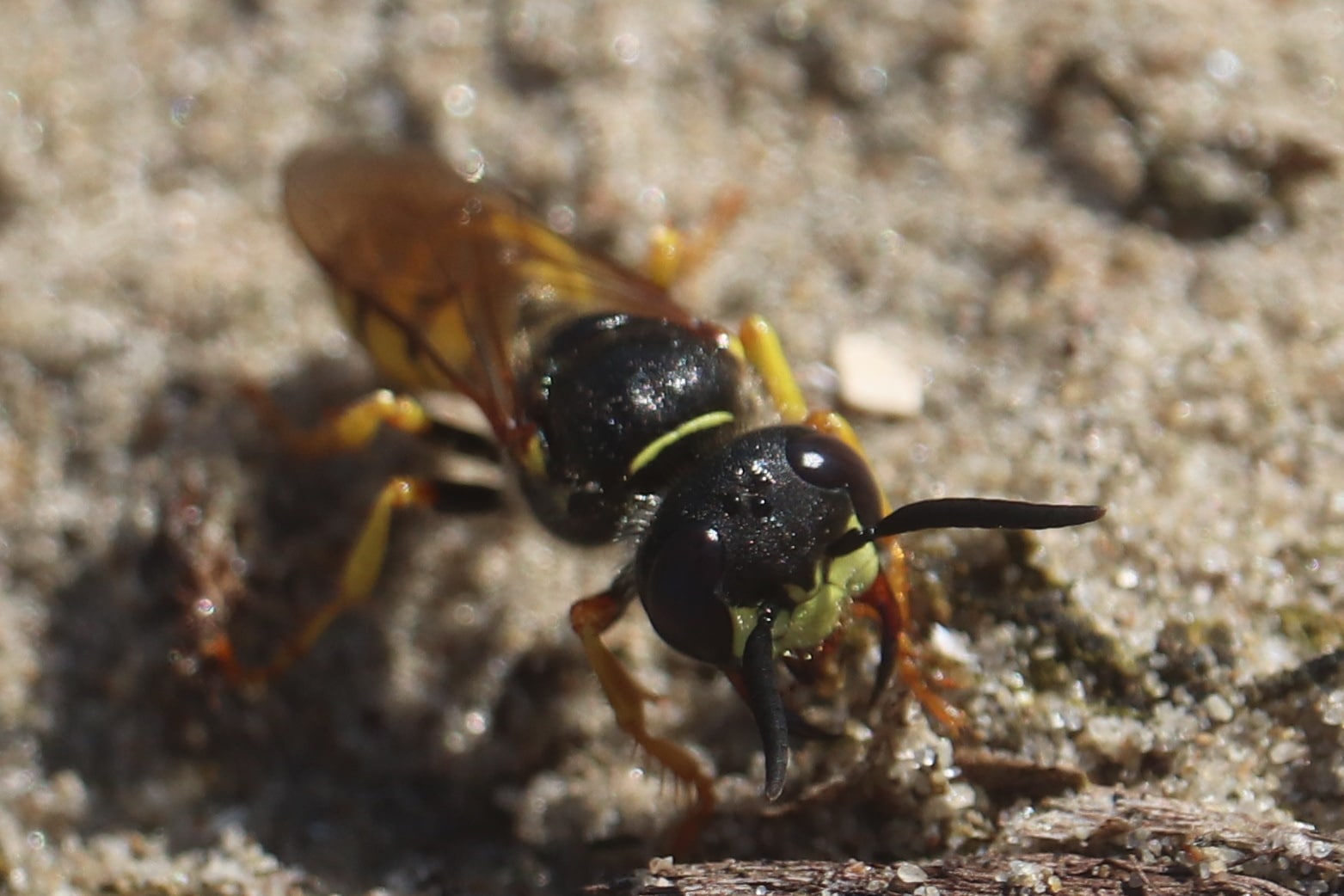
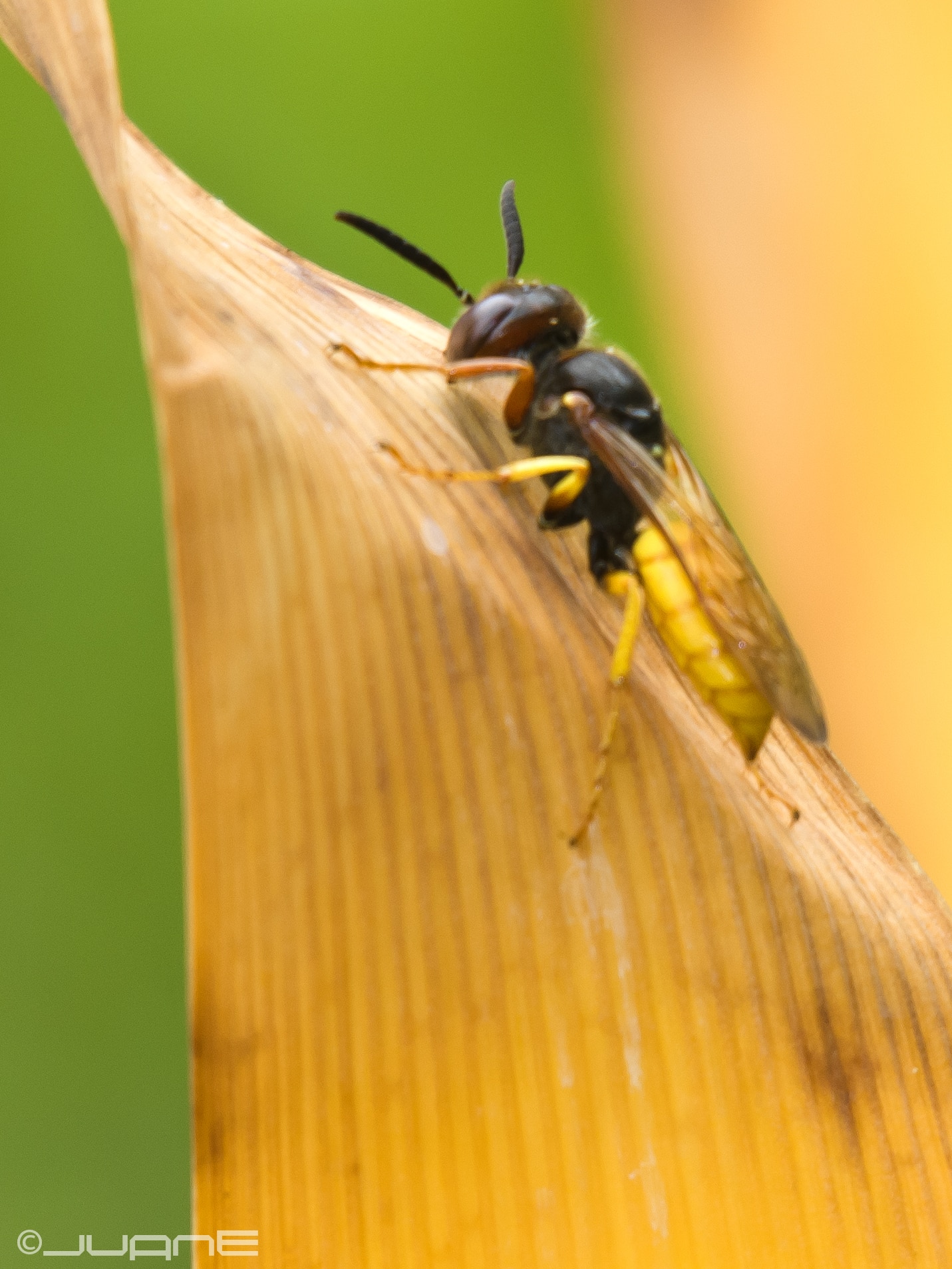
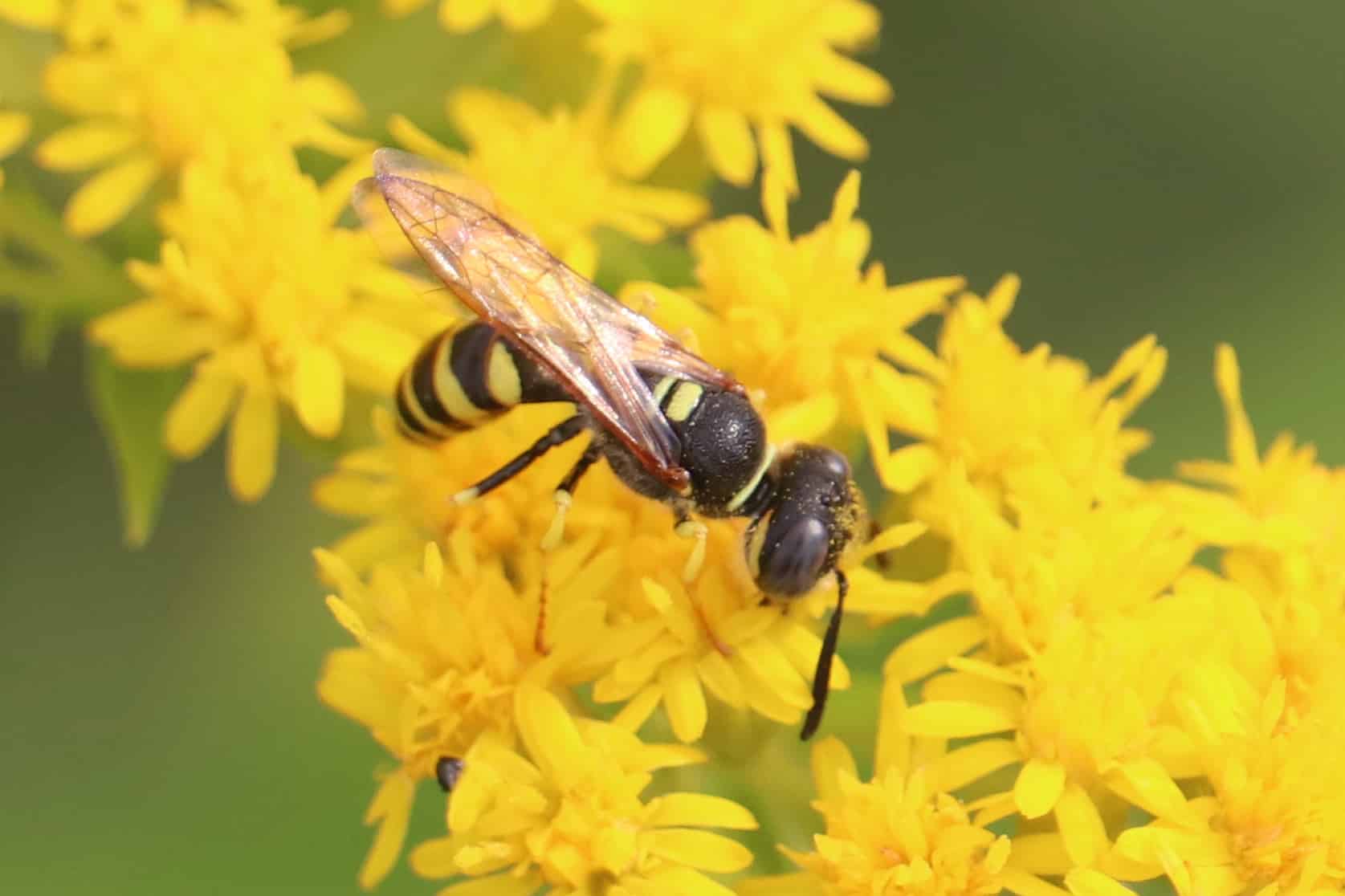
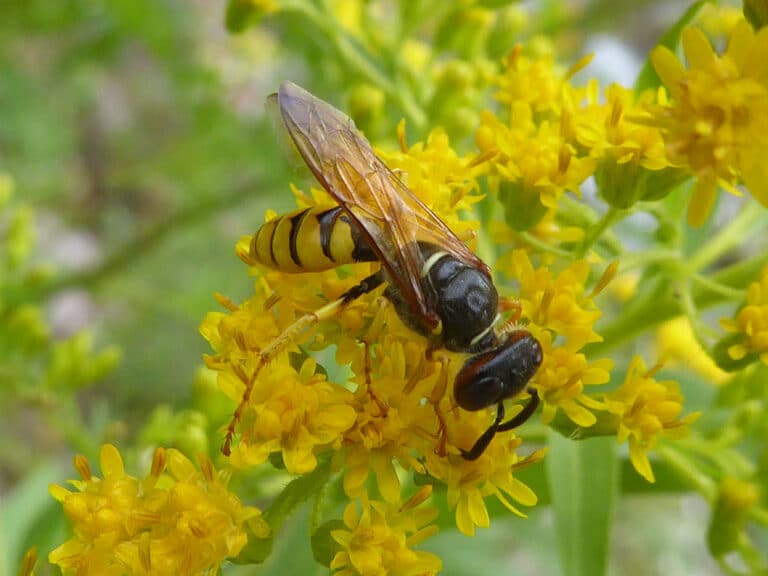
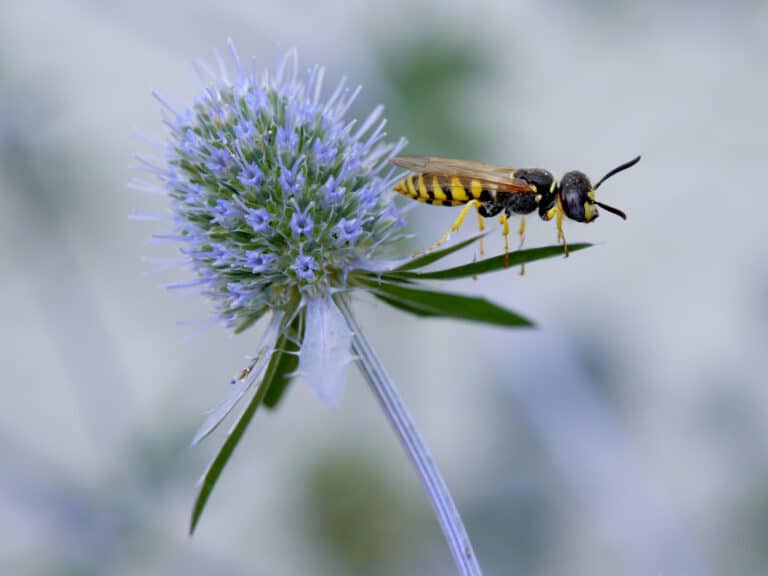
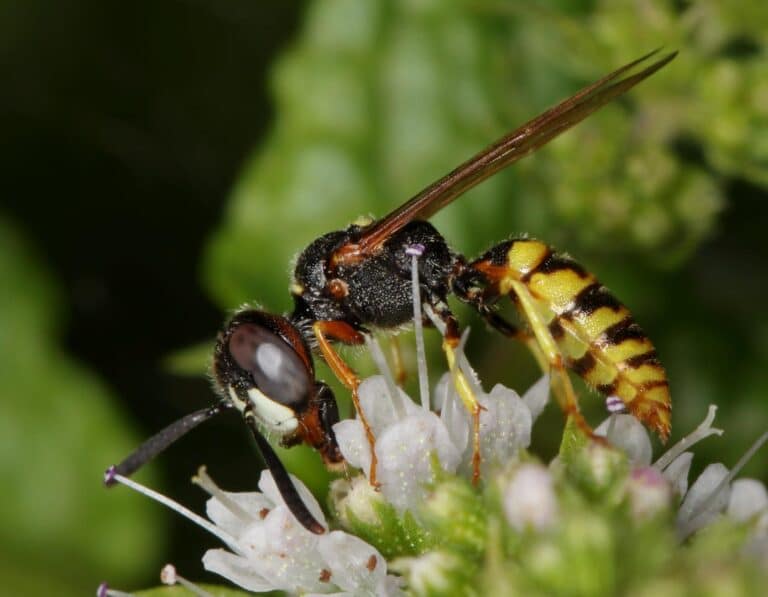
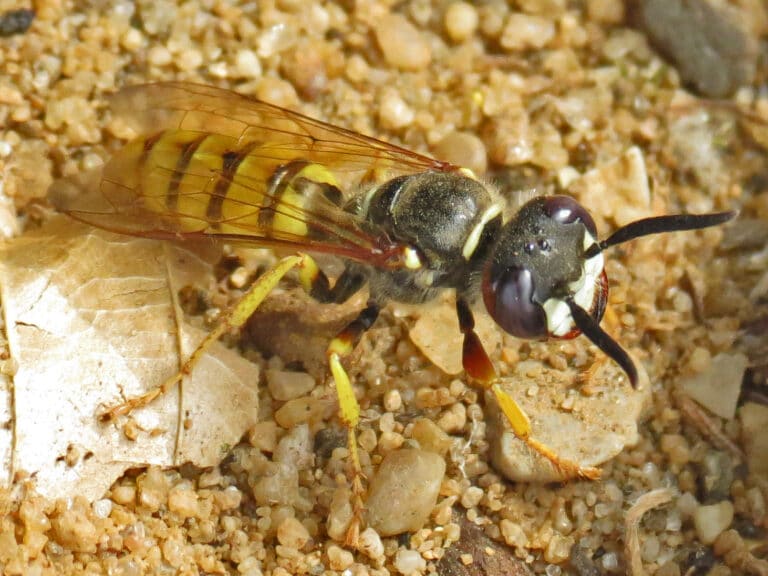
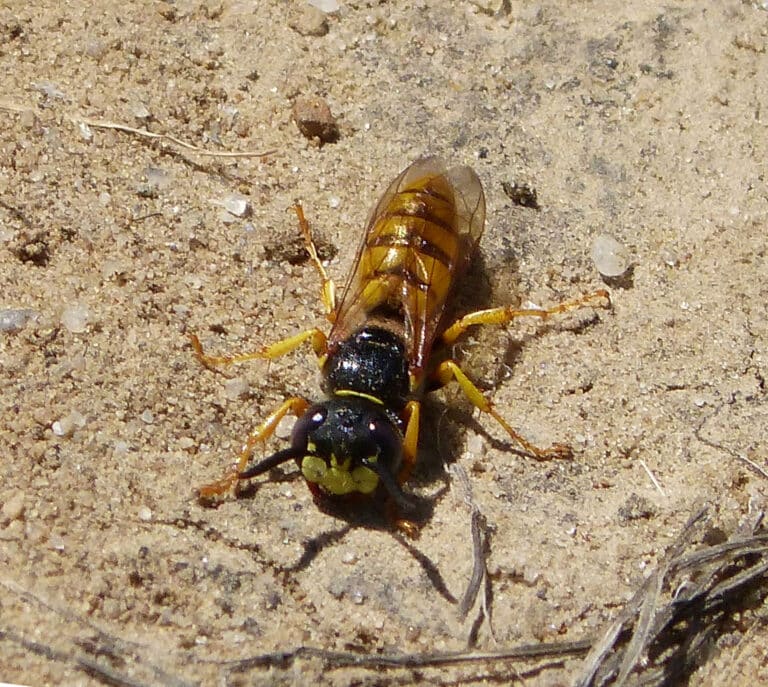
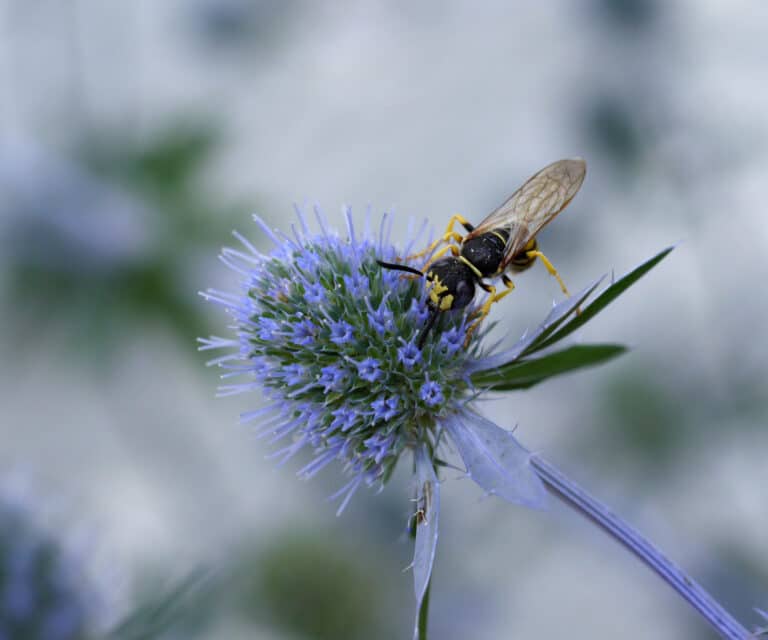
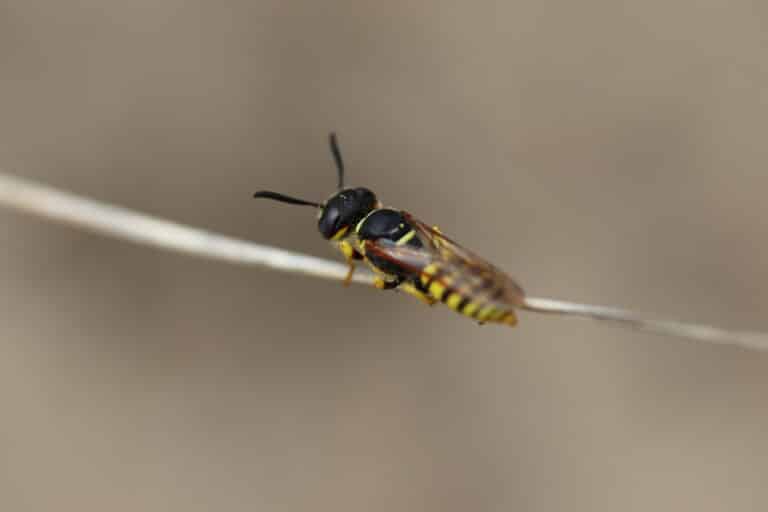
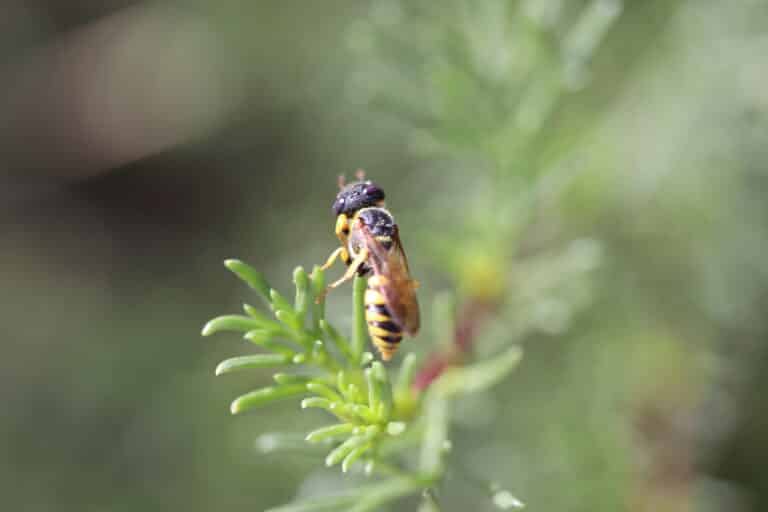
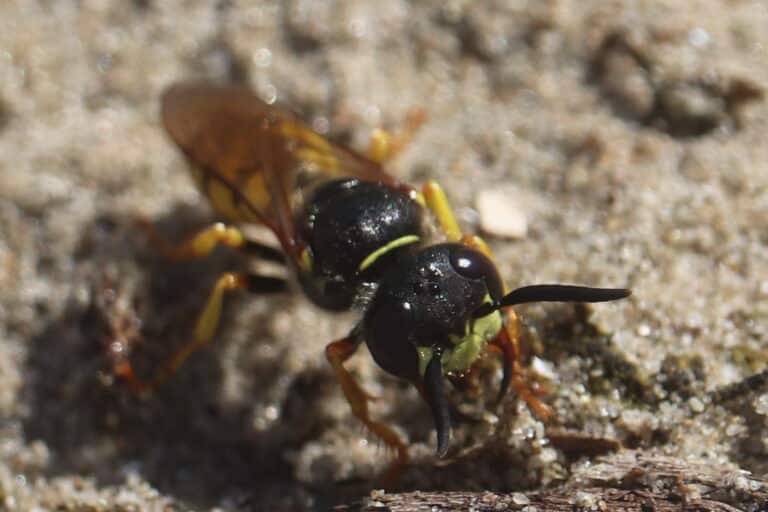
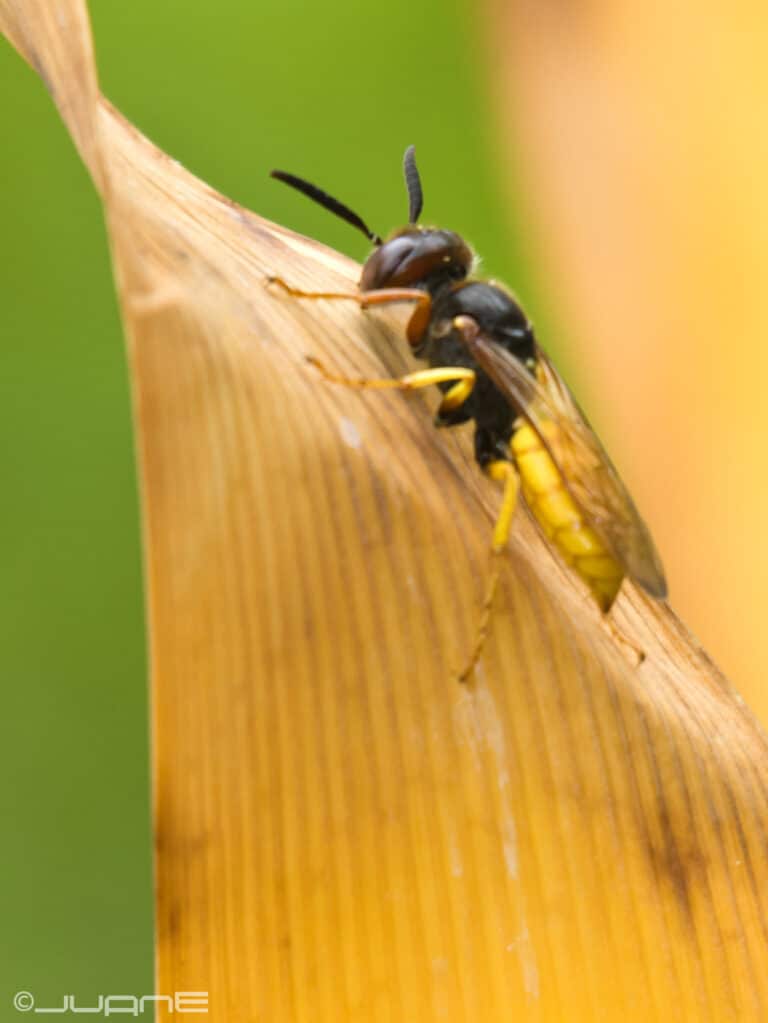
The Beewolf wasp is a mighty little insect known scientifically as Philanthus triangulum. These fascinating wasps measure about 10 to 18 millimeters long, making them tiny but tough predators that pack a mighty punch!
Beewolf wasps live in Africa and delight in a diet of nectar and small insects. Their love for nectar helps pollinate flowers, while their hunting skills keep the population of certain insects in check.
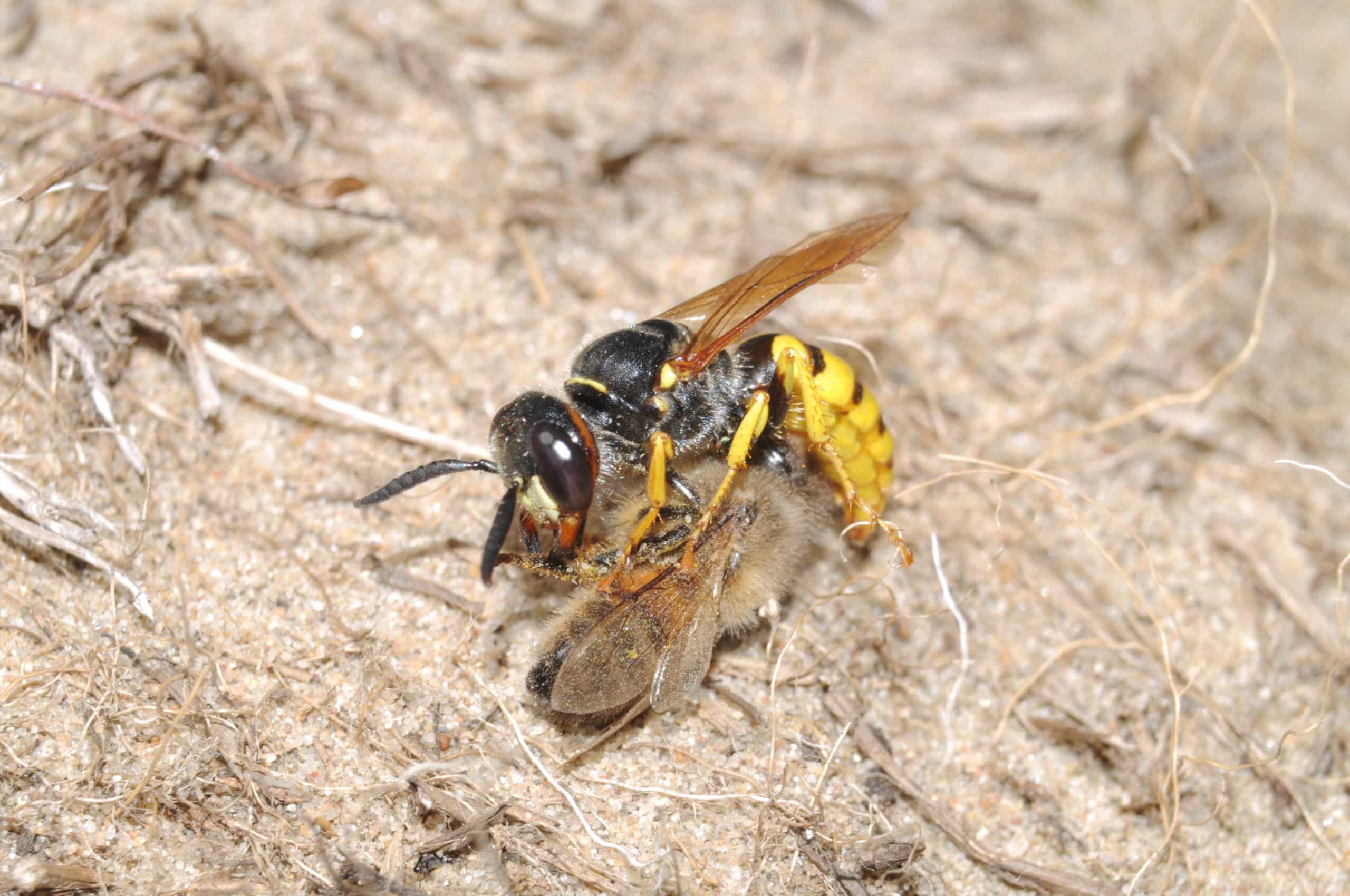
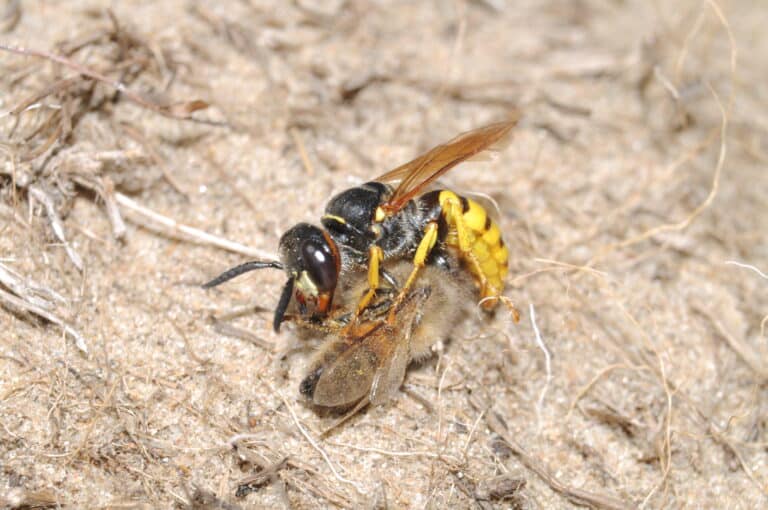
One of the coolest things about Beewolf wasps is their superhero-like parenting skills. The female wasps capture bees, which they paralyze and bring to their burrows as food for their young. Talk about a dedicated mom!
After laying their eggs in the paralyzed bees, the larvae feast on the nutritious meal. This clever strategy ensures that Beewolf wasp babies have a tasty start to life while staying safe underground.
Beewolf wasps are not just good parents; they are also skilled architects! They build their burrows in sandy soil, creating cozy homes that keep their young safe and sound.
As you can see, Beewolf wasps are impressive creatures that blend beauty, strength, and ingenuity. Next time you see a bee, remember it might just be a snack for these tiny warriors!

Where can you find a Beewolf wasp in the wild?
What does a Beewolf wasp eat?
How big can a Beewolf wasp grow?
How long does a Beewolf wasp typically live?
What is the conservation status of the Beewolf wasp?
What are the main threats to the Beewolf wasp?
Fun facts
Beewolf wasps have an extraordinary hunting technique. They can catch and paralyze bees with their sting, then transport them back to their burrows like a tiny delivery service!


The female Beewolf wasp creates intricate burrow homes, digging tunnels that can extend up to 10 centimeters deep. These cozy nests keep their larvae safe while they munch on paralyzed bees.
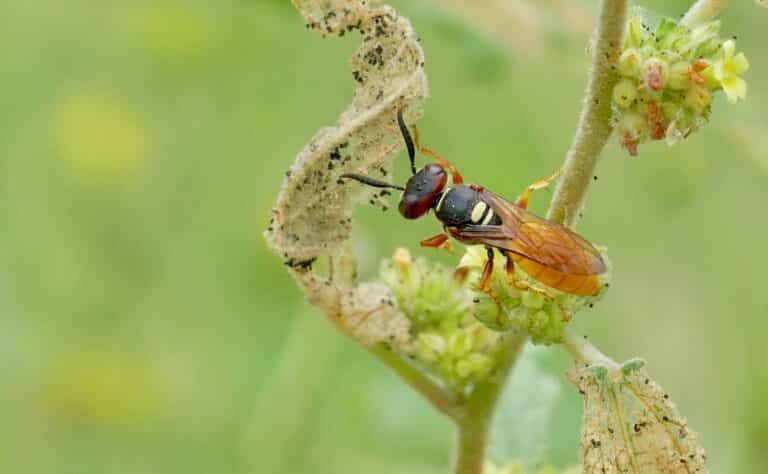
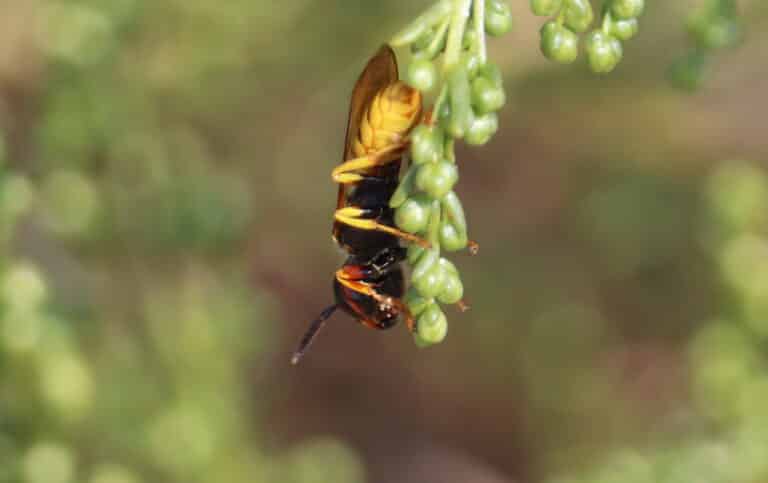
These wasps don't just hunt randomly; they are experts at recognizing the best flowers to find food. They enjoy nectar from many plants, making them helpful pollinators in their environments.
Beewolf wasps are social insects, but they do not live in colonies like bees. Instead, each female lives alone, becoming the ultimate single mom by raising her young entirely on her own!
Unlike many wasps, Beewolf wasps don’t build nests out of paper or mud. They prefer to dig burrows in sandy soil, which allows them to create safe spaces that protect their eggs and larvae from predators.
The lifespan of a Beewolf wasp generally spans several months, filled with hunting and caring for young ones. This means they provide an essential role in controlling the bee population while raising their brood.
When a female Beewolf wasp finds food, she performs a special dance to communicate with other wasps nearby. It’s like a little celebration of her successful catch!
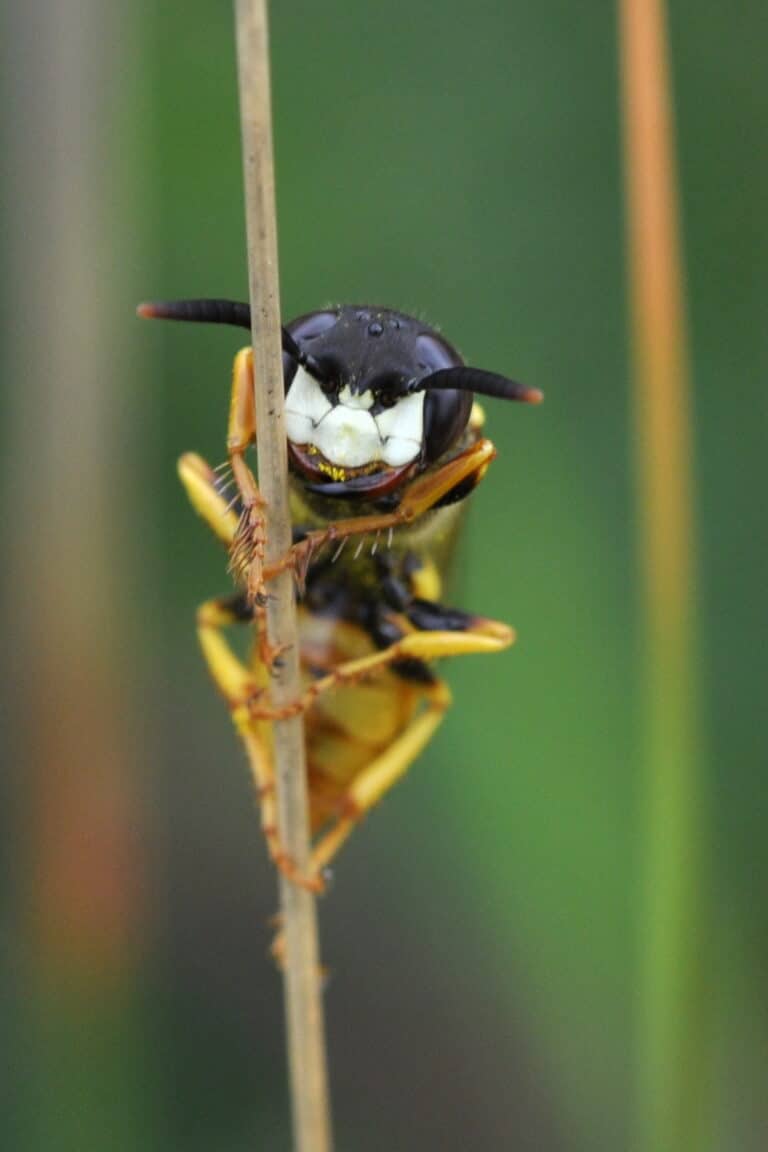
The Beewolf wasp's body has a shiny and colorful appearance, which makes them stand out in nature. Their vibrant colors can help them look more intimidating to potential predators.
If a Beewolf wasp feels threatened, it can release a chemical from its body that makes it smell bad, similar to a skunk. This helps them deter predators looking for a meal!
Beewolf wasps can adapt well to different environments, but they always prefer sunny spots where they can dig and hunt. These adaptable insects remind us that home can be anywhere that feels just right!
Photos





The Basics


explore more
Amphibians
Arachnids
Birds
Cats
Crustaceans
Fish
Fish Pet Guide
Gastropods
Insects
Invertebrates
Mammals
Pet Fish
Pet Rodents
Plants
Reptiles
Roundworms
Sea Slugs