Successfully copied to clipboard!
Biscuit Beetle
Uncover the tiny snack-loving heroes of the insect world!
Let’s Explore
Overview
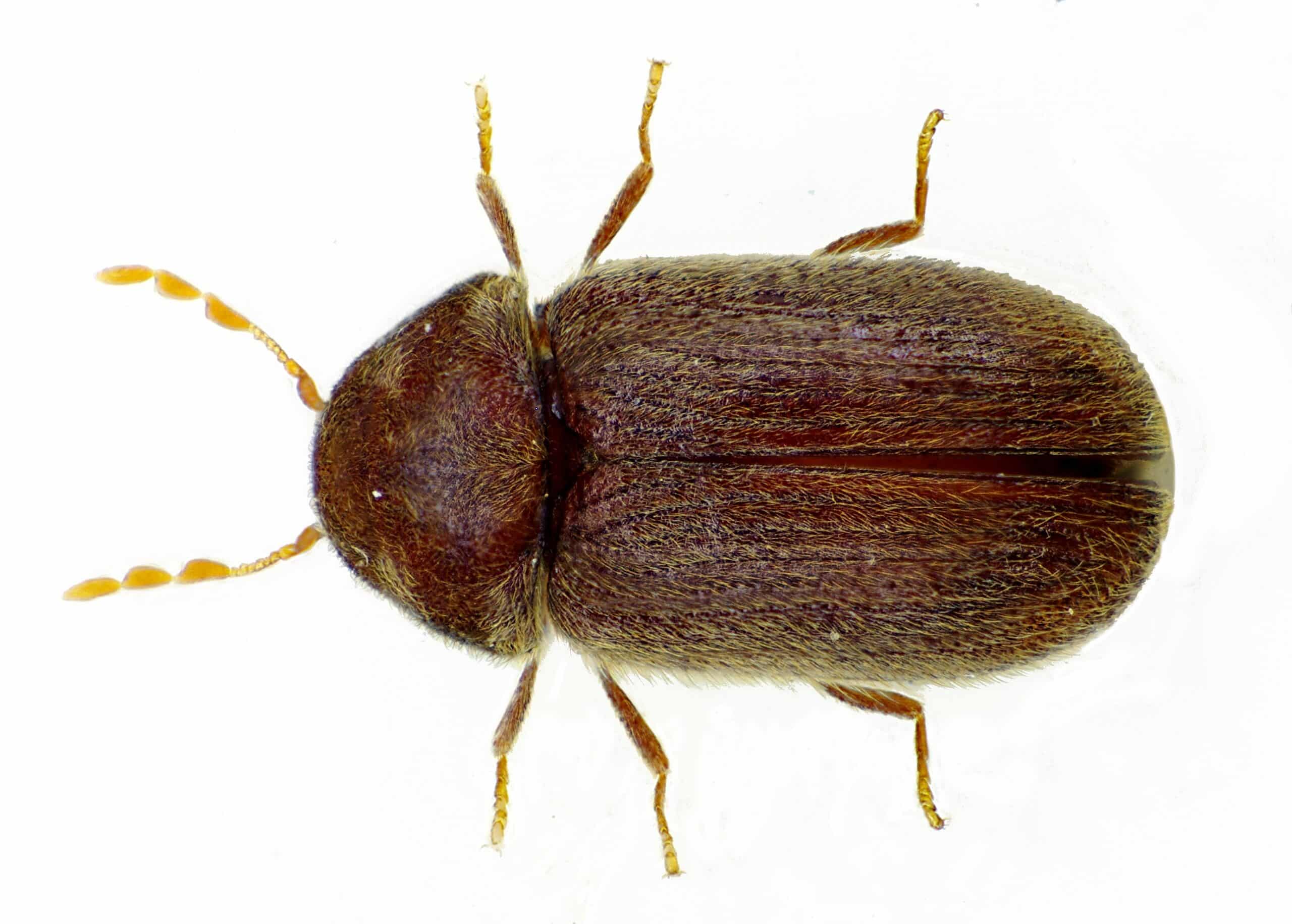
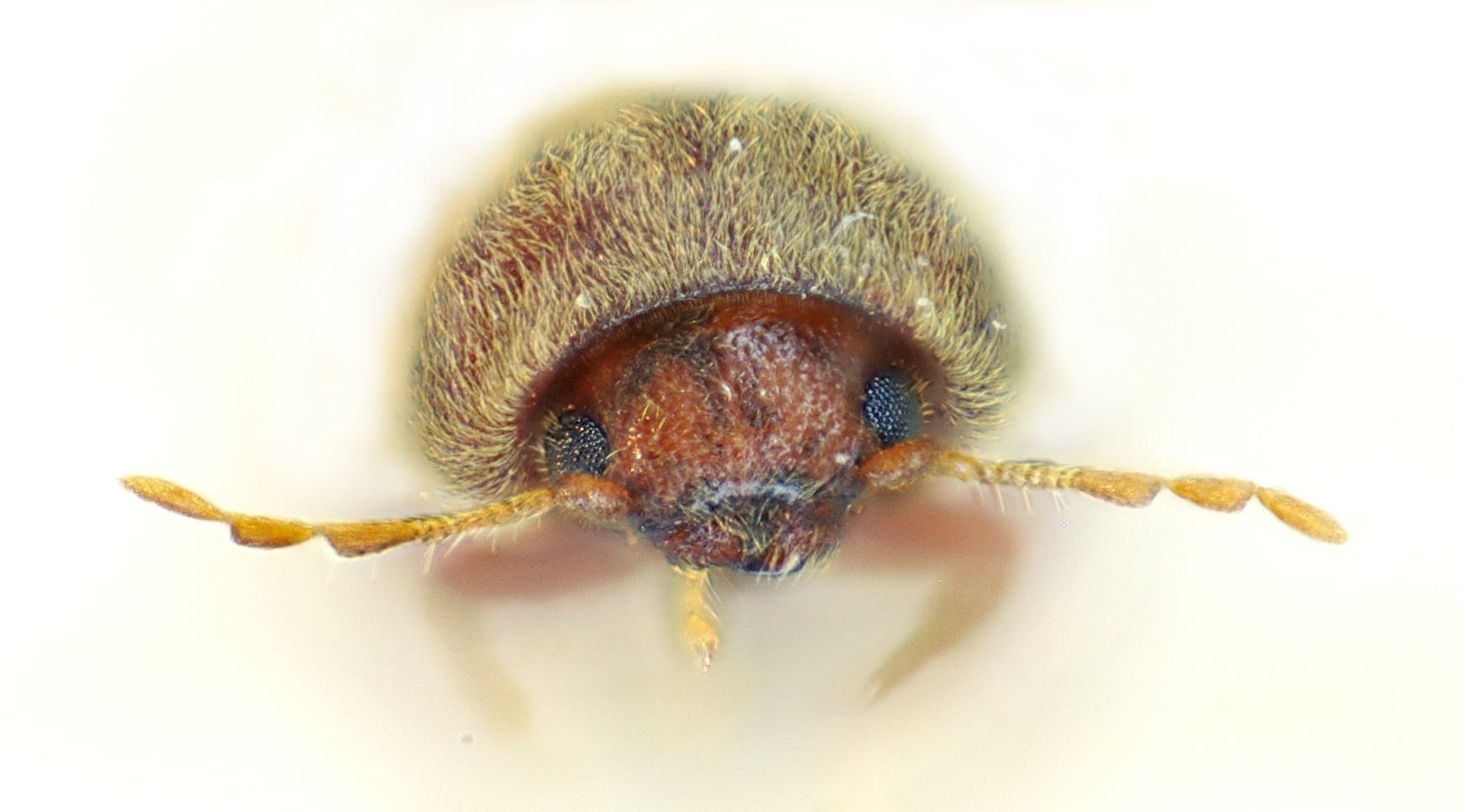
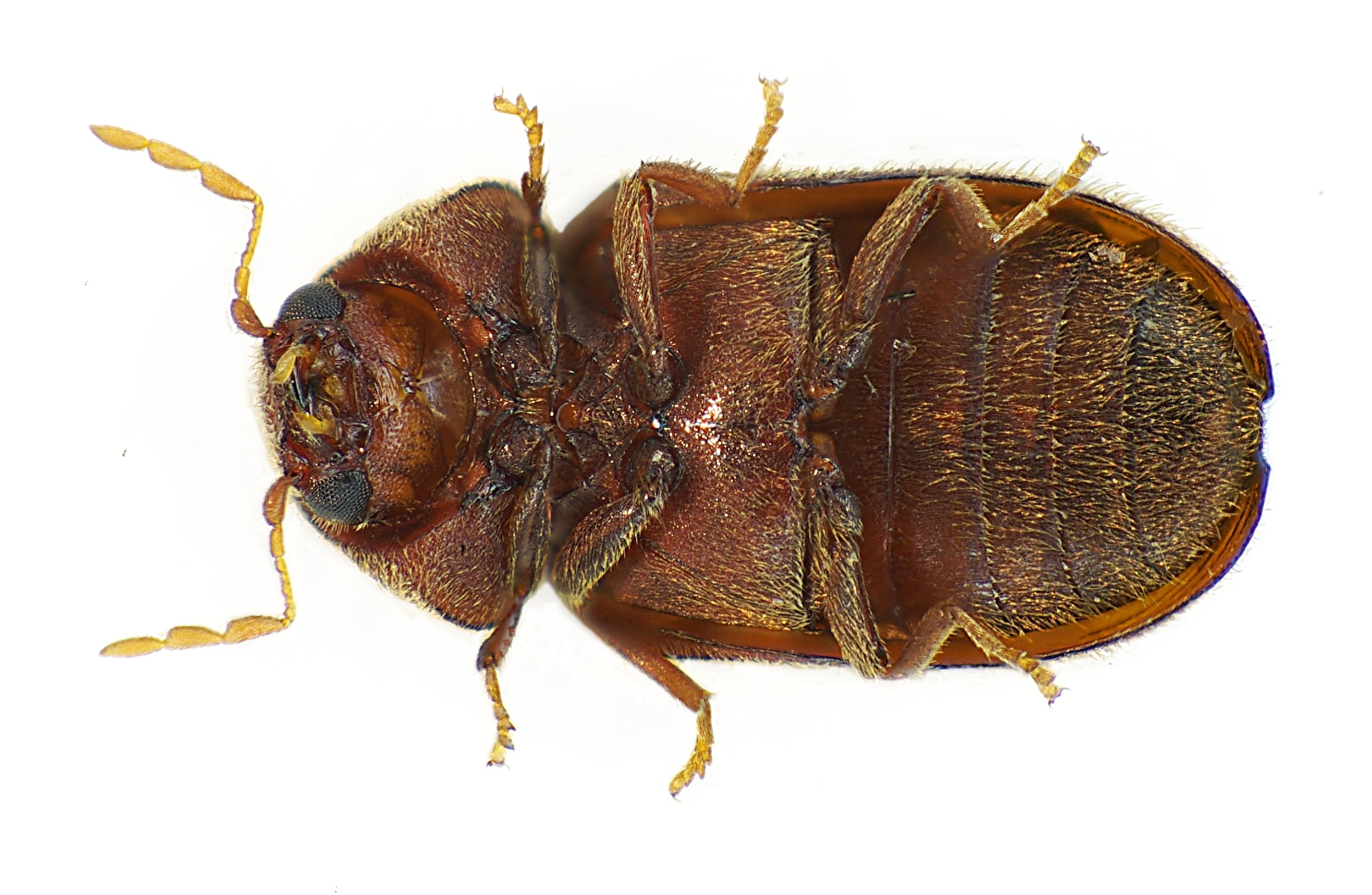
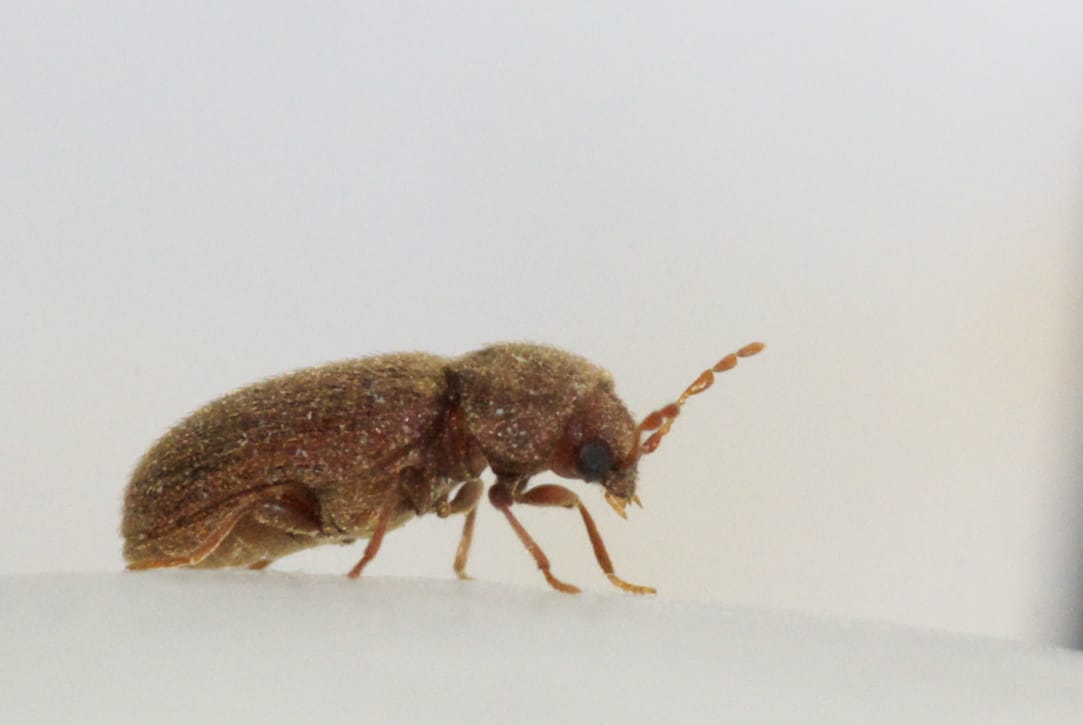
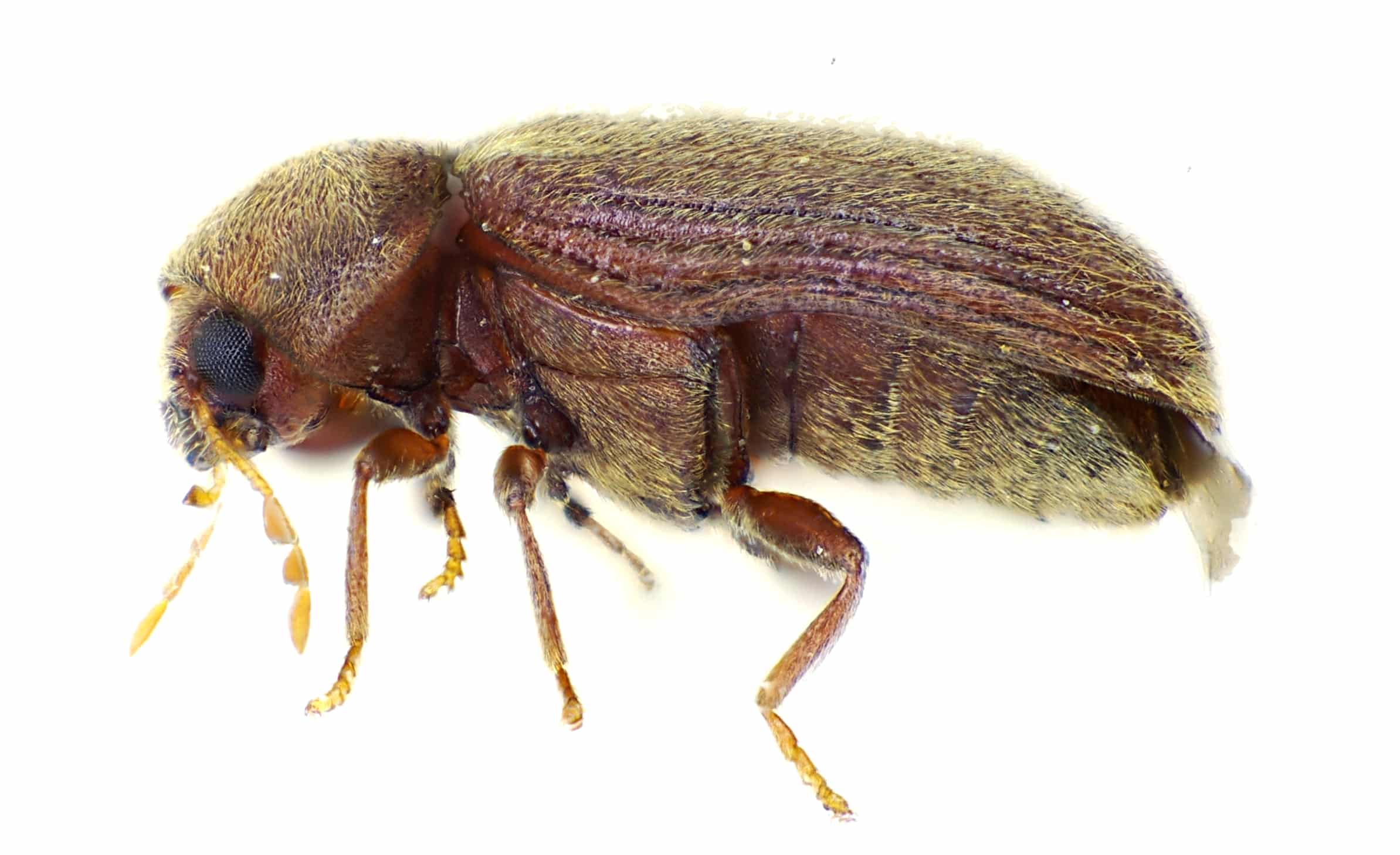
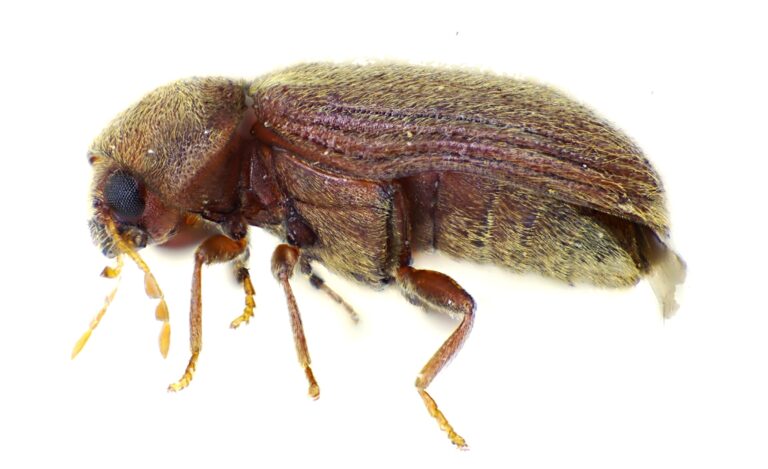
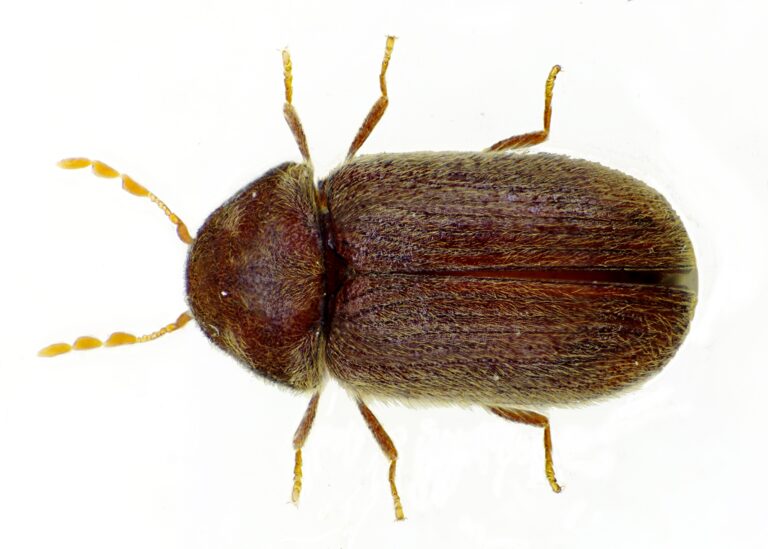
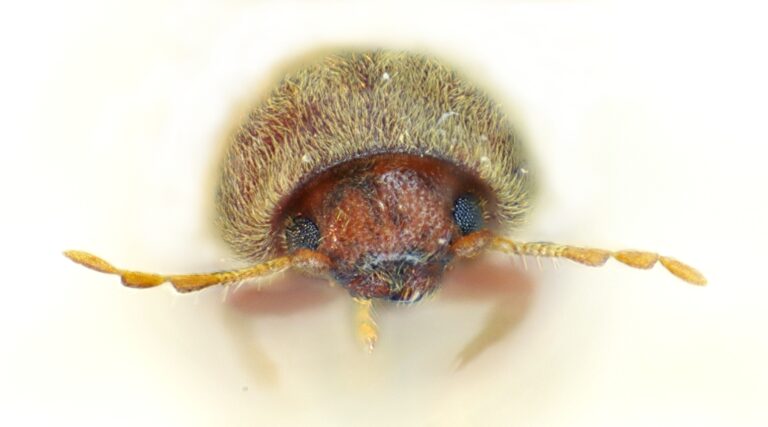
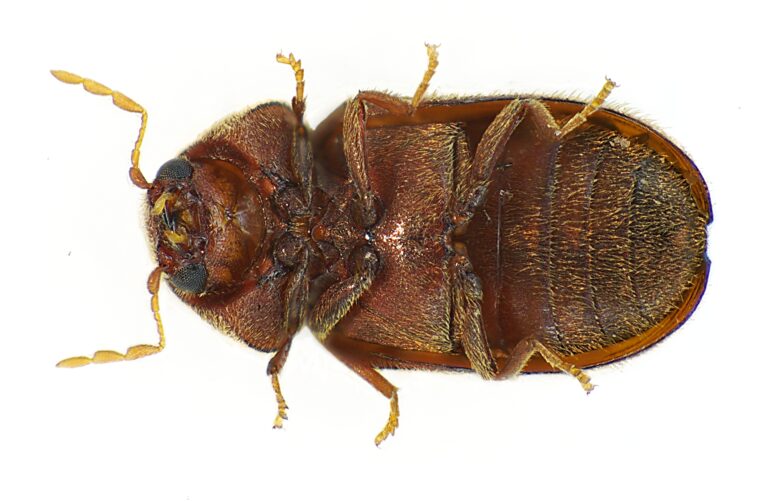
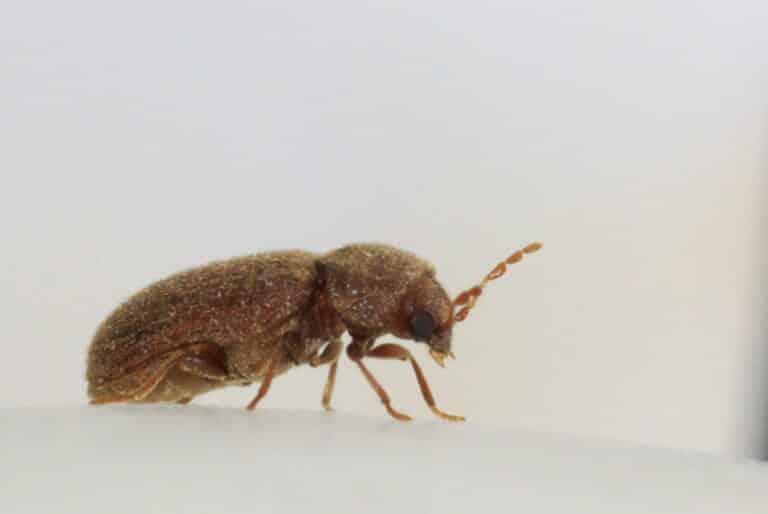
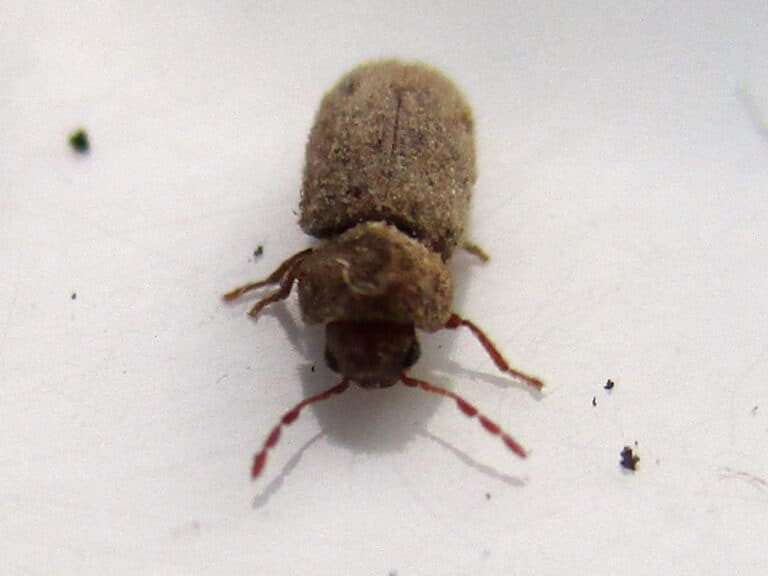
The Biscuit Beetle is a tiny but mighty insect found in Africa. This little critter measures only 2 to 3 millimeters long, which is about the same size as a grain of rice or a small seed!
Biscuit Beetles belong to the insect family Ptinidae, which makes them related to other beetles. They love munching on dry foods, especially grains and flour, making them a common pest in kitchens, though they are not too scary at all.
Biscuit Beetles have a relatively short life, living between 2 to 5 months. In that time, they truly make the most of it, getting into all sorts of dry goodies around the house like a sneak thief in the pantry!

Where can you find a Biscuit Beetle in the wild?
What does a Biscuit Beetle eat?
How big can a Biscuit Beetle grow?
How long does a Biscuit Beetle typically live?
What is the conservation status of the Biscuit Beetle?
What are the main threats to the Biscuit Beetle?
Fun facts
Biscuit Beetles can lay around 100 eggs in their lifetime, acting like tiny snack-producing machines to increase their population!


These clever beetles have strong jaws that let them chew through tough food packaging, turning them into little food burglars in kitchens.
Biscuit Beetles spend most of their time hiding in dark, dry places like cupboards and storage bins, making them the ultimate hide-and-seek champions!
The larvae of Biscuit Beetles are quite sneaky; they can take weeks or even months to mature, giving them plenty of time to munch away on grains without being noticed.
Biscuit Beetles can survive in a range of temperatures, thriving even when it's warm and cozy—perfect for sneaking into our homes.
Some people might find Biscuit Beetles annoying, but they help break down old, forgotten grains in our kitchens, acting as nature's clean-up crew!
These resilient beetles can live without food for several months, showing off their ability to endure tough conditions!
Biscuit Beetles communicate using tiny pheromones, which are like scent messages that help them find each other in the pantry parties!
Photos





The Basics


explore more
Amphibians
Arachnids
Birds
Cats
Crustaceans
Fish
Fish Pet Guide
Gastropods
Insects
Invertebrates
Mammals
Pet Fish
Pet Rodents
Plants
Reptiles
Roundworms
Sea Slugs