Successfully copied to clipboard!
Black Aphids
Uncover the fascinating world of tiny sap-sipping insects!
Let’s Explore
Overview
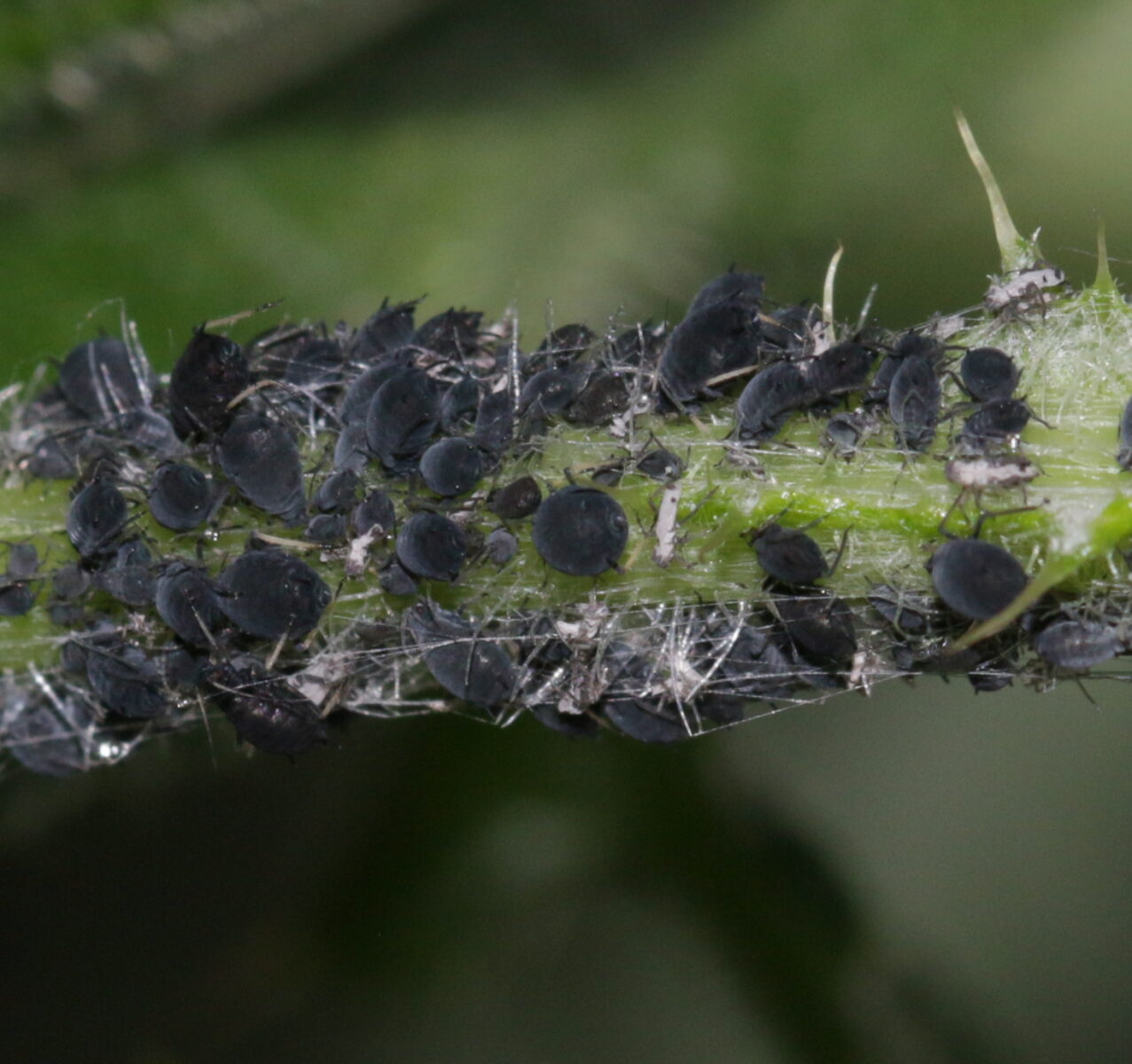
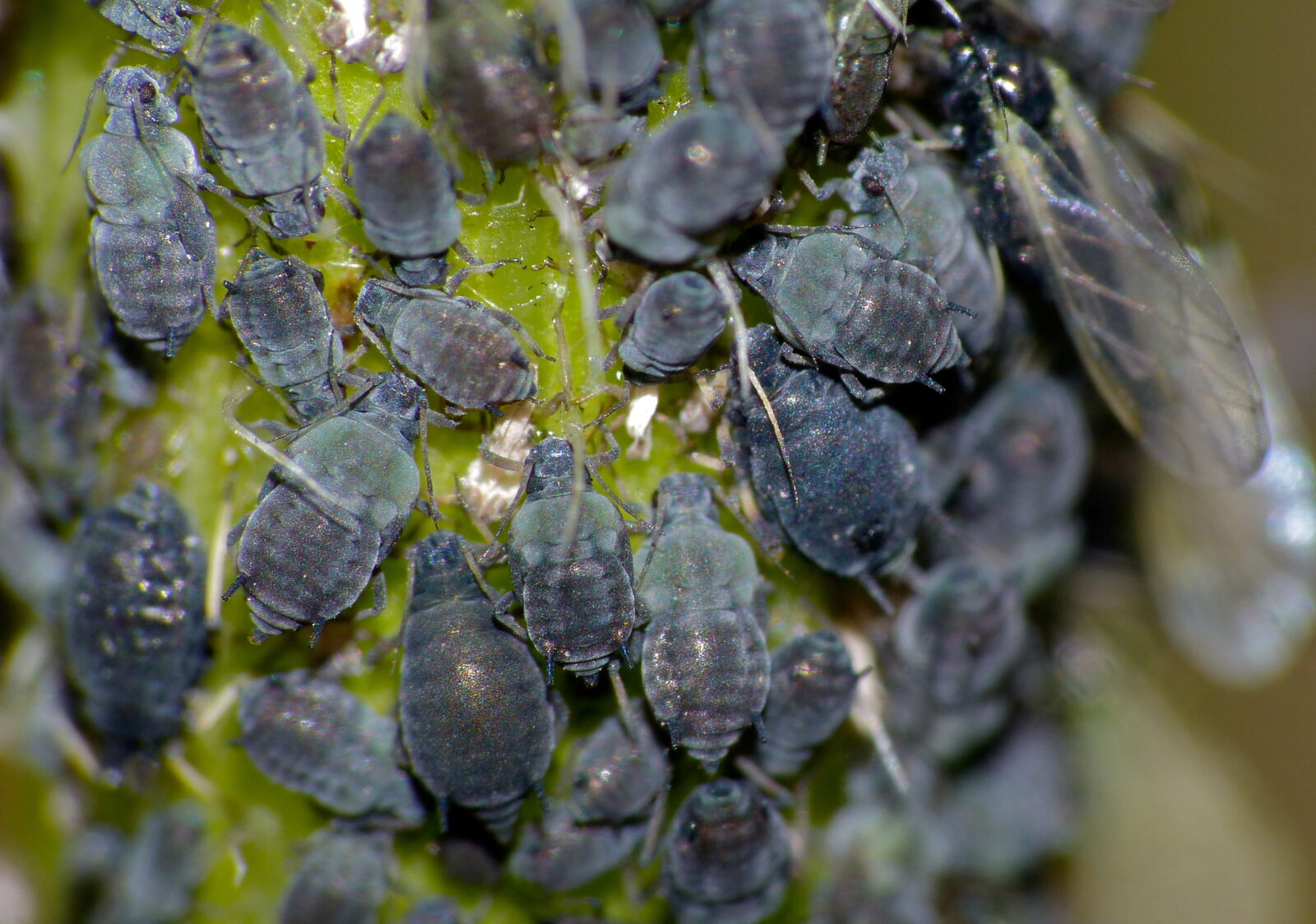
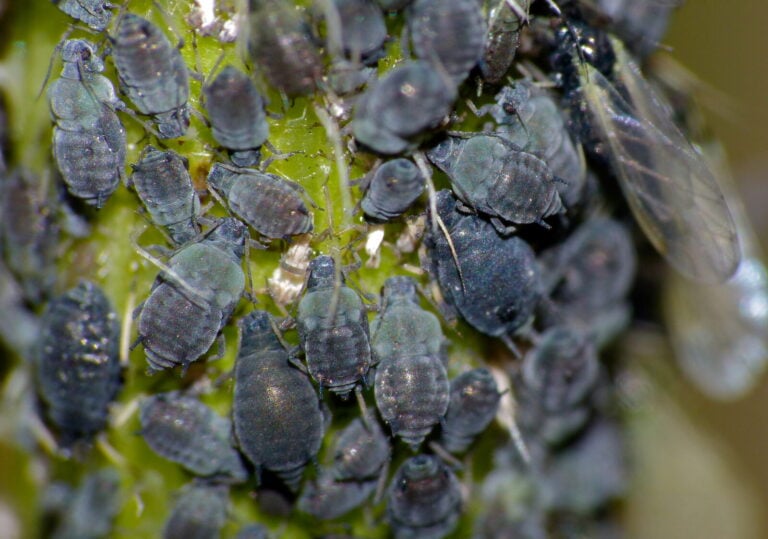
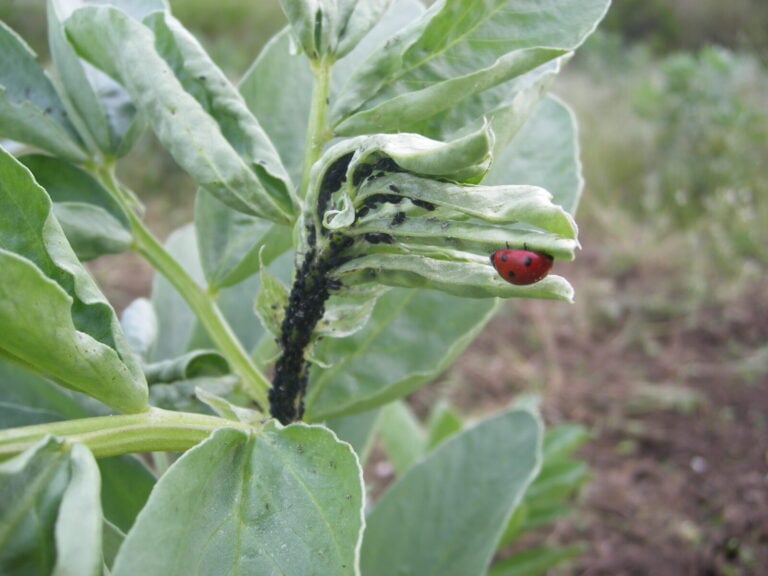
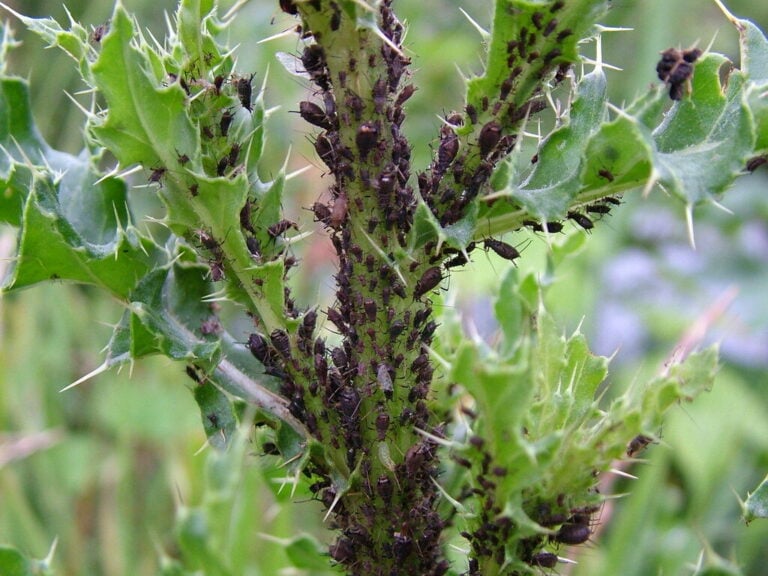
Black aphids, known scientifically as Aphis fabae, are tiny, wingless bugs that closely belong to the group called invertebrates. These mini critters typically measure between 1.5 to 3 millimeters long, which makes them as small as a grain of rice!
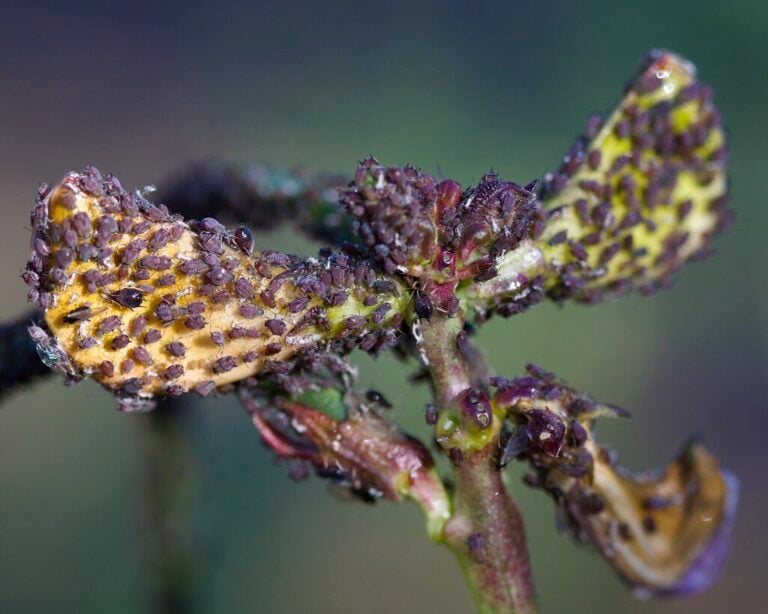
These aphids love to munch on plant sap, acting like tiny plant vampires. They stick their mouthparts into plants and suck out the sweet, nutritious juice, helping themselves to a buffet of goodness!
Black aphids have a short lifespan of about 20 to 30 days. They can grow their families quickly, giving birth to live young, which means their populations can explode faster than a balloon at a birthday party!
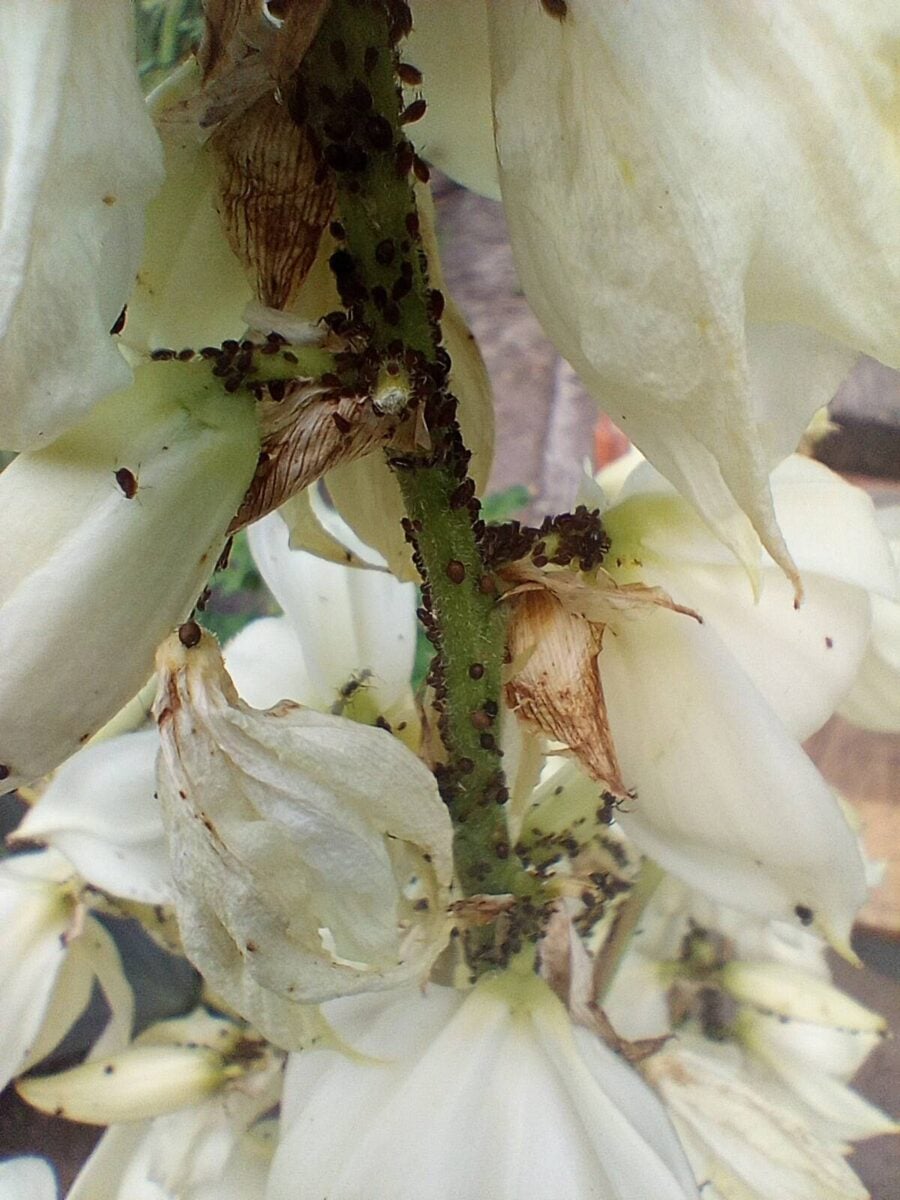
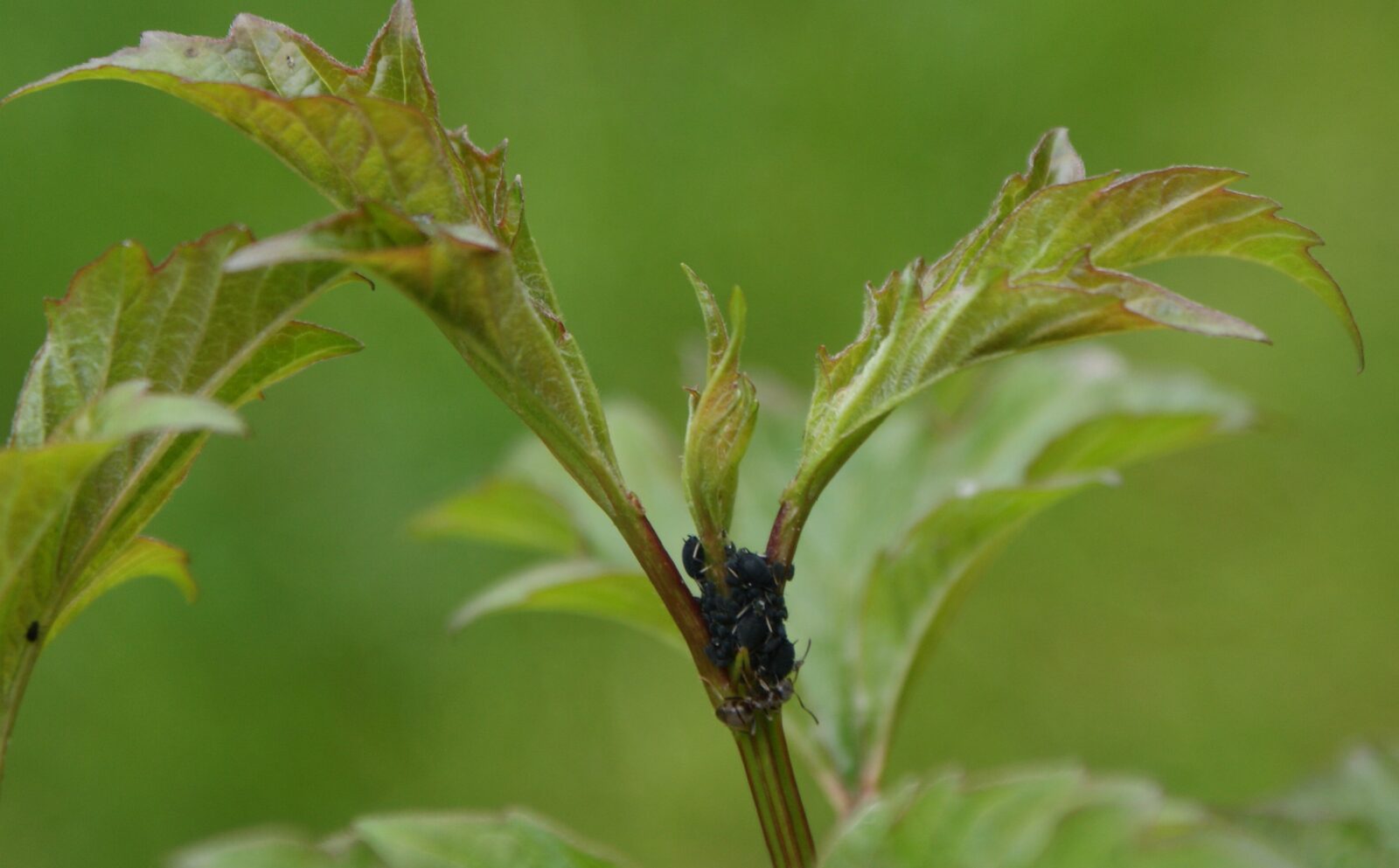
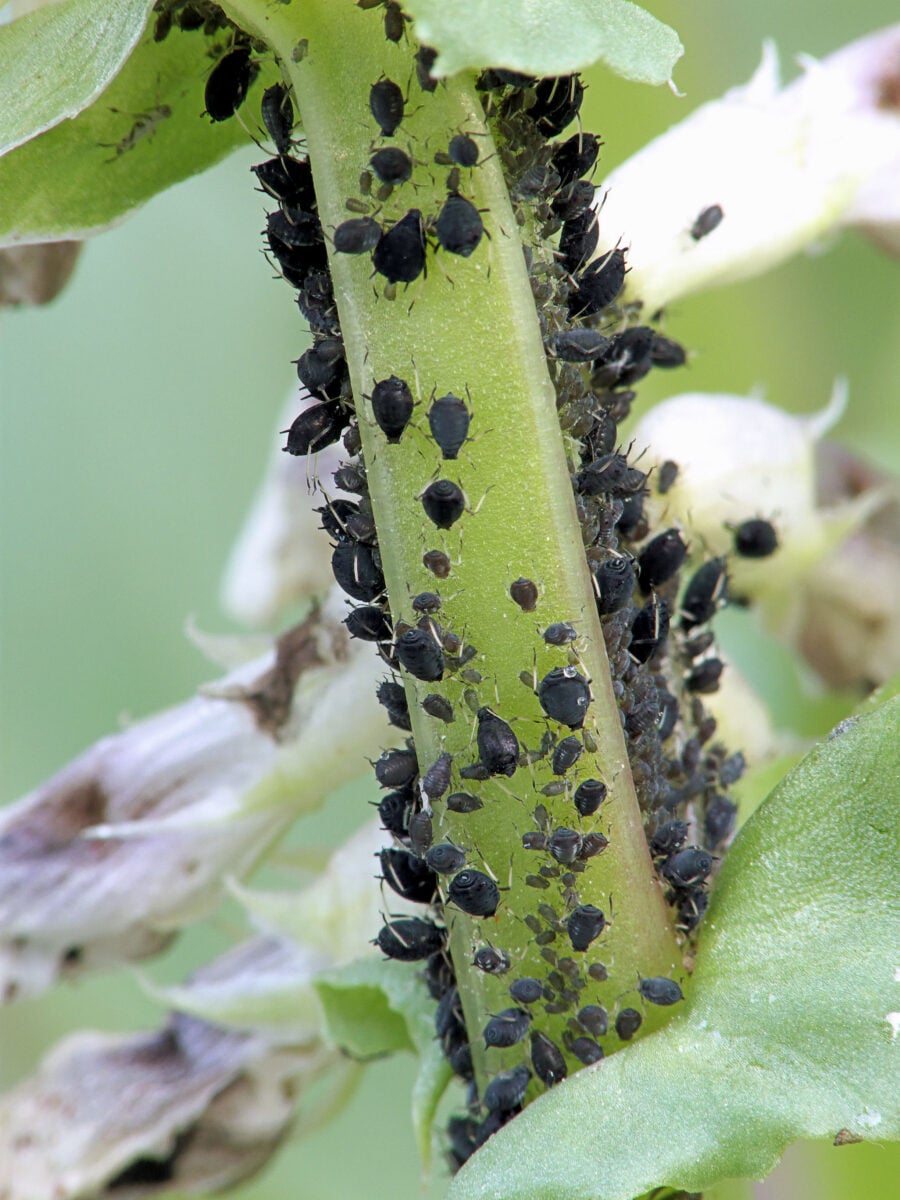
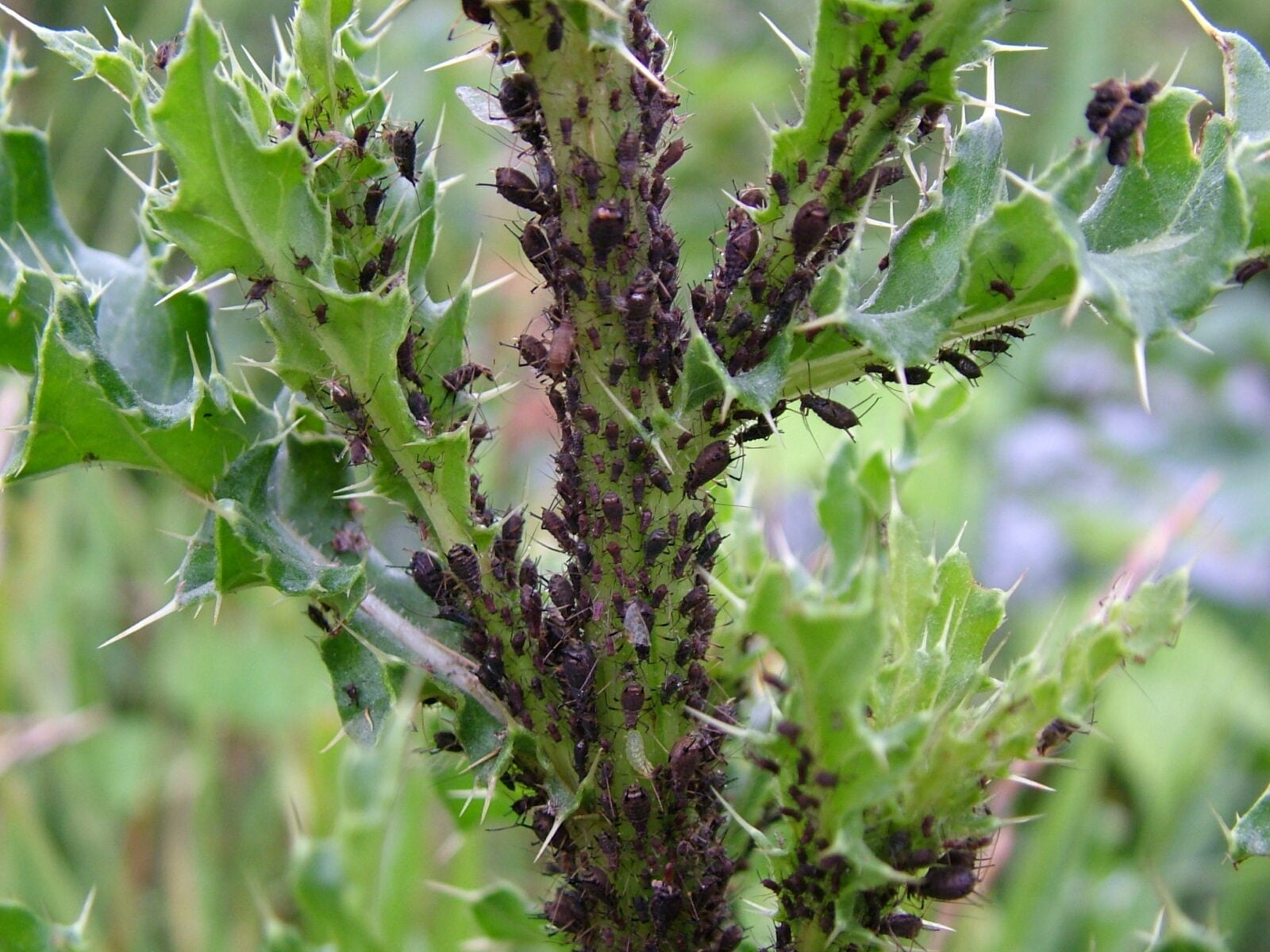
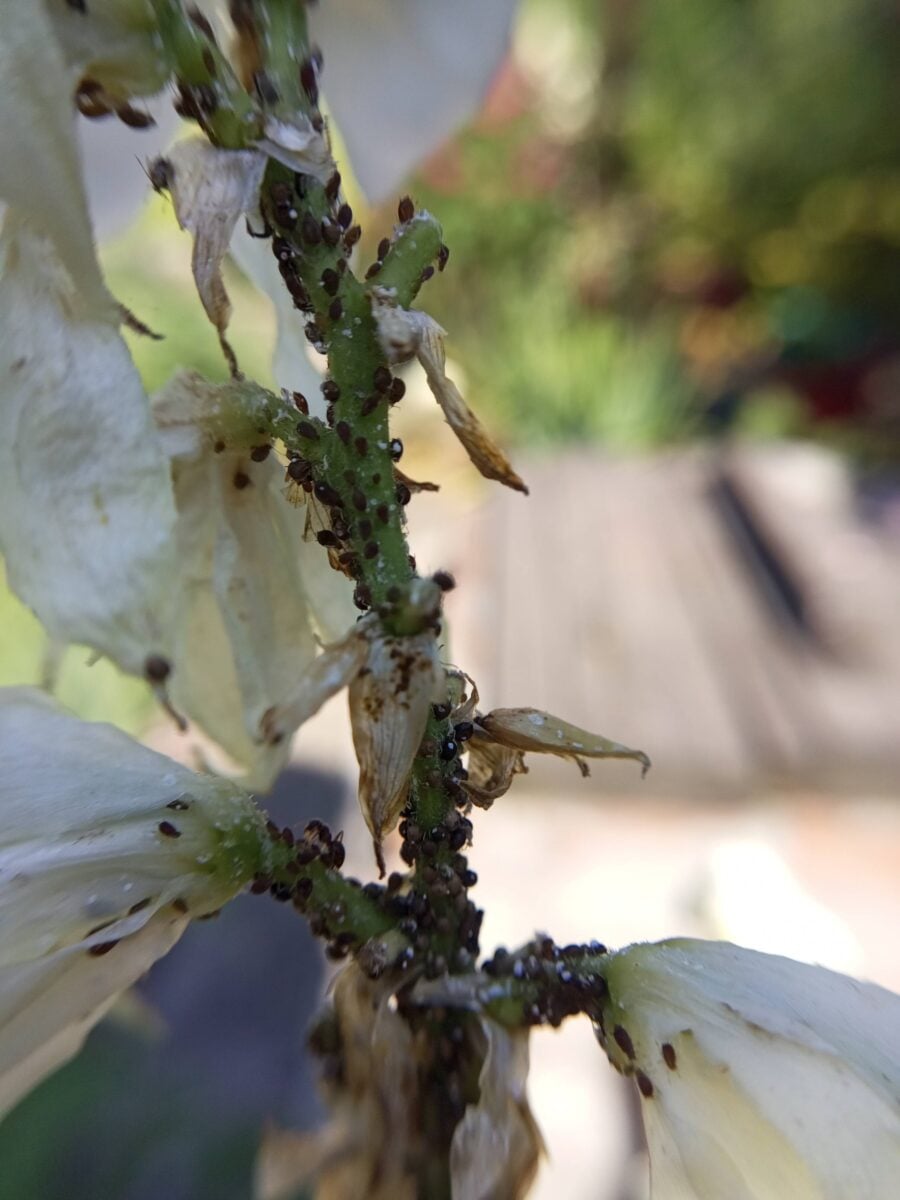
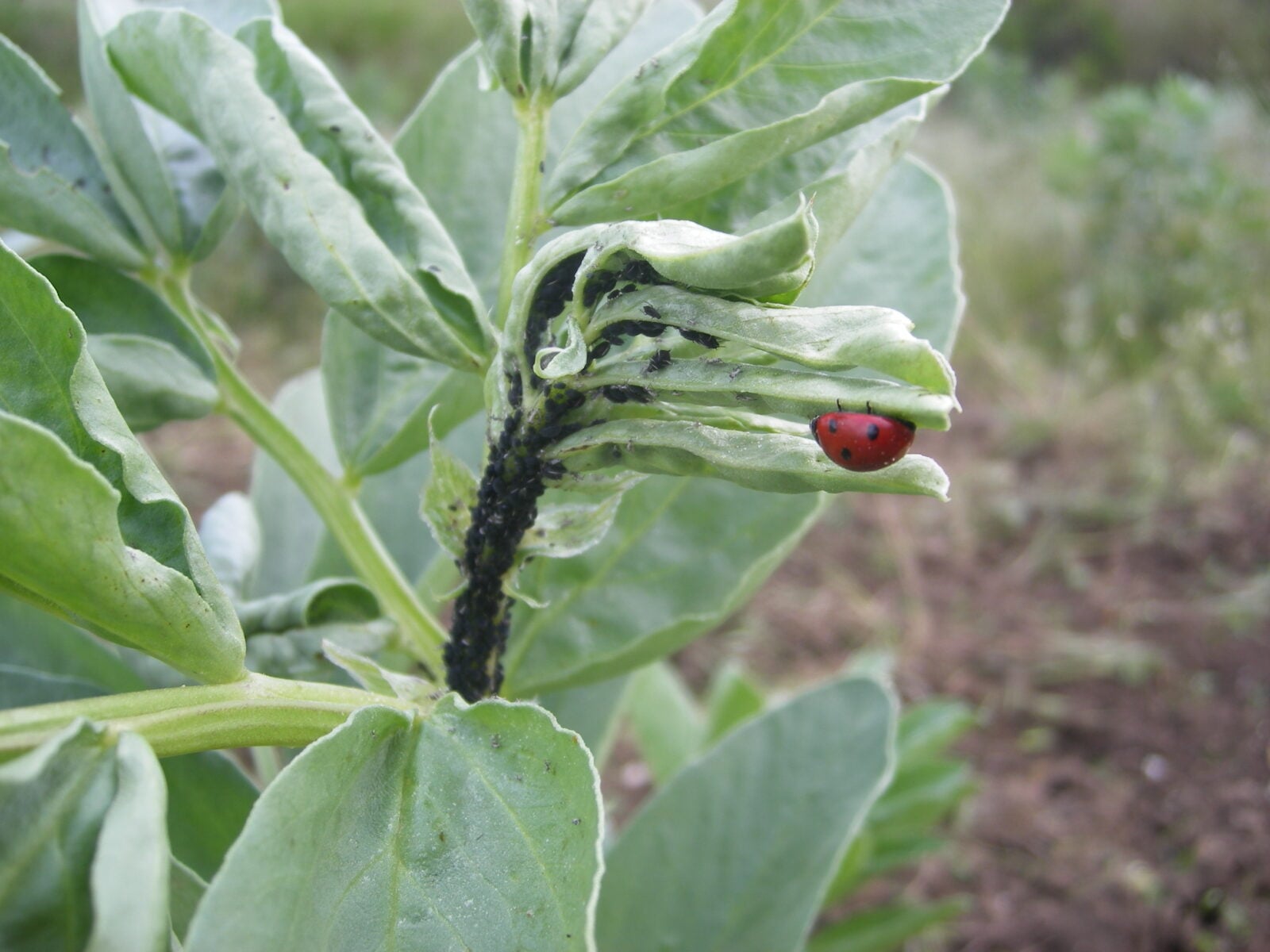
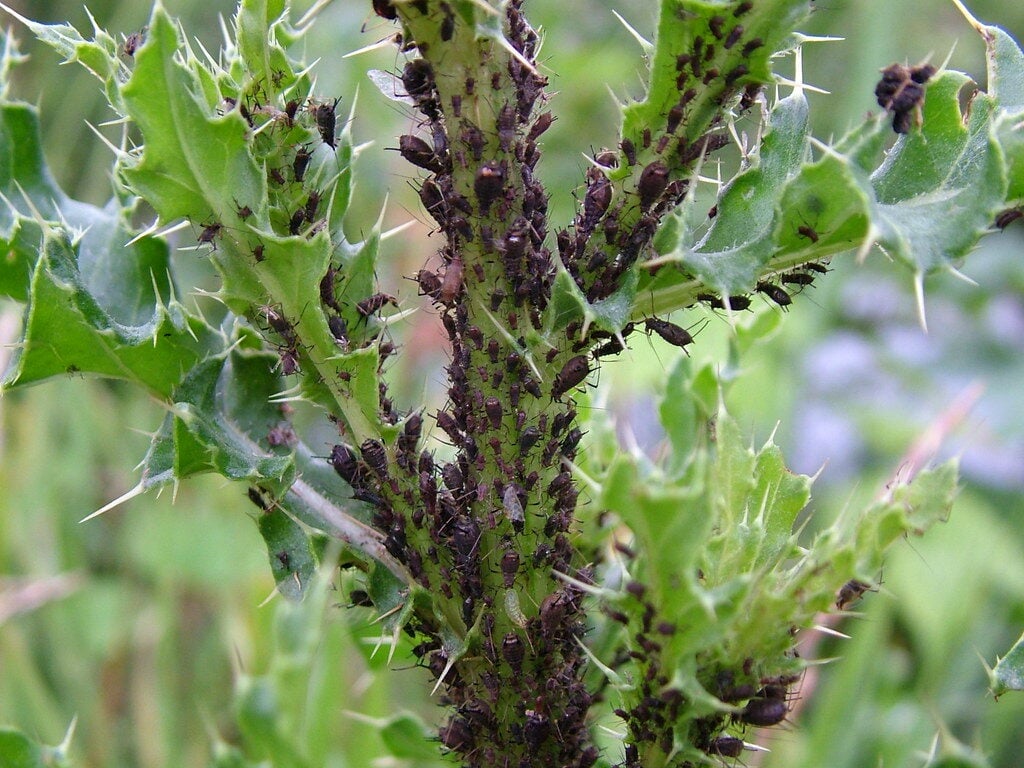
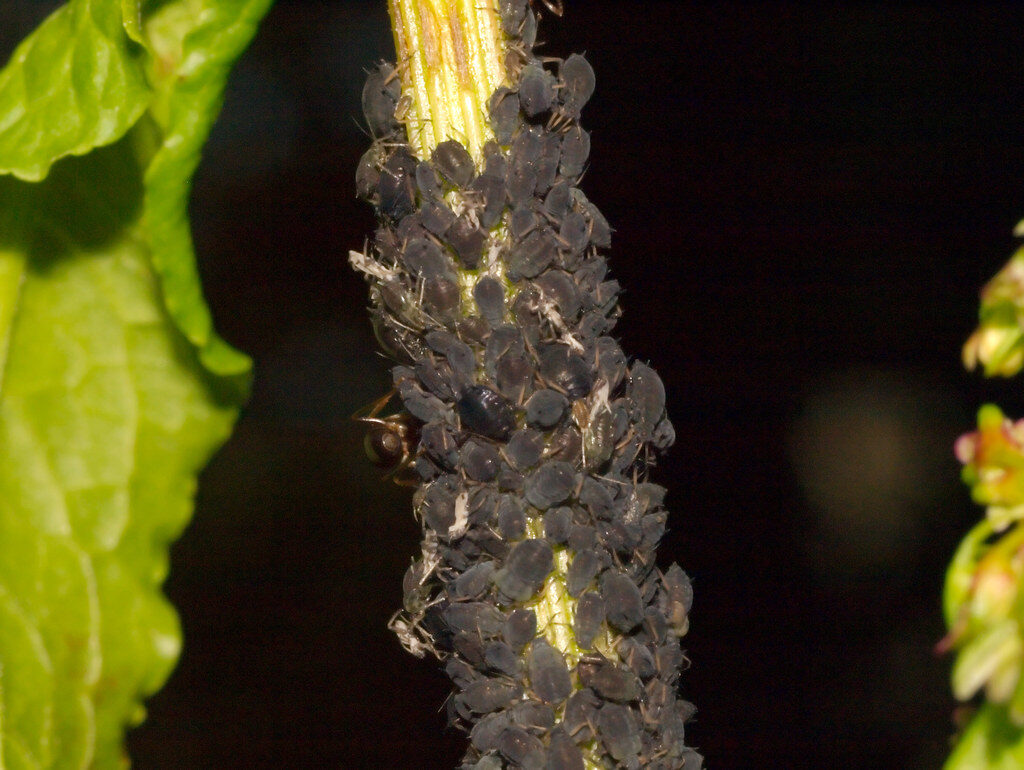
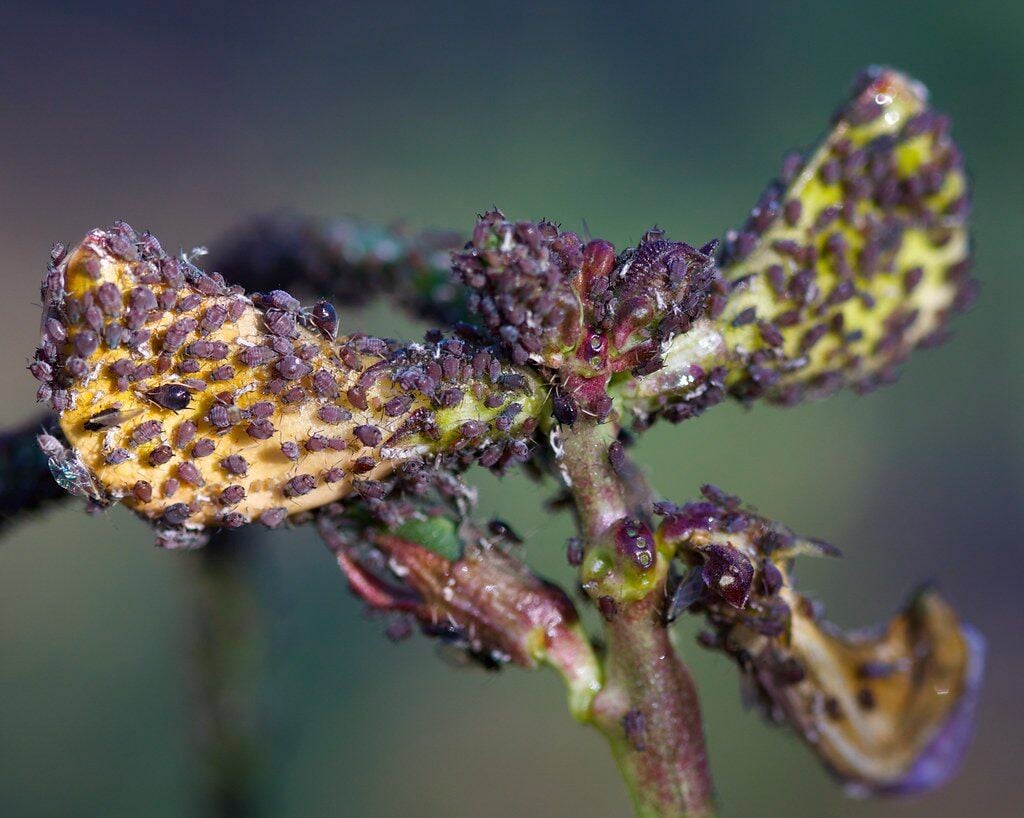
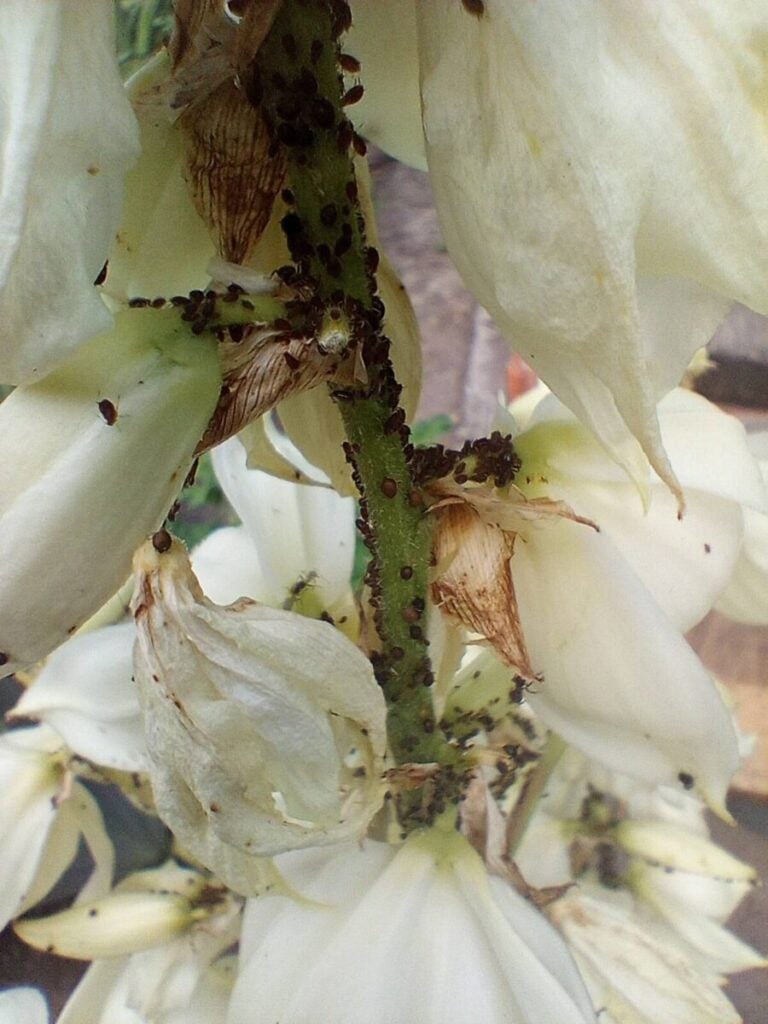
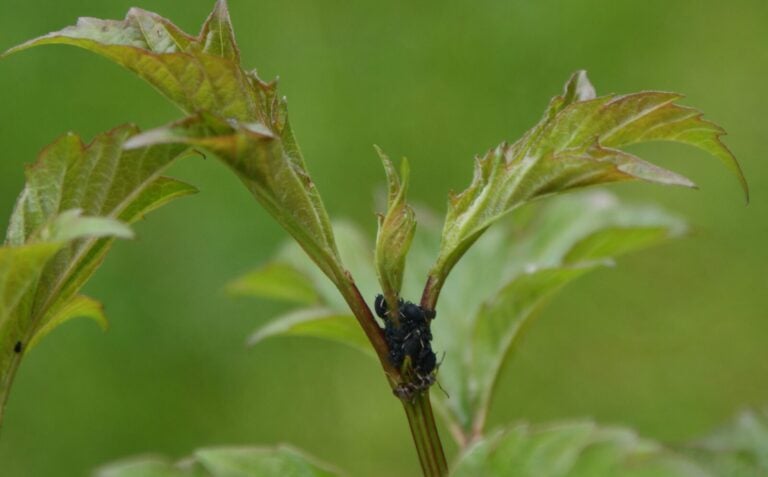
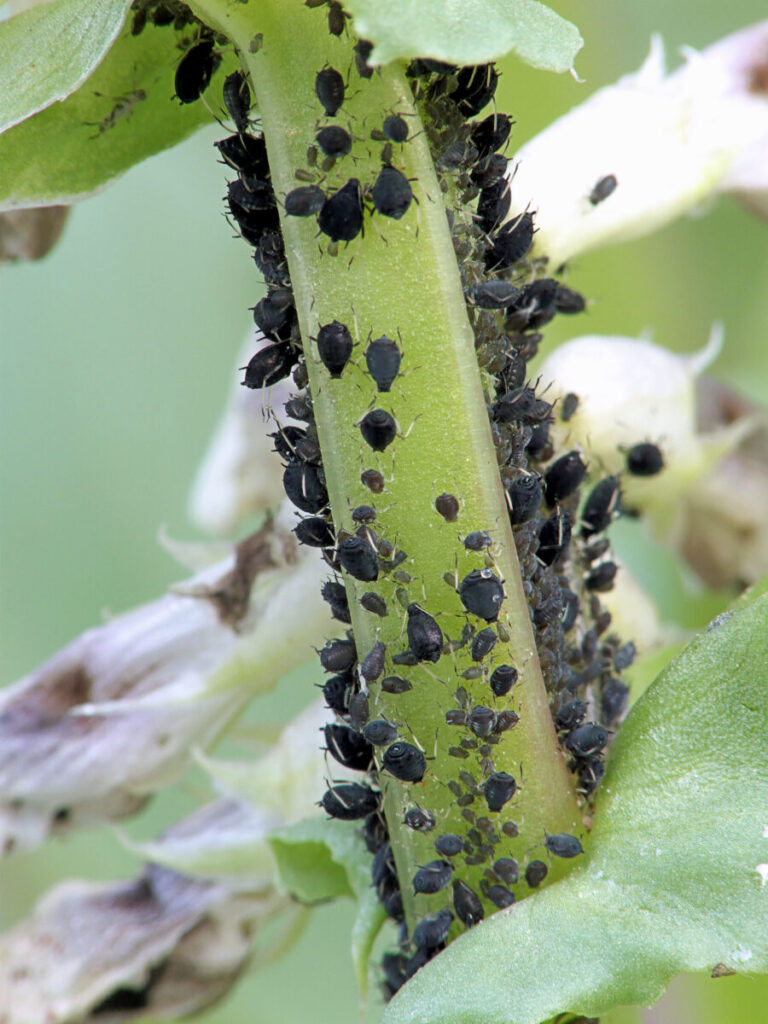
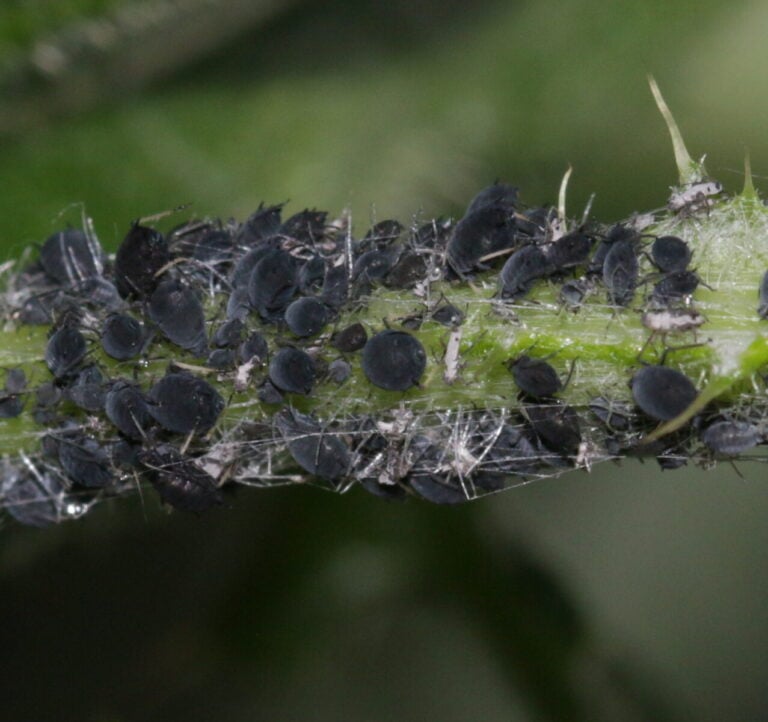
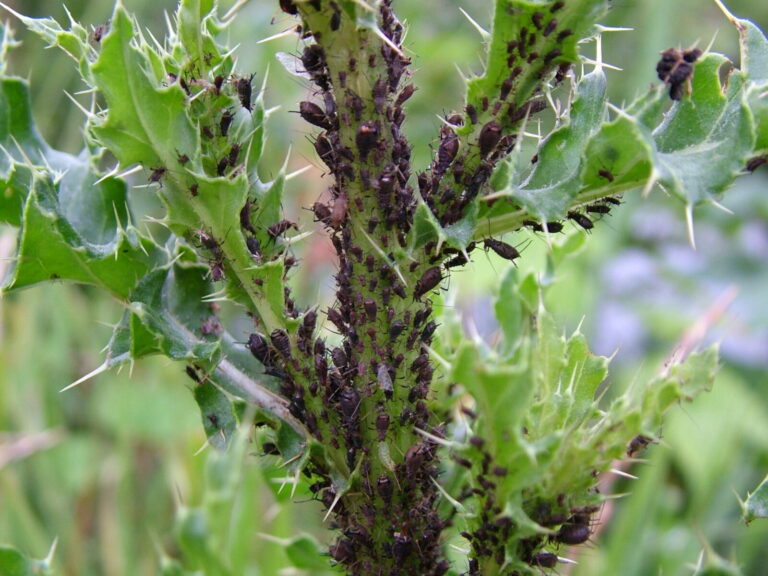
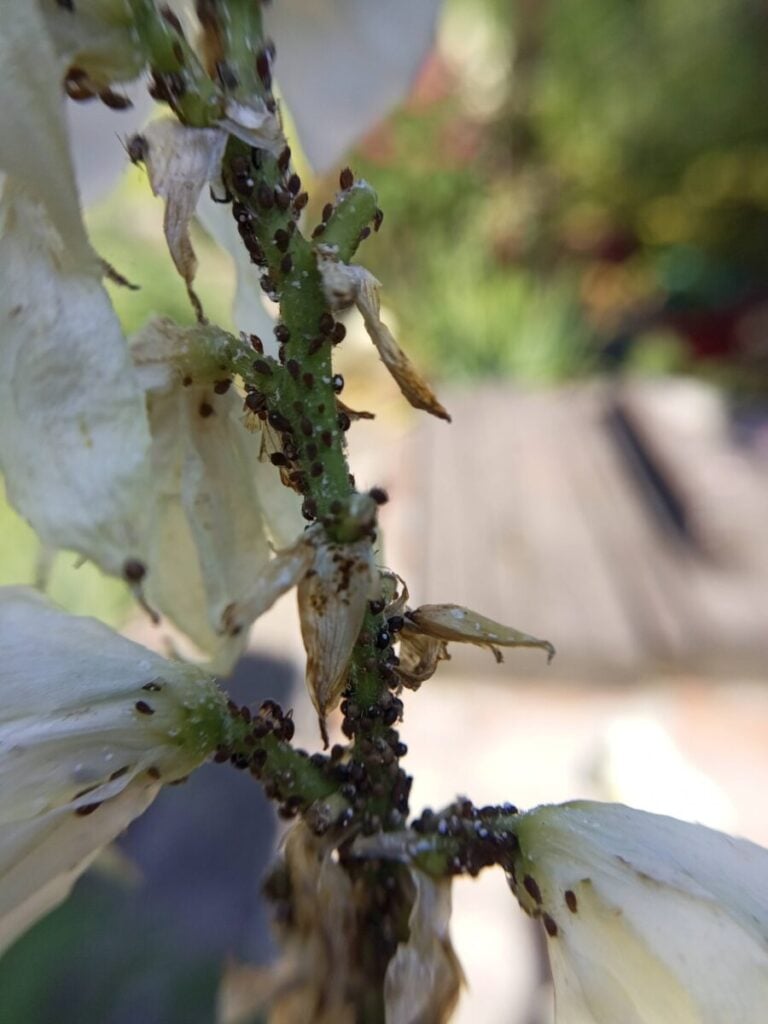
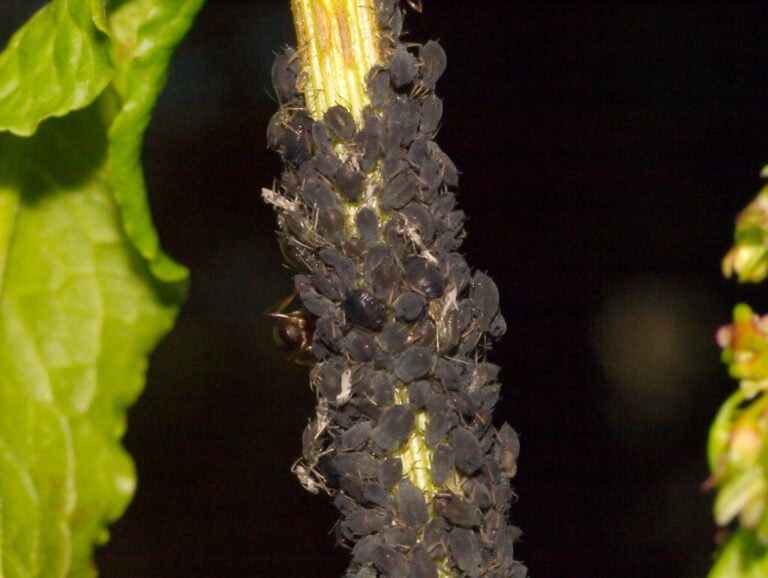
These little critters often live in colonies. You can find them on leaves and stems of plants, sometimes in large groups that look like tiny black clouds—just watch out for their sticky honeydew leftovers!
Male black aphids are very rare, with most of the colony being female. This simplifies their reproduction, allowing them to fit into the busy life of a plant-sipping enthusiast with ease!
Black aphids play an important role in the ecosystem. They serve as food for many insects and spiders, helping to keep the food web spinning in a delightful dance!

Where can you find a Black Aphids in the wild?
What does a Black Aphids eat?
How big can a Black Aphids grow?
How long does a Black Aphids typically live?
What is the conservation status of the Black Aphids?
What are the main threats to the Black Aphids?
Fun facts
Black aphids can reproduce without needing a mate! Most of the time, they give birth to live young, allowing colonies to grow in just a few weeks.


These little insects can change their bodies to adapt to their environment. When times get tough, black aphids can grow wings to fly to new plants and escape dangers!
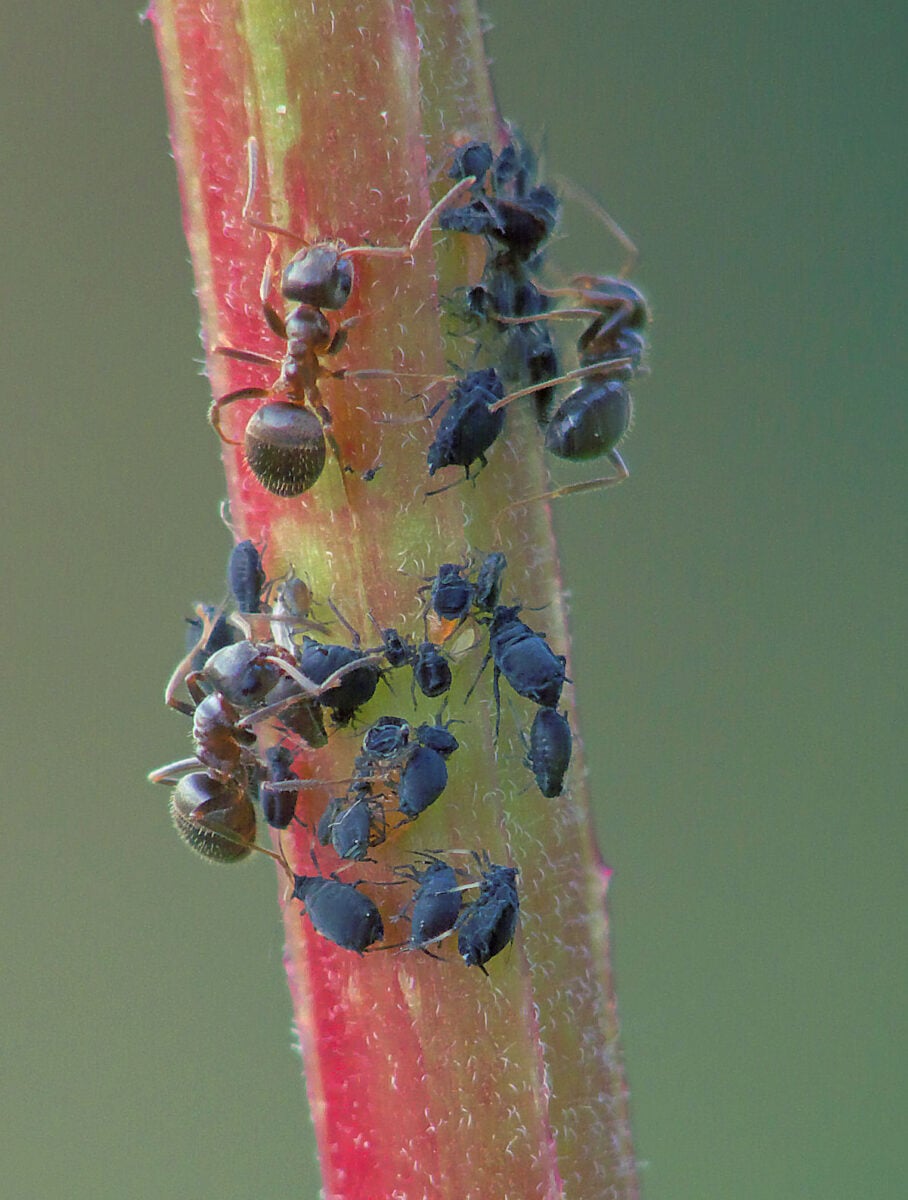
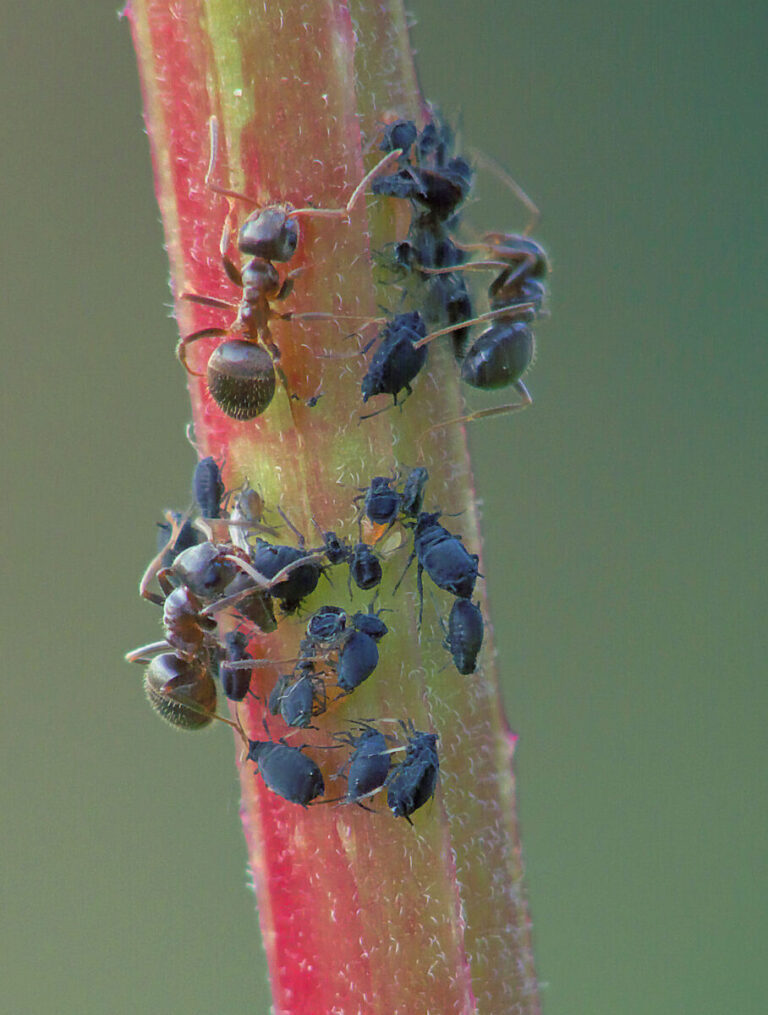
Black aphids produce a sticky substance called honeydew, which attracts ants. Ants love this sweet treat so much that they protect aphids from their predators!
When black aphids feel threatened, they can release a chemical alarm signal. This signal warns their friends, and they quickly scatter to avoid danger, like mini superheroes dodging danger!
The fastest part of a black aphid's life cycle happens right after birth. They can start having babies just days after becoming adults, making them speedy little critters in population growth!
Black aphids come in different colors! While they are commonly black, some varieties can appear green or even yellow, transforming them into tiny rainbow spots on plants.
Some black aphids can form special relationships with other insects called symbiosis. They help some beetles by providing them honeydew, while the beetles protect the aphids!
These tiny insects have incredible teamwork! In large groups, they can form a protective barrier around their young, keeping them safe from hungry predators.
Black aphids spend most of their lives sipping on plant sap, but they are not picky eaters. They can feast on many different plants, making them adaptable little adventurers!
In a short life of just a few weeks, black aphids can create a massive family of thousands. This rapid growth allows them to thrive in gardens and fields, making them quite the plant party guests!
Photos





The Basics


explore more
Amphibians
Arachnids
Birds
Cats
Crustaceans
Fish
Fish Pet Guide
Gastropods
Insects
Invertebrates
Mammals
Pet Fish
Pet Rodents
Plants
Reptiles
Roundworms
Sea Slugs