Successfully copied to clipboard!
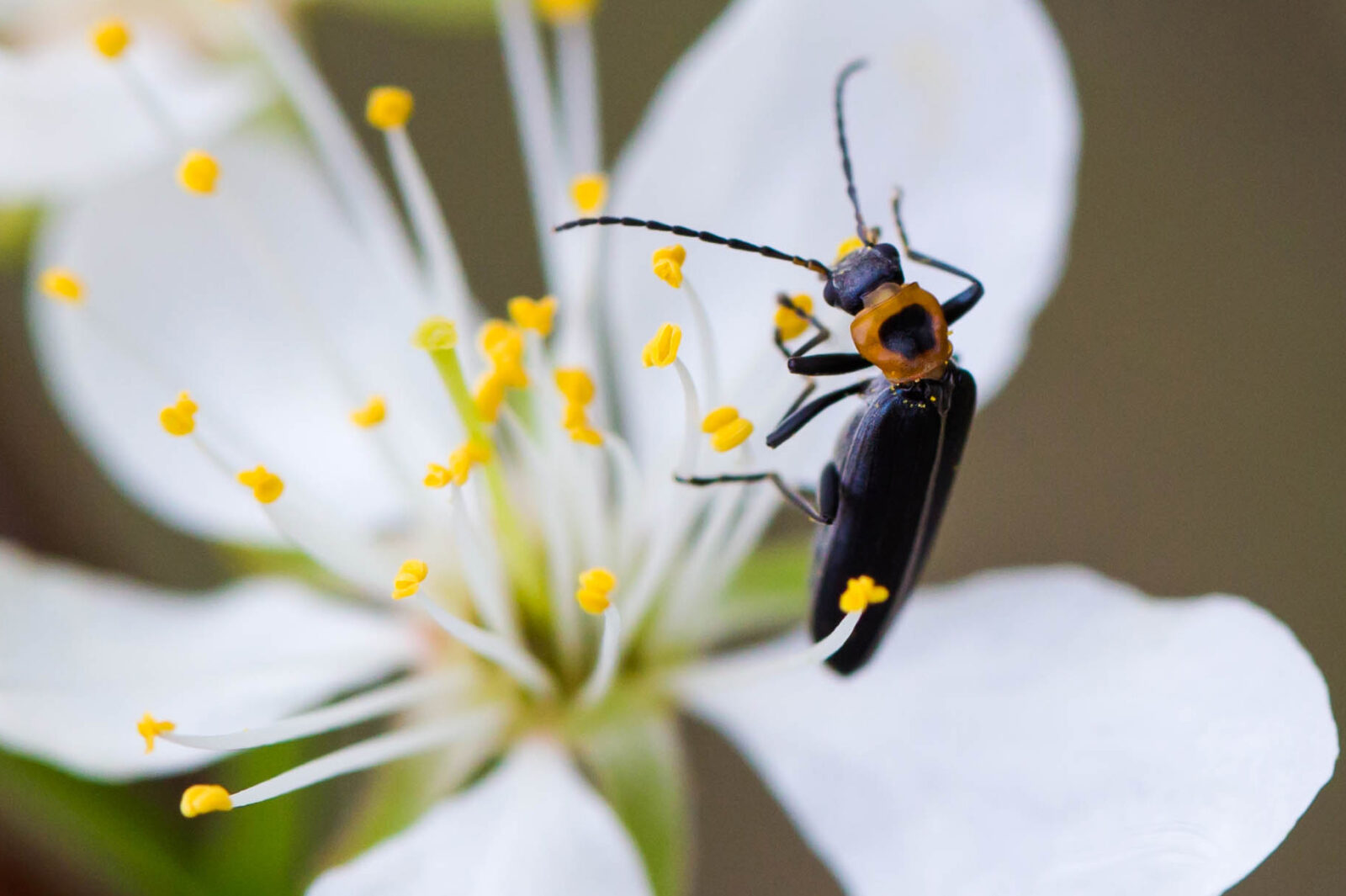
Blister Beetle
Uncover the tiny, colorful wonders hopping in your garden!
Let’s Explore
Overview
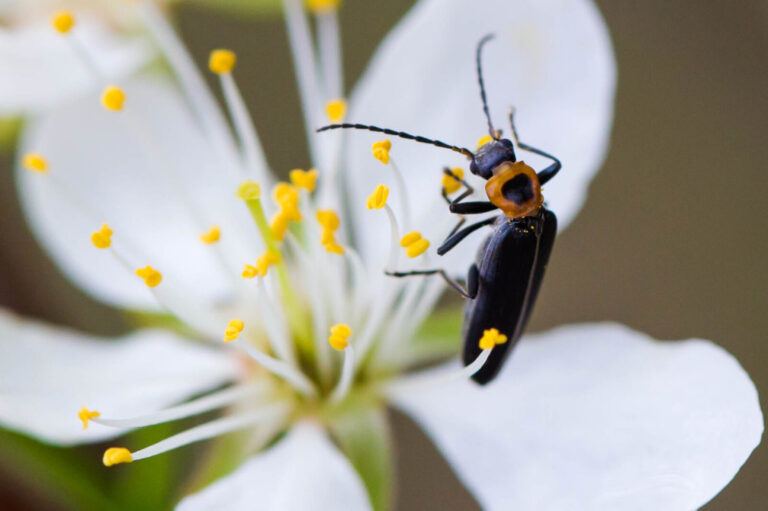
The blister beetle is a tiny insect that can be found throughout North America. These fascinating creatures measure about 1 to 2 centimeters long, making them small but mighty members of the animal kingdom.
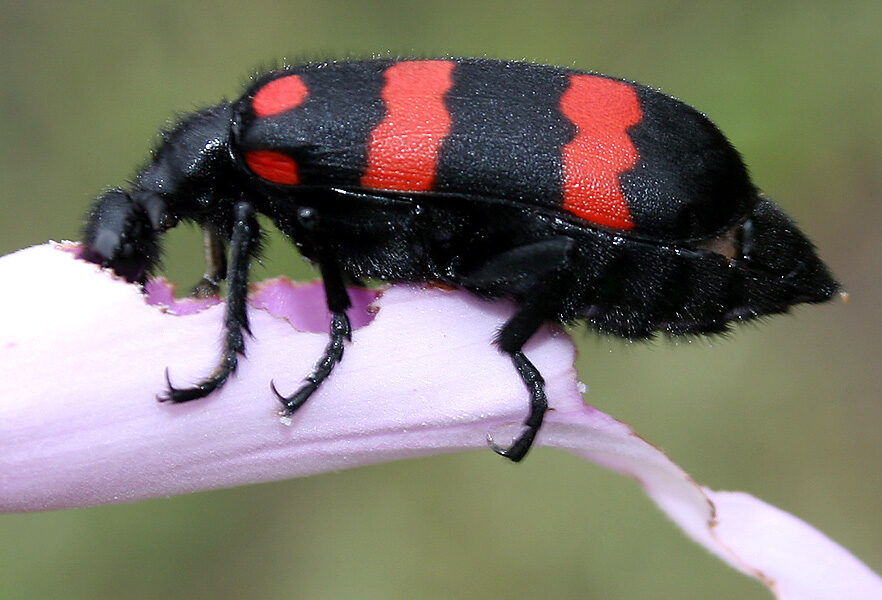
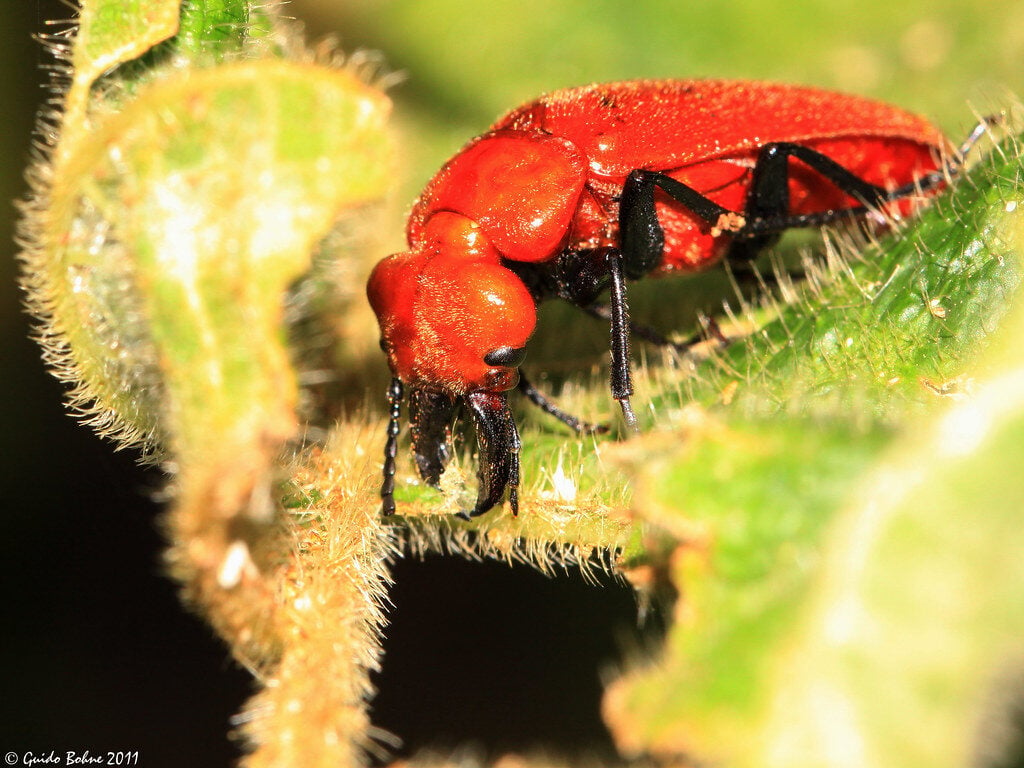
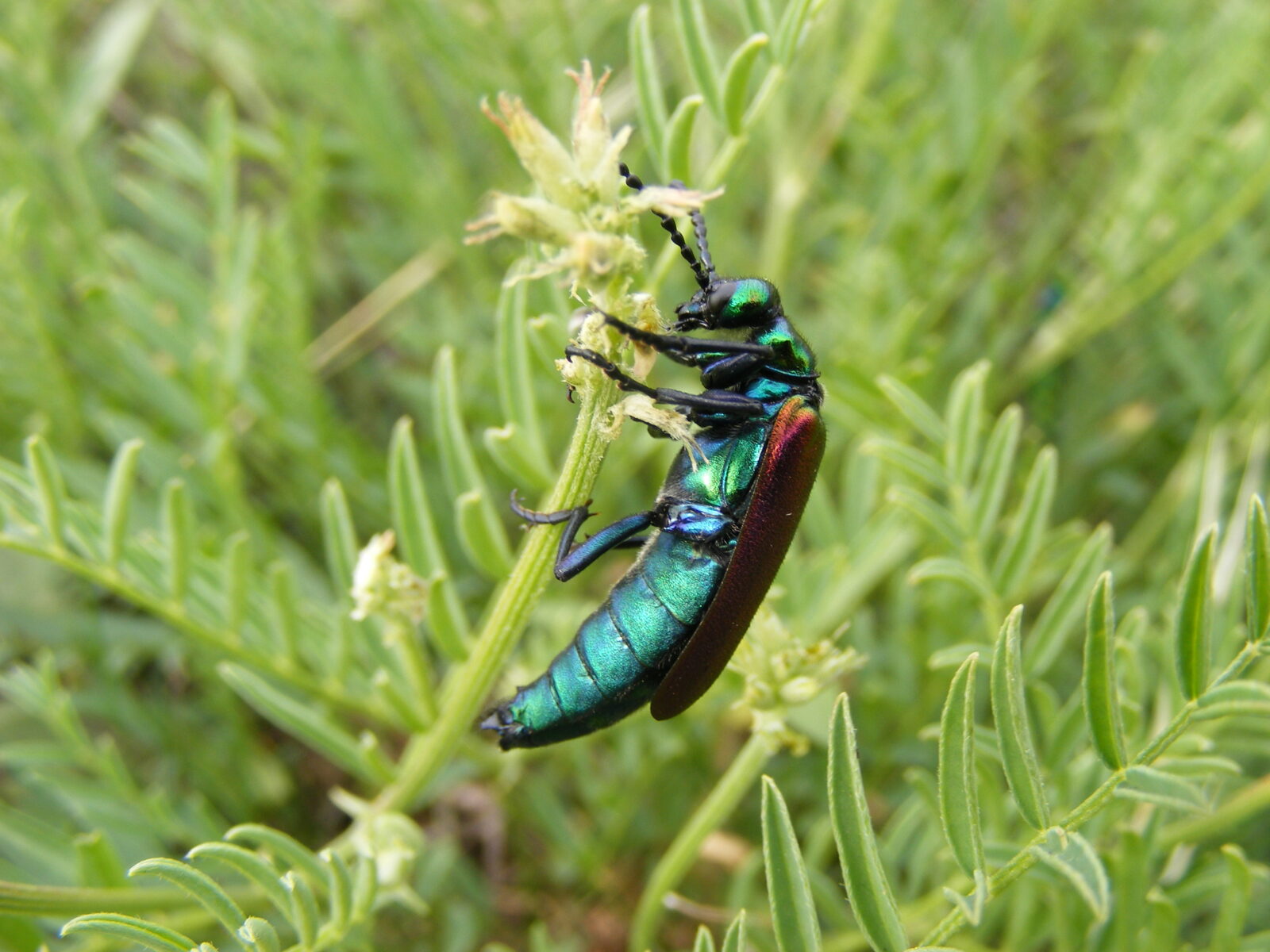
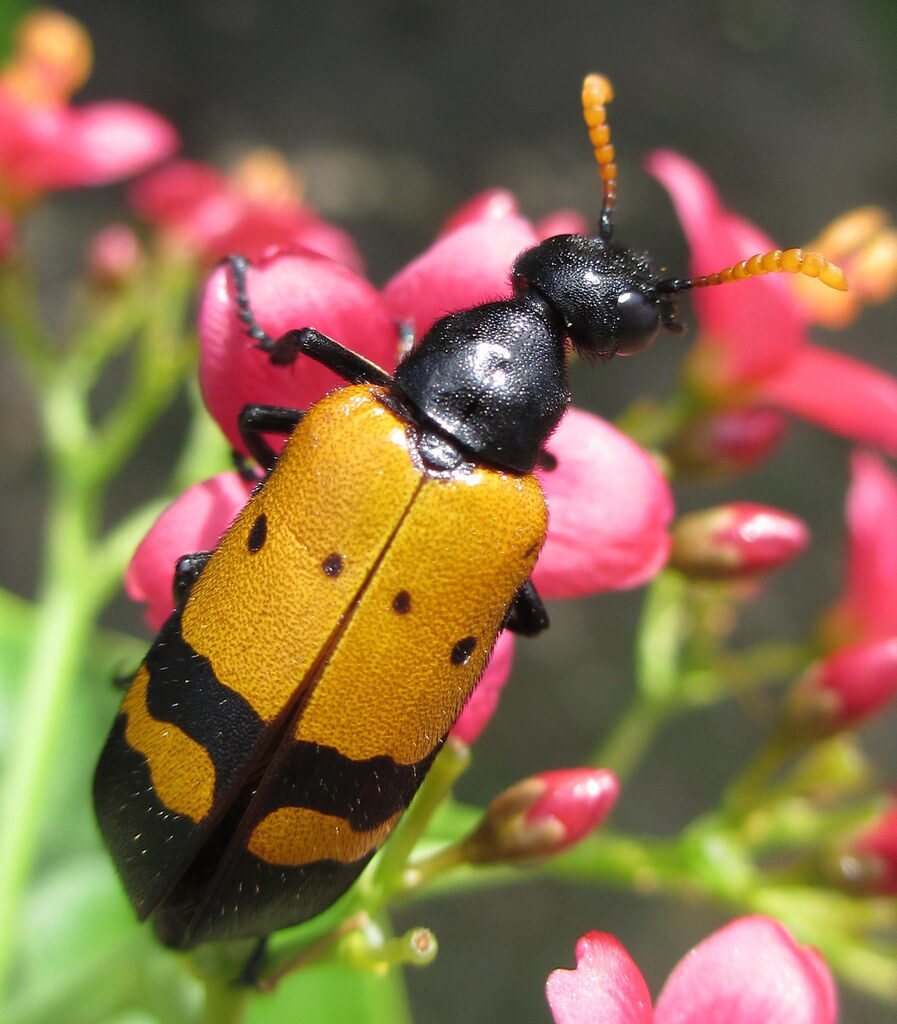
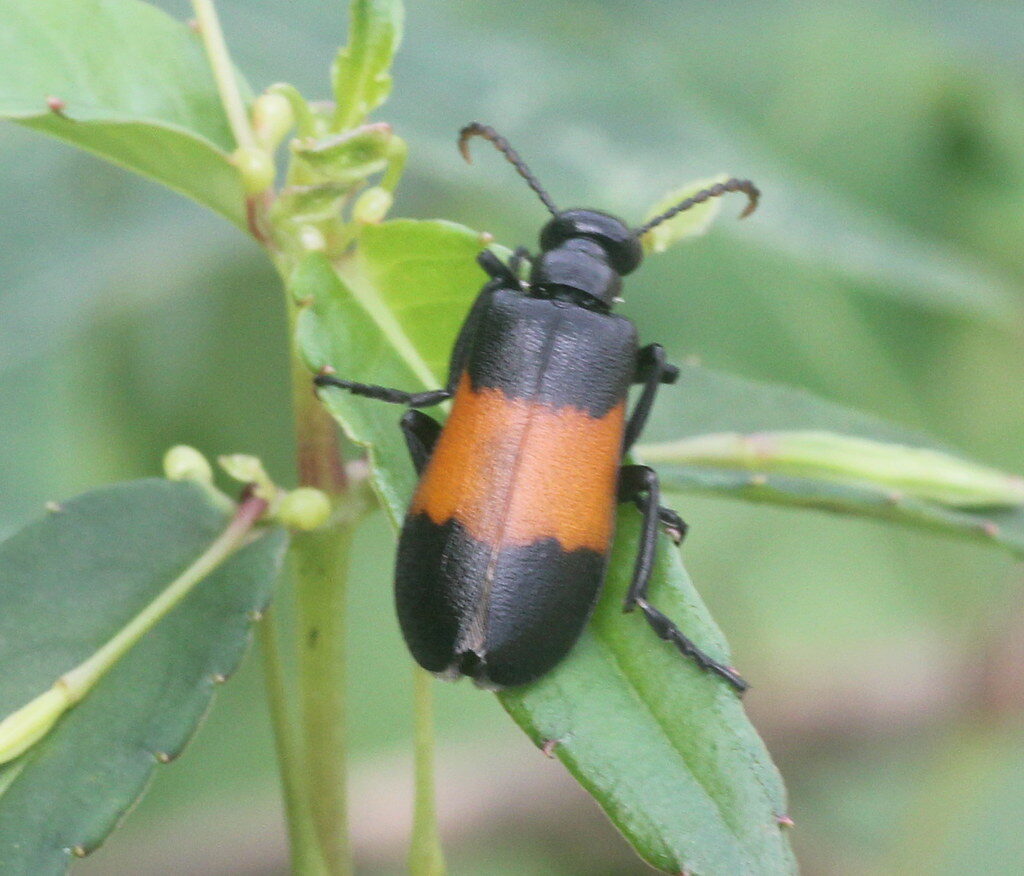
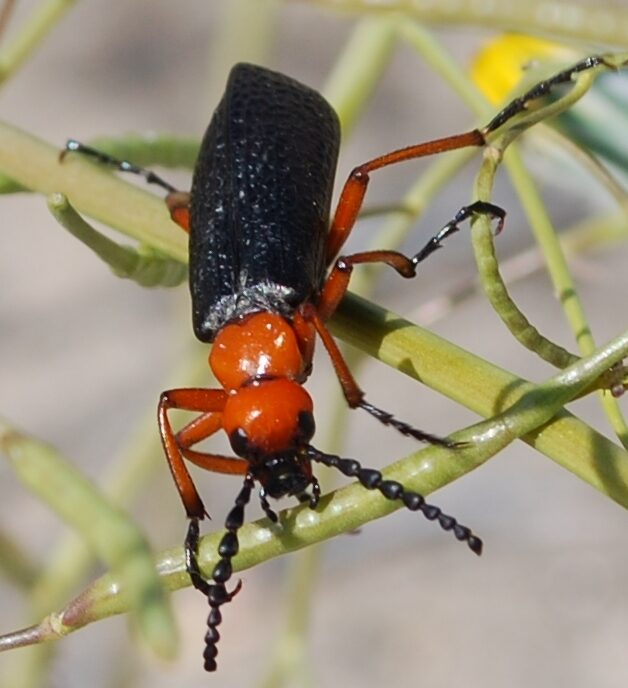
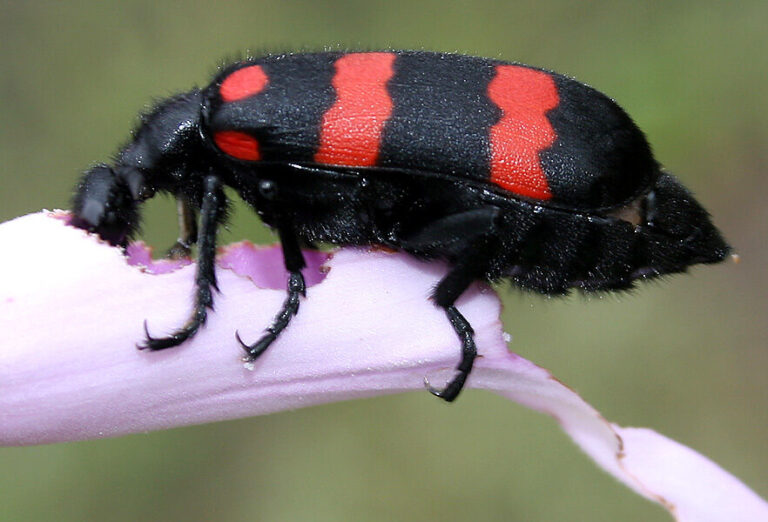
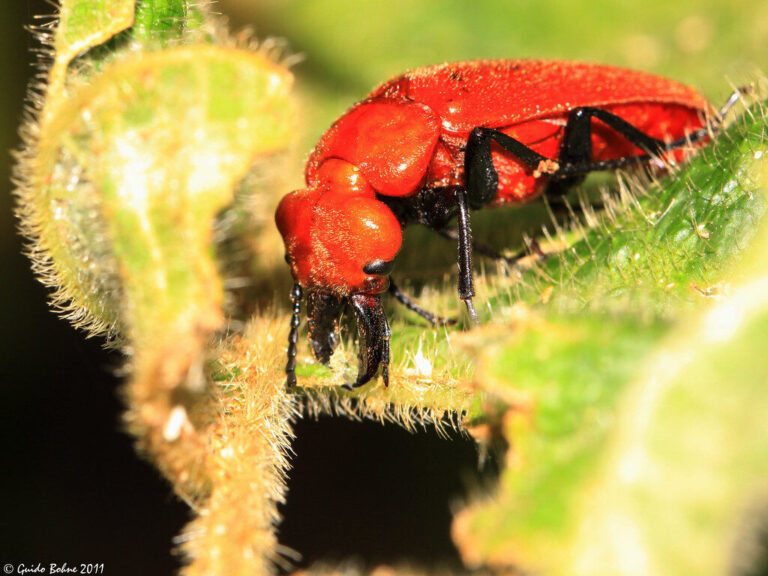
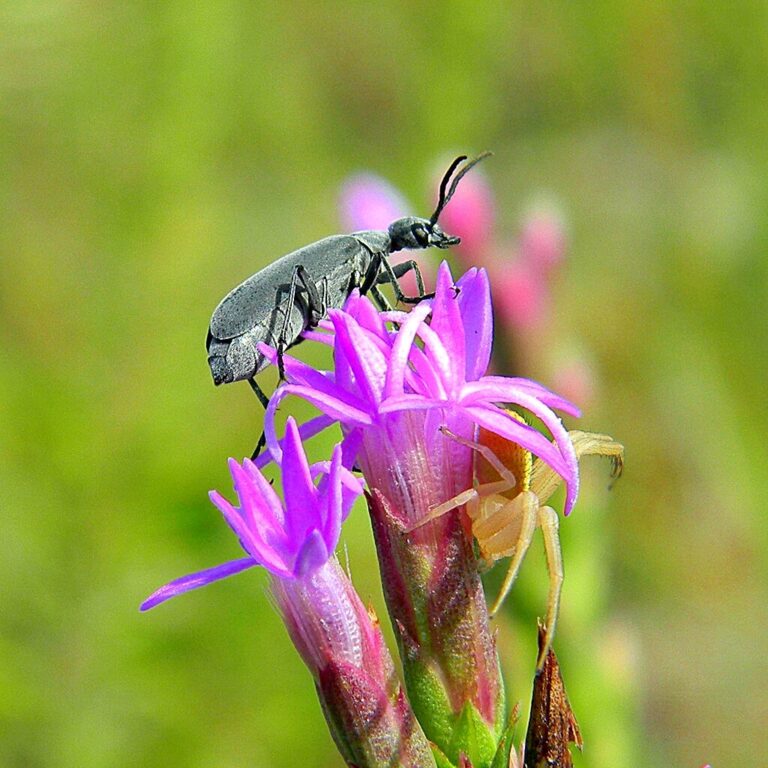
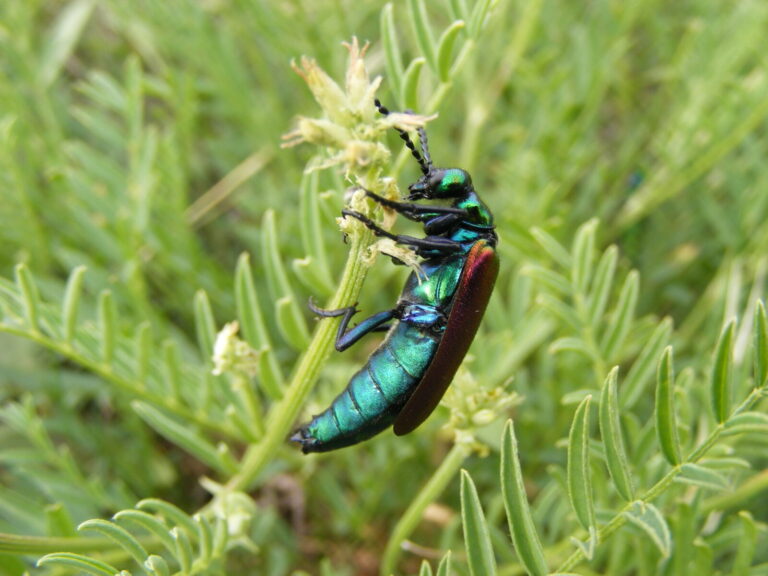
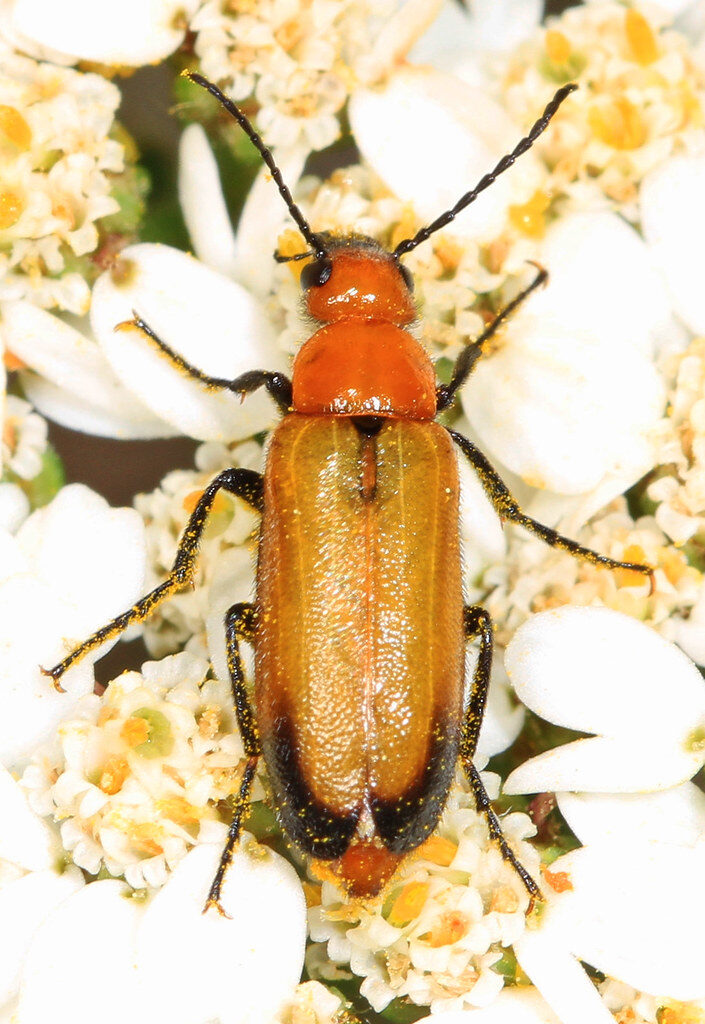
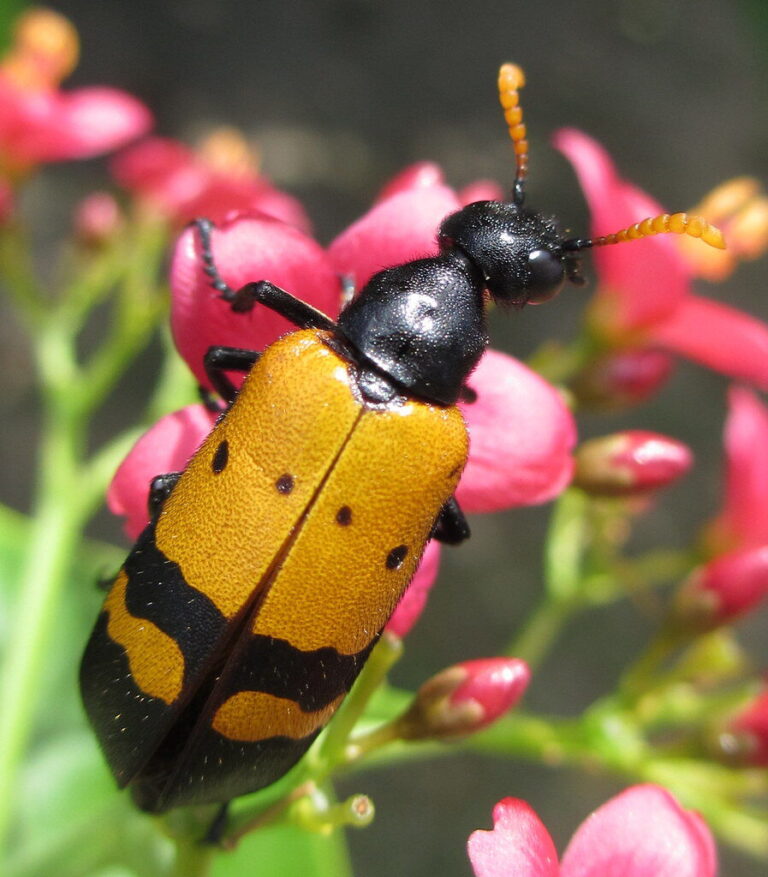
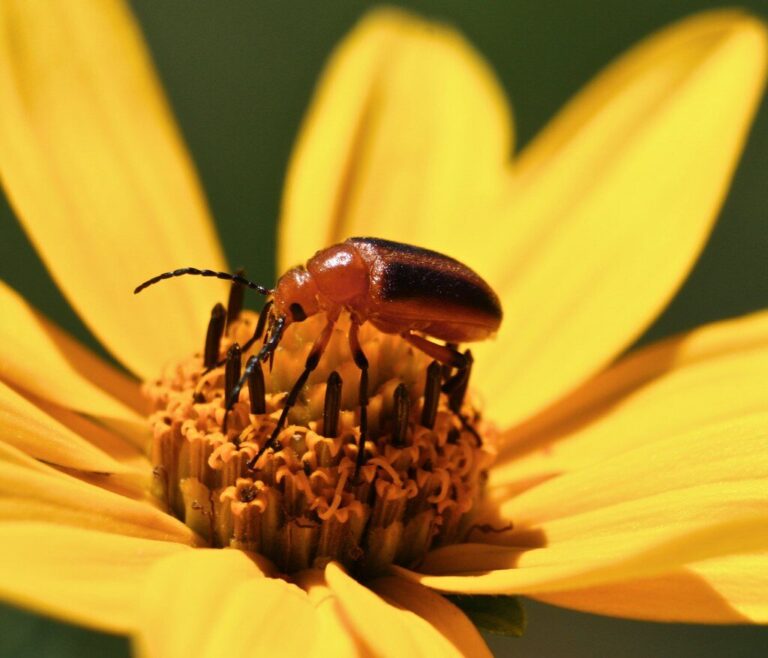
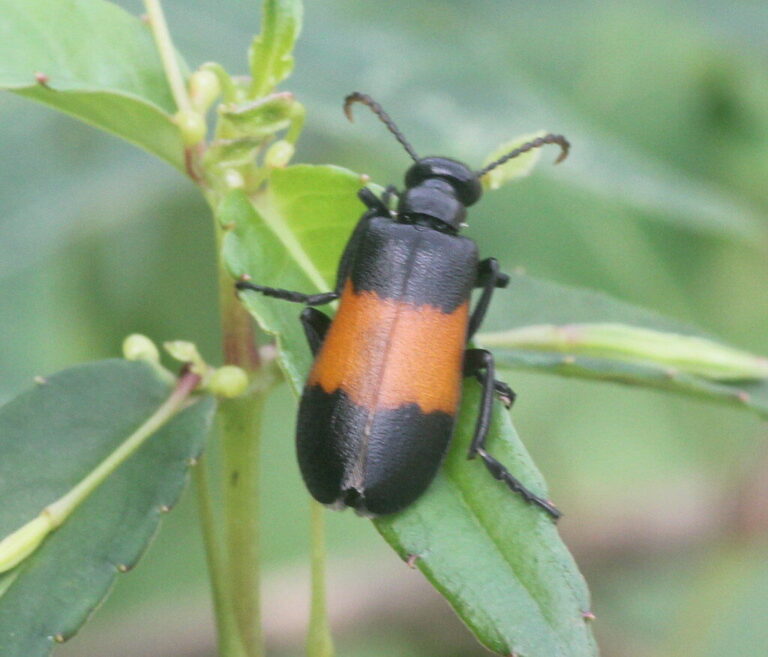
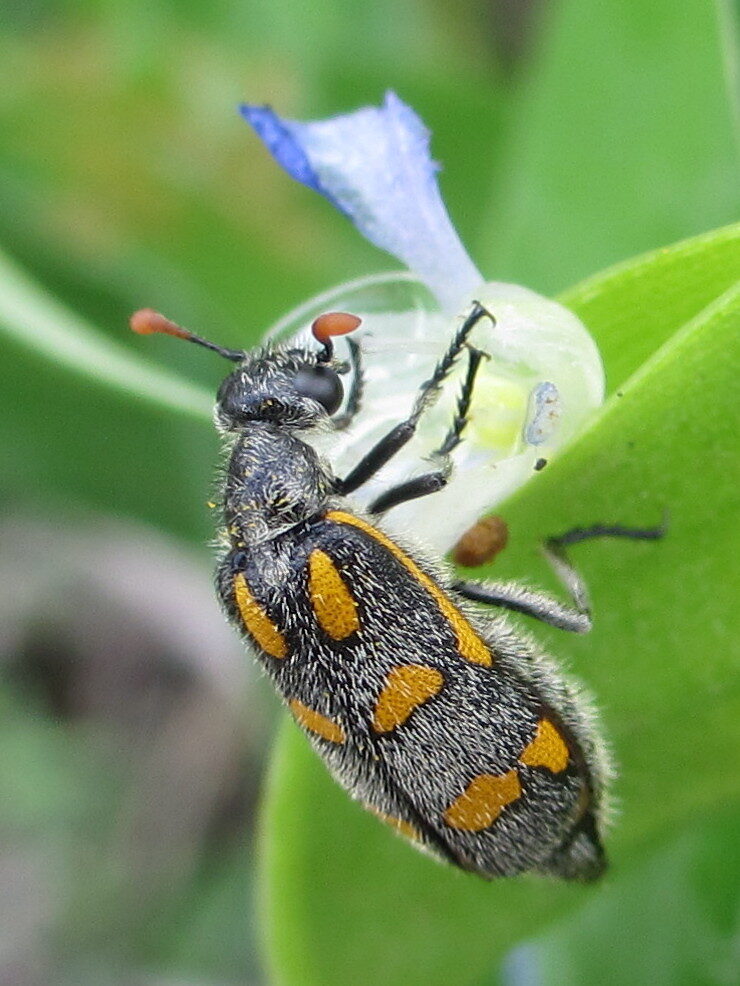
Blister beetles belong to the family Meloidae and share their home with over 2,500 other species. Many people find their colorful bodies striking, often featuring hues of black, blue, or orange, showcasing nature's art palette.
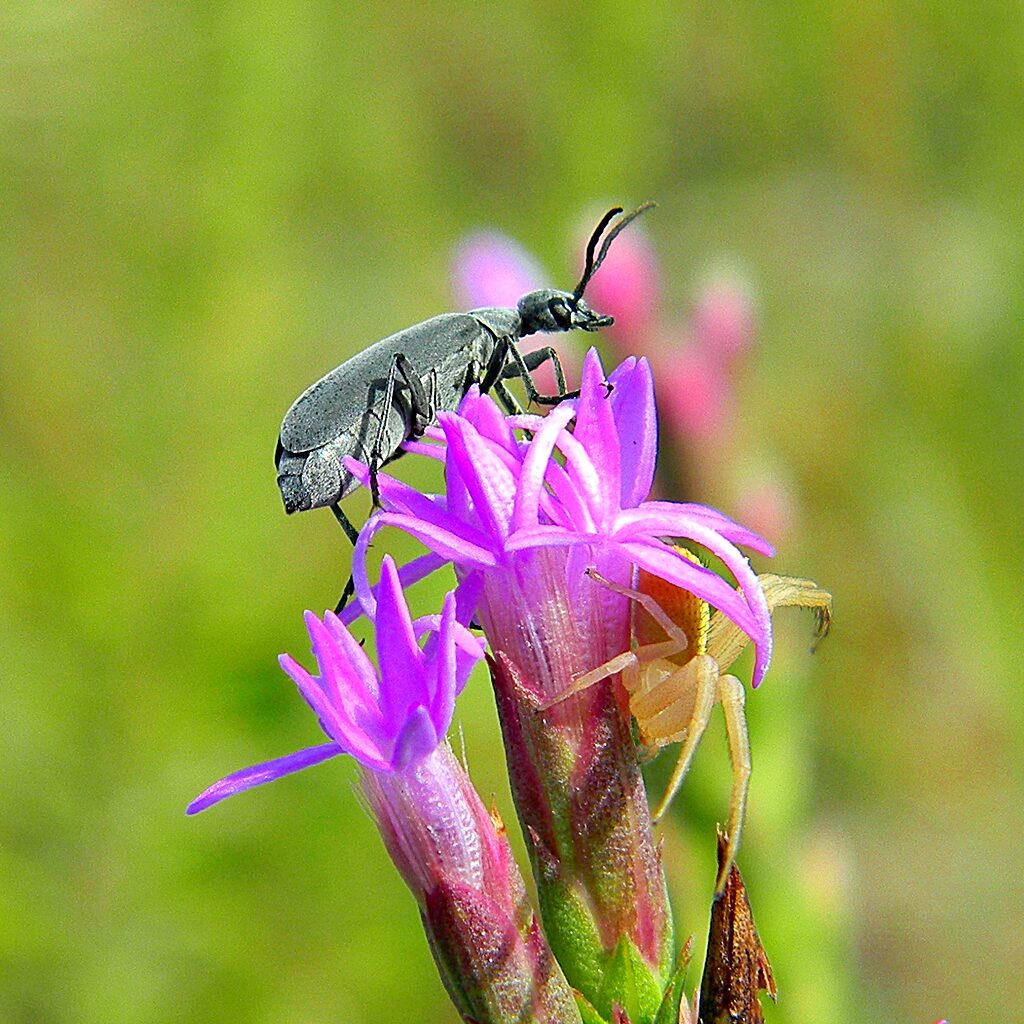
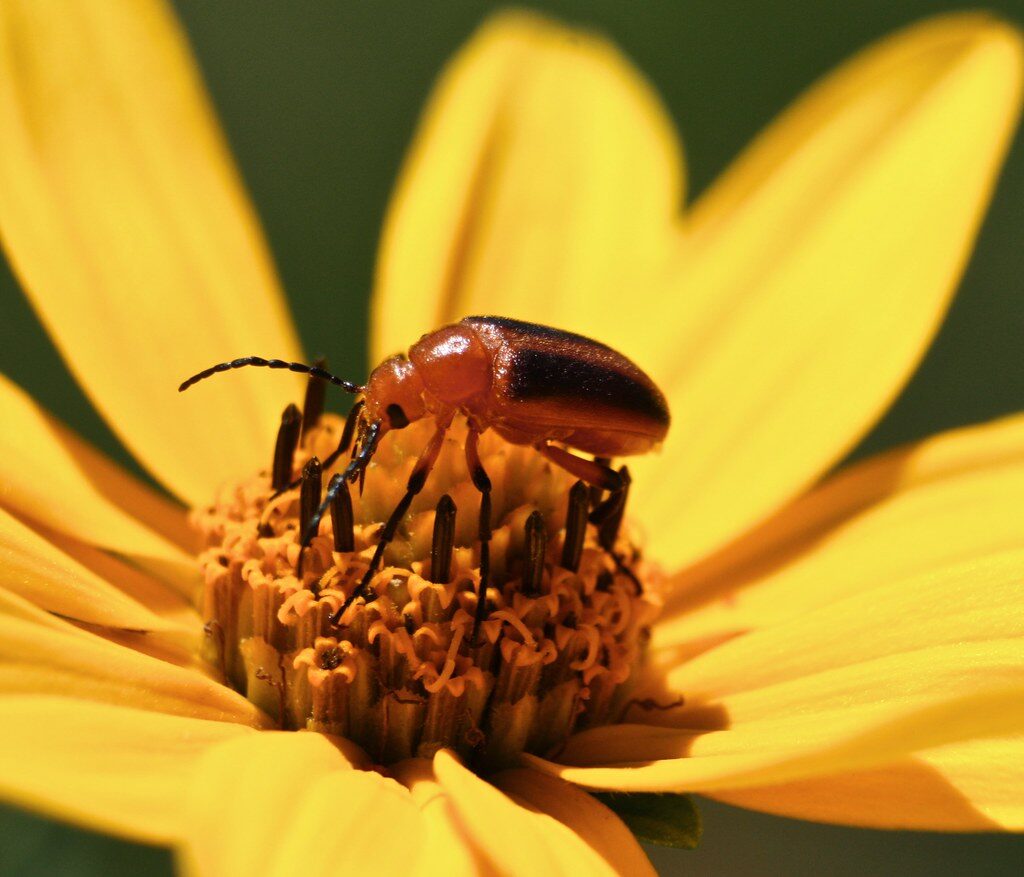
Did you know that blister beetles love munching on leaves and flowers? They play an essential role in the environment by helping to control plant growth, but they might not have the best table manners!
Blister beetles can live for only a few months, but they make the most of their time on Earth. Their fascinating life cycle includes breeding and growing before they head off to find their favorite flowers to nibble on.
These little critters are named

Where can you find a Blister Beetle in the wild?
What does a Blister Beetle eat?
How big can a Blister Beetle grow?
How long does a Blister Beetle typically live?
What is the conservation status of the Blister Beetle?
What are the main threats to the Blister Beetle?
Fun facts
Blister beetles produce a chemical called cantharidin that can cause skin blisters in humans. So, if you ever meet one, make sure to admire from a distance!


These colorful insects sometimes gather in huge groups, which can look like a live rainbow on the ground! They do this during mating season to attract partners and increase their chances of finding love.
Blister beetles have a fun nickname: "Spanish fly." People used to believe that they had magical properties, although their effects are mostly just a painful reminder to avoid them.
These beetles have a unique way of staying safe from predators. When threatened, they can release a defensive fluid that smells terrible and might irritate sensitive skin, giving them a nasty reputation!
Blister beetles undergo a fascinating transformation. Their larvae are predators and often feed on the eggs of other insects, turning them into little hunters before they become the colorful adults!
Some blister beetles can change colors based on their diet. If they munch on certain plants, they can take on different shades, showing just how colorful flowers can be!
These beetles can sometimes rise to the occasion, literally! They can fly around in search of food and mates, using their wings to flutter gracefully through sunny gardens.
Female blister beetles can lay up to a thousand eggs in one go! With this many eggs, it’s no wonder they have such vibrant populations!
In some cultures, people use cantharidin from blister beetles in traditional medicine. However, this practice is very risky because of its toxic properties!
These beetles are like nature's tiny artists, often sporting beautiful patterns and colors. They show that even small creatures can dazzle with their appearances!
Photos





The Basics


explore more
Amphibians
Arachnids
Birds
Cats
Crustaceans
Fish
Fish Pet Guide
Gastropods
Insects
Invertebrates
Mammals
Pet Fish
Pet Rodents
Plants
Reptiles
Roundworms
Sea Slugs