Successfully copied to clipboard!
Cabbage Moth
Explore the nighttime nibblers of gardens and fields!
Let’s Explore
Overview
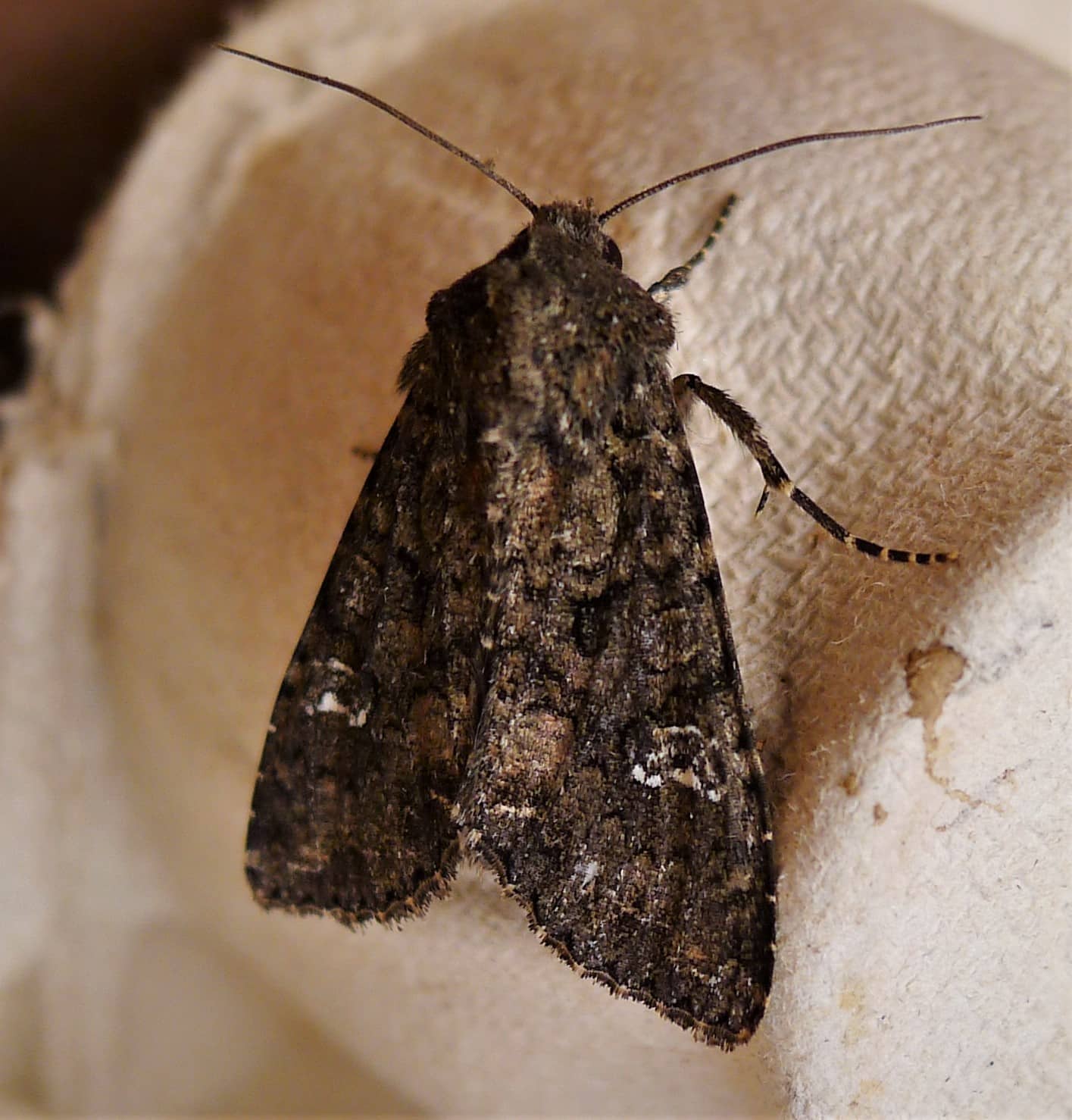
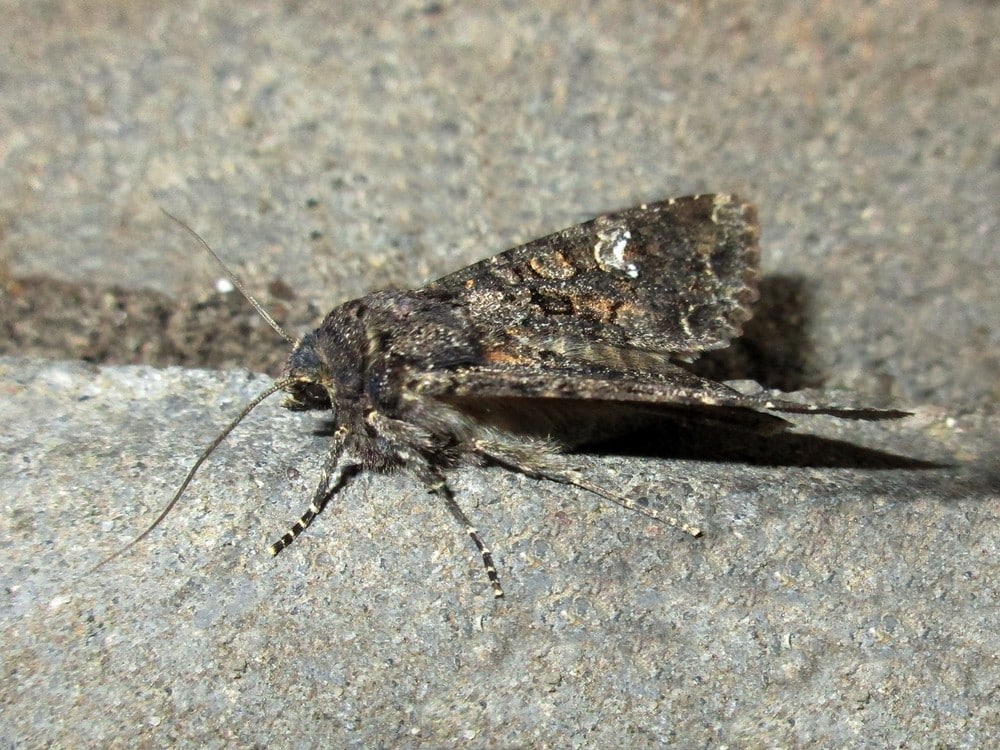
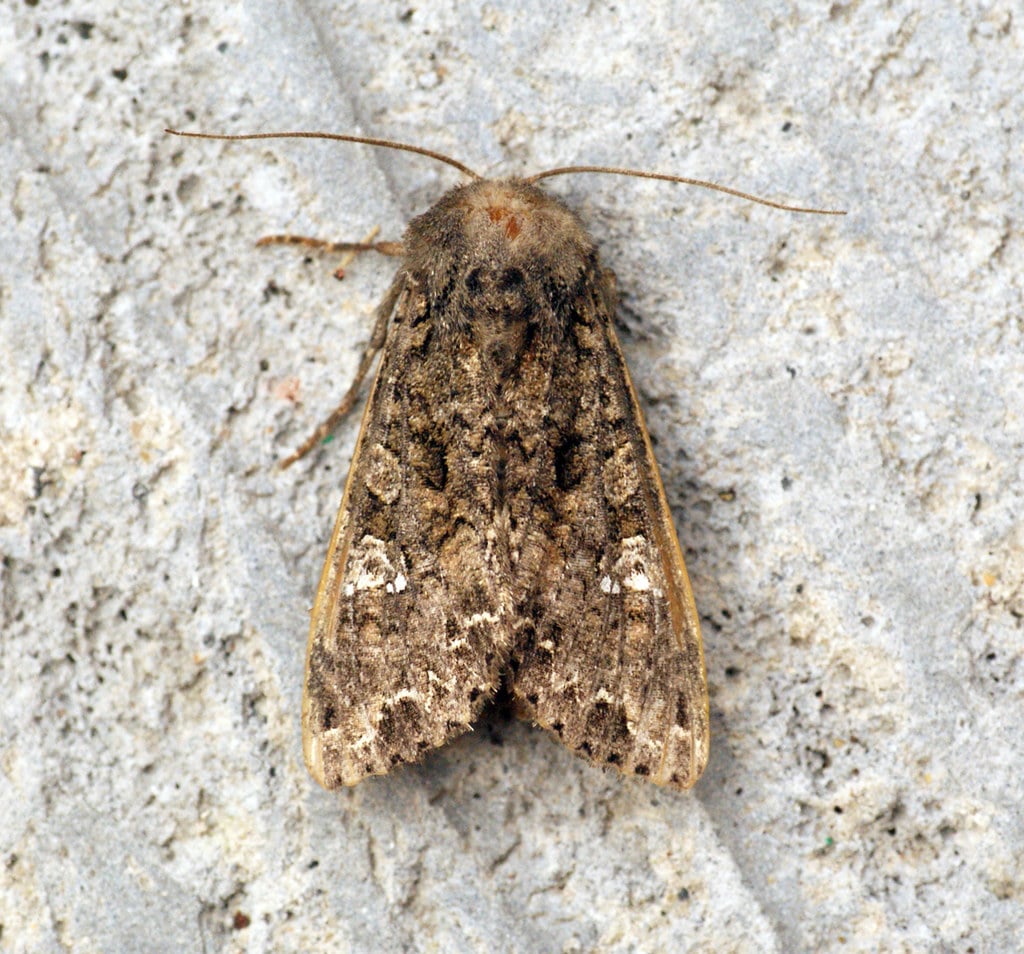
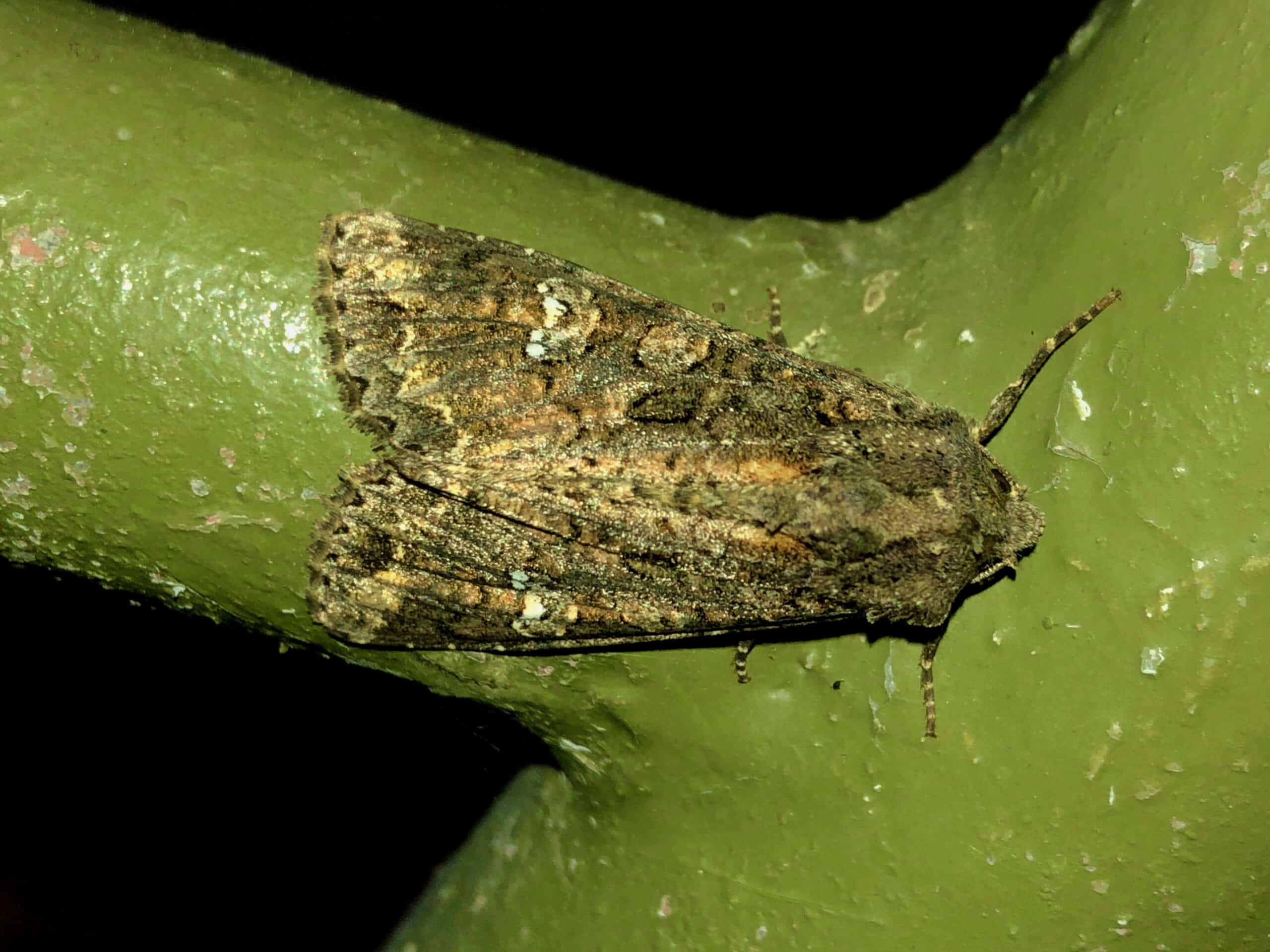
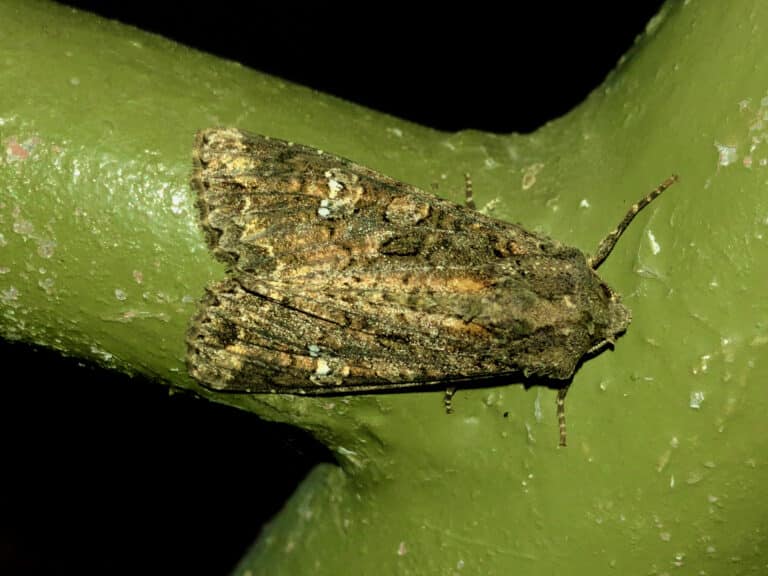
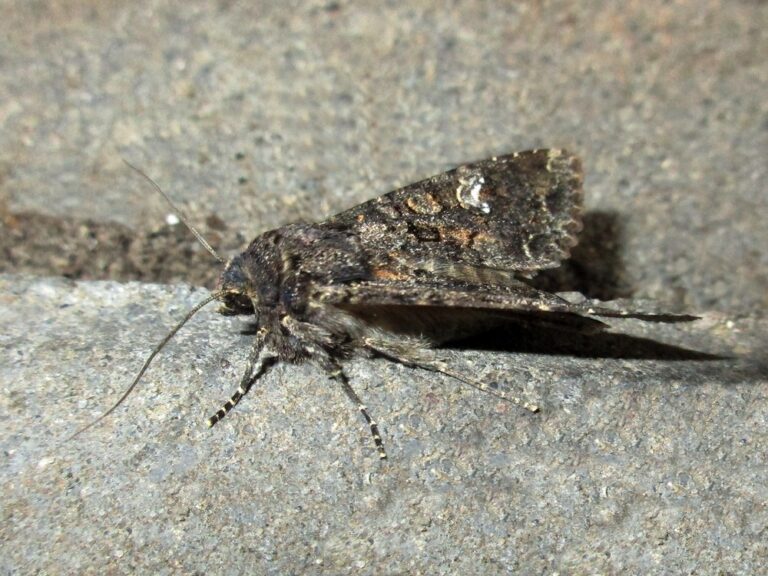
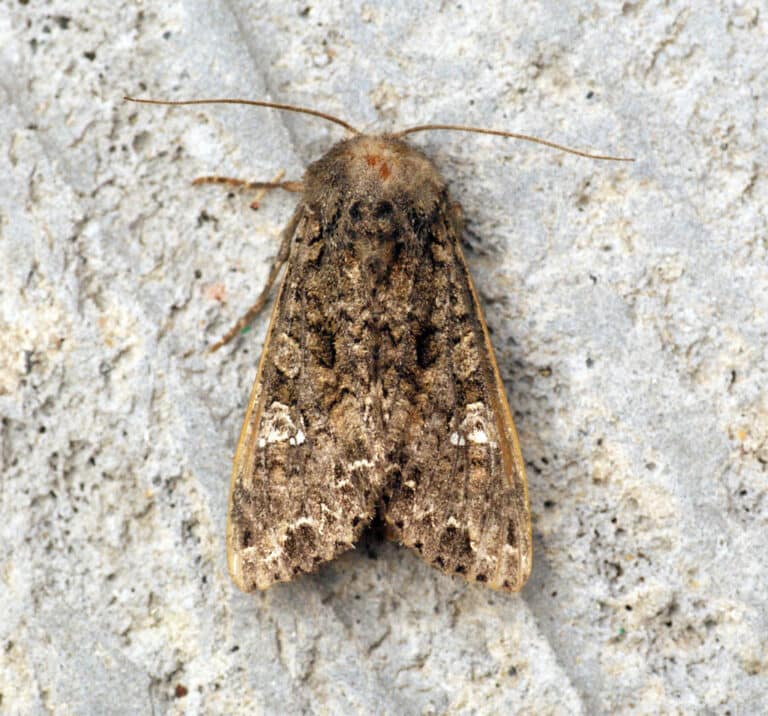
The Cabbage Moth is a small but interesting insect that belongs to the family Noctuidae. Its scientific name is Mamestra brassicae, but you can remember it as the cabbage connoisseur of the insect world.
Cabbage Moths usually have a wingspan of about 1.5 inches (4 centimeters). This means its wings can stretch out quite a bit when it takes to the skies in search of a tasty leaf.
These little flyers love to munch on leaves from cabbage, broccoli, and other plants. If you're growing veggies in your garden, keep an eye out for these hungry pests as they can really enjoy a leafy feast.
The adult Cabbage Moth has a short lifespan of about 2 weeks. That might seem short, but it makes the most of its time by fluttering around and laying eggs for the next generation.
Cabbage Moths fly mostly at night, which is why they are part of the nocturnal club! With their delicate wings and nighttime escapades, they add a little mystery to the garden scene.
Even though some gardeners might not appreciate their dining habits, Cabbage Moths play a role in the ecosystem. They serve as part of the food web, providing snacks for birds and other predators looking for a tasty treat!

Where can you find a Cabbage Moth in the wild?
What does a Cabbage Moth eat?
How big can a Cabbage Moth grow?
How long does a Cabbage Moth typically live?
What is the conservation status of the Cabbage Moth?
What are the main threats to the Cabbage Moth?
Fun facts
A Cabbage Moth can lay up to 400 eggs at one time, turning gardens into baby moth factories!


Cabbage Moths exhibit an interesting dance. They use their delicate wings to flutter and twist in the air like expert aerialists at night.
These moths communicate with each other using chemical scents called pheromones, like sending secret messages through the air!
Cabbage Moths are not picky eaters! They munch on various greens, including leafy veggies like kale and cauliflower, essentially becoming buffet lovers in gardens.
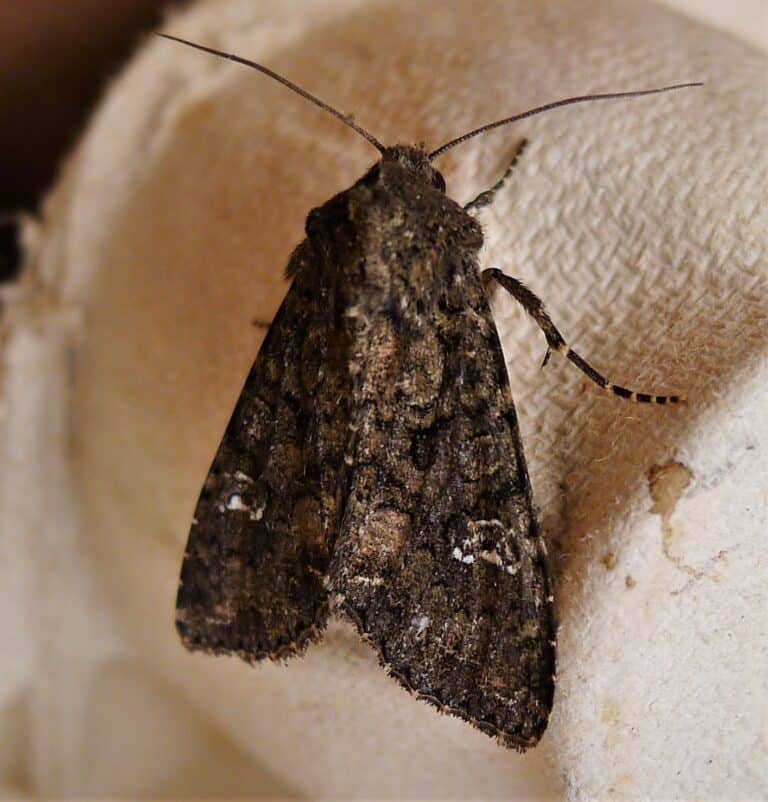
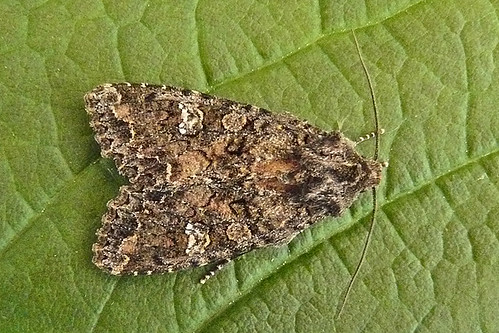
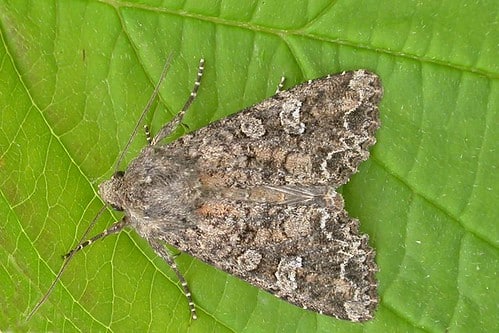
Cabbage Moths can camouflage themselves against leafy greens. This clever disguise helps them stay safe from hungry birds looking for a midnight snack!
Adult Cabbage Moths can fly at heights of up to 1,500 meters (4,900 feet), reaching dizzying heights while searching for food.
These nocturnal critters help pollinate flowers at night, becoming accidental gardeners just by flying around!
Cabbage Moths have interesting dance partners - they often engage in 'courtship flights' where males flutter around females to woo them!
Some scientists study Cabbage Moths to understand their behavior and find better ways to protect crops while keeping the ecosystem balanced.
Despite their cabbage cravings, Cabbage Moths themselves provide food for birds and other predators, making them important players in the food web.
Photos





The Basics


explore more
Amphibians
Arachnids
Birds
Cats
Crustaceans
Fish
Fish Pet Guide
Gastropods
Insects
Invertebrates
Mammals
Pet Fish
Pet Rodents
Plants
Reptiles
Roundworms
Sea Slugs