
Successfully copied to clipboard!
Cascabel
Uncover the secrets of a stealthy, rattling predator!
Let’s Explore
Overview
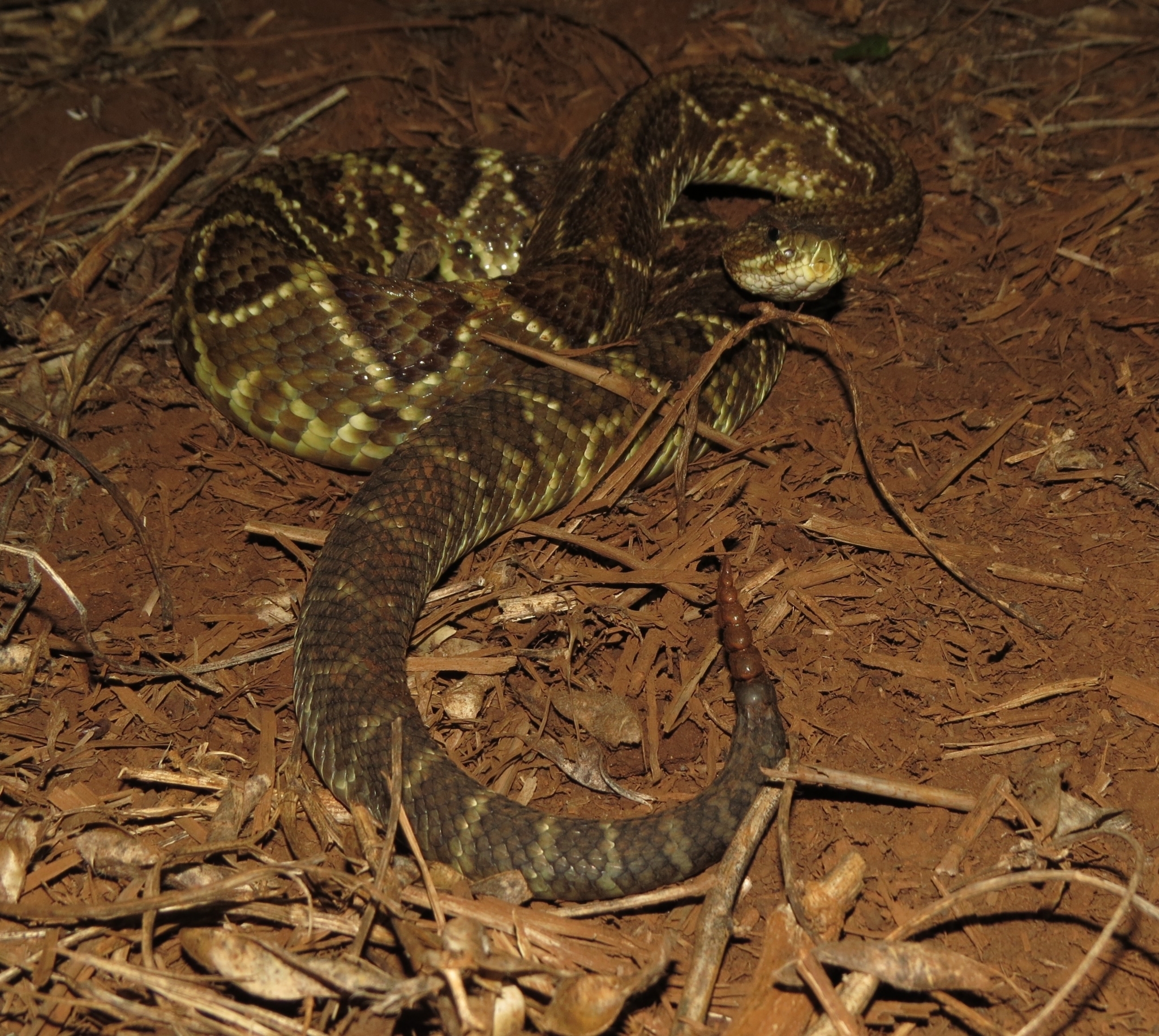
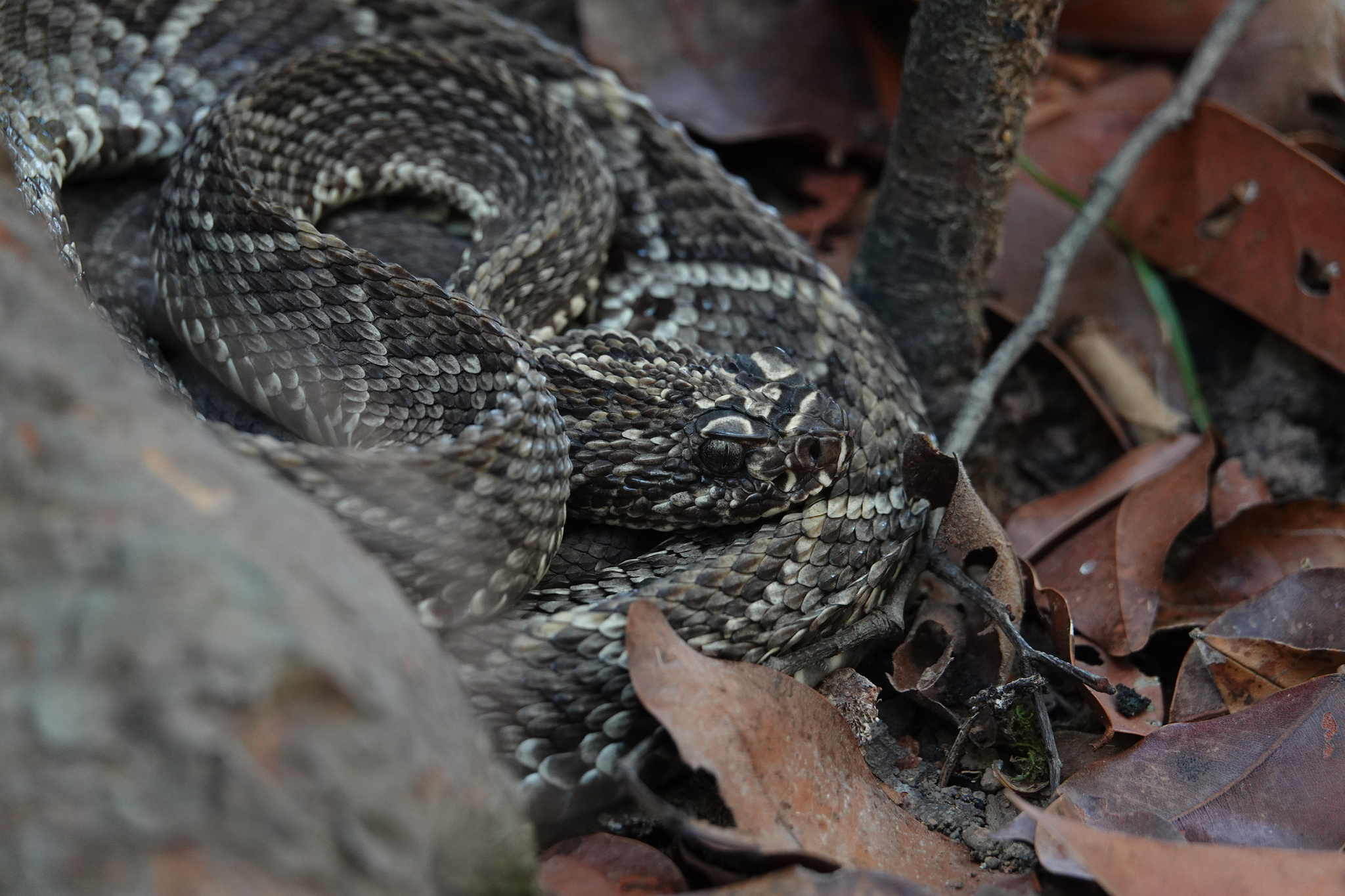
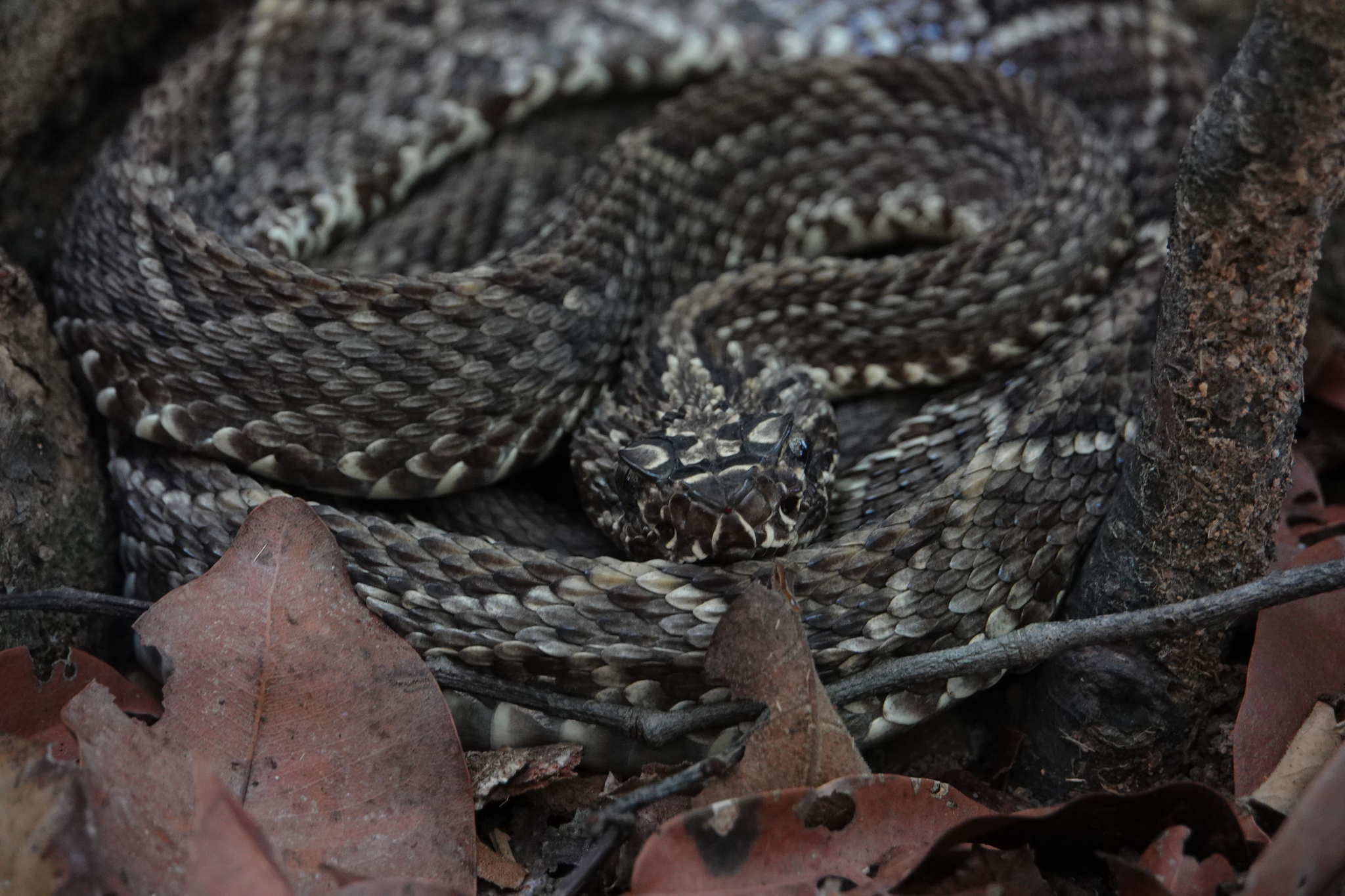
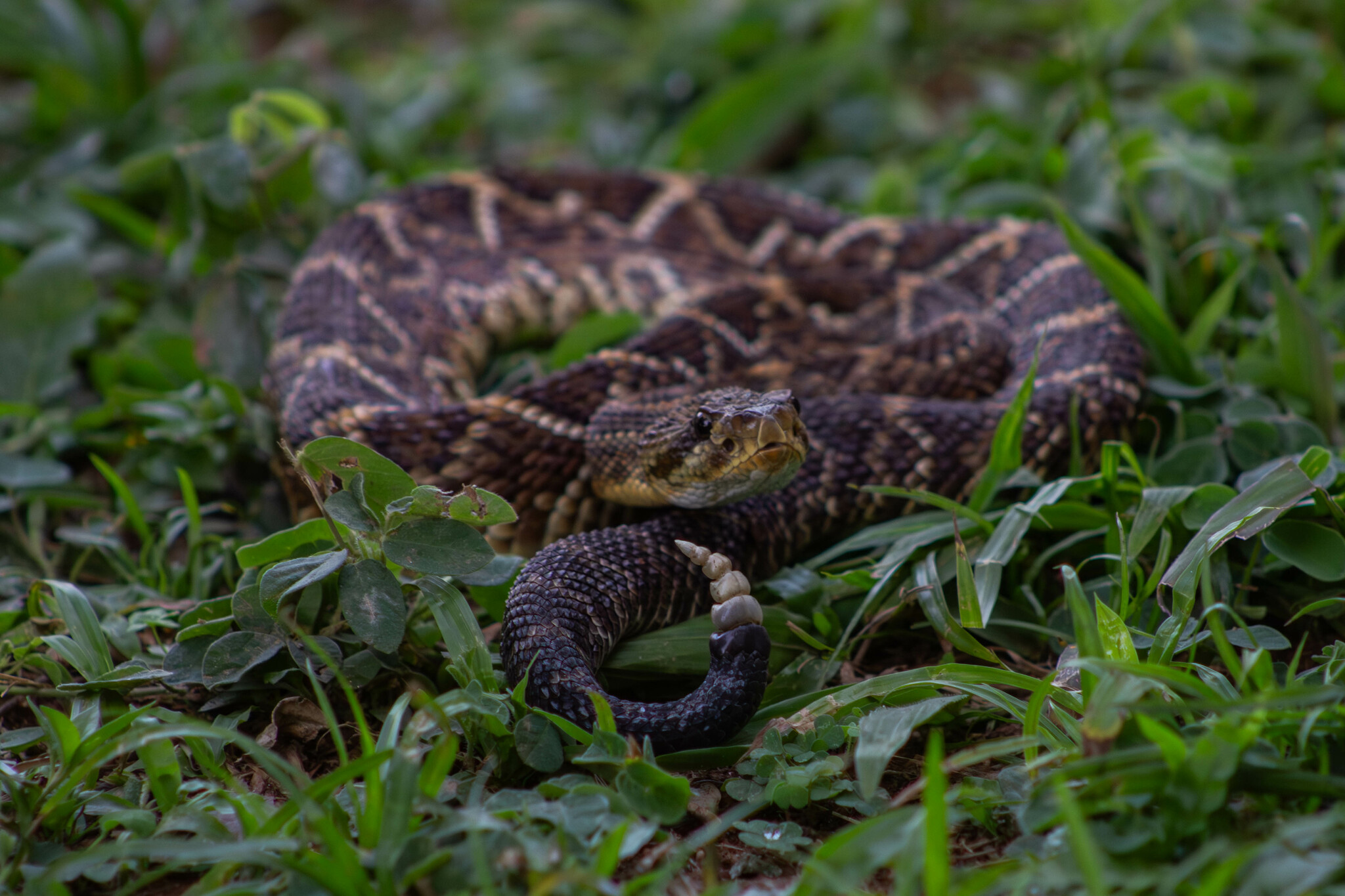
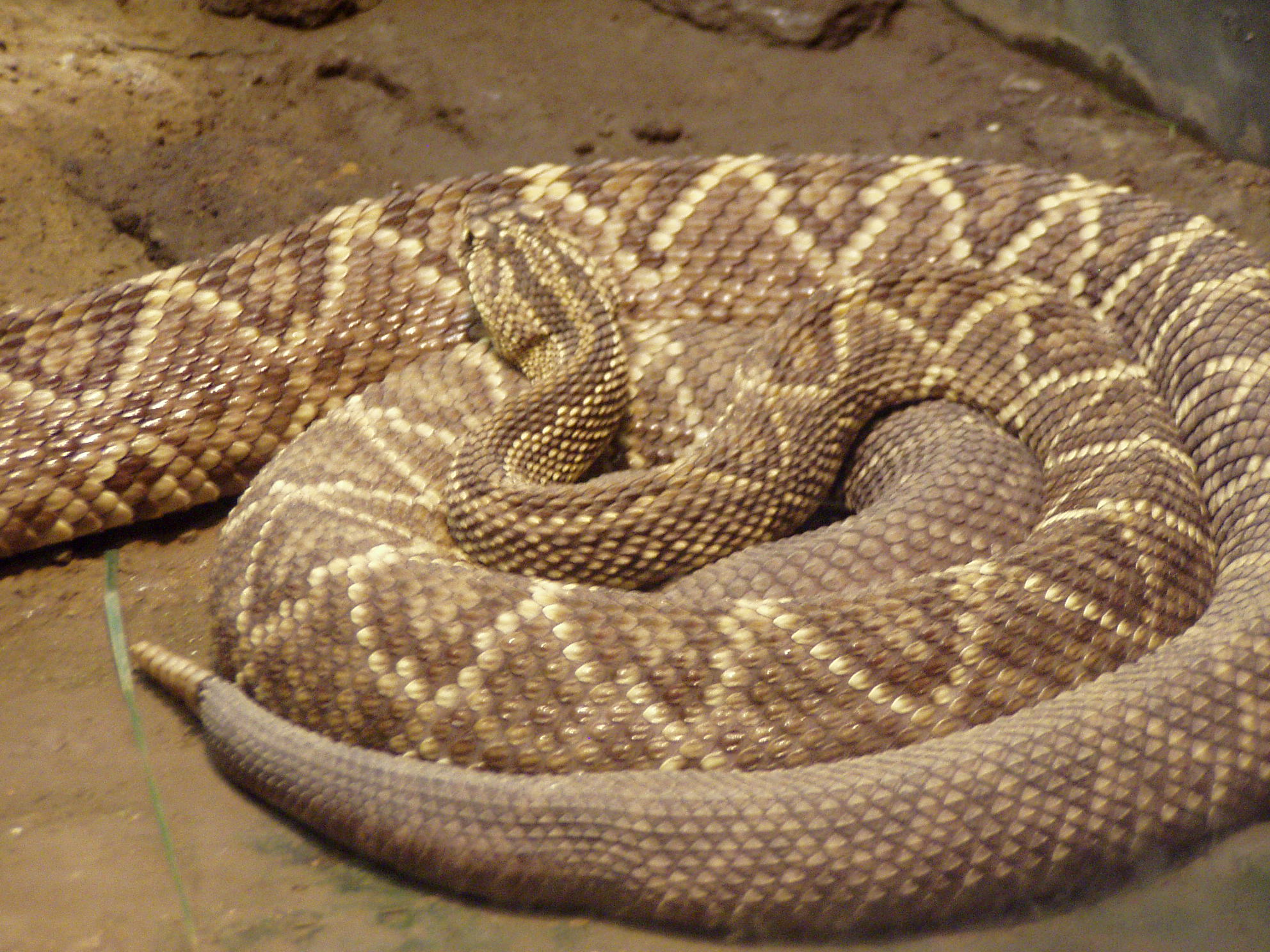
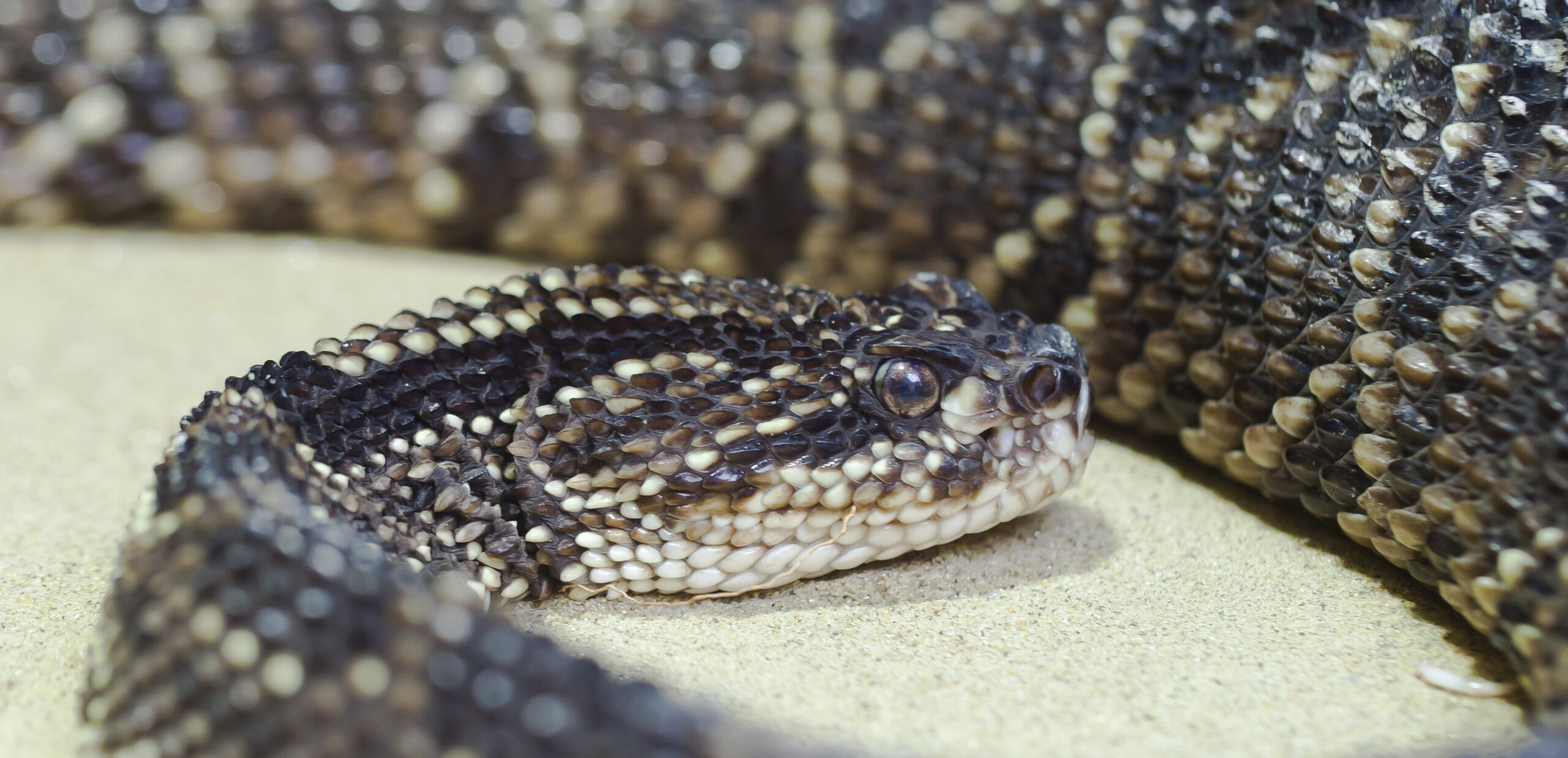
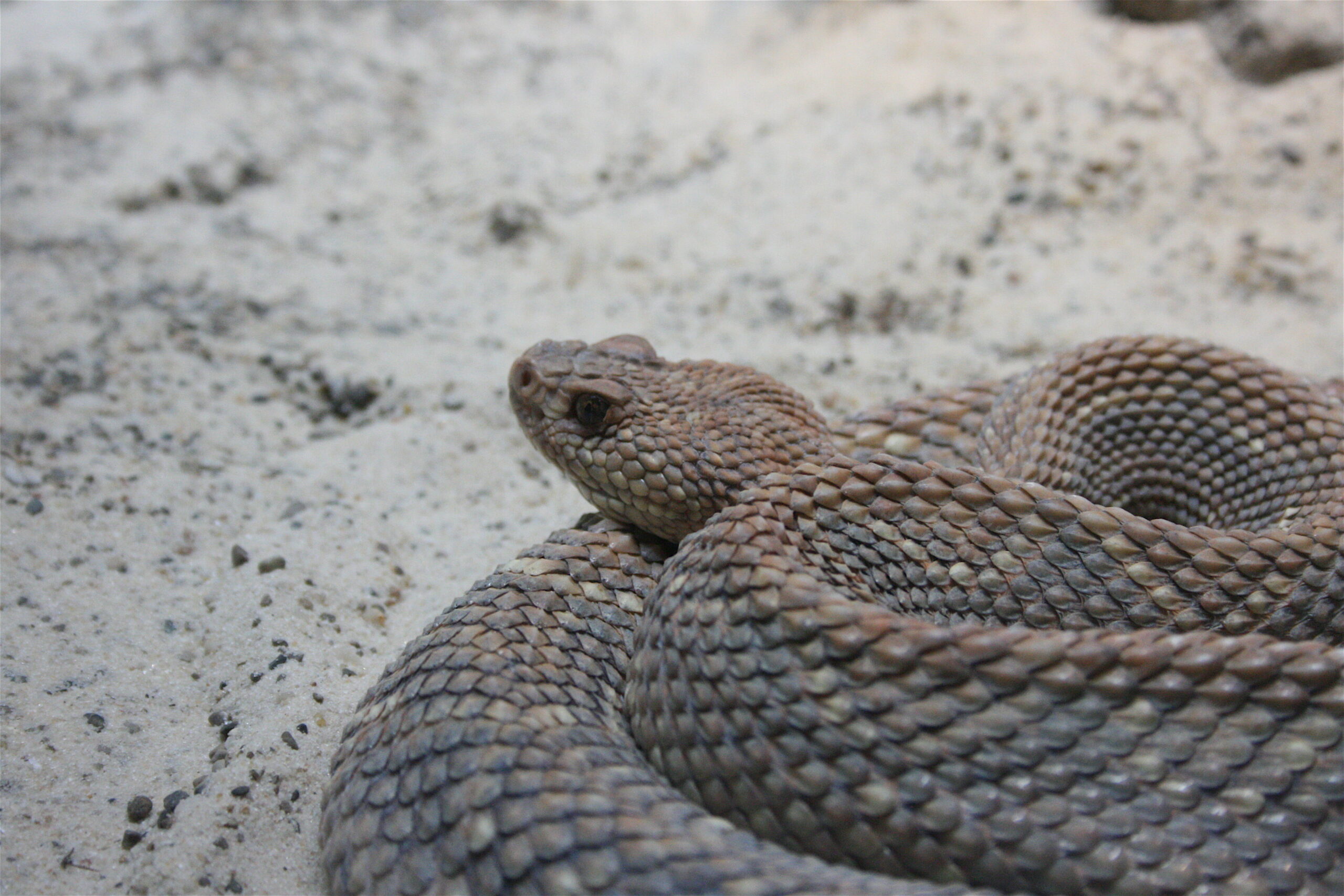
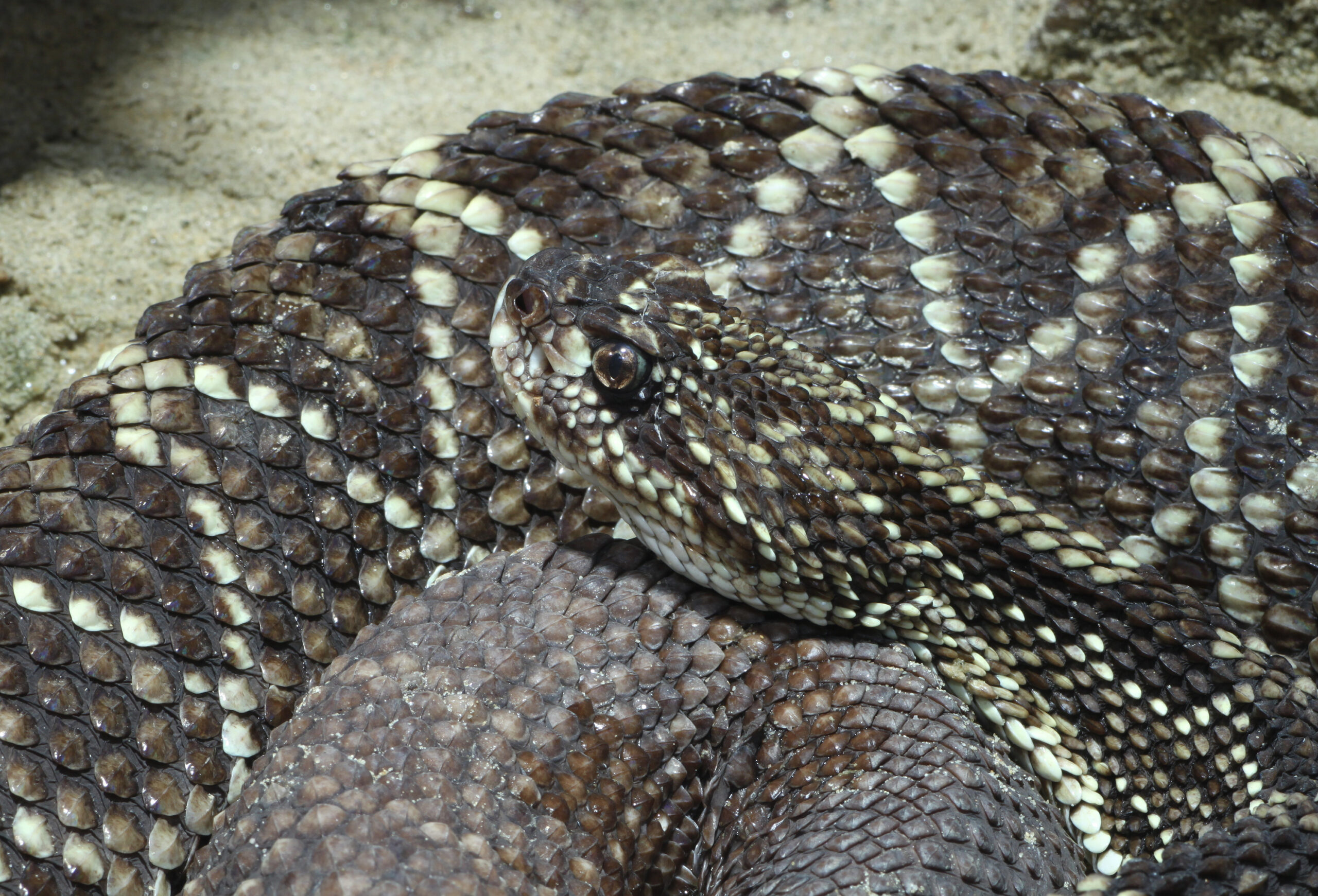
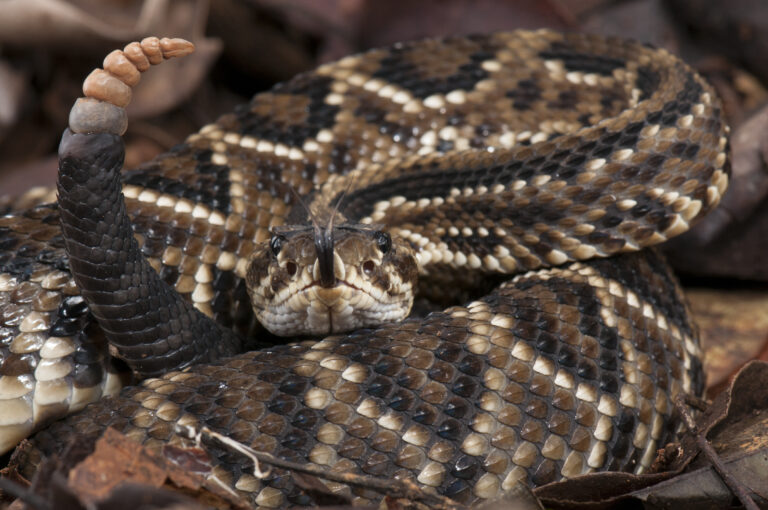
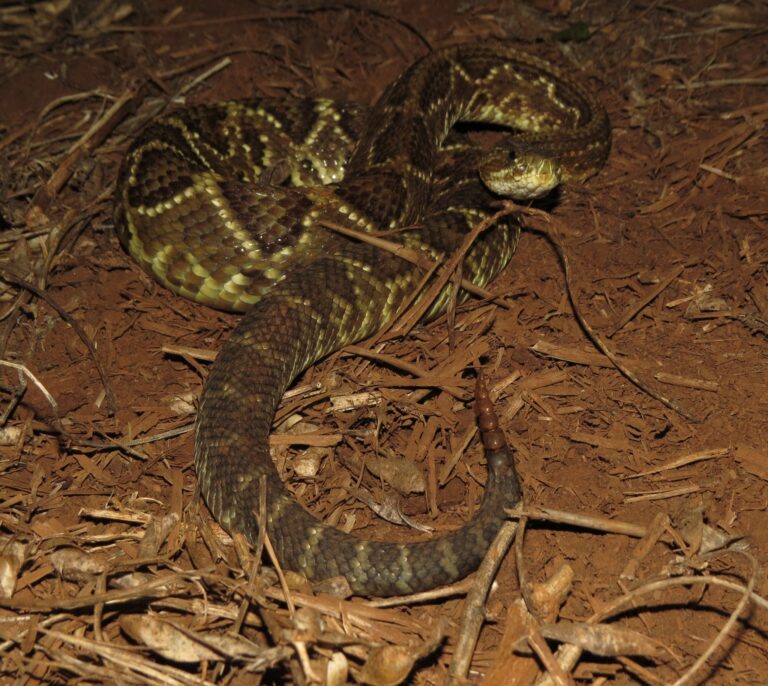
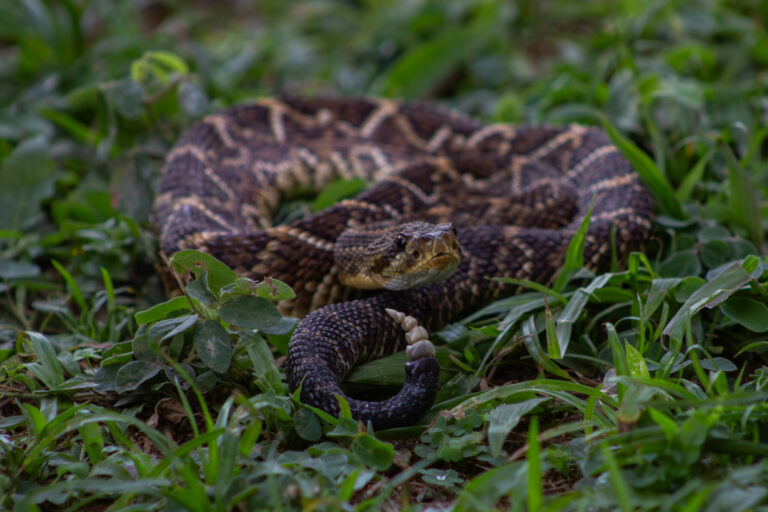
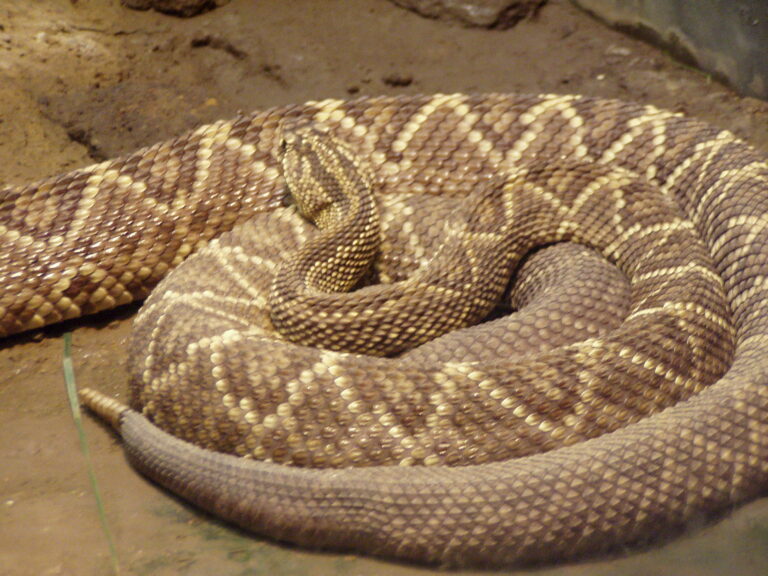
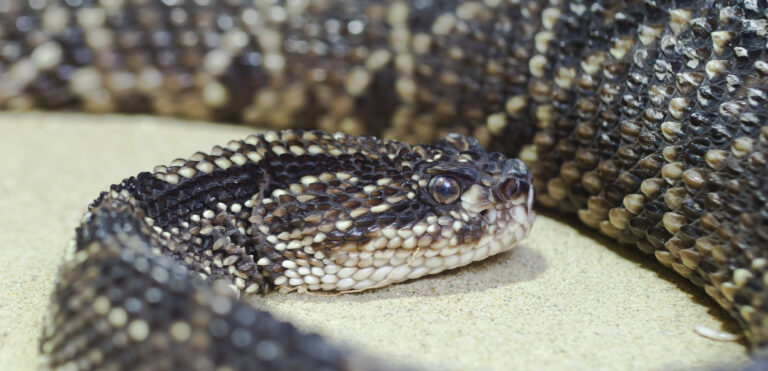
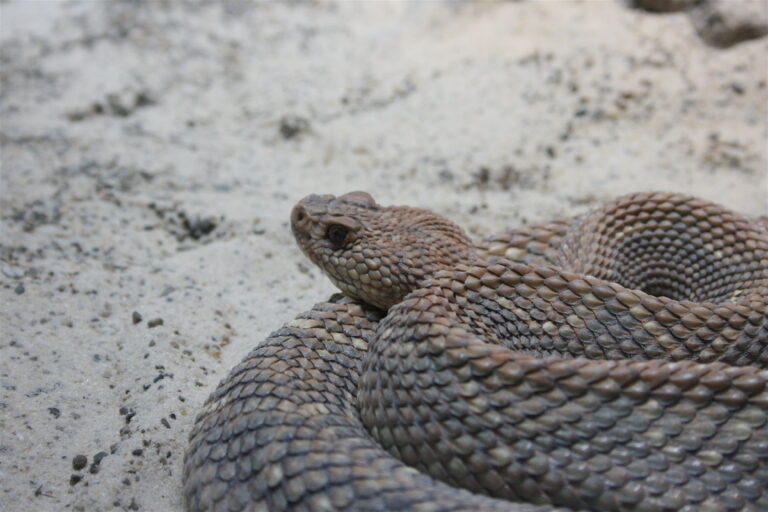
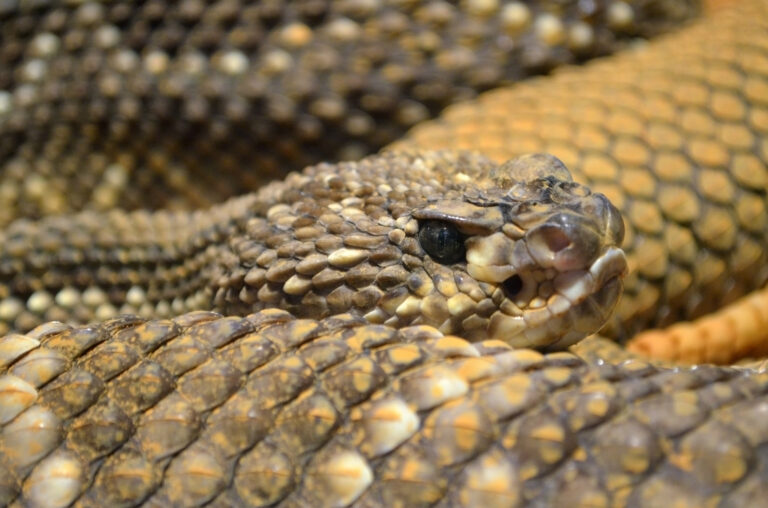
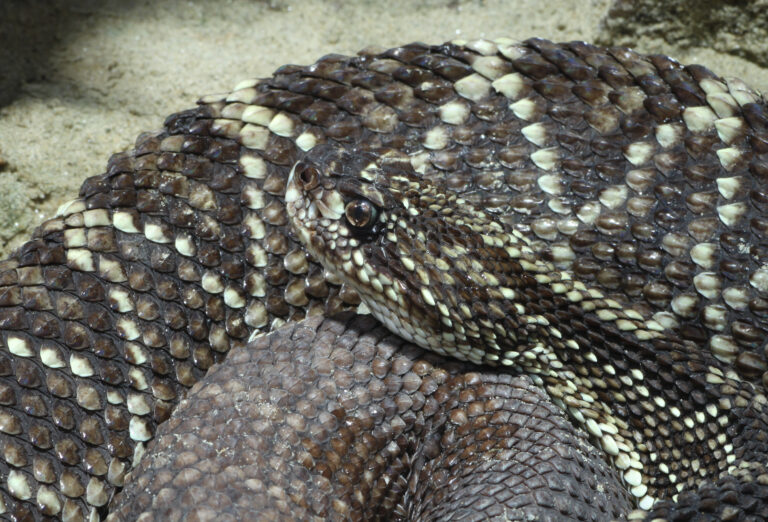
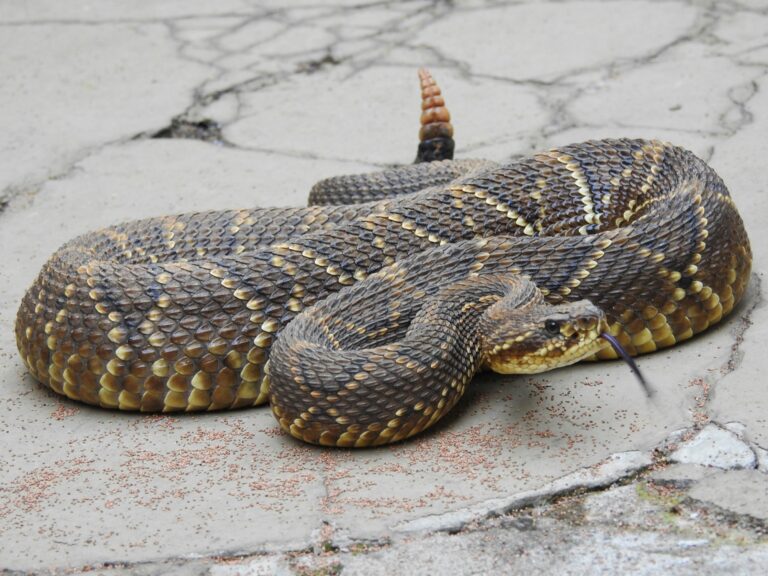
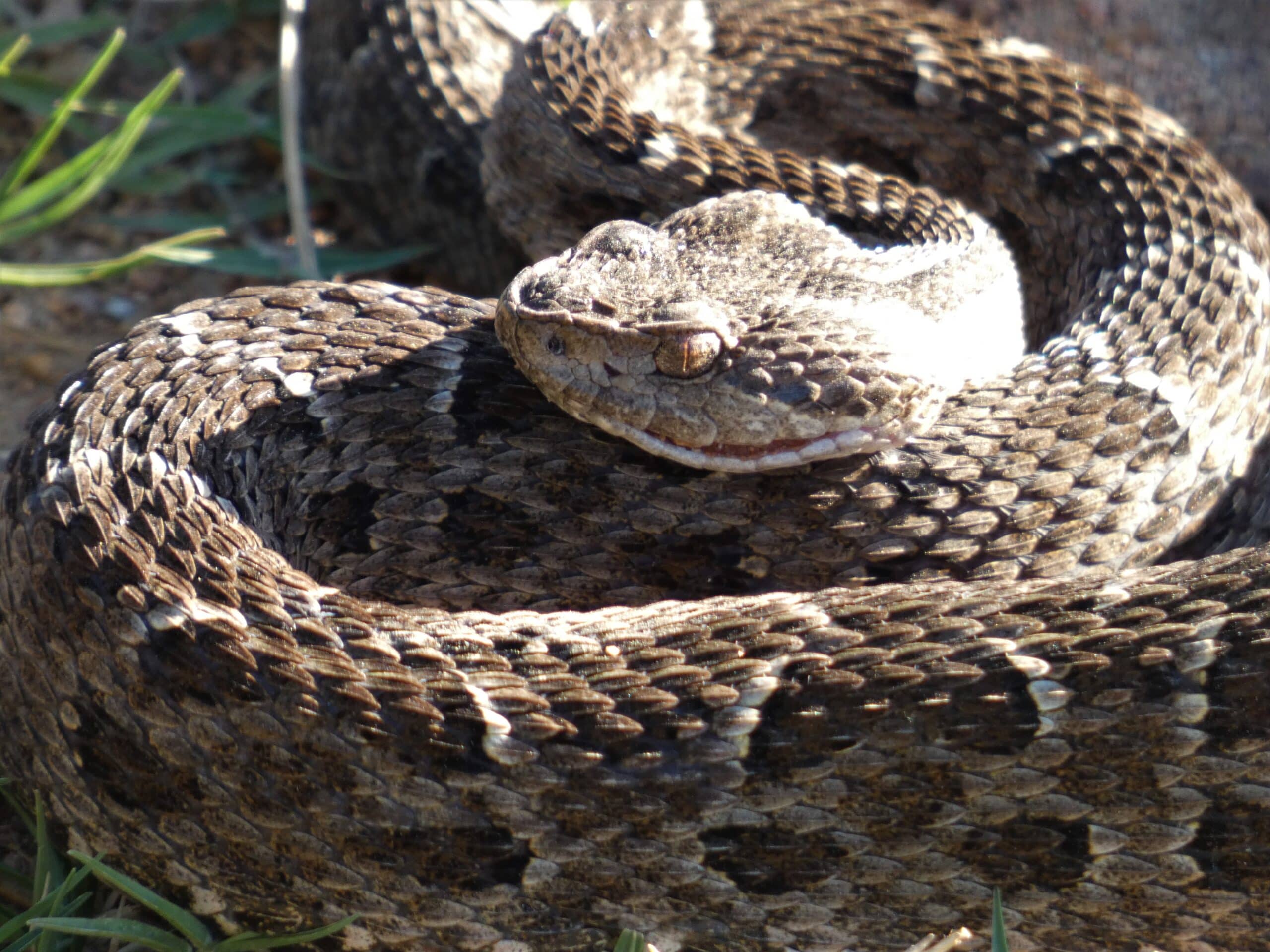
The Cascabel is a striking snake that slithers through Central America. This reptile, scientifically known as Crotalus durissus, belongs to the rattlesnake family and is famous for its unique rattle at the end of its tail.
Cascabels usually grow to an impressive length of 1.5 to 1.8 meters (5 to 6 feet). They have a stout body, which helps them camouflage in their habitats, making it easier for them to hunt and avoid predators.
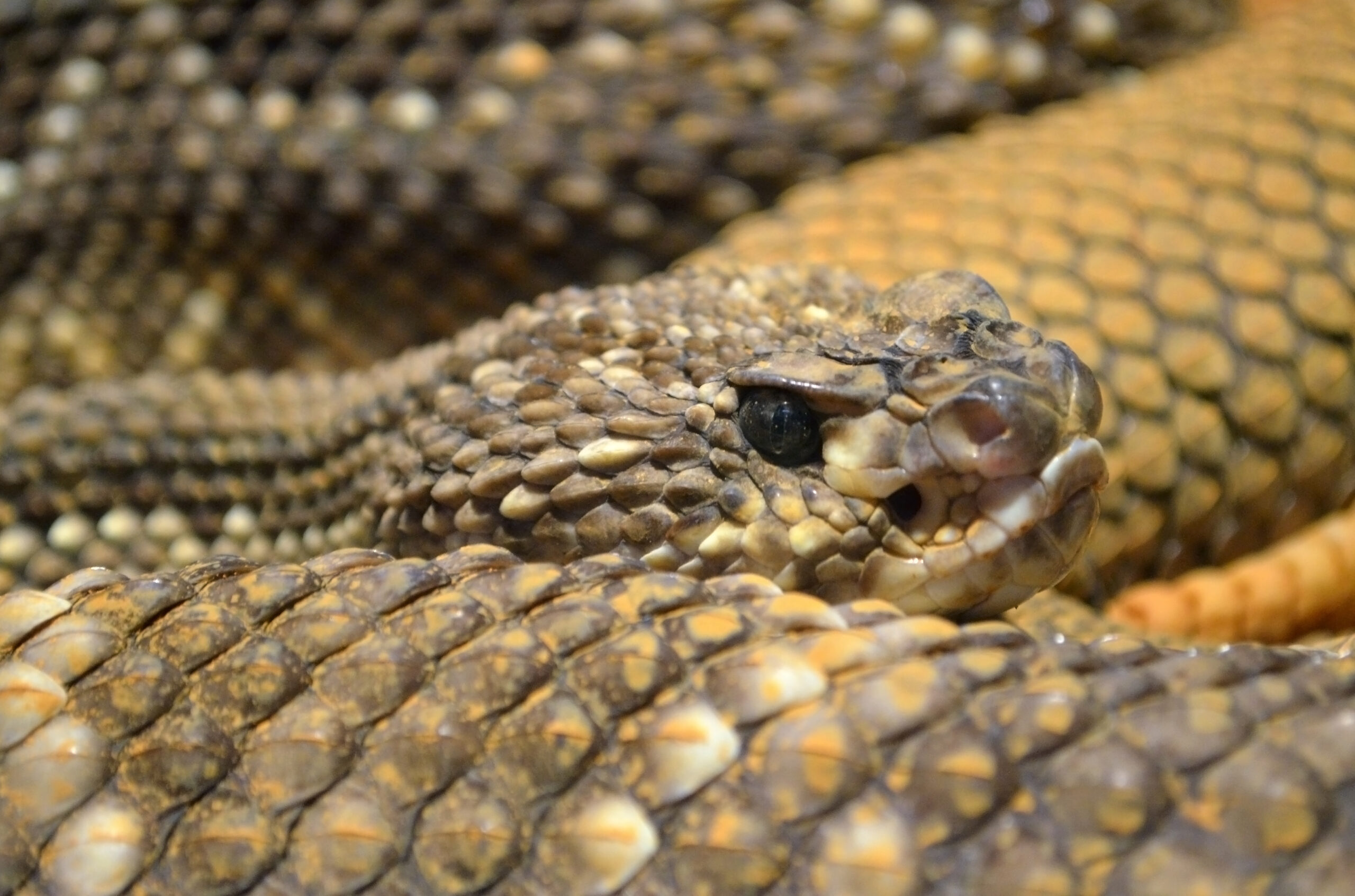
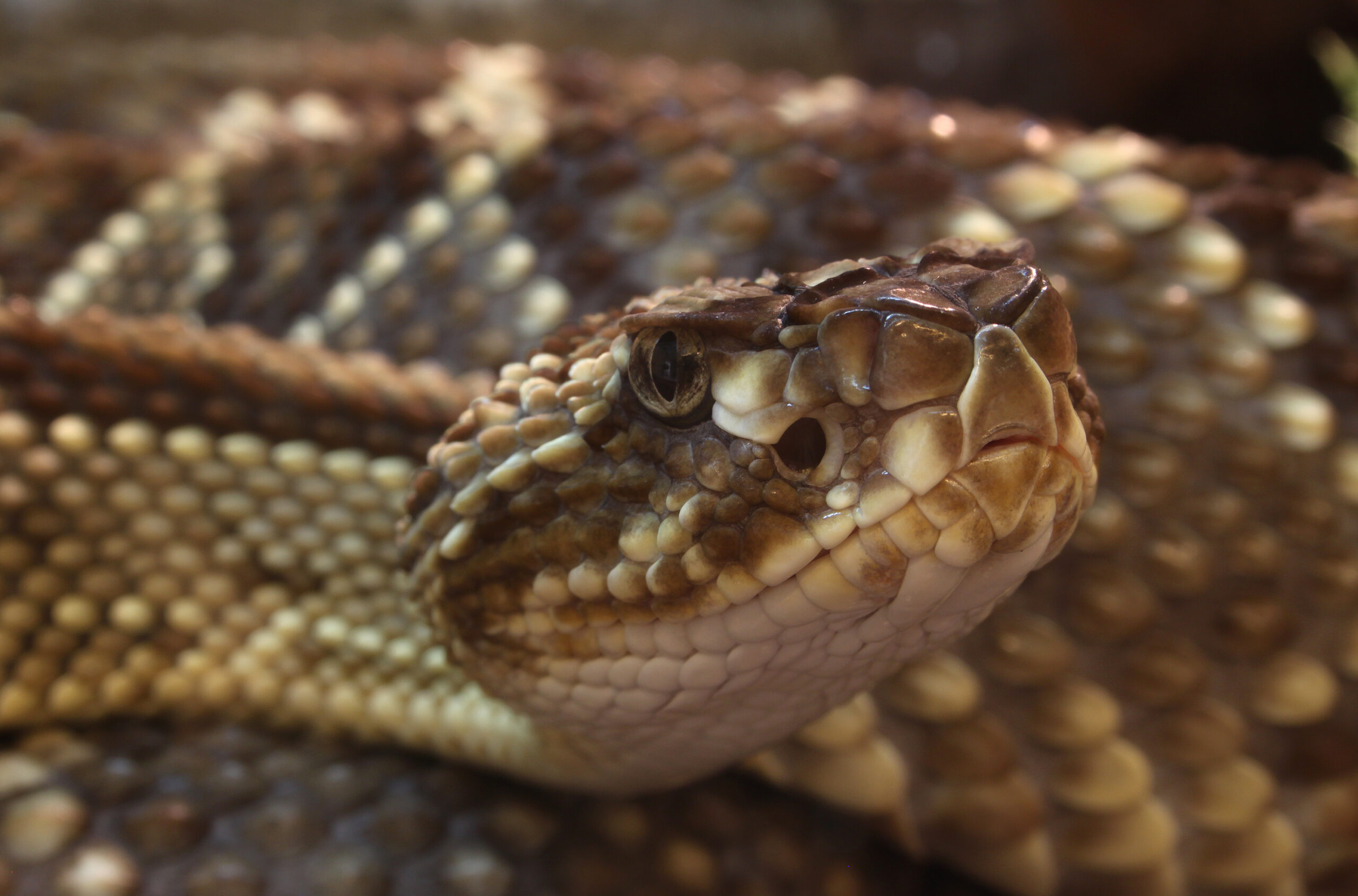
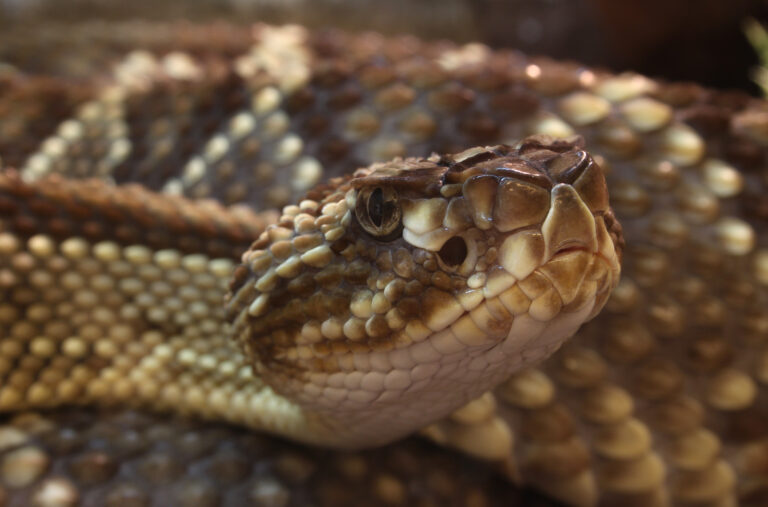
This snake loves to munch on small mammals and birds, showcasing its impressive hunting abilities. These clever snakes use their heat-sensitive pits to detect warm-blooded prey even in the dark.
The average lifespan of a Cascabel is between 15 to 20 years, giving them plenty of time to master their snake skills. These serpents grow like fine wine—getting better as they age and often becoming more adept at hunting throughout their lives.
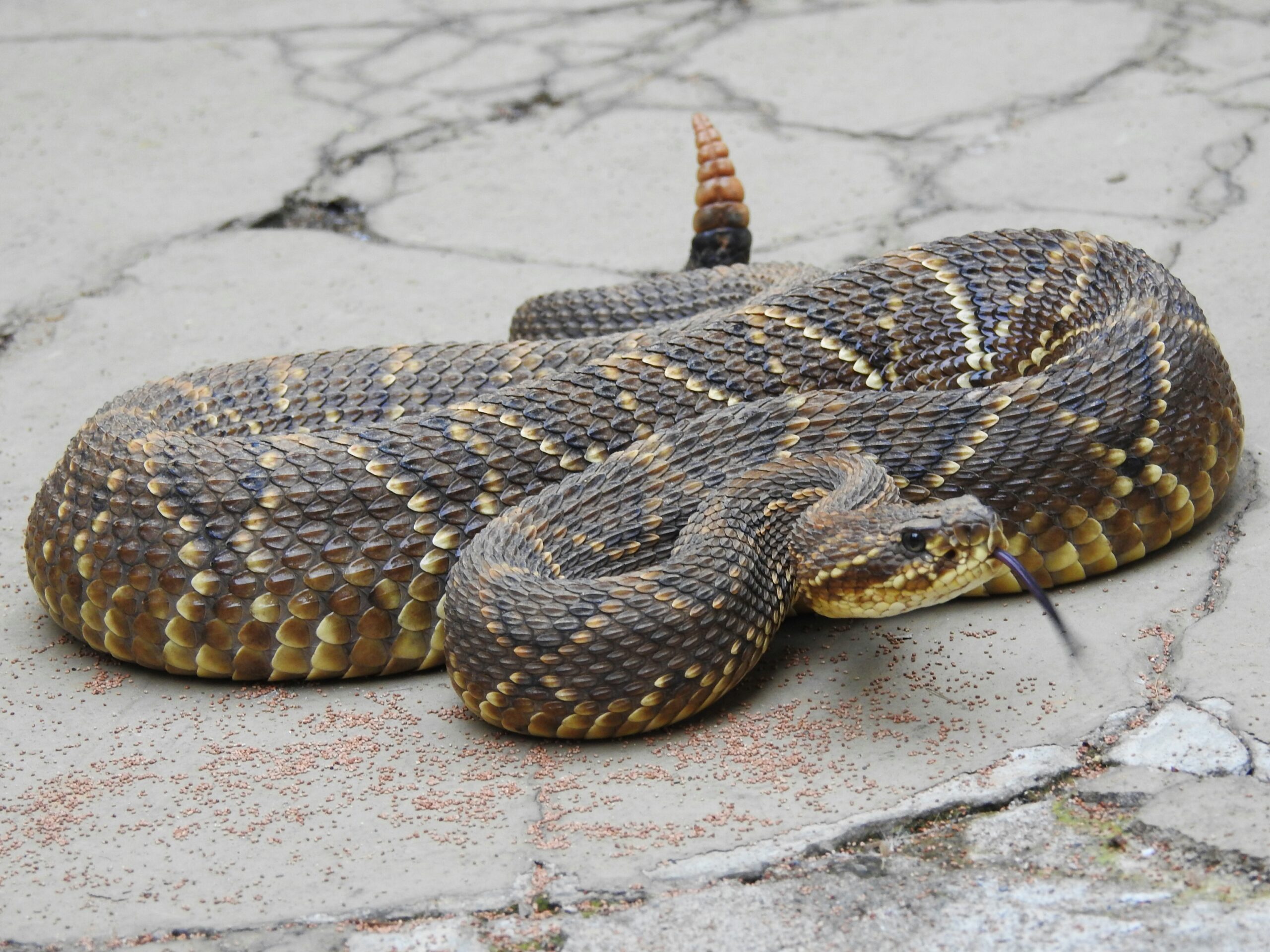
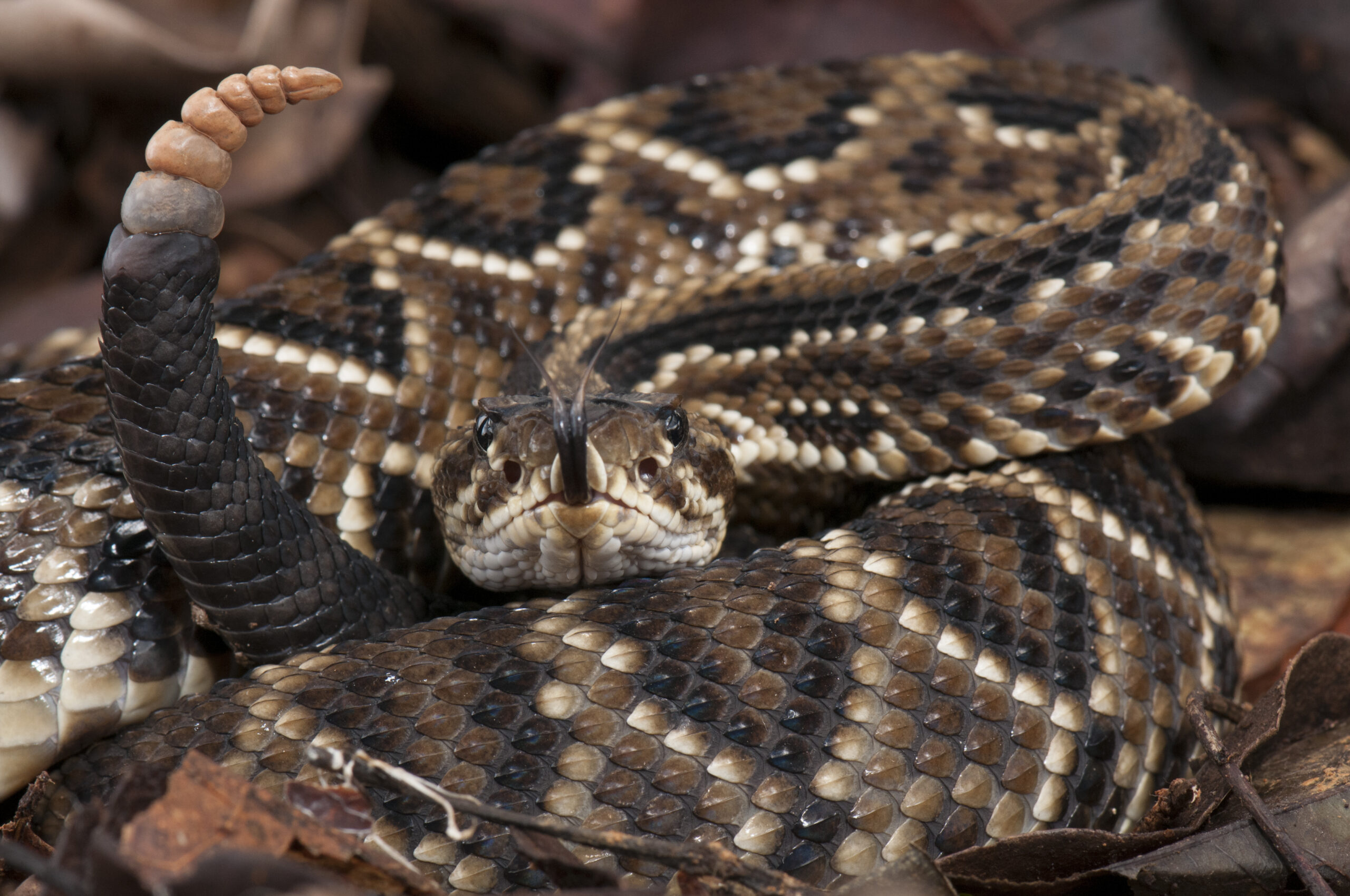
The Cascabel uses its loud rattle as a warning sign to potential threats. With a shake-shake here and a shake-shake there, it signals to others to give this cool creature plenty of space.
This snake may have a fearsome reputation, but it plays an important role in its ecosystem. By keeping rodent populations in check, Cascabels help maintain a balance in their environment, proving that even the scariest creatures often provide essential benefits!

Where can you find a Cascabel in the wild?
What does a Cascabel eat?
How big can a Cascabel grow?
How long does a Cascabel typically live?
What is the conservation status of the Cascabel?
What are the main threats to the Cascabel?
Fun facts
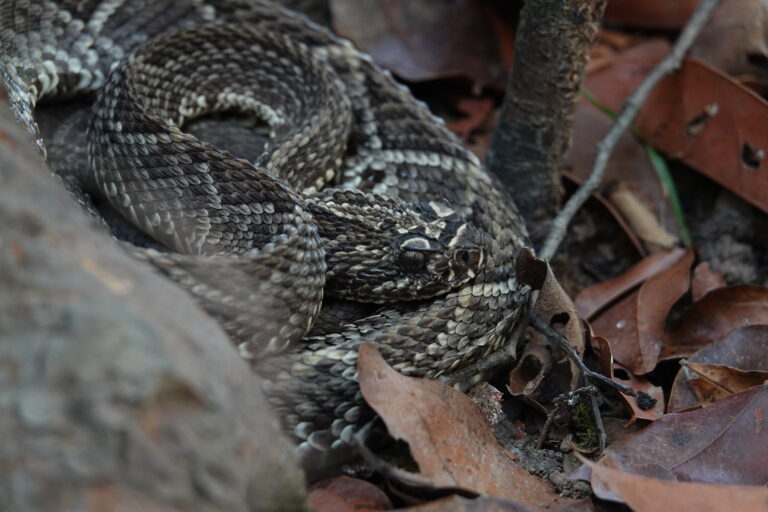
Cascabels have heat-sensitive pits located on their faces that help them detect warm-blooded prey, even in complete darkness, turning them into night vision experts!


This snake uses its famous rattle as a cool alarm system. Before striking, the Cascabel shakes its tail to warn potential threats, giving them a chance to back off.
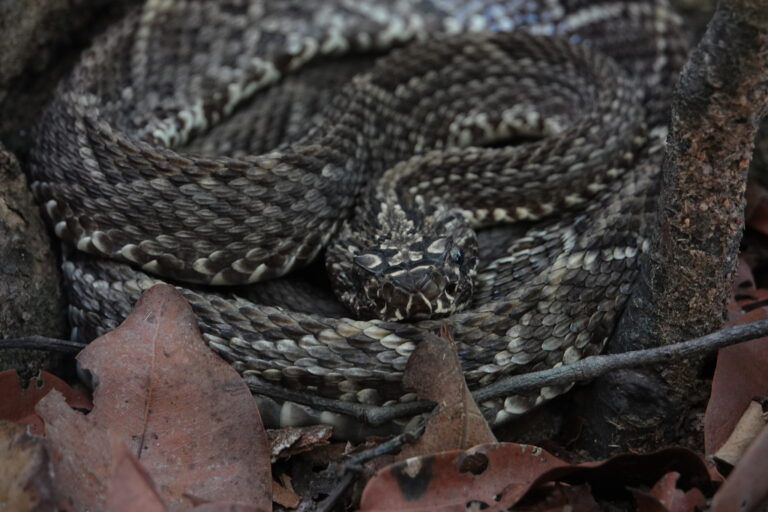
Cascabels can stay perfectly still for a long time when hunting. This sneaky tactic helps them surprise unsuspecting small mammals and birds.
A Cascabel's venom plays a clever role in its food preparation. It not only immobilizes prey but also begins the digestion process, allowing the snake to enjoy a tasty meal without delay!
When it comes to staying safe, a Cascabel can blend into its environment like a master magician! Its unique colors and patterns help it hide from predators and ambush prey.
Cascabels communicate with each other by using their rattles, making it sound like they are shaking a tiny maraca. This unique sound lets others know they are nearby!
A study found that Cascabels can vibrate their tails rapidly, creating a sound that can travel far, like the world's tiniest loudspeaker, warning animals of their presence.
Photos




The Basics


explore more
Amphibians
Arachnids
Birds
Cats
Crustaceans
Fish
Fish Pet Guide
Gastropods
Insects
Invertebrates
Mammals
Pet Fish
Pet Rodents
Plants
Reptiles
Roundworms
Sea Slugs