Successfully copied to clipboard!
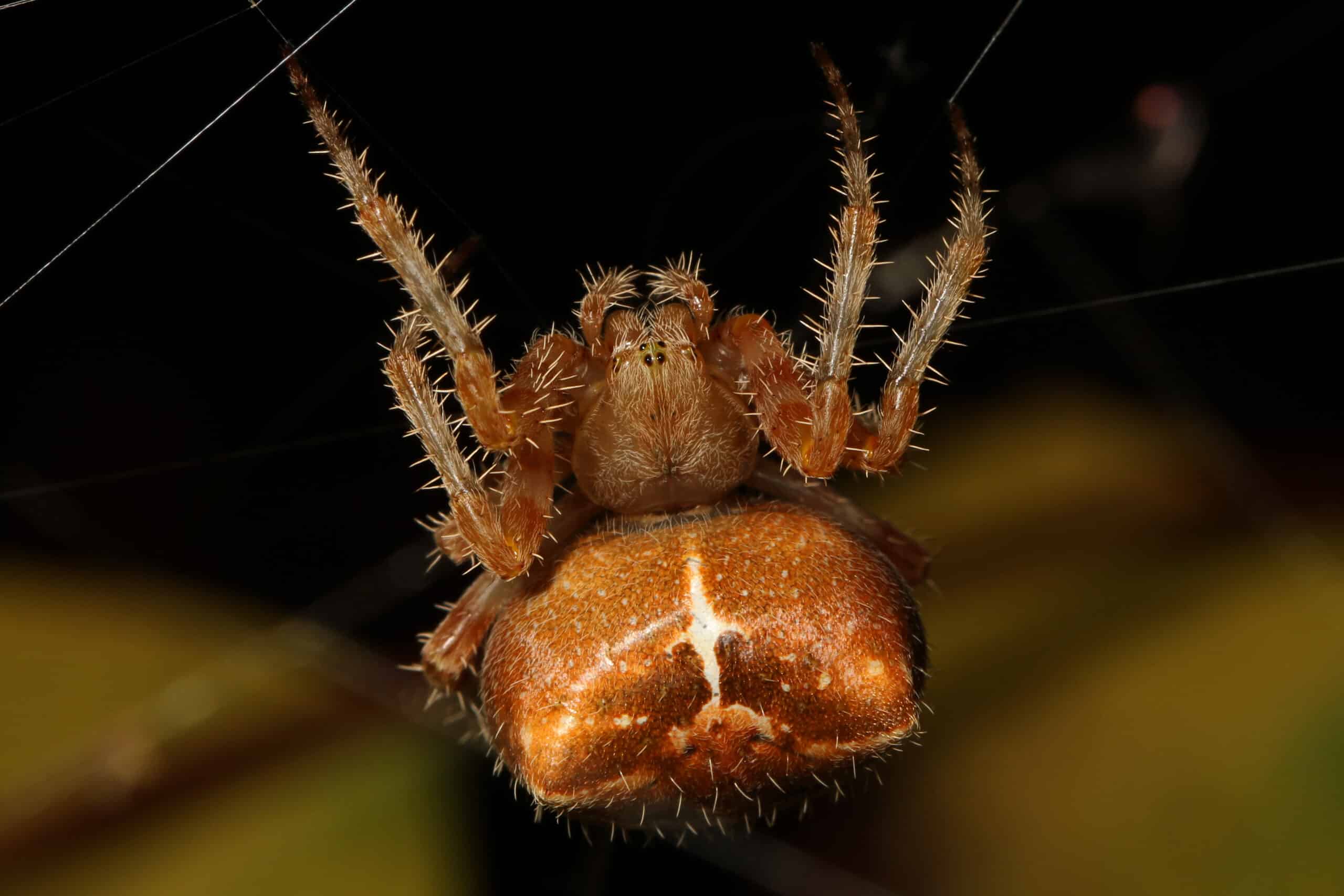
Cat-Faced Spider
Meet the garden's tiny acrobat ready to catch bugs!
Let’s Explore
Overview
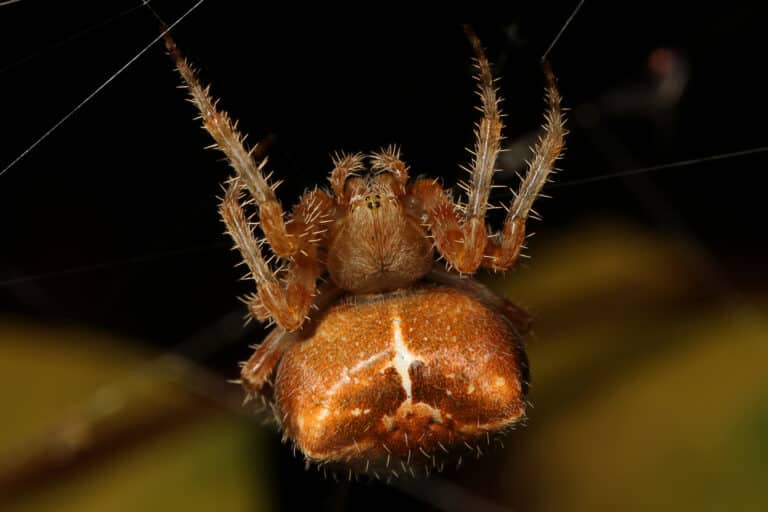
The Cat-Faced Spider is a unique creature that loves to spin webs in North America. Its scientific name, Araneus gemmoides, might not roll off the tongue, but this spider sure knows how to catch dinner!
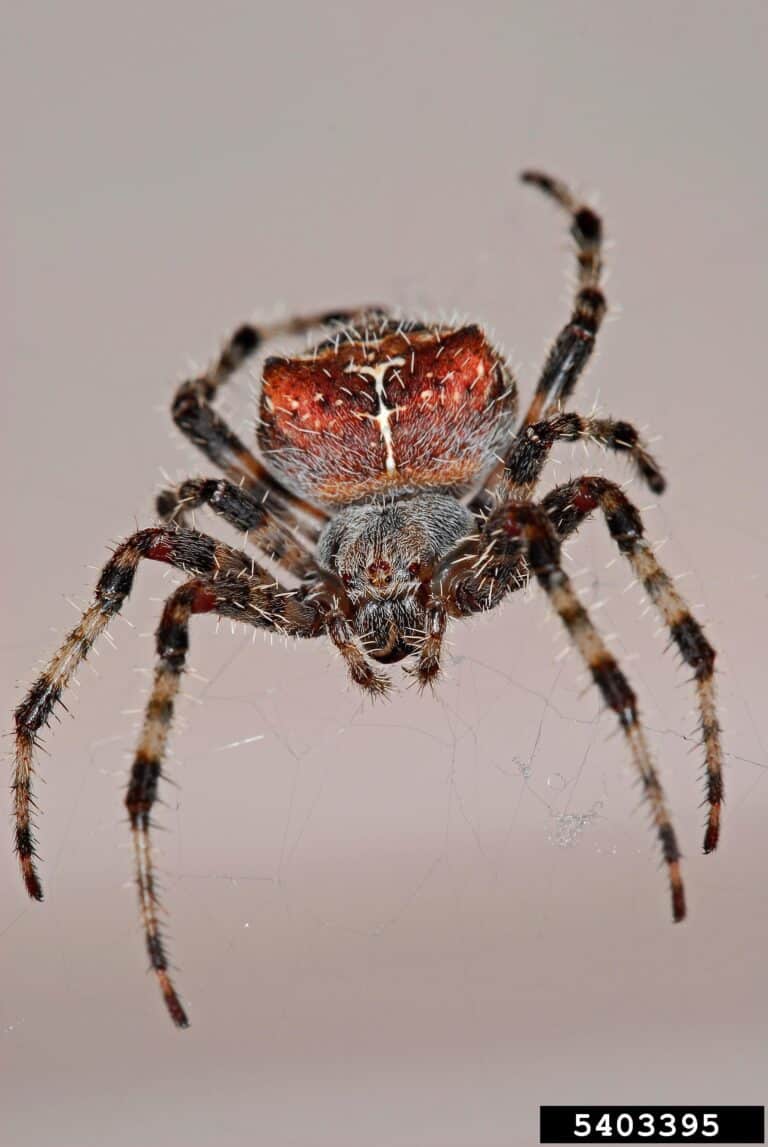
Measuring between 0.2 to 0.8 inches, the Cat-Faced Spider boasts a plump body and long legs perfect for weaving intricate webs. These webs serve as both homes and hunting grounds, where the spider catches tasty insects for snacks.
As an invertebrate, the Cat-Faced Spider does not have a backbone, which allows it to be super flexible while navigating its web. It belongs to the arachnid class, sharing this classification with scorpions and ticks.
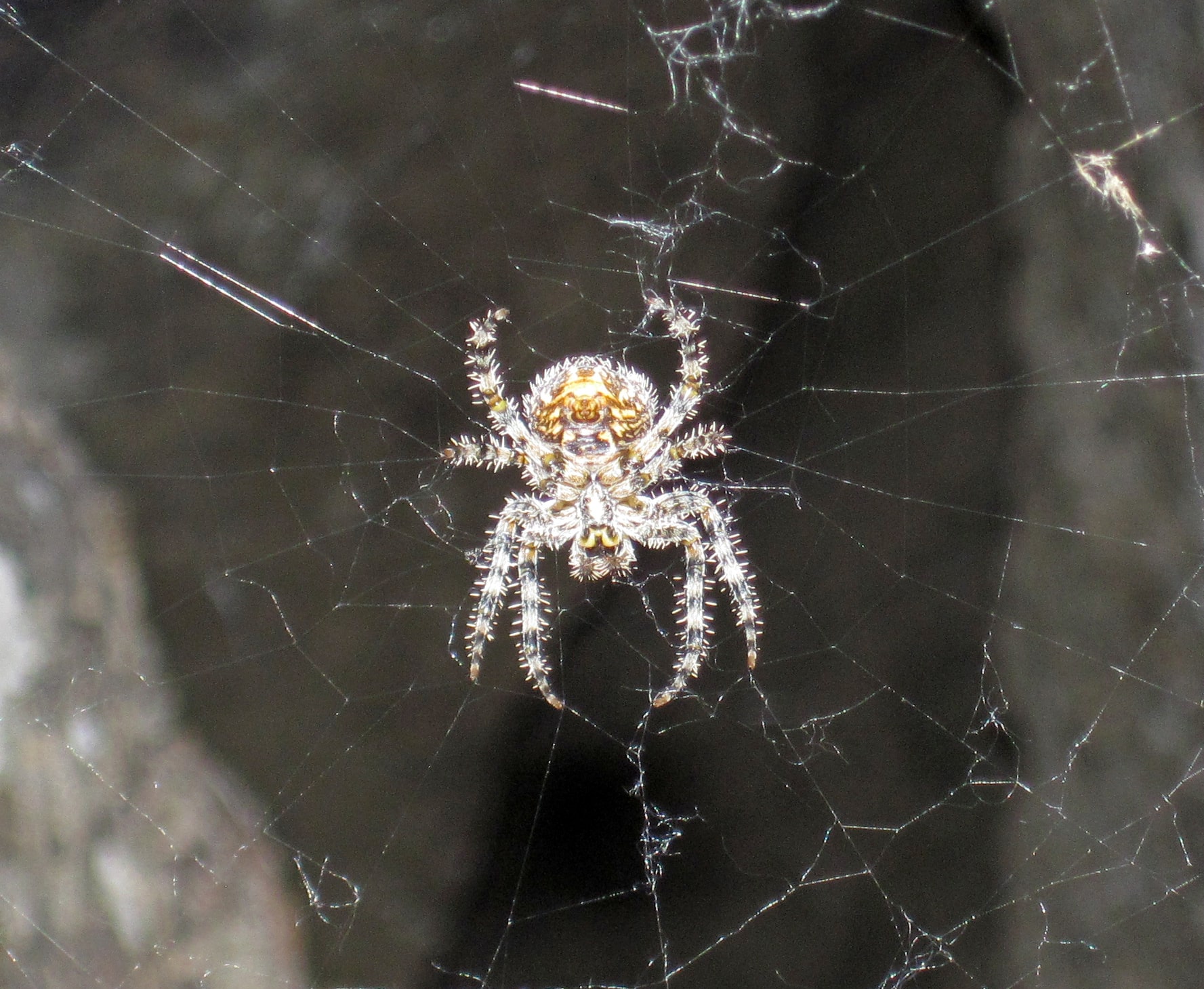
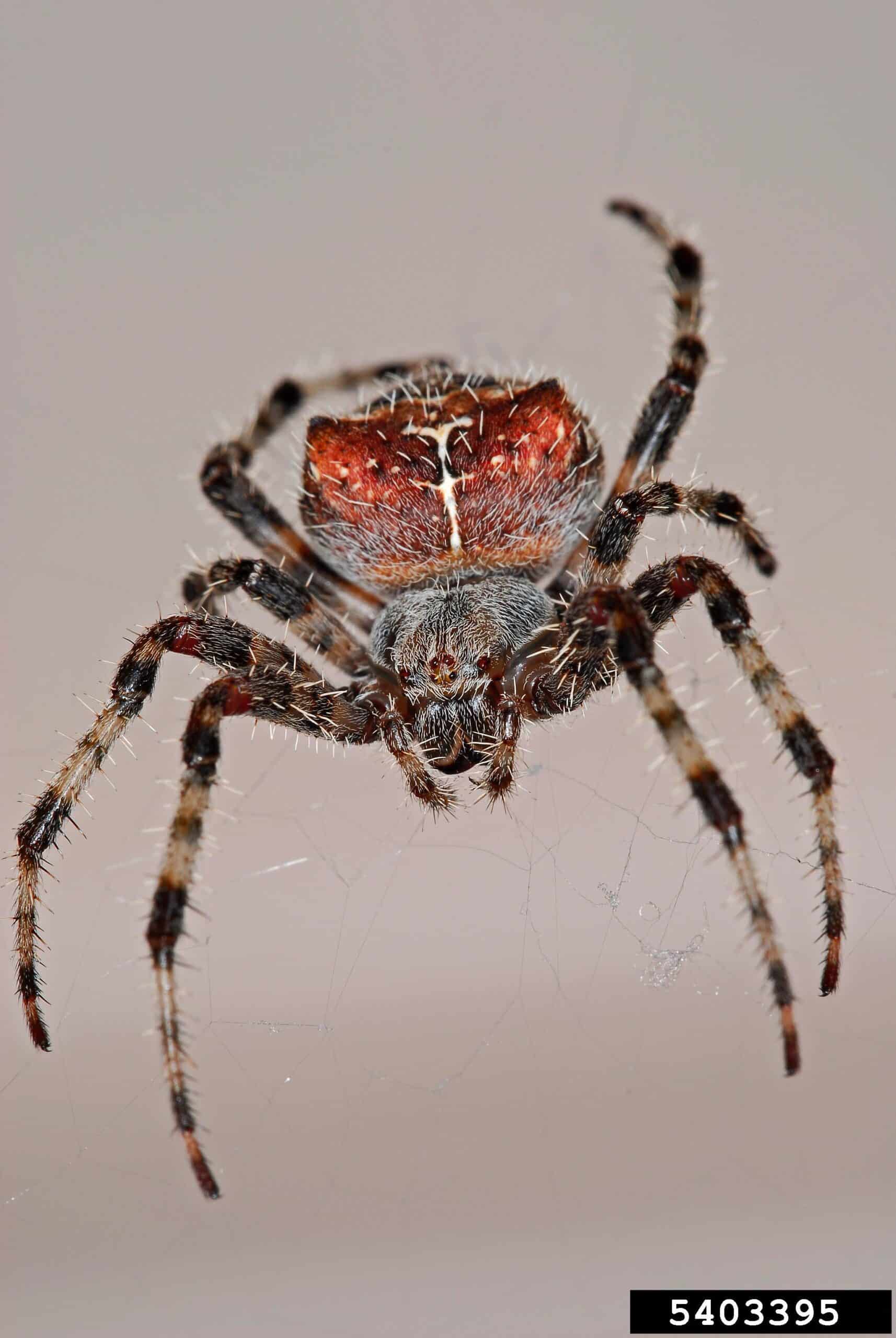
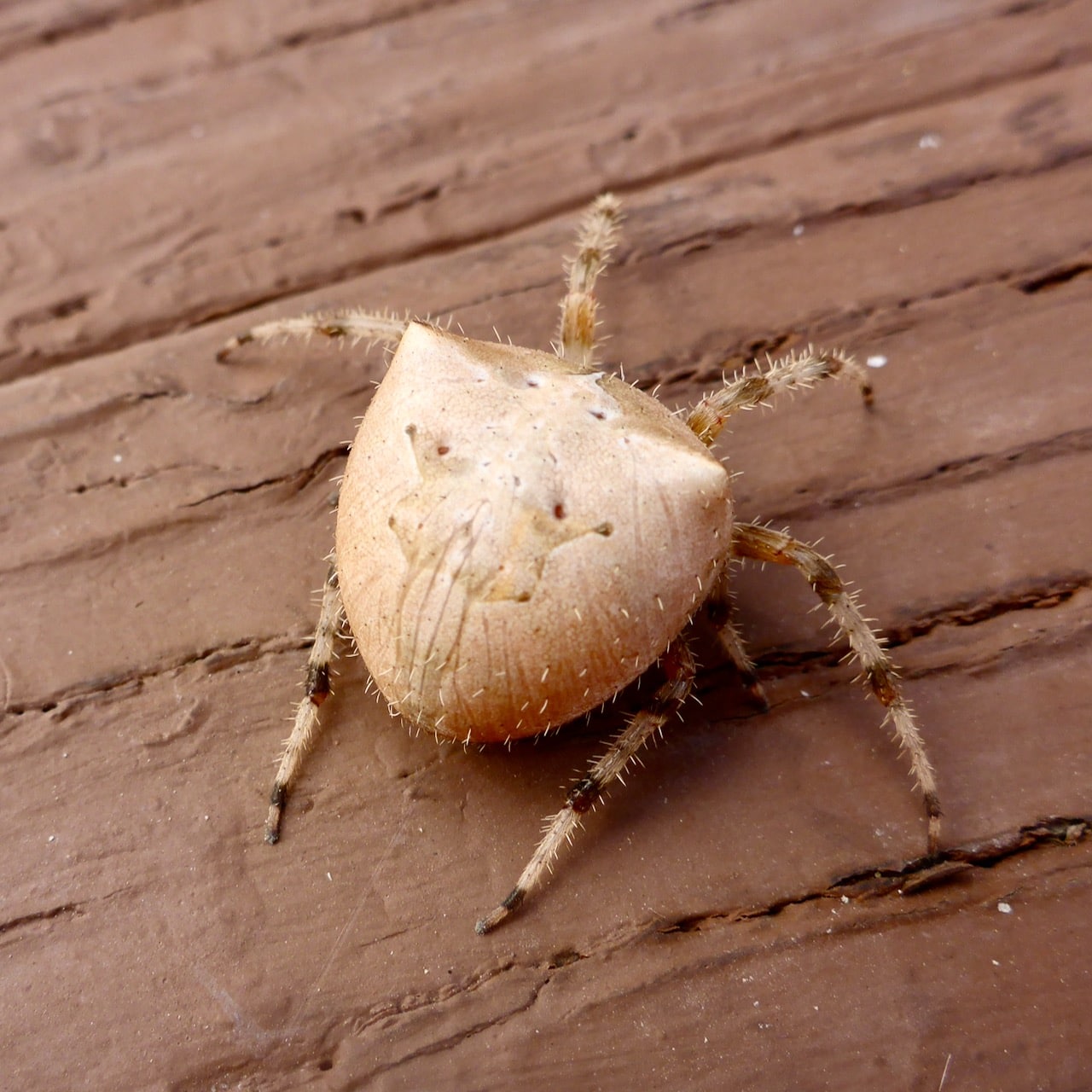
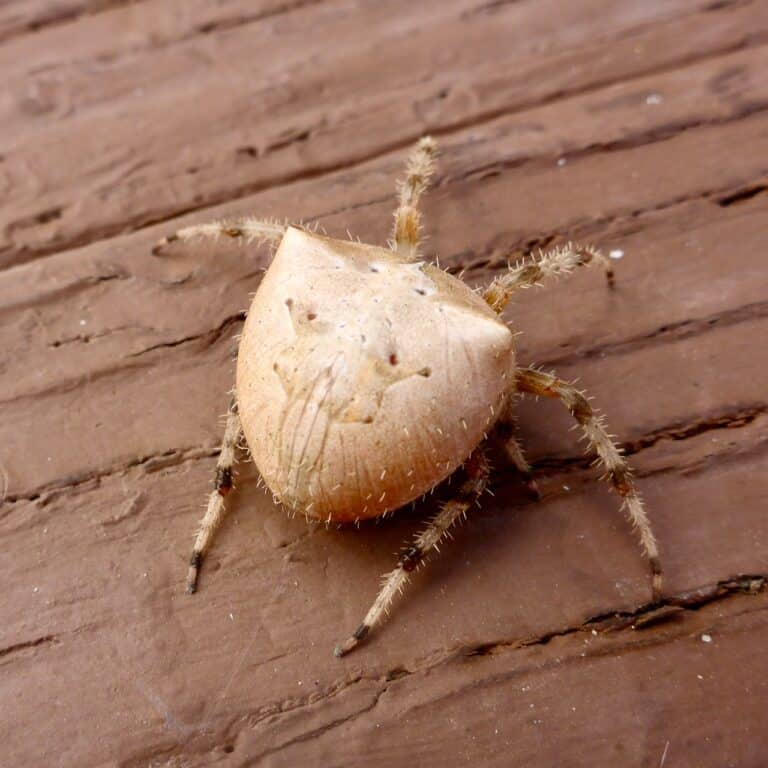
This spider's name comes from its fun shape, which sometimes resembles a cat's face! With this clever design, it often blends into its surroundings, making it a master of hide-and-seek.
The Cat-Faced Spider plays a vital role in controlling insect populations. By dining on pesky bugs, it helps keep gardens and plants healthy, making it a true friend to the environment.
Life for a Cat-Faced Spider lasts about one year. During this time, it spends its days weaving, hunting, and avoiding larger predators that might mistake it for a quick snack!

Where can you find a Cat-Faced Spider in the wild?
What does a Cat-Faced Spider eat?
How big can a Cat-Faced Spider grow?
How long does a Cat-Faced Spider typically live?
What is the conservation status of the Cat-Faced Spider?
What are the main threats to the Cat-Faced Spider?
Fun facts
The Cat-Faced Spider gets its name from its unique shape that sometimes looks like a cat's face. This clever design helps it blend into its surroundings, making it a master of hide-and-seek!


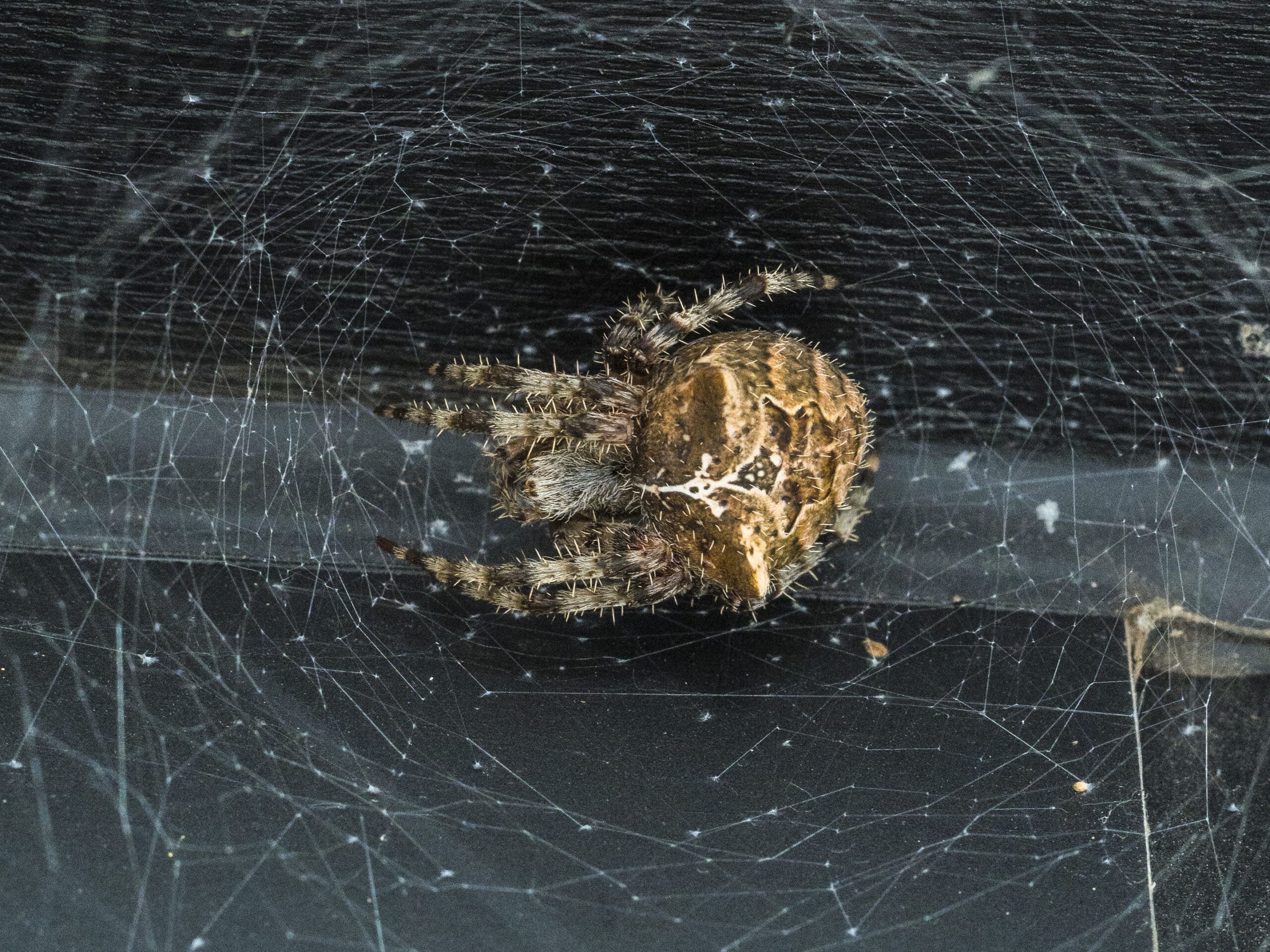
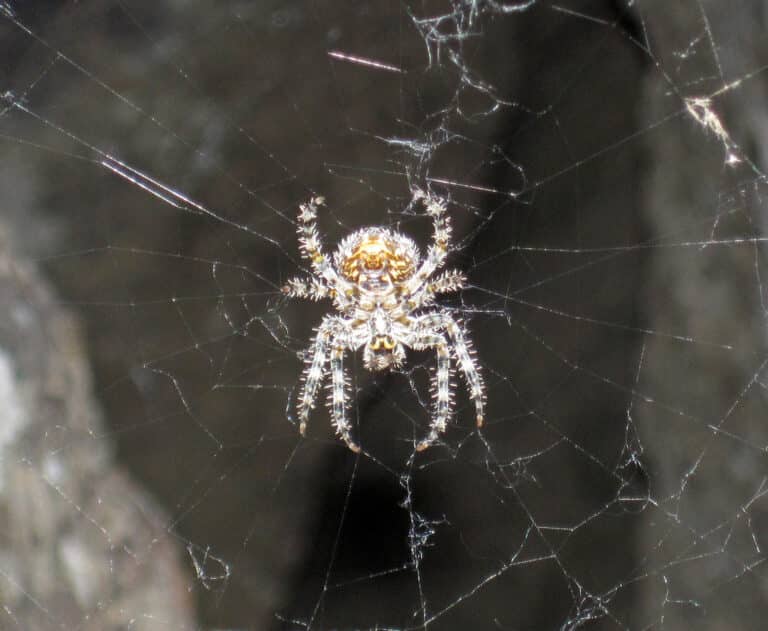
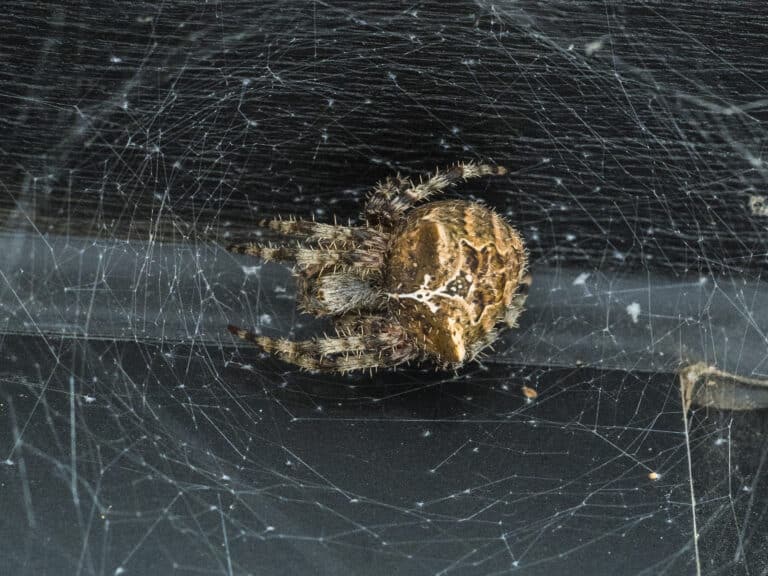
This spider spins intricate webs that can be up to 40 centimeters (about 16 inches) wide, showcasing its amazing architecture skills. These webs serve as both homes and hunting grounds for capturing tasty insects.
During the day, the Cat-Faced Spider hides in the leaves or in the center of its web, waiting for unsuspecting insects to wander by. It might even pull a little camouflage act, using its unique shape to confuse predators!
The Cat-Faced Spider munches on its food in a rather peculiar way. It digests its prey outside its body by releasing special juices, turning its meal into a smoothie before slurping it up!
These spiders are not just solitary eaters! They often build their webs in social clusters, showing they don't mind sharing their space with a few other Cat-Faced Spiders.
The Cat-Faced Spider helps keep gardens healthy by controlling insect populations. It catches pesky bugs that might munch on plants, acting as a tiny gardener!
With a lifespan of about one year, these little creatures live action-packed lives spinning webs and catching snacks. They reflect the saying 'live fast, eat well' in the world of arachnids!
Some Cat-Faced Spiders have tiny bright yellow spots on their bodies that can look like cat eyes. This could help scare off predators by making them think a larger, more fearsome creature is nearby!
When threatened, the Cat-Faced Spider can drop from its web and play dead, hiding from predators until it is safe to crawl back up and start weaving again.
These little arachnids can regrow their legs if they lose one, showing off their superhero-level resilience. Talk about a tough cookie in a tiny package!
Photos





The Basics


explore more
Amphibians
Arachnids
Birds
Cats
Crustaceans
Fish
Fish Pet Guide
Gastropods
Insects
Invertebrates
Mammals
Pet Fish
Pet Rodents
Plants
Reptiles
Roundworms
Sea Slugs