Successfully copied to clipboard!
Centipede
Unleash your curiosity about the speedy multi-legged hunters!
Let’s Explore
Overview
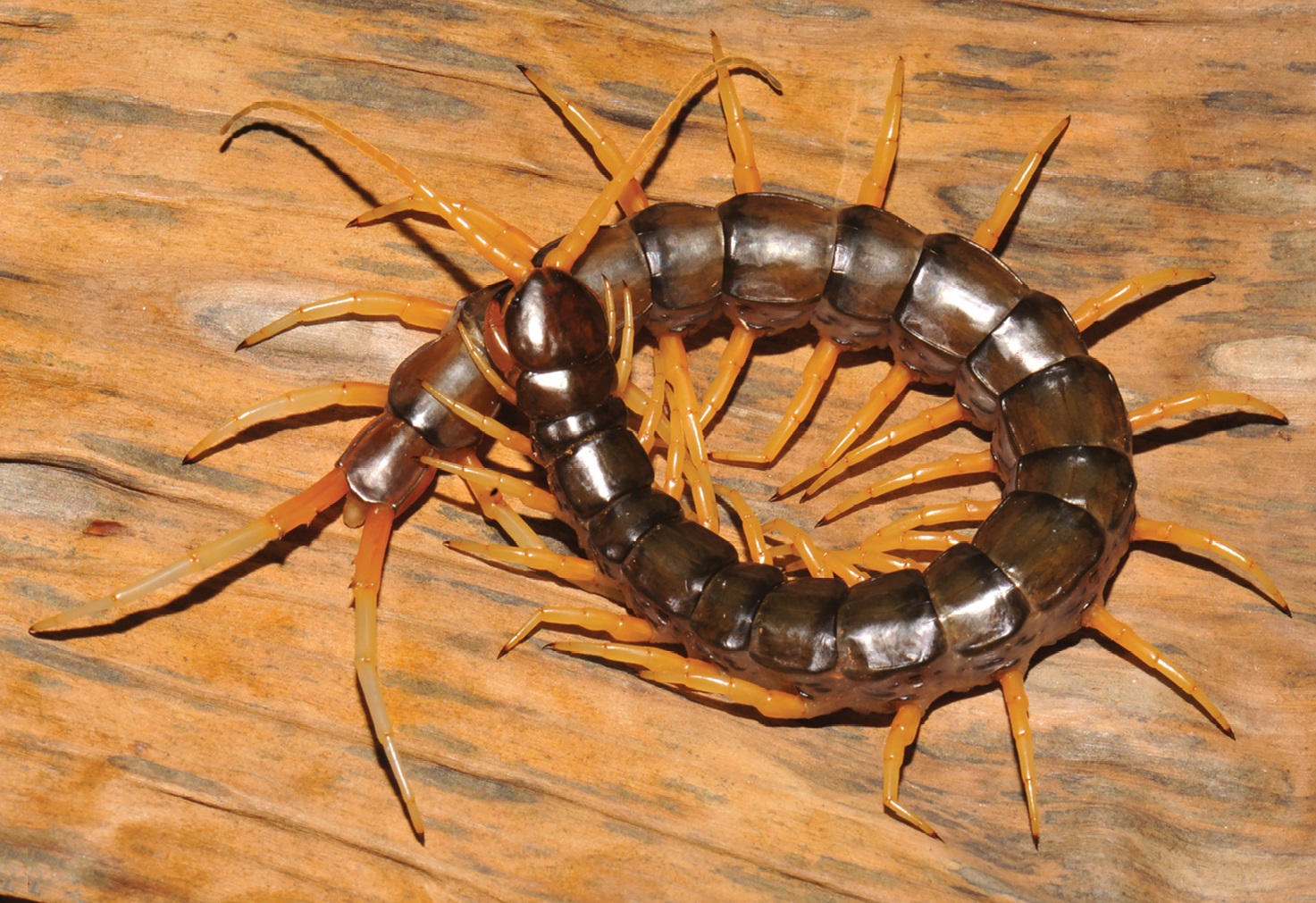
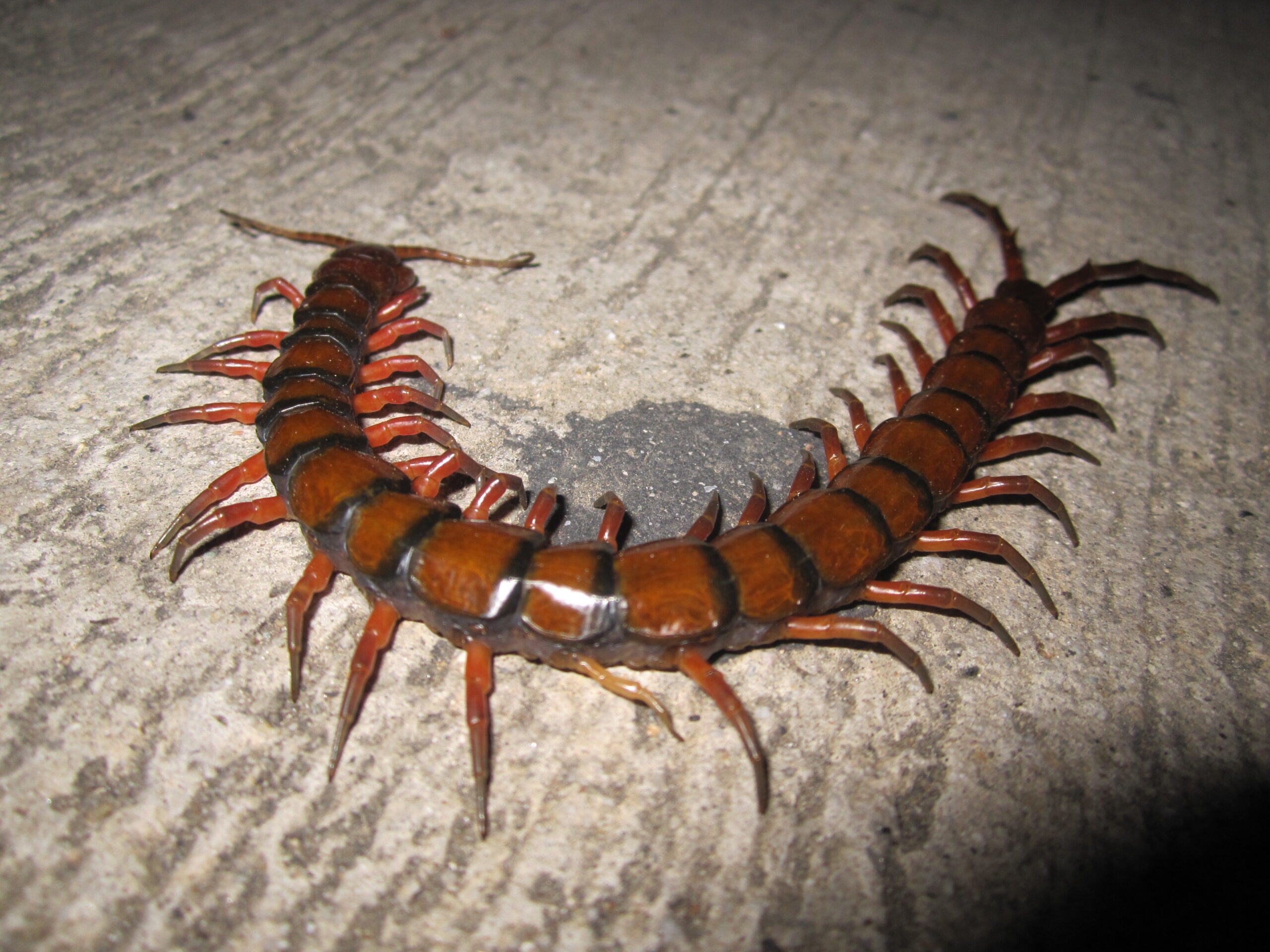
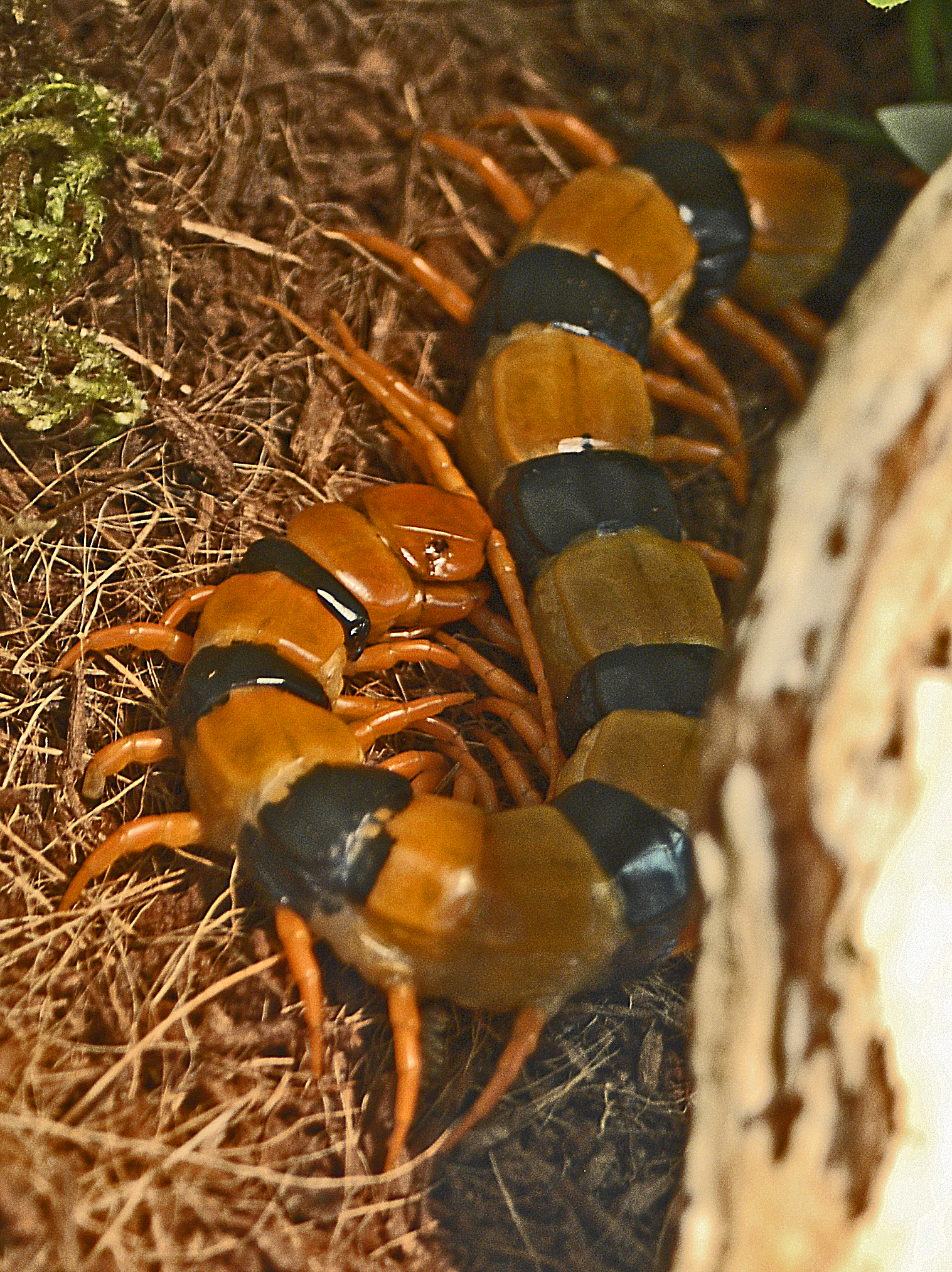
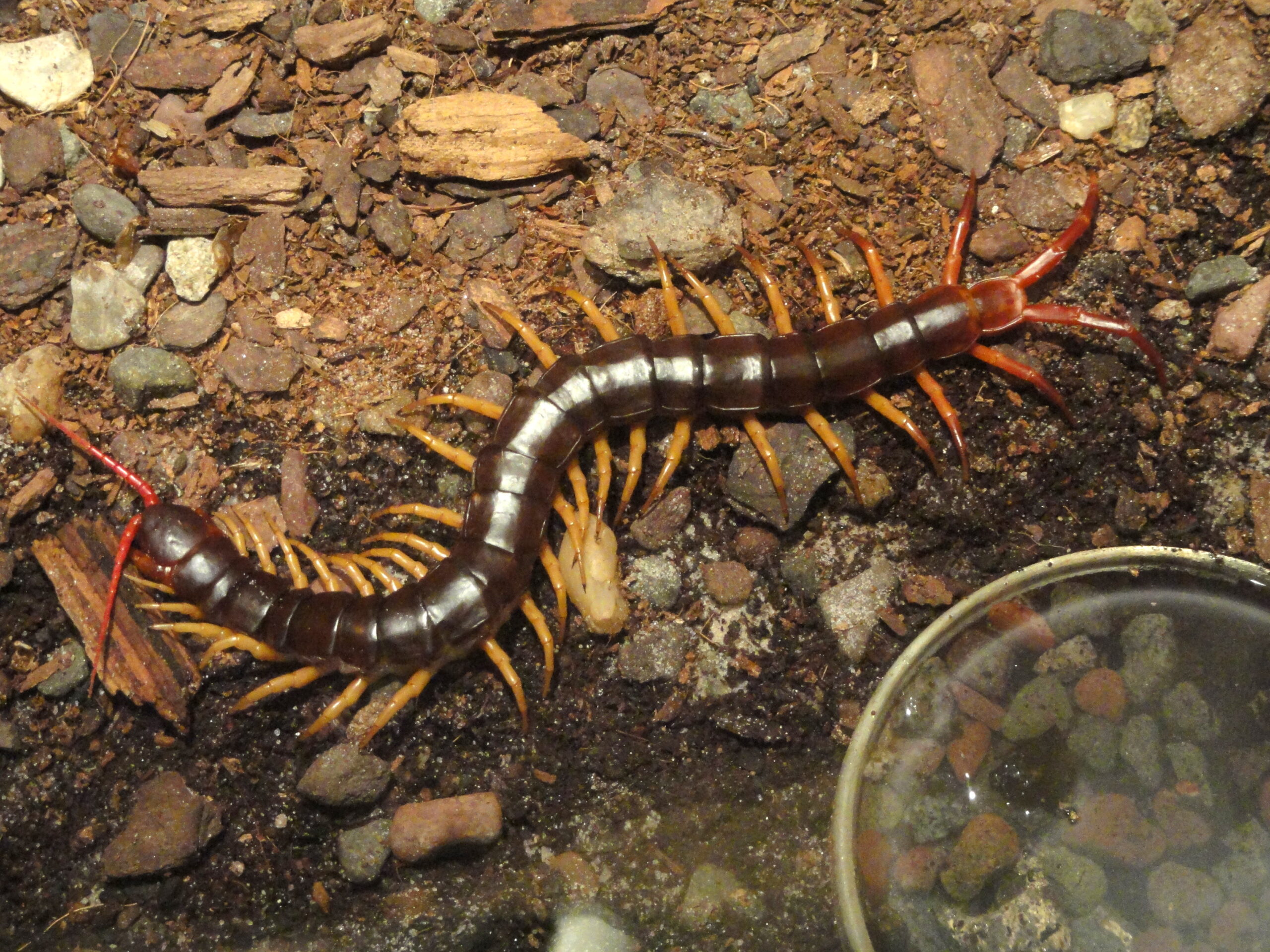
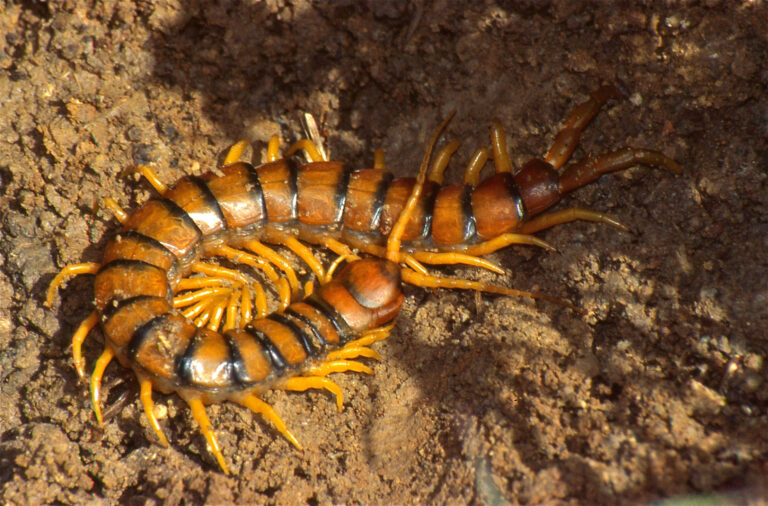
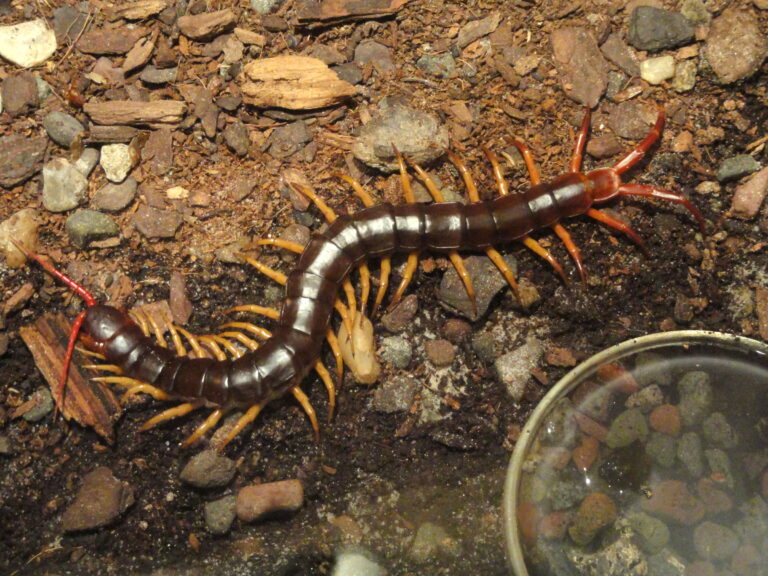
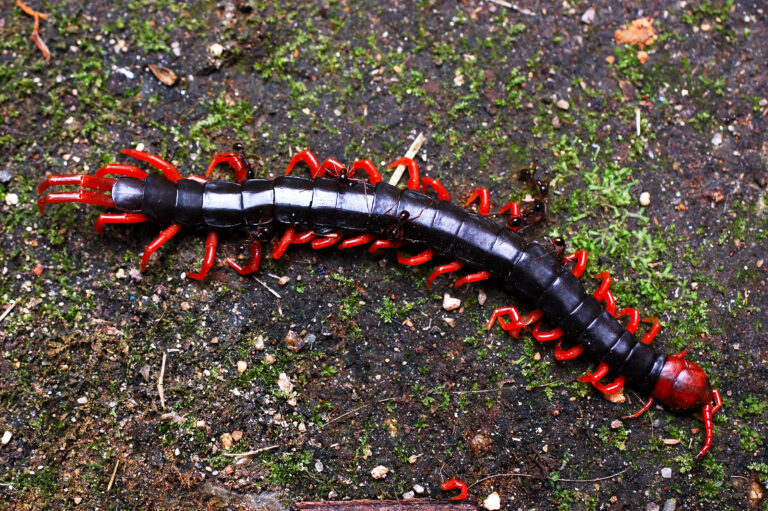
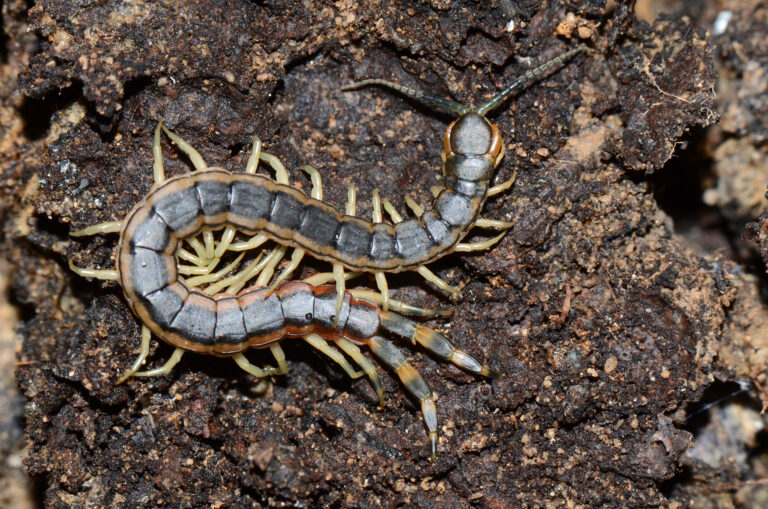
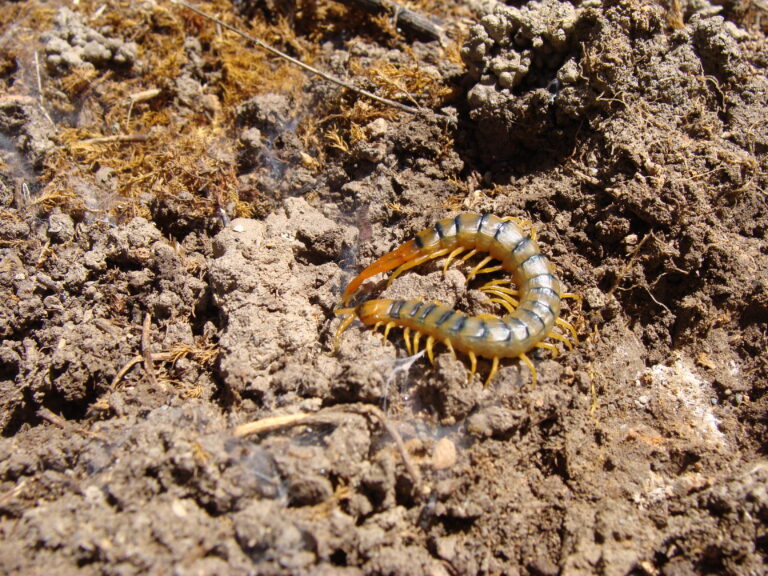
Centipedes are fascinating creatures that belong to the class Chilopoda. These little critters roam the earth, mostly in warm places like Africa, and can measure between 10 to 30 centimeters long, or 4 to 12 inches!
These multi-legged marvels can have anywhere from 15 to over 177 pairs of legs. Each leg gives them great speed, making them nimble hunters in their quest for meals.
Speaking of meals, centipedes happily munch on insects, spiders, and even small vertebrates. They have venomous bite, which helps them catch dinner and fend off unwelcome guests.
Centipedes have a lifespan of about 1 to 7 years. They may be small, but they sure know how to make their mark in the animal kingdom!
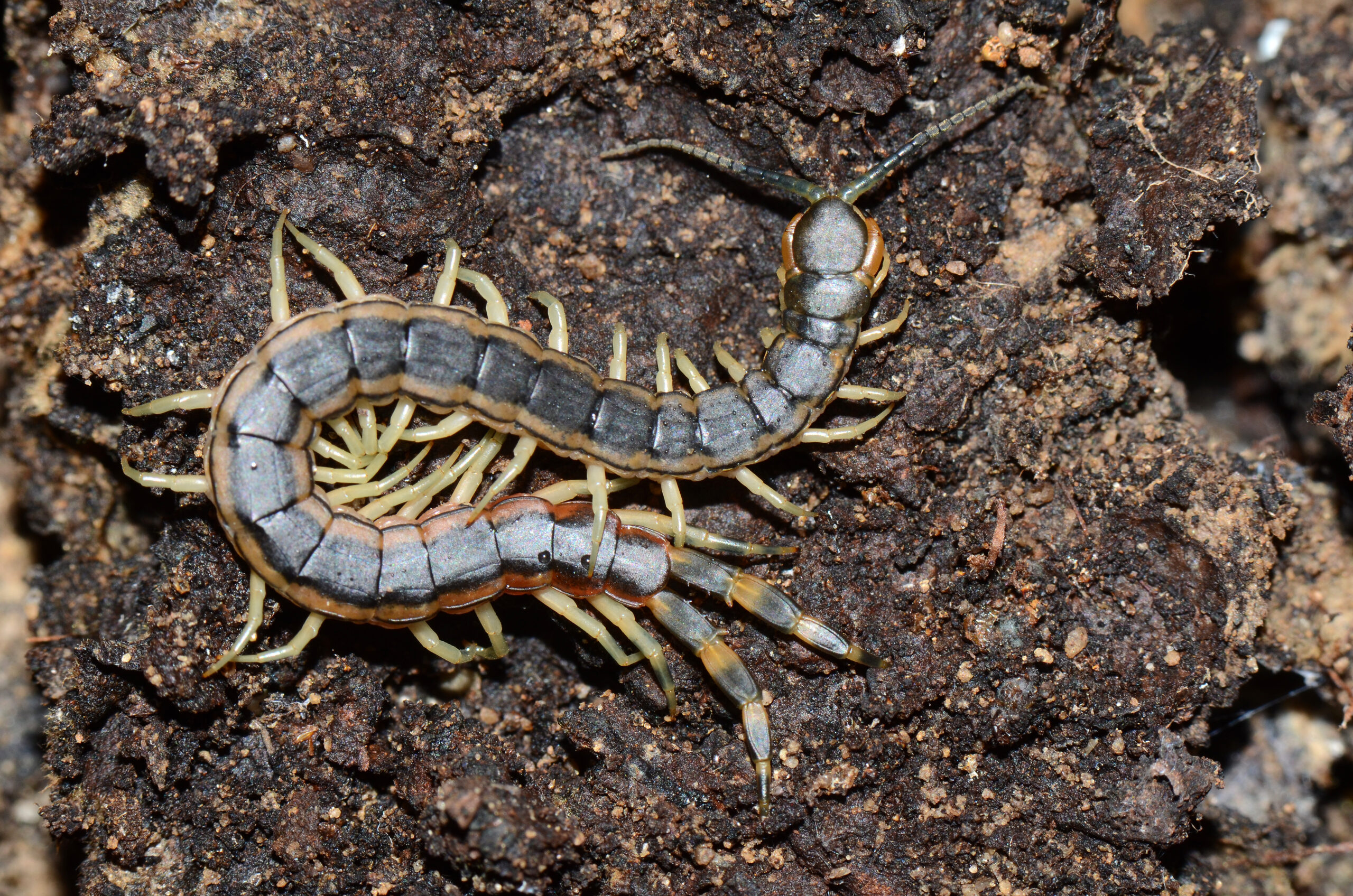
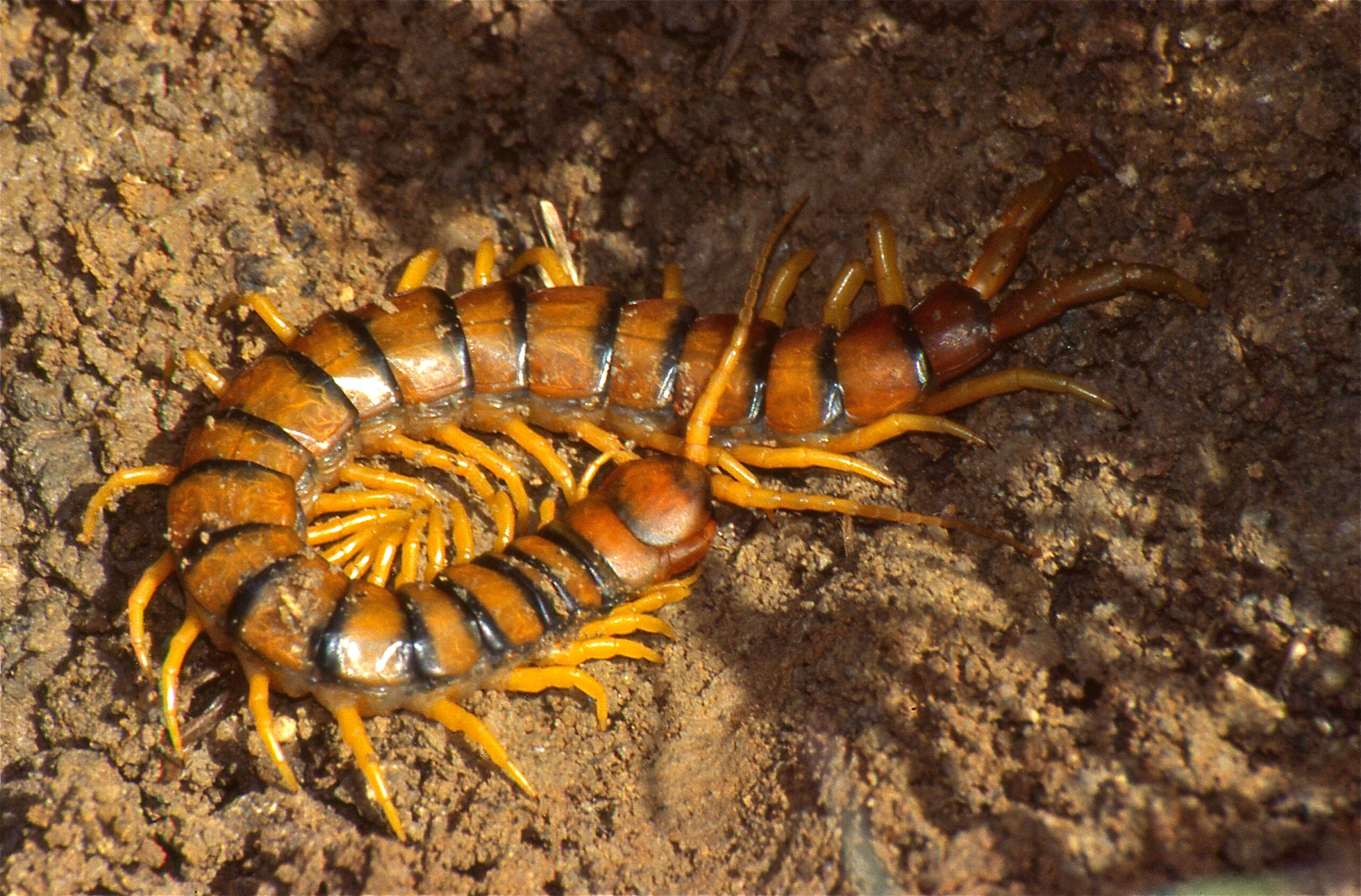
These creatures have a smooth, elongated body and a head that boasts a pair of antennae. Centipedes use their antennae like a GPS to sense their environment and navigate the world around them.
Despite their fearsome appearance, centipedes play a vital role in their habitats by controlling insect populations. They might give you the creeps, but they're just doing their part to keep nature balanced!

Where can you find a Centipede in the wild?
What does a Centipede eat?
How big can a Centipede grow?
How long does a Centipede typically live?
What is the conservation status of the Centipede?
What are the main threats to the Centipede?
Fun facts
Centipedes can move surprisingly fast, reaching speeds of up to 1.3 meters per second (about 3 feet per second). They race around like tiny, scaly rockets in search of food!


These creatures can regrow lost legs when they molt, giving them a superpower to recover from injuries. It is like having a backup plan for their legs!
Some centipede species glow in the dark. This bioluminescence might help them escape predators by confusing them with unexpected lights!
Centipedes demonstrate impressive parenting. Some species carry their eggs on their backs, keeping them safe until they hatch, making them the ultimate baby sitters!
Centipedes use their venom not just for hunting, but also for defense. With their bites, they send a warning to potential threats, making sure they are treated with caution!
They have a special organ called a spiracle that helps them breathe. This tiny opening on each segment of their body lets them take in air like tiny gills!
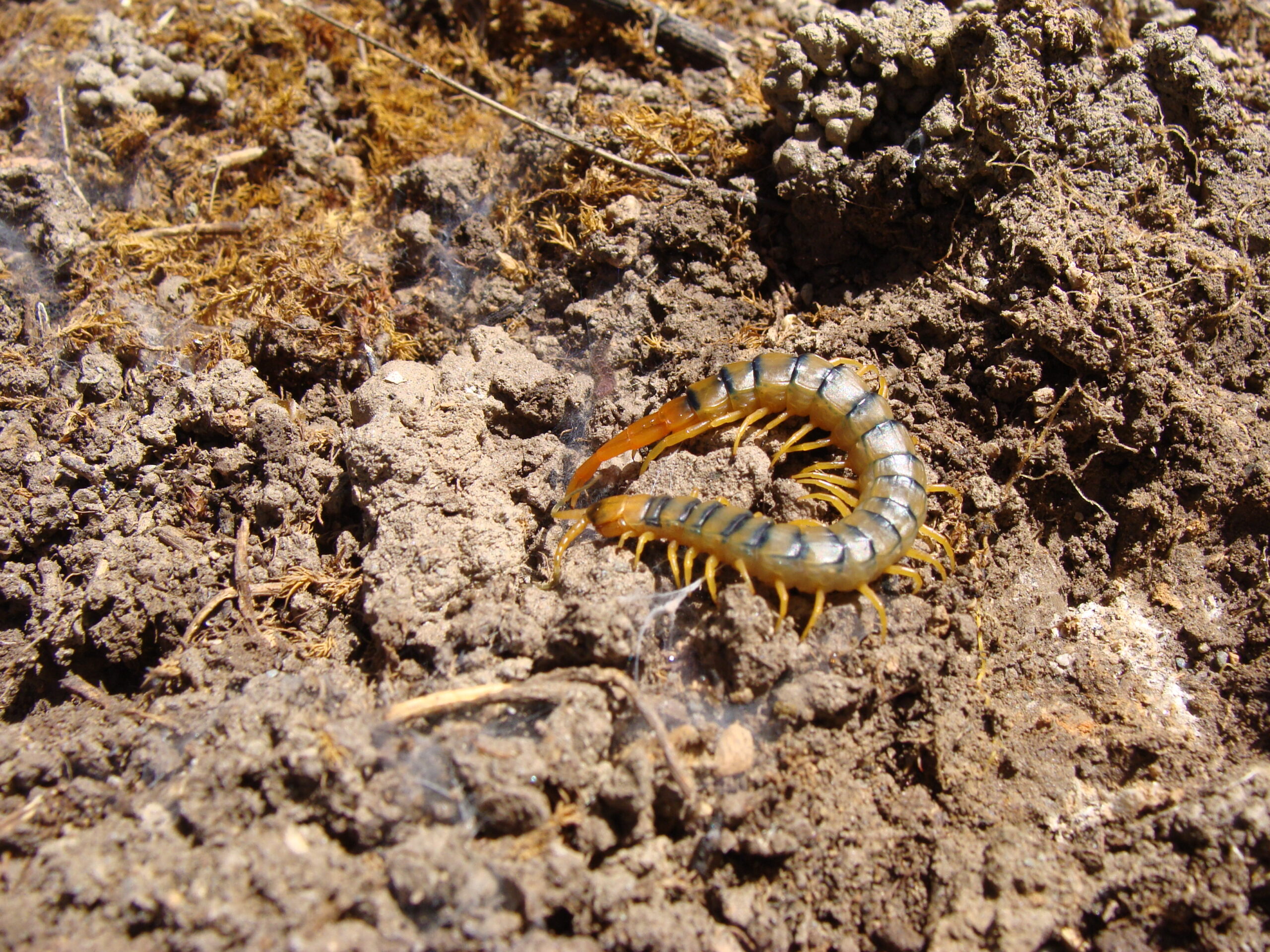
Centipedes are masters of disguise. They can flatten their bodies to squeeze into tight spots, making it hard for predators to spot them.
Some centipedes can live without food for months! They can slow their metabolism and use stored energy, proving they can play the long game.
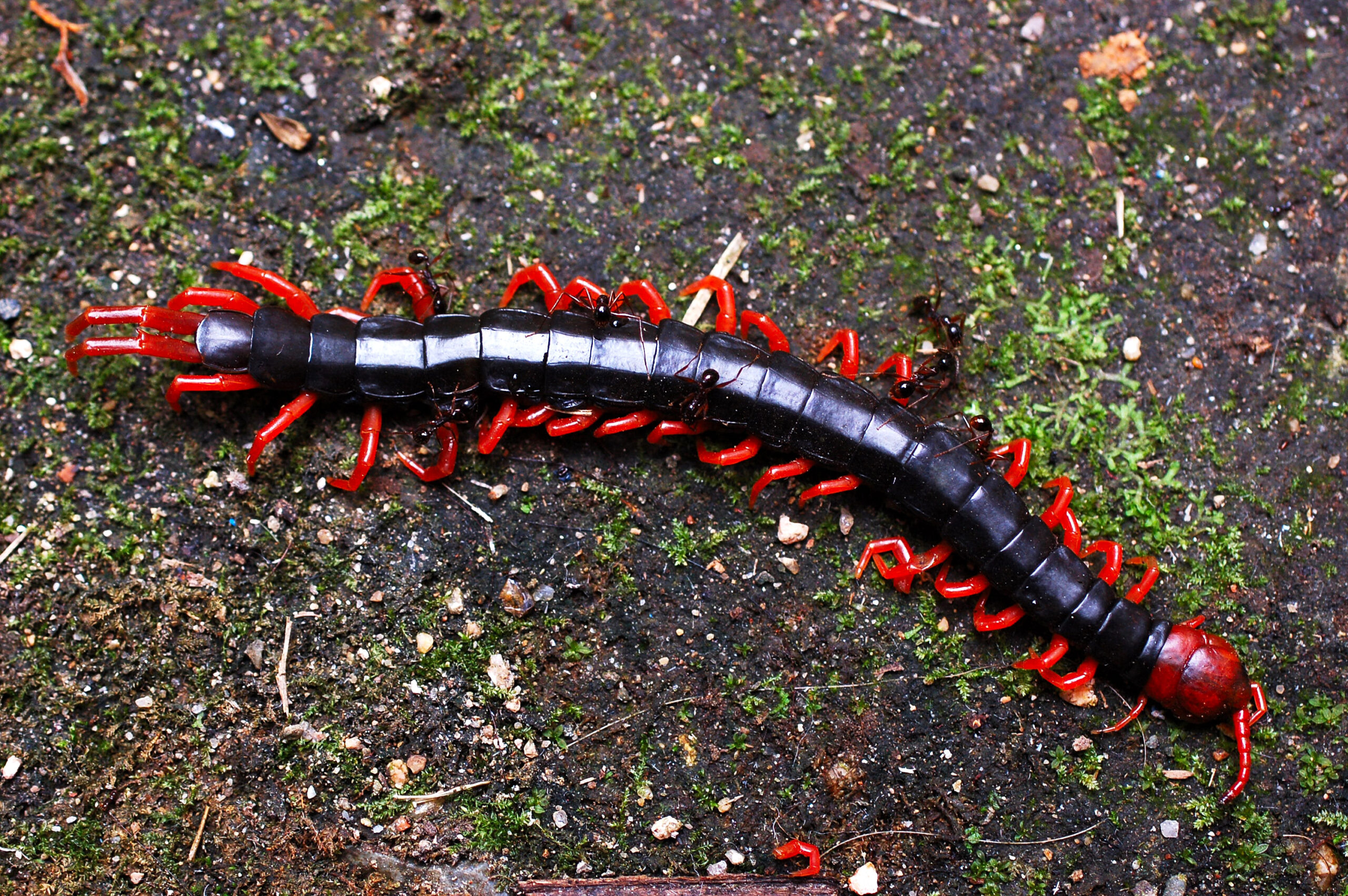
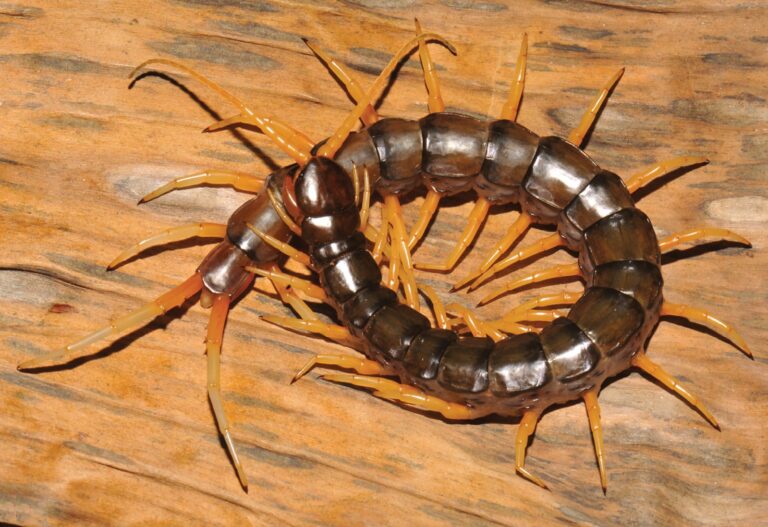
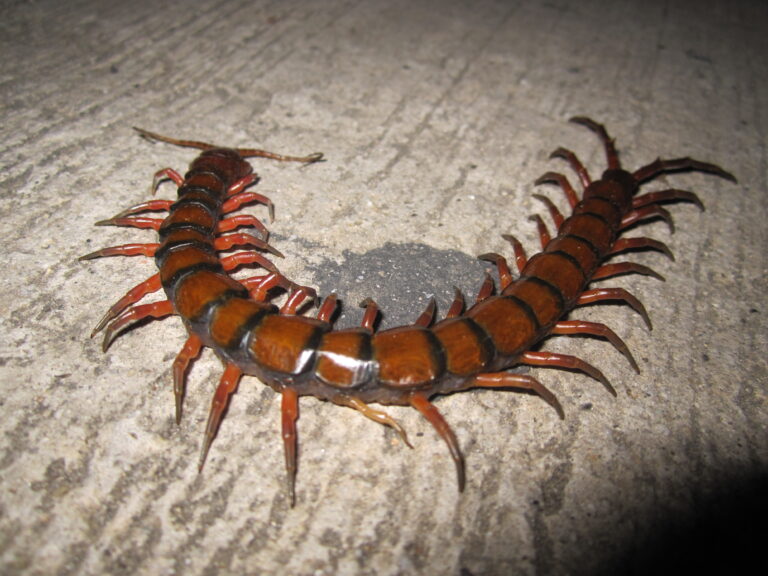
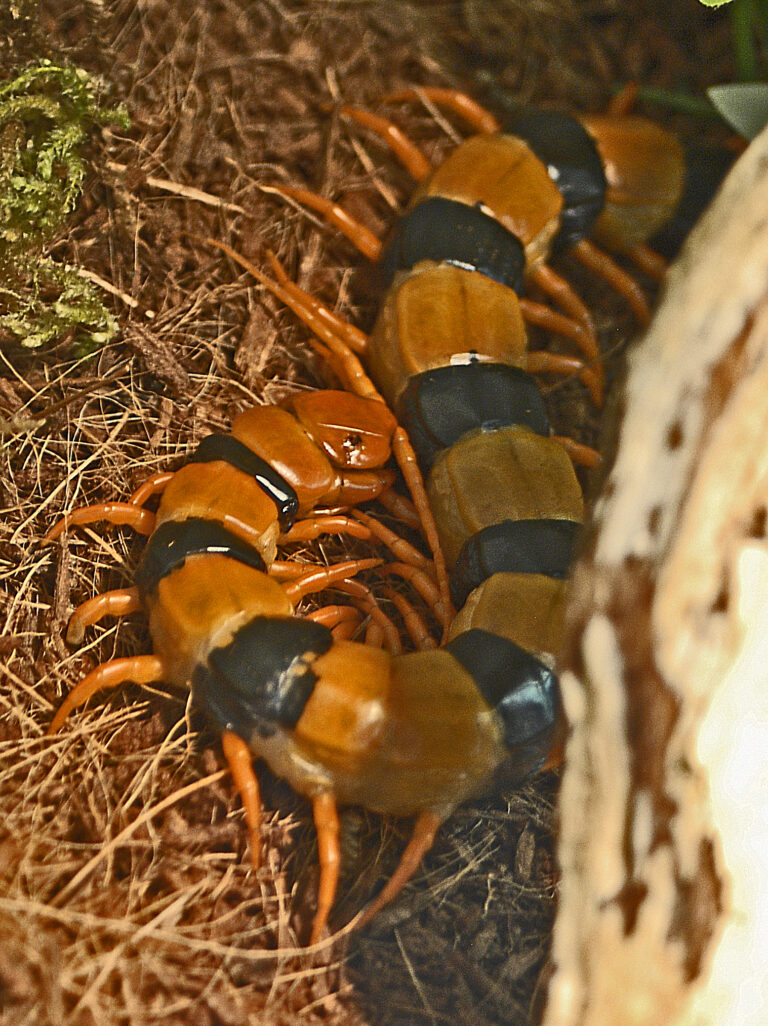
These little critters can have a wide range of colors, from bright red to deep blue, making them spectacularly stunning for their size!
In ancient cultures, centipedes symbolized speed and adaptability. People admired these remarkable creatures long before they understood their importance in nature.
Photos





The Basics


explore more
Amphibians
Arachnids
Birds
Cats
Crustaceans
Fish
Fish Pet Guide
Gastropods
Insects
Invertebrates
Mammals
Pet Fish
Pet Rodents
Plants
Reptiles
Roundworms
Sea Slugs