Successfully copied to clipboard!
Chigger
Meet nature's tiny recyclers busy in the grass!
Let’s Explore
Overview
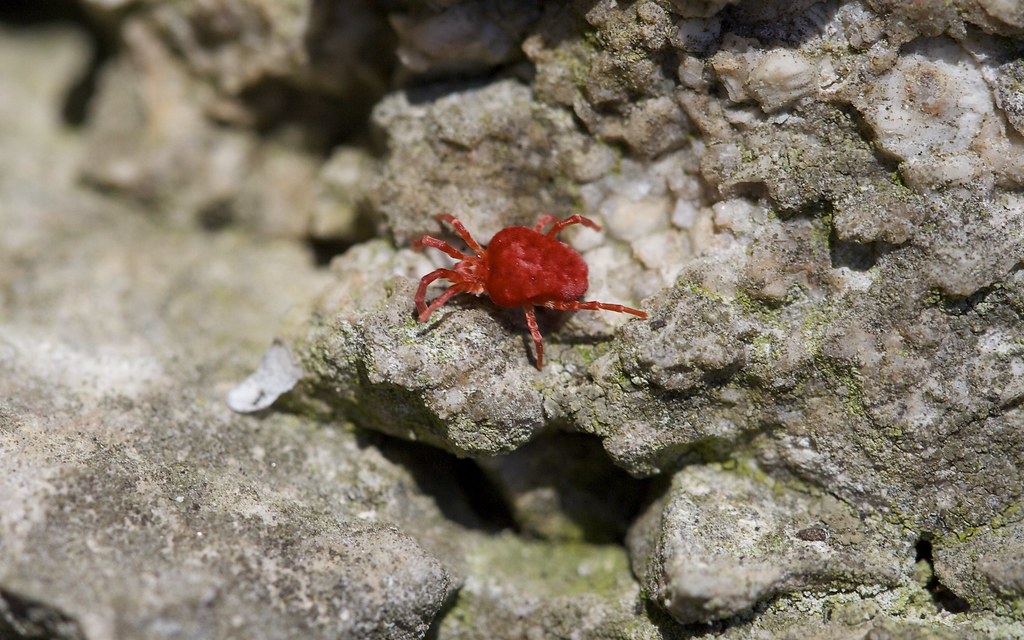
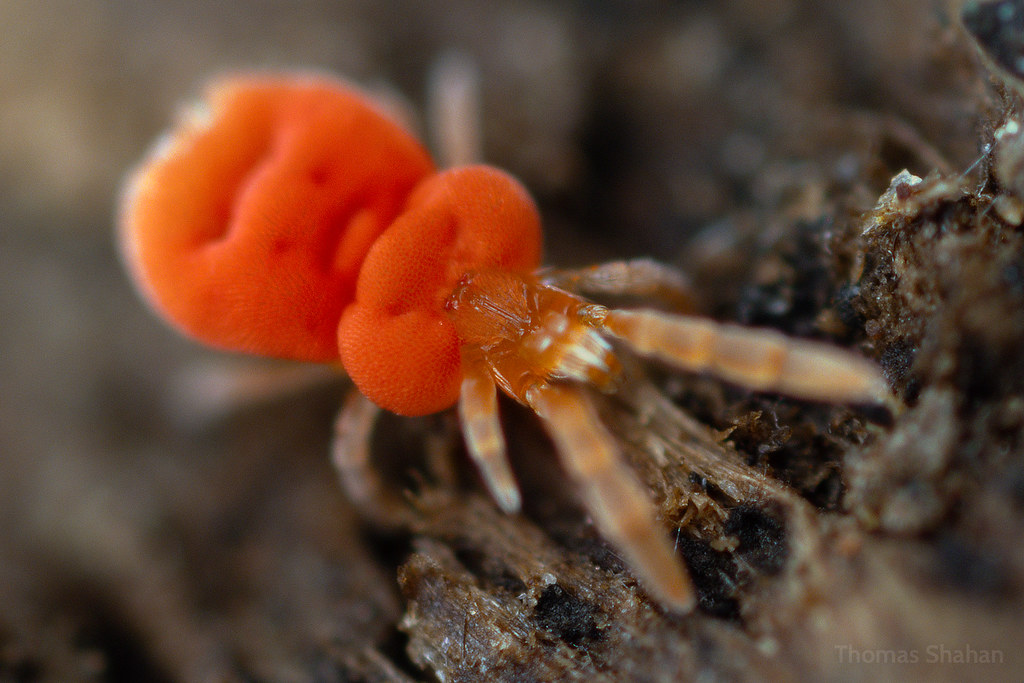
Chiggers are tiny creatures that belong to the family Trombiculidae. These little guys are invertebrates and their size averages around 0.4 millimeters, making them so small that they can be hard to see with the naked eye!
Chiggers love warm, humid environments and are commonly found in Africa. They live in grass and brushy areas, which is where they often find their favorite snack—skin cells from animals and humans!
Chiggers have a unique way of feeding. They do not bite like some pests do; instead, they use their minute mouthparts to suck up the liquids from skin cells. They might be small, but their appetite can cause some itchy reactions on human skin!
These critters have a short lifespan of up to 2 months. During this time, they are busy feeding, developing, and eventually moving on to their next life cycle phase.
Even though they might sound scary, chiggers play a role in their ecosystem. They help break down organic materials, contributing to the balance of the environment around them. So, you could say they are nature's tiny recyclers!

Where can you find a Chigger in the wild?
What does a Chigger eat?
How big can a Chigger grow?
How long does a Chigger typically live?
What is the conservation status of the Chigger?
What are the main threats to the Chigger?
Fun facts
Chiggers are so small that they are almost invisible to the naked eye, but they can form massive colonies! Imagine millions of these tiny creatures living in a small patch of grass, working together like a tiny team.


Despite their nickname "red bugs," chiggers are actually yellow when you look at them closely. They turn red after they feed, much like a tiny berry after a big meal.
Chiggers are like tiny vampires! Instead of chewing and biting their food, they insert tiny mouthparts into the skin and suck up nutrients like a strawberry smoothie.
These critters can travel far distances by hitching a ride on larger animals. They will grab onto a passing mammal to find fresh skin cells to munch on!
Young chiggers, called larvae, have just six legs. As they grow into nymphs, they develop eight legs, just like adult spiders and scorpions, making them true arachnid superheroes!
When chiggers feed, they inject a special enzyme into the skin to break down tissues. This helps them to drink up the nutrients, but it can also cause that famous itch.
Chiggers usually choose their homes carefully. They love warm, humid spots, and you can often find them in tall grass or brushy areas where they can easily find a meal.
Though people often think of chiggers as being harmful, they play an essential role in the ecosystem by helping break down decomposing organic matter.
Chiggers can survive without food for many weeks. This helps them wait until the conditions are just right for feeding and living their tiny lives!
In some cultures, people believe that bathing in a certain way can help prevent chigger bites, proving that these little creatures leave a lasting impression on those they encounter!
Photos





The Basics


explore more
Amphibians
Arachnids
Birds
Cats
Crustaceans
Fish
Fish Pet Guide
Gastropods
Insects
Invertebrates
Mammals
Pet Fish
Pet Rodents
Plants
Reptiles
Roundworms
Sea Slugs