

Successfully copied to clipboard!
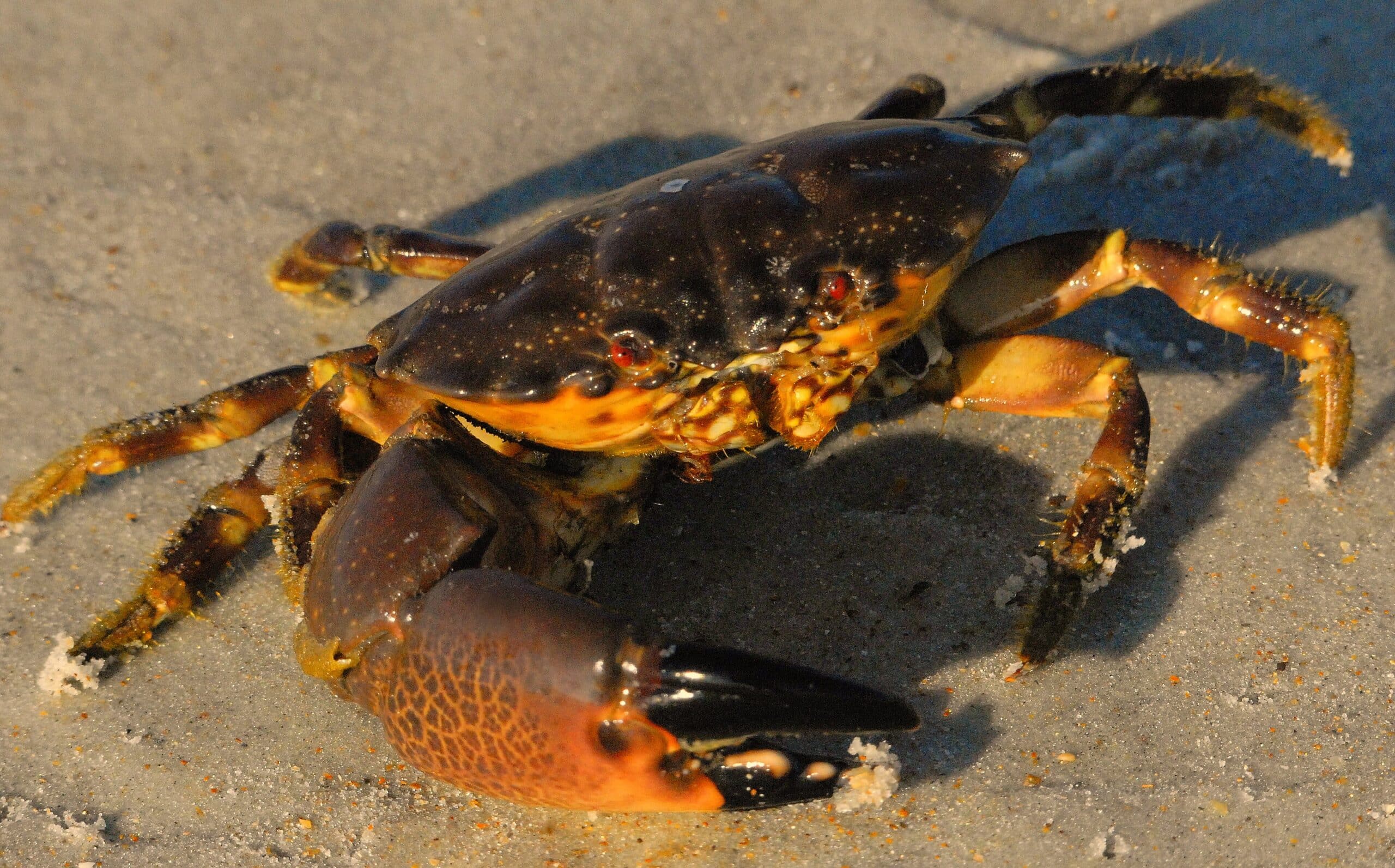
Crab
Explore the amazing world of hard-shelled ocean explorers!
Let’s Explore
Overview
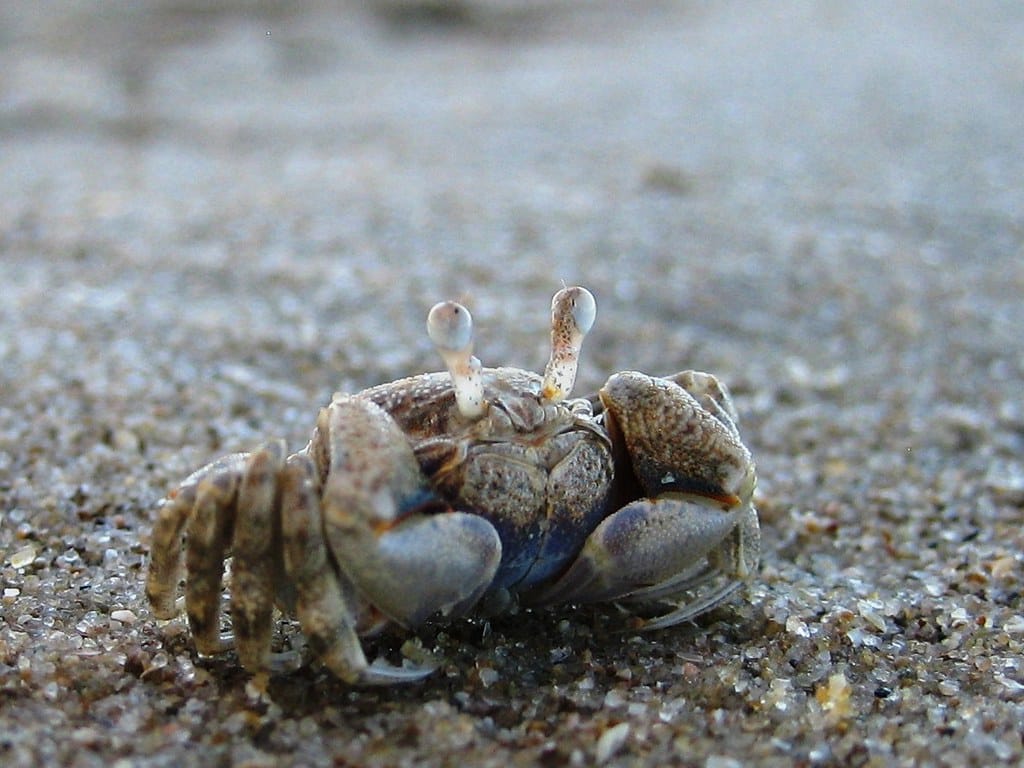
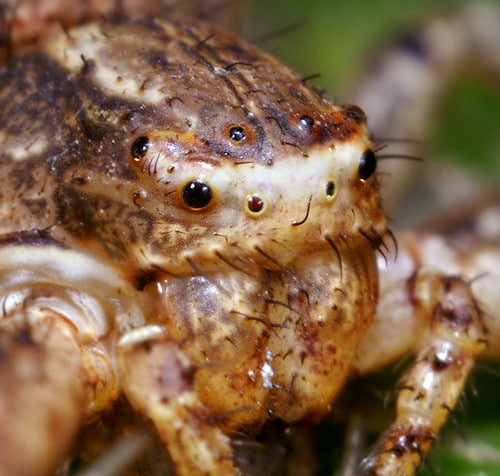
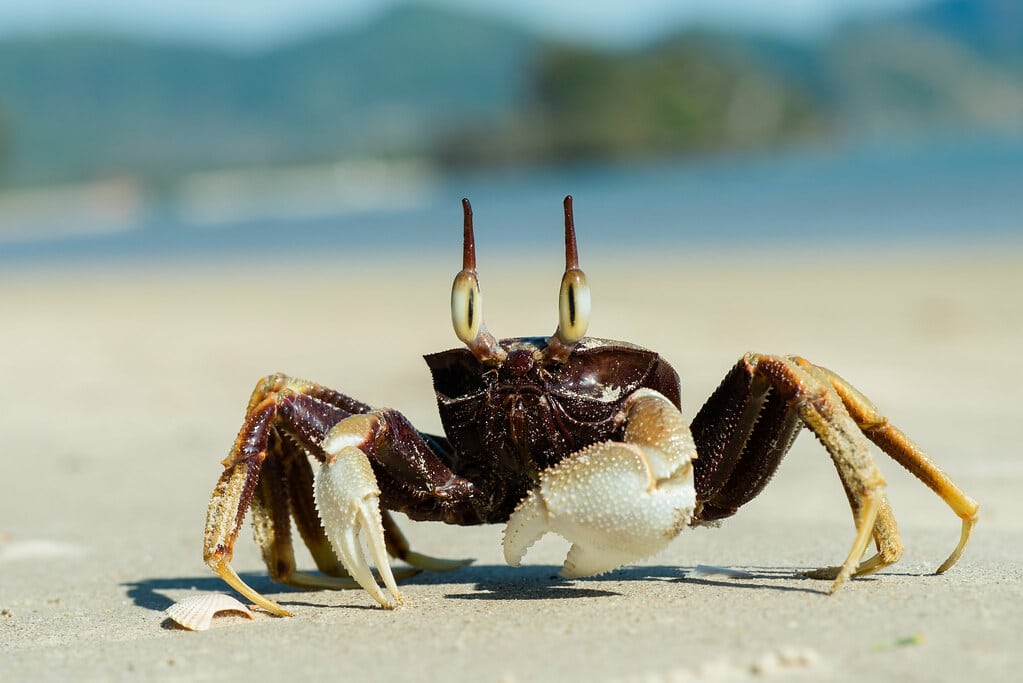
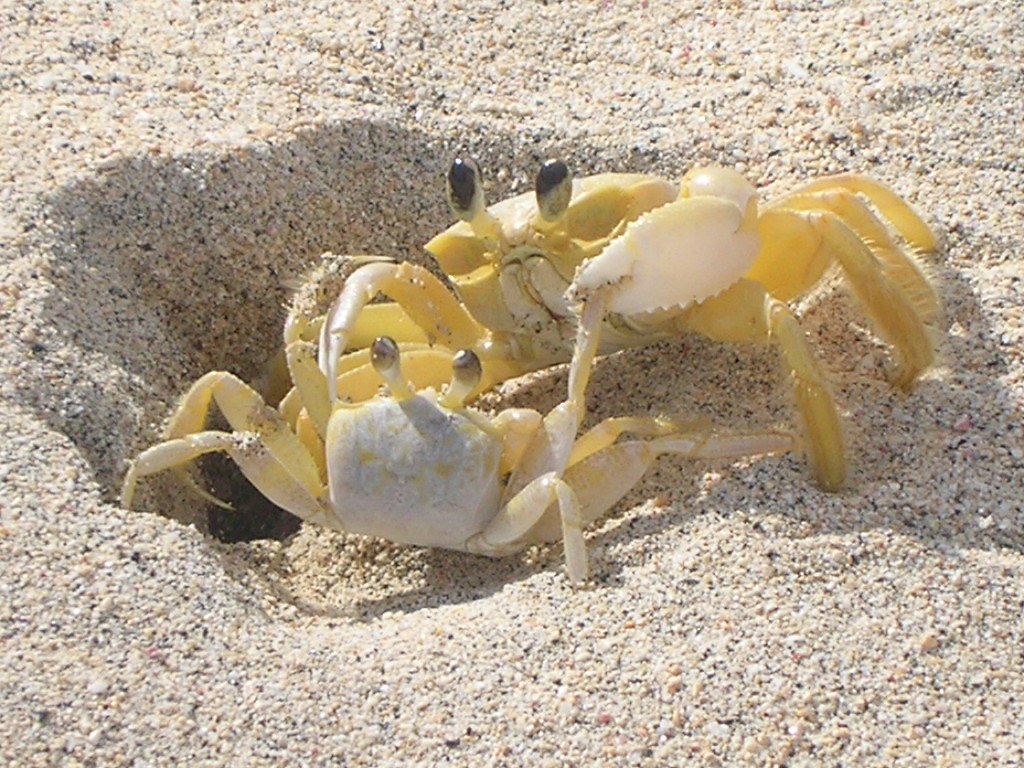
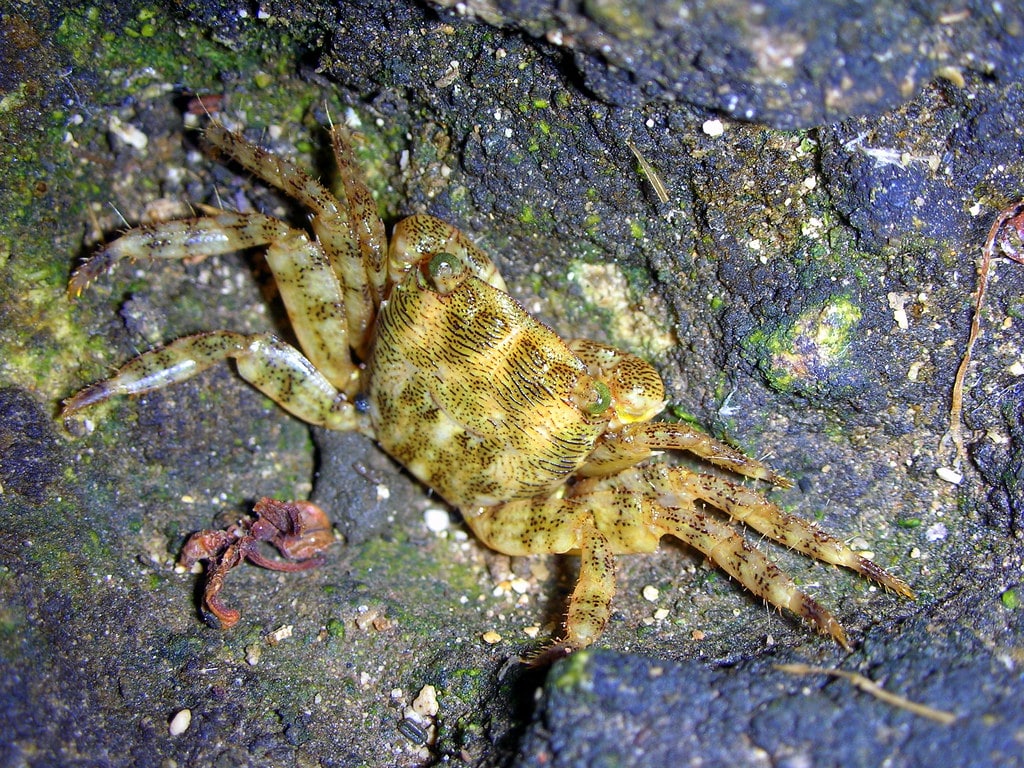
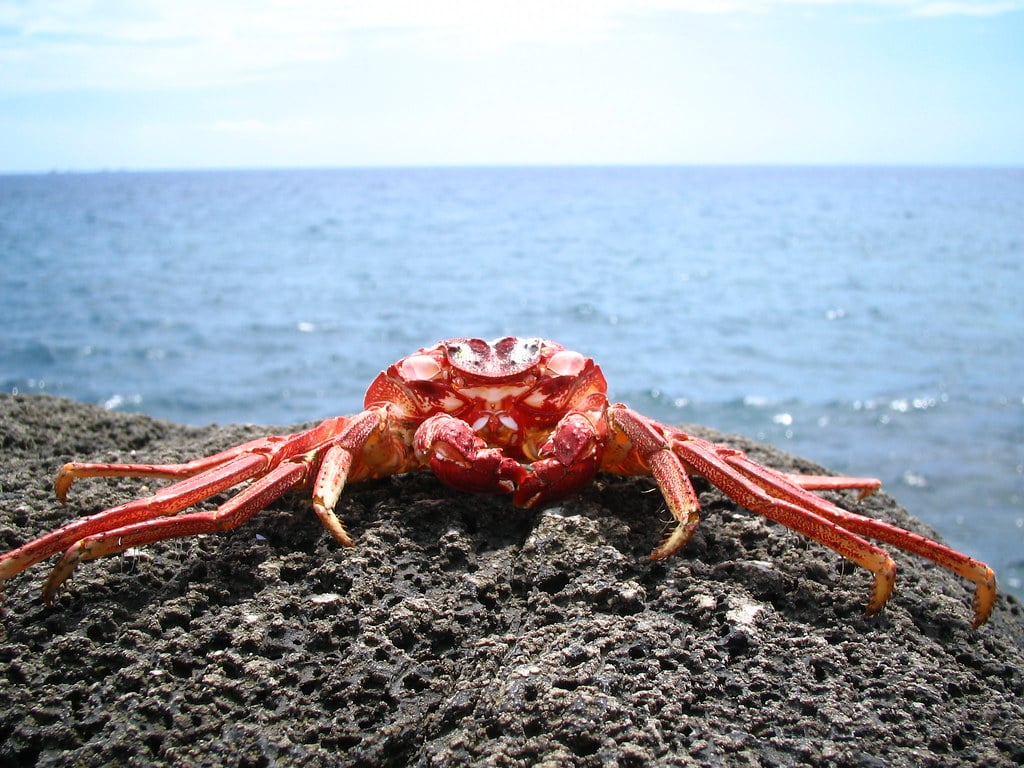
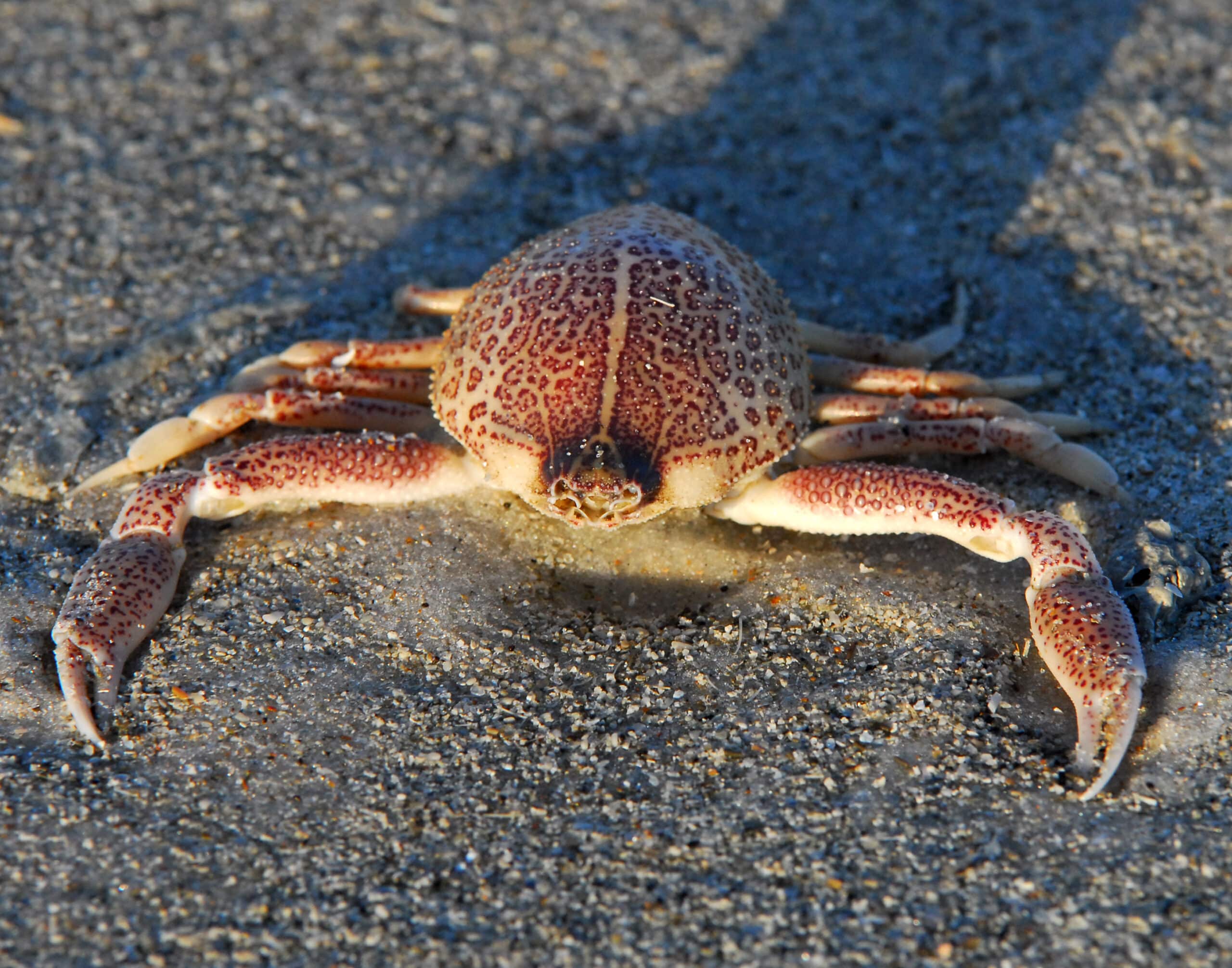
Crabs are super cool creatures that belong to the family Brachyura. They live in oceans all over the world and are known for their hard shells, which protect their soft bodies inside.
These nifty invertebrates can grow up to 38 centimeters (15 inches) long, but their size can vary greatly depending on the species. Crabs munch on tasty treats like algae, plankton, and mollusks, making them important members of the ocean food chain.
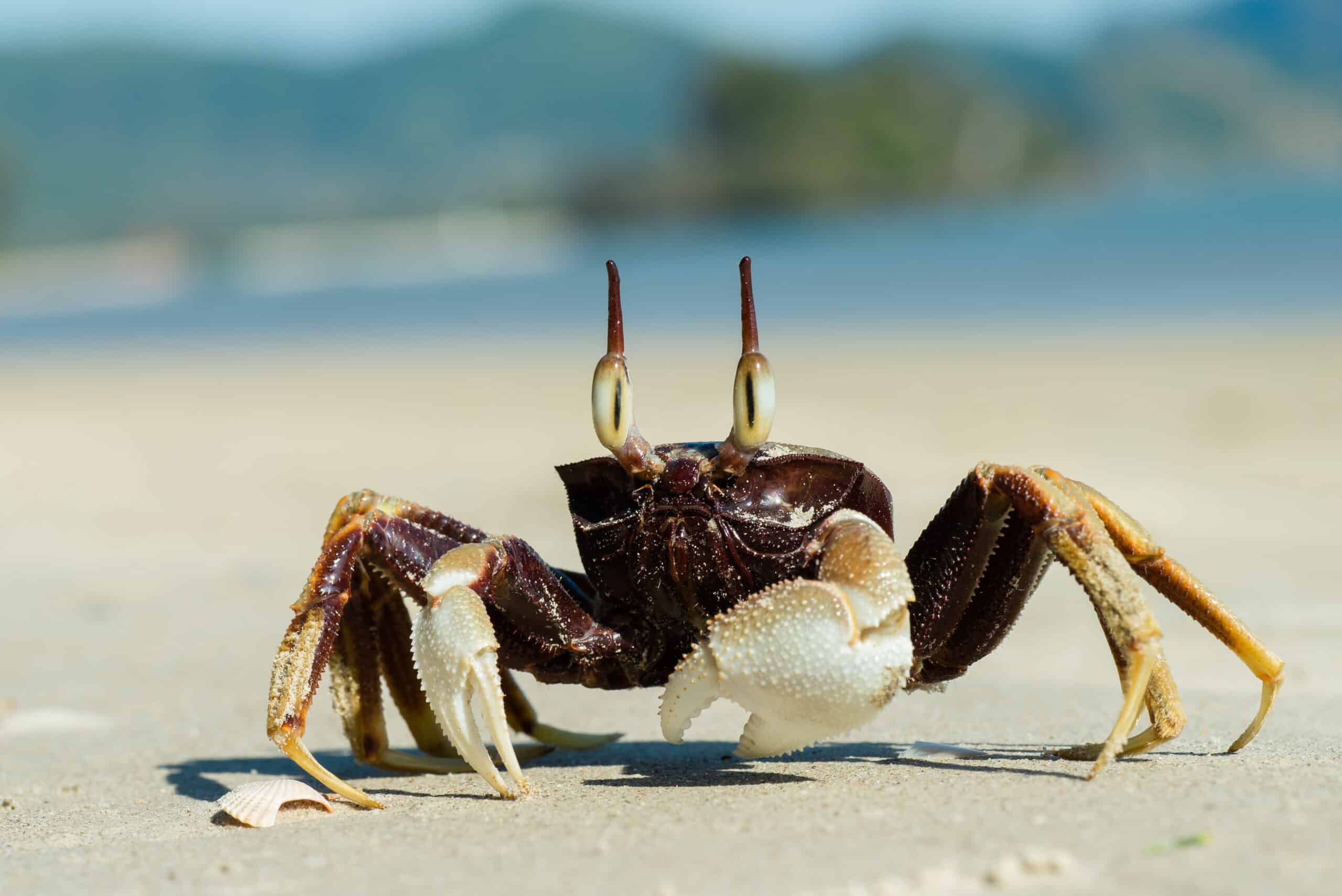
Crabs have eight walking legs and two claws, which they use to grab food and defend themselves. They can also walk sideways, which is a real crab-tastic talent that helps them navigate rocky shores and sandy beaches.
Crabs are quite the survivors, with lifespans ranging from 3 to 15 years in the wild. They can also live in various habitats, from tidal pools to deep-sea environments, showcasing their adventurous side.
Young crabs start their lives as tiny larvae, drifting with ocean currents before they settle down. As they grow, they molt their hard exoskeletons to make room for their larger bodies, a process that lets them grow and thrive.

Where can you find a Crab in the wild?
What does a Crab eat?
How big can a Crab grow?
How long does a Crab typically live?
What is the conservation status of the Crab?
What are the main threats to the Crab?
Fun facts
Some crabs can actually swim! The blue crab has flat, paddle-like back legs that help it glide gracefully through the water, turning it into a little swimmer.


Coconut crabs are the ultimate climbers! They can climb trees as high as 6 meters (20 feet) to find coconuts and feast on them, making them the world's largest terrestrial arthropod.
The decorator crab loves to play dress-up! It covers its shell with bits of seaweed, sponge, and even trash to blend in with its surroundings—extra style points for creativity!
Some crabs can walk backwards! They have flexible joints that allow them to scuttle in reverse, proving they're not just about side-stepping through life.
Fiddler crabs have a unique feature—one claw that grows much larger than the other! They wave their big claw to attract mates, putting on a flashy dance show for everyone to see.
Isopod crabs like the giant isopod can grow up to 30 centimeters (12 inches) long! They live deep in the ocean and have a hard shell to protect them from predators in the dark depths.
Some species of crabs have been known to chirp! They make this sound by rubbing their claws together, which helps communicate with other crabs, kind of like a crabby conversation!
Crabs can taste with their claws! They have tiny sensors that help them detect food in the water, making their claws not just for grabbing, but for tasting delicious treats too!
Hermit crabs don’t grow shells! Instead, they move into abandoned shells of snails, making it a home sweet home, and even switch shells as they grow, like they have a never-ending wardrobe!
Some crabs can even glow in the dark! Certain species have bioluminescent properties, creating a magical light show in the deep sea that dazzles both predators and prey.
Photos
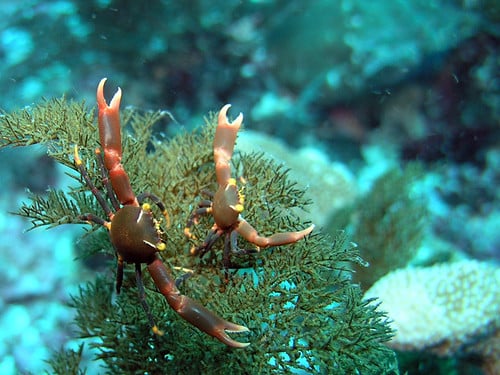

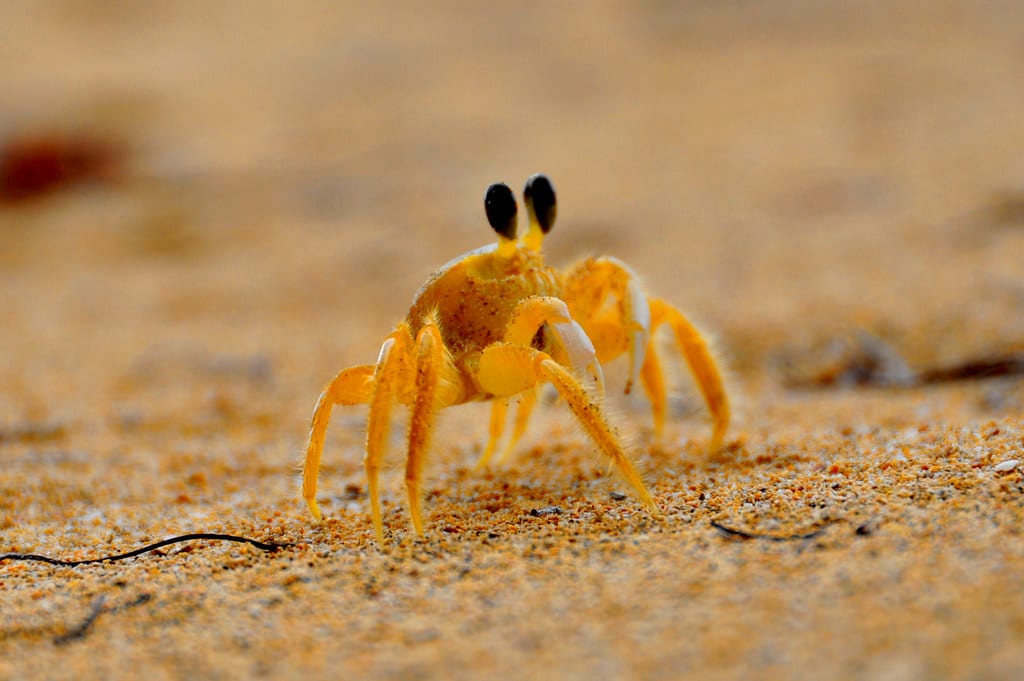
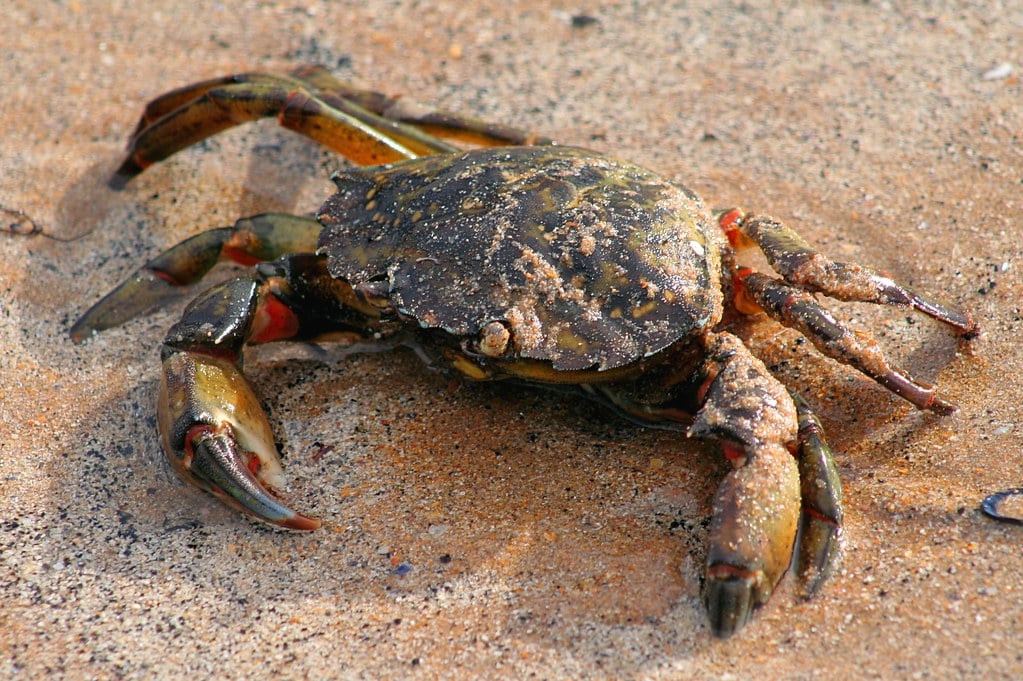
The Basics


explore more
Amphibians
Arachnids
Birds
Cats
Crustaceans
Fish
Fish Pet Guide
Gastropods
Insects
Invertebrates
Mammals
Pet Fish
Pet Rodents
Plants
Reptiles
Roundworms
Sea Slugs
