Successfully copied to clipboard!
Darkling Beetle
Join the tiny heroes thriving in gardens and fields!
Let’s Explore
Overview
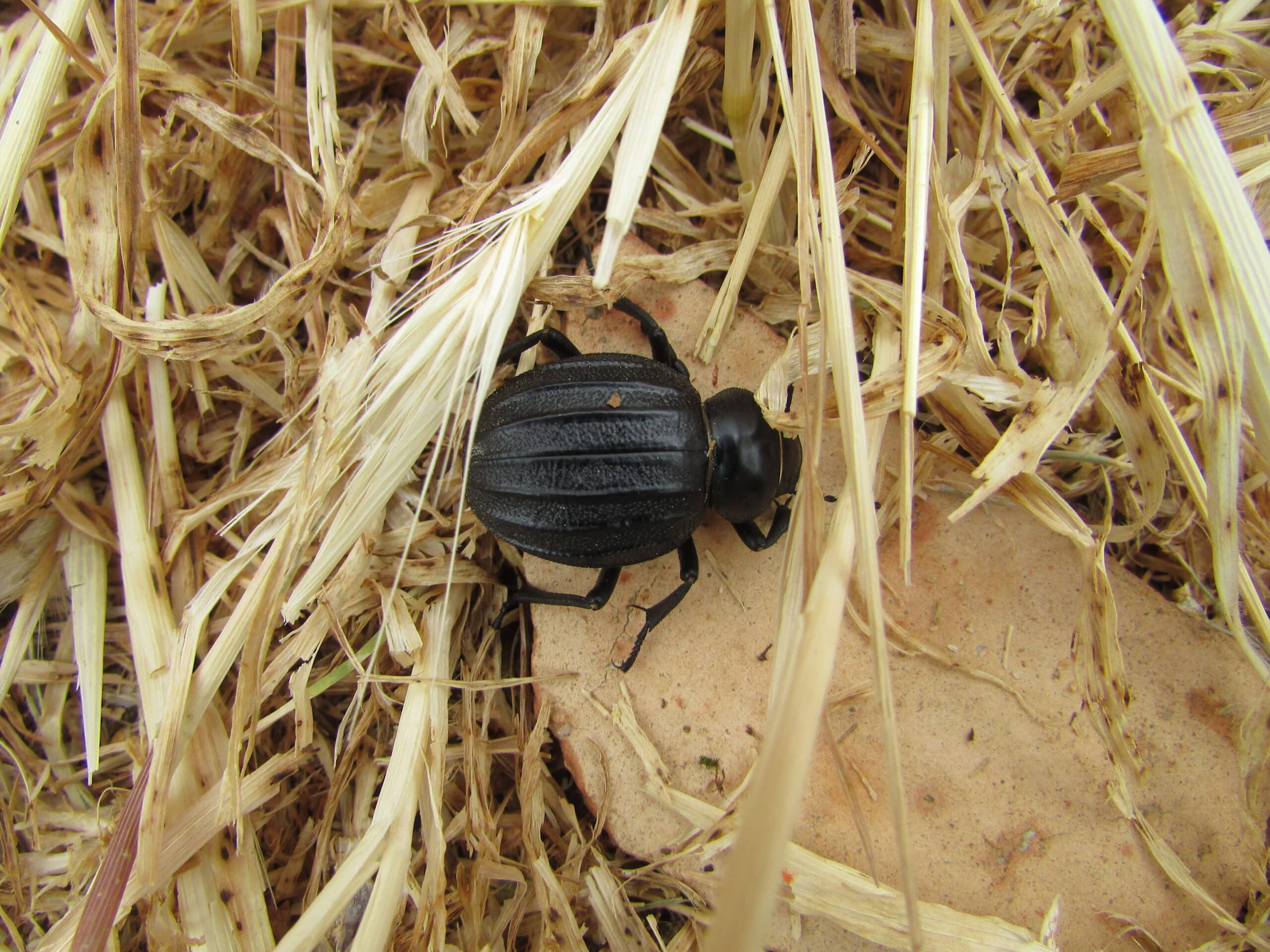
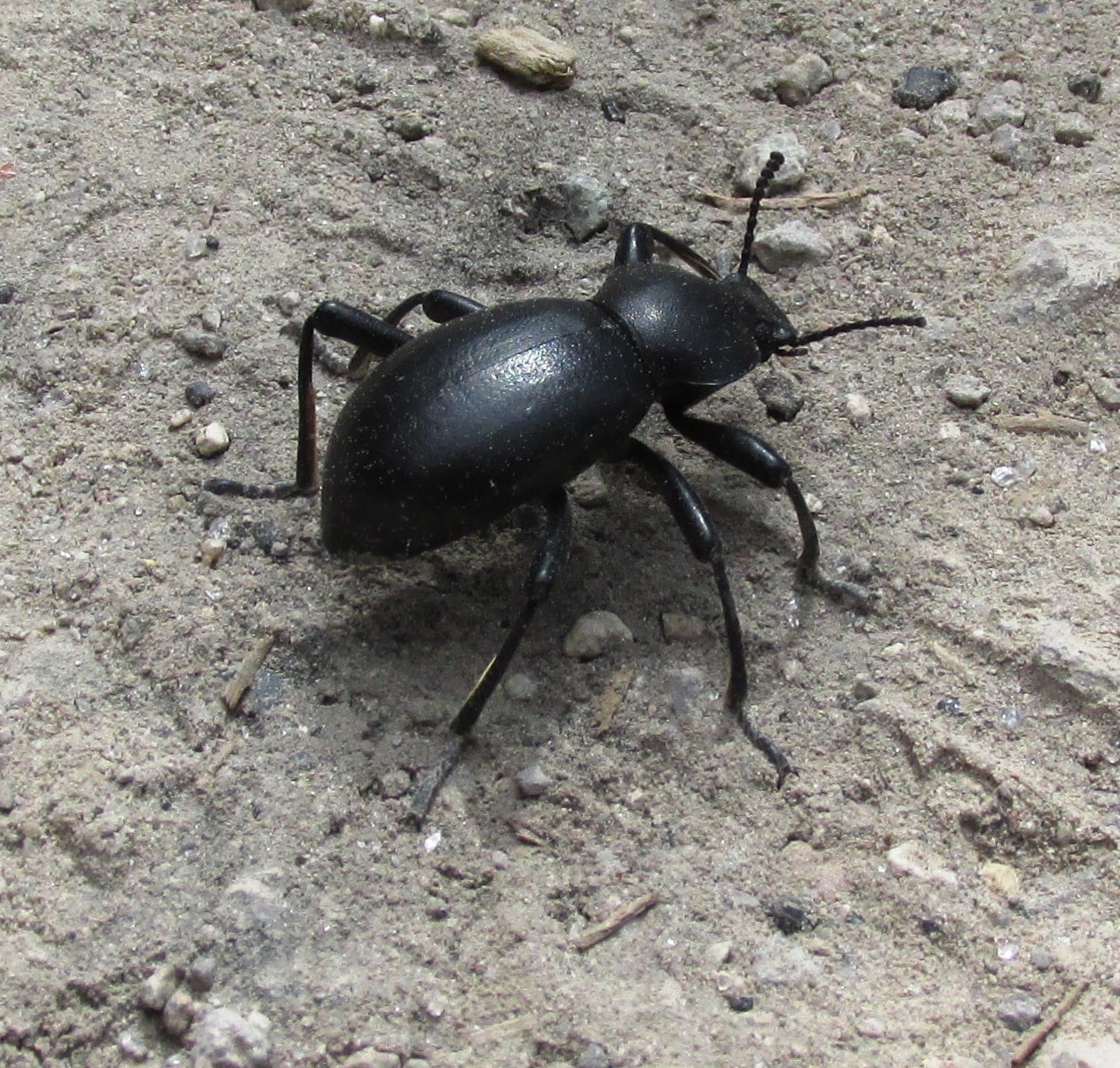
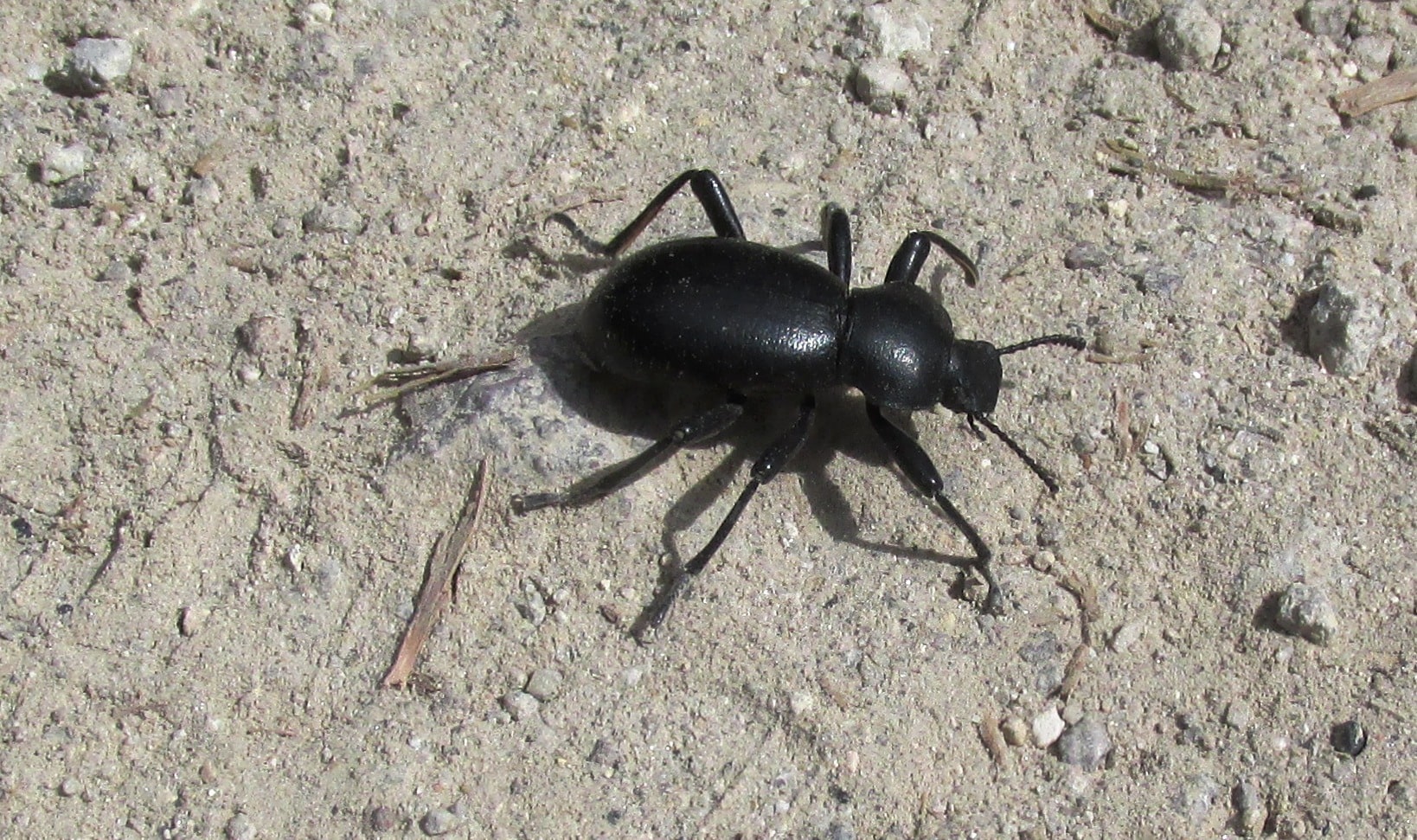
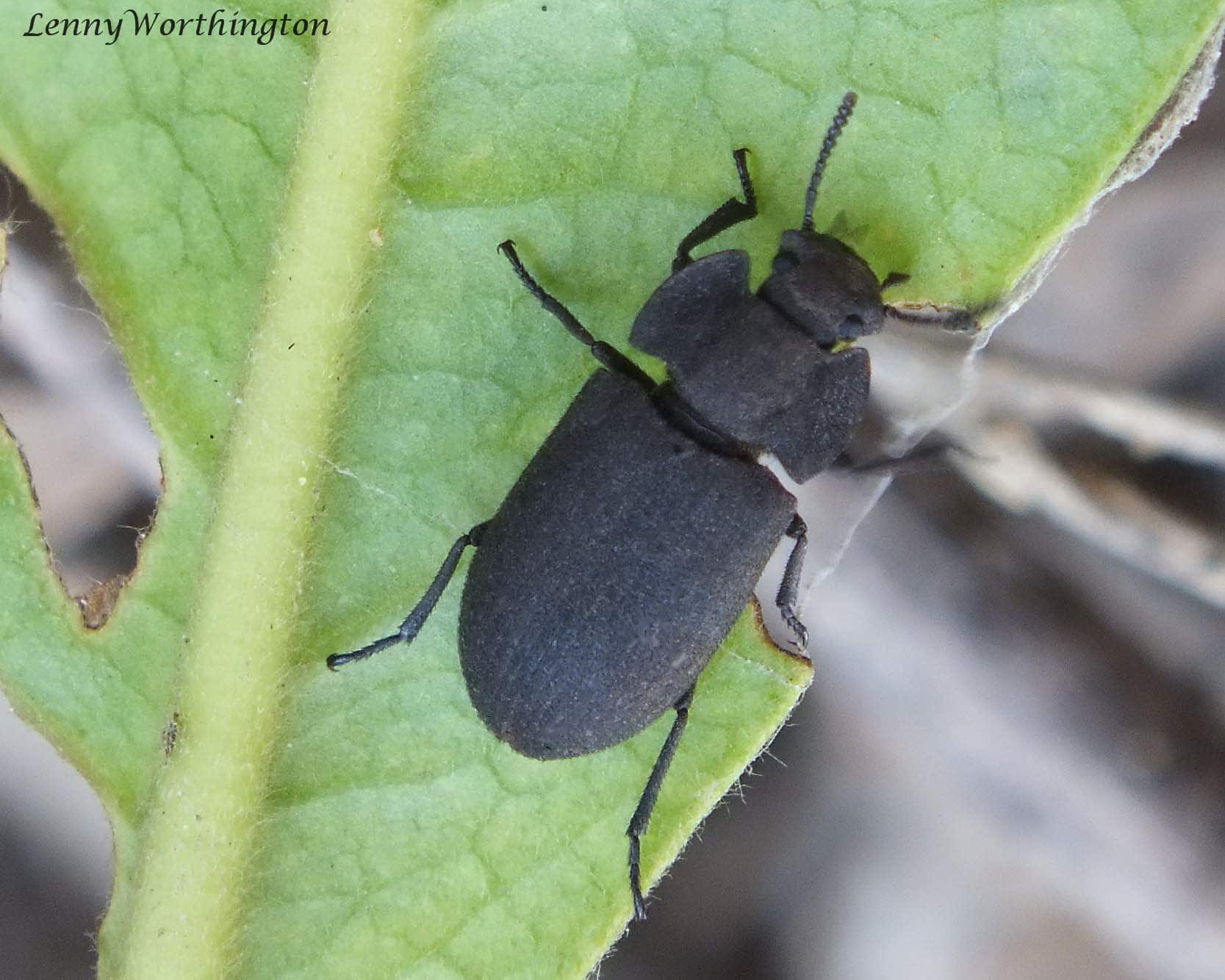
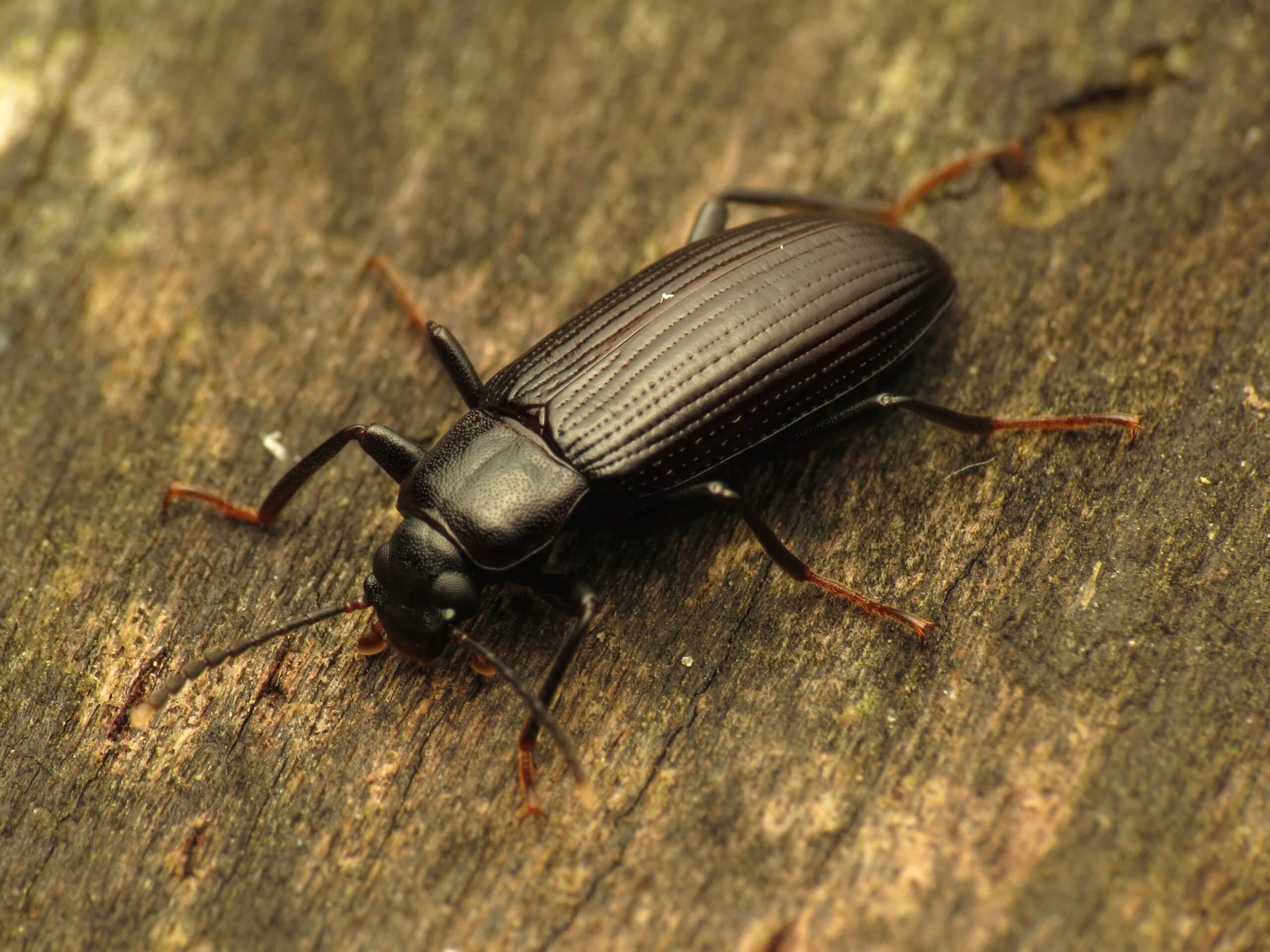
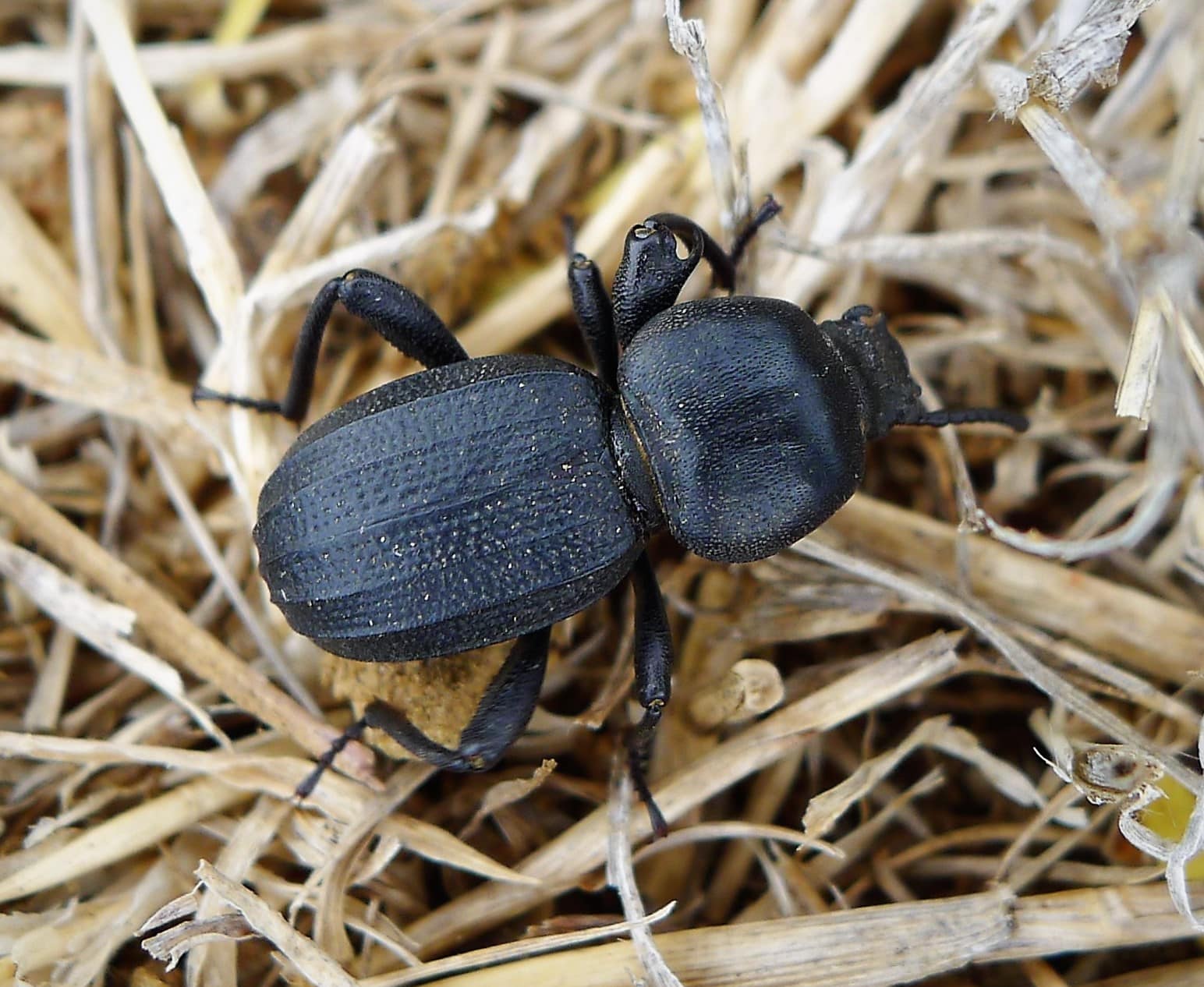
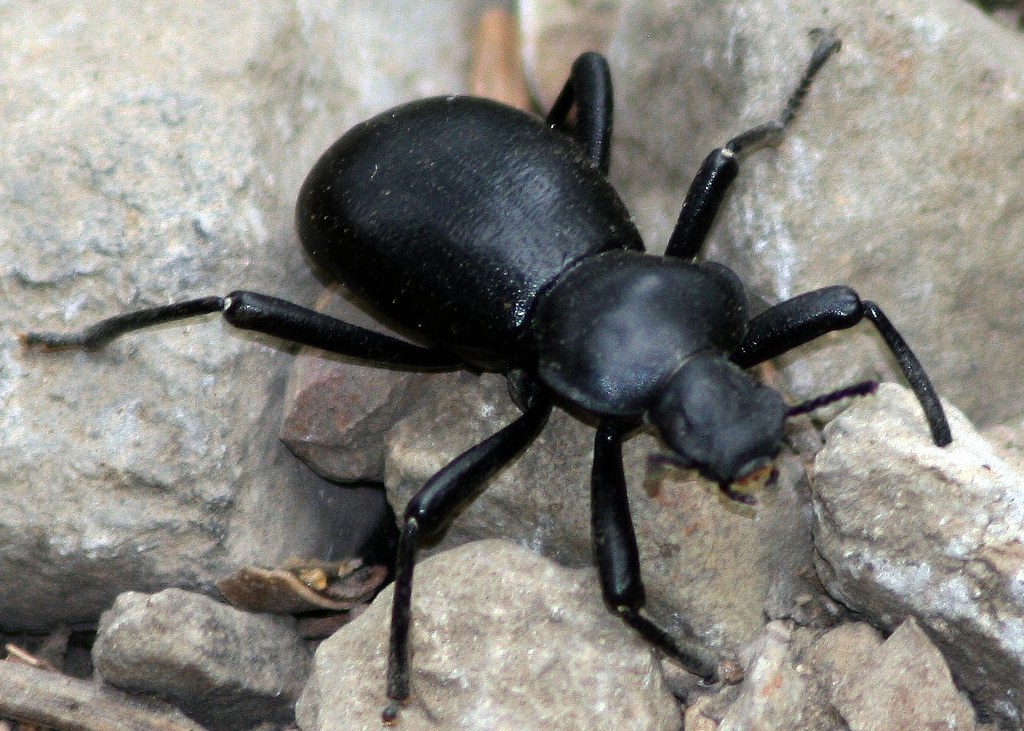
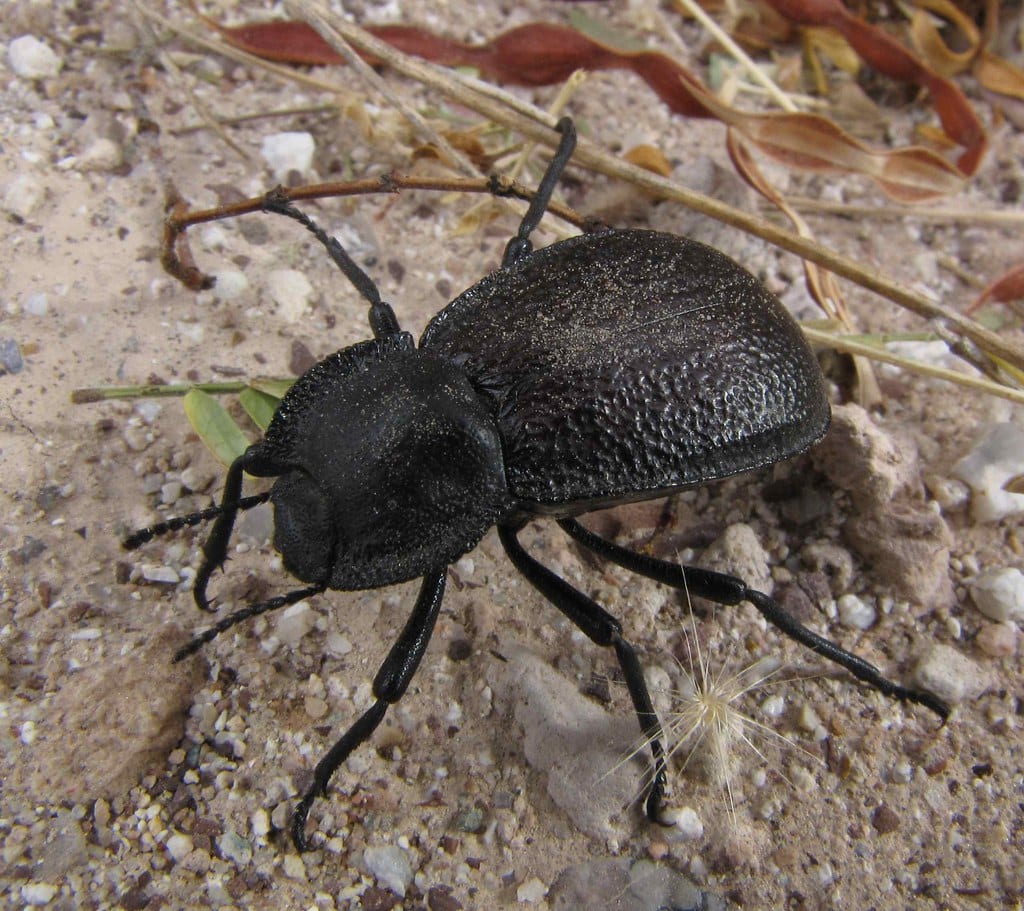
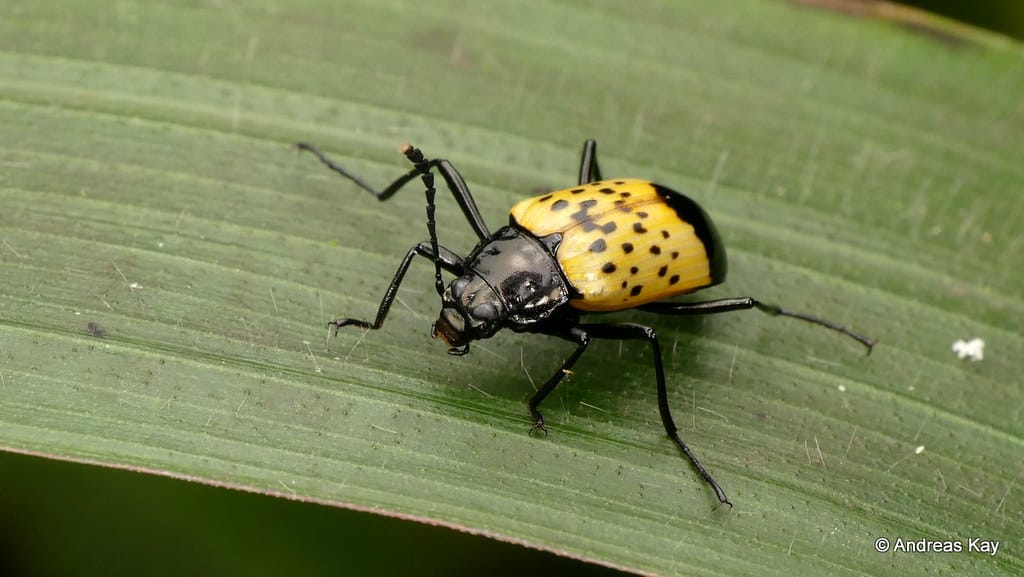
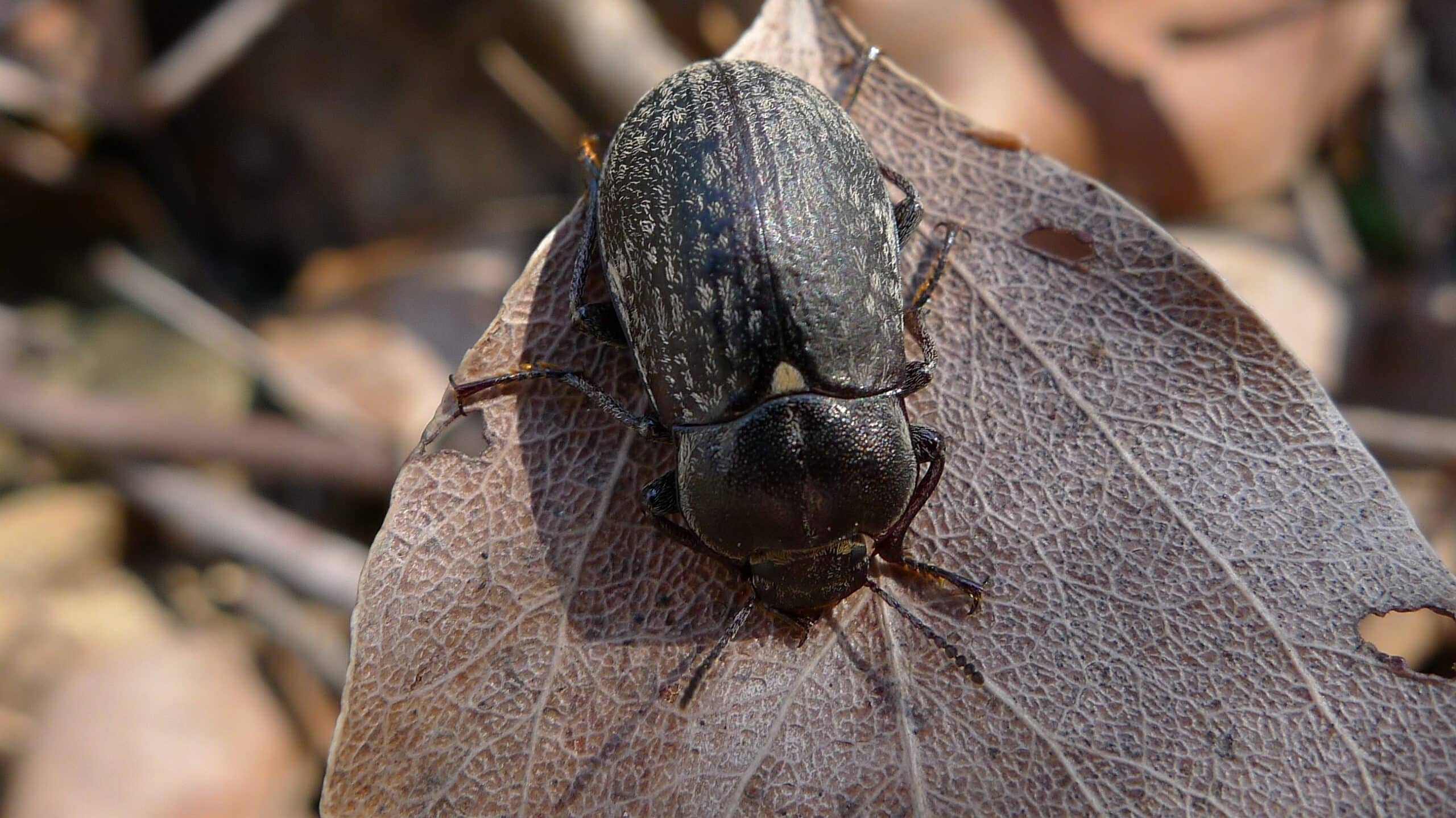
The Darkling Beetle, also known as Tenebrio molitor, is a cool critter that lives in Africa. These fascinating beetles belong to the insect class and can grow to be about 1 to 1.5 inches long, making them a tiny treasure of the insect world!
Darkling Beetles have a party-loving diet. They munch on grains, seeds, and even decaying leaves, turning old stuff into new adventures!
These beetles boast an impressive lifespan of 3 to 12 months, which gives them plenty of time to explore their habitats and enjoy their meals. They might live fast, but they sure know how to make every day count!
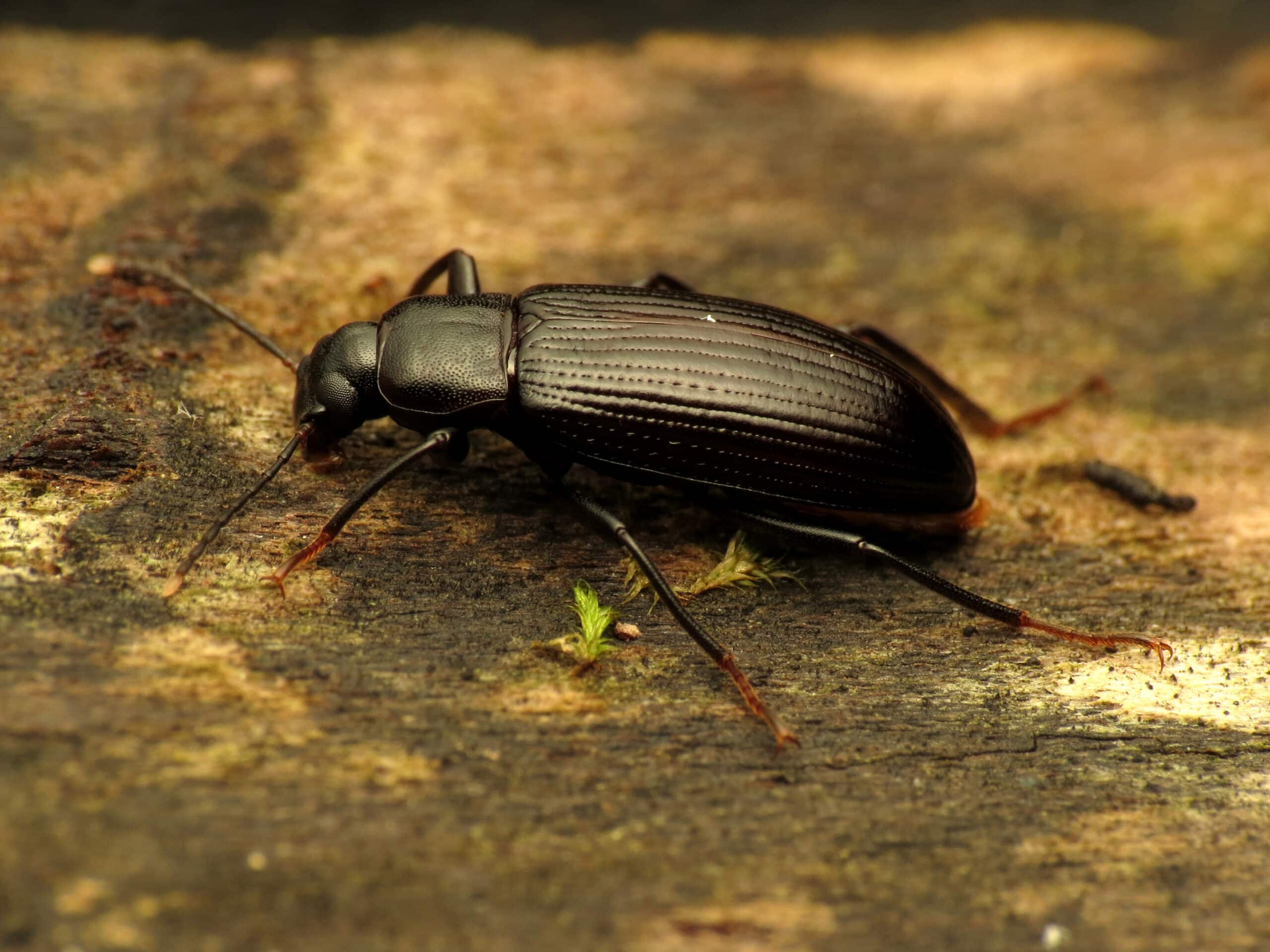
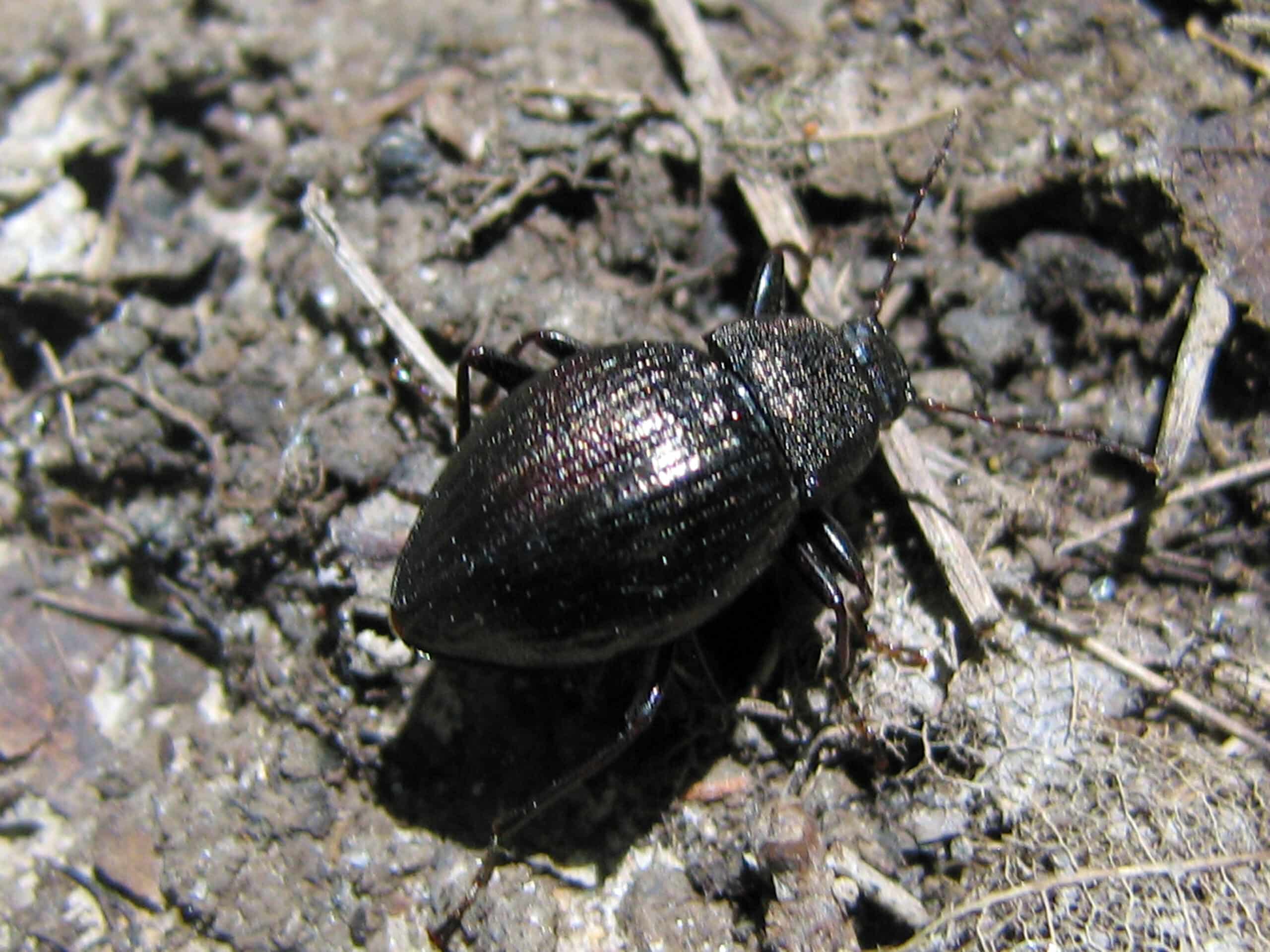
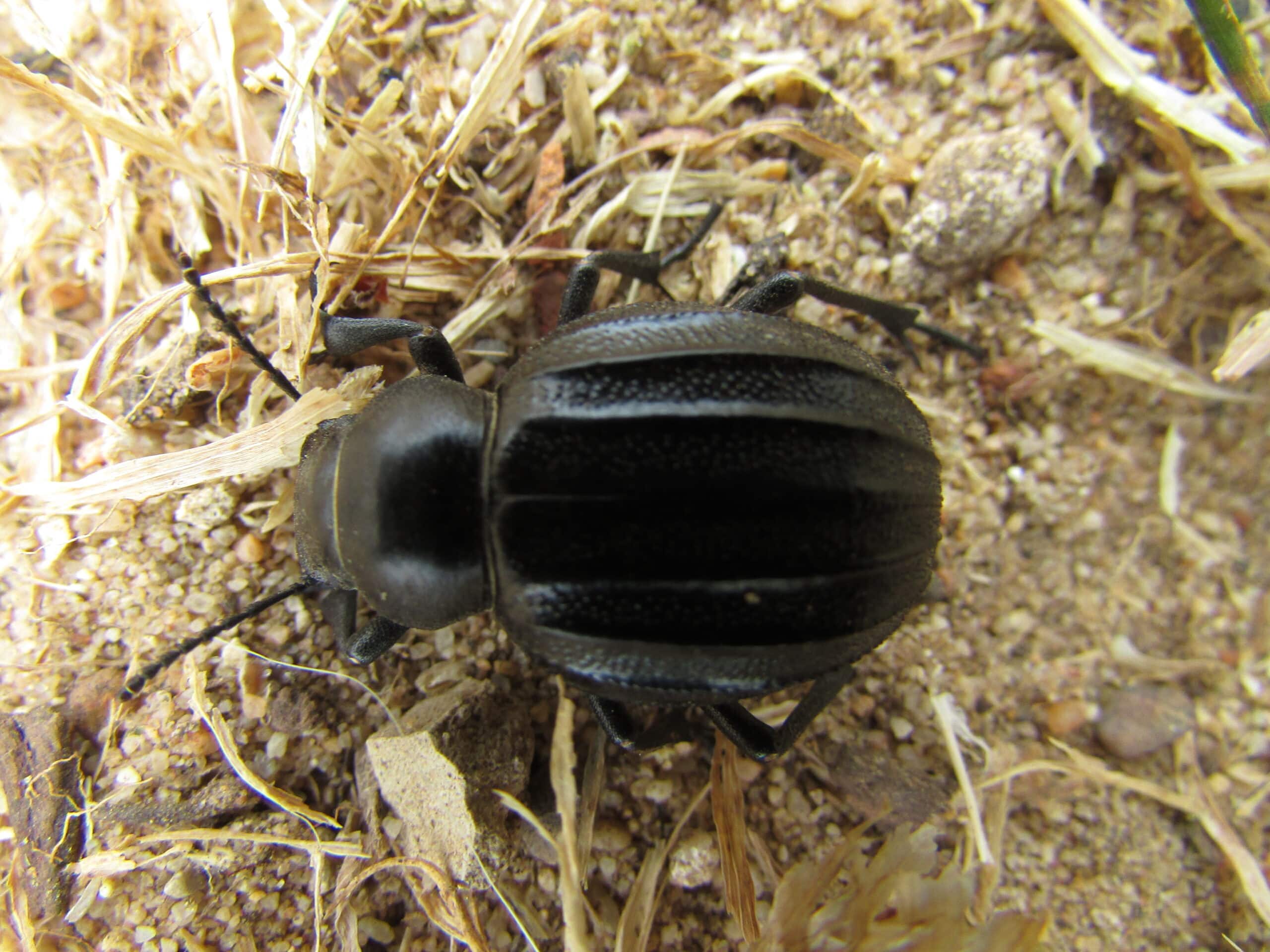
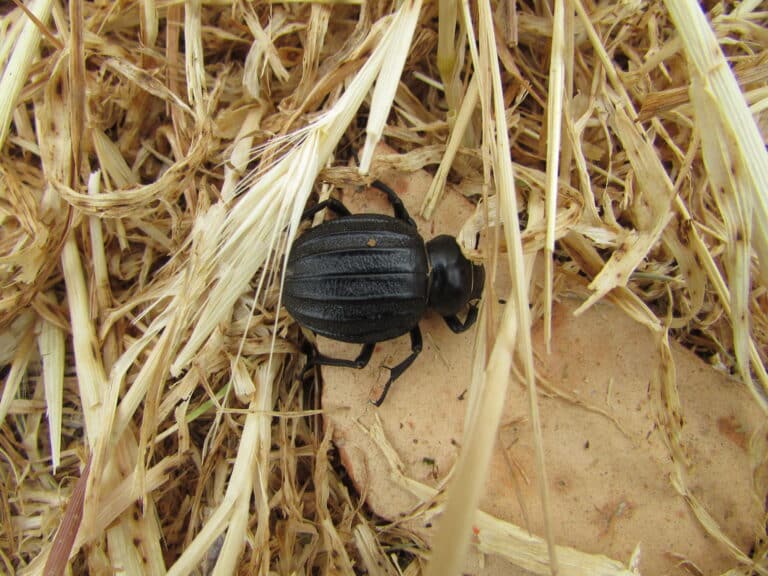
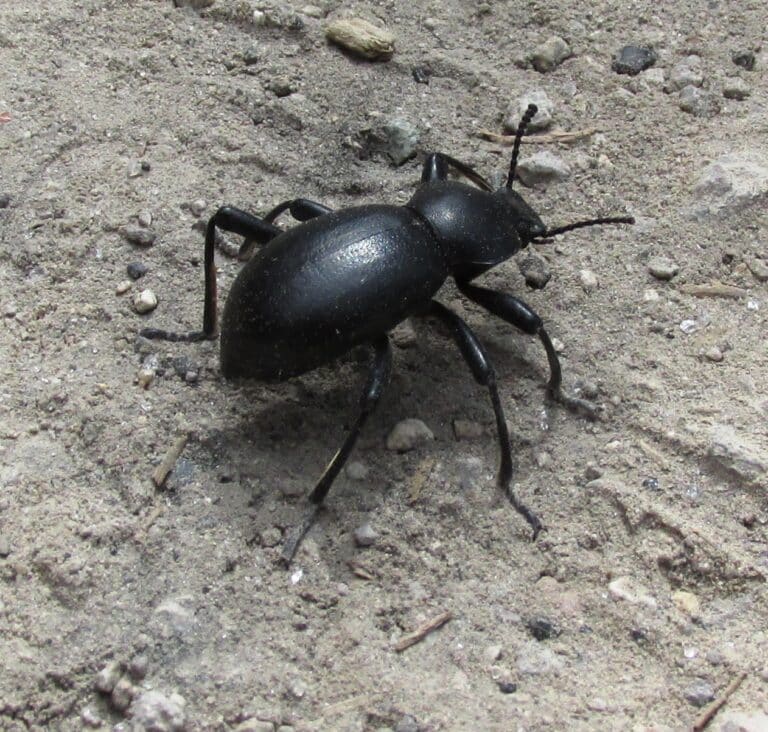
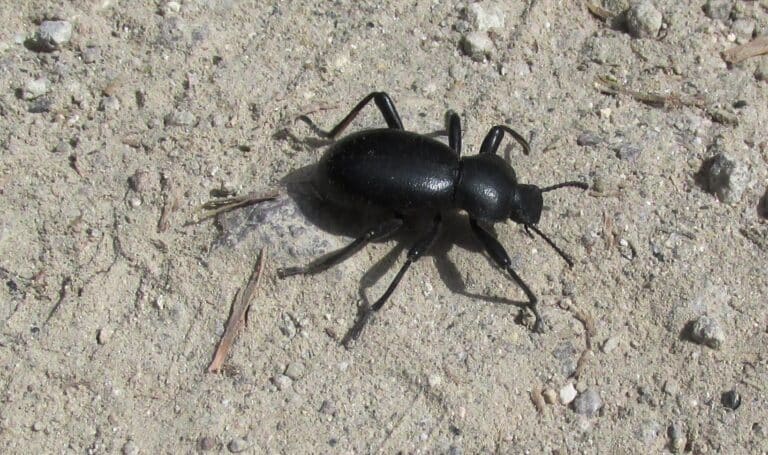
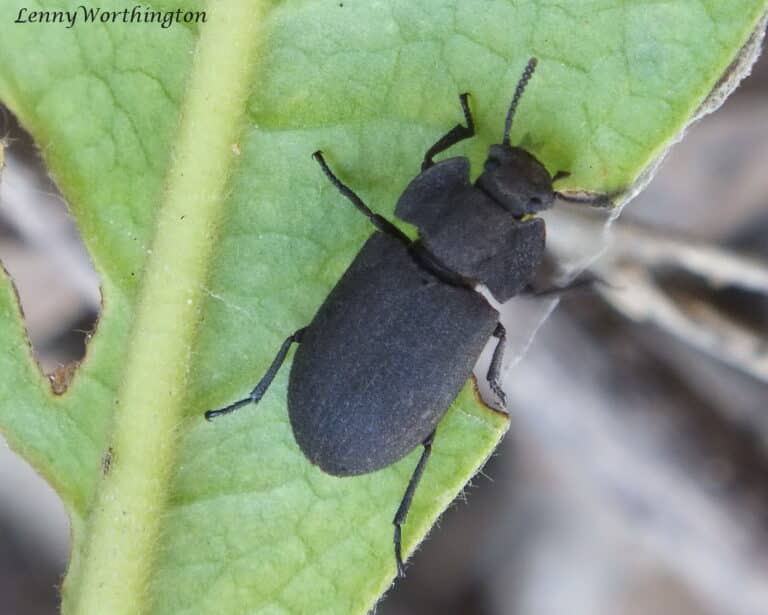
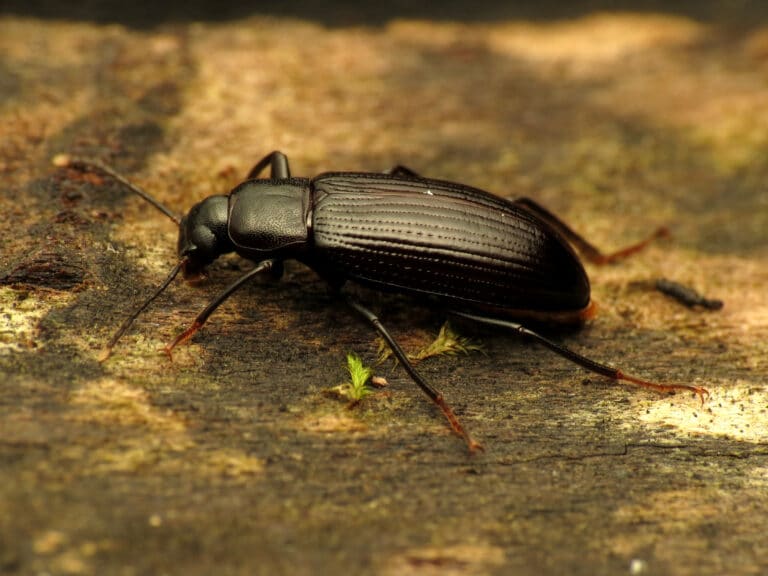
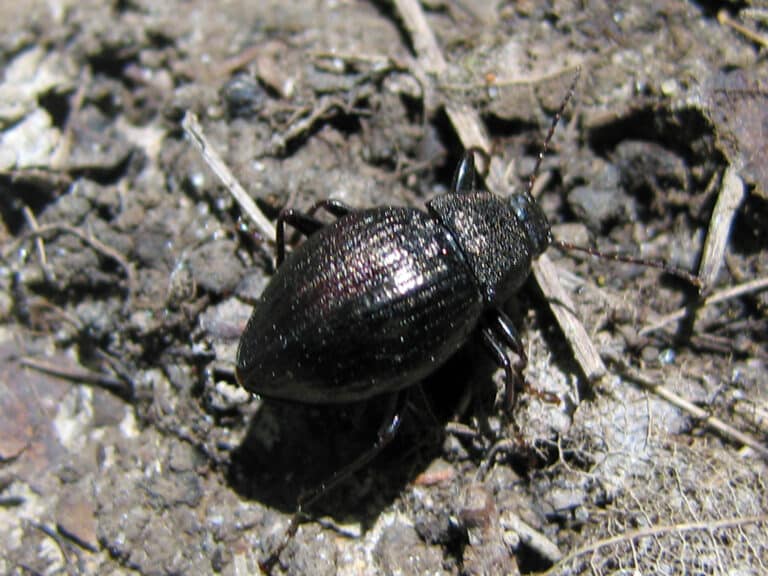
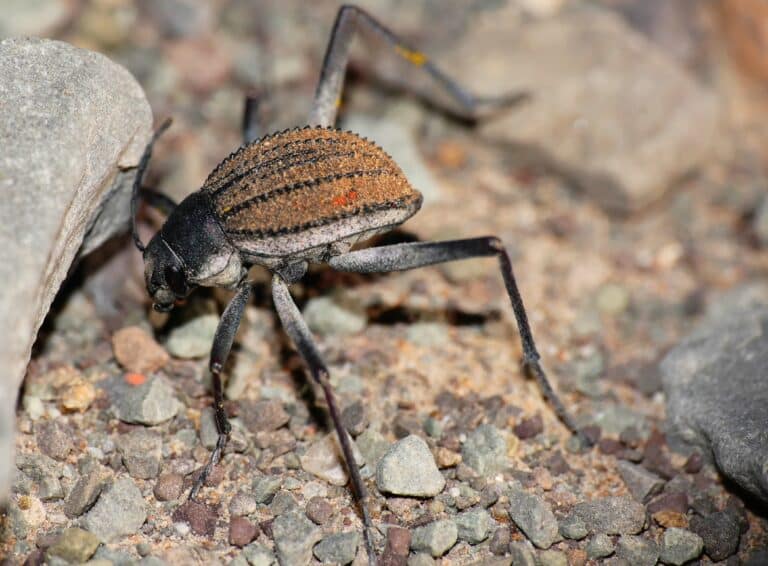
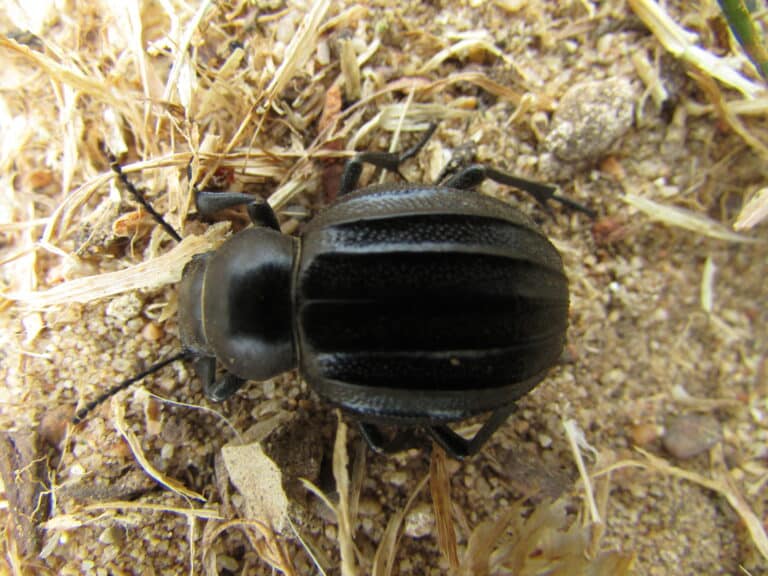
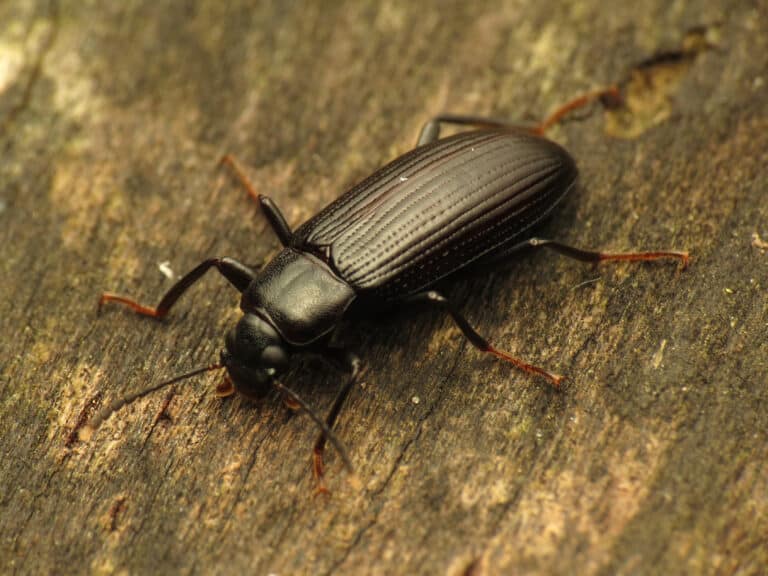
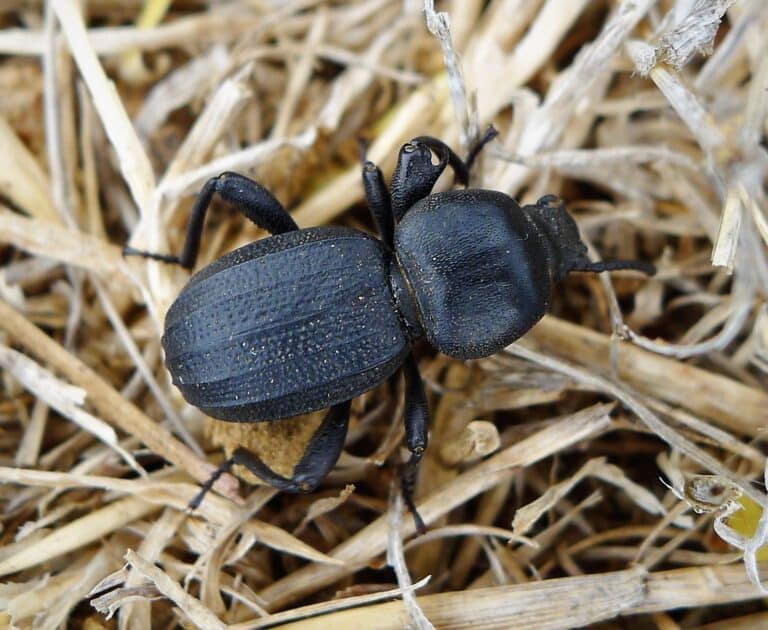
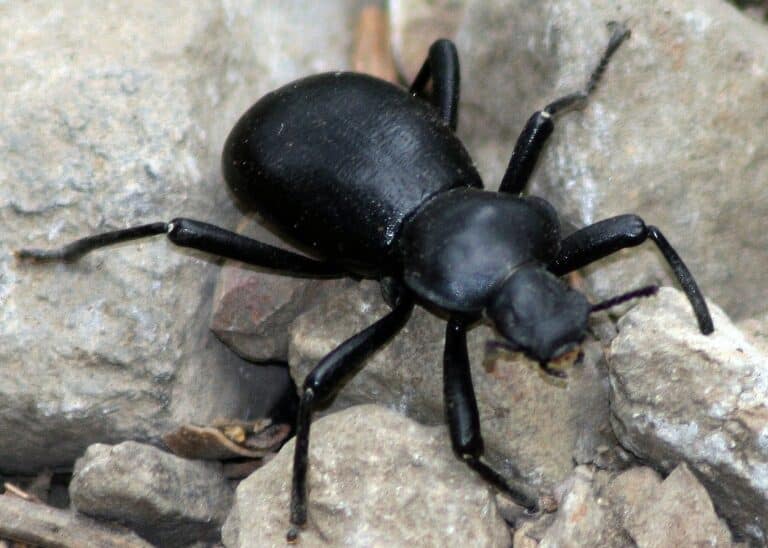
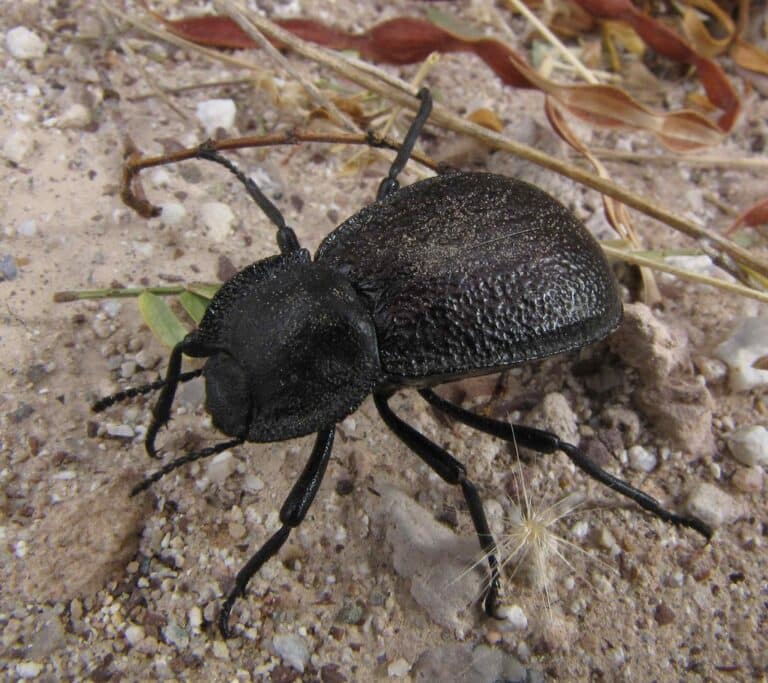
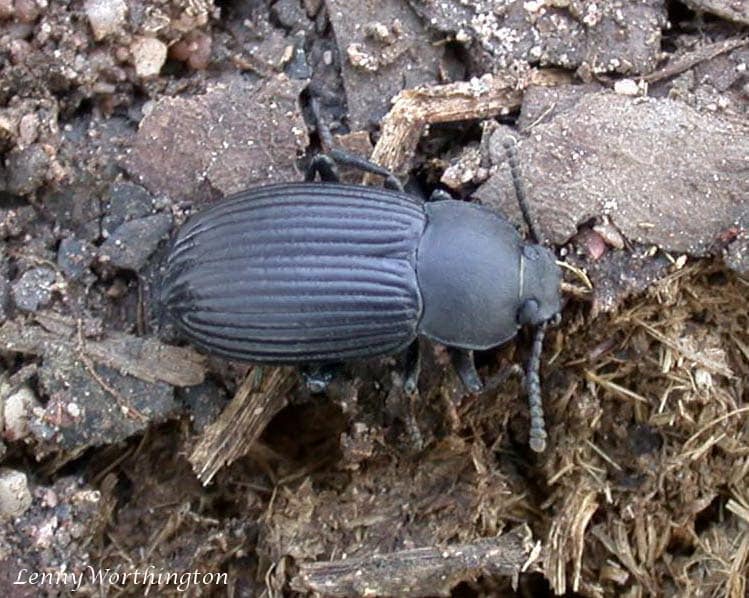
With their shiny black bodies and hard shells, Darkling Beetles are both tough and stylish. They are great at adapting to their environment, and their cleverness helps them thrive in different habitats.
People often keep Darkling Beetles as pets, and they are also popular among those who raise animals for food. These beetles can become part of healthy diets for animals like birds and reptiles—talk about being beetle buddies!
So, next time you think about bugs, give a cheer for the Darkling Beetle! They might be little, but they play a big role in the circle of life.

Where can you find a Darkling Beetle in the wild?
What does a Darkling Beetle eat?
How big can a Darkling Beetle grow?
How long does a Darkling Beetle typically live?
What is the conservation status of the Darkling Beetle?
What are the main threats to the Darkling Beetle?
Fun facts
Darkling Beetles have a fun party trick: they can survive without food for several months! This means they can wait until the snacks, like grains and leaves, come back to their favorite spots.


These beetles can fit right into your palm! When scared, Darkling Beetles might flick their bodies to escape, leaving behind a faint smell to confuse predators. It's like they have their very own smoke bomb!
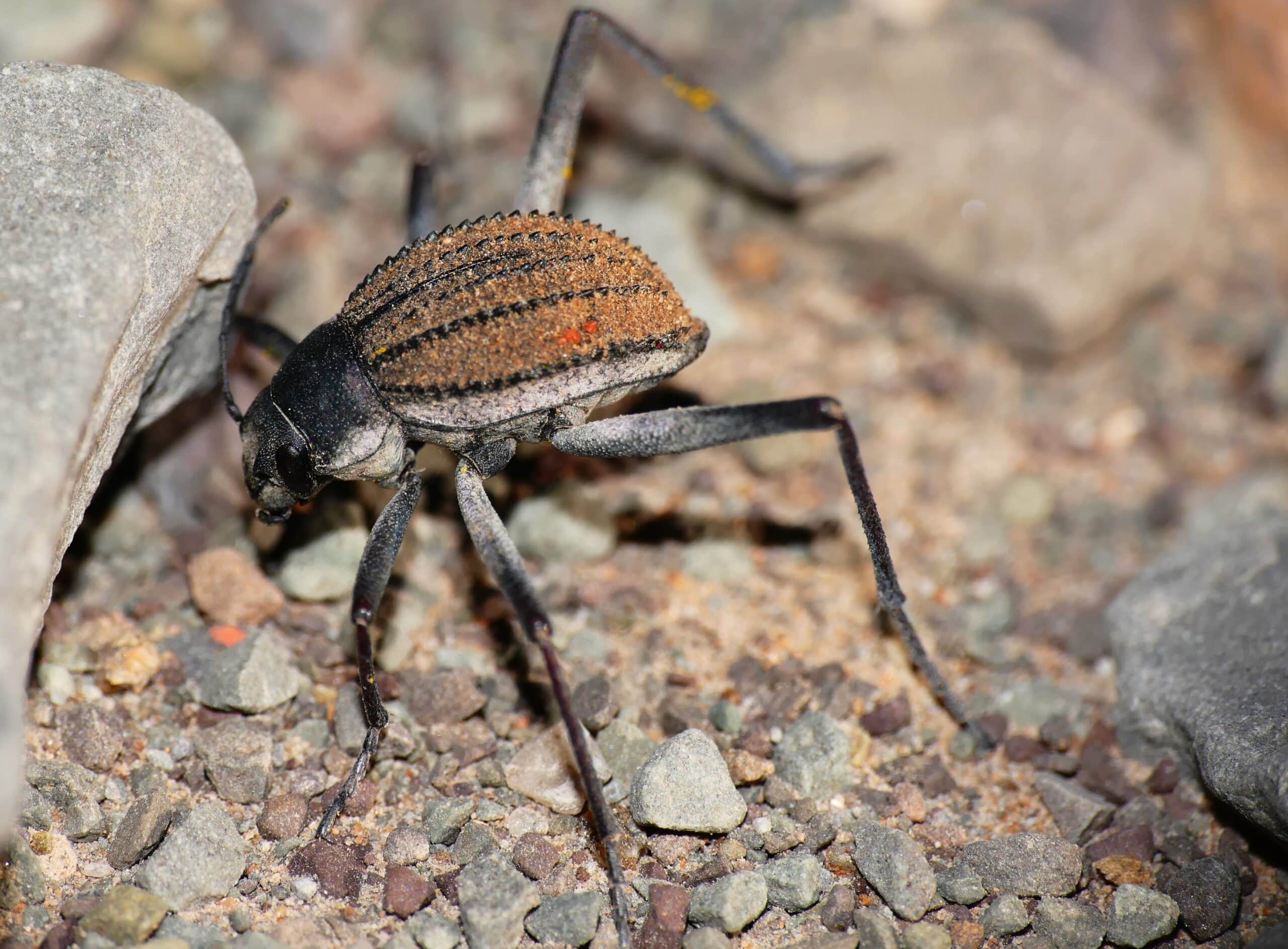
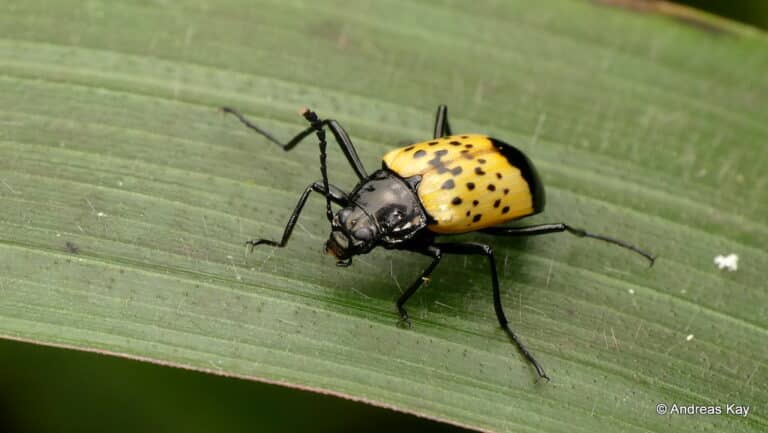
Some Darkling Beetles can change color slightly depending on their surroundings. This ability helps them blend with their environment, making it harder for hungry birds and reptiles to spot them!
Darkling Beetles can walk on walls and even upside down! Their strong legs help them cling to surfaces, making them super acrobatic little athletes.
Darkling Beetles communicate with each other using vibrations. When they drum on surfaces with their bodies, they send messages to their friends—it's like their version of texting!
These beetles are not just cool critters; they are also helpful recyclers! By munching on decaying leaves, they clear away old plant matter and help keep the environment tidy.
The larvae of Darkling Beetles are known as mealworms. People often use them as a nutritious snack for pets or even as bait for fishing—talk about a versatile beetle!
In some cultures, Darkling Beetles are raised for food! They are a healthy source of protein and can be added to various dishes, showcasing how they can be both pets and snacks!
Darkling Beetles have a tough exoskeleton, which protects them from many dangers. This hard outer shell allows them to roll up like a little armored ball when threatened.
In the beetle world, Darkling Beetles are like the superheroes of decomposition. They help break down old plants, recycling nutrients back into the soil to support new growth!
Photos





The Basics


explore more
Amphibians
Arachnids
Birds
Cats
Crustaceans
Fish
Fish Pet Guide
Gastropods
Insects
Invertebrates
Mammals
Pet Fish
Pet Rodents
Plants
Reptiles
Roundworms
Sea Slugs