Successfully copied to clipboard!
Deathwatch Beetle
Meet the tiny wood munchers who help our forests thrive!
Let’s Explore
Overview
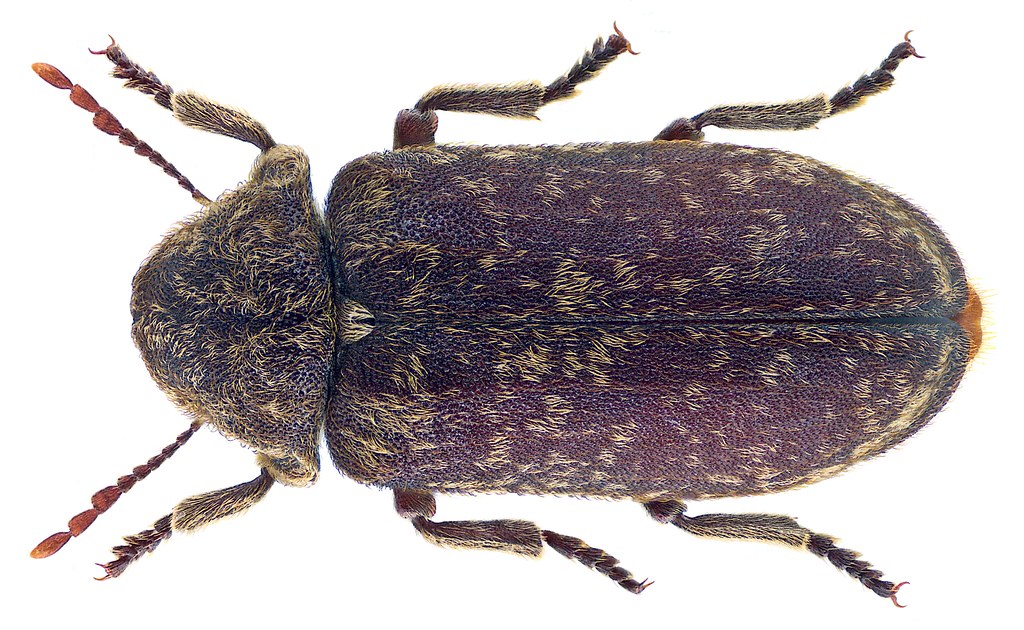
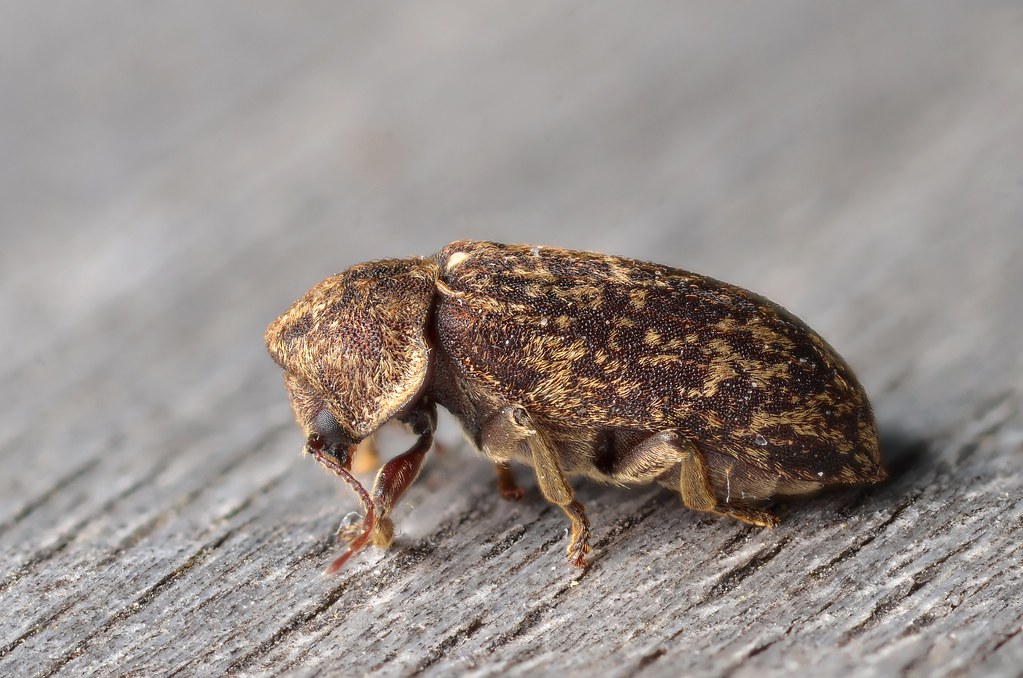
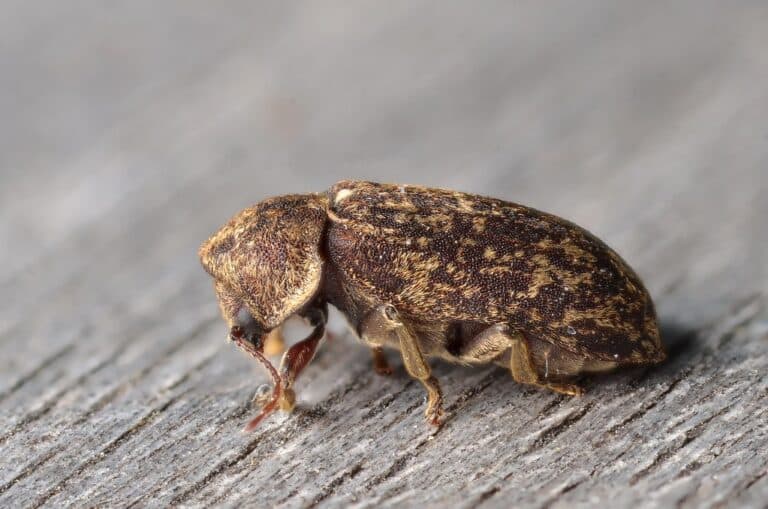
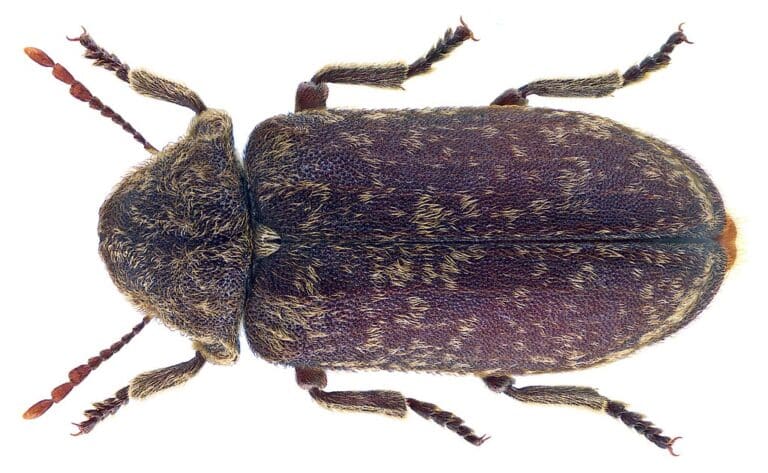
The Deathwatch Beetle is a small but mighty insect that belongs to the diverse family of wood-boring beetles. With an average size of about 7 millimeters long, this little creature packs a punch in the world of wood!
These beetles love to gnaw on wood, especially oak. They spend their time munching away at trees and wooden structures, making them a key part of the ecosystem, even if they sometimes prefer to hide in the shadows.
Deathwatch Beetles have a lifespan ranging from 1 to 4 years. During this time, they transform from larvae into adults, demonstrating that good things come in small, woody packages!
These beetles get their nickname from the tapping sounds they make while they’re busy munching. The sounds can echo through the wood, leading people to believe it signals impending doom for the tree. Spoiler alert: It’s actually just their way of communicating!
Found mainly in Africa, these little critters showcase the fascinating world of invertebrates. So next time you hear a mysterious tap, you might just have a Deathwatch Beetle nearby, having a wood-tastic time!
Overall, the Deathwatch Beetle reminds us that even the smallest creatures play essential roles in nature. They may munch on wood, but they also help break it down and make room for new life!

Where can you find a Deathwatch Beetle in the wild?
What does a Deathwatch Beetle eat?
How big can a Deathwatch Beetle grow?
How long does a Deathwatch Beetle typically live?
What is the conservation status of the Deathwatch Beetle?
What are the main threats to the Deathwatch Beetle?
Fun facts
The tapping sounds you hear from a Deathwatch Beetle are actually a way they communicate with each other, like tiny wood-boring drum players showing off their rhythm!


These little beetles can live for up to 4 years, meaning they have plenty of time to enjoy their delicious wood buffet and make new friends!
Deathwatch Beetles know how to pick their favorite foods. They prefer decayed oak wood, which they munch on slowly, like a gourmet meal fit for a bug chef!
When these beetles chew on wood, they create tunnels that help air and nutrients reach the trees, acting like mini gardeners for the forest!
Deathwatch Beetles often hide in old buildings, making them unexpected guests during renovations. They may be tiny, but they might bring a little history with them!
These beetles have a unique ability to detect changes in temperature and humidity, helping them find the best wood for munching!
Deathwatch Beetles might be small, but their population makes a big difference in the forest ecosystem by helping recycle dead wood and returning nutrients to the soil.
Some cultures believed that hearing the tapping of a Deathwatch Beetle meant someone was about to die, but now we know it just means they are having a tasty snack!
These beetles play a crucial role in breaking down dead trees, turning them into homes for new plants and insects, showing us that even the dead can be full of life!
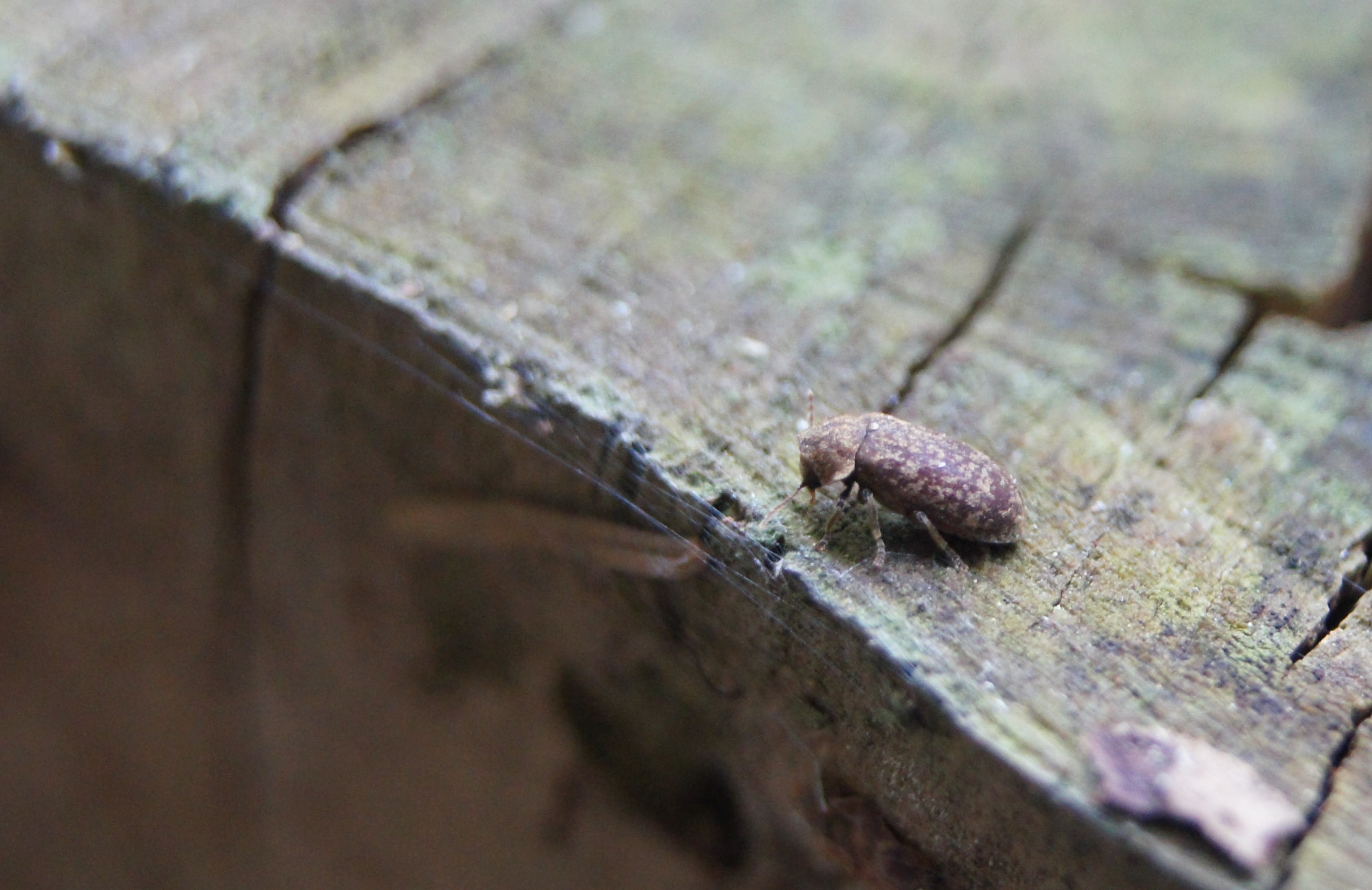
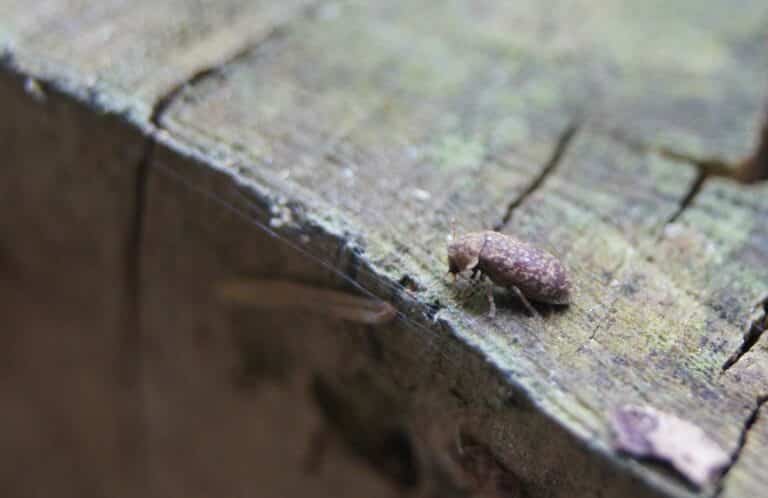
You can often spot Deathwatch Beetles in wooded forests, but don't be surprised if they are busy working away and don't want to be seen!
Photos





The Basics


explore more
Amphibians
Arachnids
Birds
Cats
Crustaceans
Fish
Fish Pet Guide
Gastropods
Insects
Invertebrates
Mammals
Pet Fish
Pet Rodents
Plants
Reptiles
Roundworms
Sea Slugs