Successfully copied to clipboard!
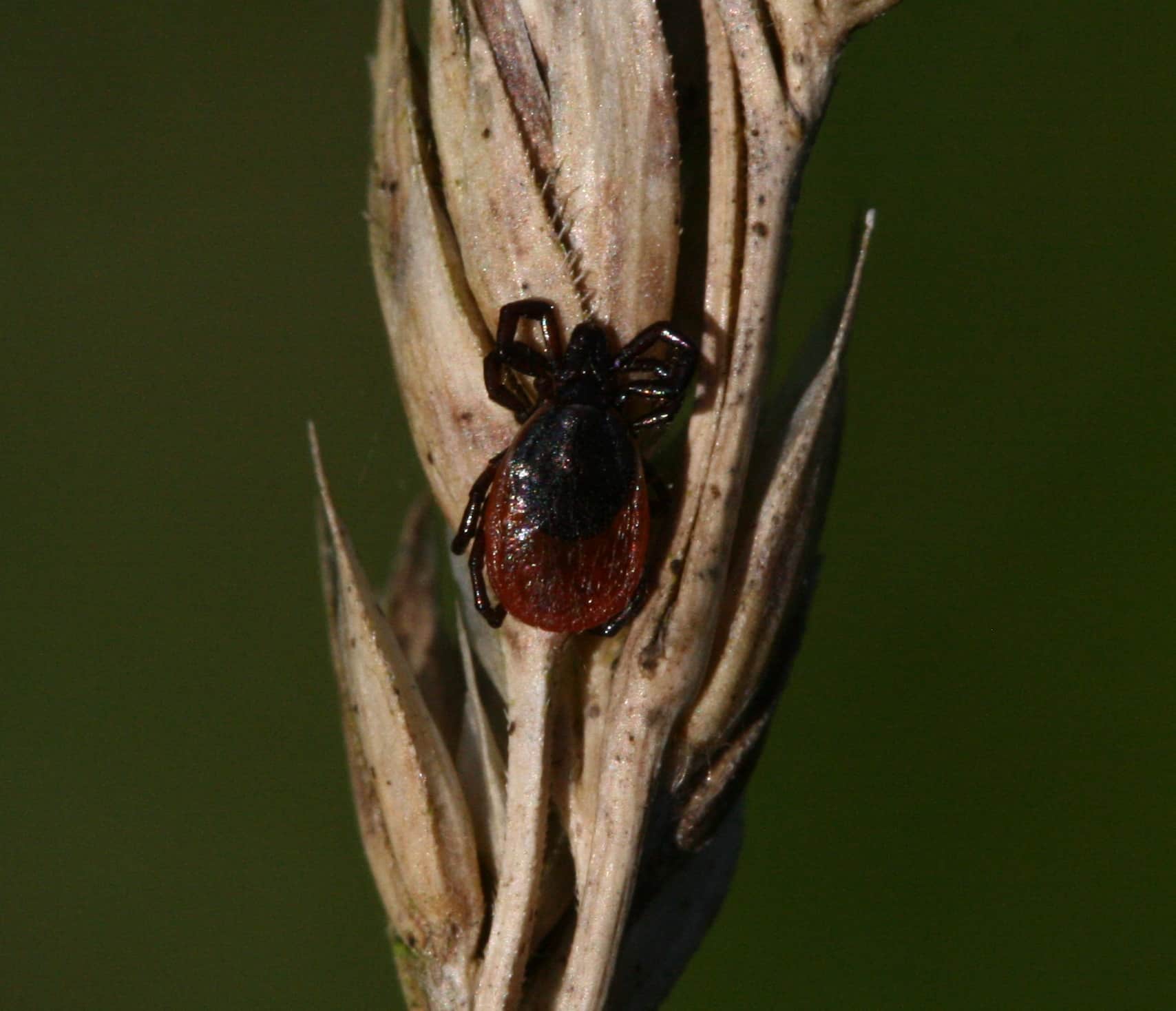
Deer Tick
Meet the tiny hunters of the grassy fields!
Let’s Explore
Overview
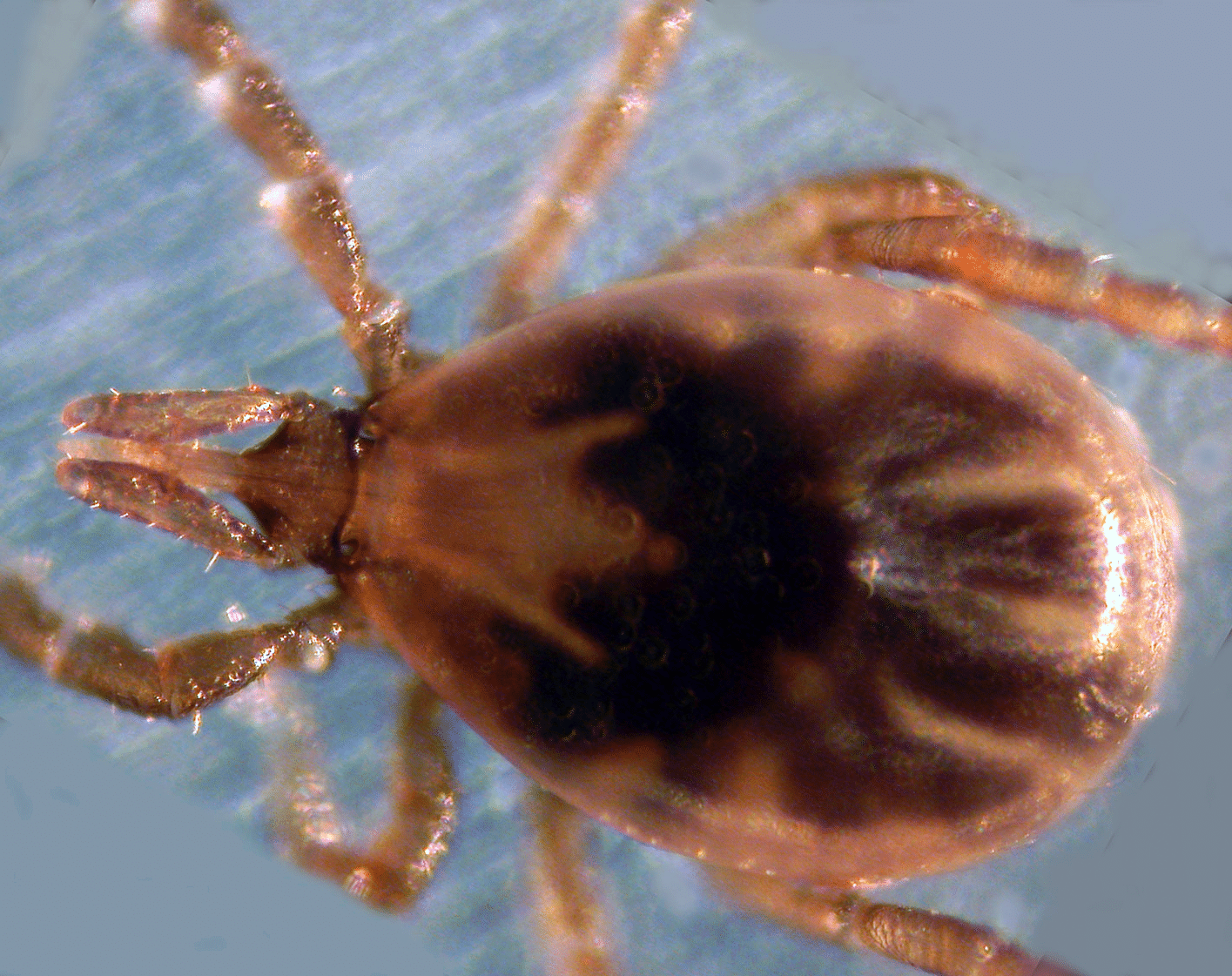
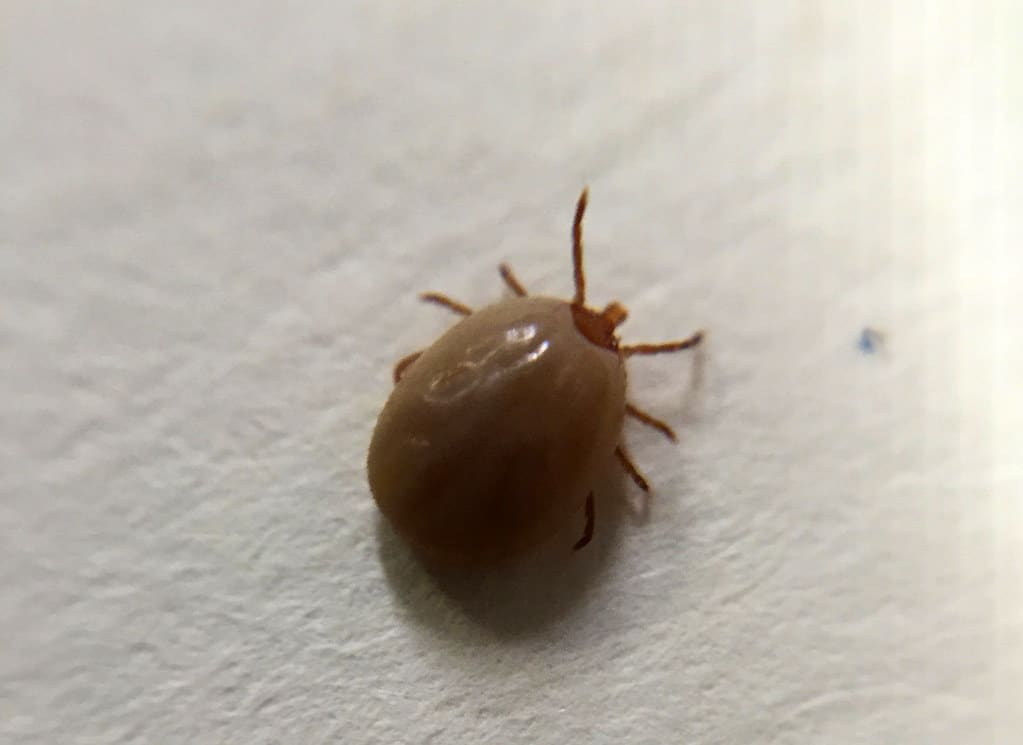
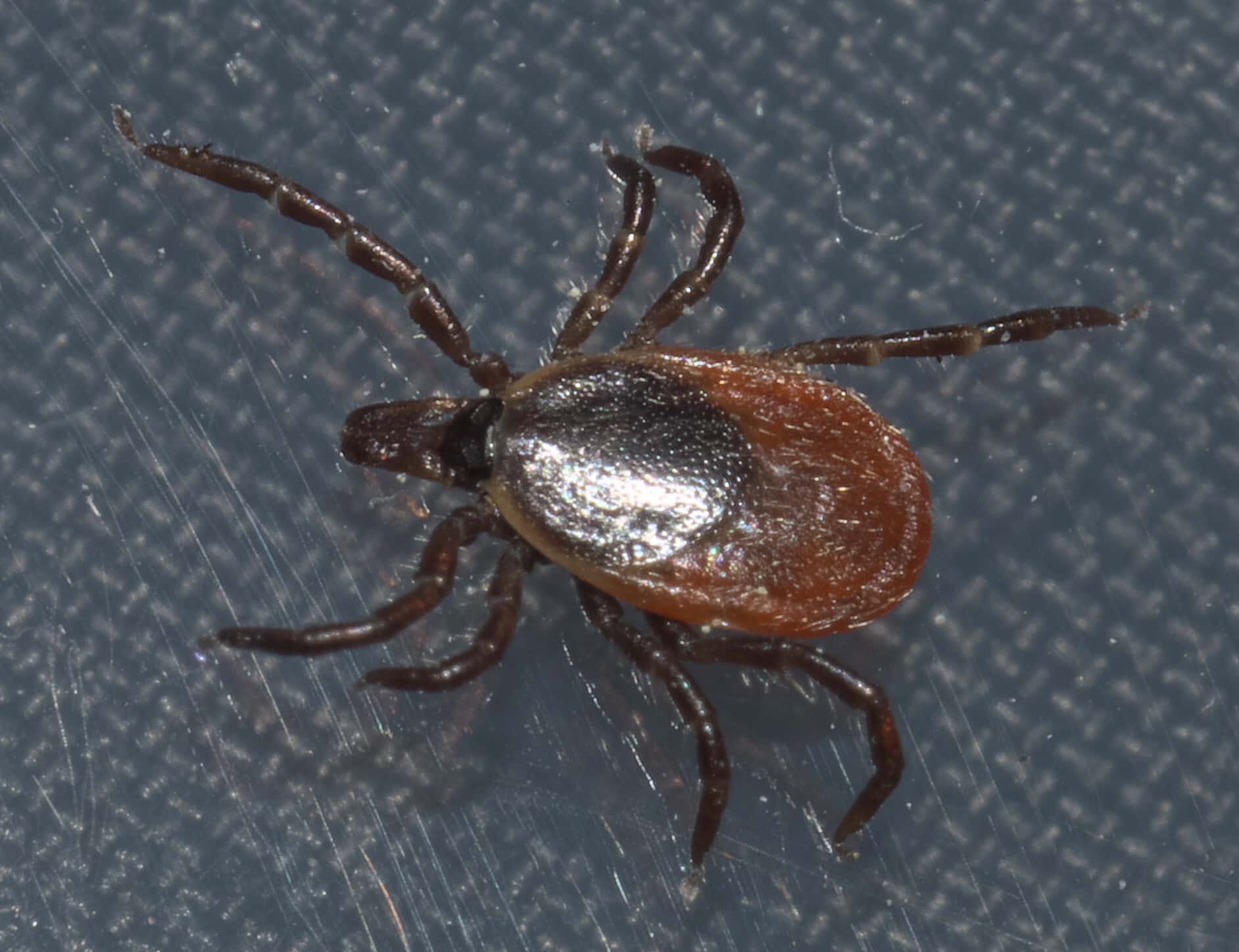
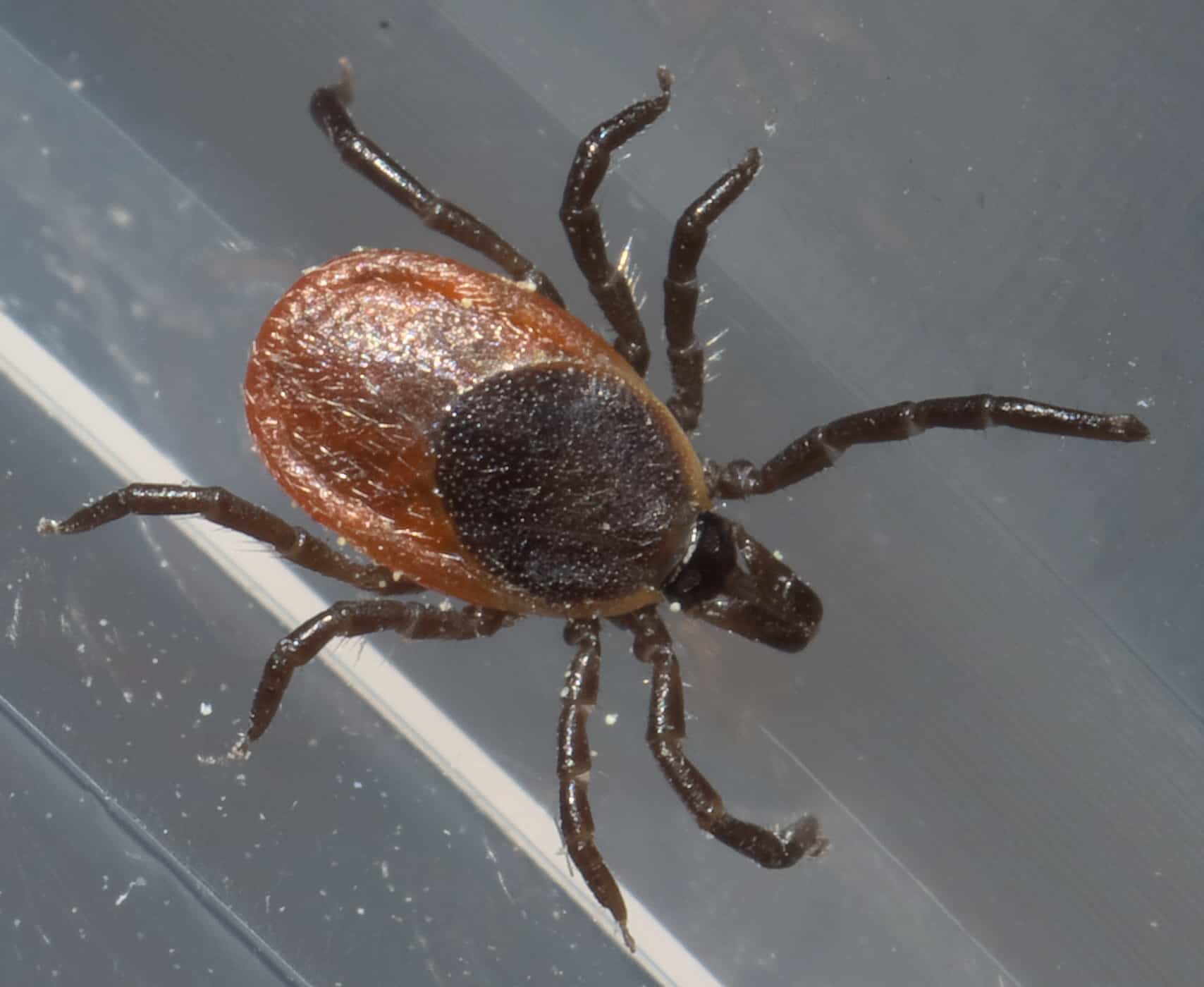
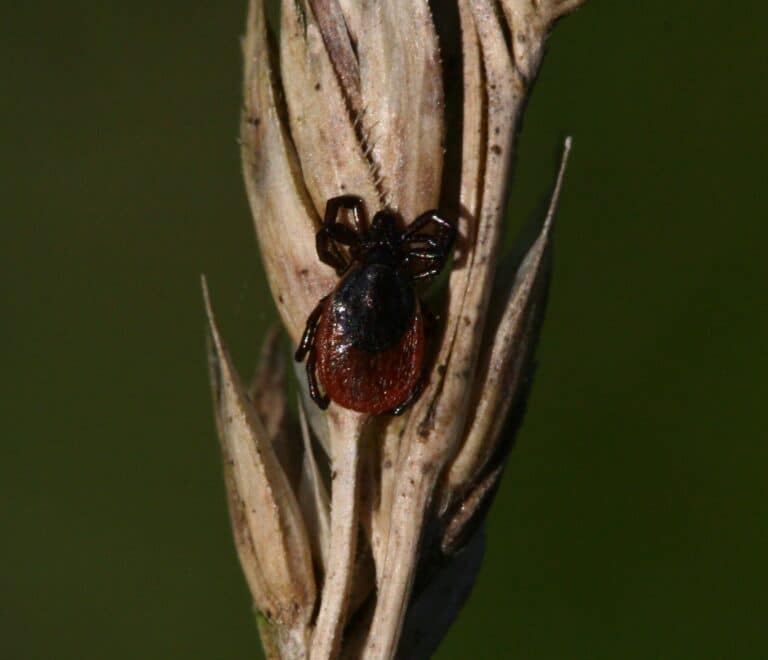
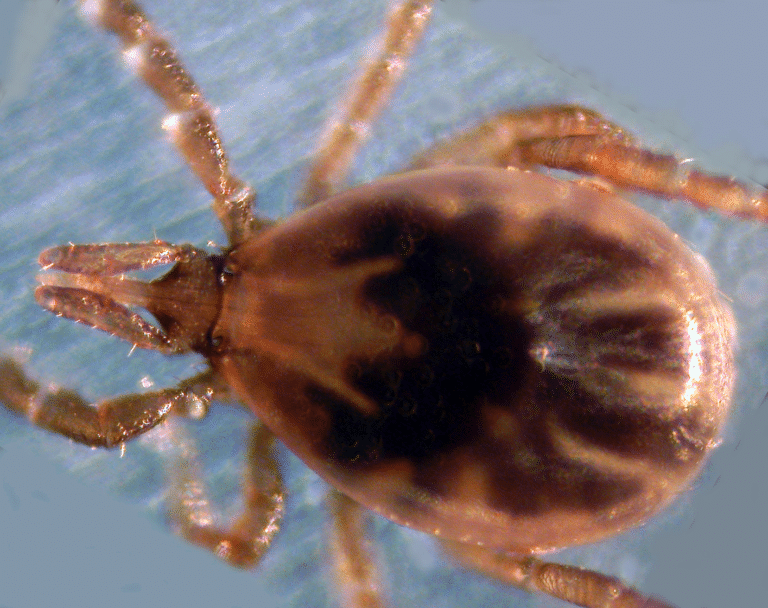
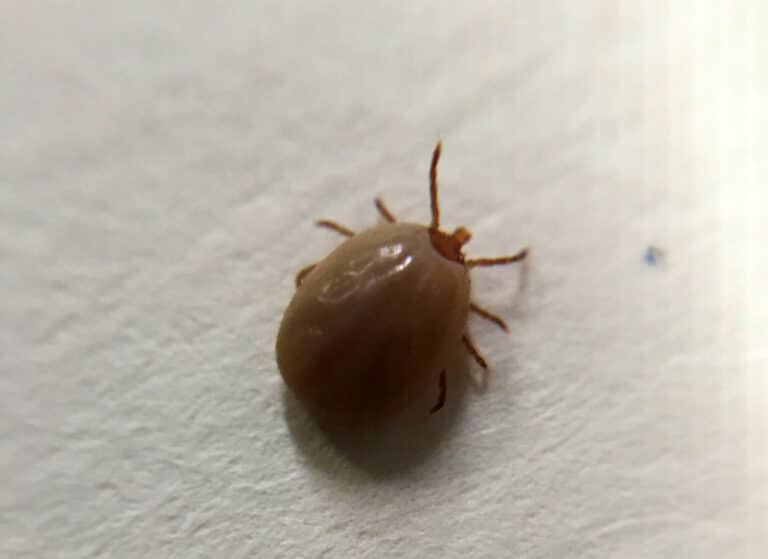
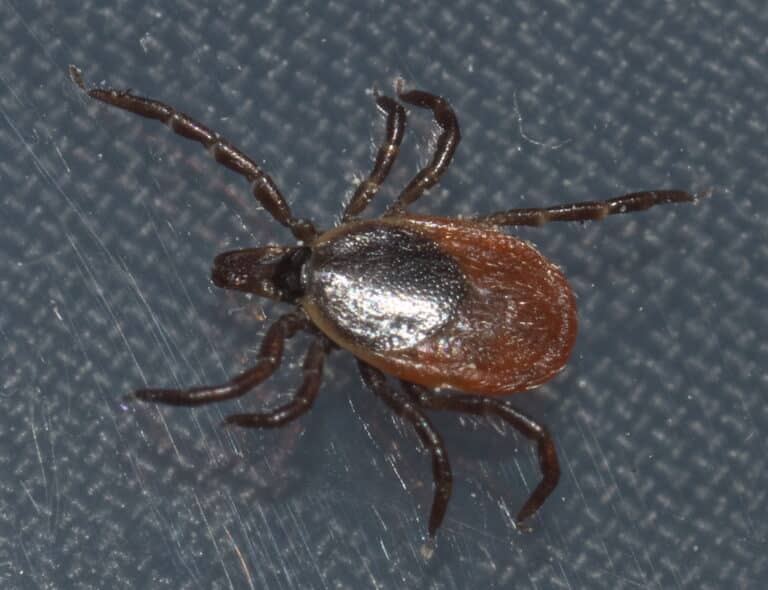
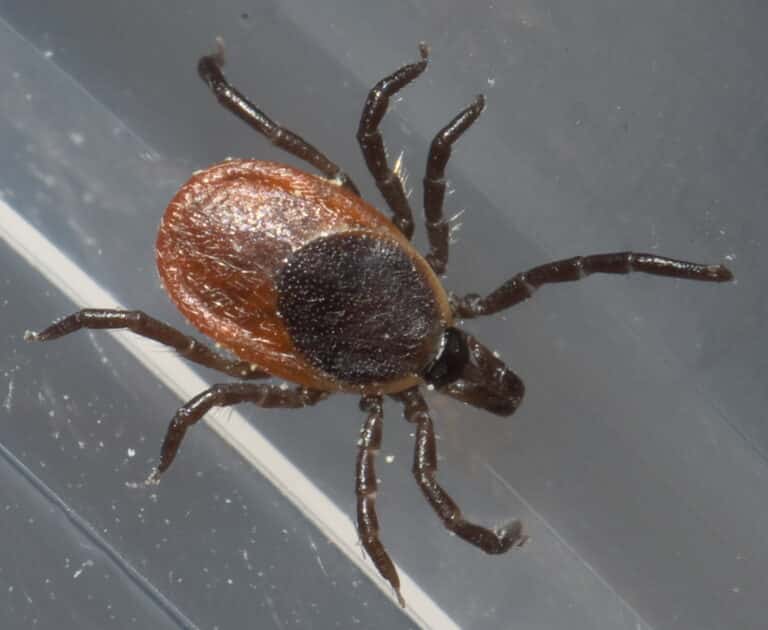
The deer tick, also known as the black-legged tick, is a tiny creature living in North America. These little arachnids are part of the invertebrate class, which means they do not have backbones, and they belong to the same family as spiders.
Deer ticks measure only 1 to 2 millimeters in size, making them quite small. Despite their teensy stature, they can cause quite a stir because they feed on the blood of mammals, birds, reptiles, and amphibians!
These bloodsuckers go through different life stages, including larva, nymph, and adult. Deer ticks can live for 2 to 3 years, allowing them to become experts at finding dinner over time!
Though deer ticks can be found in grassy or wooded areas, they really appreciate hiding in tall grass or leaf litter, patiently waiting for their next meal to wander by. It is no surprise they are great at playing hide and seek!
While deer ticks can make some people worry about the diseases they may carry, these little guys are part of the natural world. They play a role in the ecosystem, connecting different species as they feed.

Where can you find a Deer Tick in the wild?
What does a Deer Tick eat?
How big can a Deer Tick grow?
How long does a Deer Tick typically live?
What is the conservation status of the Deer Tick?
What are the main threats to the Deer Tick?
Fun facts
Deer ticks can detect their next meal from up to 30 meters (98 feet) away! They use special senses to smell the carbon dioxide that animals breathe out, like tiny detectives sniffing for clues.


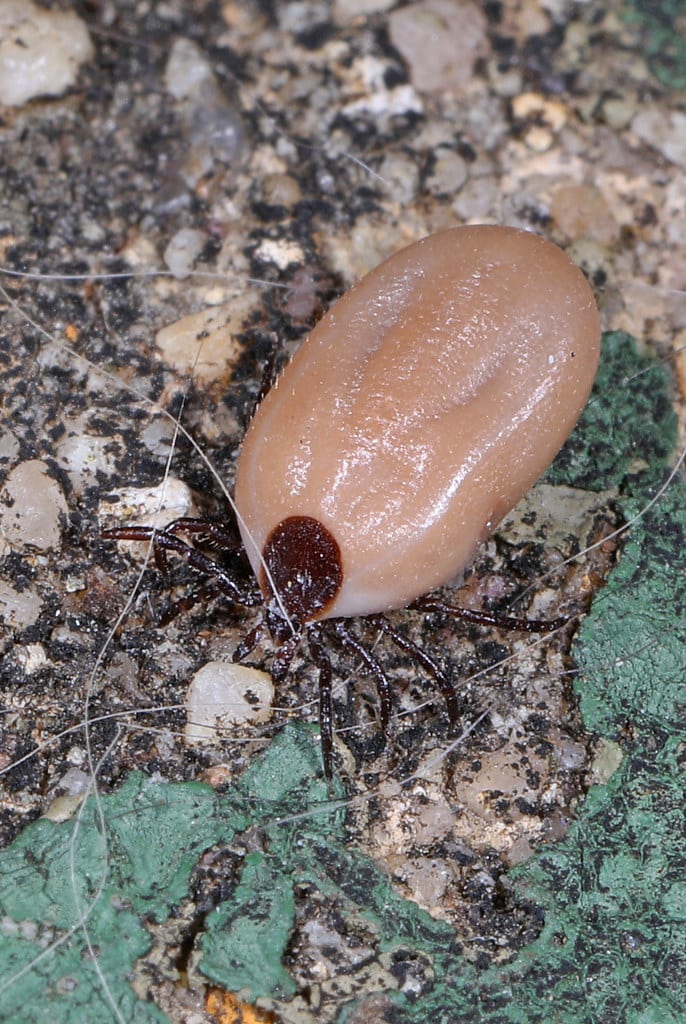
During their life cycle, deer ticks can increase their weight up to 200 times by feeding on blood. That means they can go from being as light as a speck of dust to a tiny, plump blob!
Deer ticks can survive without food for over a year! Thanks to their special adaptations, they can stay patient in their hiding spots until their next feast arrives.
When it comes to reproduction, female deer ticks can produce several thousand eggs at once! That's like a mini-tick explosion, ensuring plenty of future hunters for the next generation.
Deer ticks often release a sticky substance to help them stay attached to their hosts. It's like glue that guarantees they won’t get dropped off too easily while having their meal!
In winter, deer ticks can enter a sort of hibernation mode when temperatures drop. They slow down their metabolism and patiently wait for warmer days to come back to life!
A study found that female deer ticks are often larger than males. This makes them like the queens of the tick world, gaining strength and size through their blood meals!
Deer ticks have eight legs, just like spiders! But they start their lives with only six legs as tiny larvae before growing those extra two legs when they become nymphs.
Male deer ticks seek out females after she has fed, ready to mate! They might just be the most devoted suitors in the tick kingdom, always searching for love post-dinner.
Photos





The Basics


explore more
Amphibians
Arachnids
Birds
Cats
Crustaceans
Fish
Fish Pet Guide
Gastropods
Insects
Invertebrates
Mammals
Pet Fish
Pet Rodents
Plants
Reptiles
Roundworms
Sea Slugs