Successfully copied to clipboard!
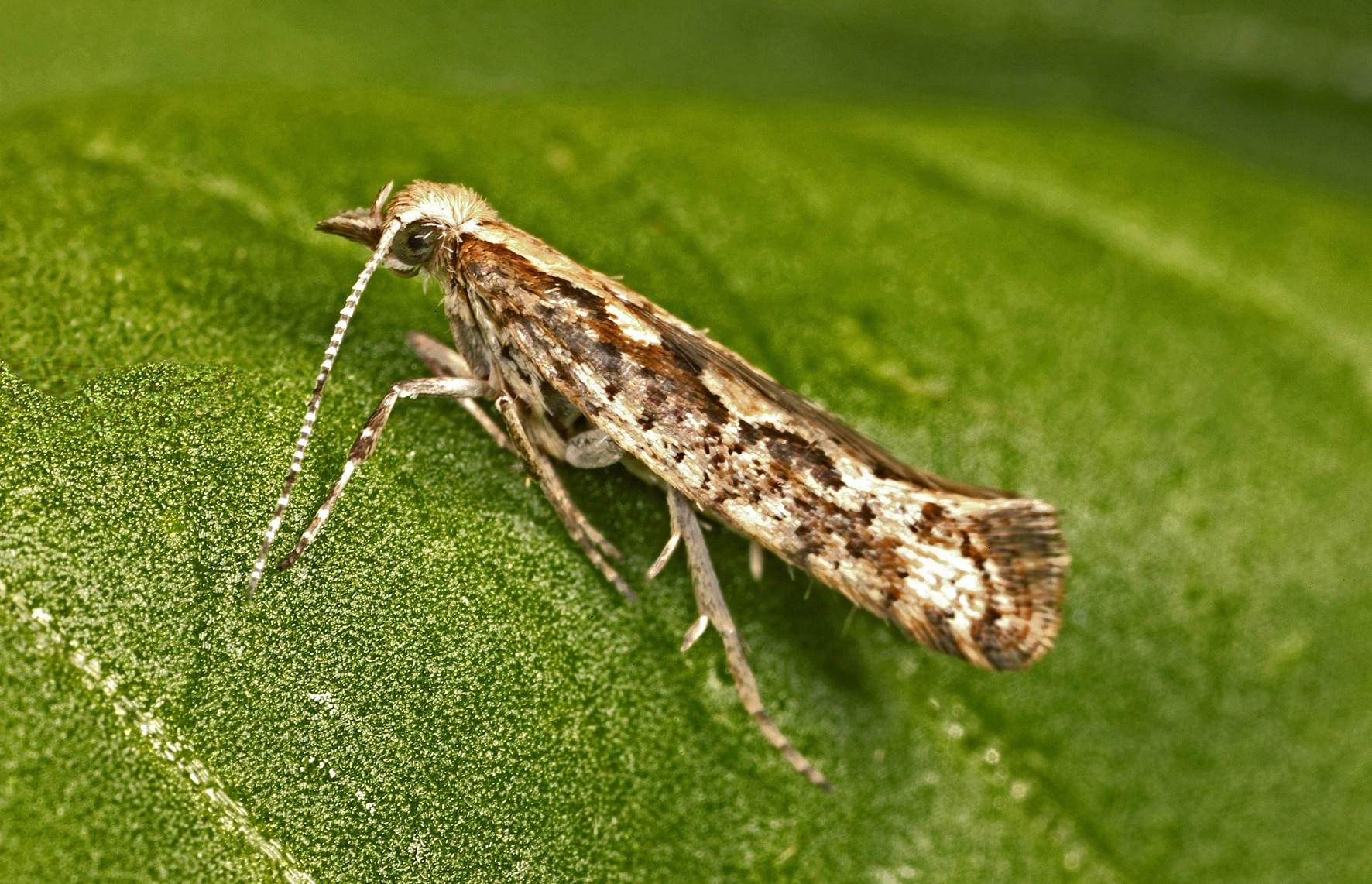
Diamondback Moth
Discover the dazzling little heroes of the garden!
Let’s Explore
Overview
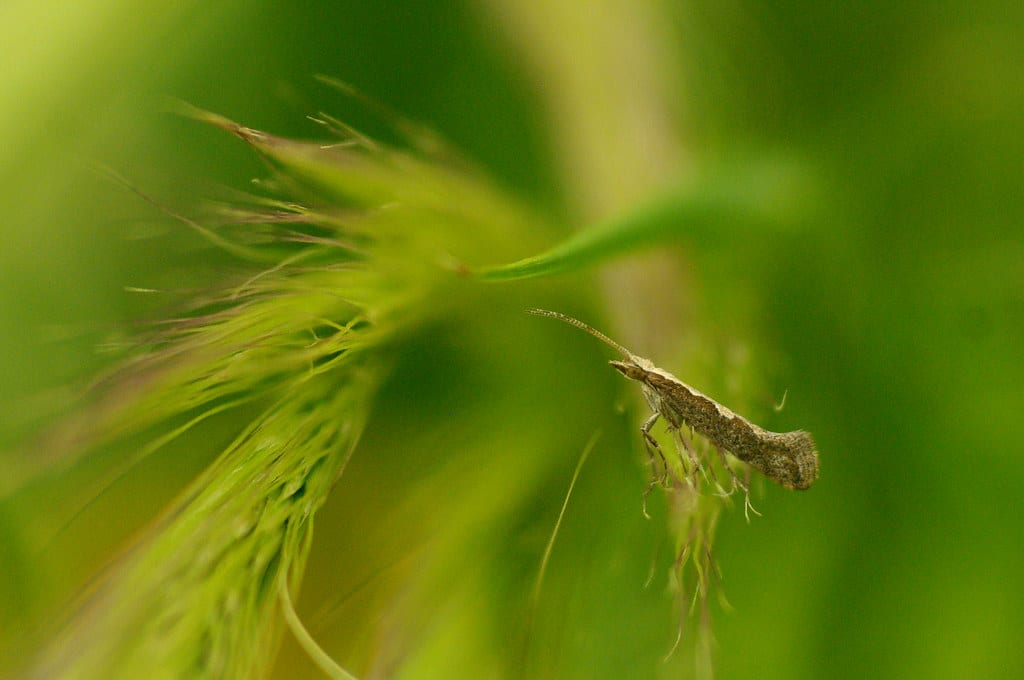
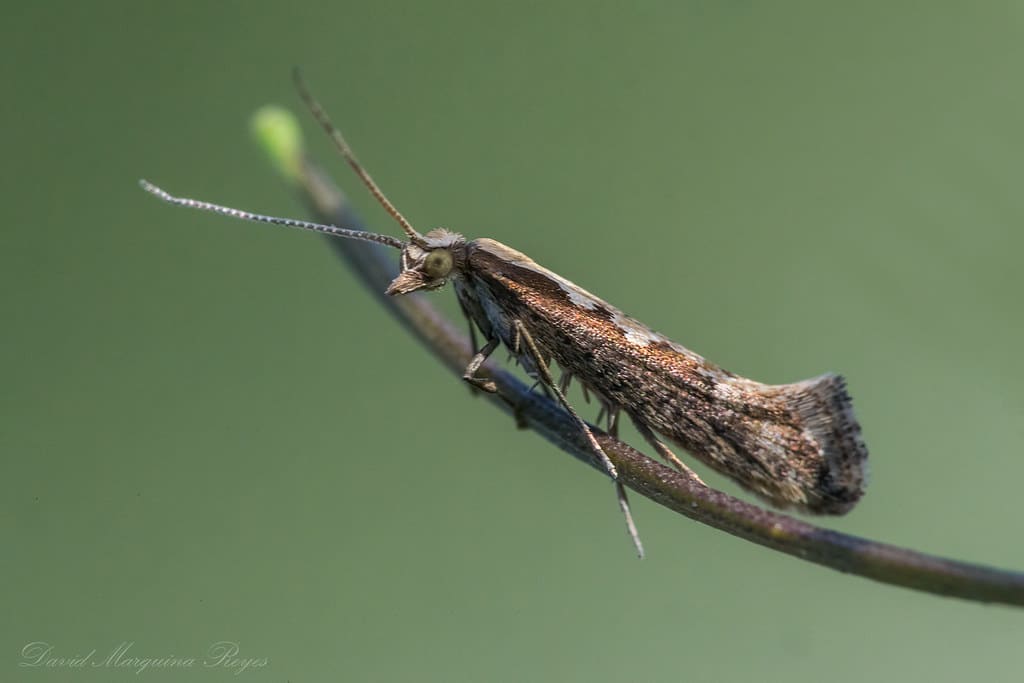
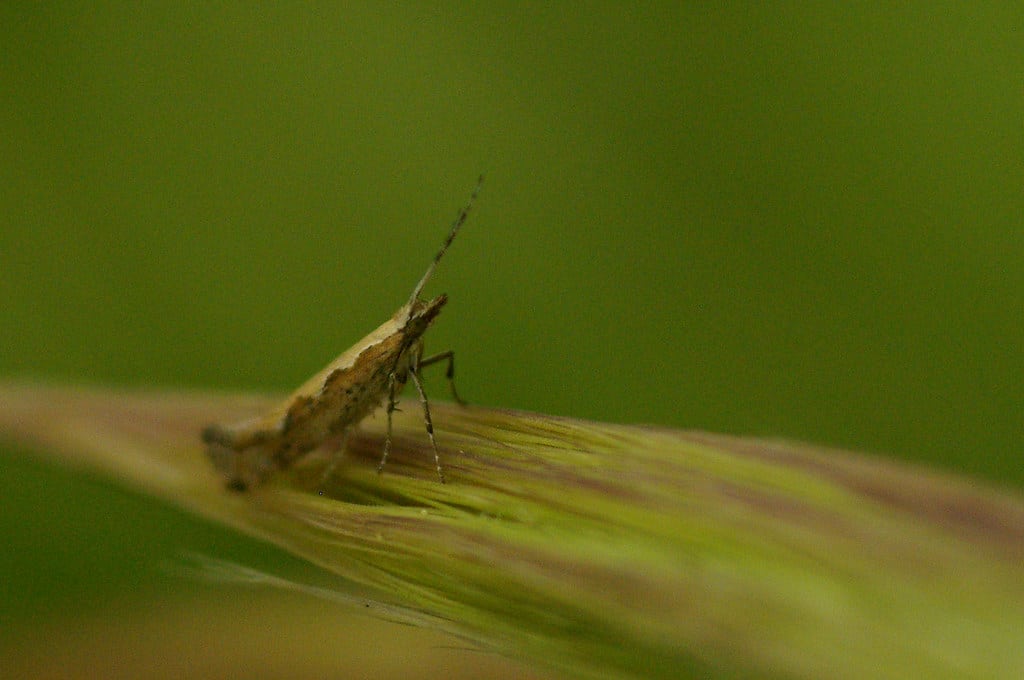
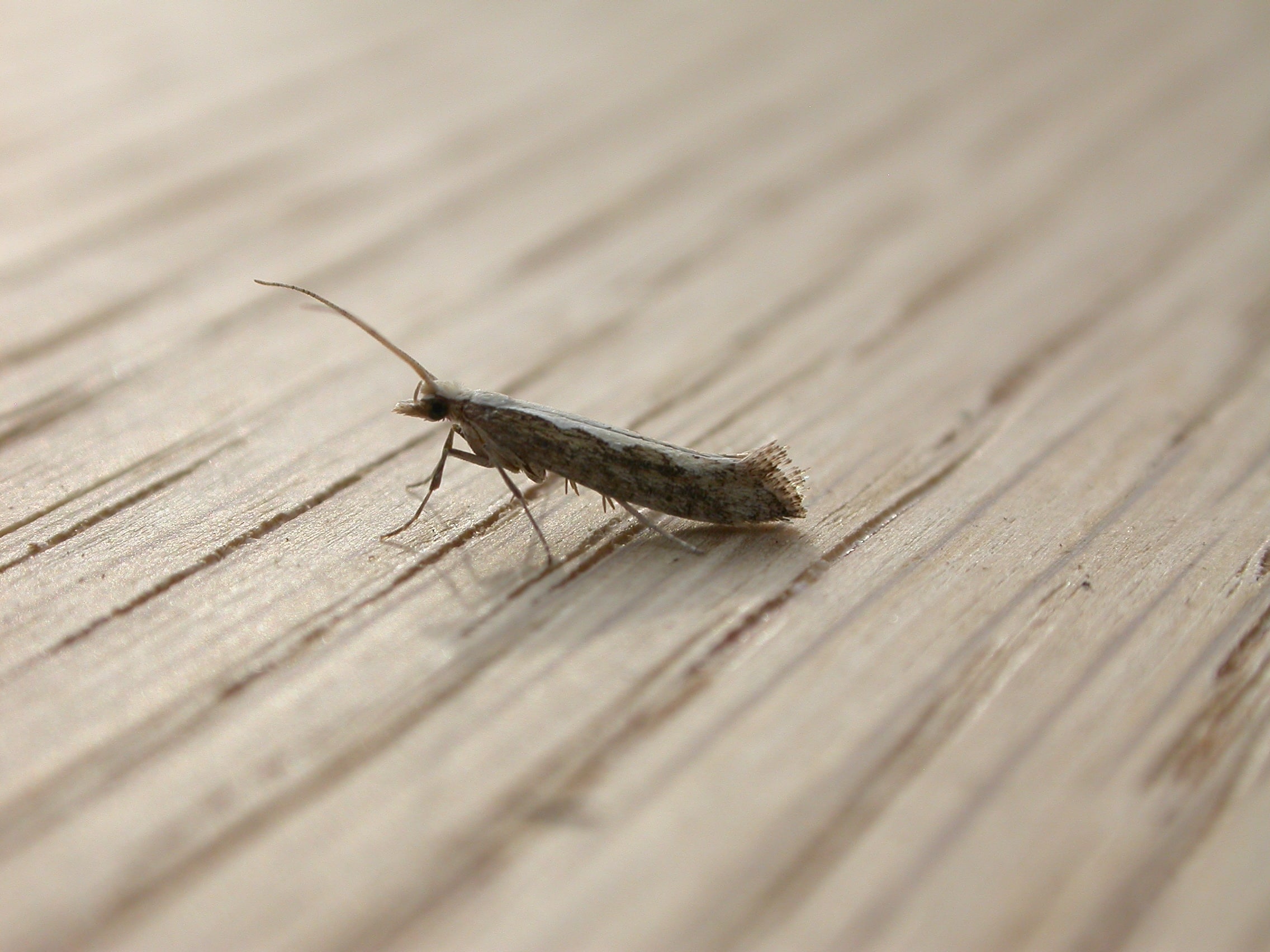
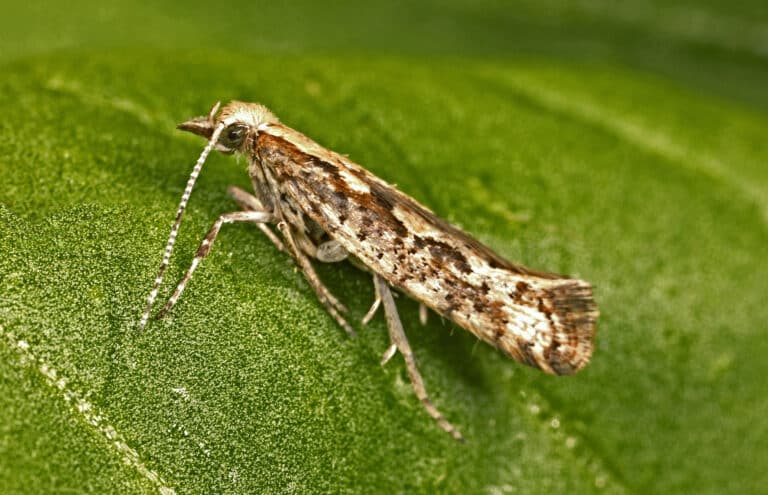
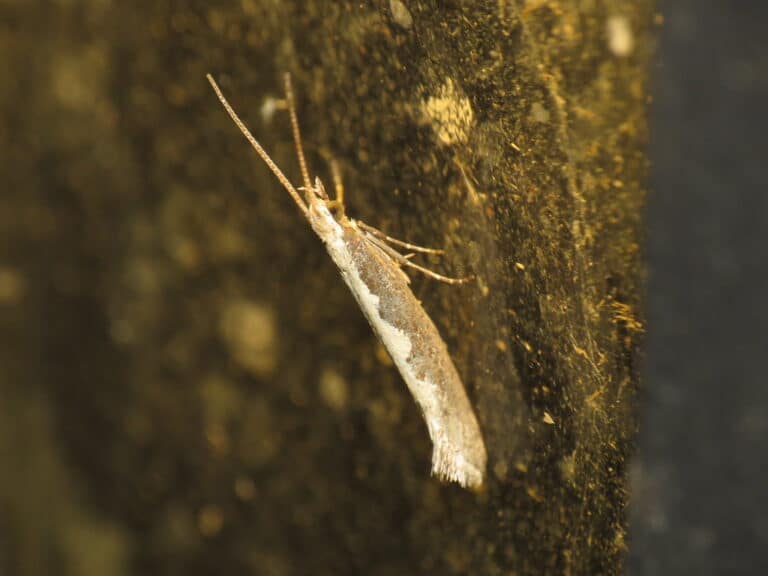
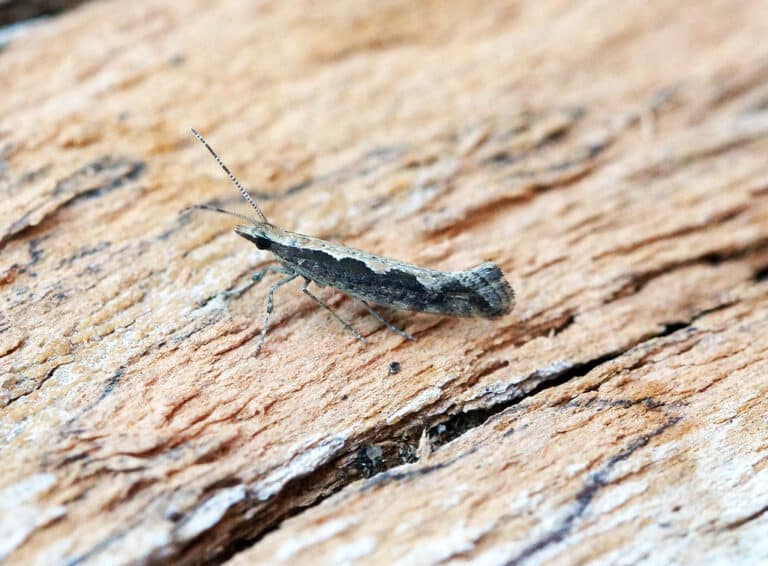
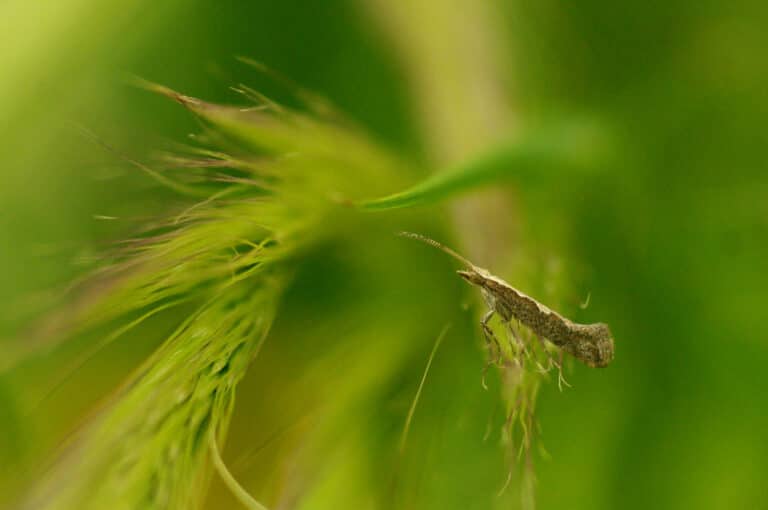
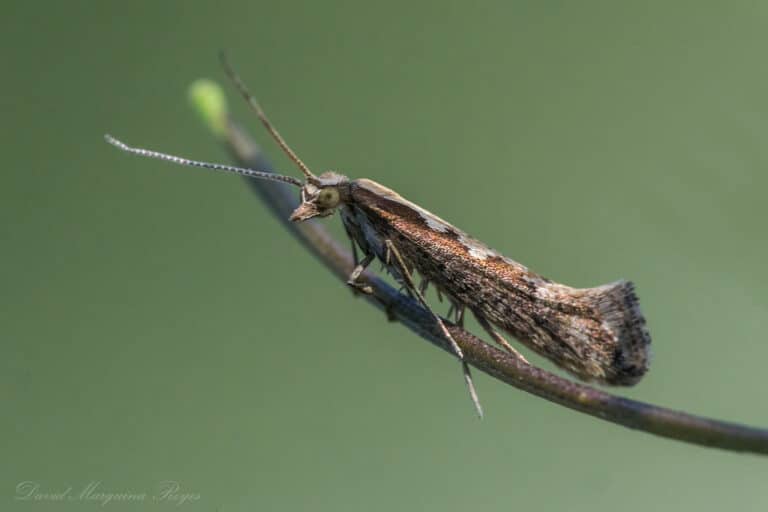
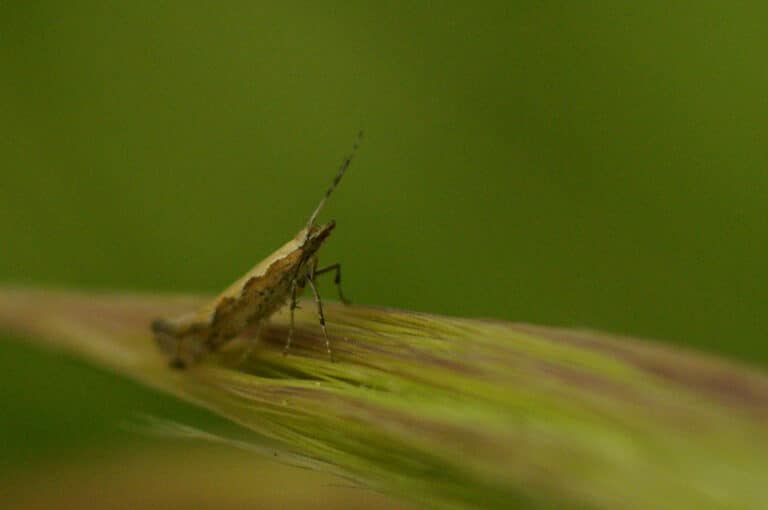
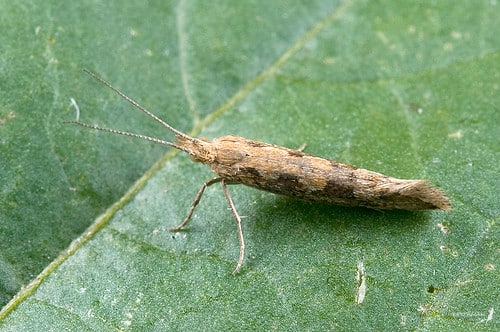
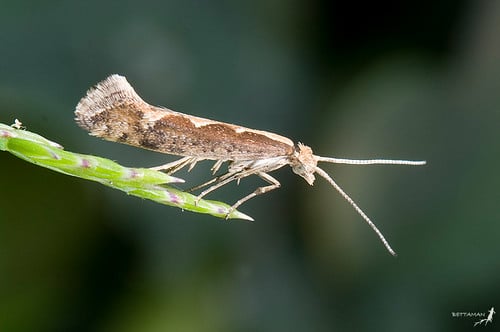
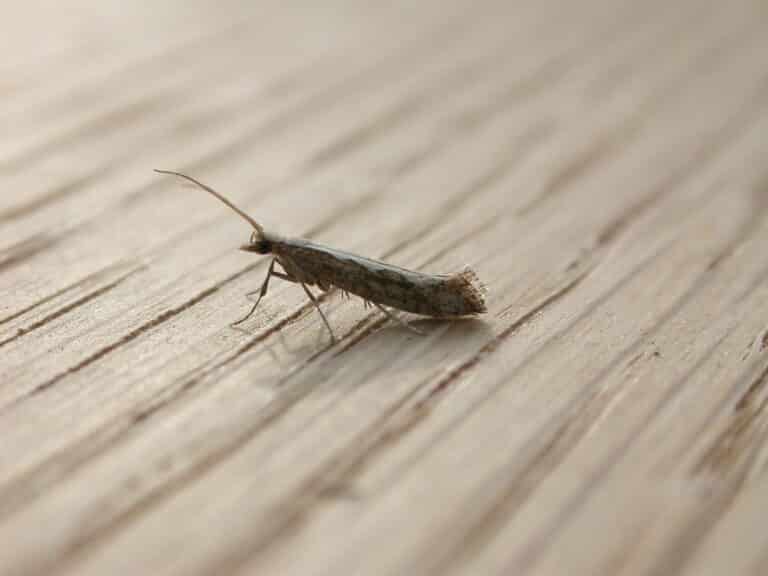
The Diamondback Moth is a tiny but impressive insect that belongs to the family Plutellidae. With an average wingspan of about 1.5 centimeters, this little critter dances gracefully among the plants of Africa.
These moths have a special taste for plants, especially cabbages. They are known to munch on these leafy greens, which can lead to a vibrant buffet in gardens and farms alike!
Diamondback Moths lead a short but buzzing life, lasting around 16 to 20 days. They go from egg to adult in just a few weeks, making them one of the speedy insects on the block.
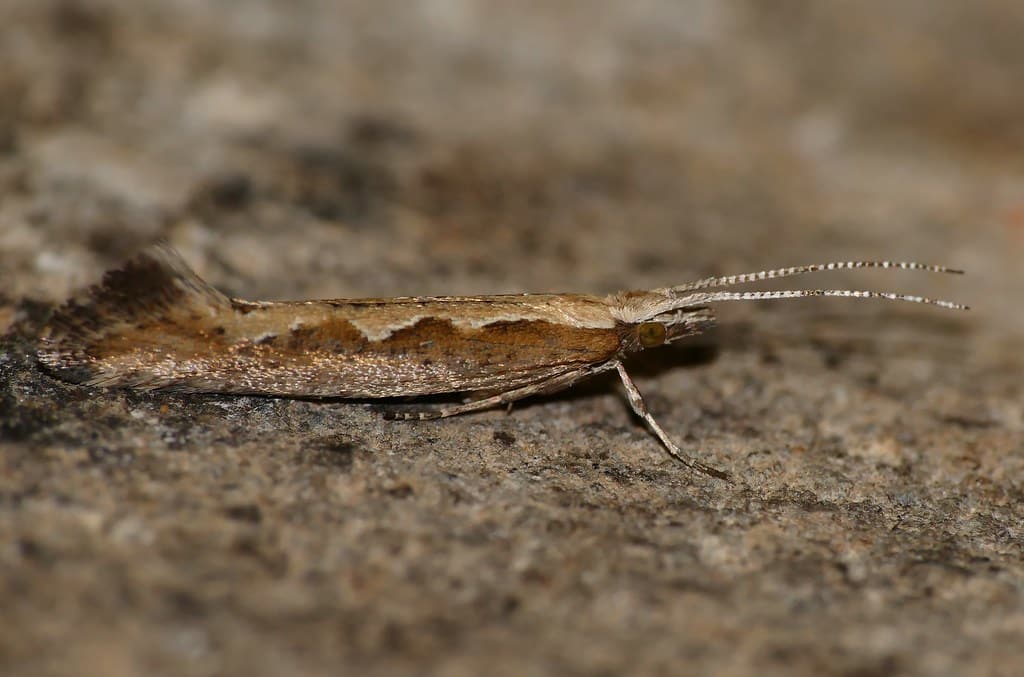
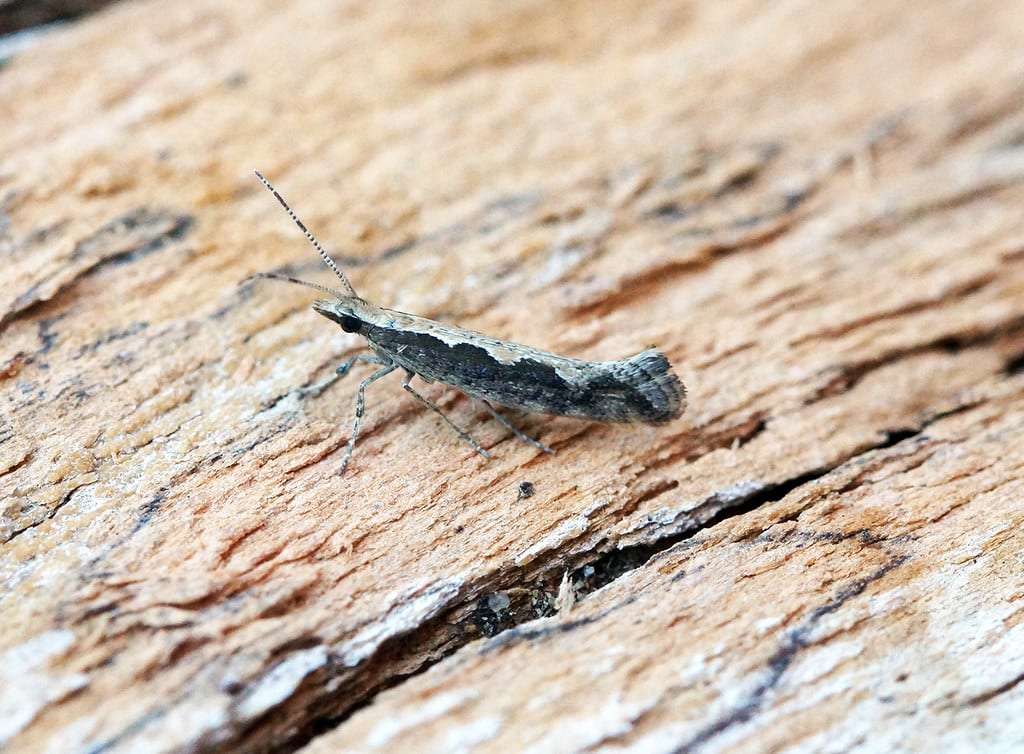
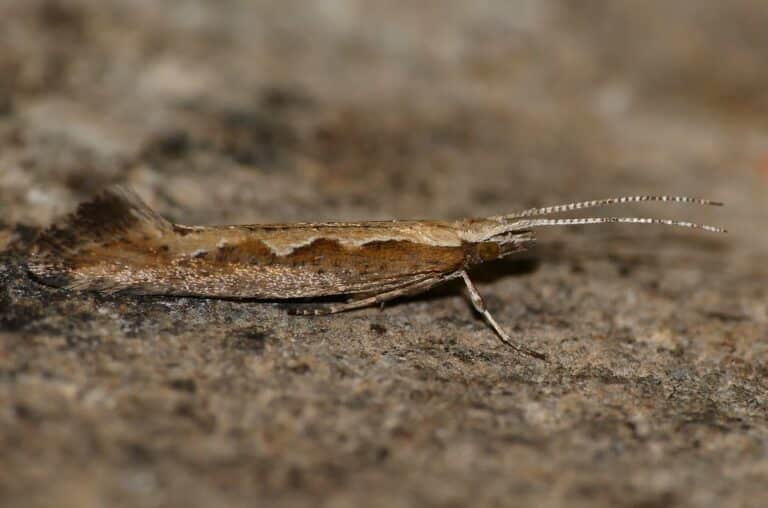
Their name comes from the diamond-shaped markings on their wings, which make them stand out even among the greens. It is like they wear tiny diamond jewels when they take to the skies!
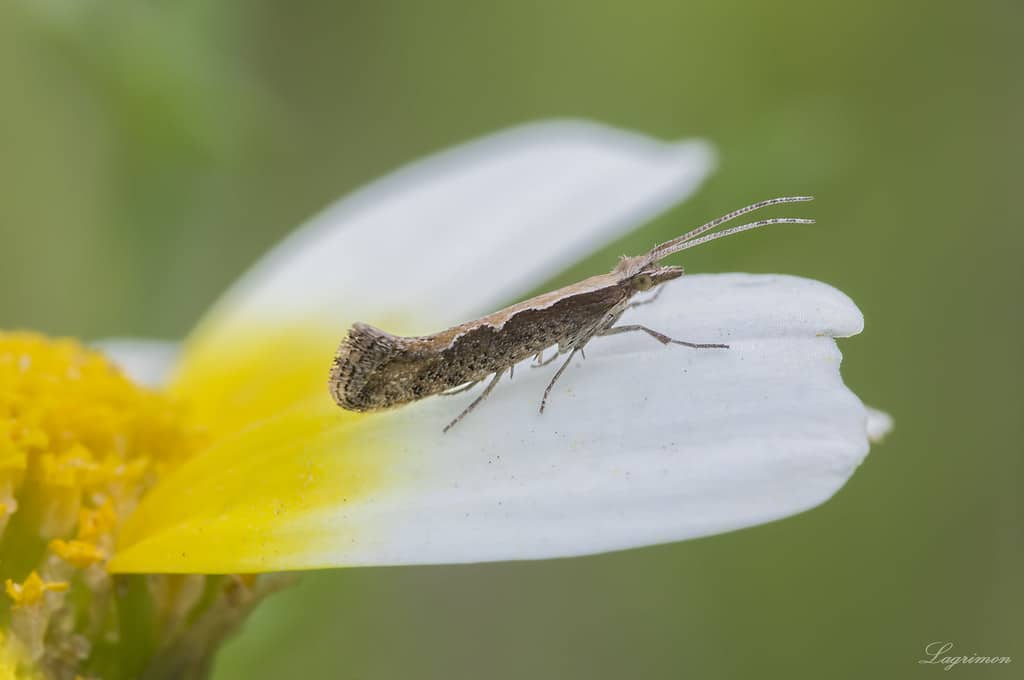
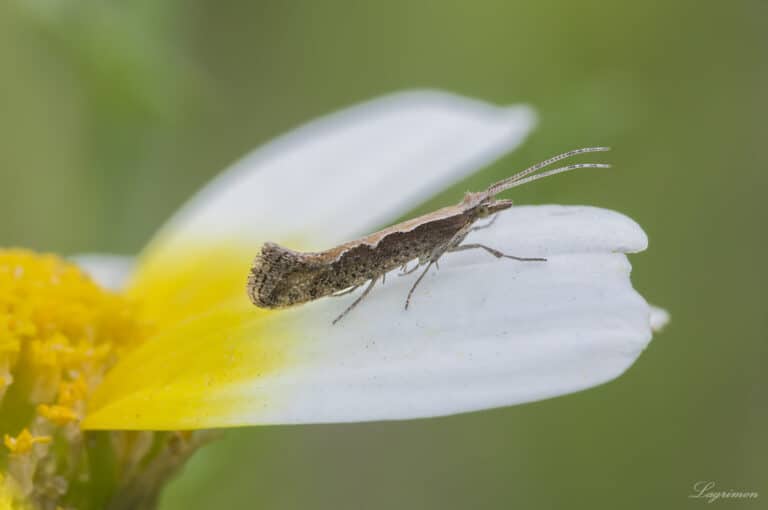
These moths play an important role in the ecosystem. They help in pollinating flowers while fluttering from plant to plant, making them unsung heroes of the garden.

Where can you find a Diamondback Moth in the wild?
What does a Diamondback Moth eat?
How big can a Diamondback Moth grow?
How long does a Diamondback Moth typically live?
What is the conservation status of the Diamondback Moth?
What are the main threats to the Diamondback Moth?
Fun facts
These little flyers are more than just gorgeous; they can reproduce very quickly! A female Diamondback Moth can lay about 100 eggs in a single go, making sure the next generation of flutterers is always ready!


Diamondback Moths undergo a fascinating transformation known as metamorphosis. They start as tiny eggs, hatch into caterpillars, and then become adults, like magic!
When threatened, Diamondback Moths have a unique defense mechanism: they drop to the ground and pretend to be dead! This sneaky trick helps them avoid hungry birds and other predators.
The male Diamondback Moth shows off his swirly dance moves to impress females during mating. It's like watching a mini ballroom dance right in the garden!
These moths can be a gardener’s best friend! They help pollinate various plants while sipping nectar, but they also love to munch on leaves, often leaving behind little holes as a calling card.
The Diamondback Moth is not just a pretty face - it can travel great distances! Some migrate over 1,000 kilometers to find food and mates, proving they have an adventurous spirit!
These moths have a unique way of keeping cool. They often stay active during the cooler hours of the day, fluttering around when the sun is not too hot!
Diamondback Moth caterpillars are leafy green munchers that can eat more than their weight in a day! They really know how to make a salad disappear!
The Diamondback Moth's name comes from the shiny diamond patterns on its wings. These patterns help scare off predators, making them look like little jewels that are too pretty to eat!
Scientists study the Diamondback Moth because they can help us understand pest control. Their ability to rapidly adapt makes them important in learning how to protect crops without using harsh chemicals!
Photos





The Basics


explore more
Amphibians
Arachnids
Birds
Cats
Crustaceans
Fish
Fish Pet Guide
Gastropods
Insects
Invertebrates
Mammals
Pet Fish
Pet Rodents
Plants
Reptiles
Roundworms
Sea Slugs