Successfully copied to clipboard!
Dinosaur Shrimp
Meet the mini aquatic dinosaurs still swimming today!
Let’s Explore
Overview
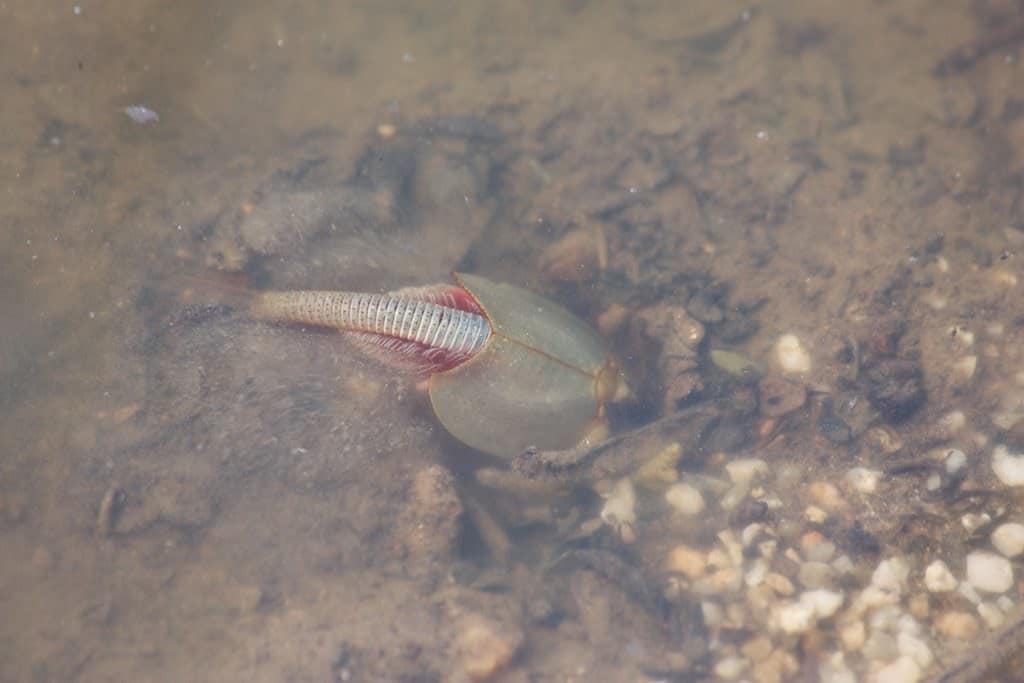
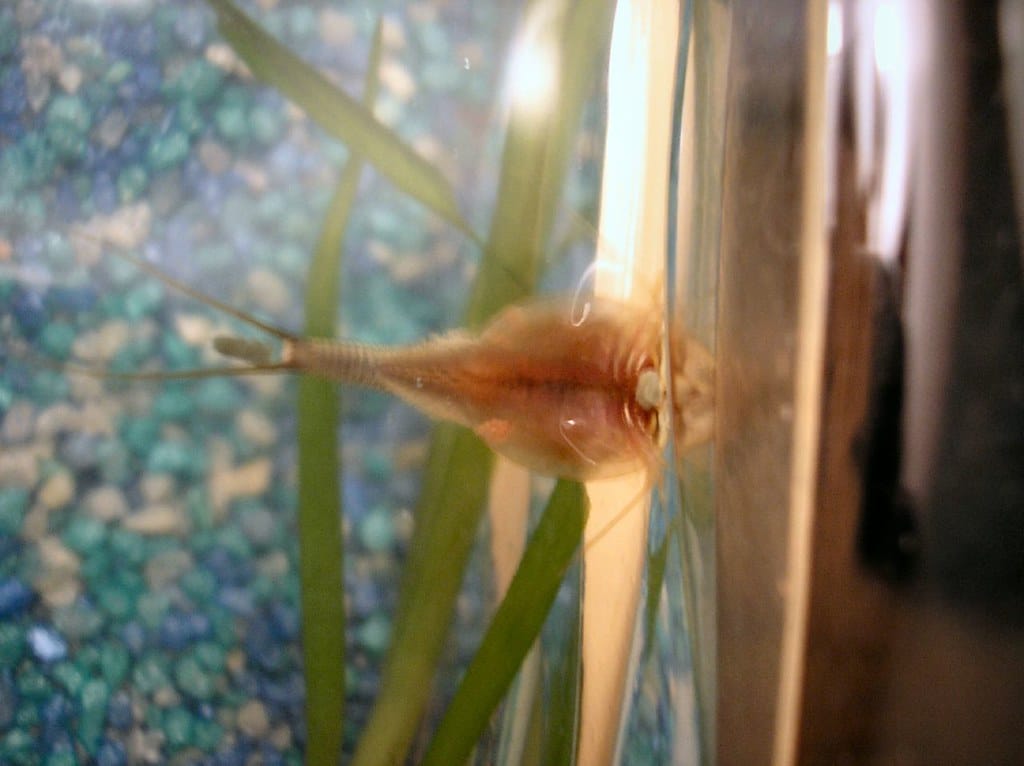
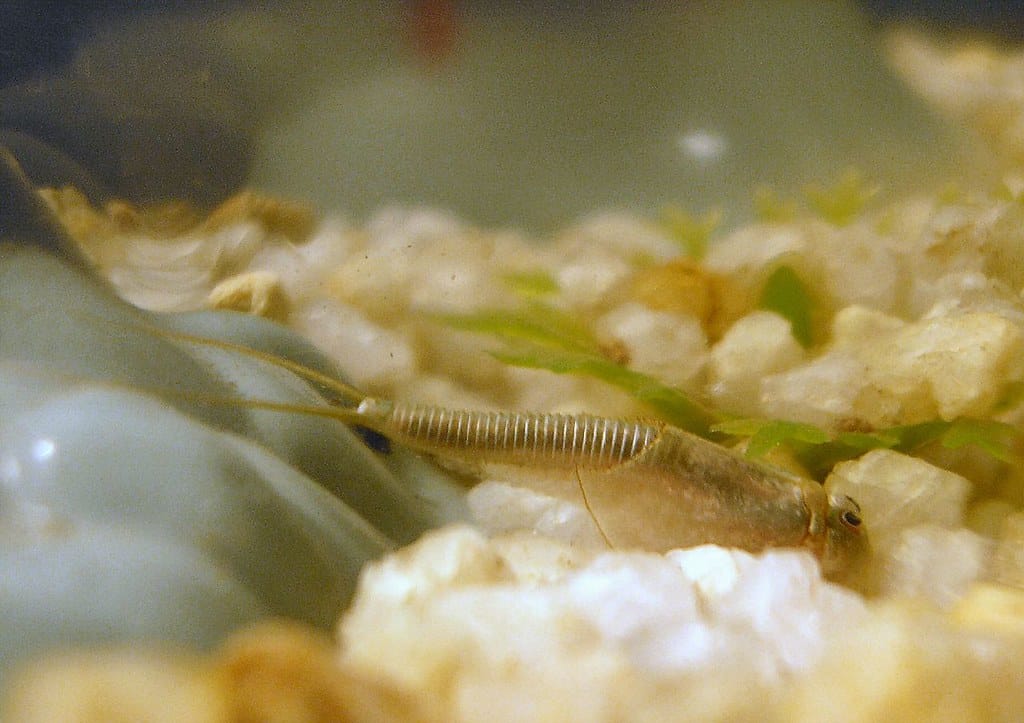
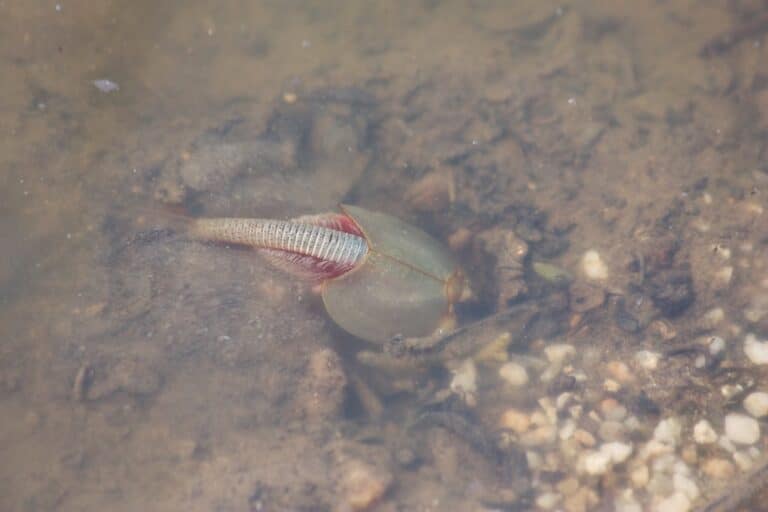
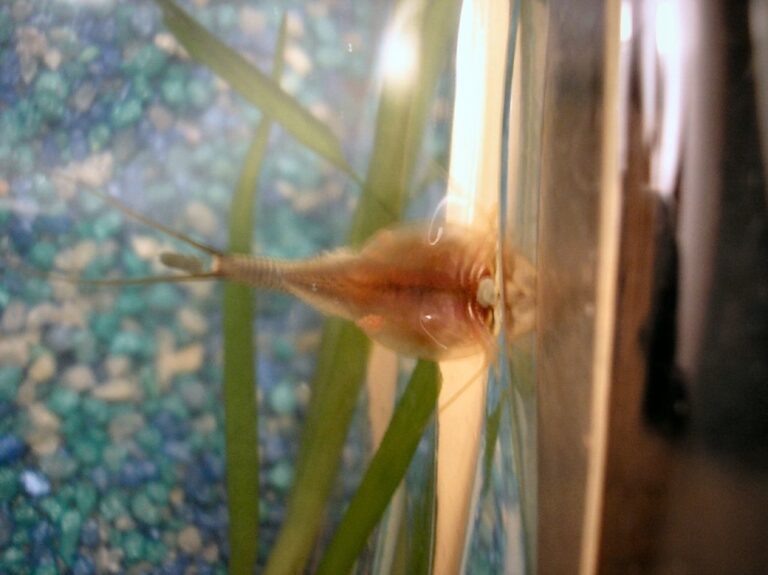
Dinosaur shrimp, or Triops longicaudatus, are ancient creatures that have been around for more than 220 million years! These living fossils make a splash in lakes and ponds, bringing a piece of the Triassic period into today.
Dinosaur shrimp belong to the class Branchiopoda and the family Triopsidae. They are not actually shrimp, but are close relatives and fall into the invertebrate category, which means they lack a backbone.
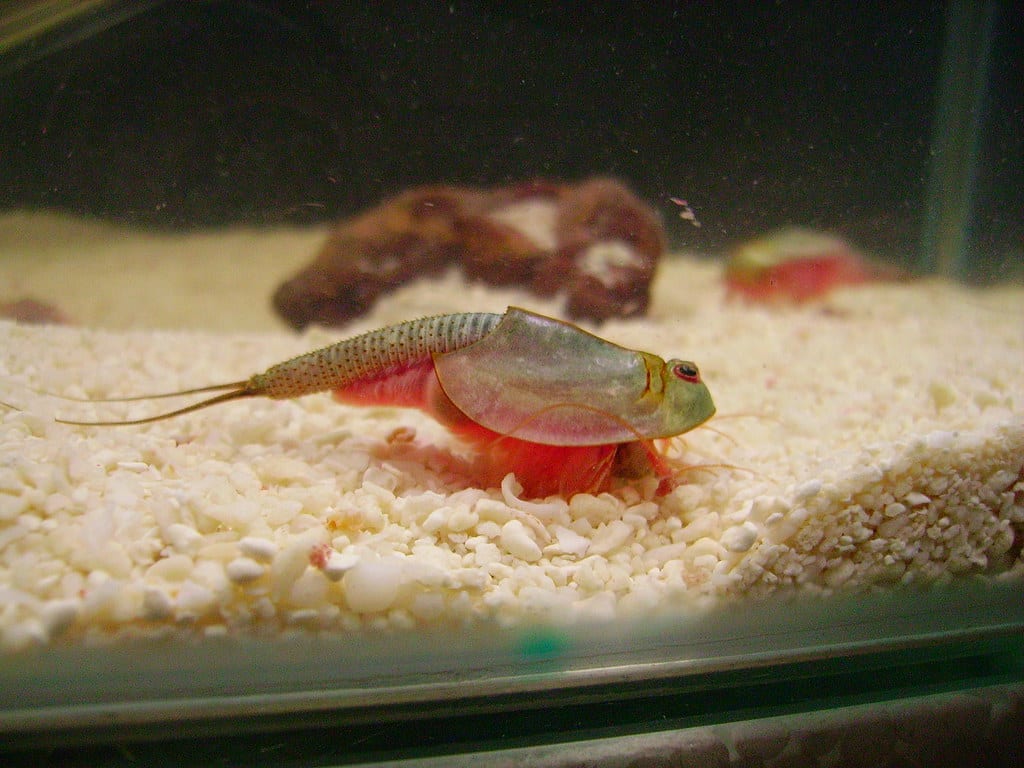
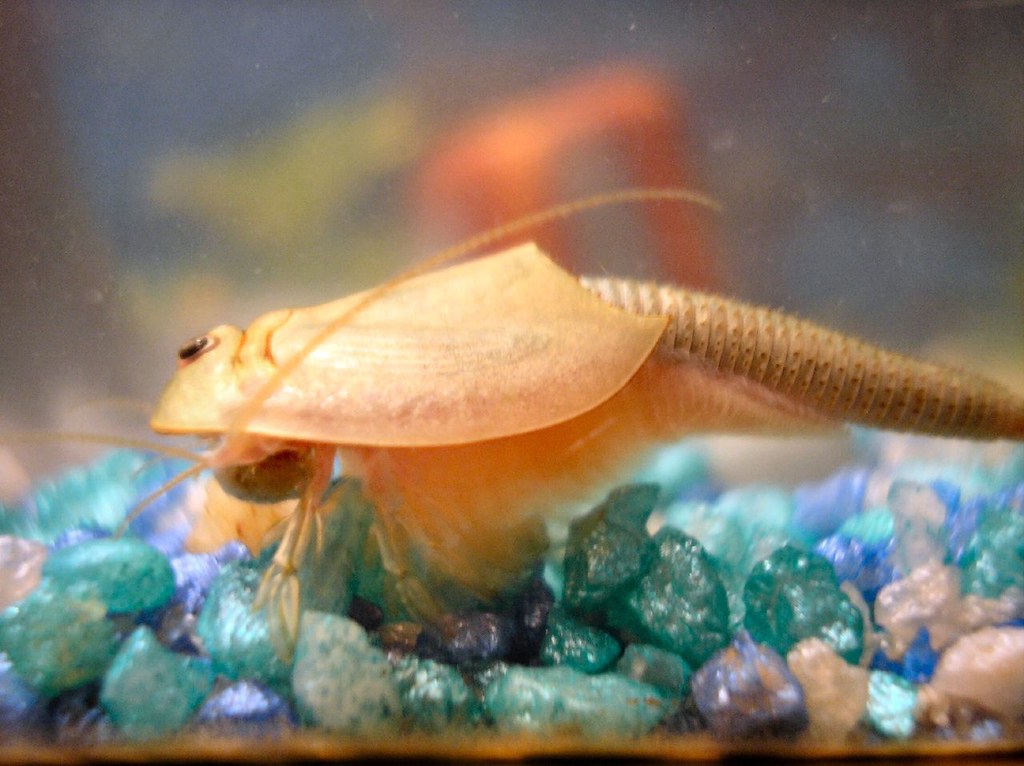
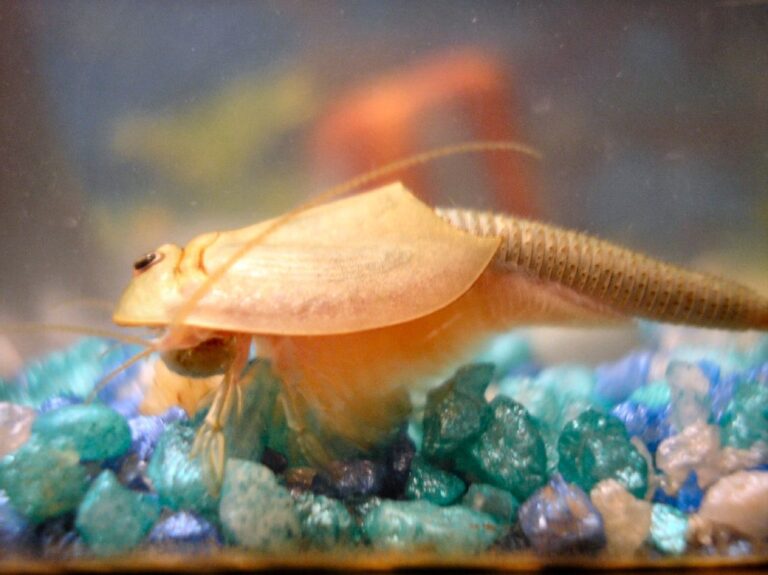
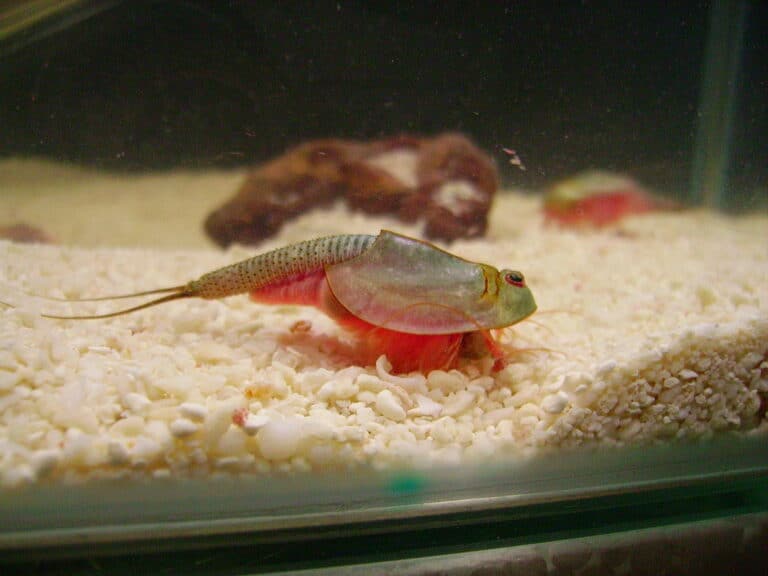
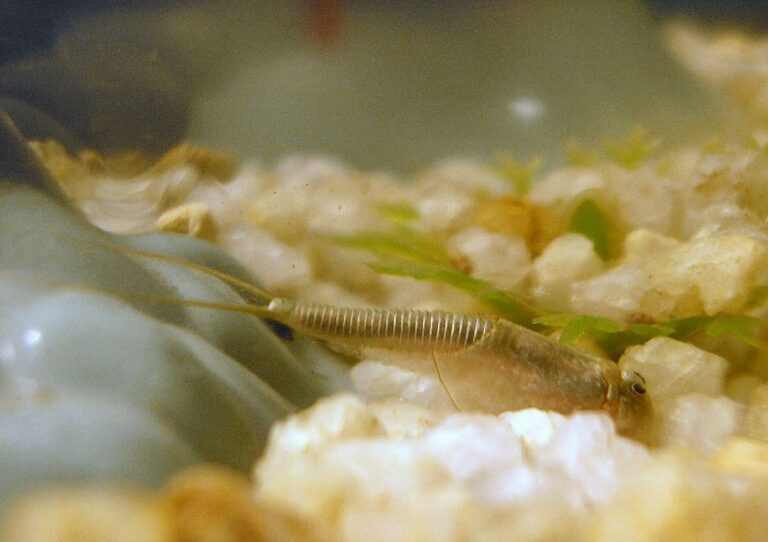
These curious critters can reach sizes between 2.5 and 7.6 centimeters, or 1 to 3 inches long. Their small but mighty bodies feature a distinct hard shell that helps protect them on their watery adventures.
Dinosaur shrimp enjoy a diet rich in algae, detritus, and tiny insects. They play an important role in their ecosystems by munching on organic matter and helping to keep the waters clean.
These fascinating animals have a surprisingly short lifespan of up to 90 days. Despite their brief existence, they leave a big impression on those lucky enough to spot them!
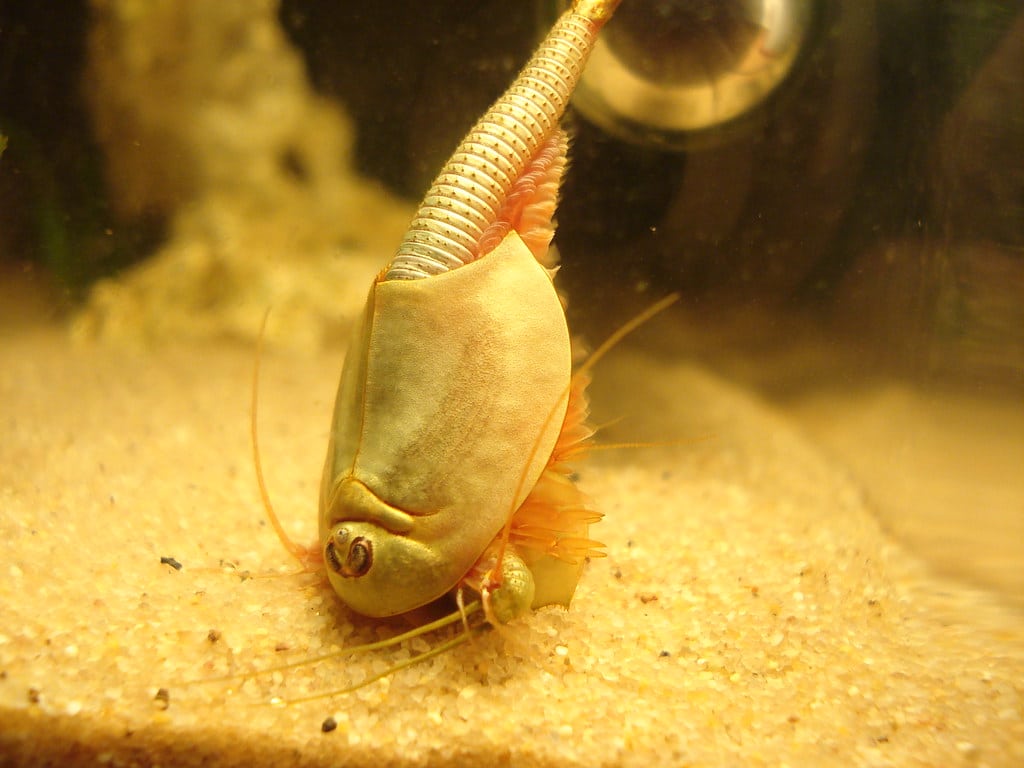
Triops longicaudatus have intricate compound eyes that allow them to see in many directions at once. This unique feature helps them watch out for predators while dancing through their watery home.
Next time you think of dinosaurs, remember these mini aquatic buddies! Dinosaur shrimp truly show us that not all ancient creatures are long gone; some still swim among us today.

Where can you find a Dinosaur Shrimp in the wild?
What does a Dinosaur Shrimp eat?
How big can a Dinosaur Shrimp grow?
How long does a Dinosaur Shrimp typically live?
What is the conservation status of the Dinosaur Shrimp?
What are the main threats to the Dinosaur Shrimp?
Fun facts
Dinosaur shrimp can date back more than 220 million years, making them some of the oldest creatures still swimming today!


These little critters can survive extreme conditions, including drying out completely. When conditions get tough, they can go into a deep sleep called anhydrobiosis, waiting for better days with water!
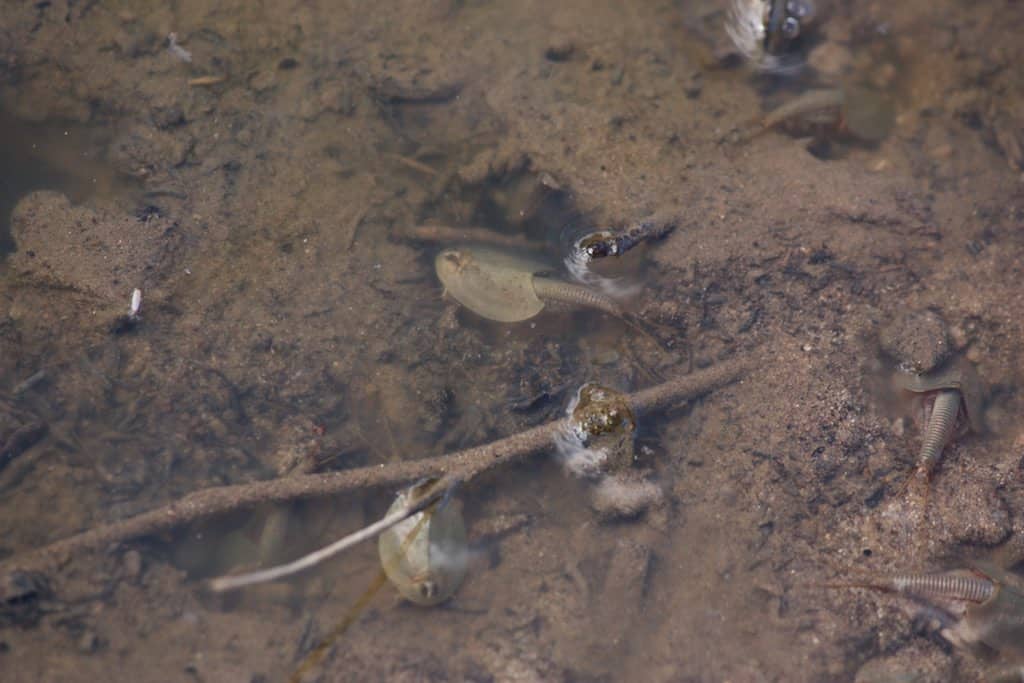
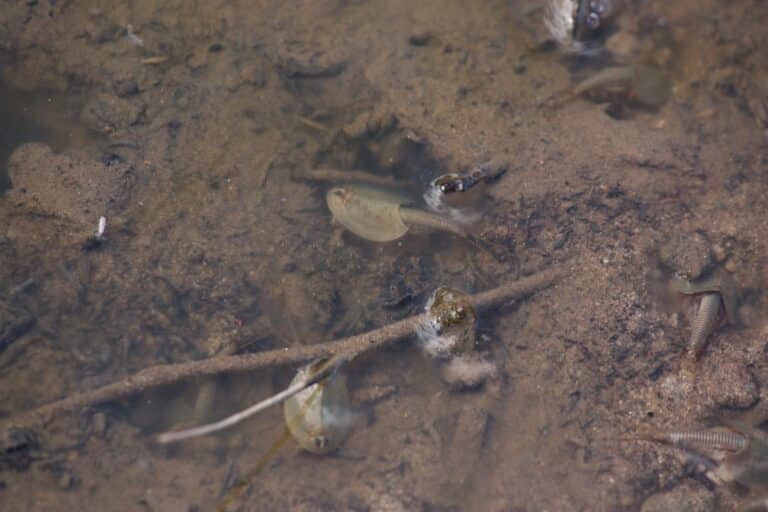
Dinosaur shrimp love teamwork! They often swim together in groups to forage for food and stay safe from hungry predators swimming in their lakes and ponds.
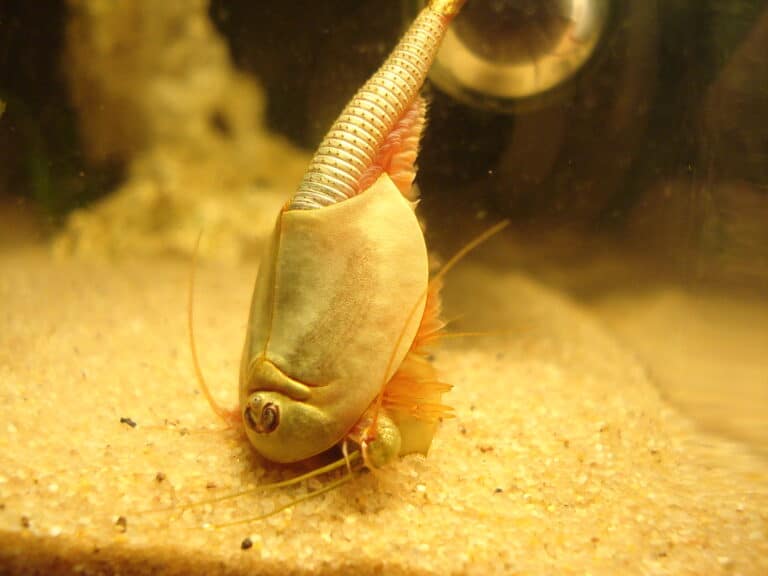
These tiny creatures have long, spiky legs that help them with swimming and digging. They can bury themselves in the mud to hide or rest, like mini underwater ninjas!
Dinosaur shrimp can reproduce rapidly! A female can lay hundreds of eggs when conditions are right, meaning lots of tiny shrimp can pop up in just a matter of days!
With their big compound eyes, dinosaur shrimp can see in all directions at once. This special vision helps them watch out for predators without missing a beat!
These little creatures can change how they swim based on their mood! They can move quickly to escape danger or glide slowly when exploring, making them talented aquatic acrobats.
Dinosaur shrimp have a unique shell made from a tough material that protects them from getting hurt, like wearing natural armor while they swim!
Photos





The Basics


explore more
Amphibians
Arachnids
Birds
Cats
Crustaceans
Fish
Fish Pet Guide
Gastropods
Insects
Invertebrates
Mammals
Pet Fish
Pet Rodents
Plants
Reptiles
Roundworms
Sea Slugs