Successfully copied to clipboard!
Dog Tick
Uncover curious creatures that thrive by finding their next meal!
Let’s Explore
Overview
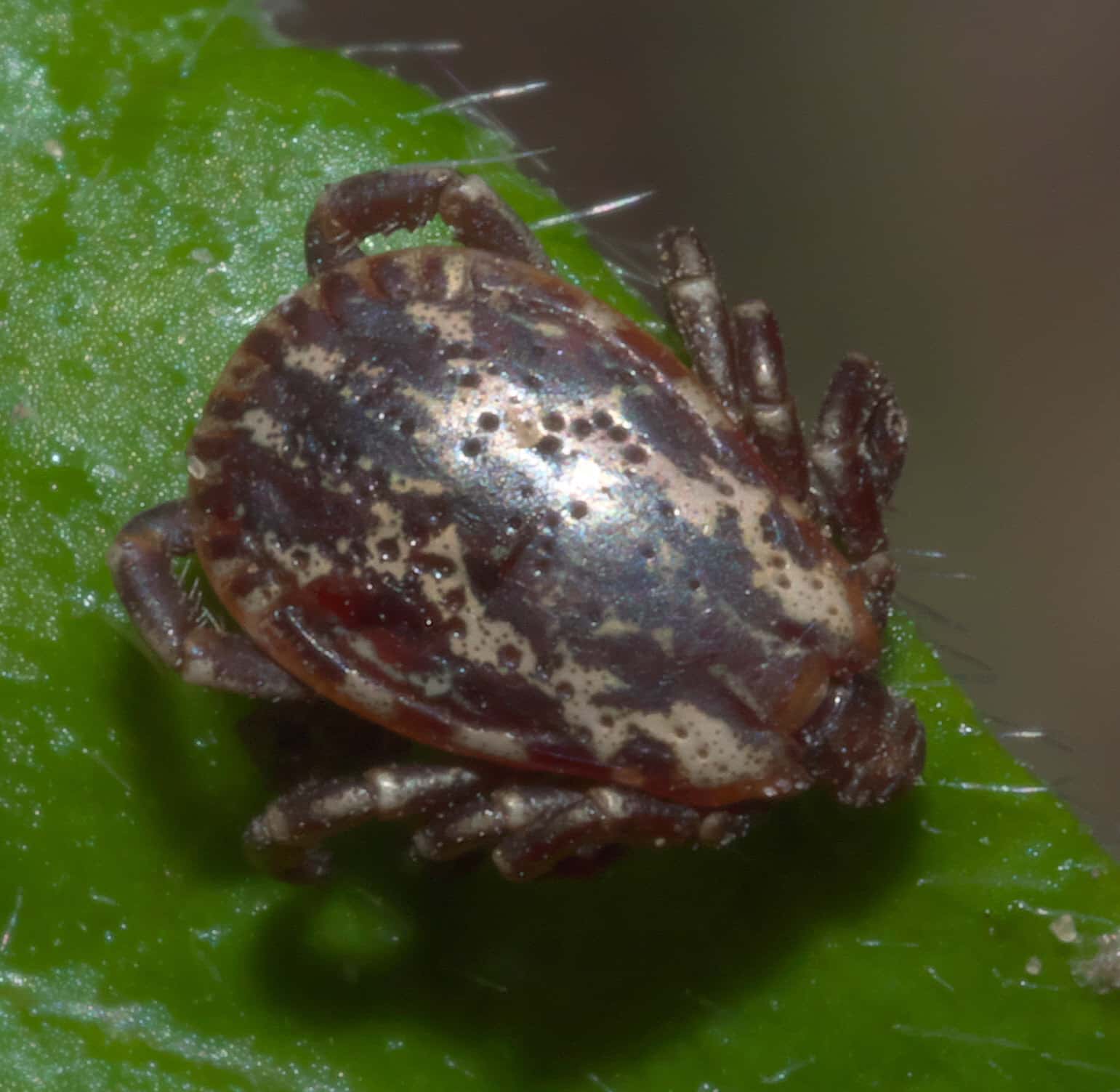
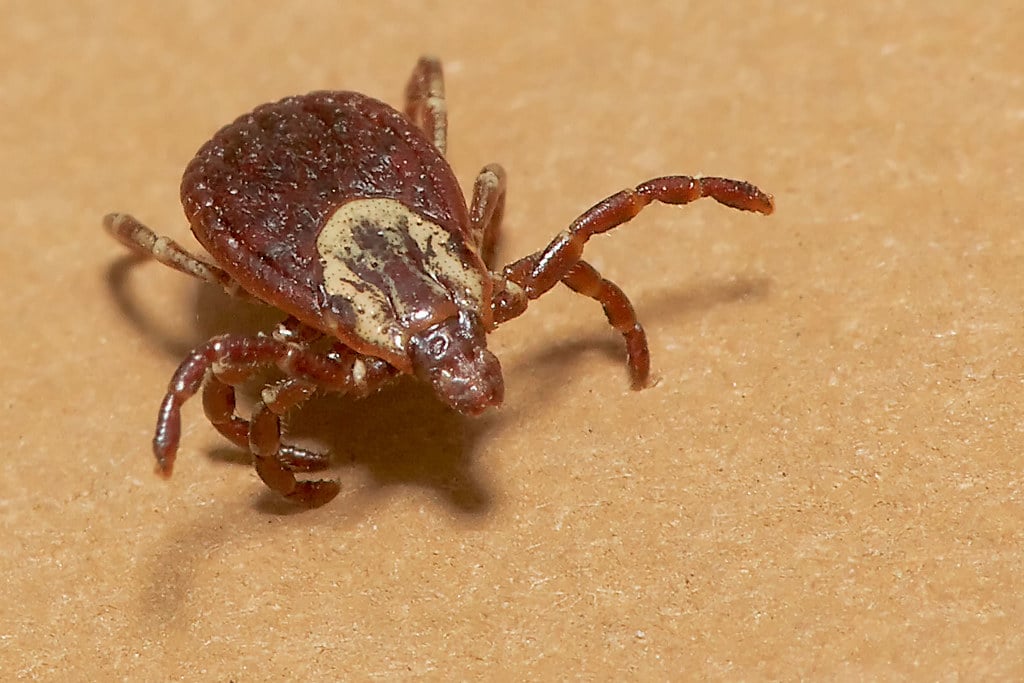
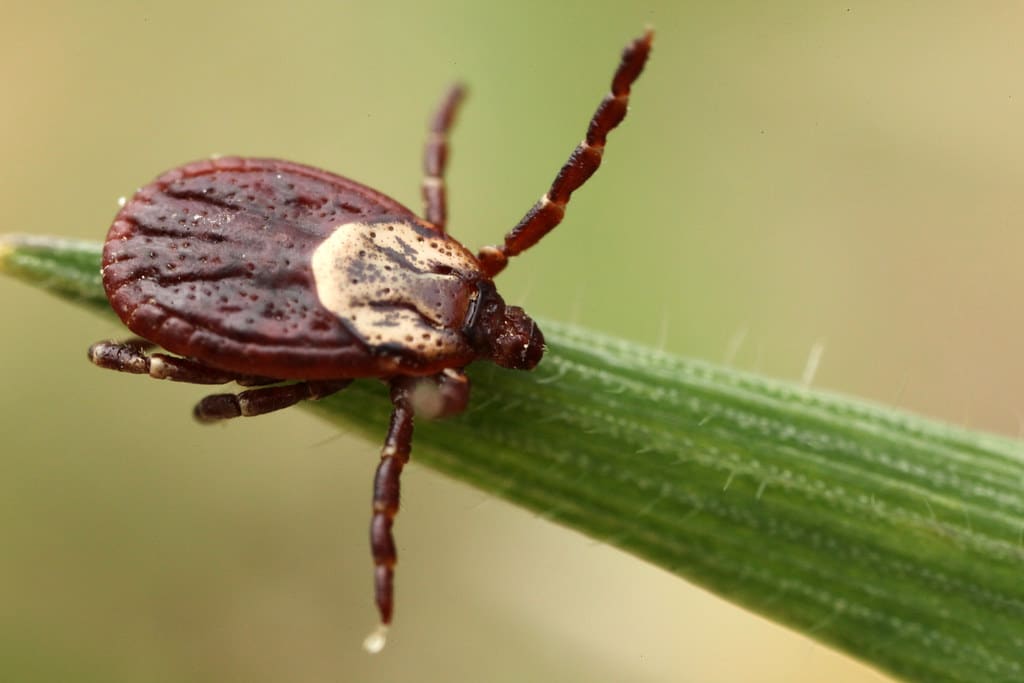
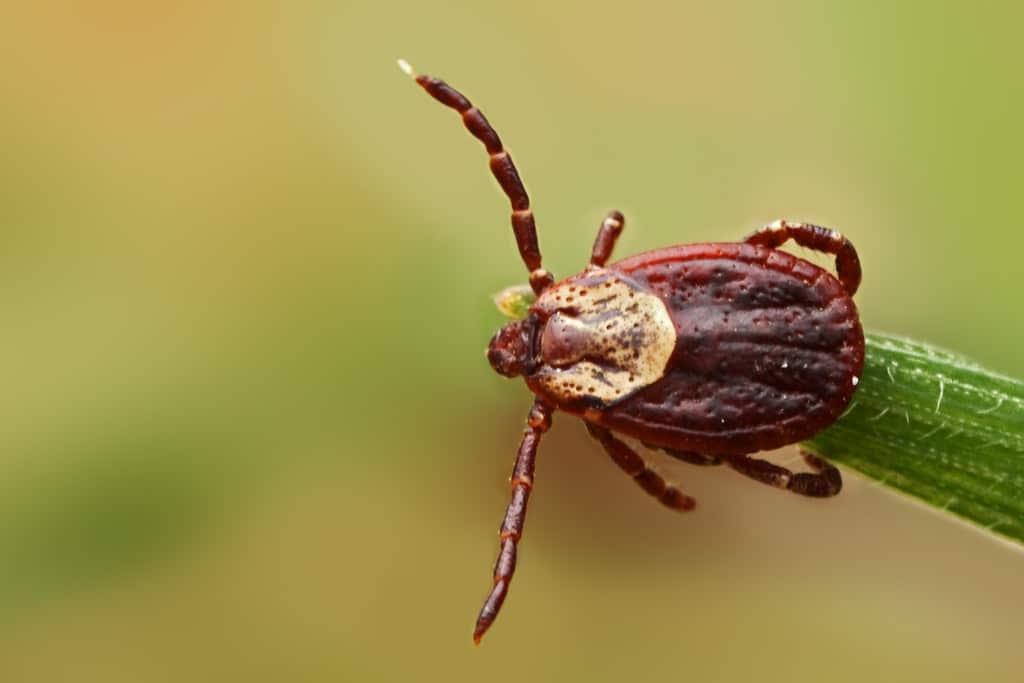
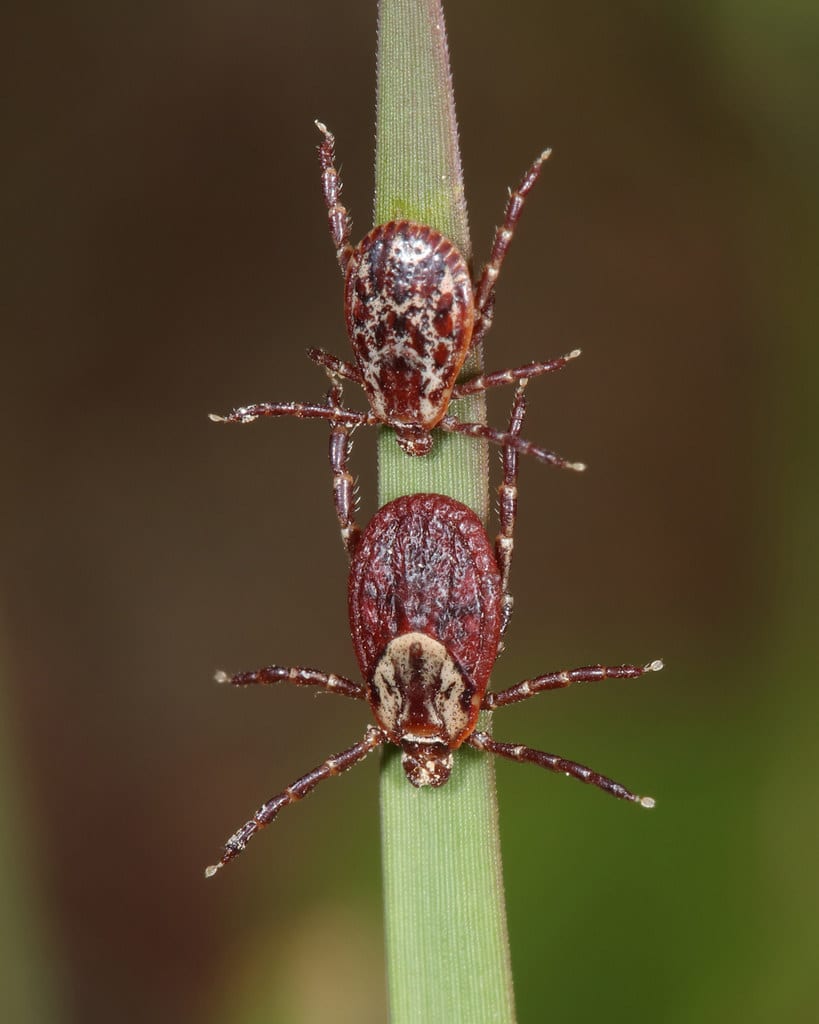
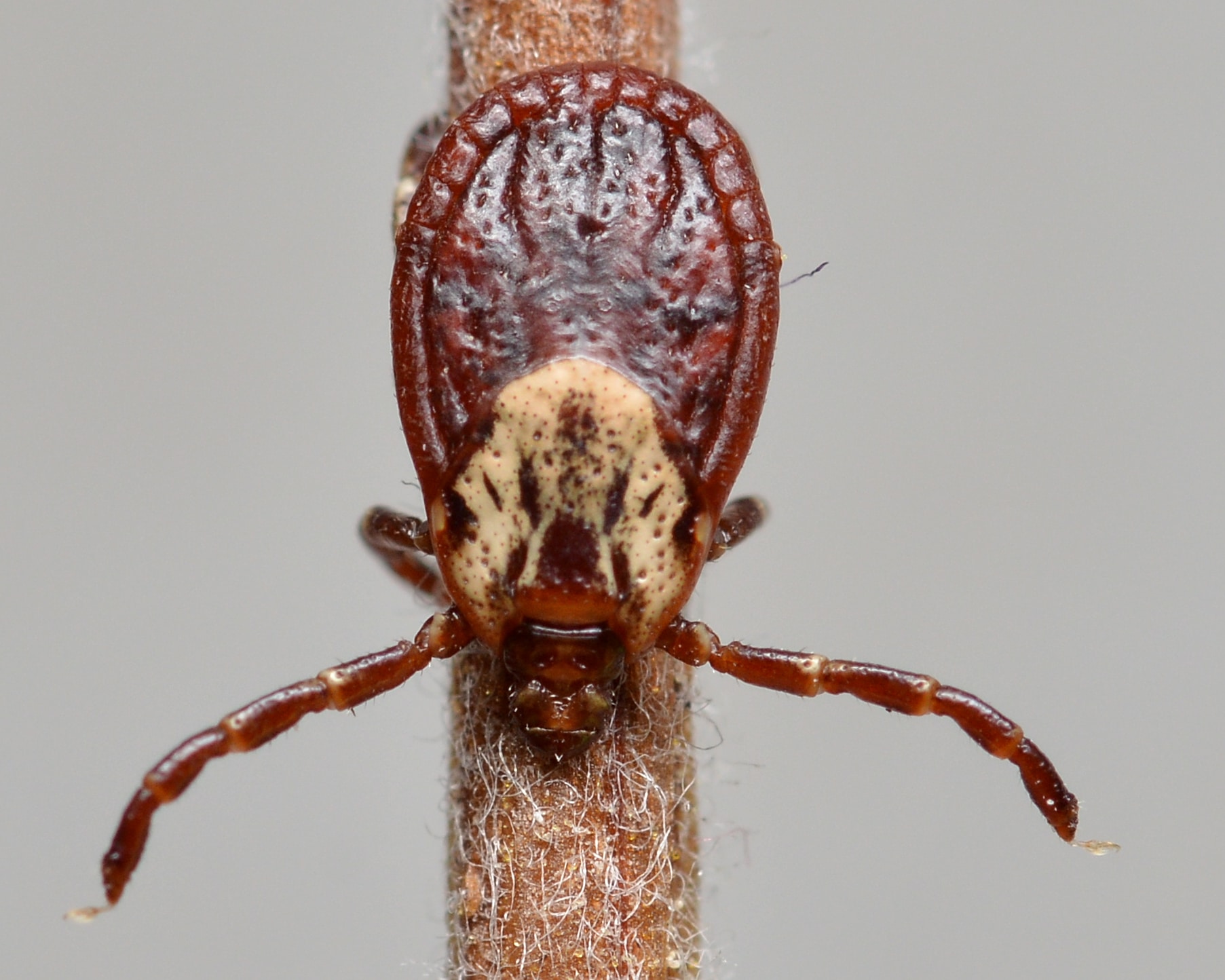
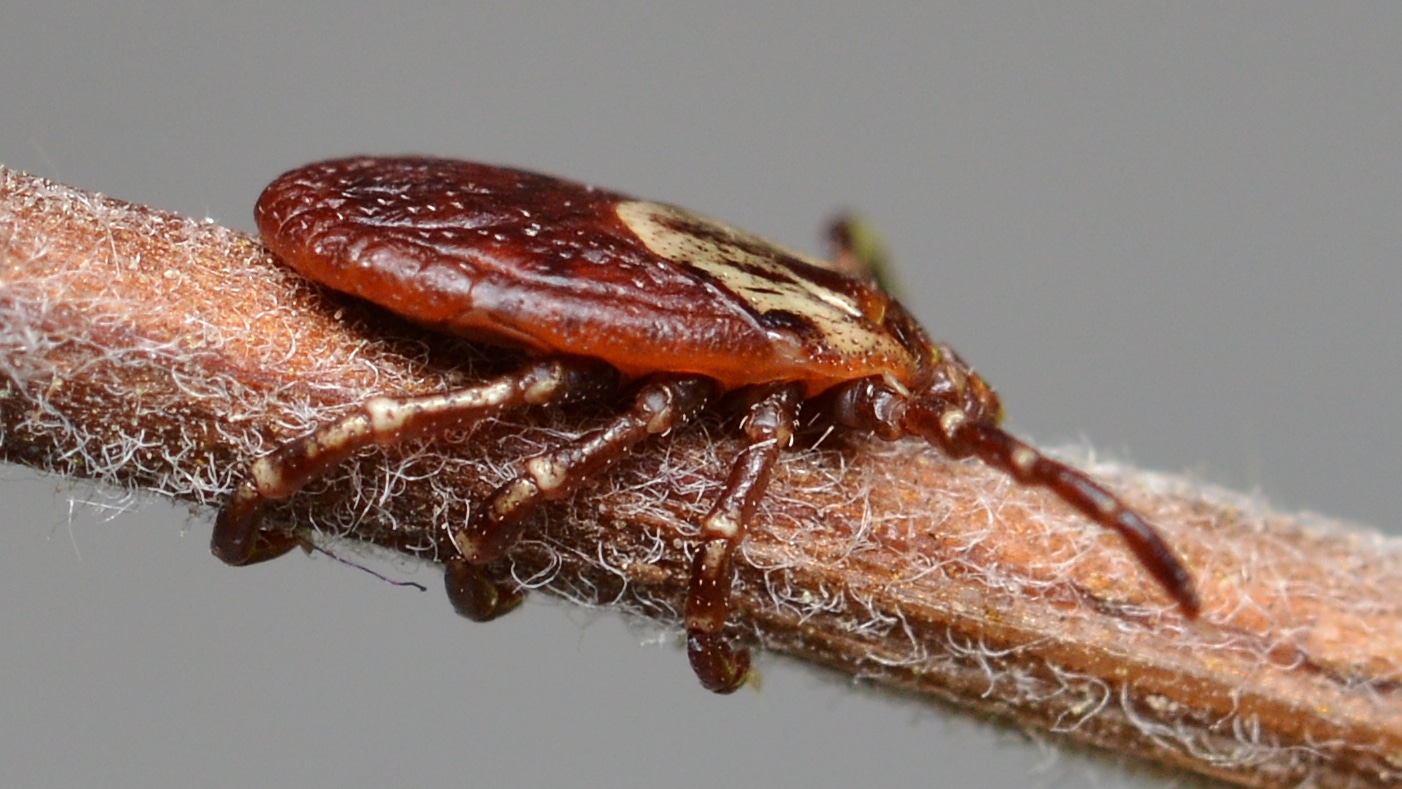
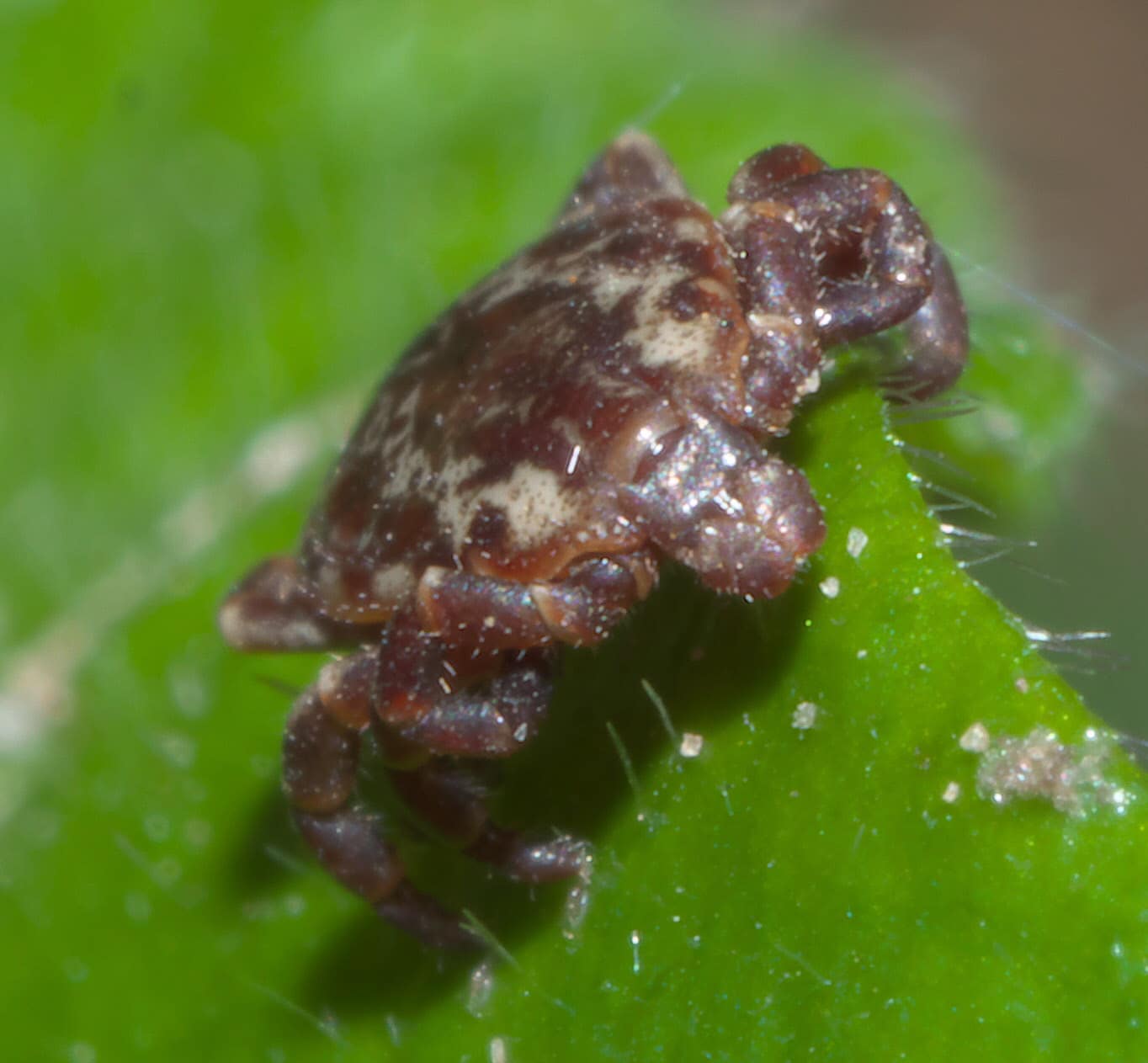
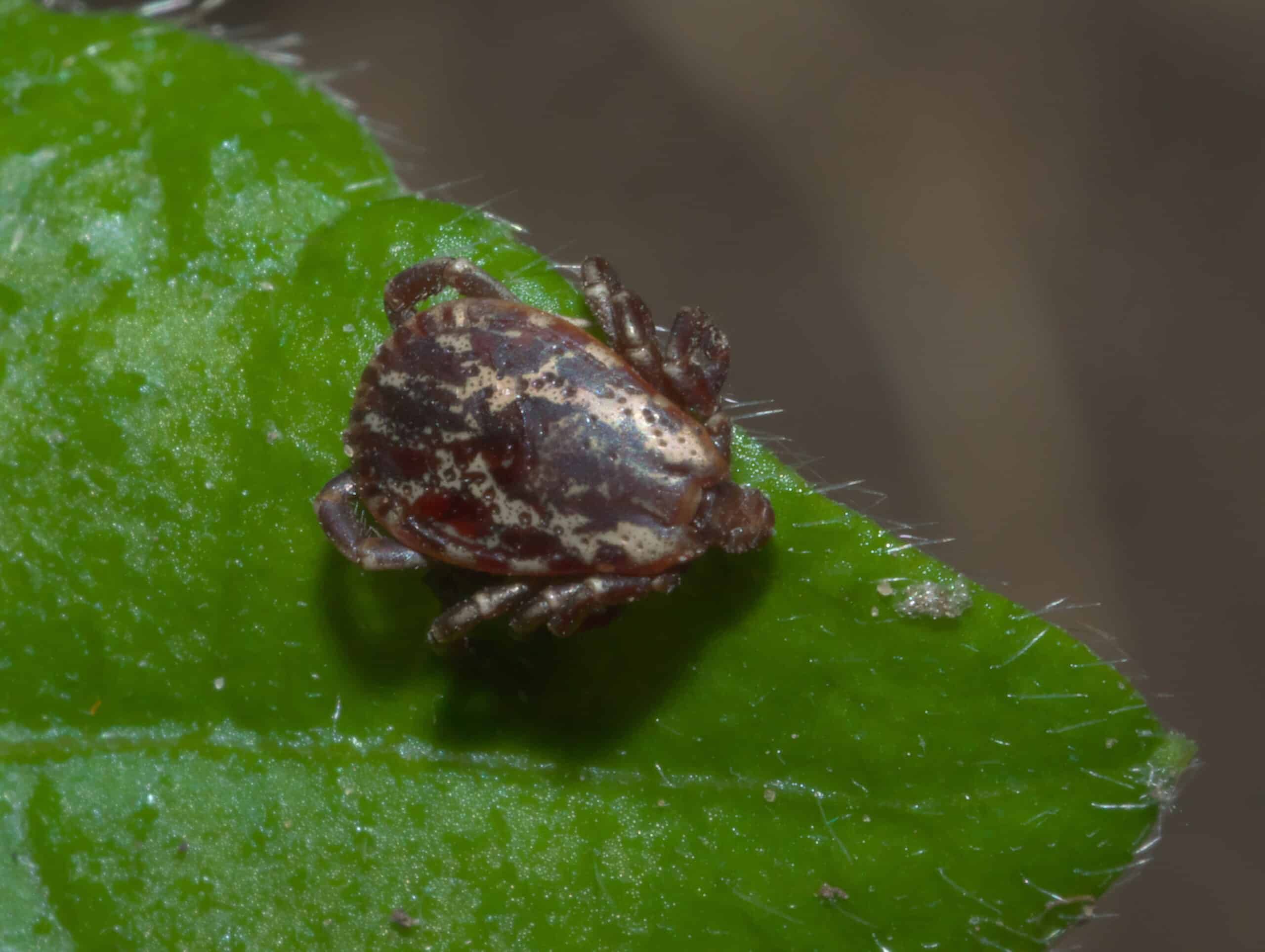
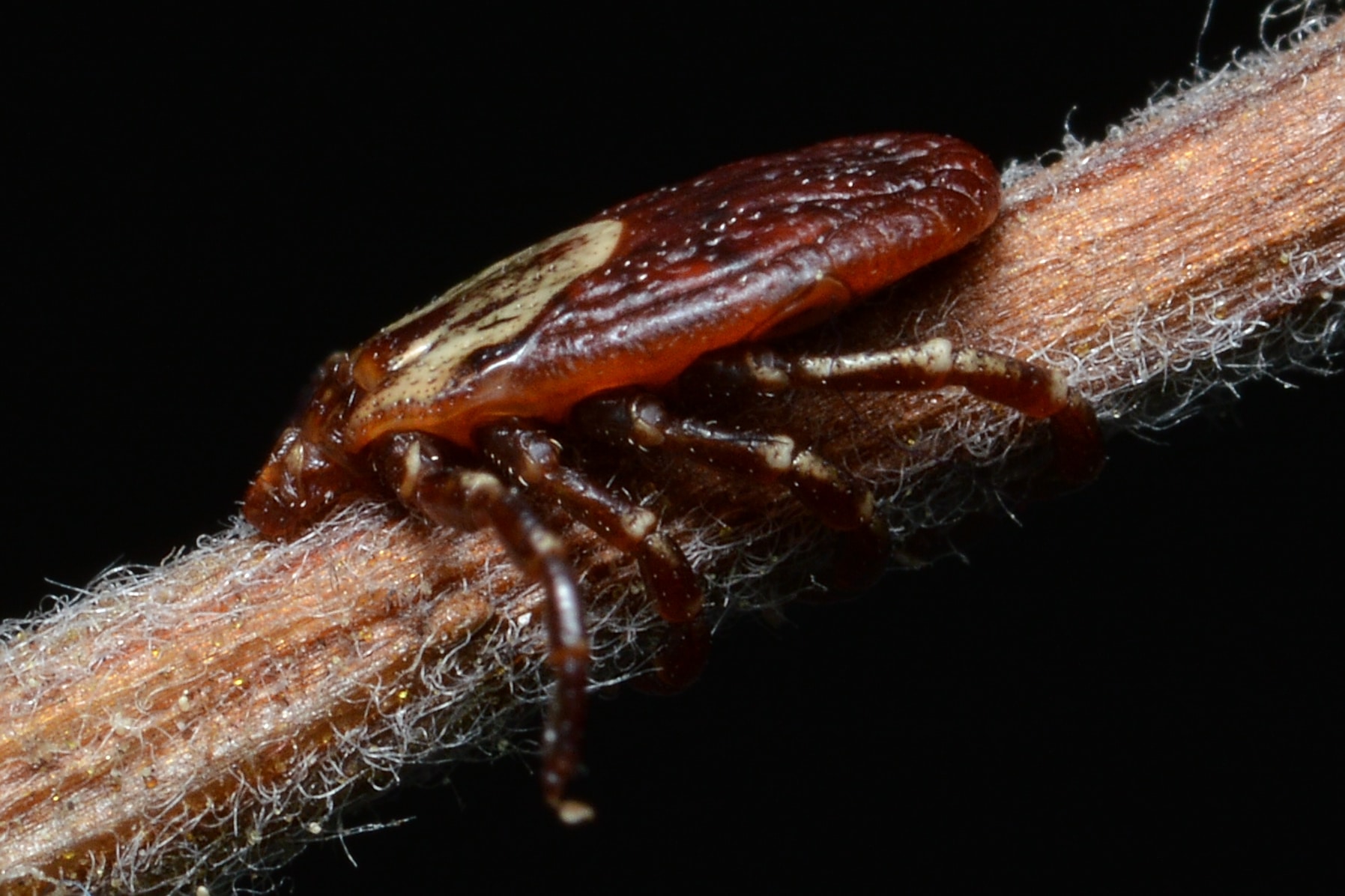
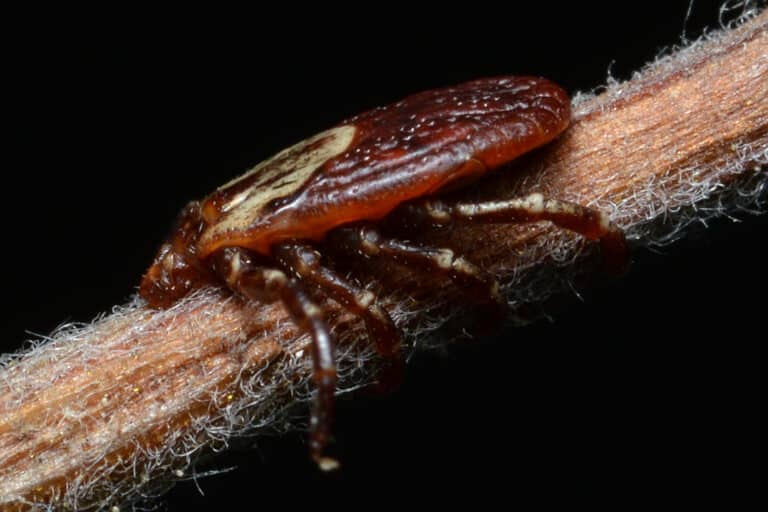
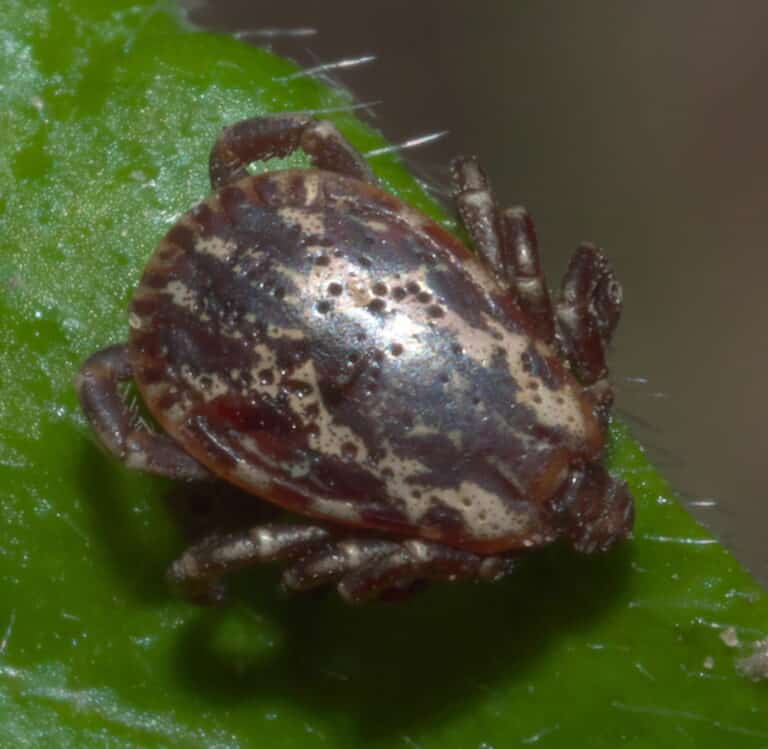
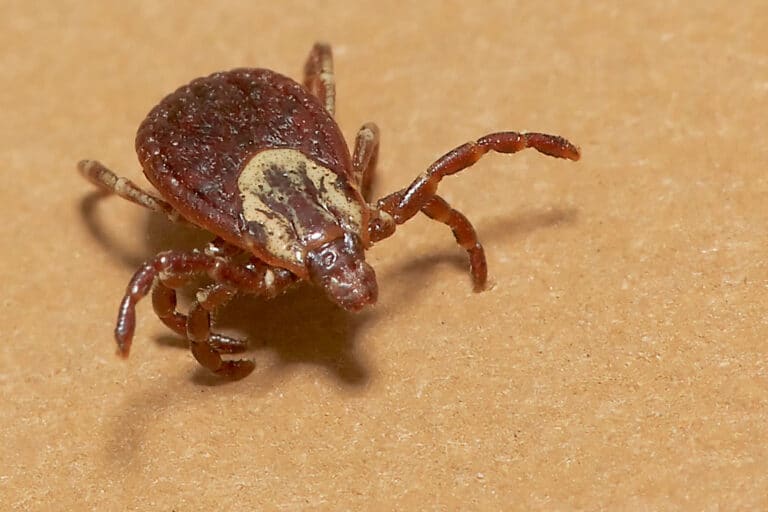
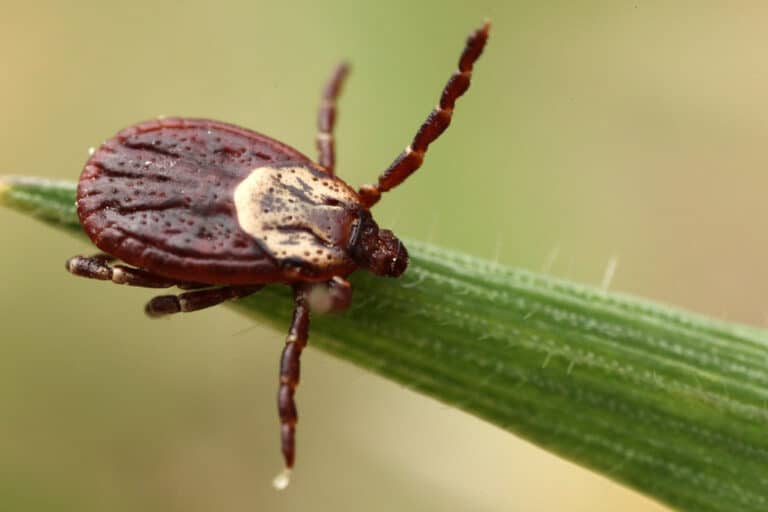
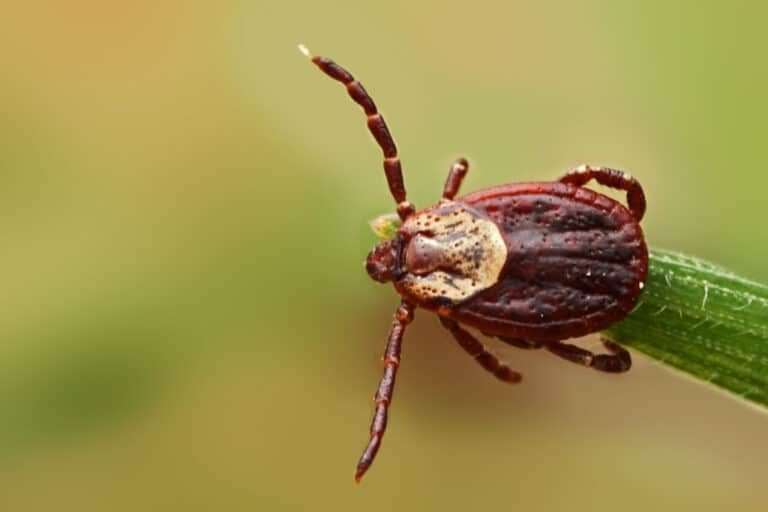
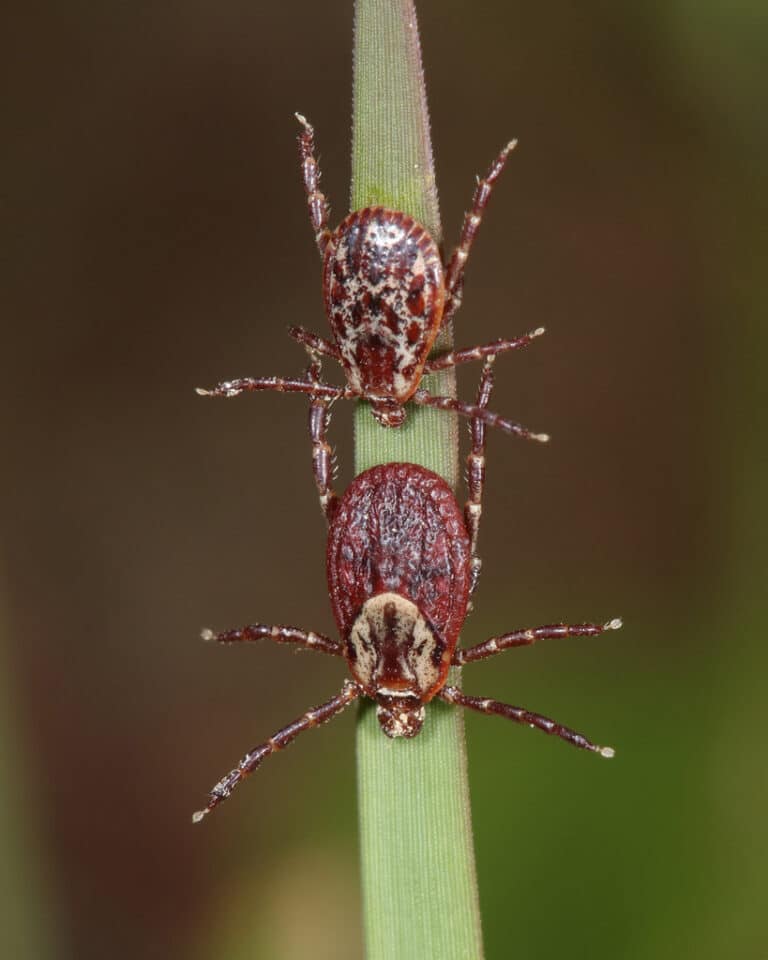
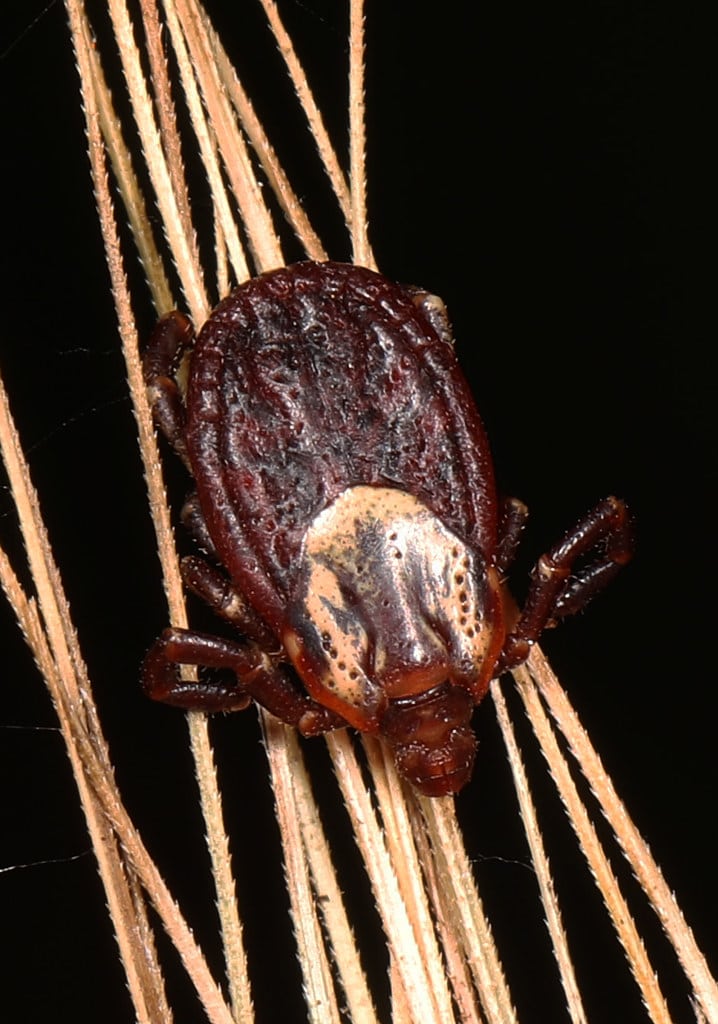
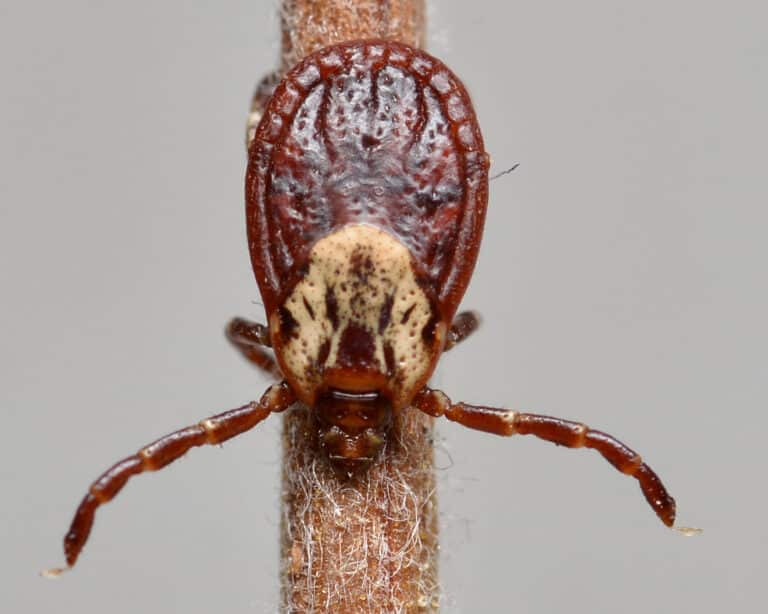
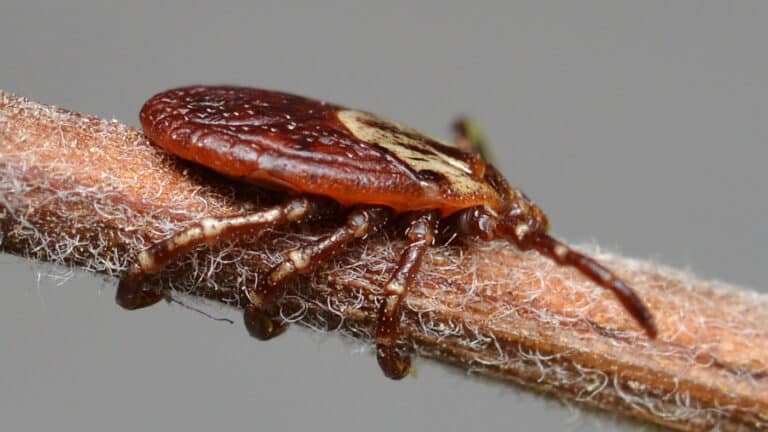
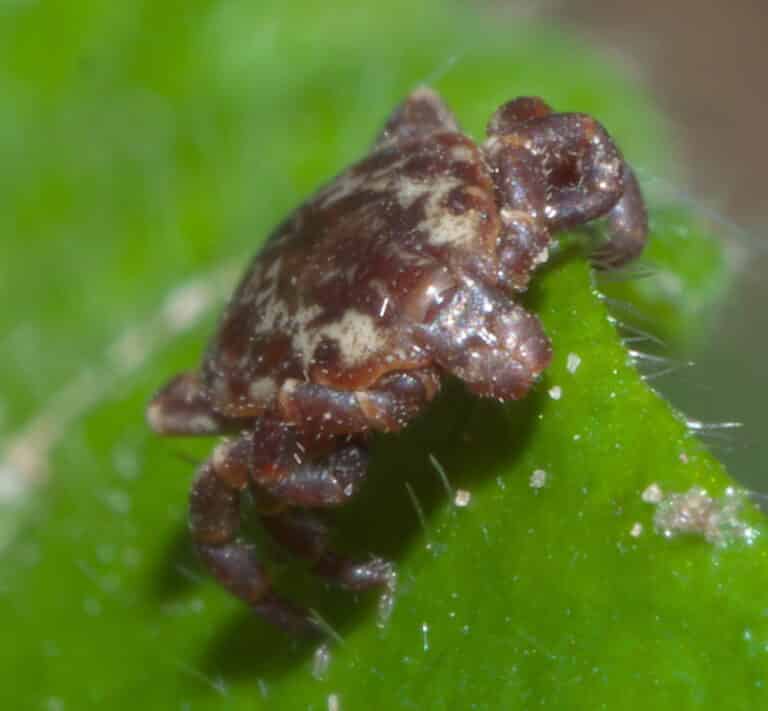
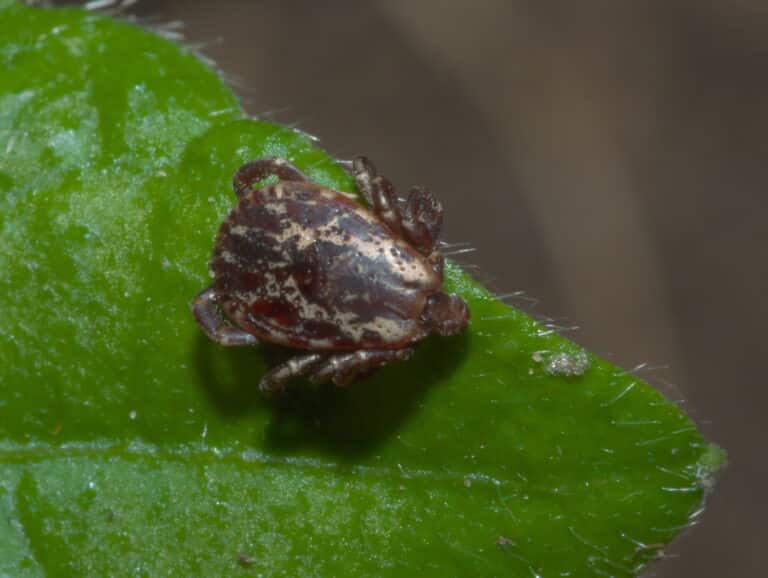
The dog tick, scientifically known as Dermacentor variabilis, is a tiny powerhouse in the world of invertebrates. These arachnids usually measure between 5 mm to 15 mm long, making them small but mighty!
Dog ticks play an essential role in the ecosystem by feeding on the blood of mammals. They help balance animal populations, providing an important food source for larger predators.
These ticks thrive in various habitats, especially in Africa. They prefer grassy and wooded areas where they can easily latch onto their unsuspecting hosts.
With a lifespan of up to 2 years, dog ticks can be quite the endurance champions! They can survive through many seasons, patiently waiting for the perfect moment to hitch a ride on animals.
Dog ticks can detect their hosts through scents and vibrations, making them expert hitchhikers. Once they find a host, they attach themselves and begin their blood meal!
While they might seem a bit icky, dog ticks have a fascinating life cycle. They begin as eggs, hatch into larvae, and then transform into nymphs before becoming adult ticks.
The world of dog ticks is a great reminder that even the smallest creatures have essential roles in nature. Next time you’re outdoors, remember that these little explorers are hard at work, making their mark in the animal kingdom!

Where can you find a Dog Tick in the wild?
What does a Dog Tick eat?
How big can a Dog Tick grow?
How long does a Dog Tick typically live?
What is the conservation status of the Dog Tick?
What are the main threats to the Dog Tick?
Fun facts
Dog ticks can be superheroes in disguise! They help keep animal populations in check by feeding on their blood, which provides a vital balance in nature.


These tiny arachnids have a special talent for waiting. They can survive for several months without a meal, hanging out and hoping to catch a ride on any passing mammal.
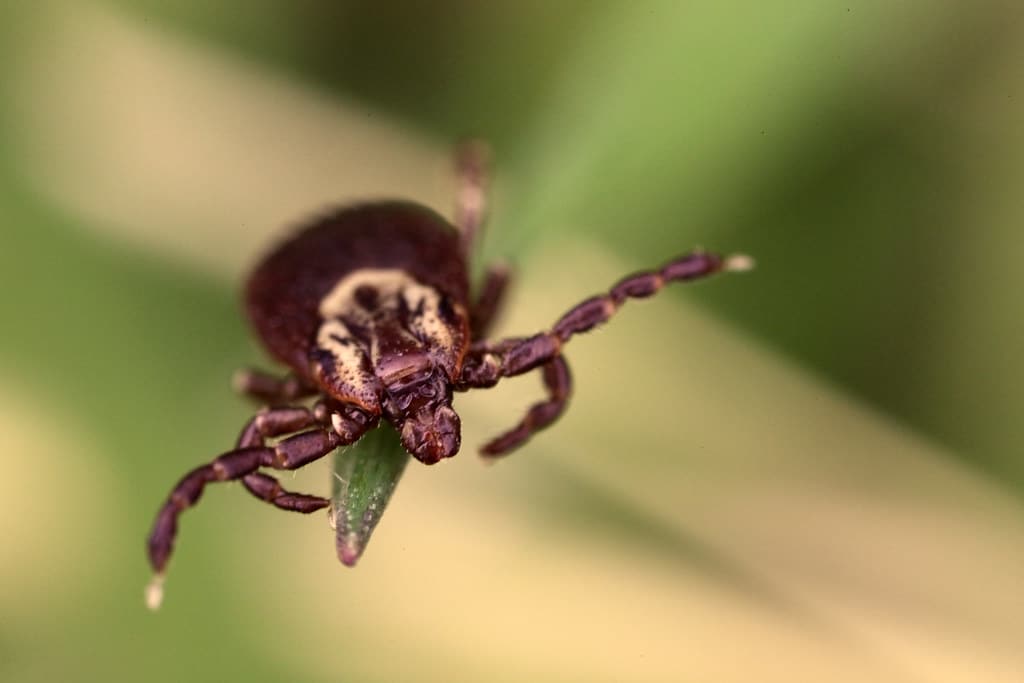
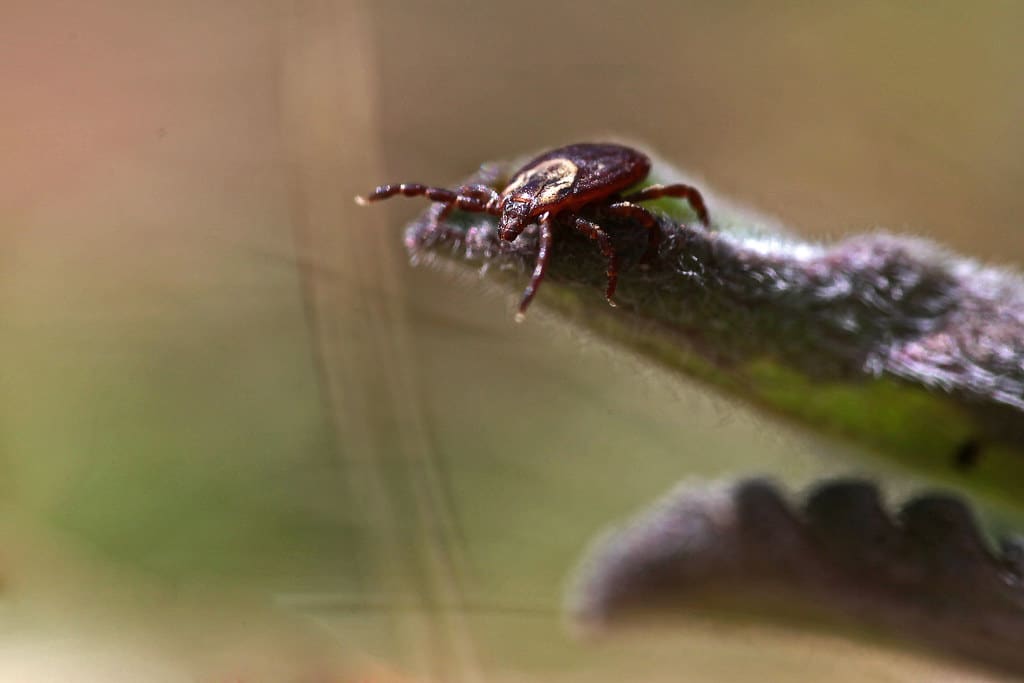
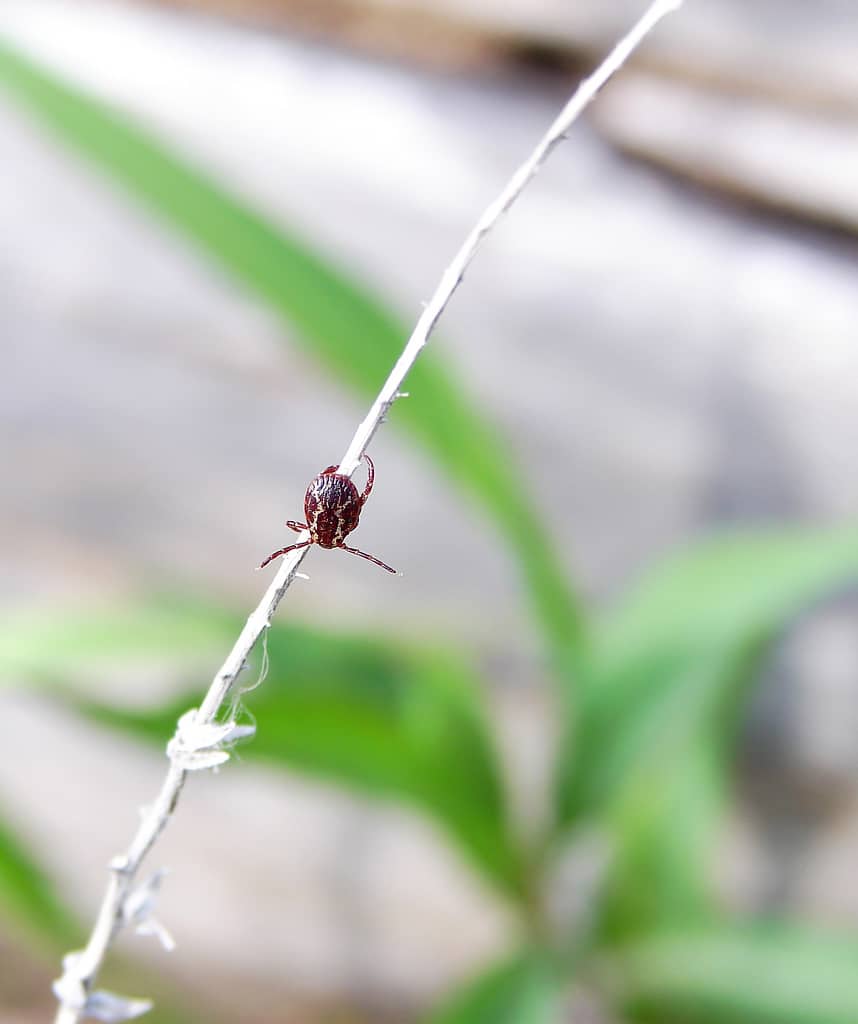
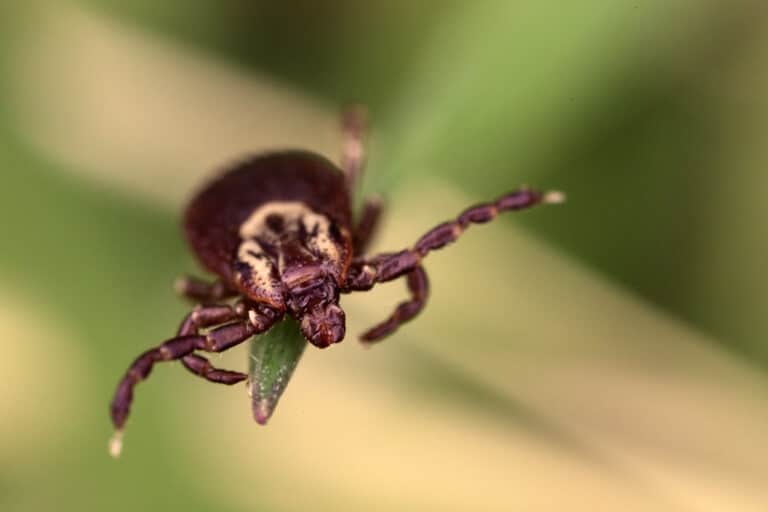
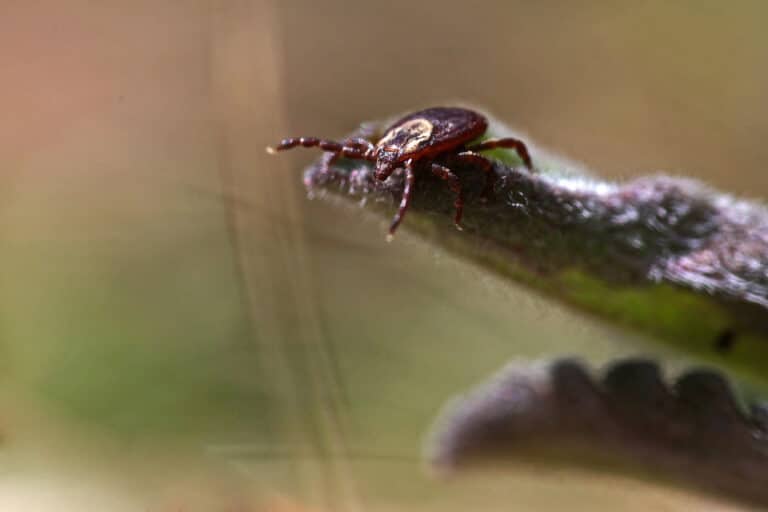
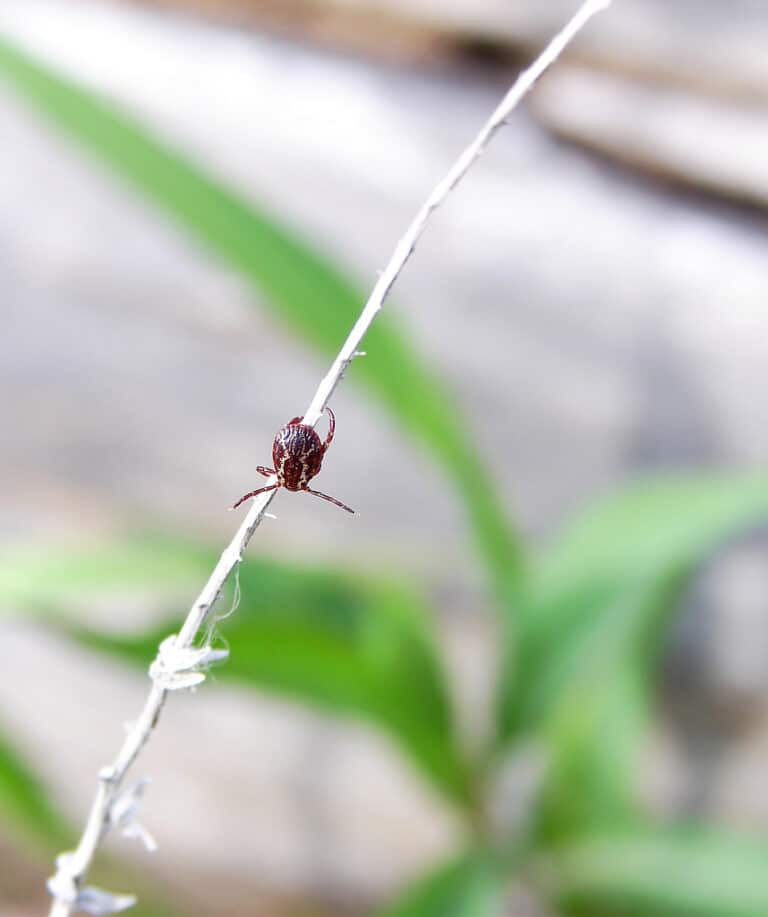
Dog ticks have a skill called questing. They hold their front legs out as they climb up blades of grass, hoping to grab onto their next unsuspecting host like a hitchhiker reaching out for a ride!
Once a dog tick finds a meal, it can drink up to three times its body weight in blood! That’s like a person drinking a bathtub full of juice!
Dog ticks undergo a remarkable transformation. They start as eggs, hatch into larvae, grow into nymphs, and finally become adults. That’s like going through a magical four-step spell!
These ticks communicate in their own unique way by sensing vibrations and odors. They can detect nearby hosts through their incredible sense of smell, which is much better than our noses!
A quick tick fact: male dog ticks can mate with females while they are still feeding! This means they make sure their family gets started even while enjoying a delicious meal.
Dog ticks have a remarkable ability to detect temperature changes. They can sense when a warm-blooded animal is nearby, making them expert predators!
Dog ticks can hold on tight! Their mouthparts are shaped like hooks, allowing them to latch on securely to their hosts so they don't easily let go.
Even though they might seem scary, dog ticks play a role in our ecosystem. They serve as a snack for birds and other animals, showcasing that every creature has a purpose!
Photos





The Basics


explore more
Amphibians
Arachnids
Birds
Cats
Crustaceans
Fish
Fish Pet Guide
Gastropods
Insects
Invertebrates
Mammals
Pet Fish
Pet Rodents
Plants
Reptiles
Roundworms
Sea Slugs