
Successfully copied to clipboard!
Dungeness Crab
Uncover the underwater secrets of a delicious ocean explorer!
Let’s Explore
Overview
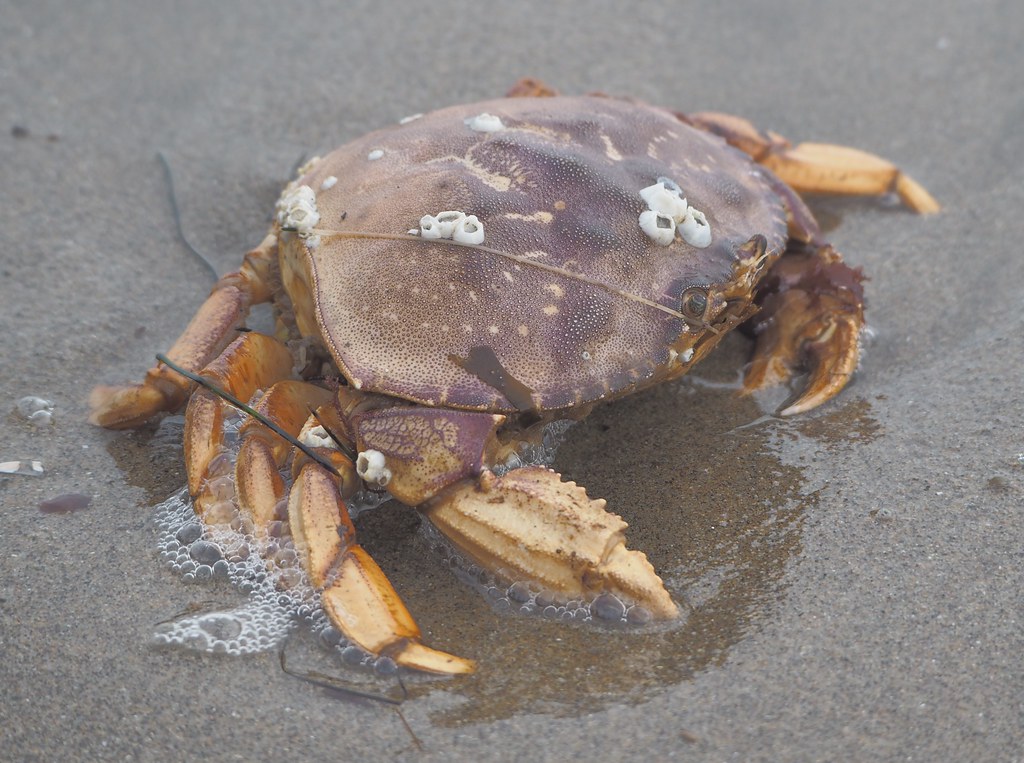
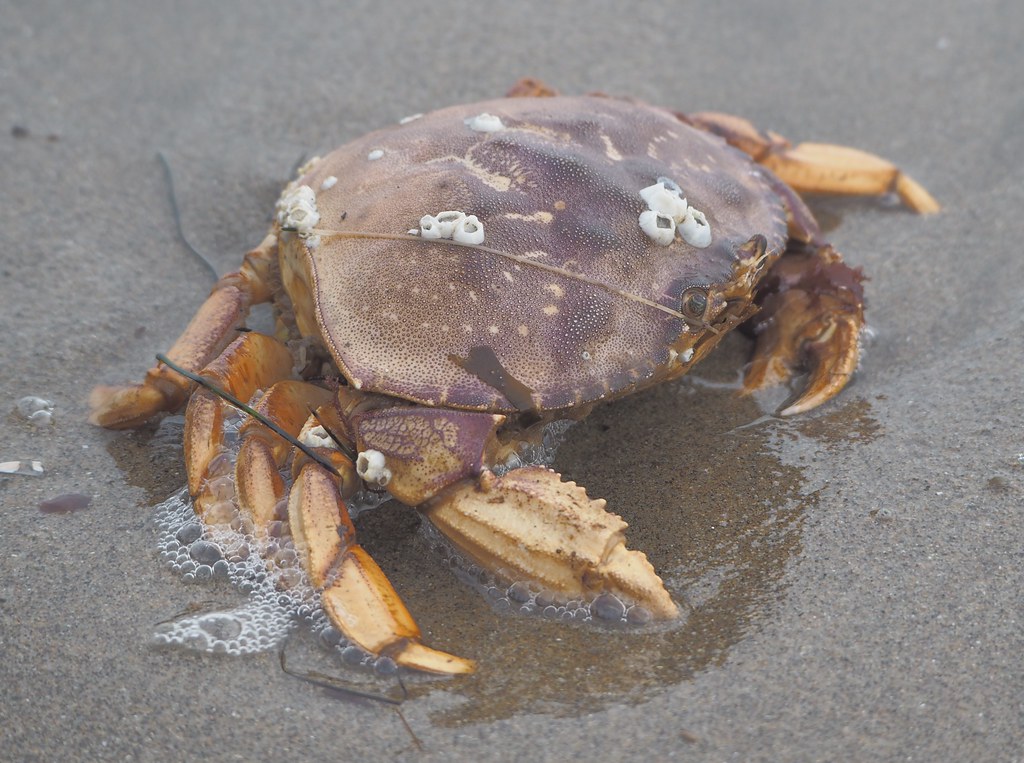
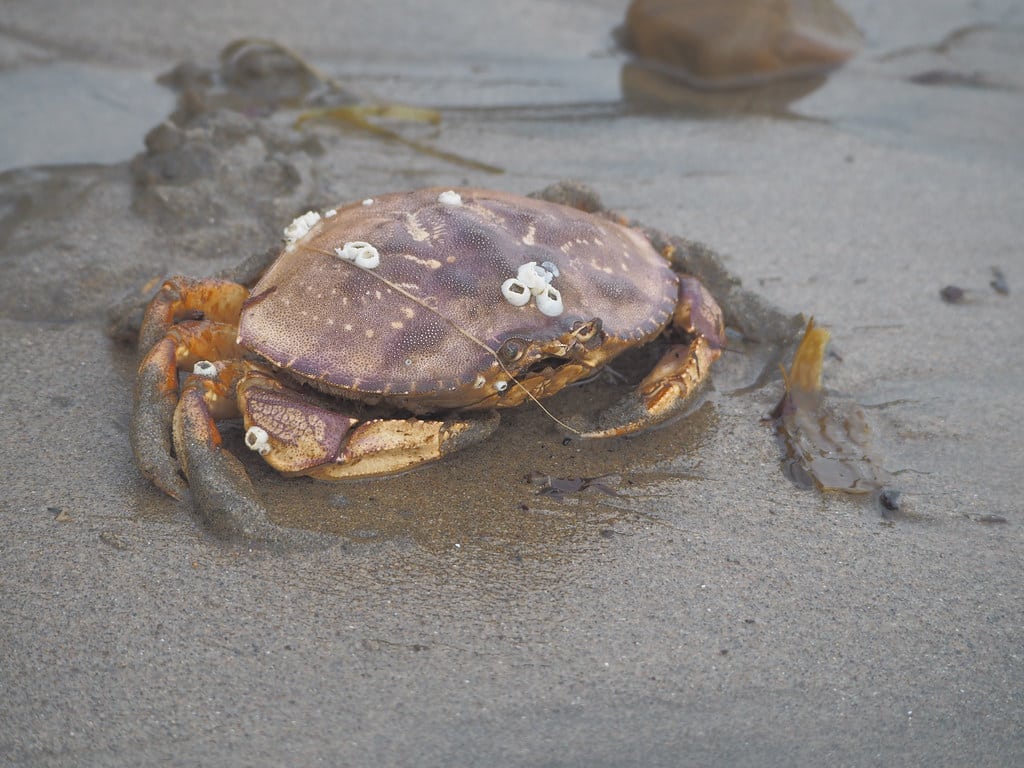
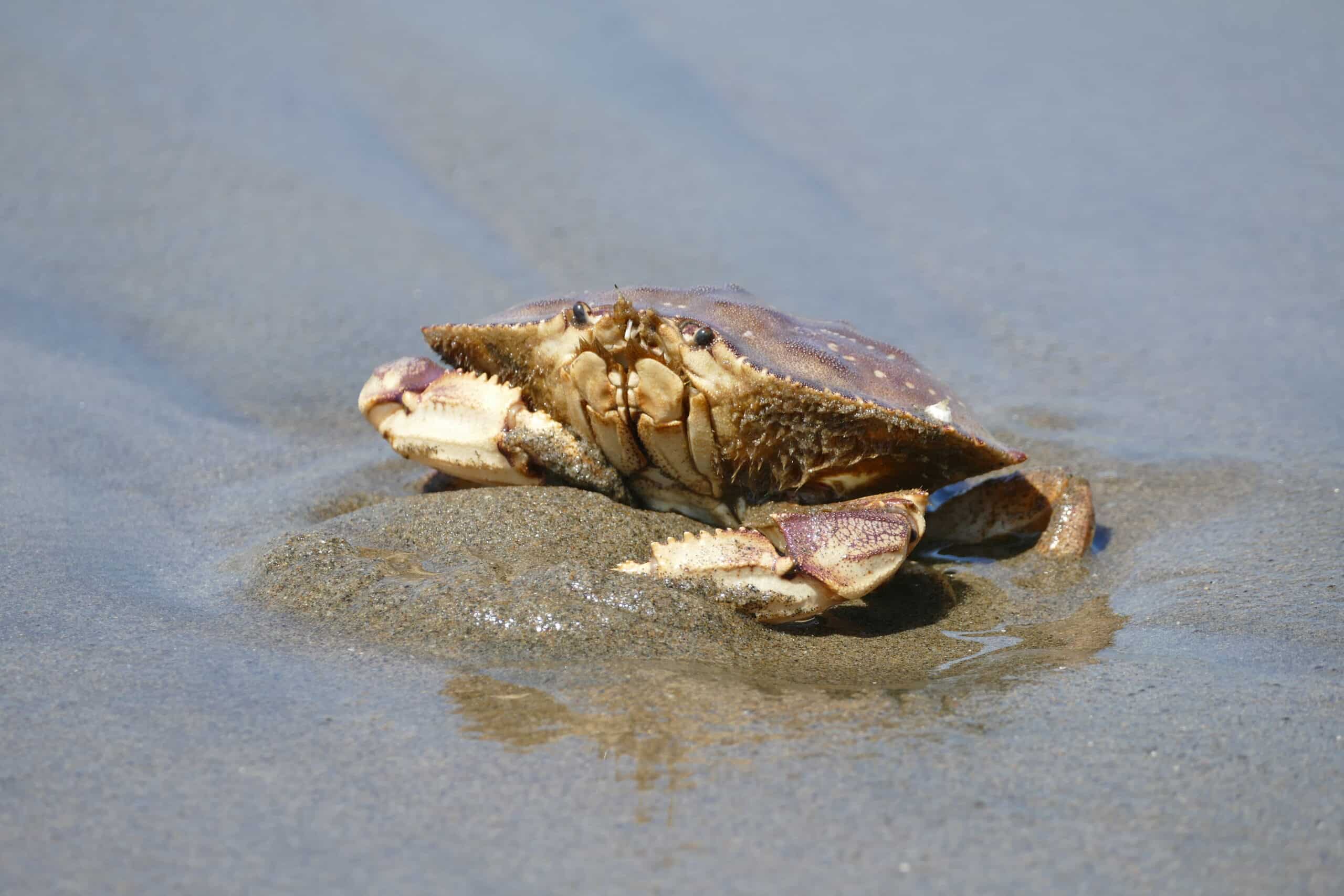
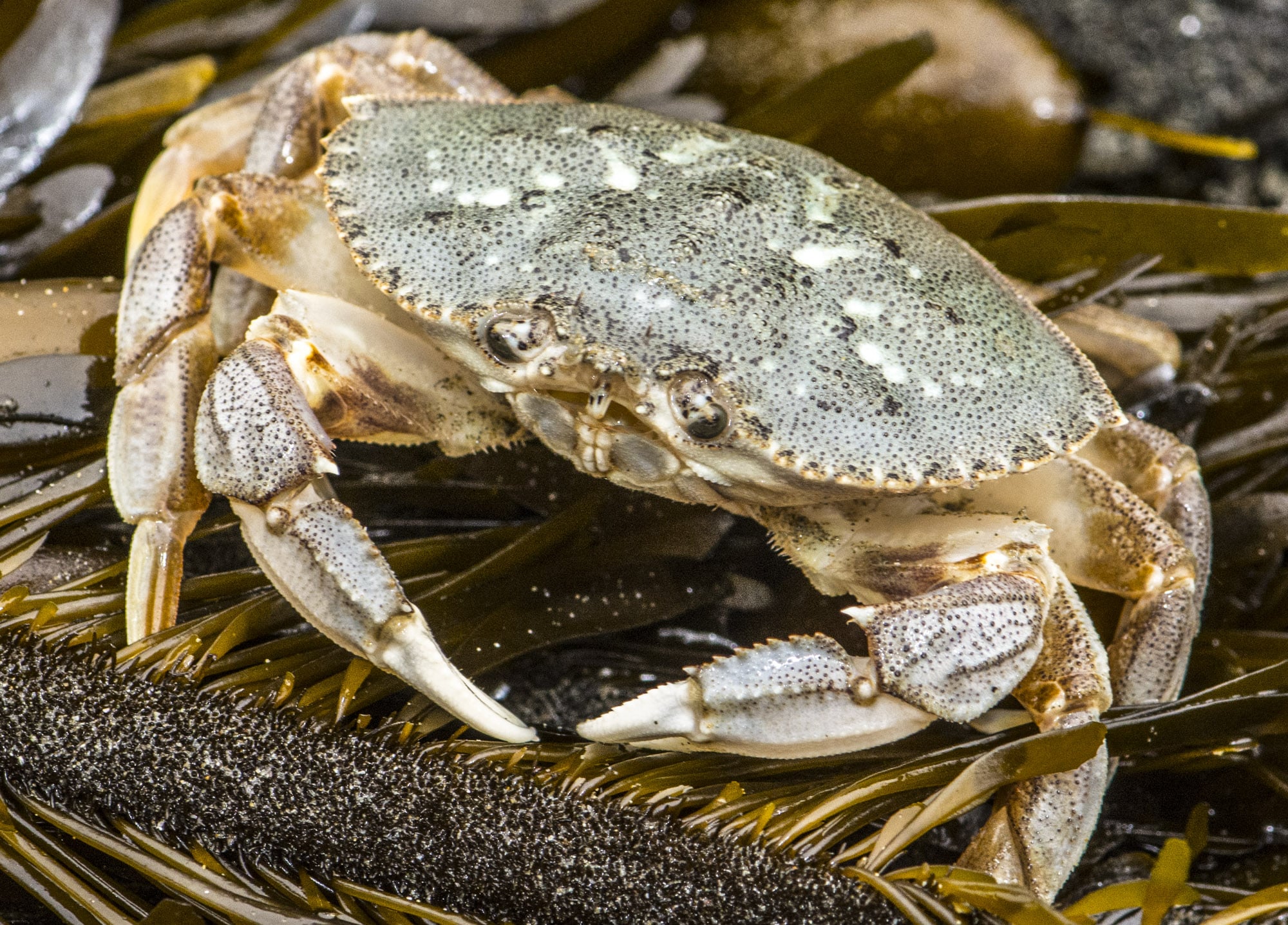
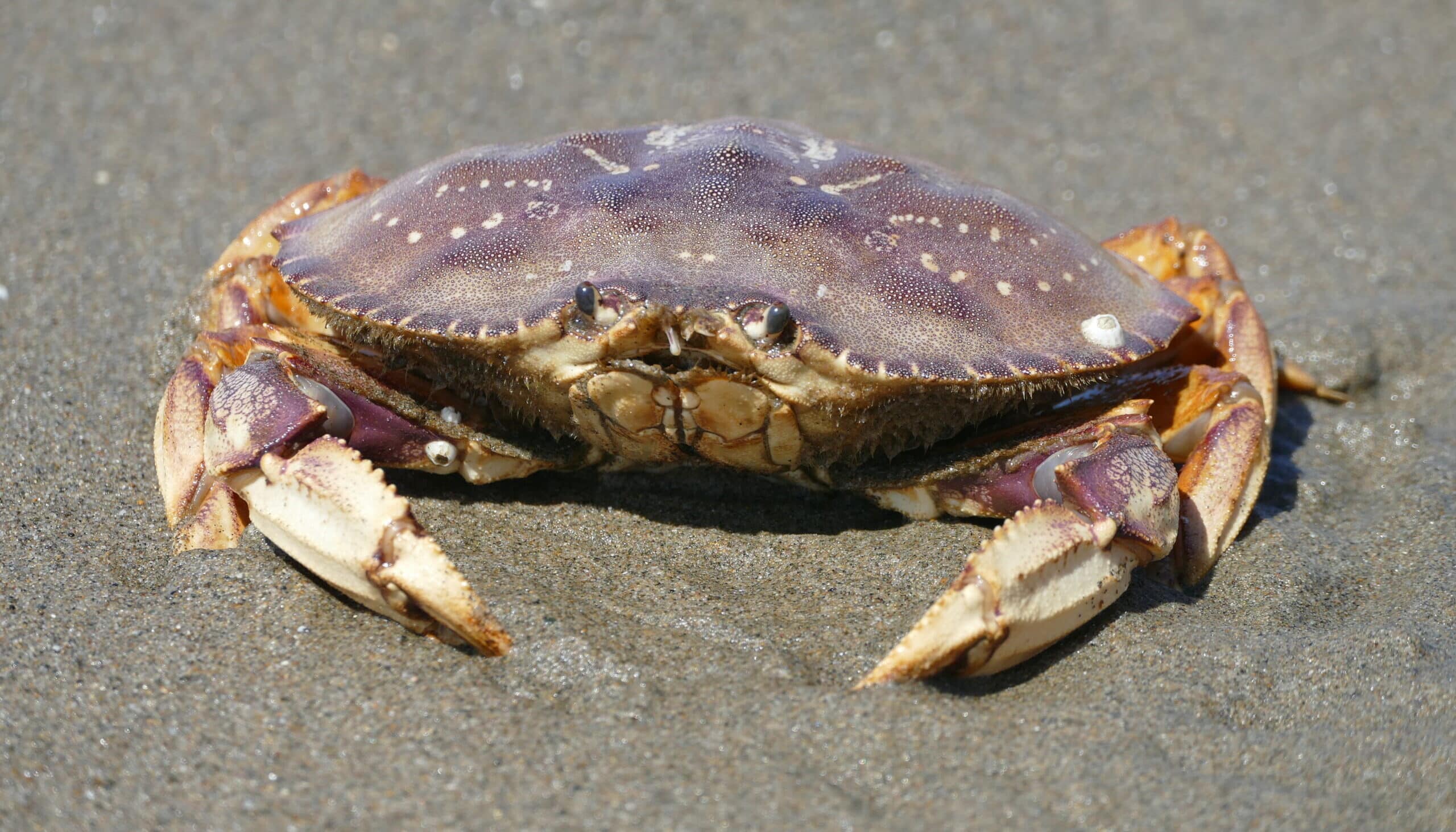
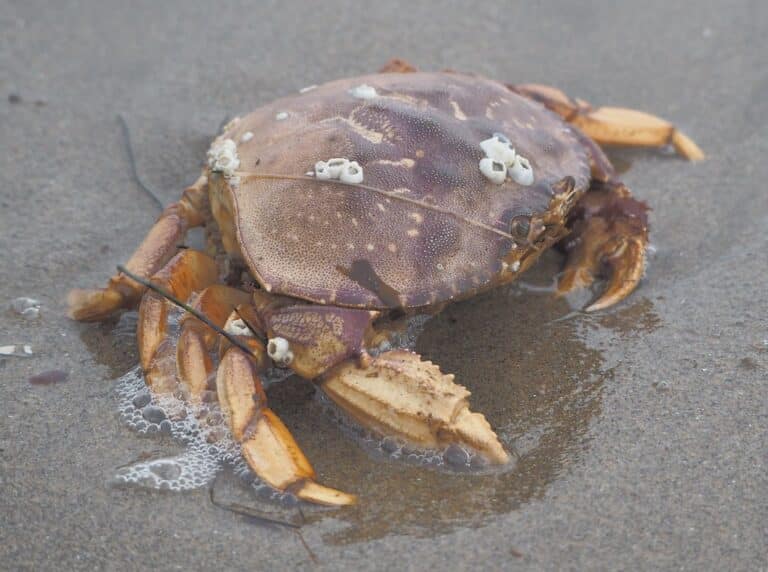
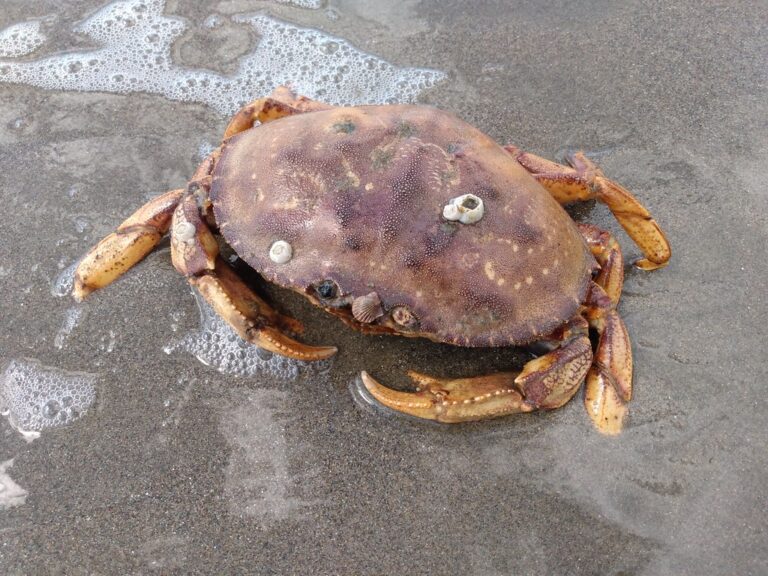
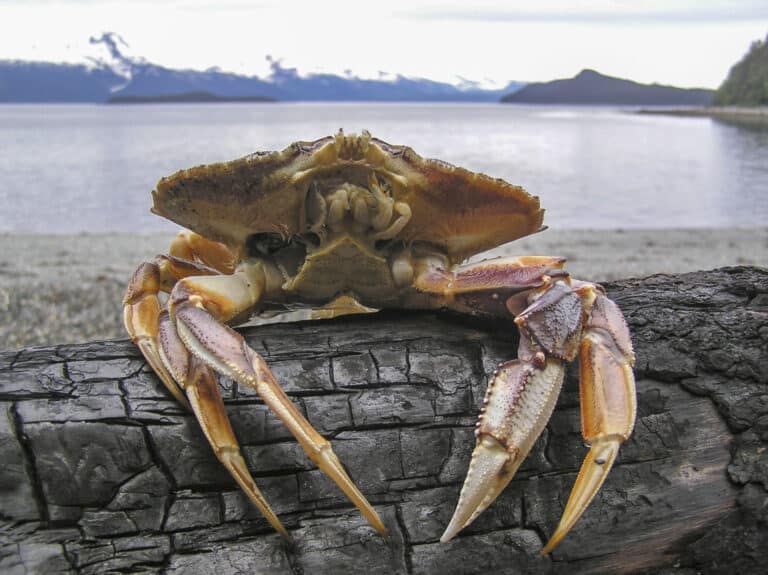
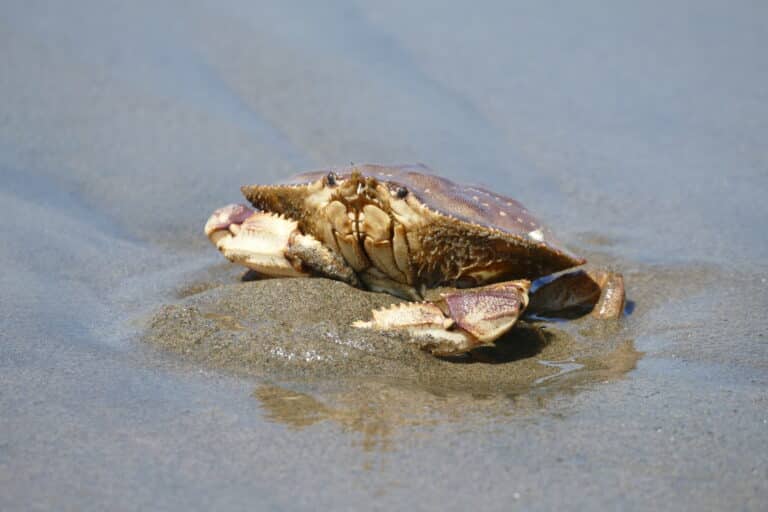
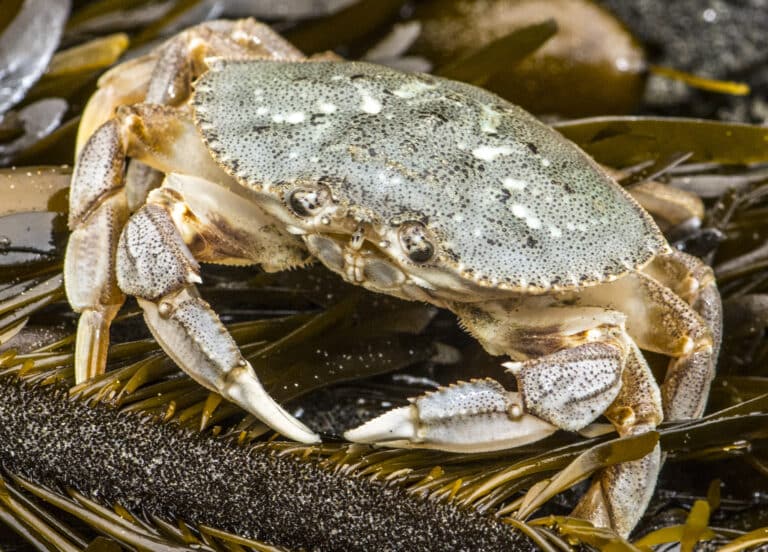
The Dungeness Crab is a popular seafood choice that resides along the Pacific Coast of North America. This critter belongs to the kingdom Animalia and the phylum Arthropoda, making it part of the fascinating world of invertebrates.
The scientific name for this tasty treat is Metacarcinus magister. With an average size ranging from 15 to 25 centimeters (6 to 10 inches) in width, these crabs are not just tasty, but also take up quite a bit of room on your dinner plate!
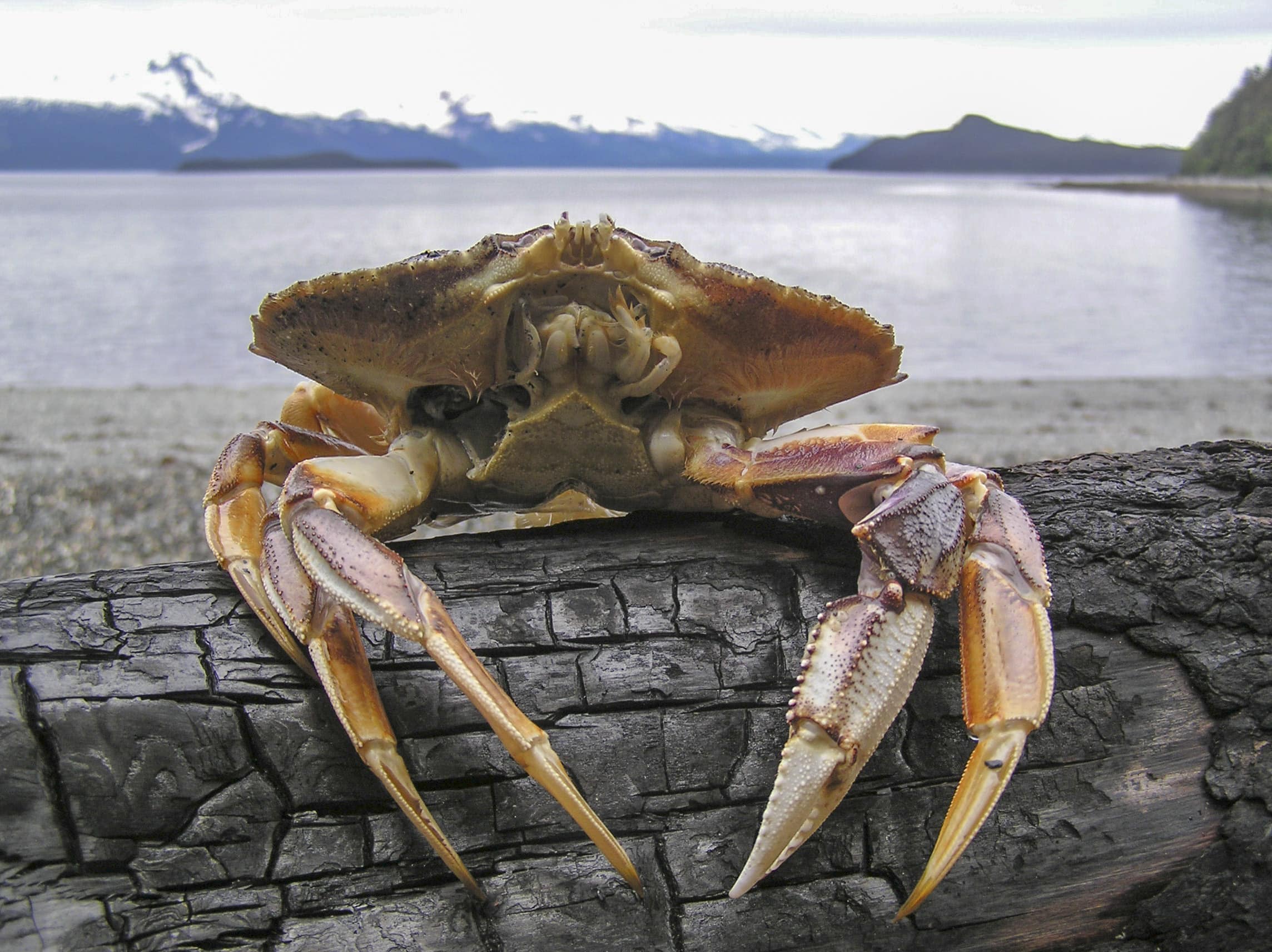
Dungeness Crabs typically enjoy a delicious diet that consists of clams, small fish, and even other small crabs. They are natural scavengers, using their claws to search for snacks in the ocean floor.
These crabs can live for a span of 8 to 13 years, allowing them plenty of time to grow and explore their underwater homes. With their hard shells and strong pincers, they are well-equipped to navigate life in the ocean.
Dungeness Crabs can be found in sandy or muddy habitats where they dig burrows to hide from predators. This clever camouflage helps them stay safe while they munch on delicious dinner options below the surface of the water!

Where can you find a Dungeness Crab in the wild?
What does a Dungeness Crab eat?
How big can a Dungeness Crab grow?
How long does a Dungeness Crab typically live?
What is the conservation status of the Dungeness Crab?
What are the main threats to the Dungeness Crab?
Fun facts
Dungeness Crabs can communicate with each other using their pincers. They wave their claws to show off and establish their territory, almost like saying "stay away!".


These crabs turn into hermit crabs when they outgrow their shells. They often seek out the empty shells of other sea creatures to protect themselves as they grow bigger, like wearing someone else’s clothes!
Dungeness Crabs molt, which means they shed their shells to grow new ones. This process can happen up to 20 times in their lifetime, allowing them to keep getting bigger and stronger!
Their claws are not just for snapping at food; they also help in digging. Dungeness Crabs easily burrow into the sand and mud, creating cozy homes away from predators, turning them into underwater landscapers!
Dungeness Crabs can run sideways really fast! They move in a sideways shuffle, which lets them escape quickly from predators - it's like their own secret escape route!
They have a unique ability to taste with their legs. Tiny sensors on their feet pick up chemical signals in the water, letting them "taste" their surroundings as they stroll along the ocean floor!
During mating season, male Dungeness Crabs put on a special display to impress the females. They can become very colorful and even dance to woo their potential mates, like ocean dance parties!
Dungeness Crabs can survive in a wide range of temperatures. They thrive in waters ranging from 10 to 20 degrees Celsius (50 to 68 degrees Fahrenheit), making them adaptable to different ocean environments.
These crabs can regenerate lost limbs. If a predator steals a claw or leg, Dungeness Crabs can slowly grow back a new one, giving them a second chance to stay strong and keep scuttling!
Every year, many towns along the Pacific Coast celebrate Dungeness Crab festivals. These events feature tastings, games, and contests, showing how beloved these crabs are in local cultures!
Photos


The Basics


explore more
Amphibians
Arachnids
Birds
Cats
Crustaceans
Fish
Fish Pet Guide
Gastropods
Insects
Invertebrates
Mammals
Pet Fish
Pet Rodents
Plants
Reptiles
Roundworms
Sea Slugs