

Successfully copied to clipboard!
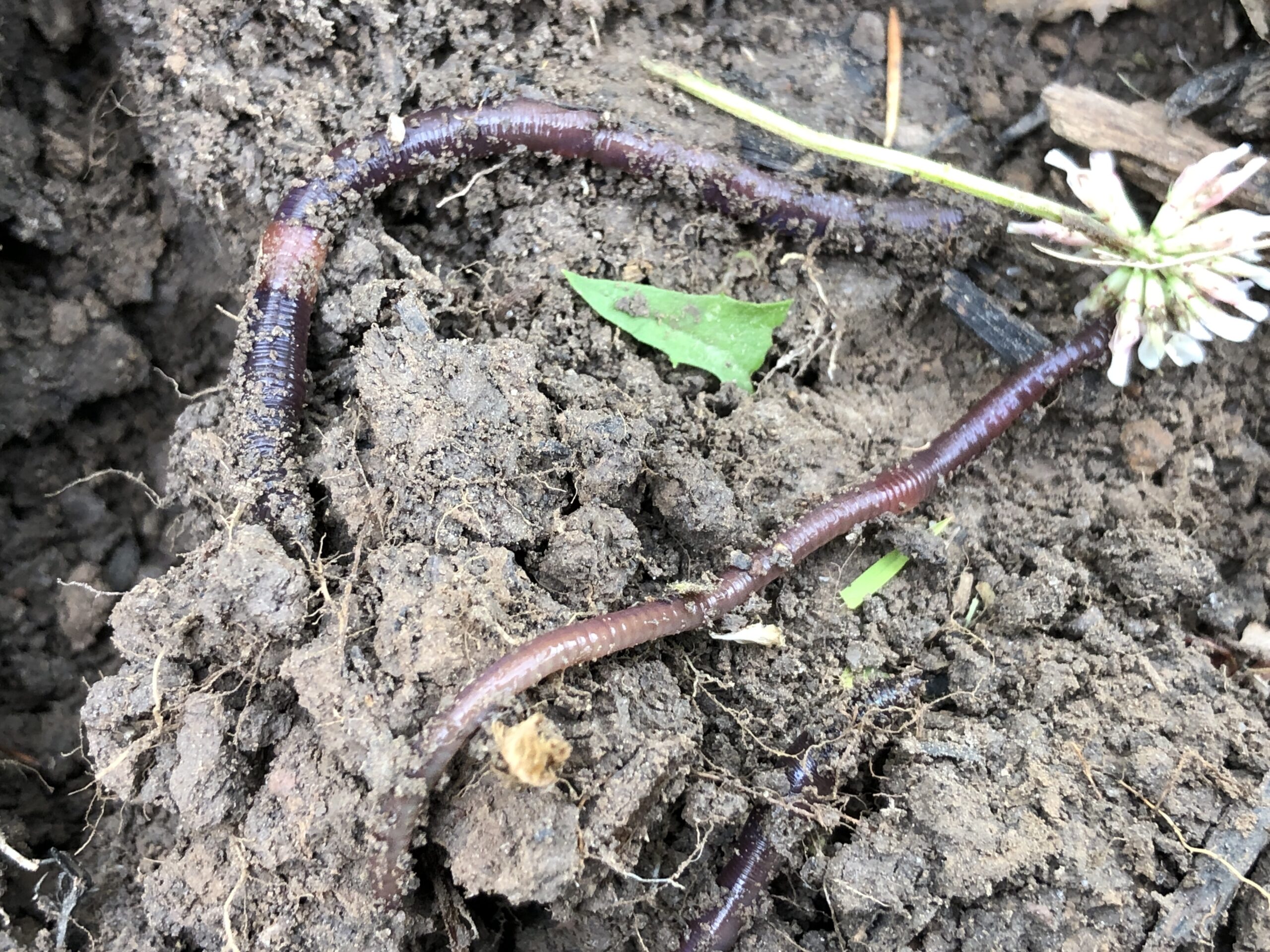
Earthworm
Dig into the secret life of soil's squiggly superheroes!
Let’s Explore
Overview
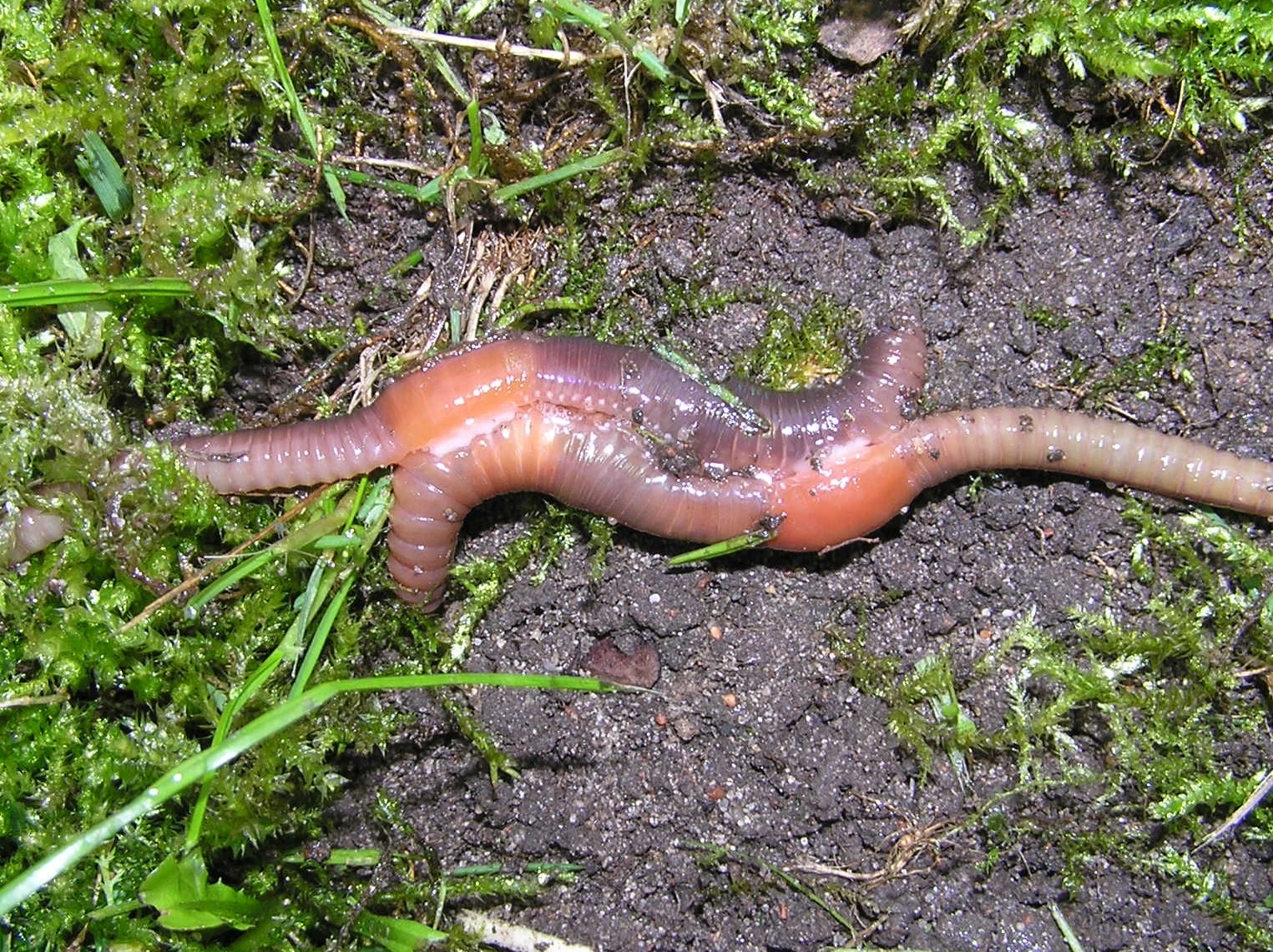
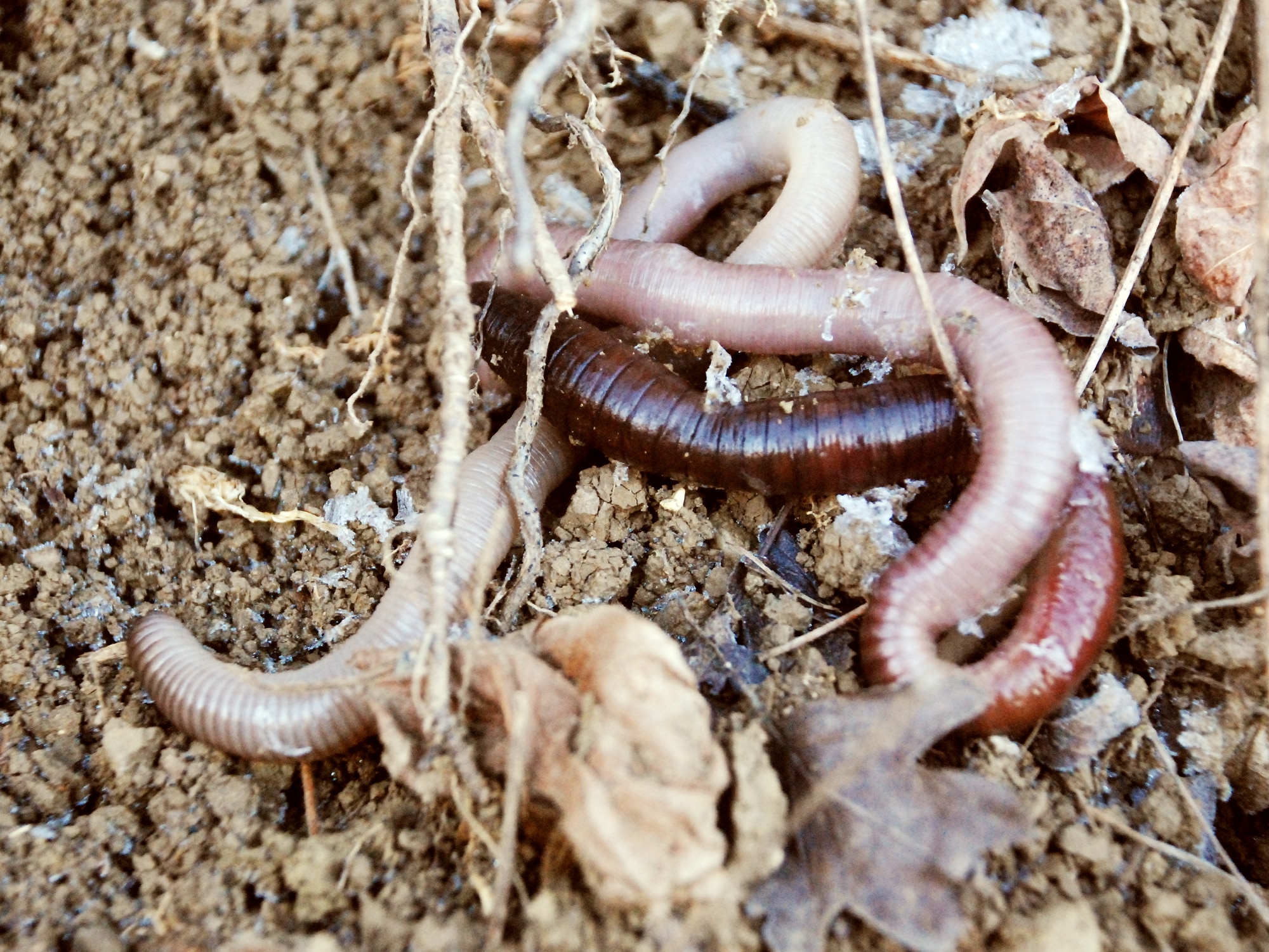
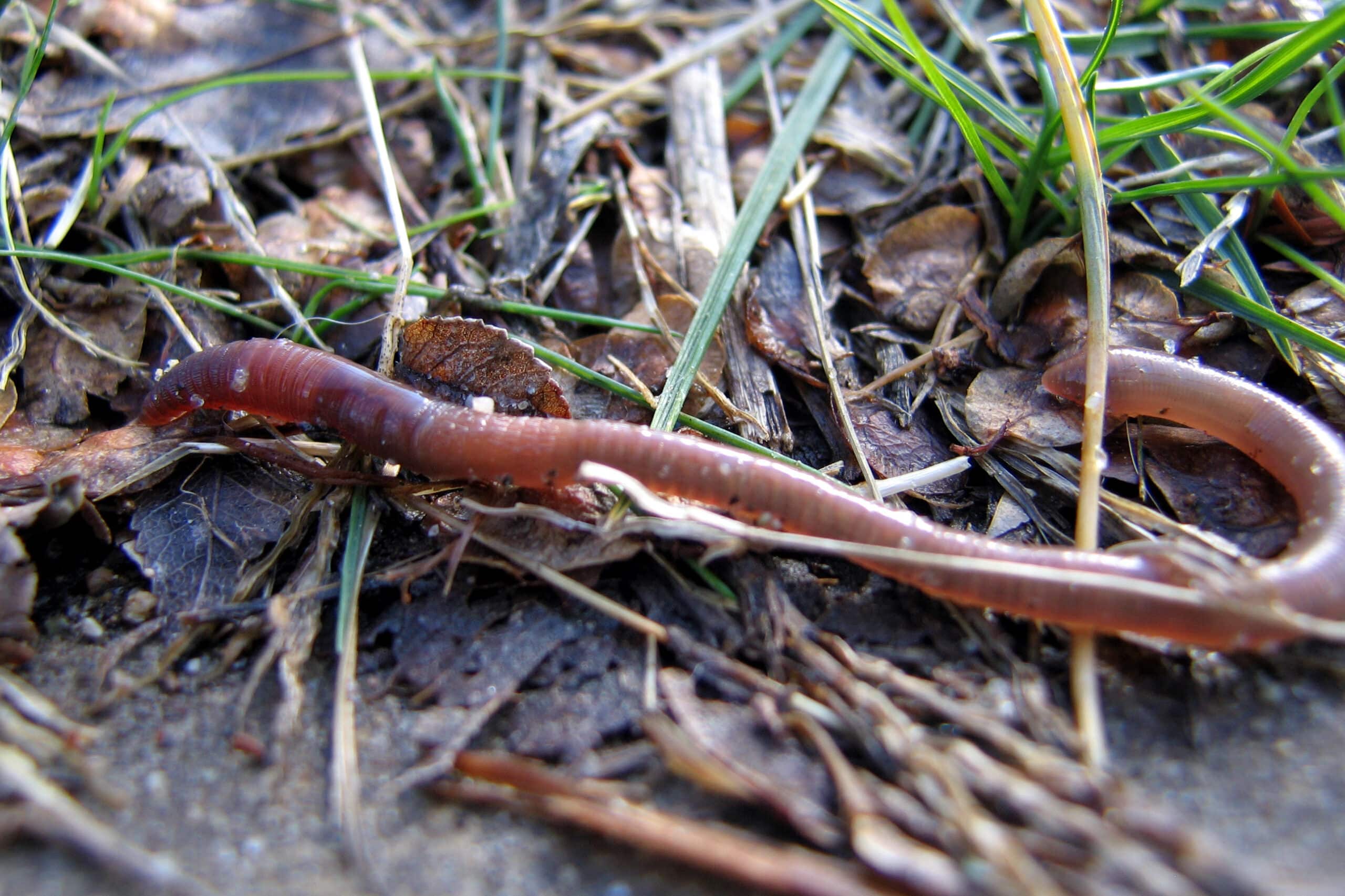
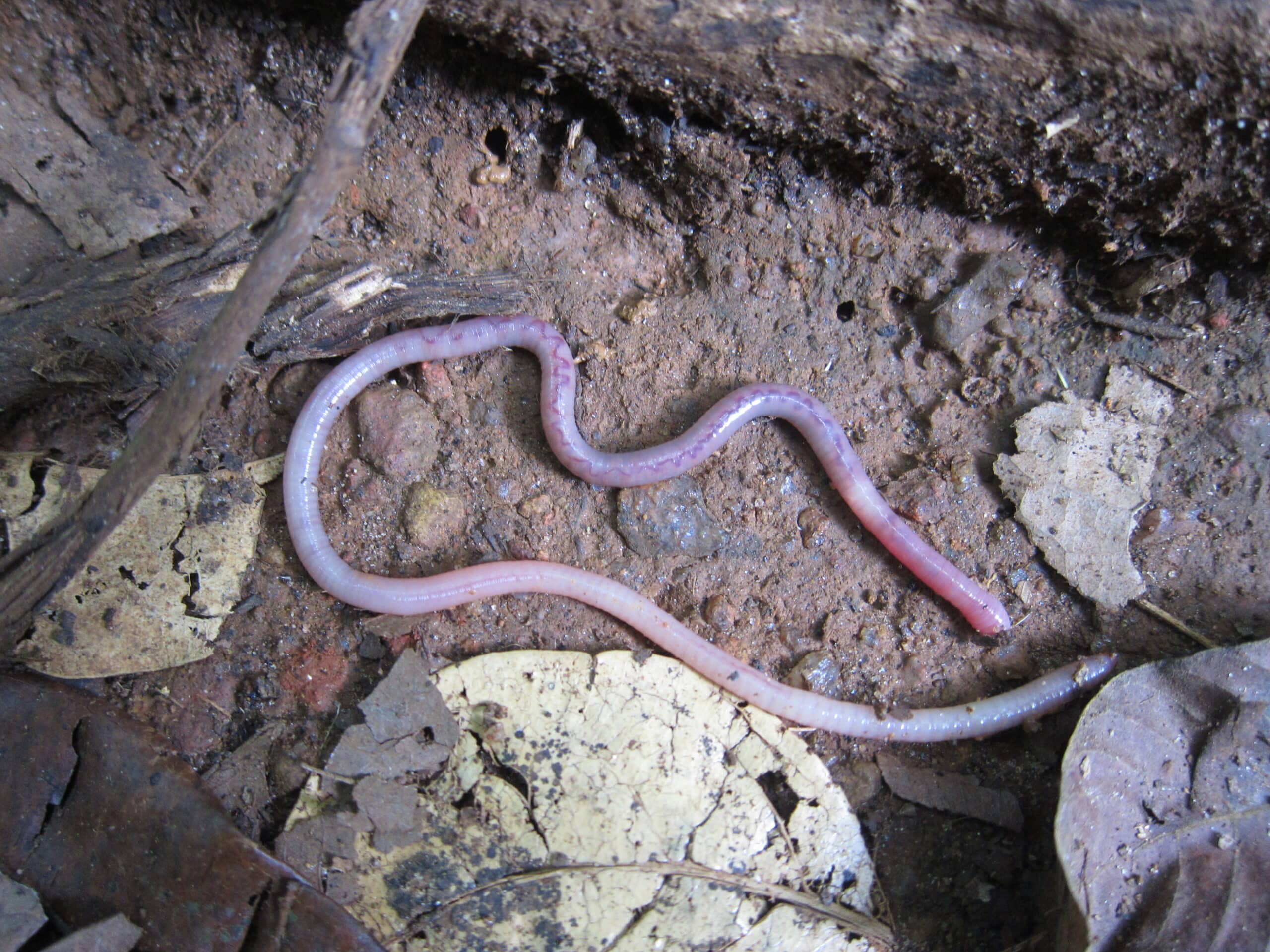
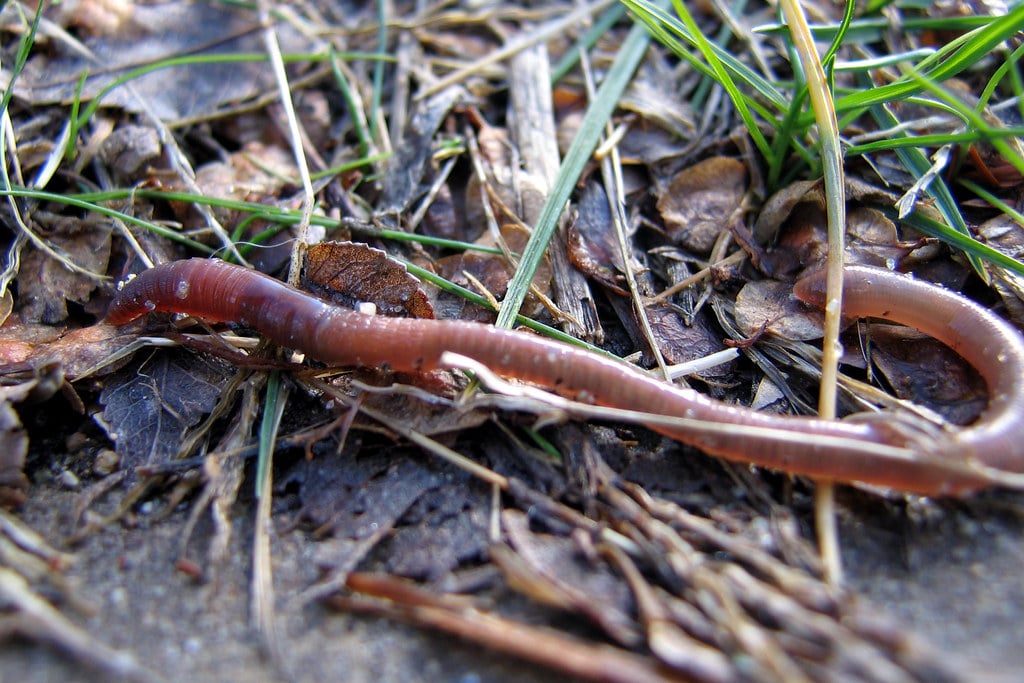
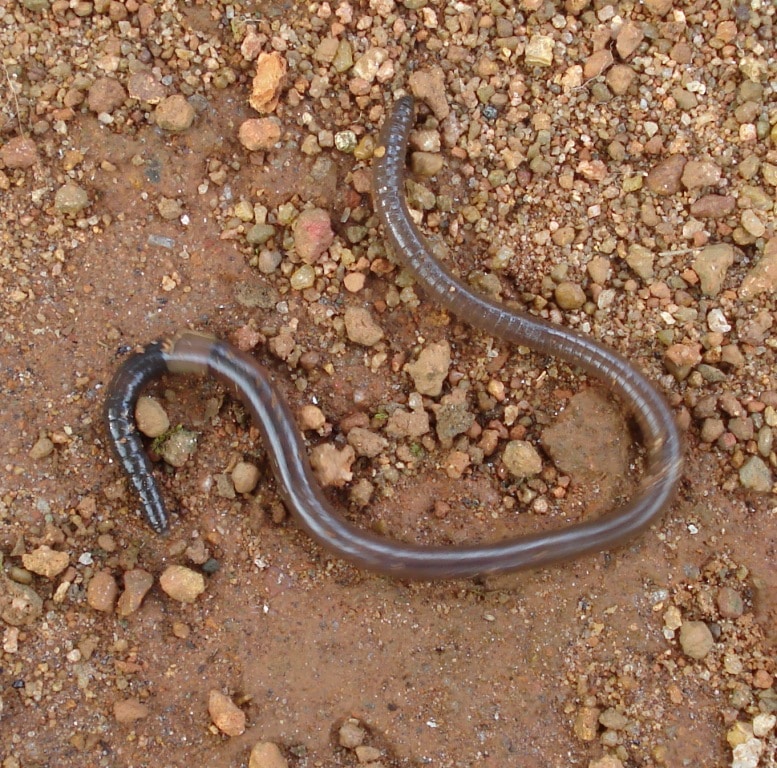
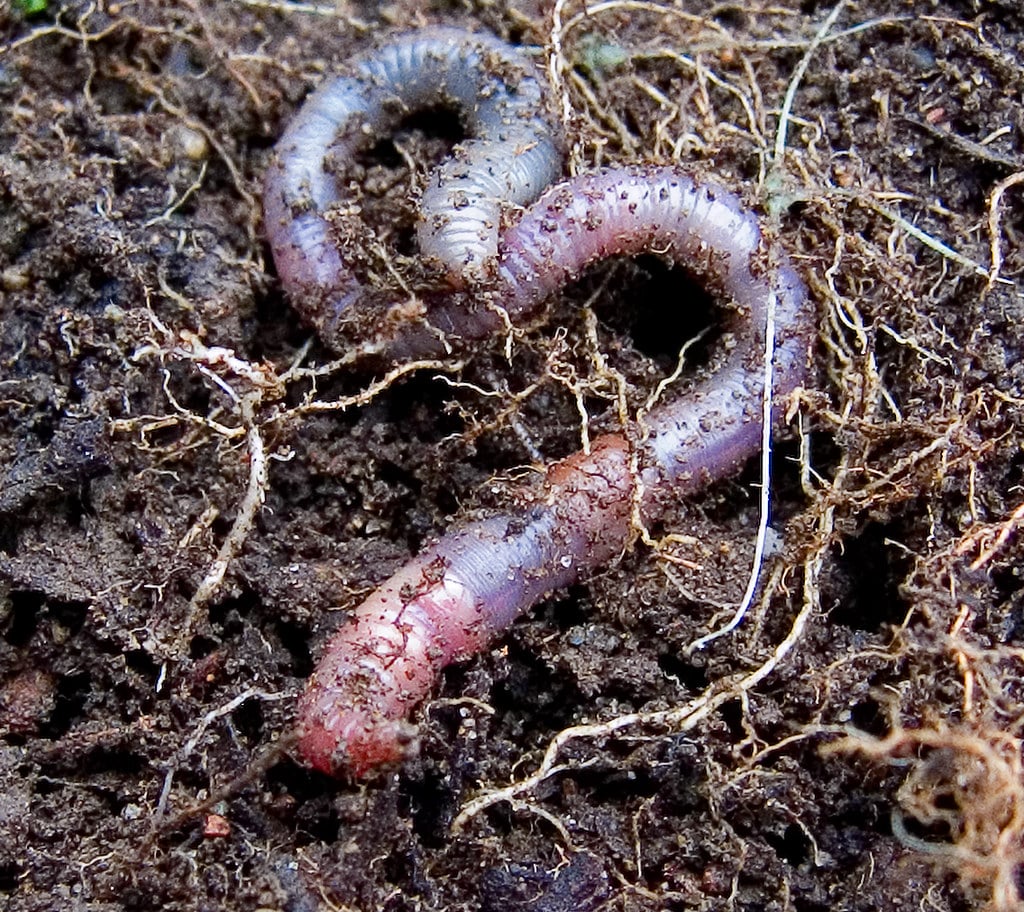
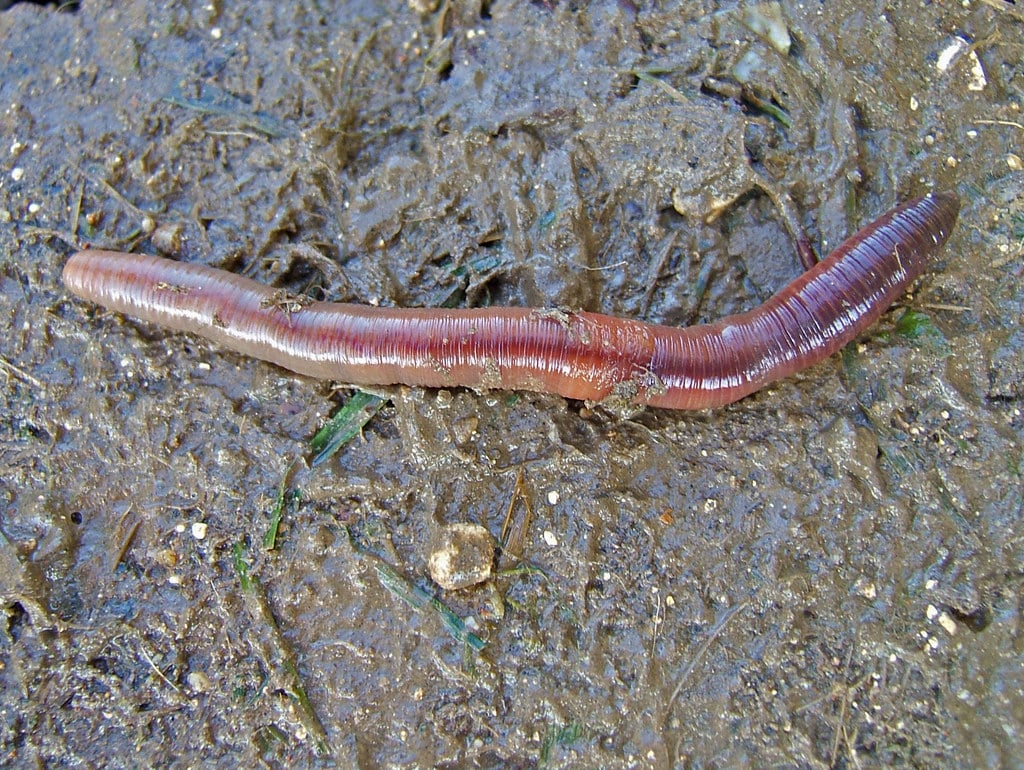
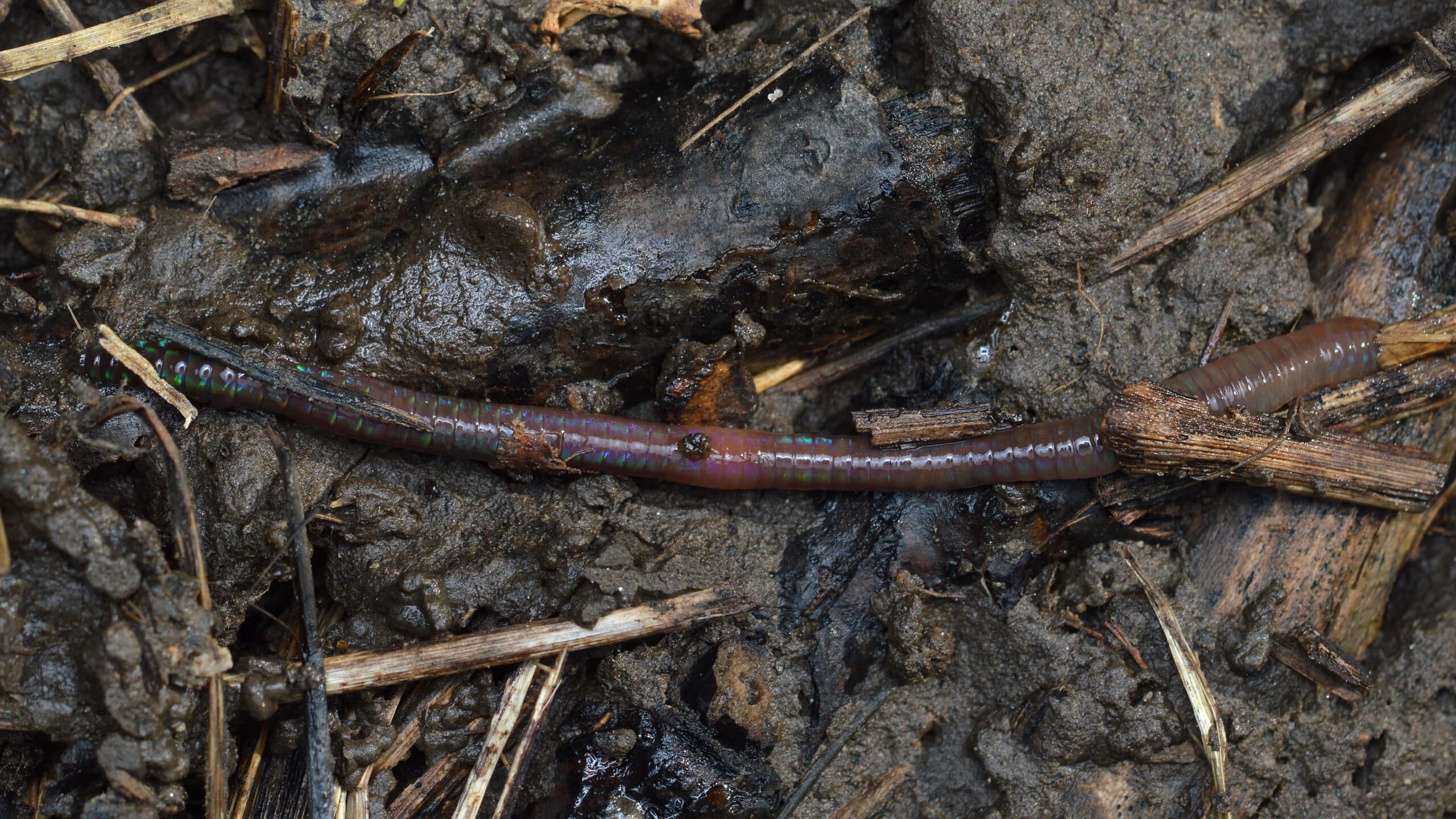
Earthworms are amazing critters that dwell underground all around the world. These little wrigglers belong to the class Clitellata and come in a variety of sizes, stretching from about 2.5 centimeters to 35 centimeters in length, or 1 inch to 14 inches long.
Earthworms love to munch on organic matter. They help turn decomposing plants and leaves into nutrient-rich soil, making them nature's garden heroes.
With a lifespan of 1 to 5 years, earthworms live interesting lives under our feet. They move through the soil using tiny bristles on their bodies, making it easier for them to squirm and wriggle as they dig tunnels.
These tunnels help aerate the soil and improve water drainage, which creates a healthier environment for plants. Thanks to earthworms, gardens can be richer and more productive, giving plants the boost they need to grow tall and strong.
Earthworms breathe through their skin, which means they need moist surroundings to stay healthy. If their environment dries out, these slimy friends may not be able to breathe effectively and could face some struggles.
Fun fact: If you cut an earthworm in half, it does not grow back into two worms. Instead, only the front half can survive, and the rear half will not. So, let's keep our earthworms whole and happy in the soil!

Where can you find a Earthworm in the wild?
What does a Earthworm eat?
How big can a Earthworm grow?
How long does a Earthworm typically live?
What is the conservation status of the Earthworm?
What are the main threats to the Earthworm?
Fun facts
Earthworms have five hearts that help pump blood through their bodies, making it easier for them to wriggle through the soil like little pumps.


These amazing creatures can sense light, although they do not have eyes! They prefer to stay in the dark to escape from predators and stay moist.
Earthworms eat soil and simply digest the organic matter in it. For every 100 grams of soil, they can digest about 20 grams of nutrients!
When earthworms tunnel in the dirt, they create spaces that let air and water travel into the soil. This helps plants grow by delivering essential nutrients!
Some earthworm species can regenerate body segments, but they can't grow back into two separate worms! Only the front half can survive if an earthworm gets cut.
Earthworms communicate with each other by releasing chemicals through their skin. They send 'messages' that help them find mates and share information.
Some farmers love earthworms so much that they call them 'nature’s plow.' These helpers naturally aerate and fertilize the soil as they dig through it.
During rainy days, you might see earthworms crawling on the ground. They do this to find new homes or avoid drowning in flooded tunnels. Rainy day adventures!
Earthworms can live in groups, but they are solitary when eating and mating. They may wiggle next to each other, but they don't share their food!
In certain cultures, people use earthworms in composting to recycle organic waste into rich soil. This way, earthworms help grow healthier plants by turning trash into treasure!
Photos

The Basics


explore more
Amphibians
Arachnids
Birds
Cats
Crustaceans
Fish
Fish Pet Guide
Gastropods
Insects
Invertebrates
Mammals
Pet Fish
Pet Rodents
Plants
Reptiles
Roundworms
Sea Slugs
