Successfully copied to clipboard!
European Corn Borer
Uncover a tiny crop-lover with a big impact!
Let’s Explore
Overview
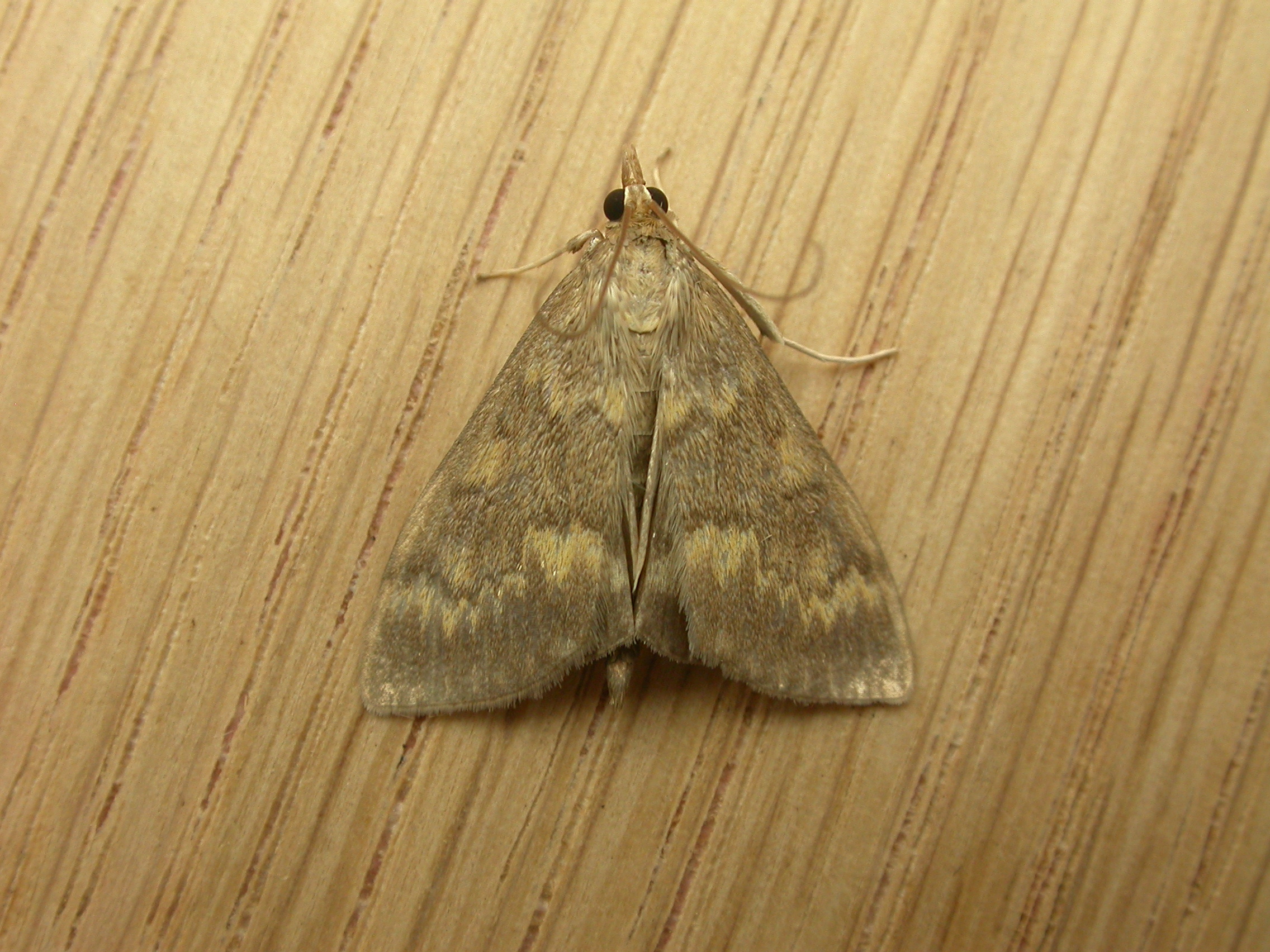
The European Corn Borer is an intriguing insect that belongs to the class Insecta. This little critter measures about 1 inch in size, but don’t let its small stature fool you—it has a big impact on agriculture!
Native to Europe, the European Corn Borer is known for its love of corn and other crops. Farmers sometimes call it the "corn pirate" because it sneaks into fields and munches on the plants, causing some trouble for their growth.
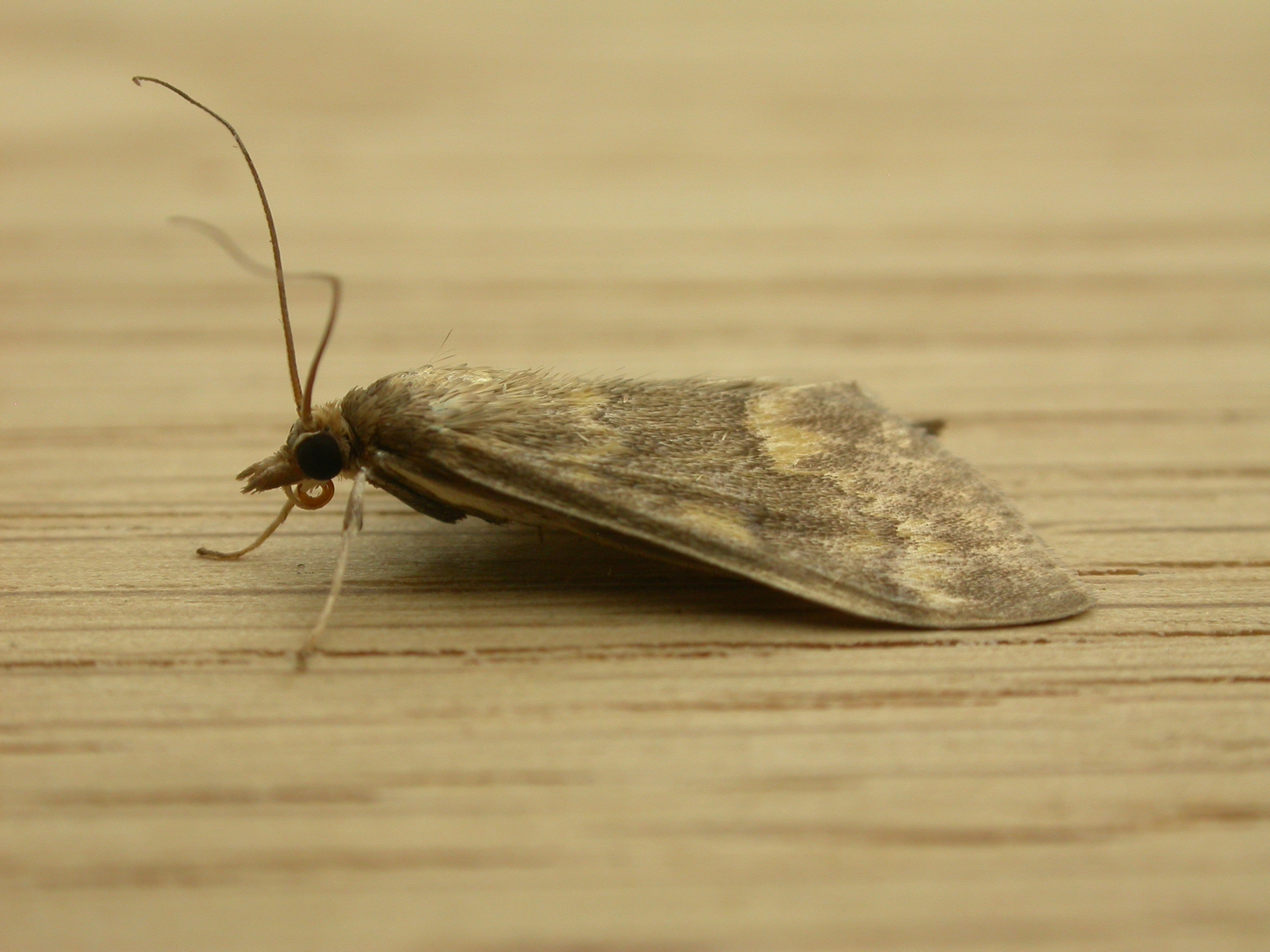
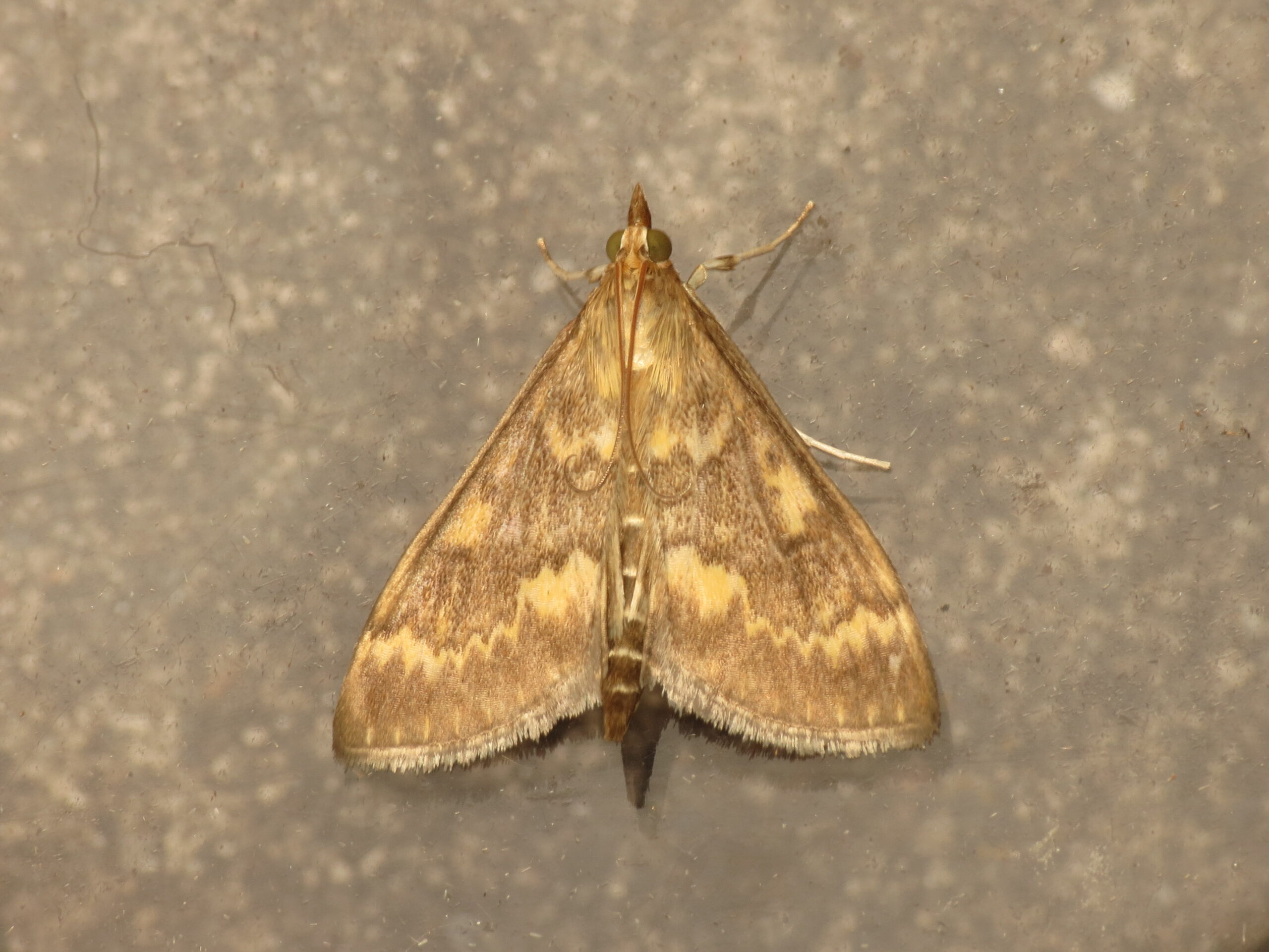
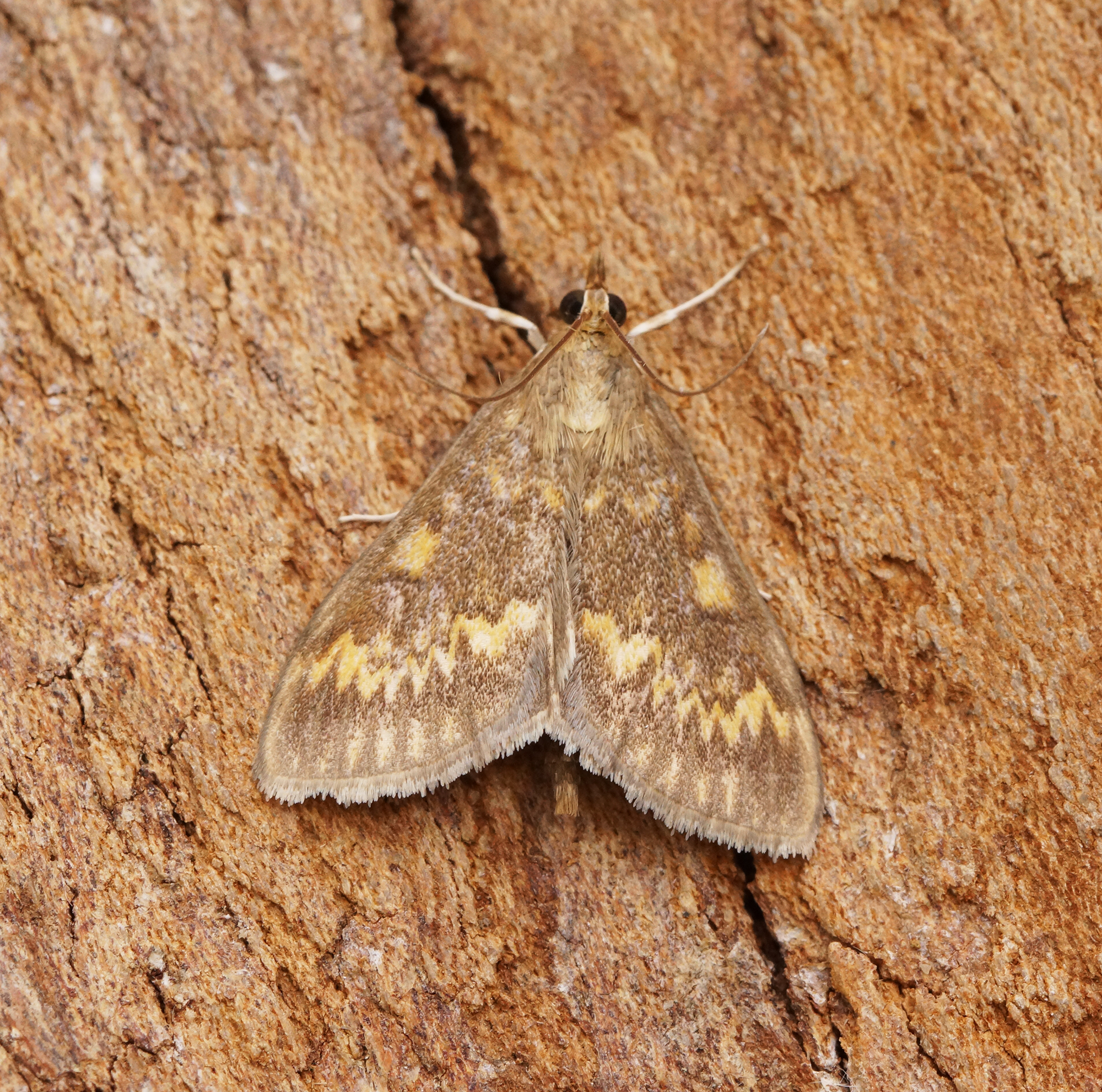
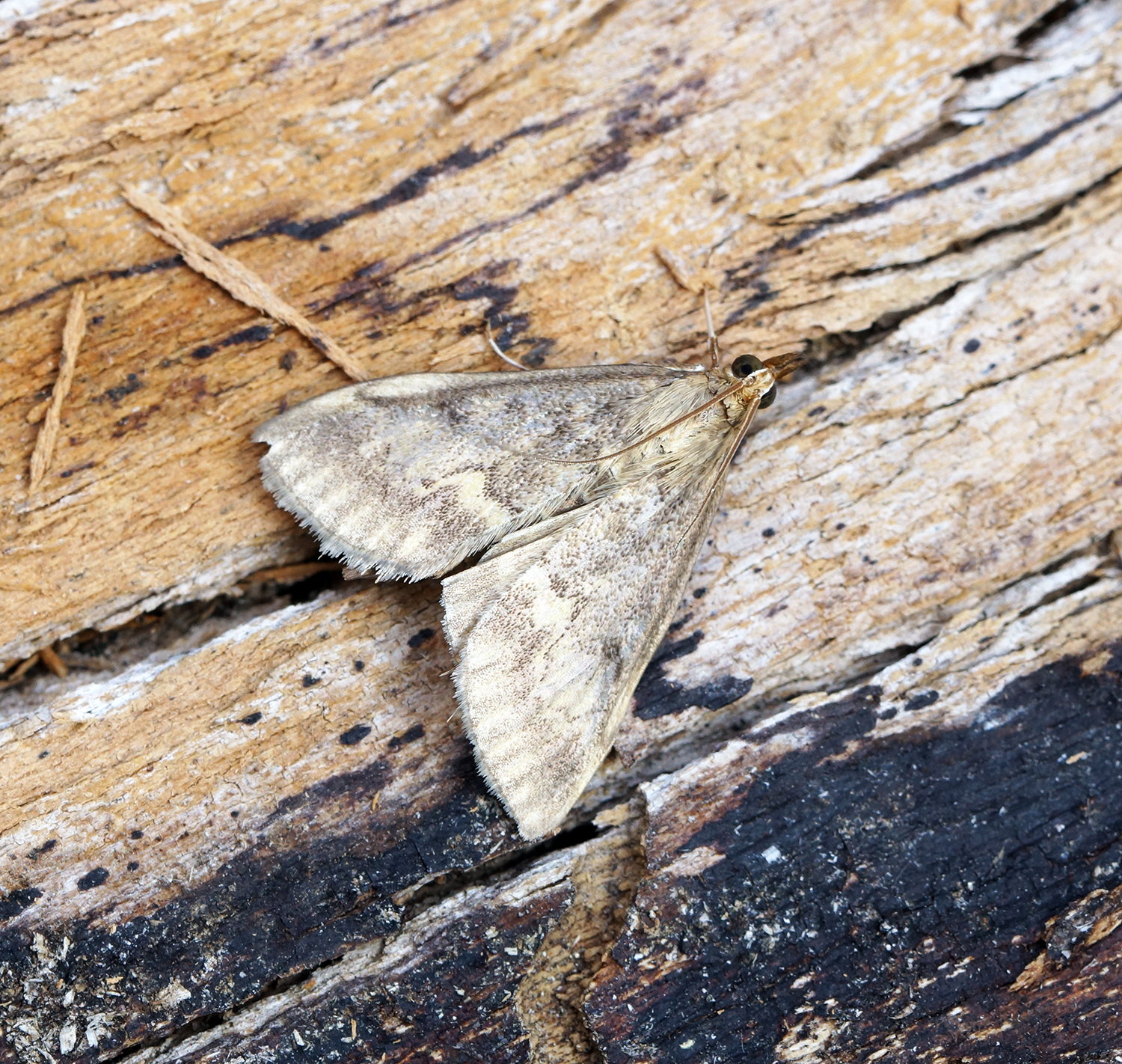
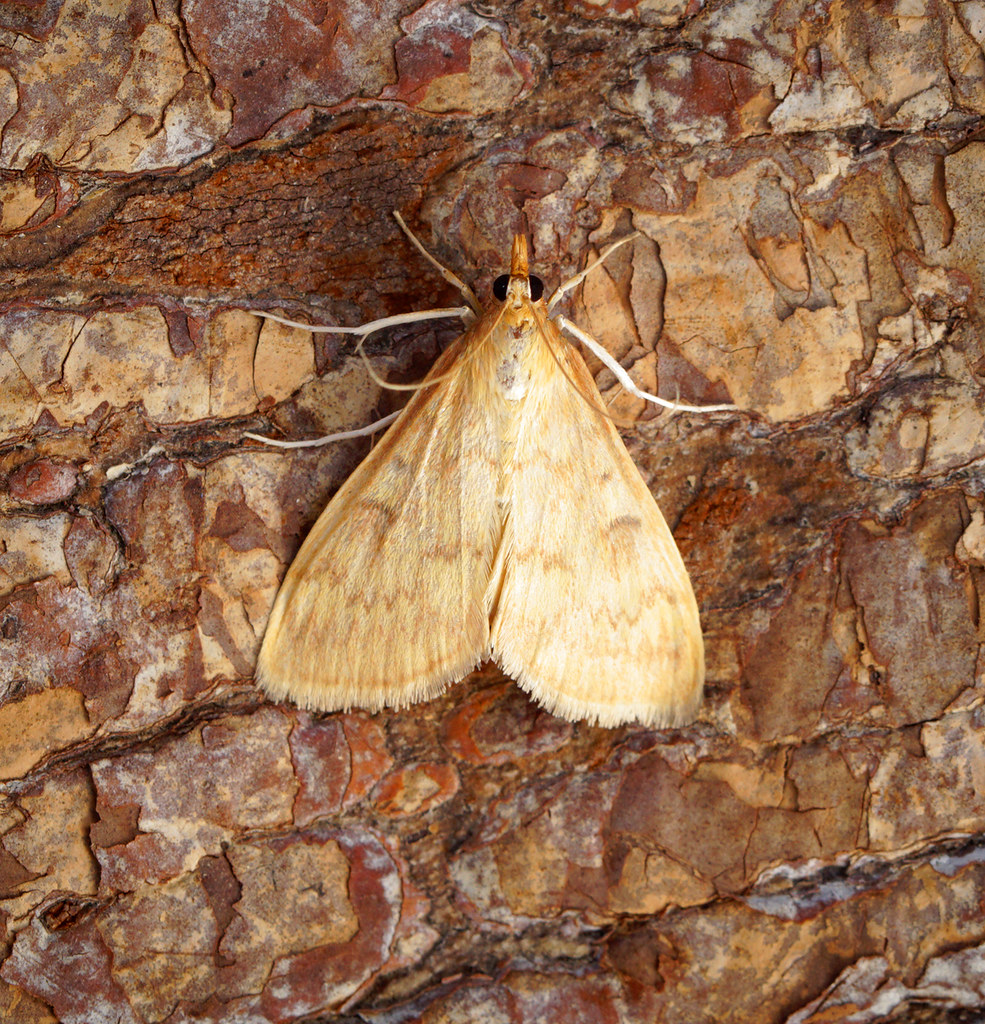
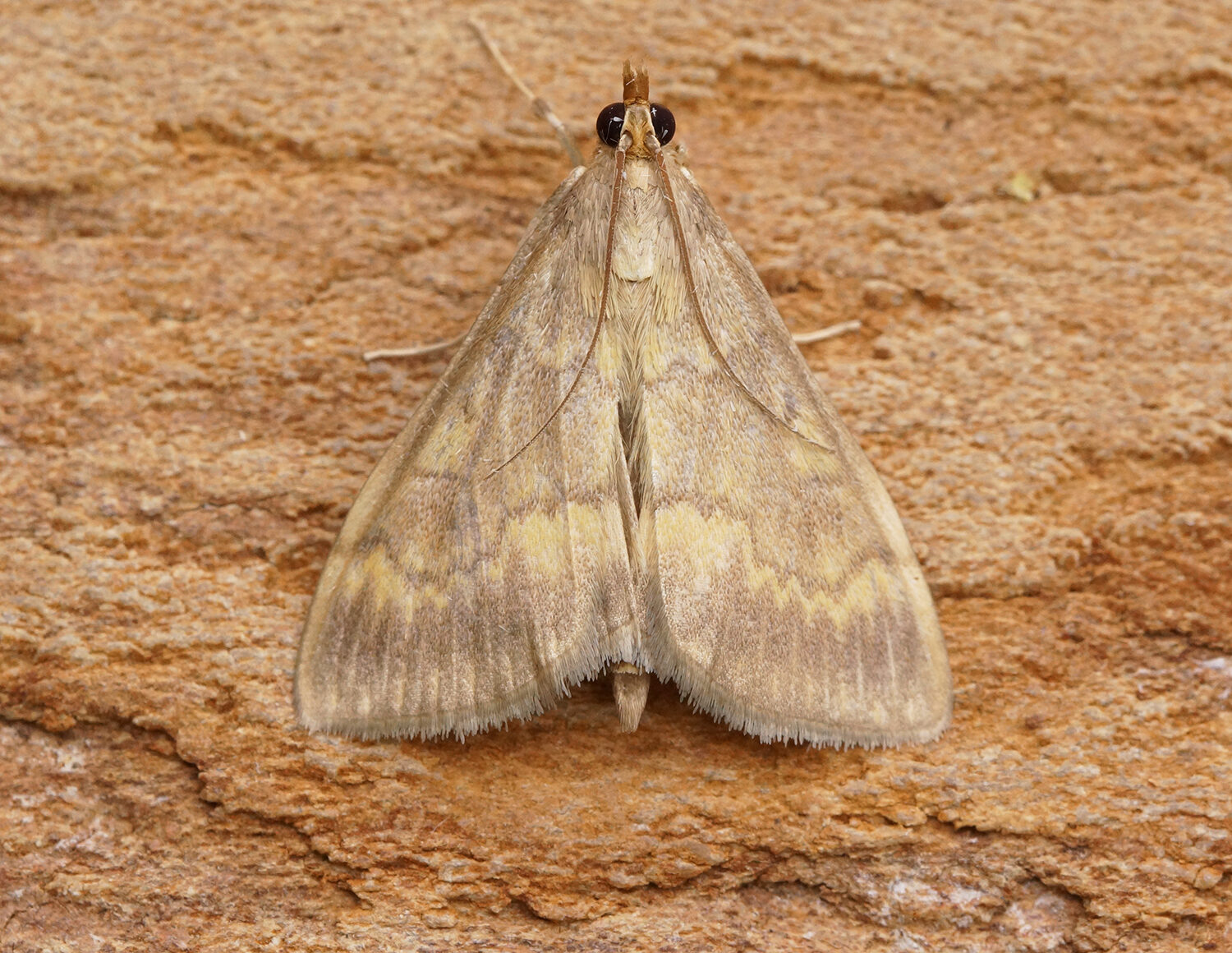
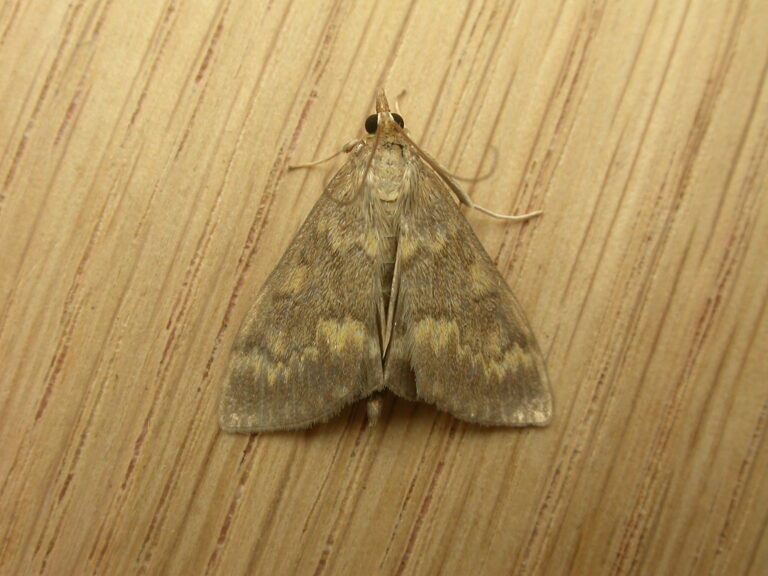
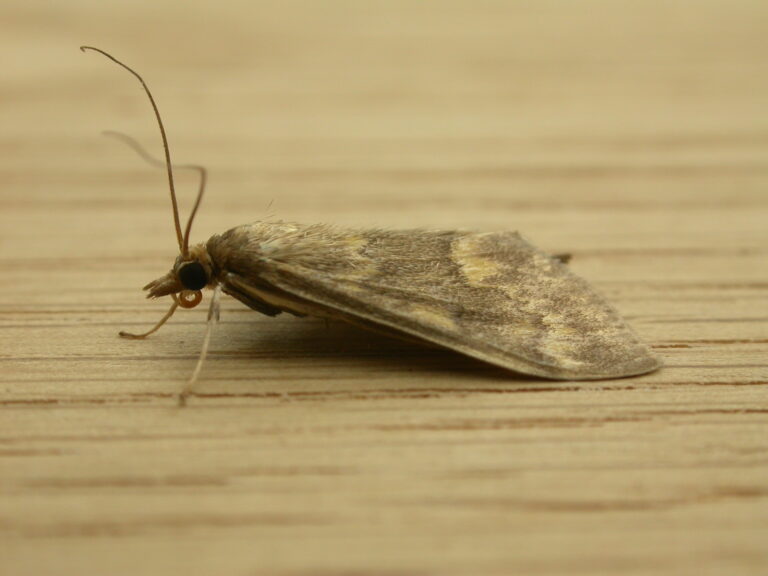
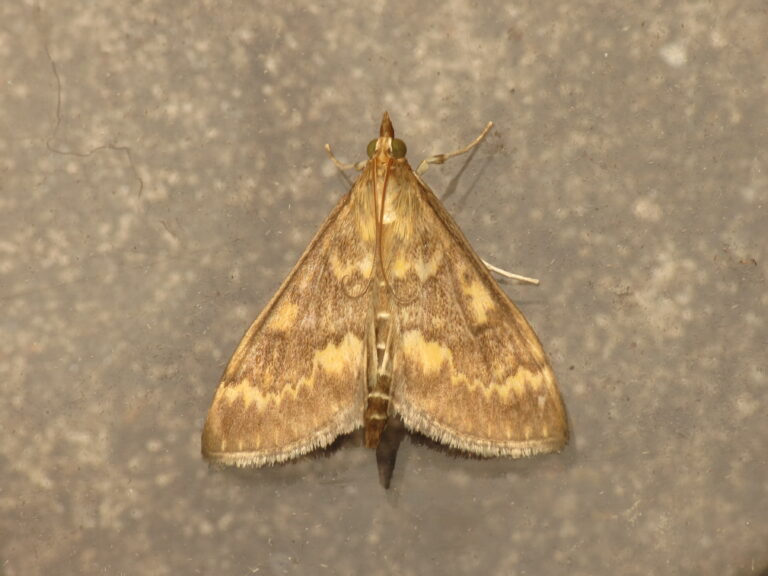
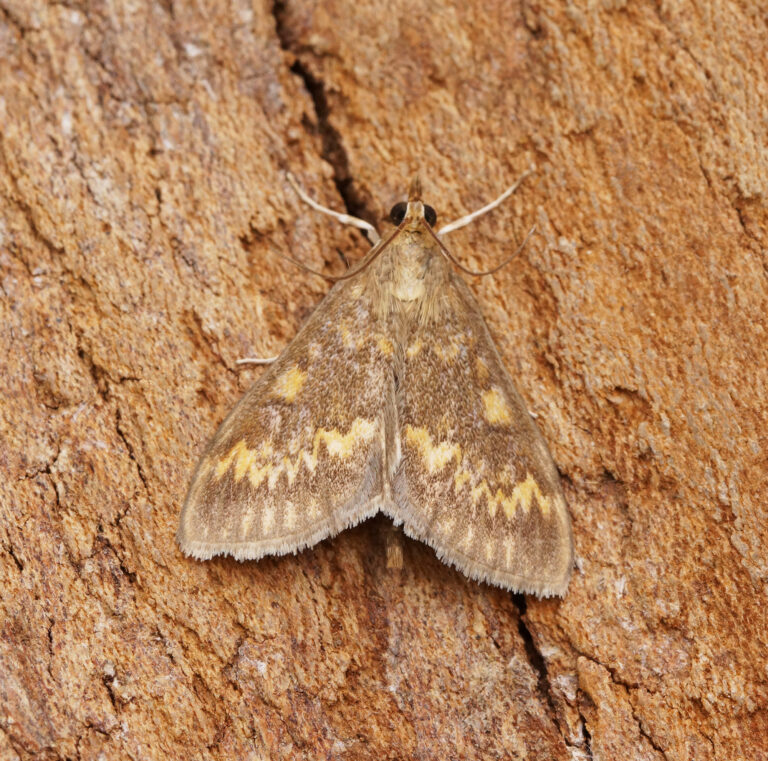
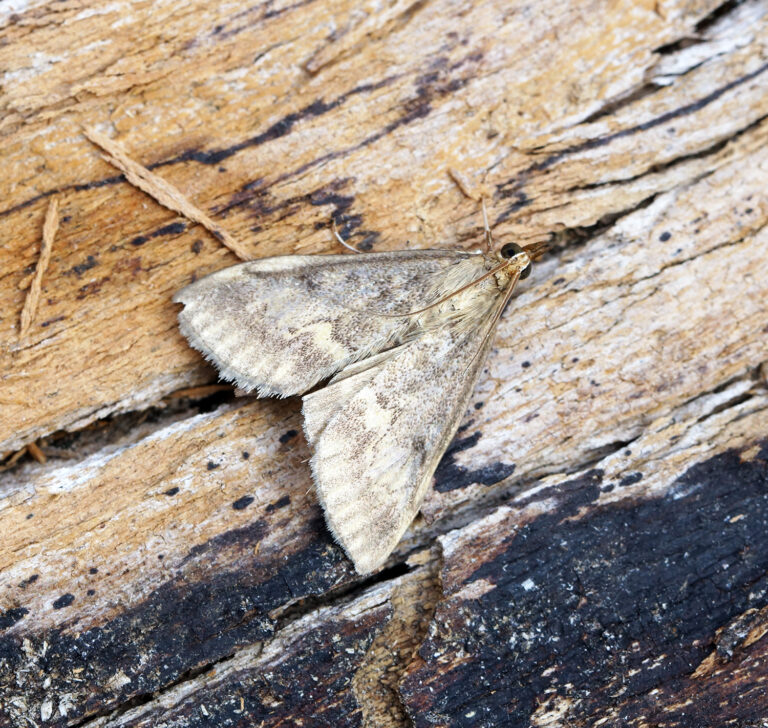
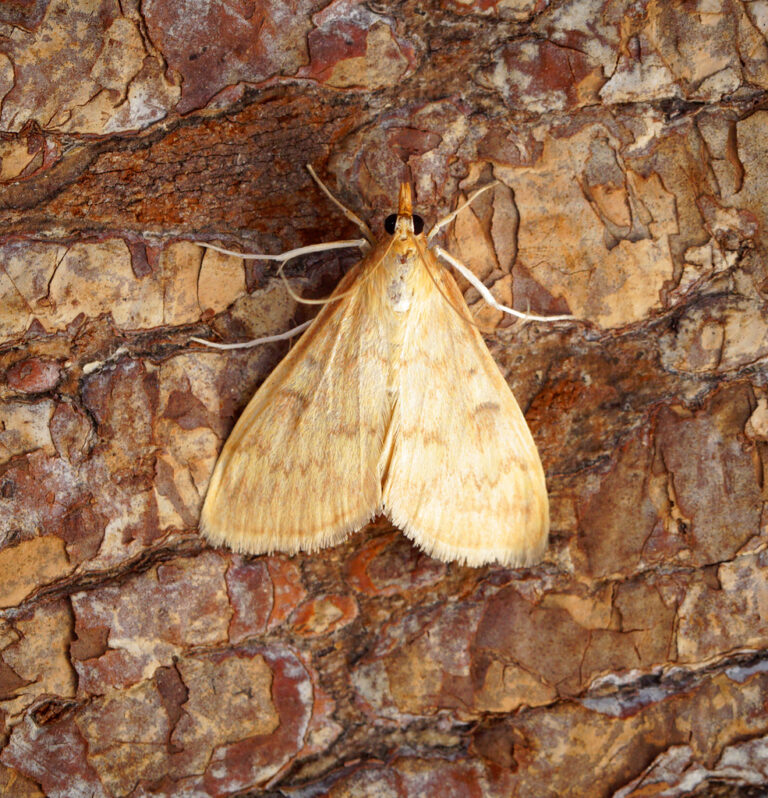
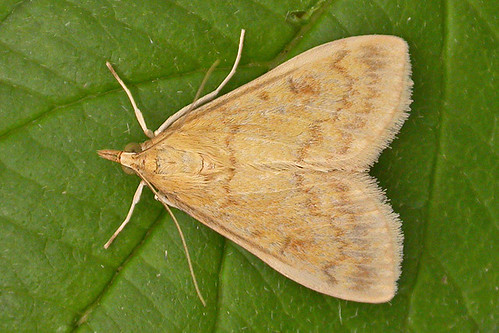
These insects belong to the order Lepidoptera, which also includes butterflies and moths. Like their colorful cousins, European Corn Borers have wings that can display different patterns and colors, making them quite the little artists of the insect world!
The European Corn Borer lives for about one year, which gives it plenty of time to feast and play in its chosen fields. After hatching, it goes through several stages, called instars, before becoming an adult. Talk about a growth spurt!
This clever critter fills its belly primarily with corn, but it also enjoys other crops. With such a varied diet, it fits right in at the buffet of the agricultural landscape.
Next time you spot corn swaying in the breeze, remember the European Corn Borer is probably having a little feast nearby! After all, every ecosystem has its characters, and this one certainly adds a bit of spice to the farming scene!

Where can you find a European Corn Borer in the wild?
What does a European Corn Borer eat?
How big can a European Corn Borer grow?
How long does a European Corn Borer typically live?
What is the conservation status of the European Corn Borer?
What are the main threats to the European Corn Borer?
Fun facts
This insect is a master escape artist. When threatened, it can drop from a plant and camouflage itself among the soil and debris, making it hard for predators to find!


The male European Corn Borer has a special talent: it can recognize females from far away using chemical signals called pheromones. This helps him find a mate in the big, wide field!
During its life, the European Corn Borer goes through a process called metamorphosis, which means it transforms from a tiny egg to a caterpillar, then into a pupa, and finally into a beautiful adult moth.
These insects display a variety of wing patterns! Their wings can be a mix of brown and yellow, resembling the colors of the corn leaves they love to munch on.
When it comes to dinner time, the European Corn Borer does not eat and run. Instead, it creates cozy tunnels inside corn plants to nibble at its dinner in peace!
This clever critter is quite the artist, leaving behind trails of tunnels in corn. With every bite and burrow, it creates a unique design, turning plants into its very own canvas!
The European Corn Borer can be tricky to spot. It often hides among corn plants, blending in perfectly with its surroundings and making it hard for farmers to see.
This little critter can travel quite the distance! After being born, it can be blown away by the wind to new fields, exploring more buffet options than it could imagine.
Some farmers call them 'corn pirates' because they sneak in, munch down, and can cause trouble. But with the right methods, farmers can learn to live with these tiny invaders!
The European Corn Borer has even inspired scientists! Researchers study this insect's actions to find eco-friendly ways to manage pests without harming them or our planet.
Photos





The Basics


explore more
Amphibians
Arachnids
Birds
Cats
Crustaceans
Fish
Fish Pet Guide
Gastropods
Insects
Invertebrates
Mammals
Pet Fish
Pet Rodents
Plants
Reptiles
Roundworms
Sea Slugs