
Successfully copied to clipboard!
Executioner Wasp
Unleash the buzzing teamwork of nature’s colorful pollinators!
Let’s Explore
Overview
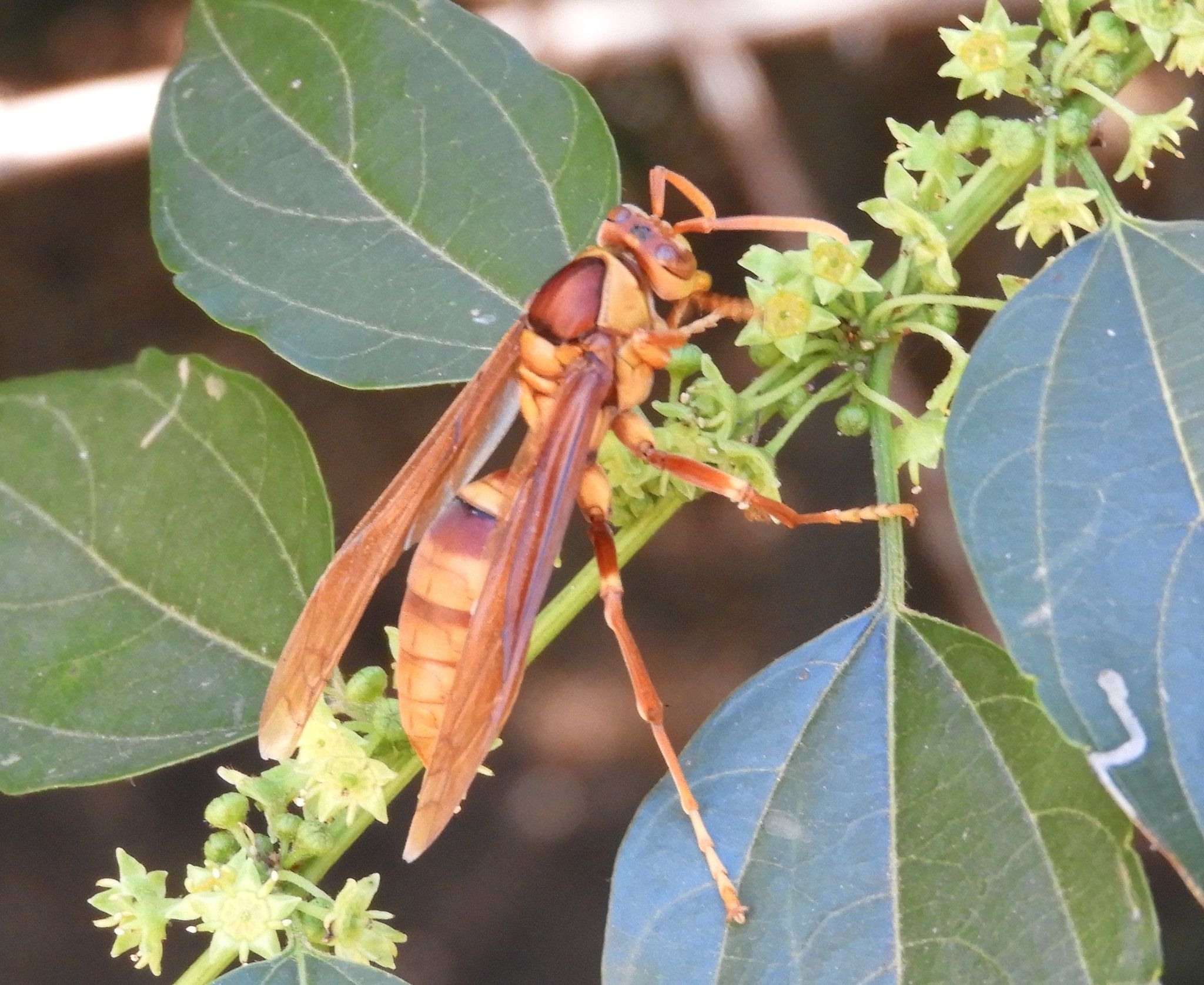
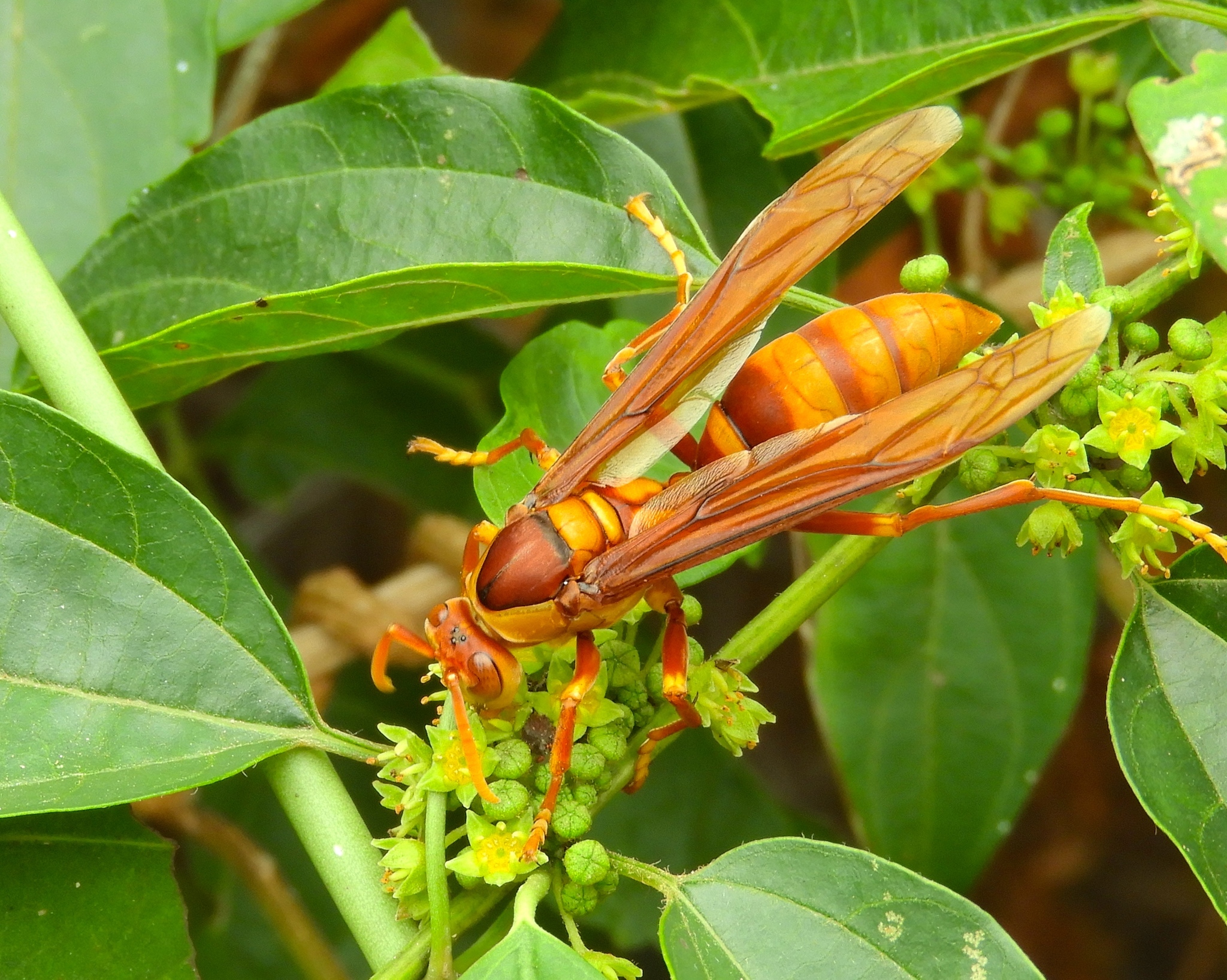
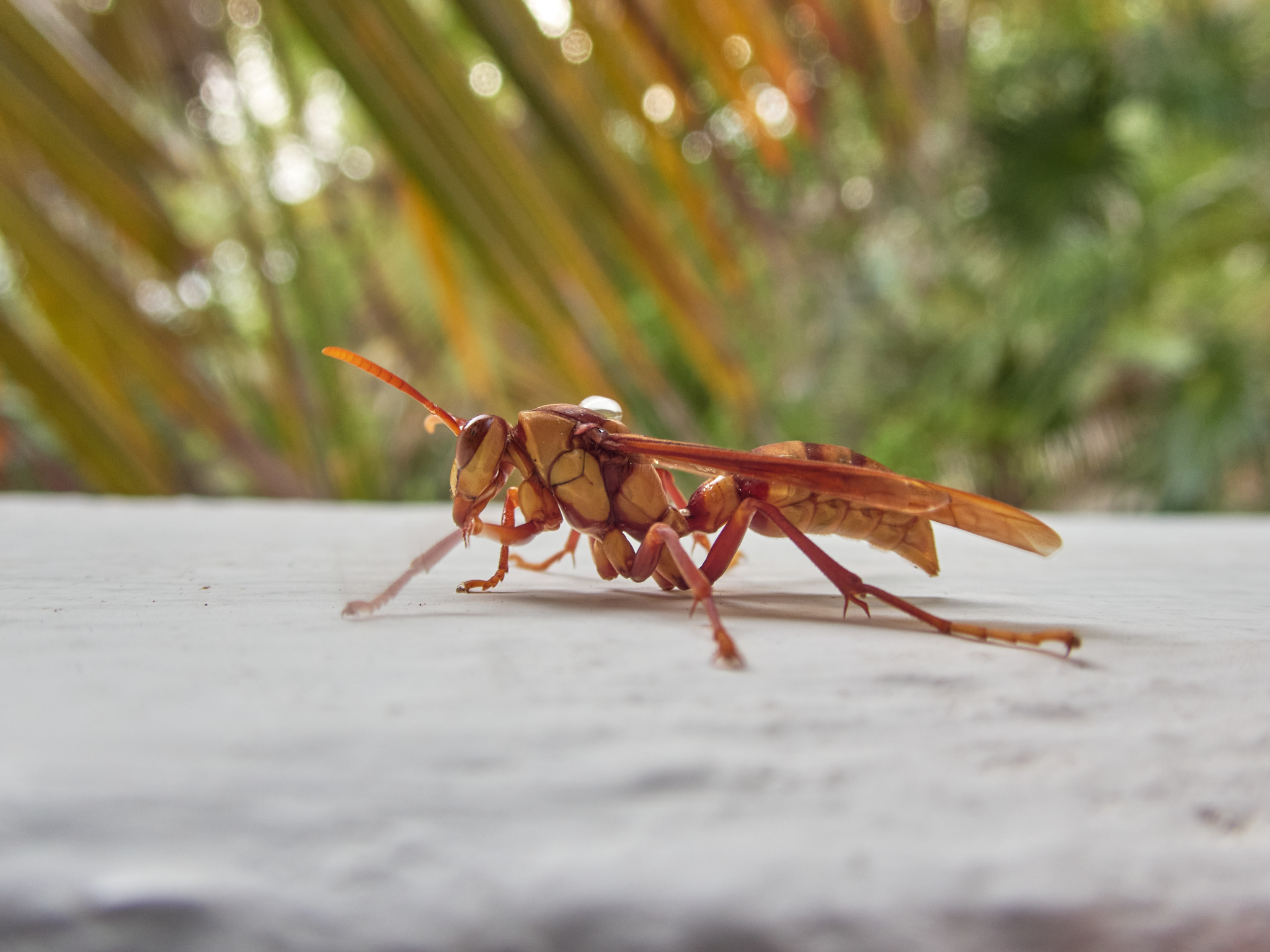
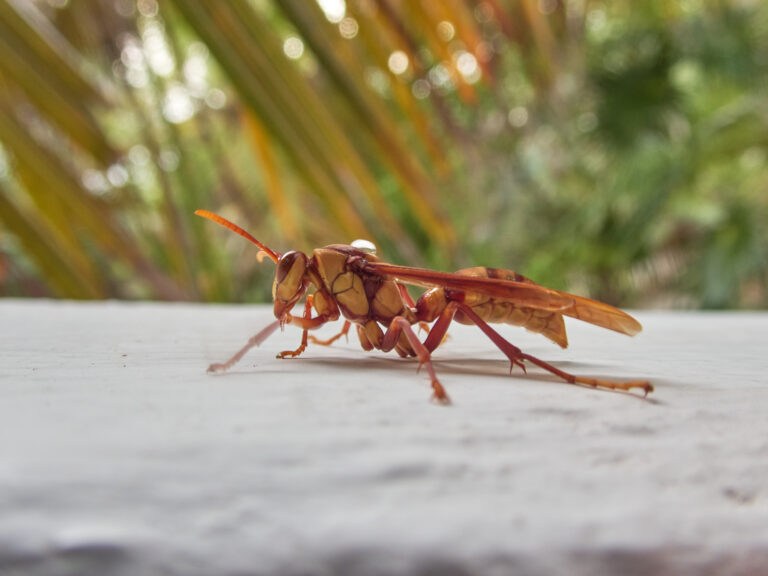
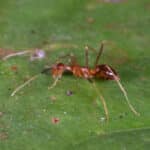
The Executioner Wasp is a cool insect that can be found in North America. With an average size of about 2.5 centimeters (1 inch) long, it may be small but packs a punch in the insect world!
This wasp belongs to the family Vespidae and loves a diet of nectar and other insects. It plays a vital role in the ecosystem by helping control insect populations and pollinating plants.
The Executioner Wasp lives for several months, striking a balance between work and play depending on its role in the colony. It might sound intimidating, but these wasps are generally more interested in food than in causing trouble!
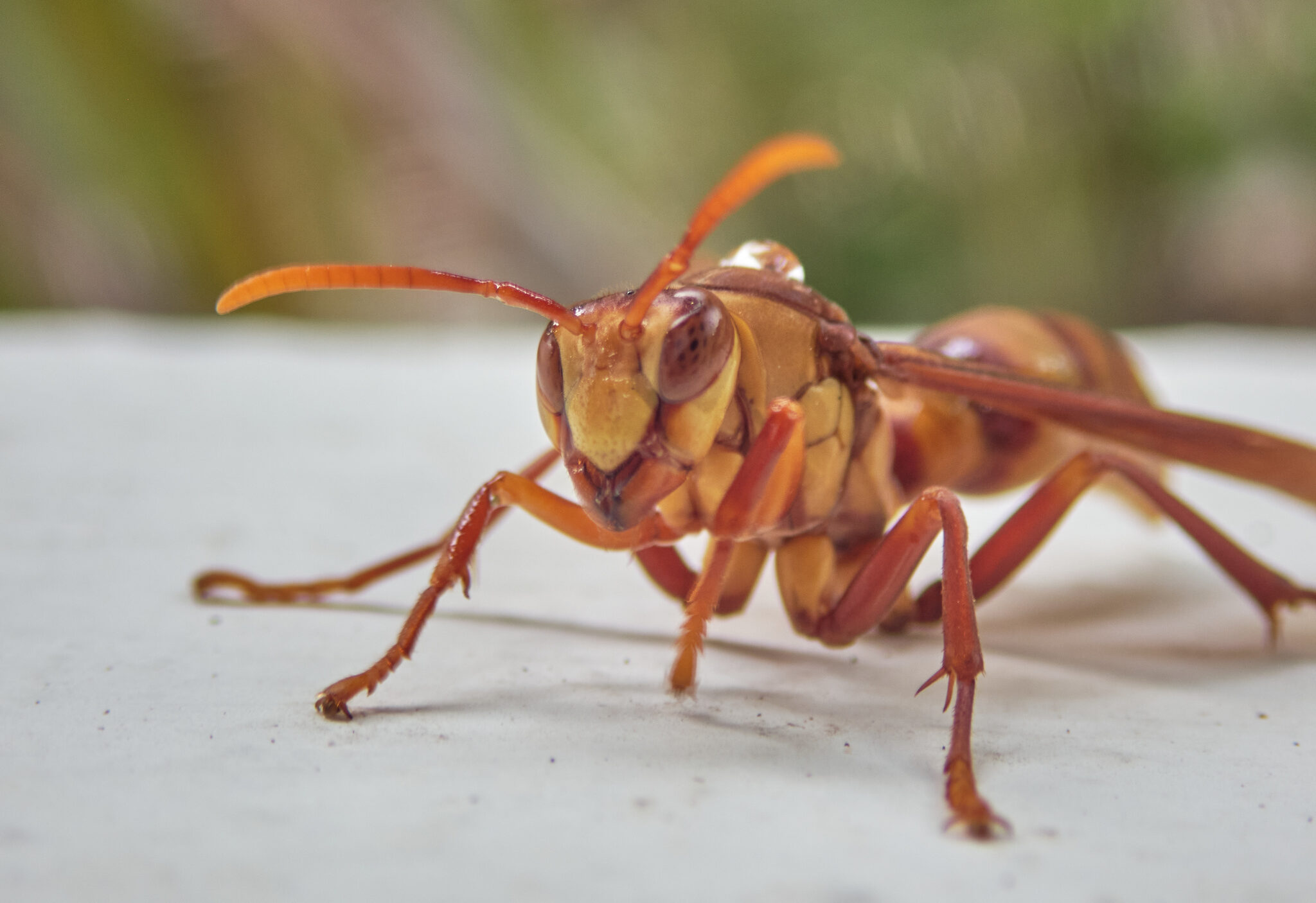
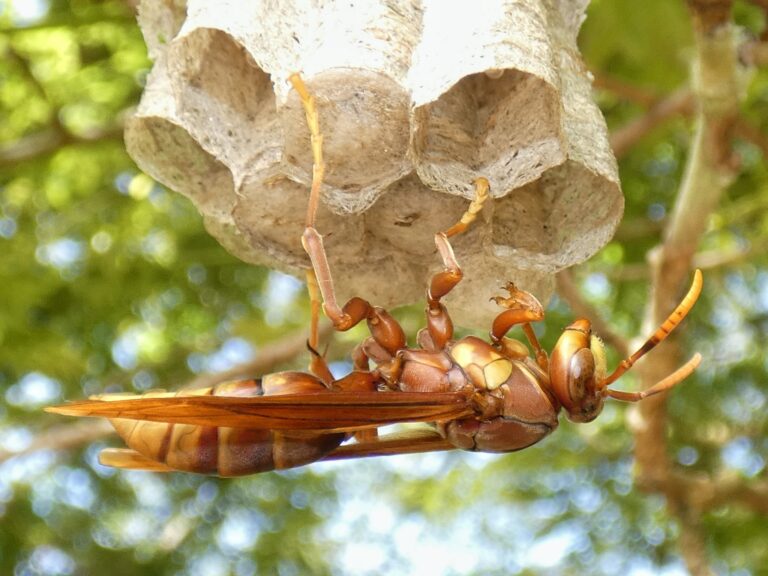
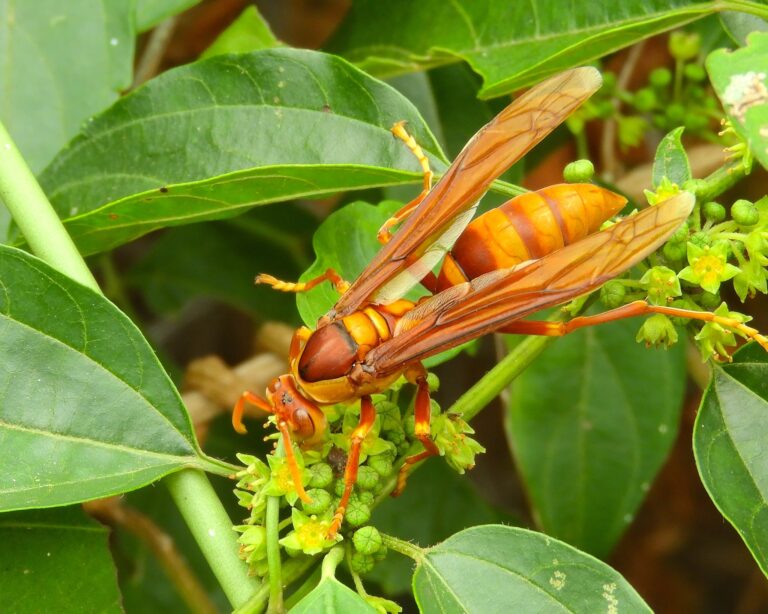
Like other wasps, they have a slender body and long legs. Their unique name comes from their appearance and their ability to easily traverse the sky, executing impressive aerial maneuvers in search of food.
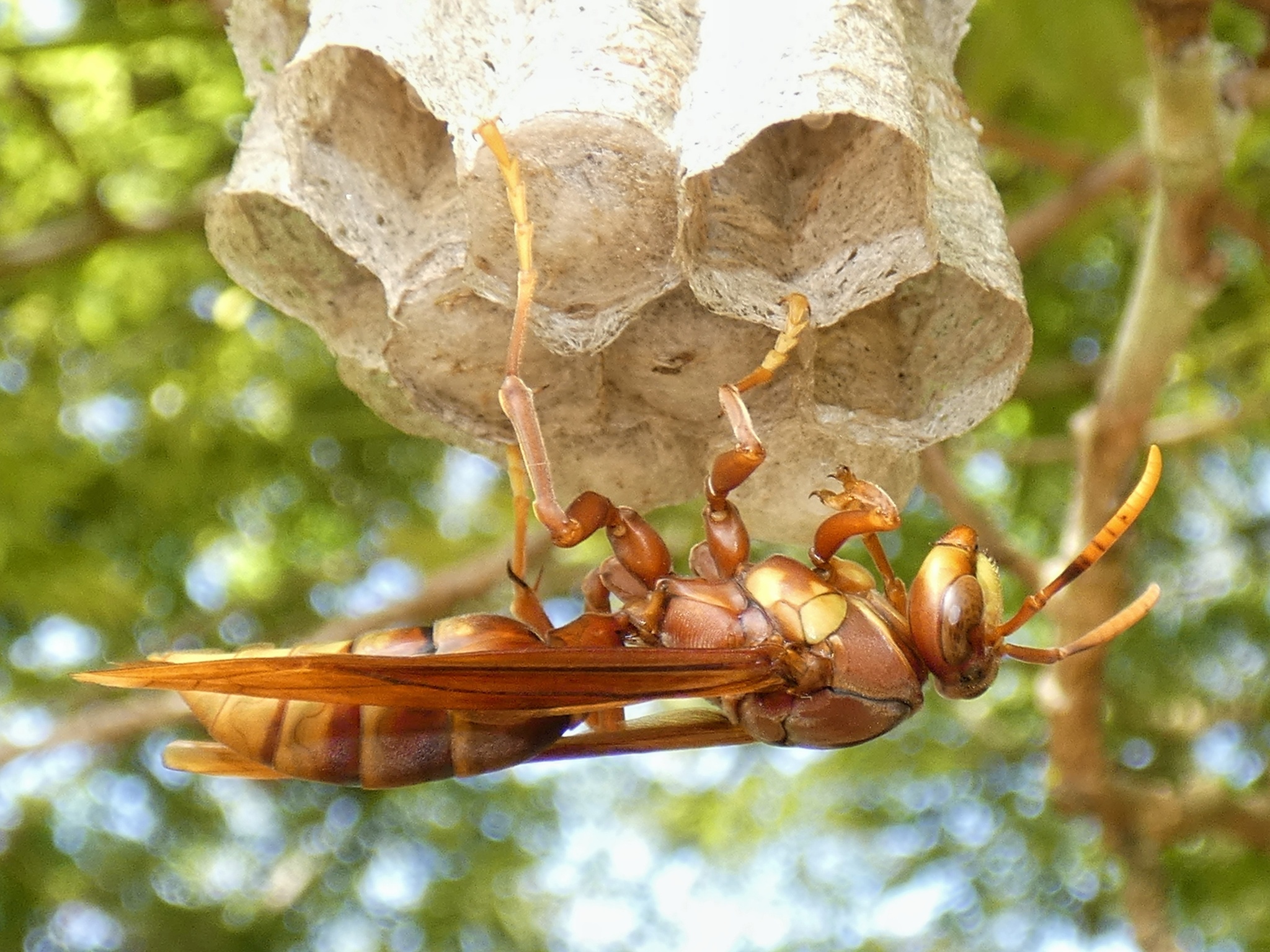
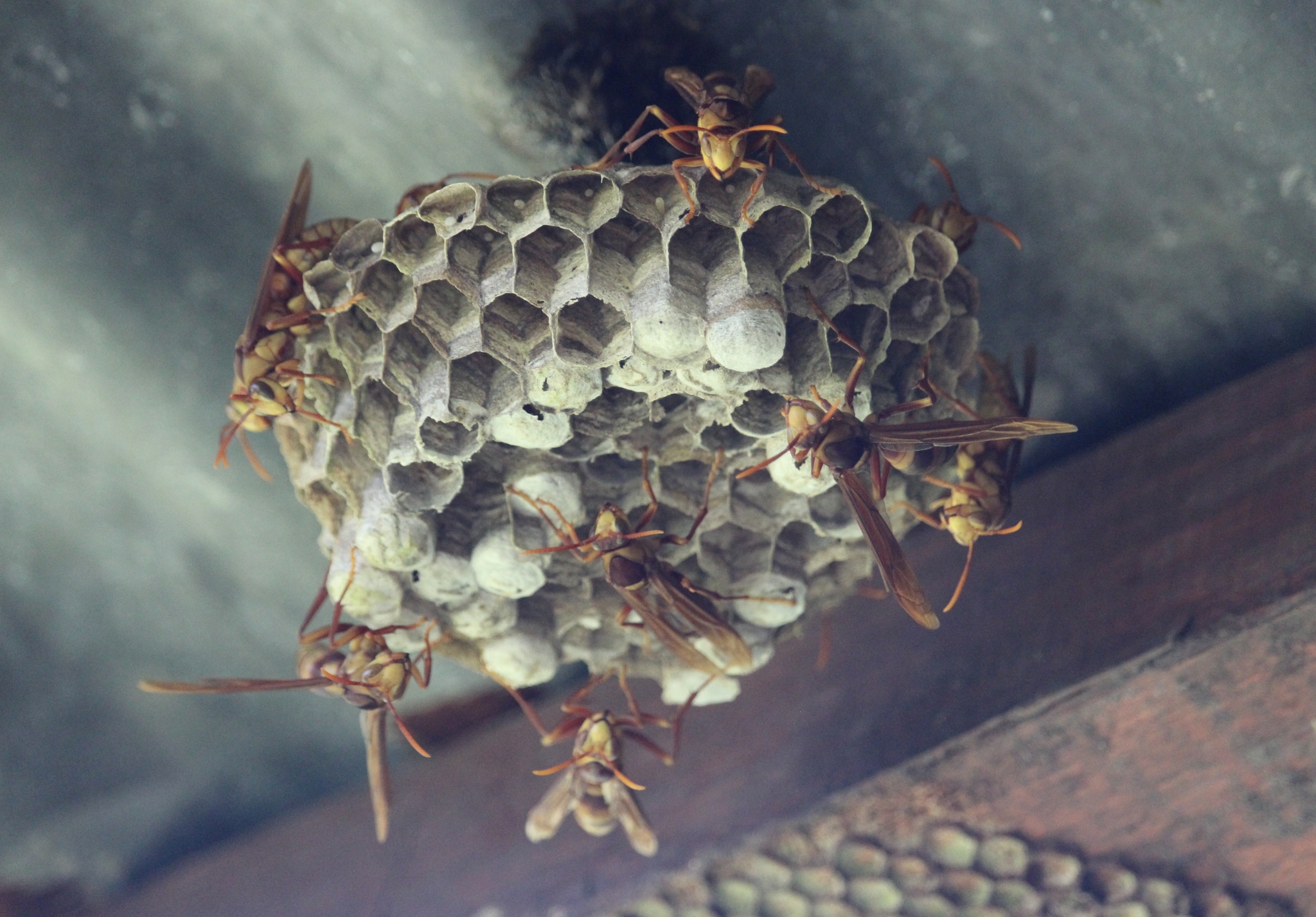
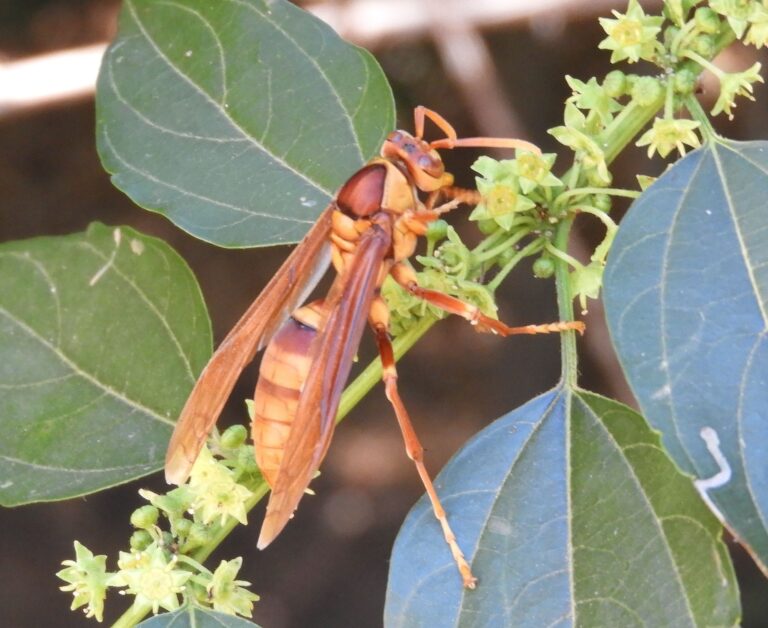
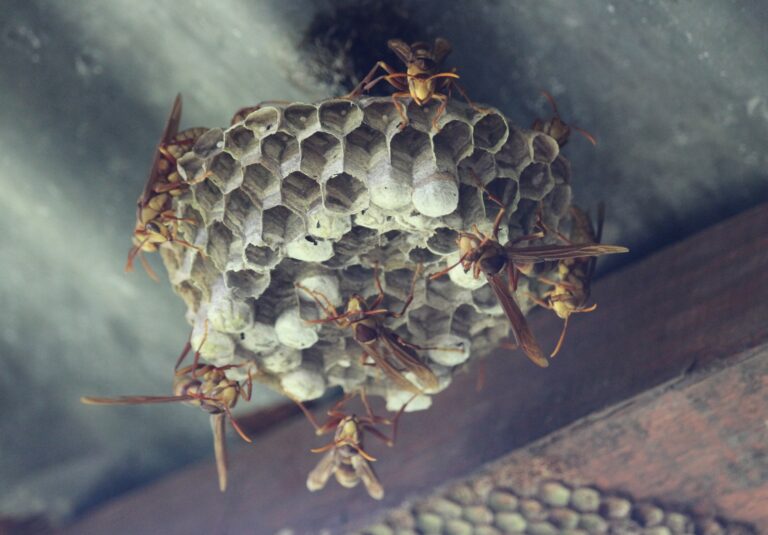
These wasps are social creatures that often build nests in trees or shrubs. When they gather together, they form a bustling community, showcasing teamwork and dedication.
Many people find wasps scary, but the Executioner Wasp is just another fascinating example of nature's diversity. They remind us that every creature has an important part to play in the world we live in!

Where can you find a Executioner Wasp in the wild?
What does a Executioner Wasp eat?
How big can a Executioner Wasp grow?
How long does a Executioner Wasp typically live?
What is the conservation status of the Executioner Wasp?
What are the main threats to the Executioner Wasp?
Fun facts
Executioner Wasps can fly at speeds of up to 30 kilometers per hour (19 miles per hour), making them speedy little insects who love to zip around in search of food!


Their stingers pack a serious punch! Though not aggressive, the sting of an Executioner Wasp can hurt if provoked, but they would rather focus on pollinating flowers than bothering people.
These wasps are expert builders! They create intricate nests out of chewed wood pulp mixed with saliva, crafting unique homes that can hold dozens of tiny residents.
Executioner Wasps show teamwork in action! They communicate with each other using pheromones, signaling when to defend the nest or when it's time to forage for food.
These wasps sometimes play peek-a-boo with their shadows! They can hover in place and use their long legs to grab onto branches or flowers, ensuring they don’t lose track of their buddies.
The colorful appearance of Executioner Wasps is no accident! Their bright yellow and black patterns warn predators to keep their distance, as they can be fierce defenders of their homes.
Instead of chasing down prey, these wasps often prefer to eat their food on the fly! They can consume nectar while hovering in the air, so they rarely need to sit still for long.
Executioner Wasps can recognize members of their colony! This ability helps them maintain social order and ensures that everyone in the nest works together.
When a colony grows too large, some Executioner Wasps may choose to leave and start a new colony, giving them a chance to spread their teamwork and skills to new areas!
These wasps actually play the role of tooth fairy in their ecosystem by consuming pest insects and encouraging plant growth, making gardens more beautiful and vibrant.
Photos

The Basics


explore more
Amphibians
Arachnids
Birds
Cats
Crustaceans
Fish
Fish Pet Guide
Gastropods
Insects
Invertebrates
Mammals
Pet Fish
Pet Rodents
Plants
Reptiles
Roundworms
Sea Slugs