Successfully copied to clipboard!
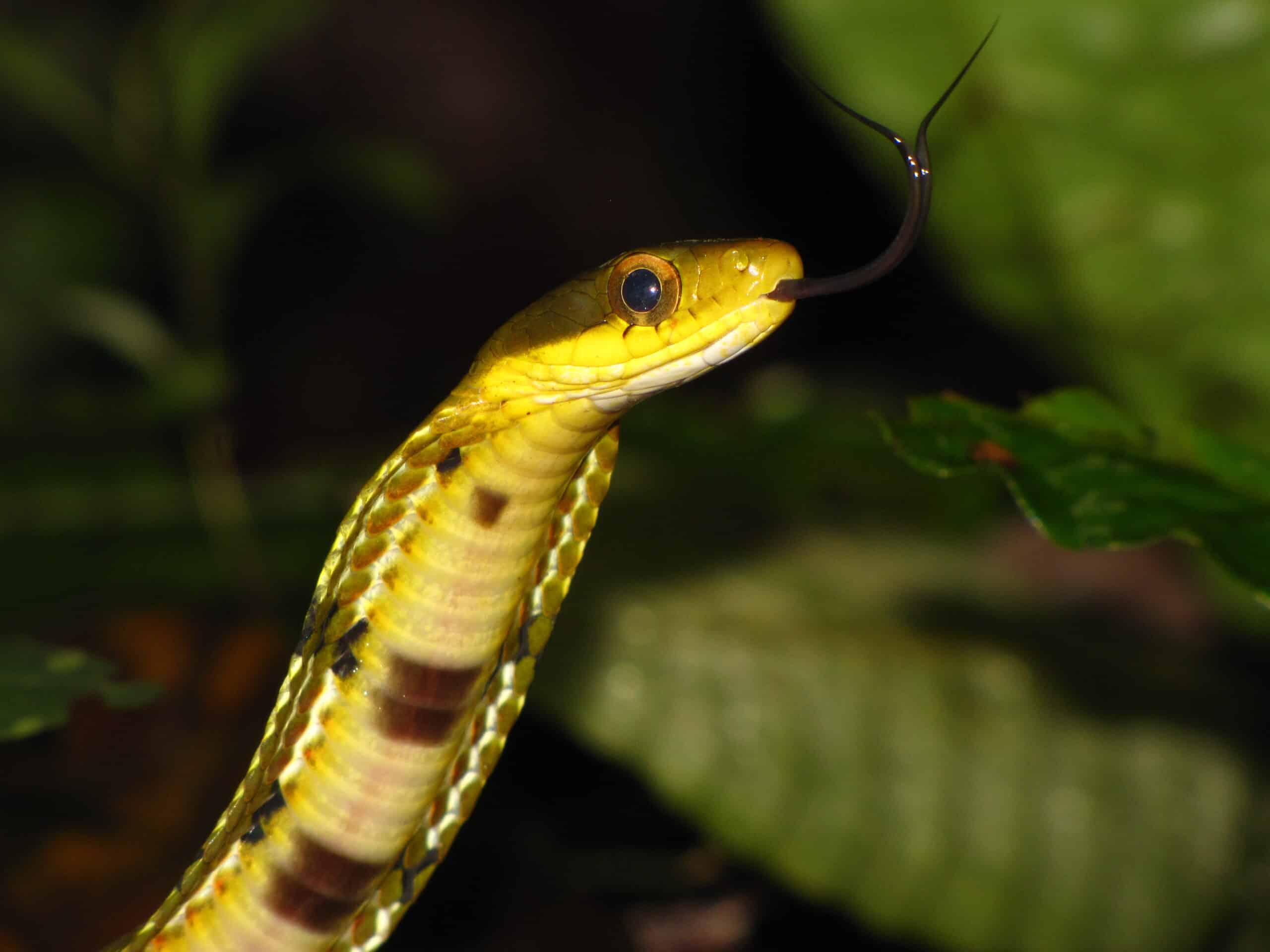
False Cobra
Unveil the sneaky charm of Africa's colorful reptile!
Let’s Explore
Overview
The False Cobra is an impressive reptile that will leave you spellbound! It lives in Africa and can grow to be between 0.9 to 1.5 meters (3 to 5 feet) long, which can make it a real eye-catcher when it slithers through the grass!
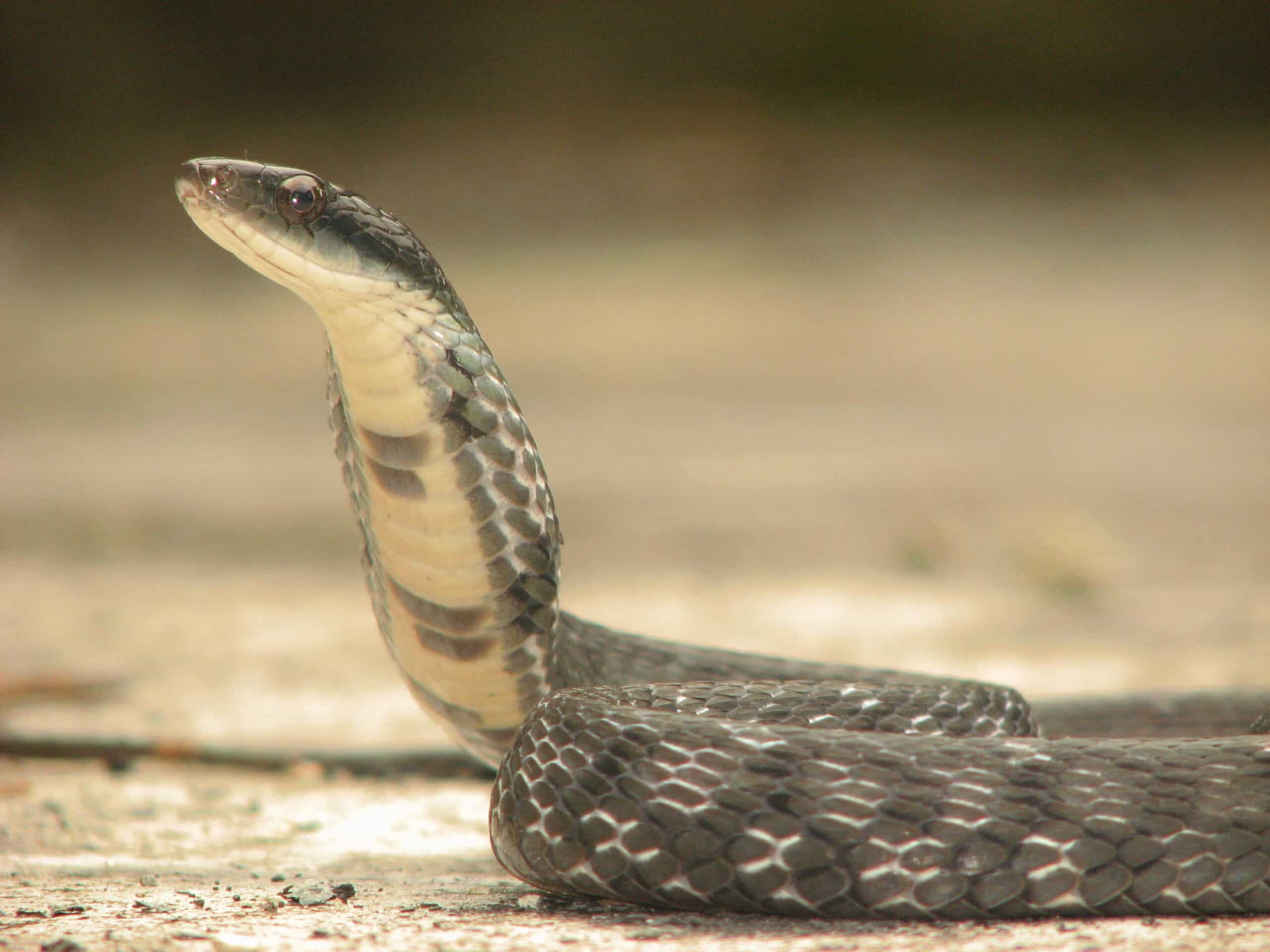
Don't let the name fool you; this snake is not a true cobra. Instead, it belongs to the family Lamprophiidae and shares some cool characteristics, like its ability to flatten its neck when threatened. This gives it a cobra-like appearance to scare off any potential predators—talk about a crafty trick!
The False Cobra has a well-rounded diet that includes small mammals, birds, and lizards. It uses its quick strikes and agility to catch its prey, making meals a thrilling chase!
With a lifespan of about 10 to 15 years, these snakes can stick around for quite a while. They navigate their African habitats with grace and elegance, proving they are not just great at looking fierce!
False Cobras are often active during the day, enjoying the sunshine as they hunt and explore. Their colorful skin can vary, but many feature beautiful patterns that help them blend into their surroundings like nature's perfect camouflage!
This remarkable reptile showcases the beauty and diversity of the animal kingdom. So, next time you think of cobras, remember the False Cobra—an enchanting snake that likes to keep things interesting!

Where can you find a False Cobra in the wild?
What does a False Cobra eat?
How big can a False Cobra grow?
How long does a False Cobra typically live?
What is the conservation status of the False Cobra?
What are the main threats to the False Cobra?
Fun facts
A False Cobra can flatten its neck to look like a cobra when threatened, a clever trick that makes predators think twice about messing with it!


This sneaky snake is known for its incredible speed, able to strike at its prey in a fraction of a second, like a superhero on a mission!
False Cobras have cool, colorful patterns that help them blend in with grass and rocks, making them stealthy hunters and experts in hide and seek.
In terms of eating habits, False Cobras are skilled ambushers, waiting patiently to surprise small mammals, birds, or lizards that wander too close.
Despite being called a cobra, the False Cobra is not venomous, meaning its charming personality is just a fun act to stay safe!
These reptiles love to sunbathe during the day, which helps them warm up and stay active, soaking up the sun like a beach day in Africa!
False Cobras communicate by using body language, such as raising their heads and flattening their bodies, announcing they mean business!
These snakes have a keen sense of sight and use it to spot potential meals and avoid danger, making them more alert than a cat watching a toy mouse.
Their playful antics can include wrestling with each other during mating season, making them not just fierce hunters but also fun-loving companions!
False Cobras can live up to 15 years in the wild, meaning they have plenty of time to master their sneaky skills and enjoy their sunny African homes!
Photos

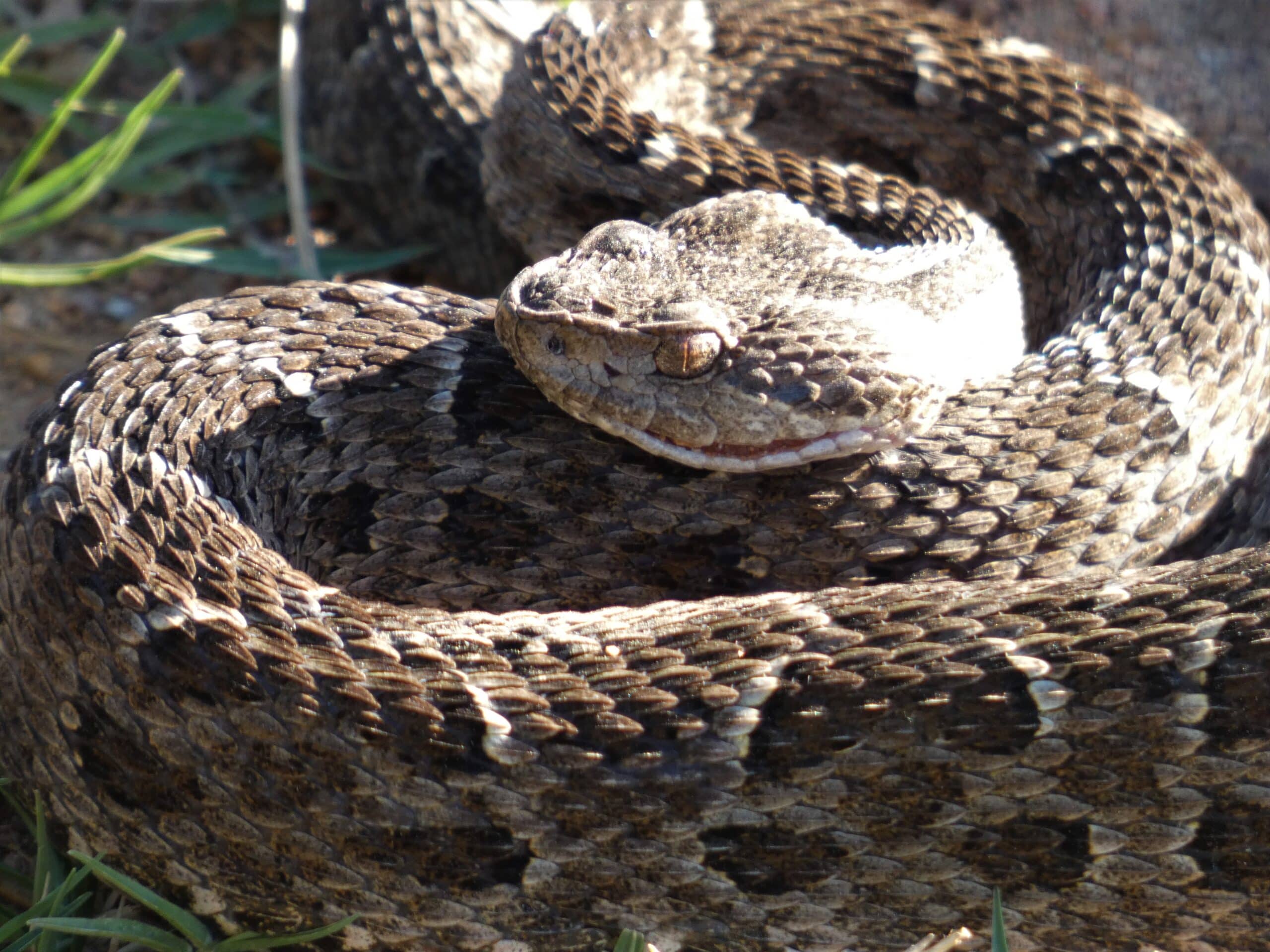

The Basics


explore more
Amphibians
Arachnids
Birds
Cats
Crustaceans
Fish
Fish Pet Guide
Gastropods
Insects
Invertebrates
Mammals
Pet Fish
Pet Rodents
Plants
Reptiles
Roundworms
Sea Slugs