Successfully copied to clipboard!
False coral snake
Explore the colorful, clever predator of the rainforest!
Let’s Explore
Overview
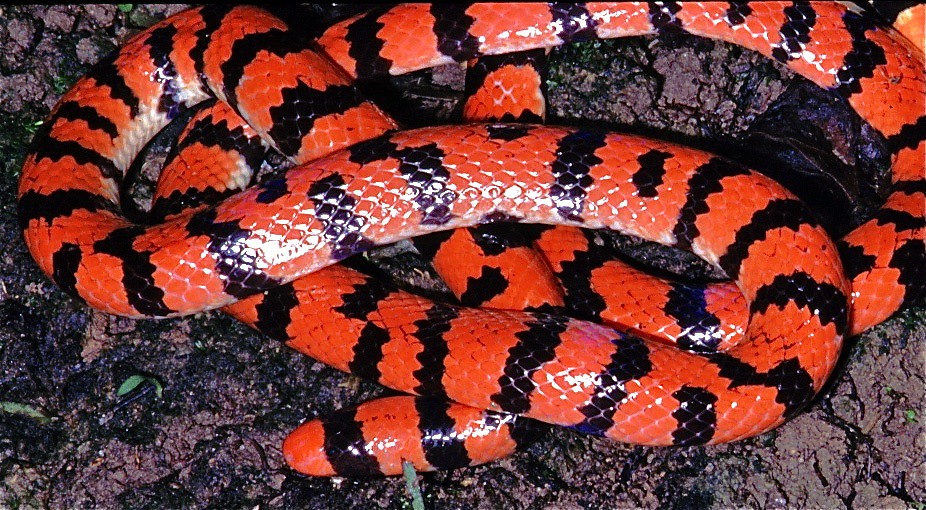
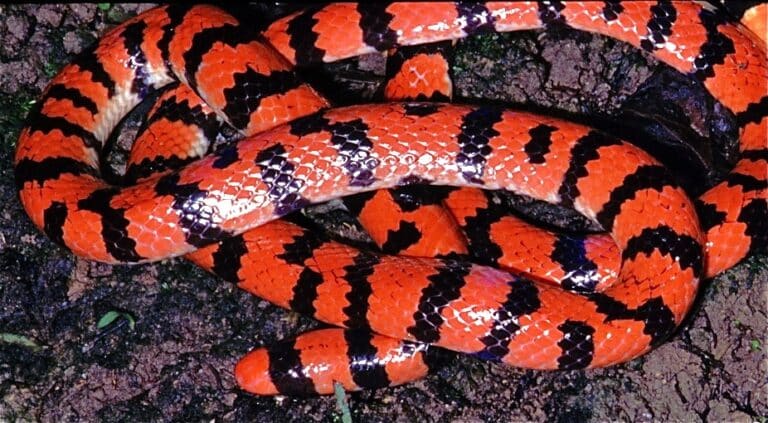
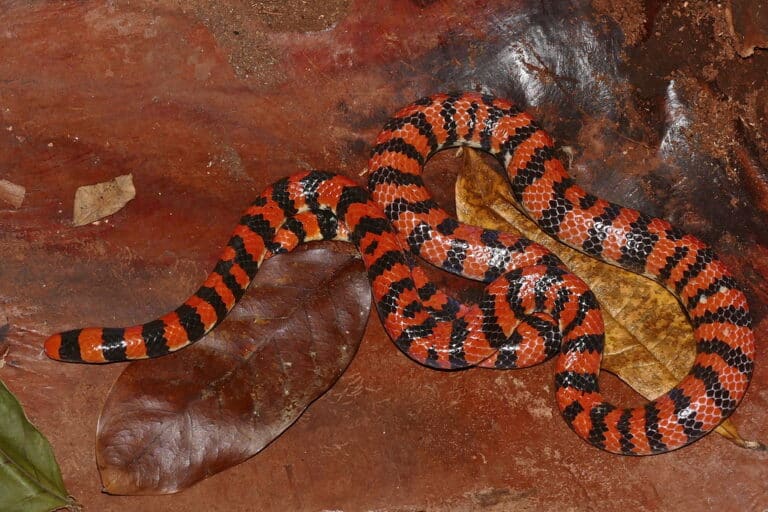
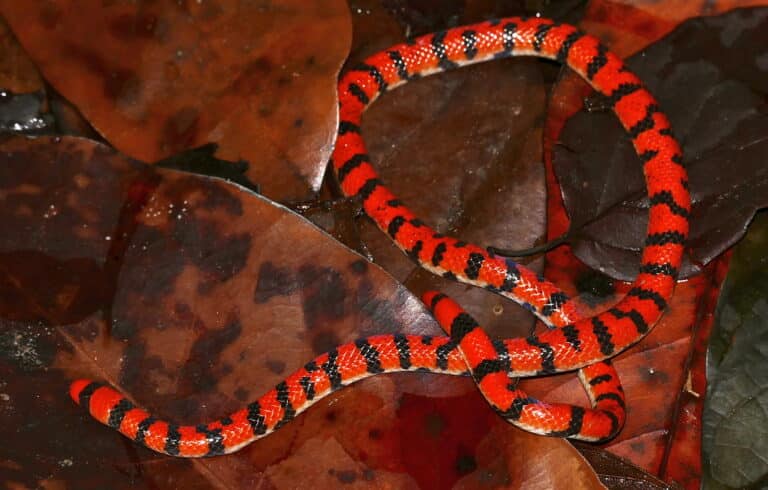
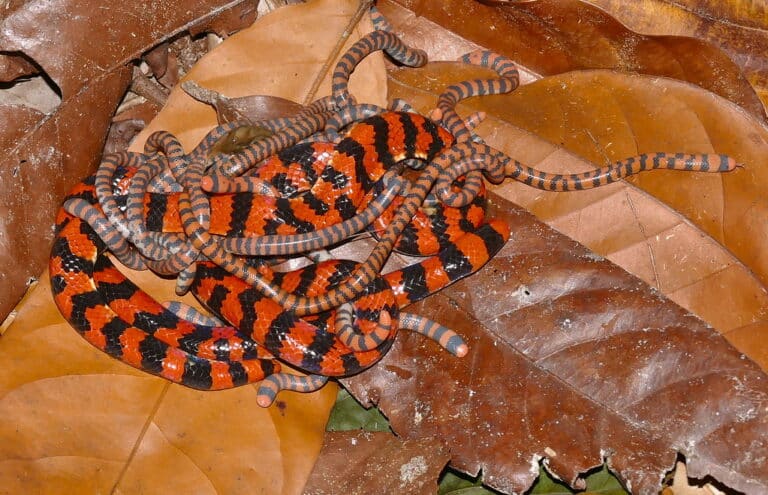
The False Coral Snake, known scientifically as Anilius scytale, is a slippery character that slithers its way through the forests of South America. This reptile belongs to the class Reptilia and can reach lengths of 2 to 3 feet (0.6 to 0.9 meters), making it a compact yet captivating snake.
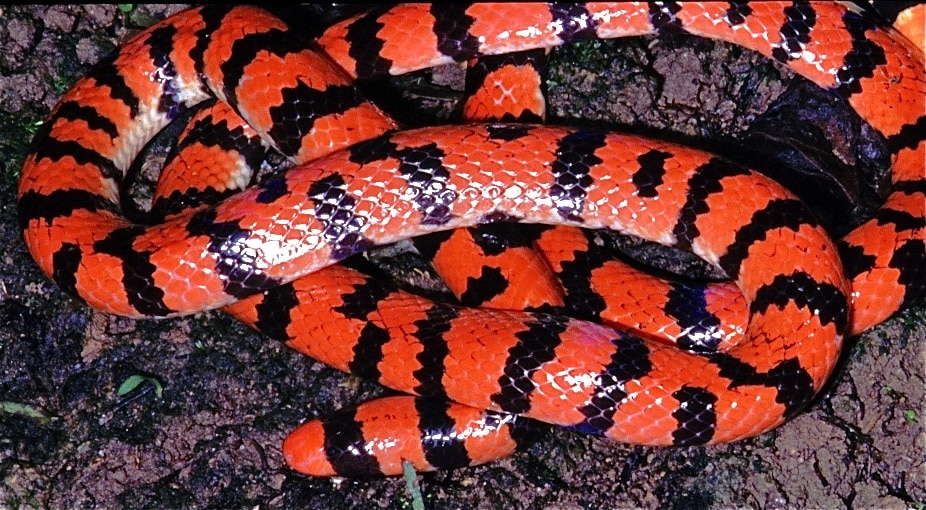
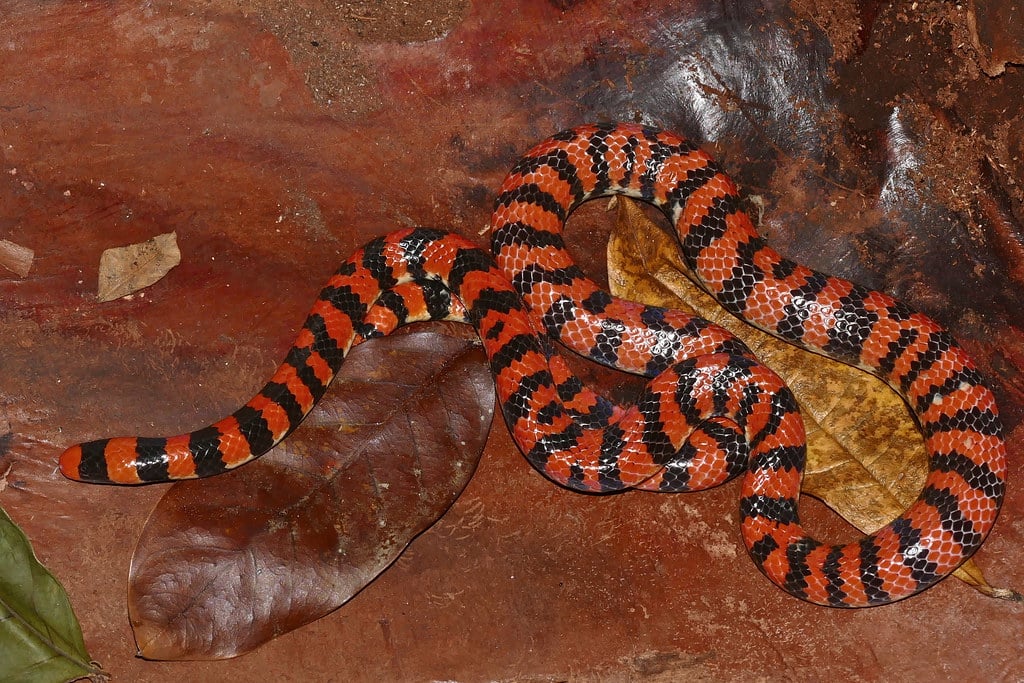
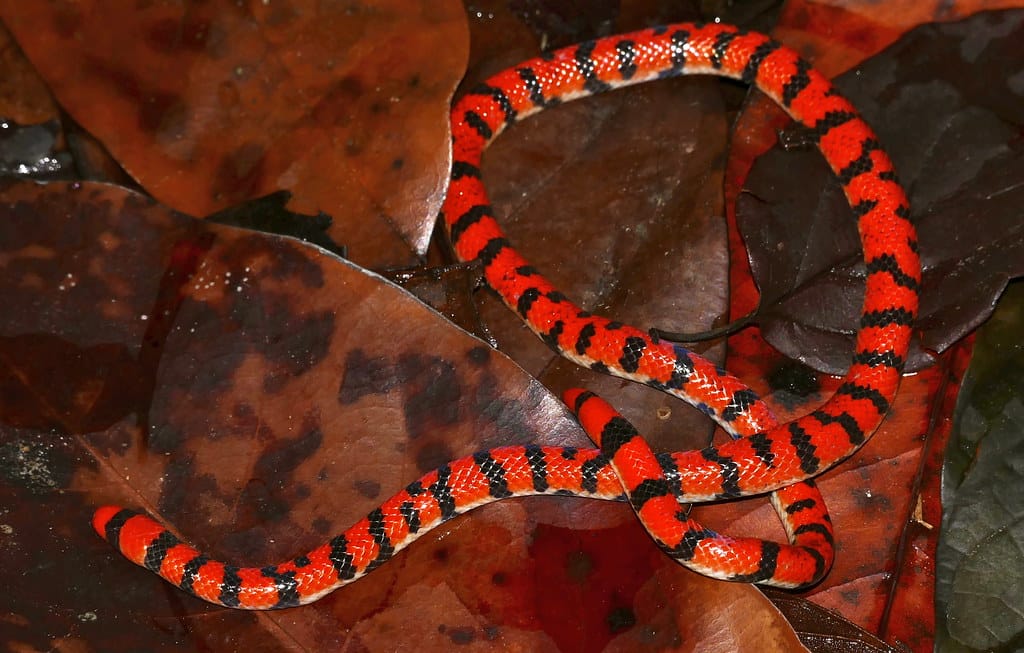
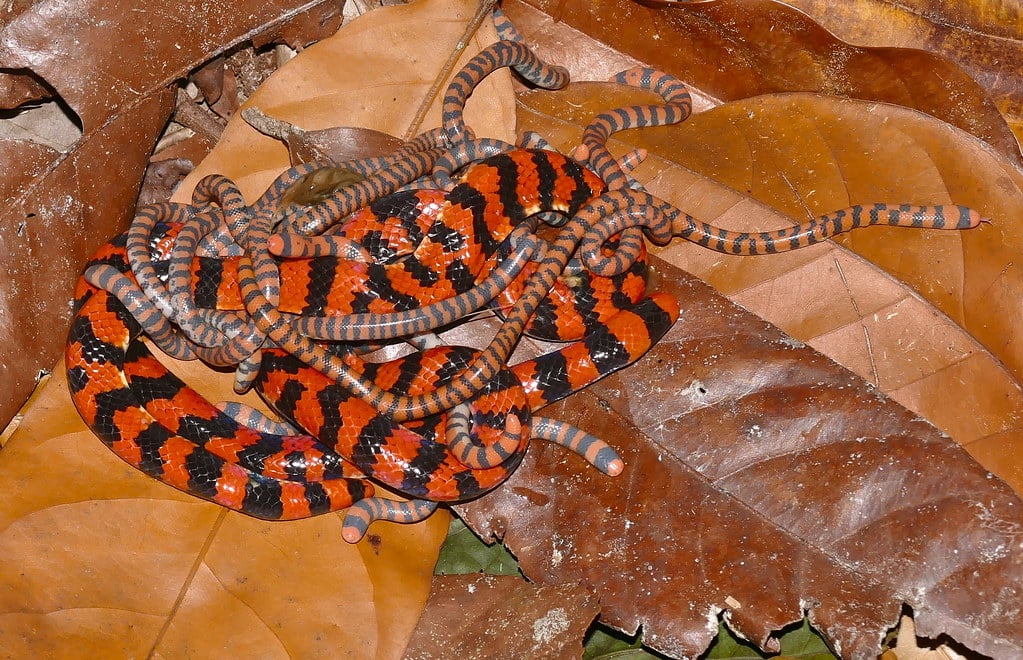
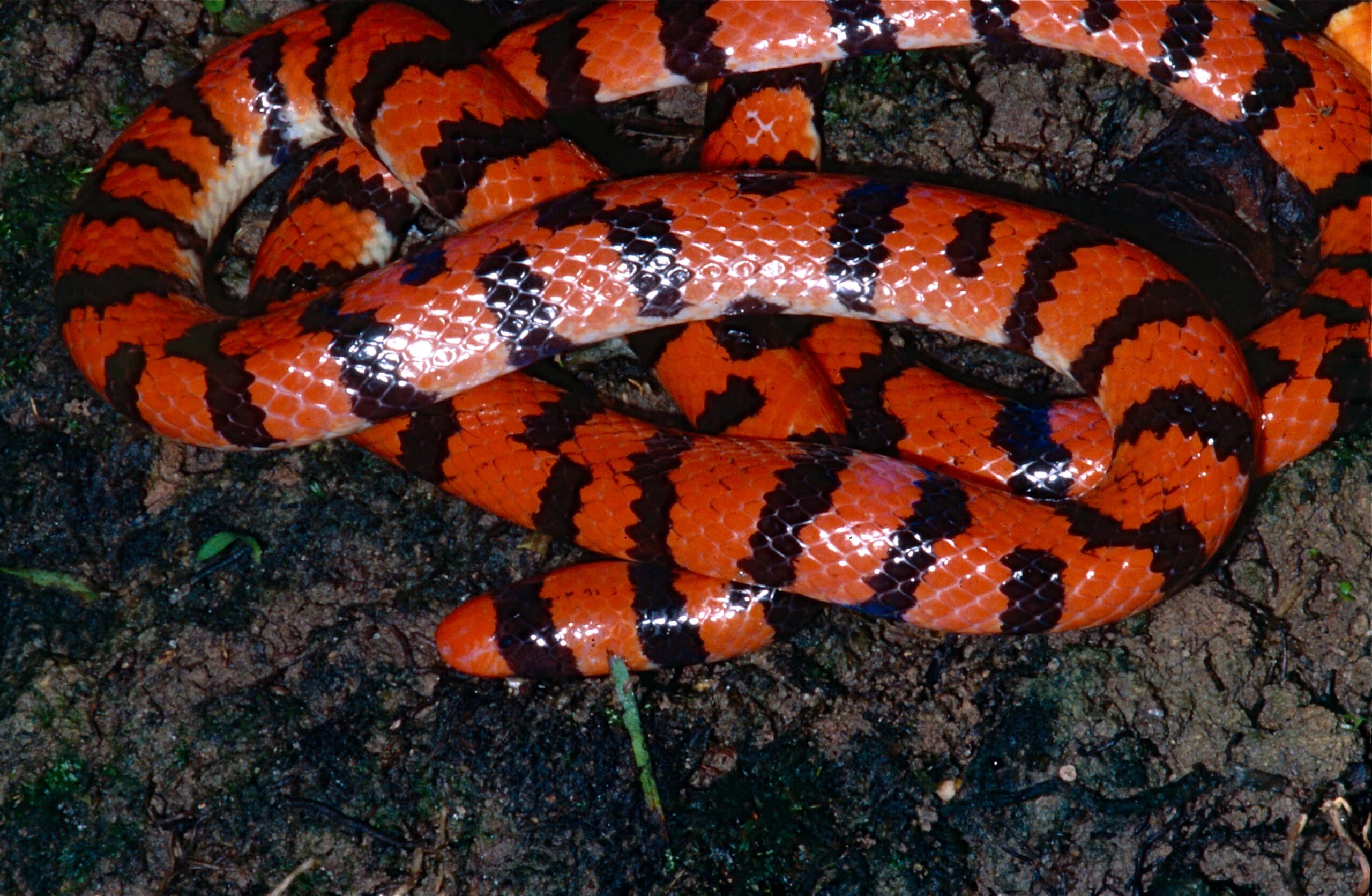
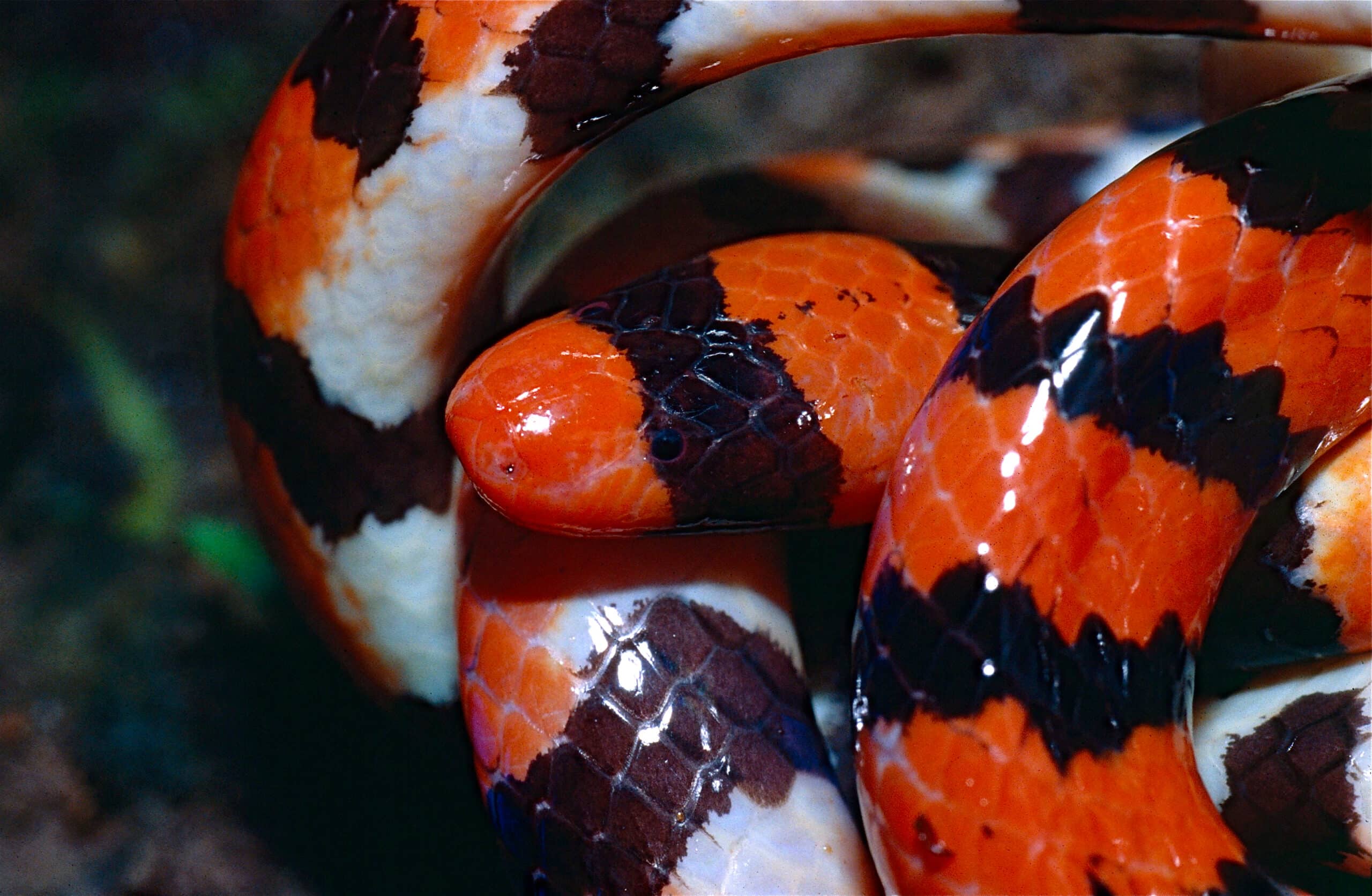
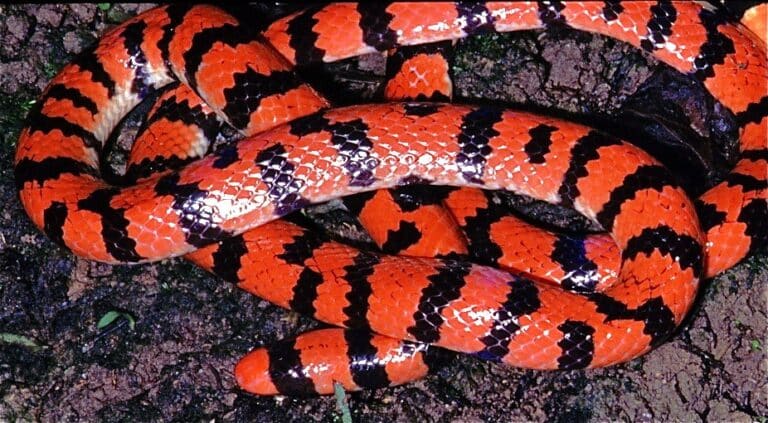
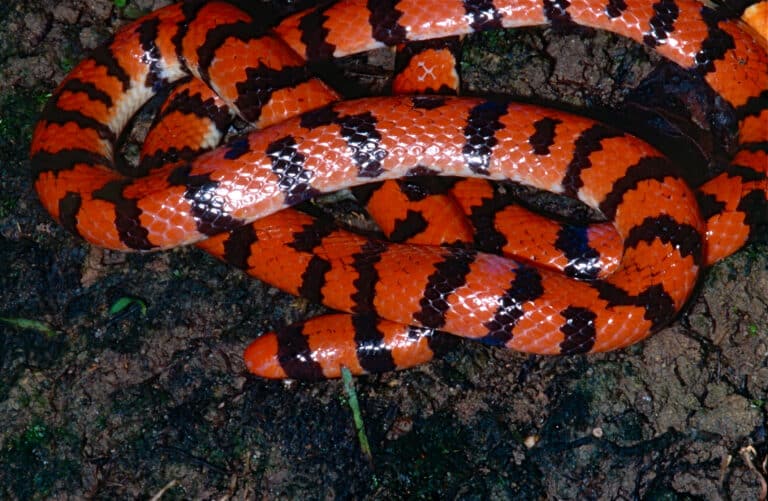
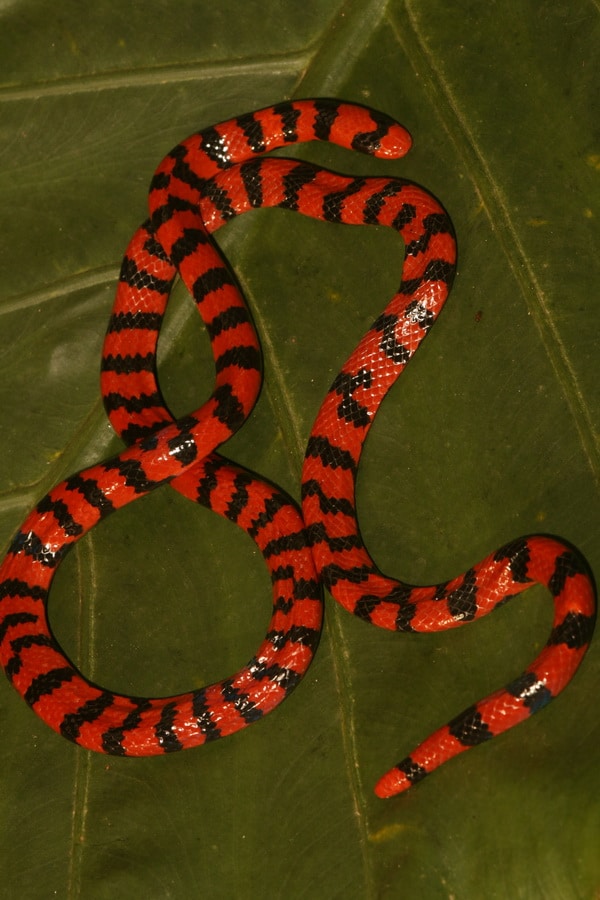
The False Coral Snake has a colorful appearance that might remind you of candy. Despite its vibrant colors, this snake is not dangerous to people; instead, it prefers to feast on small animals and other snakes, showcasing its sneaky side as a predator.
With a lifespan of up to 10 years, this deceivingly beautiful snake can live quite a while in its natural habitat. The False Coral Snake contributes to the balance of its ecosystem by helping control the populations of its prey, which keeps nature's food web healthy!

Where can you find a False coral snake in the wild?
What does a False coral snake eat?
How big can a False coral snake grow?
How long does a False coral snake typically live?
What is the conservation status of the False coral snake?
What are the main threats to the False coral snake?
Fun facts
This snake has a secret weapon: it can mimic the colors of more dangerous snakes. Predators mistake it for a venomous serpent, allowing the False Coral Snake to escape danger!


The False Coral Snake uses its tail to distract predators while it makes a quick getaway. This sneaky move helps it live to slither another day!
This snake's scales are smooth and shiny, making it an excellent swimmer. It can glide effortlessly through water in search of food or while escaping from a predator!
During mating season, males engage in fascinating wrestling matches to attract females. The winners get the chance to mate, making it an action-packed time in the jungle!
The False Coral Snake can detect vibrations in the ground, helping it sense nearby movements. This ability makes it an expert hunter in the dense underbrush!
When threatened, this snake might use a defensive display. It will puff up its body and flatten its head, trying to look bigger to scare off the danger!
Despite its colorful appearance, the False Coral Snake primarily hunts at night. It becomes a stealthy predator under the cover of darkness, ready to catch its prey!
This snake's diet can include other snakes. It often hunts smaller or less dangerous ones, showing off its bravery and adaptability in the wild!
The False Coral Snake relies on its striking colors for protection. Its bright pattern warns potential predators to steer clear, just like a 'Do Not Disturb' sign!
In some cultures, seeing a False Coral Snake is considered good luck! People believe it brings prosperity and happiness just by slithering through the jungle.
Photos




The Basics


explore more
Amphibians
Arachnids
Birds
Cats
Crustaceans
Fish
Fish Pet Guide
Gastropods
Insects
Invertebrates
Mammals
Pet Fish
Pet Rodents
Plants
Reptiles
Roundworms
Sea Slugs