Successfully copied to clipboard!
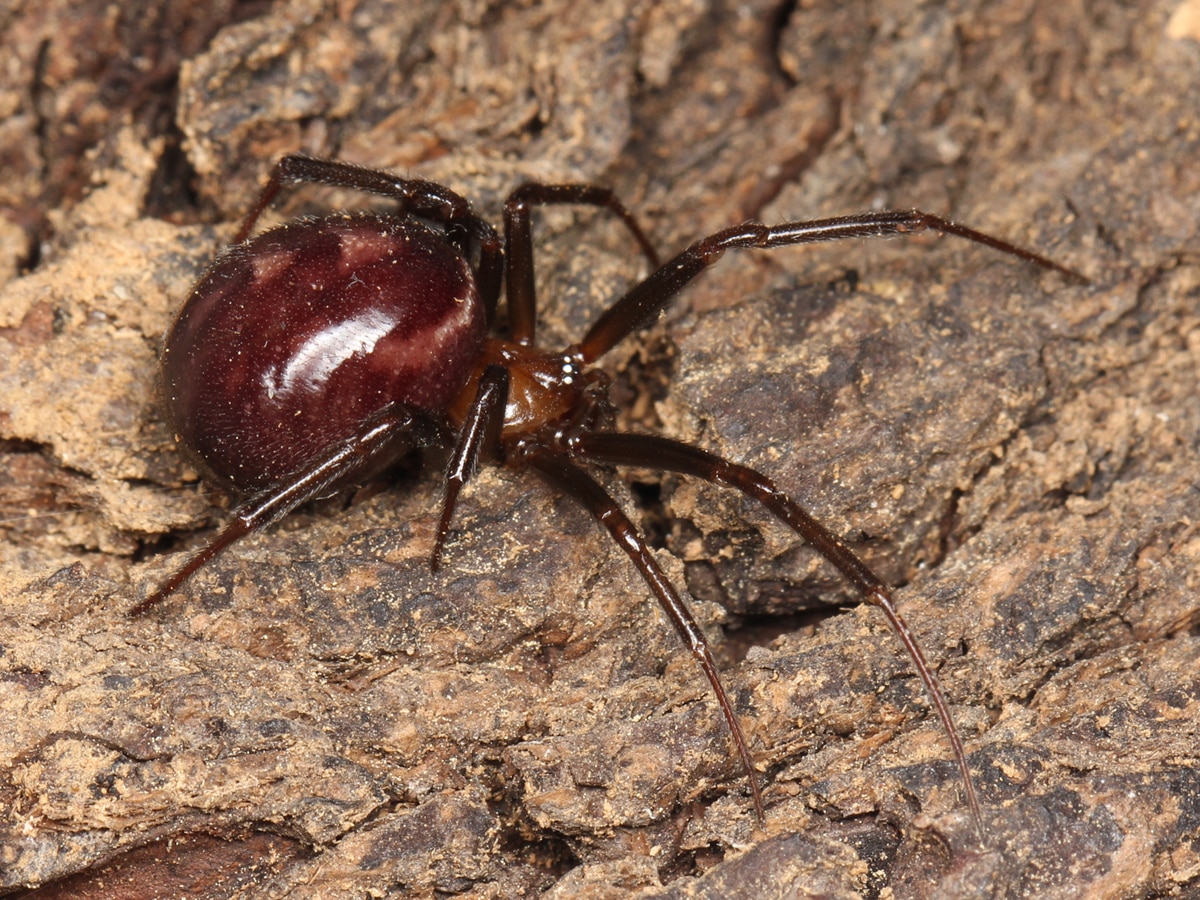
False Widow Spider
Unravel the web-spinning secrets of a masterful trickster!
Let’s Explore
Overview
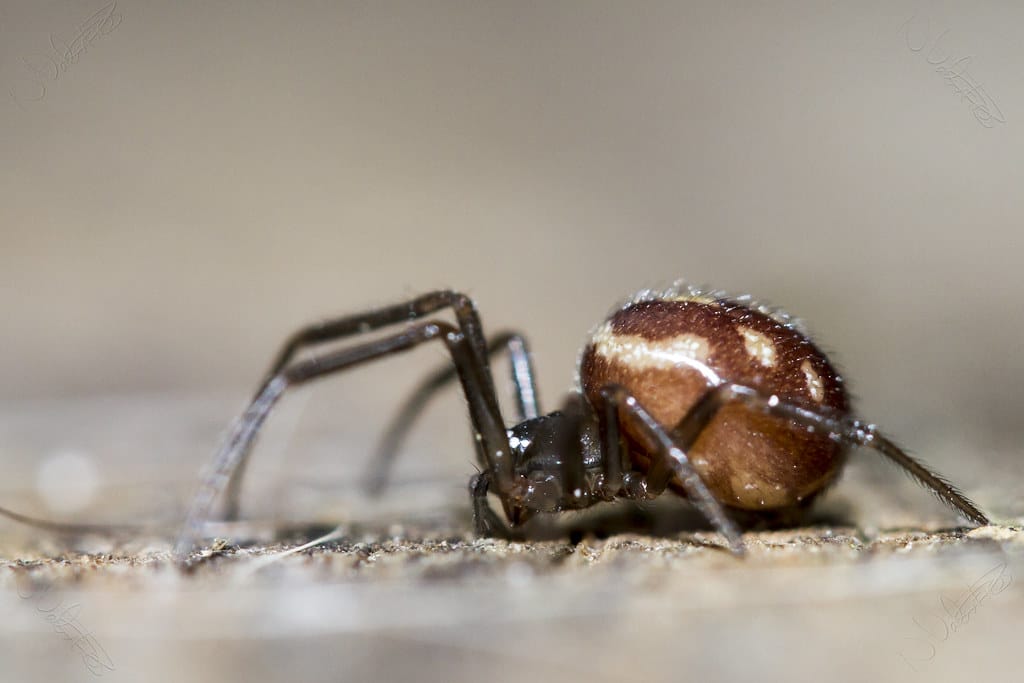
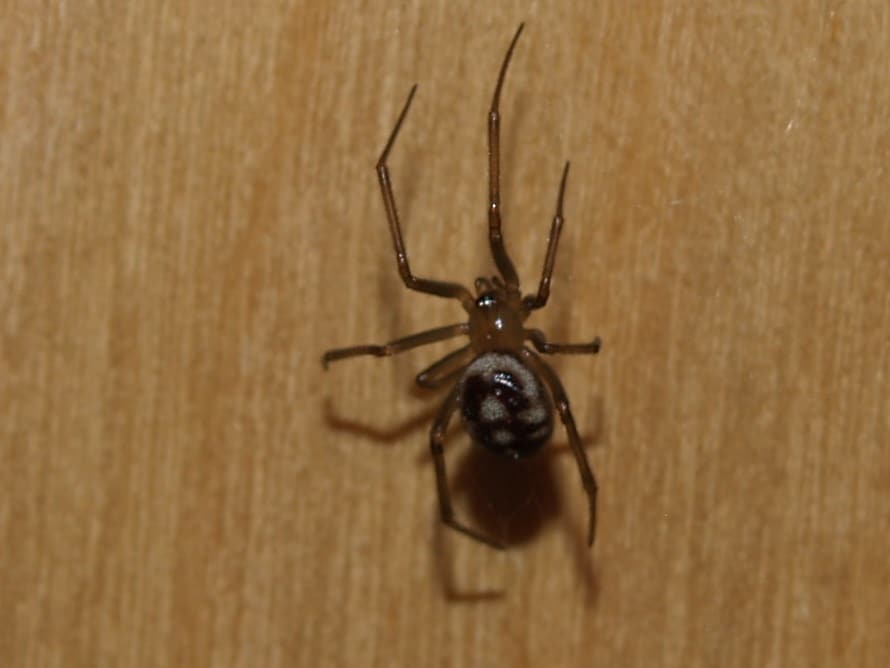
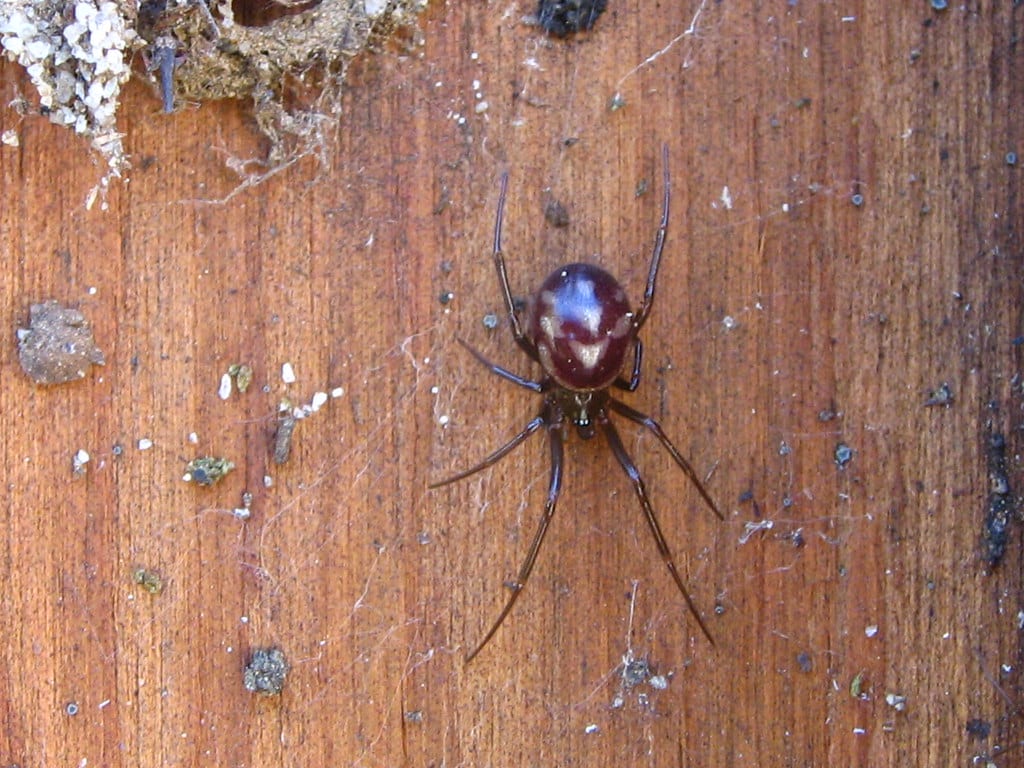
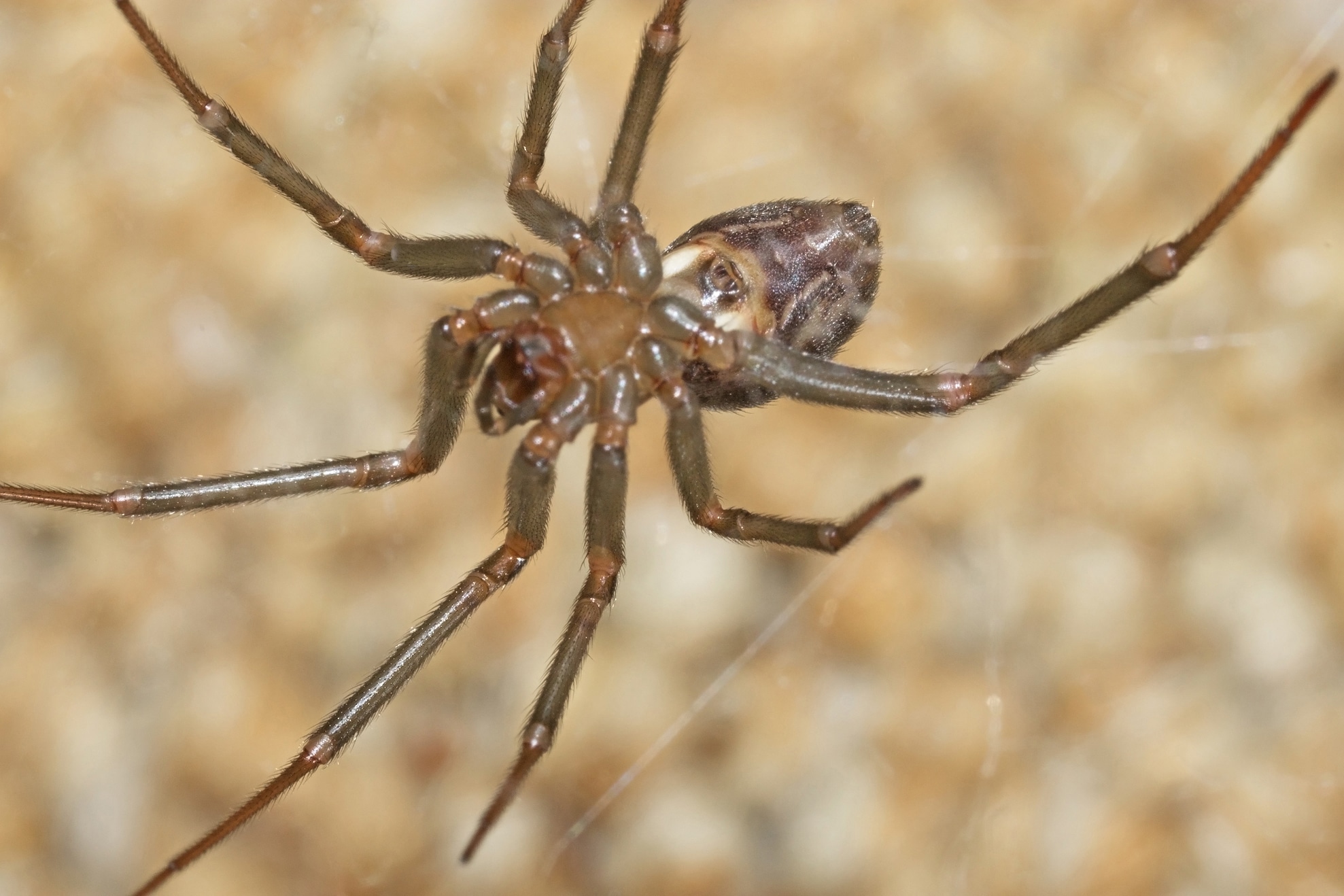
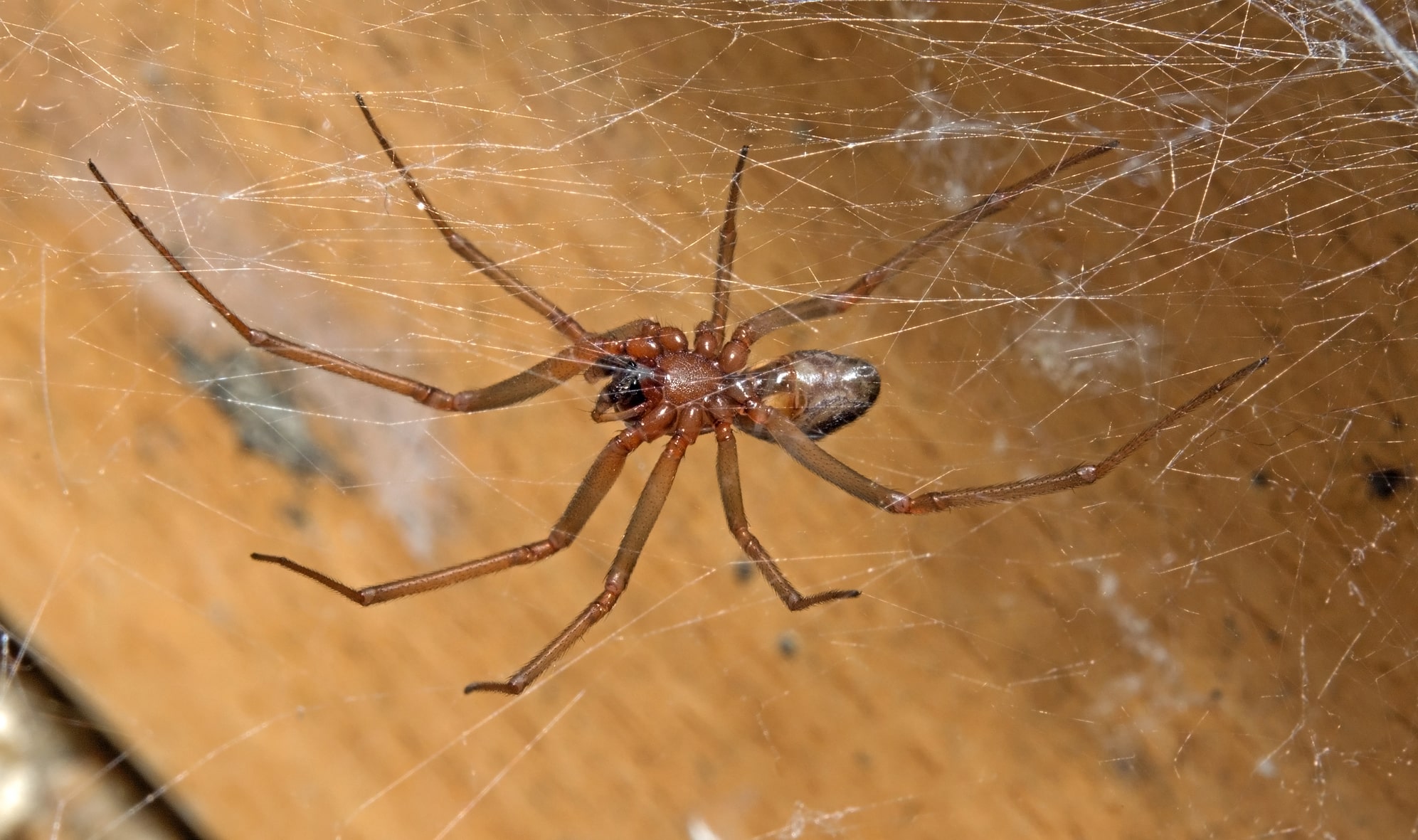
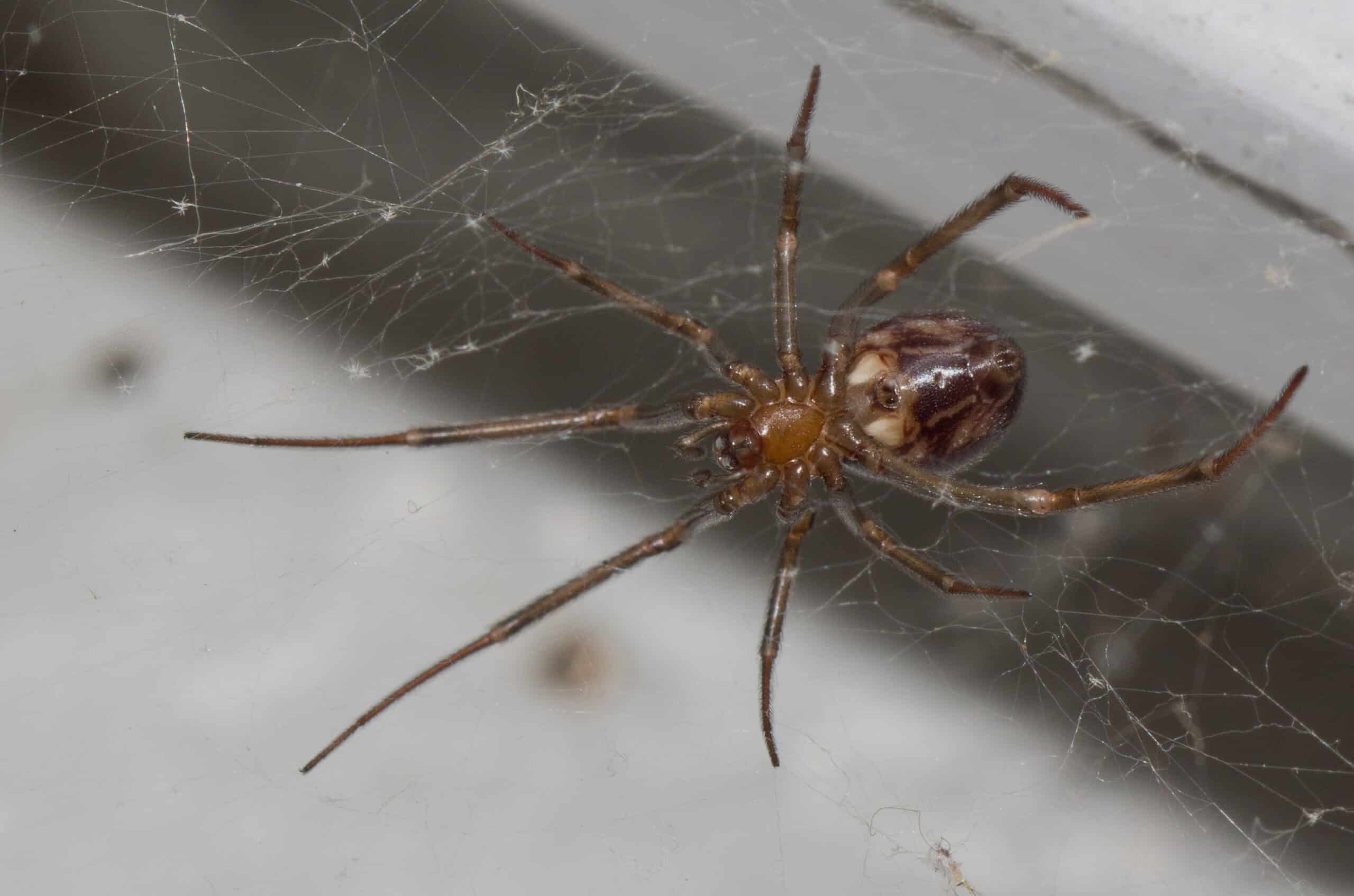
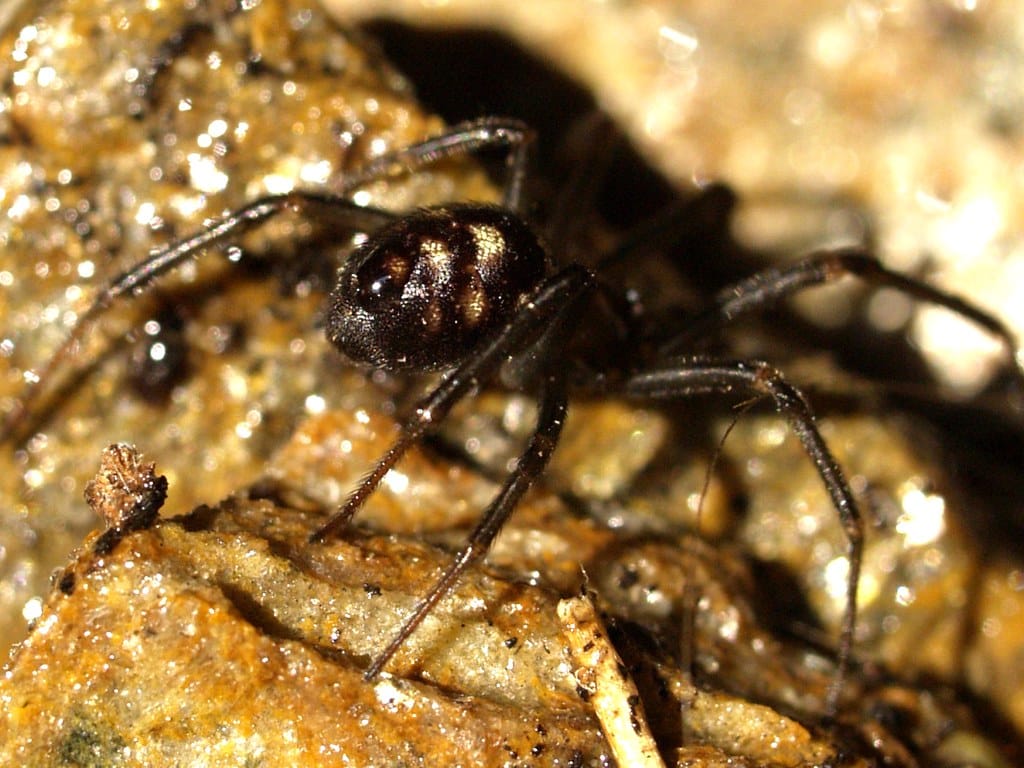
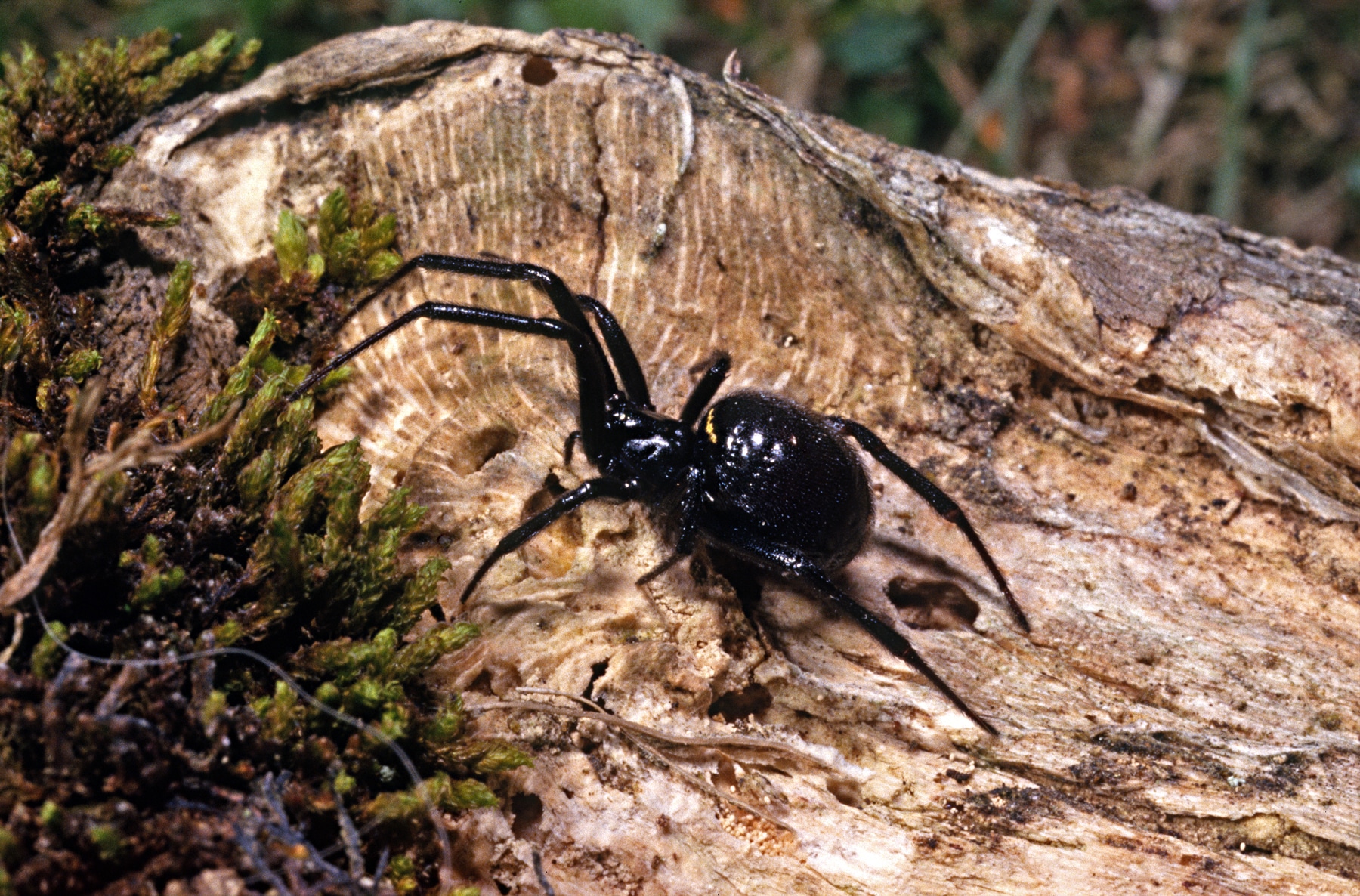
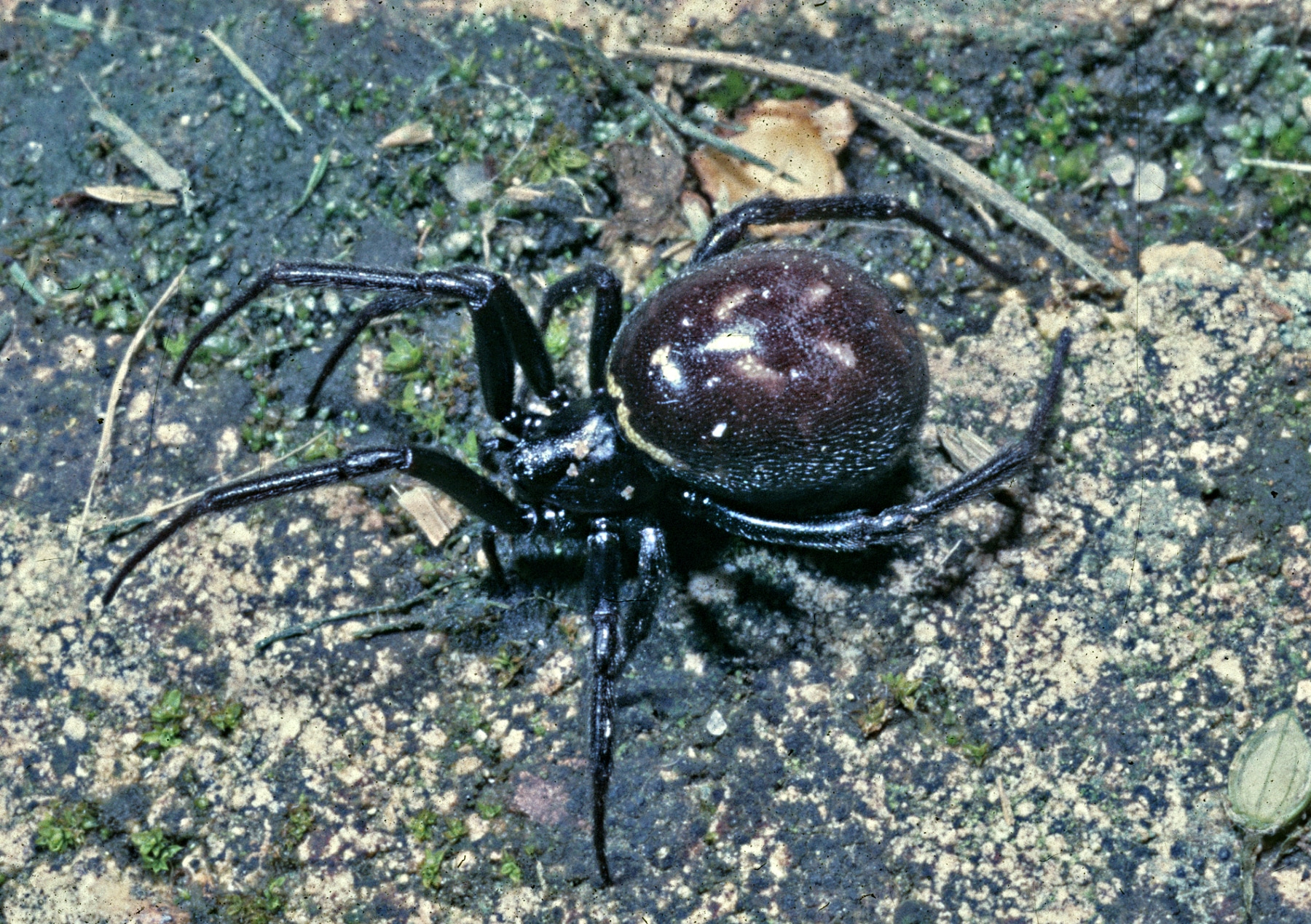
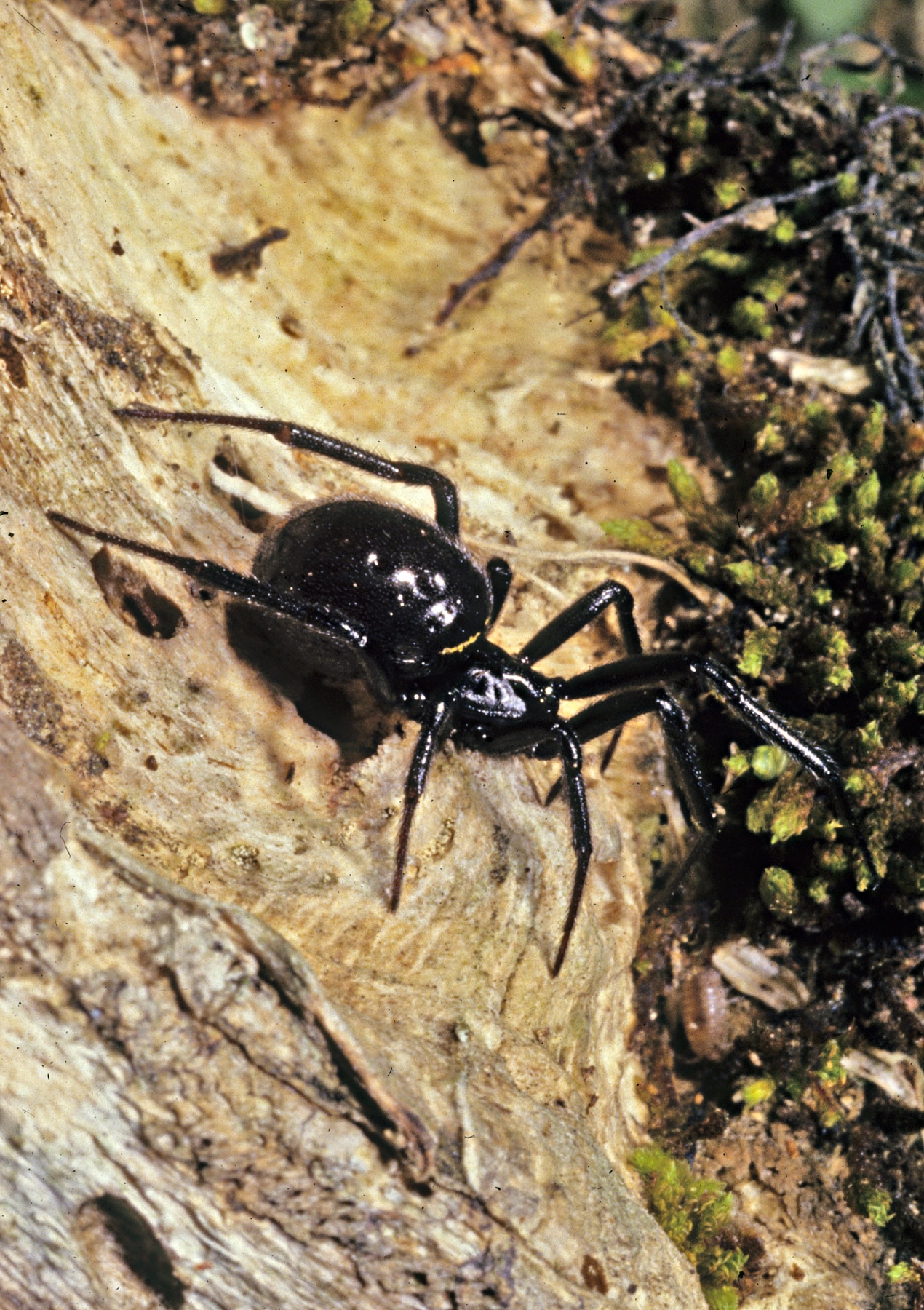
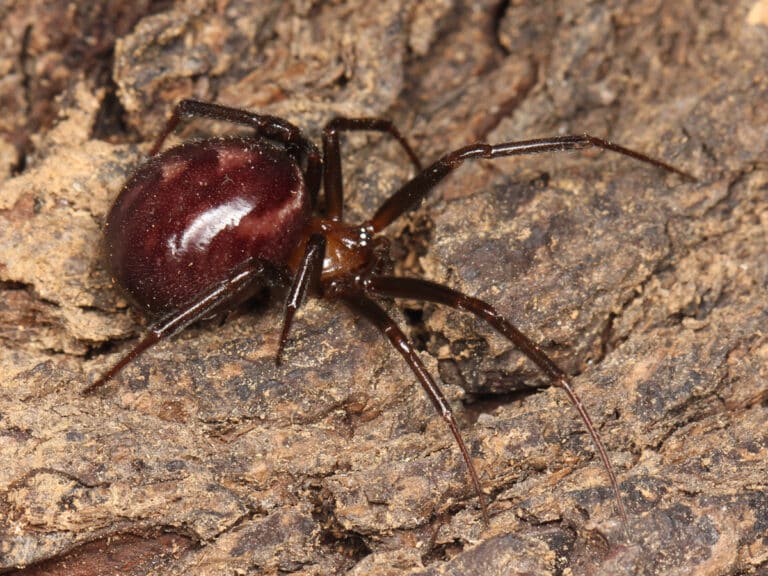
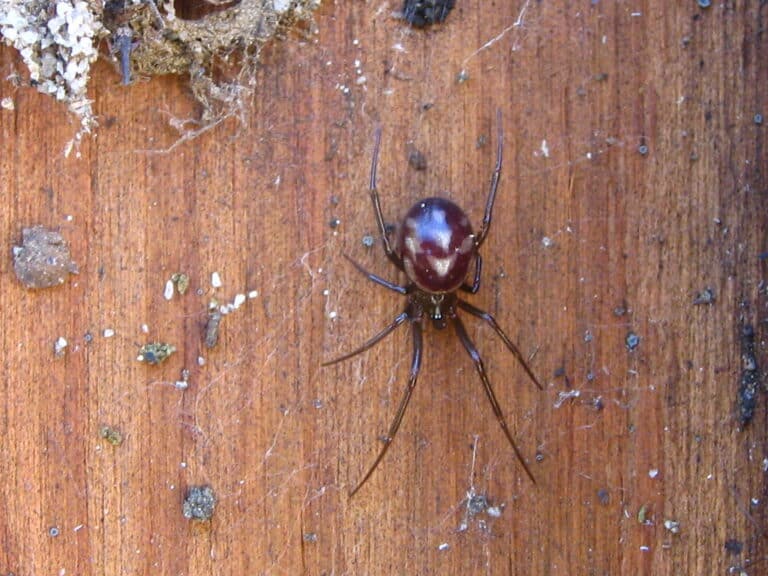
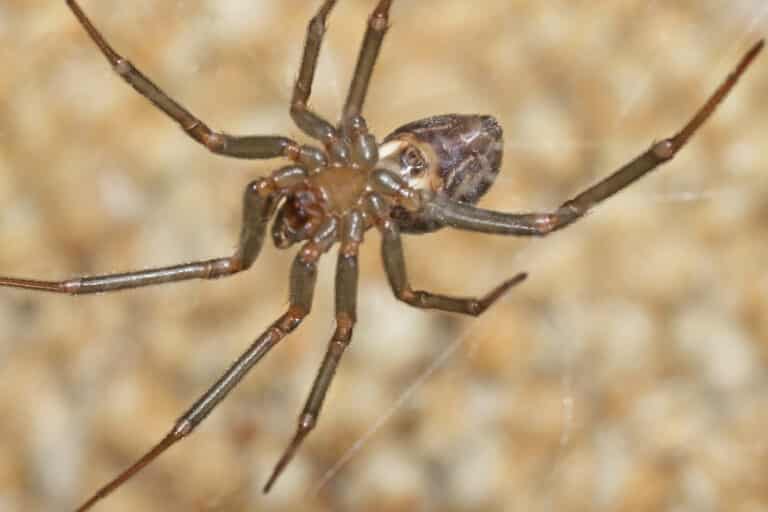
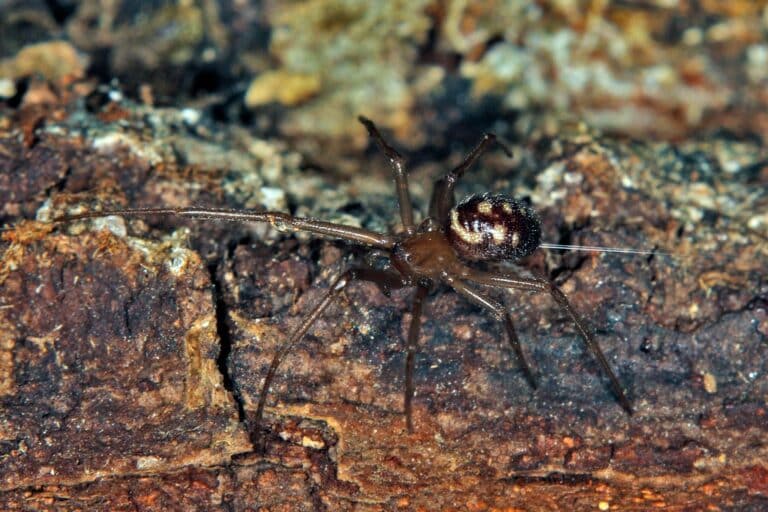
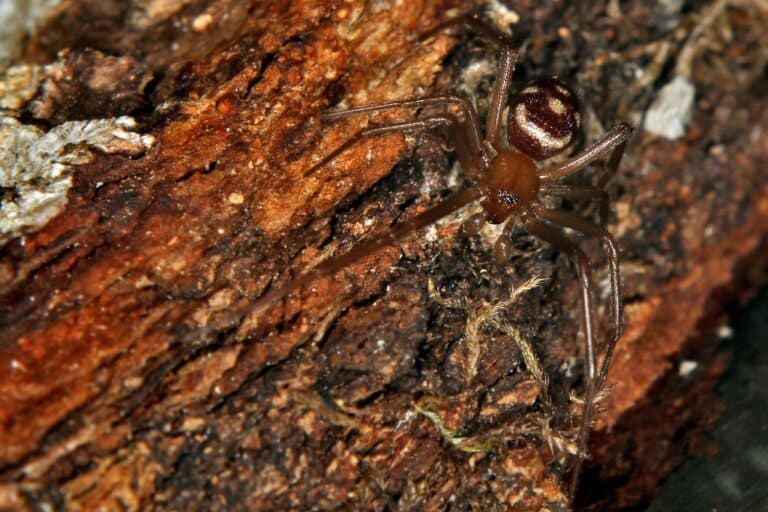
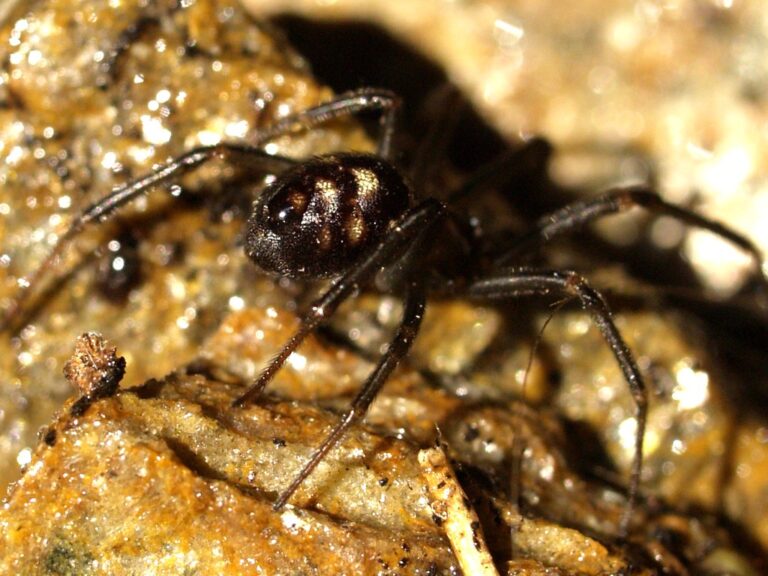
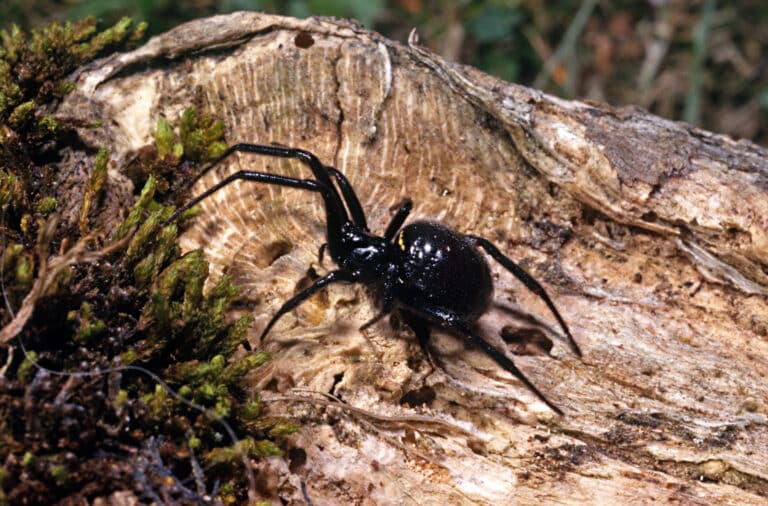
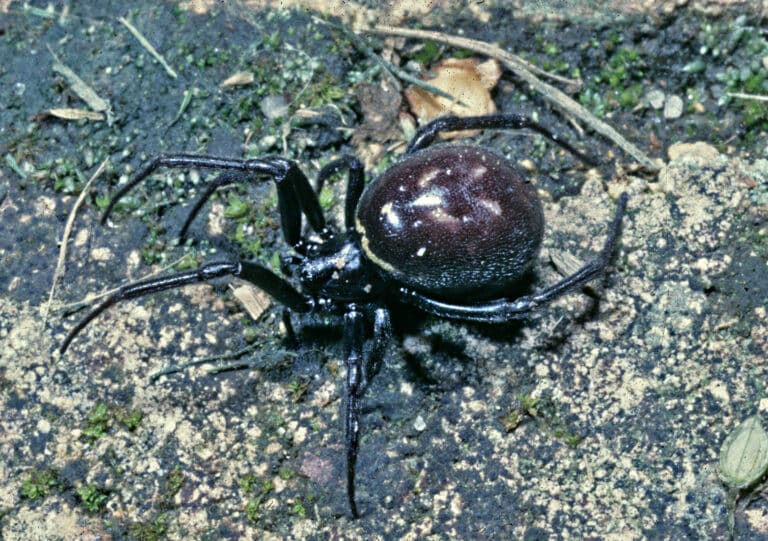
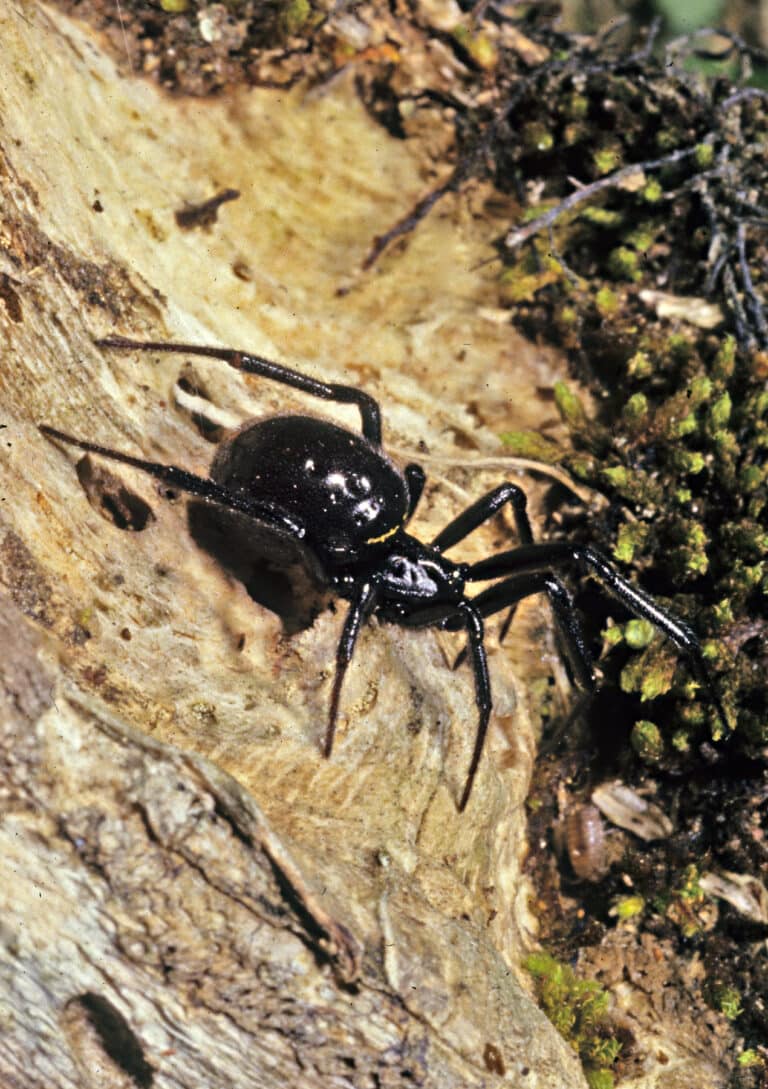
The False Widow Spider, or Steatoda grossa, is a captivating member of the arachnid family. This small spider, measuring about 0.2 to 0.4 inches long, is often found in Africa and can sometimes surprise you with its trickster nature.
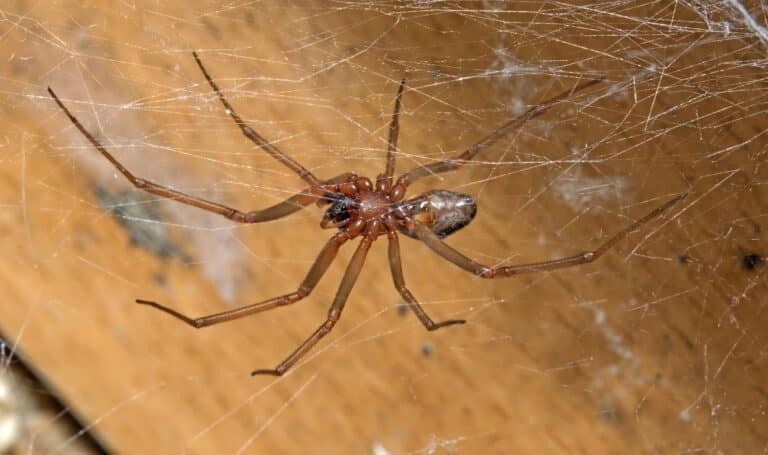
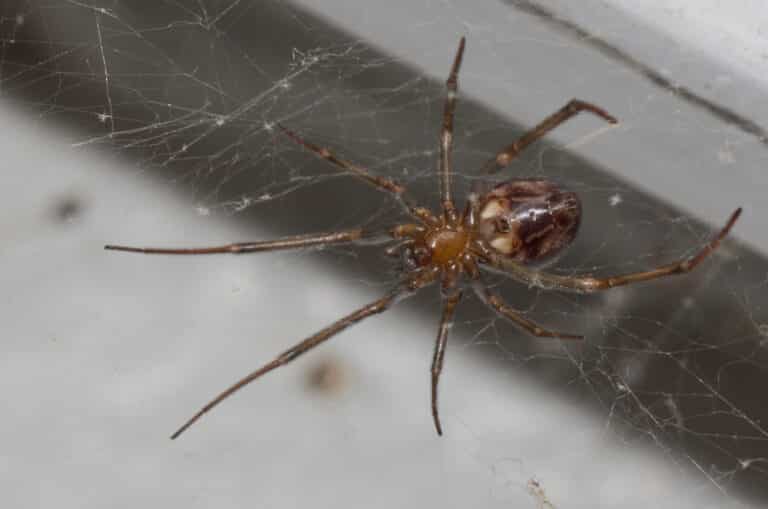
False Widow Spiders belong to a group that loves to spin webs. They create tangled traps to catch their favorite snacks, which mostly include insects and other spiders—talk about a spider buffet!
The False Widow Spider has a short lifespan, living for 1 to 2 years. They have earned the nickname

Where can you find a False Widow Spider in the wild?
What does a False Widow Spider eat?
How big can a False Widow Spider grow?
How long does a False Widow Spider typically live?
What is the conservation status of the False Widow Spider?
What are the main threats to the False Widow Spider?
Fun facts
The False Widow Spider has an ability to adapt quickly to different environments, allowing it to thrive in both rural and urban settings, making it a true survivor!


Its webs are not just sticky; they are masterpieces of design. The False Widow Spider spins silk that is both strong and elastic, which helps catch even the wiliest of insects.
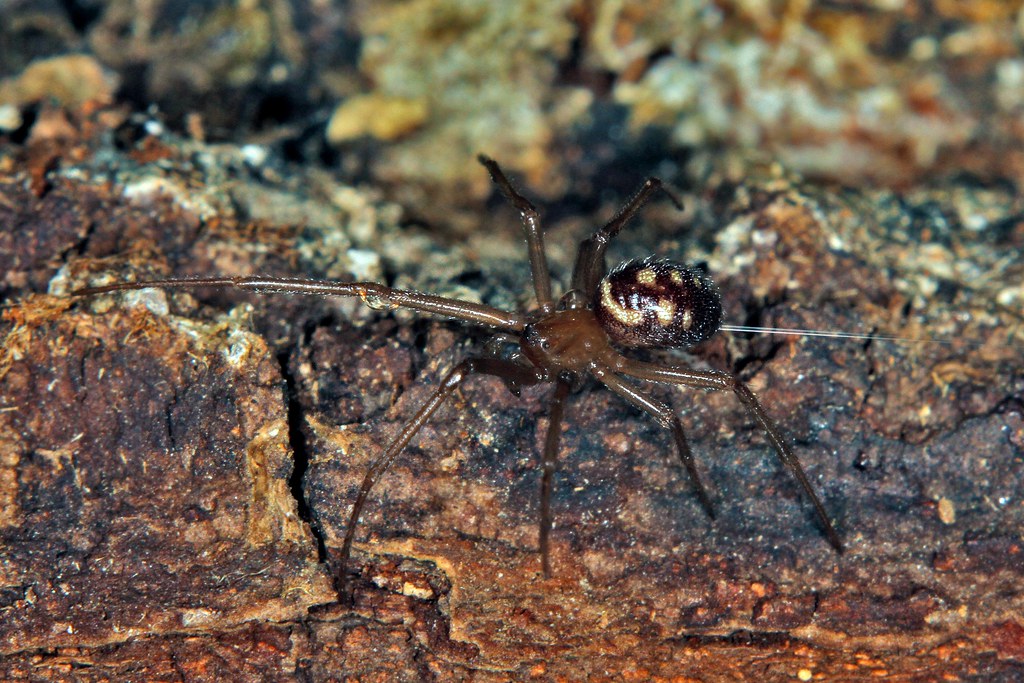
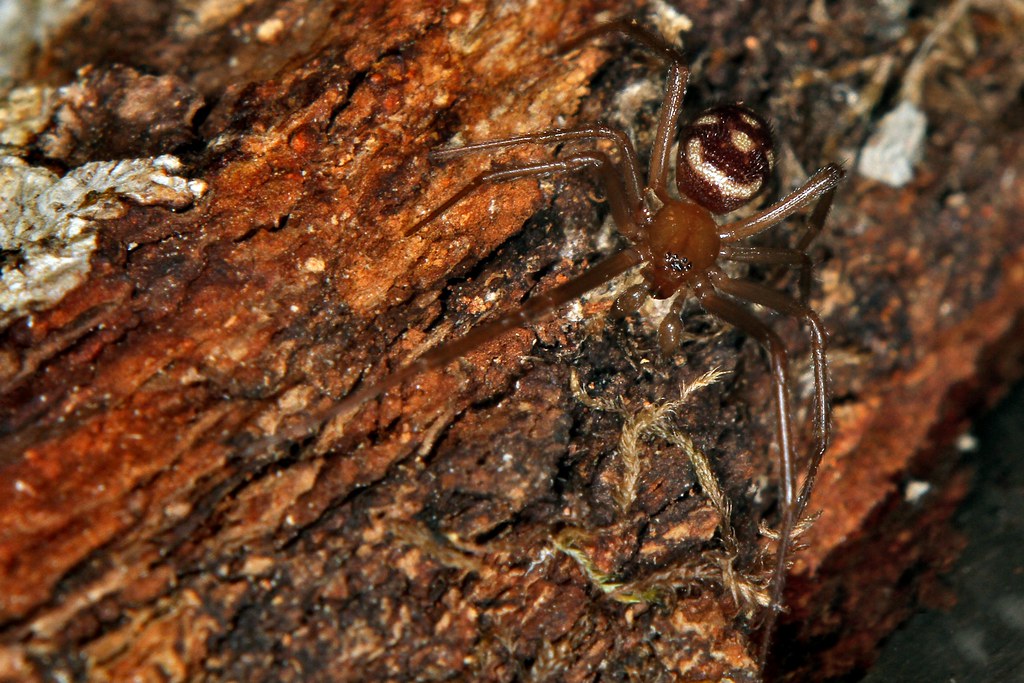
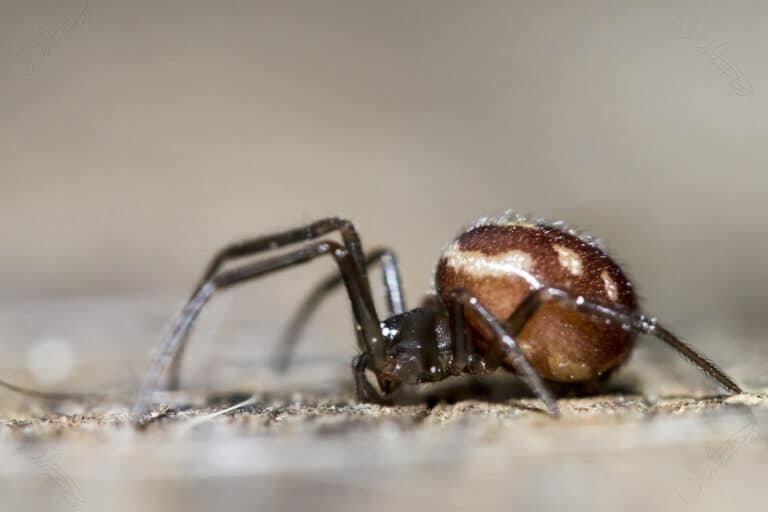
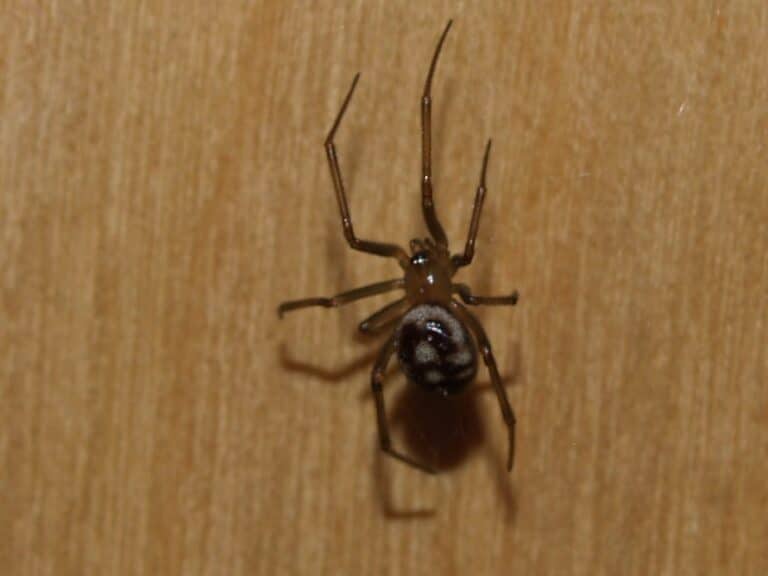
This spider has a knack for camouflage! Its dark brown color helps it blend in with different backgrounds, allowing it to hide from predators and potential prey.
The False Widow Spider does not hunt like a typical spider by chasing prey. Instead, it waits patiently in its web, like a stealthy ninja, for snacks to come to it!
When caught in a tough spot, the False Widow Spider can drop from its web and play dead, tricking predators into thinking they have lost their meal. Sneaky!
These spiders can make a silk line like a tightrope walker, allowing them to travel safely from one place to another. They can create a silk thread to catch themselves if they fall!
False Widow Spiders can reproduce rapidly. A single female can lay up to 250 eggs at once, making sure there are plenty of little spiders to continue the family legacy!
In some cultures, people believe that False Widow Spiders bring good luck, and they even celebrate them for their web-spinning skills. Like tiny architects creating beautiful homes!
False Widow Spiders have special sensors on their legs that help them detect movement. This amazing skill makes it easier for them to catch their next meal!
Despite their name, False Widow Spiders are not dangerous to humans. Their bites can cause minor irritation, but they are more famous for giving us a bit of a scare!
Photos





The Basics


explore more
Amphibians
Arachnids
Birds
Cats
Crustaceans
Fish
Fish Pet Guide
Gastropods
Insects
Invertebrates
Mammals
Pet Fish
Pet Rodents
Plants
Reptiles
Roundworms
Sea Slugs