Successfully copied to clipboard!
Fiddler Crab
Watch the colorful dancers wave and play by the shore!
Let’s Explore
Overview
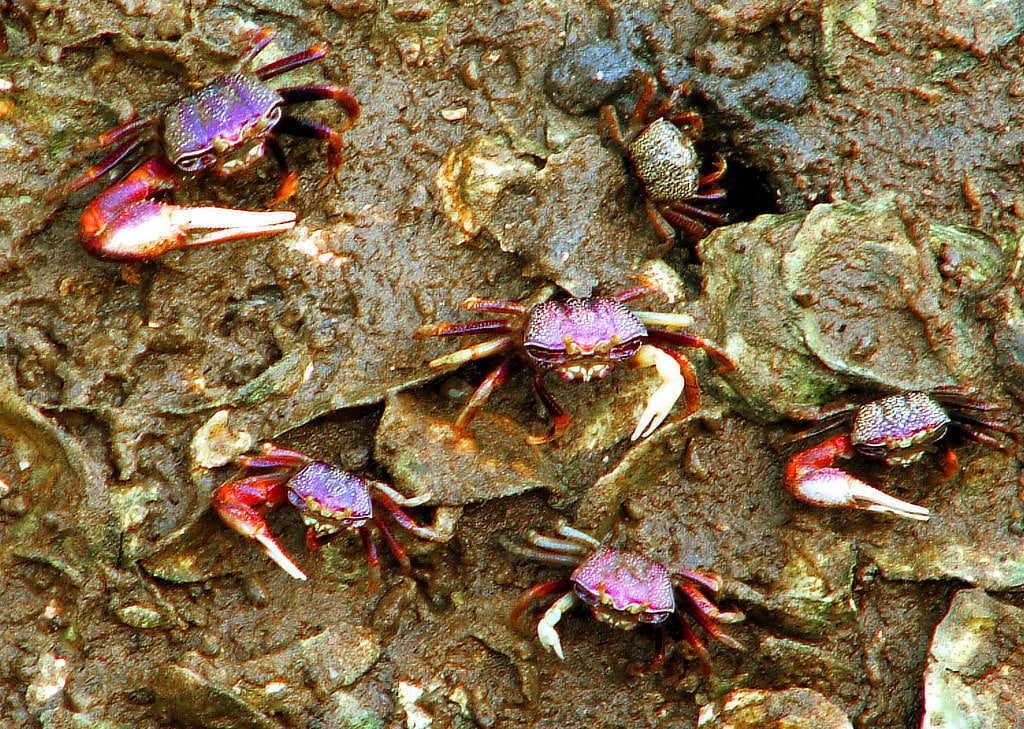
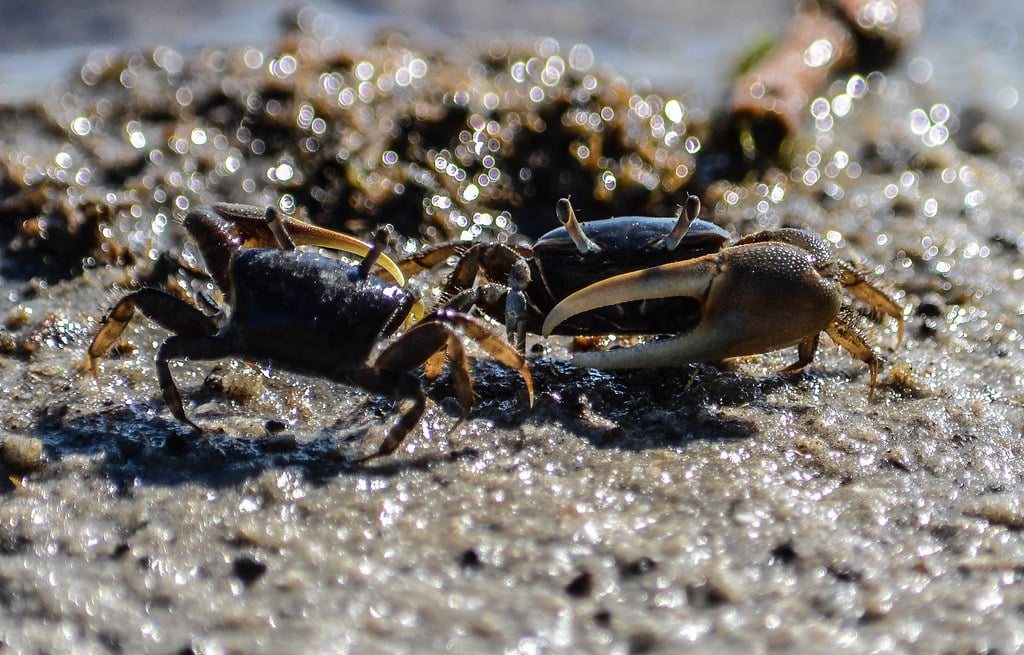
Fiddler crabs are quirky little creatures that love to dance! These colorful crabs belong to the family Ocypodidae and can be found scuttling along sandy beaches and muddy shorelines.
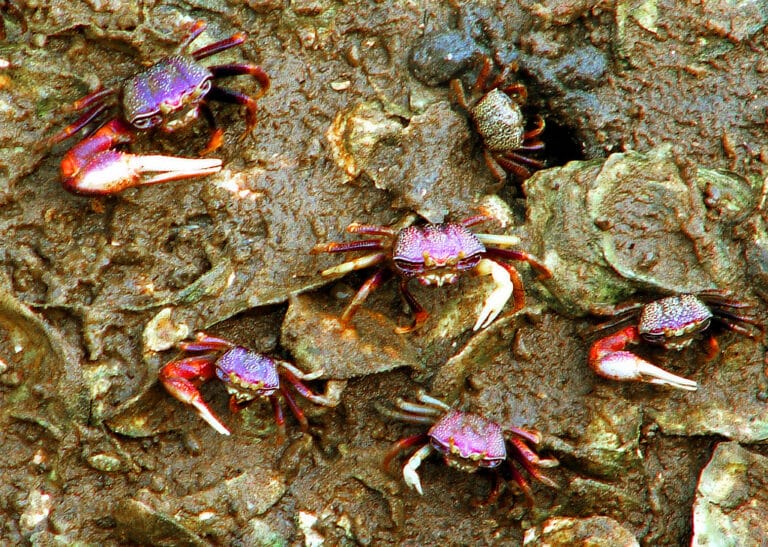
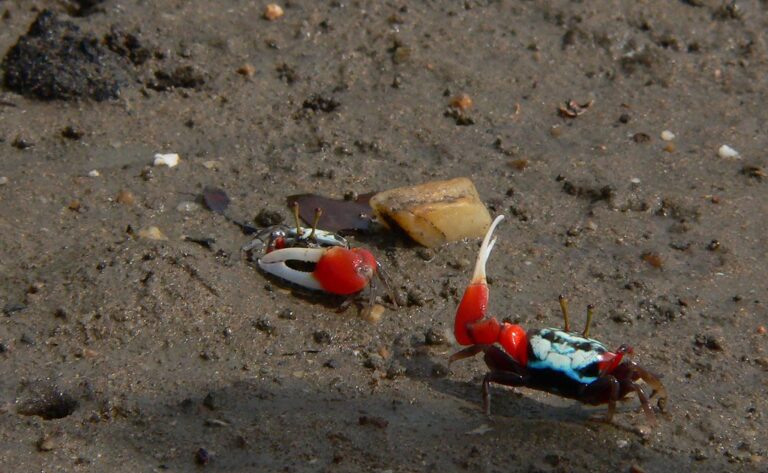
These fascinating invertebrates usually measure about 1 to 2 inches wide. They display their vibrant colors proudly, making them hard to miss against the shoreline.
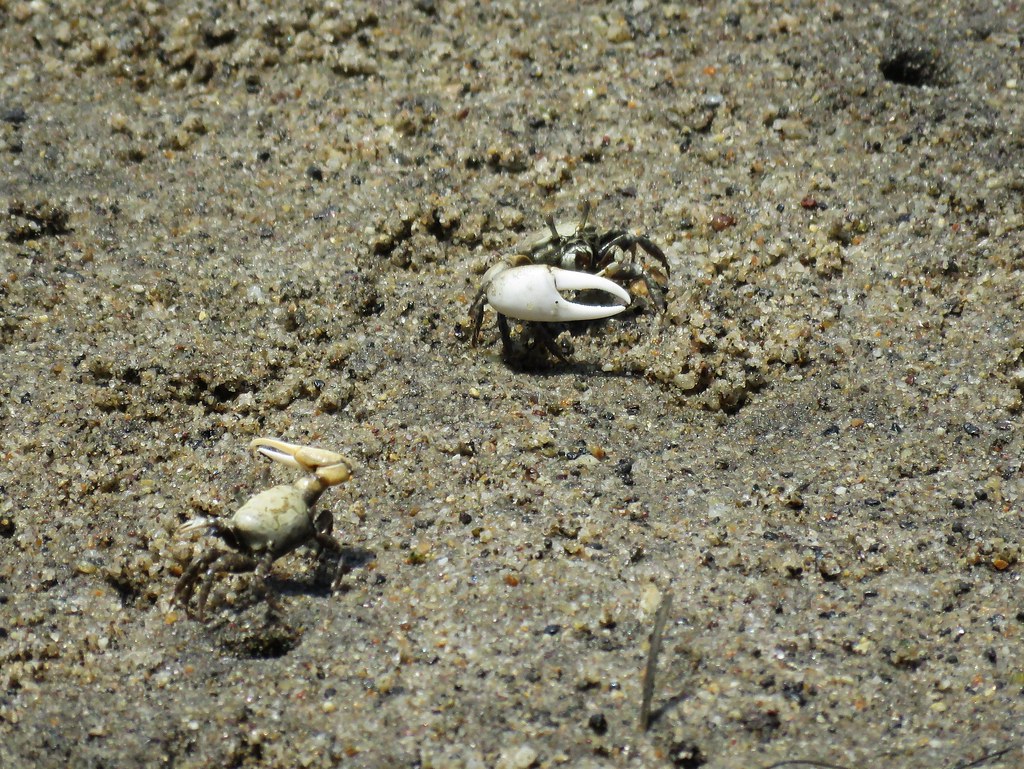
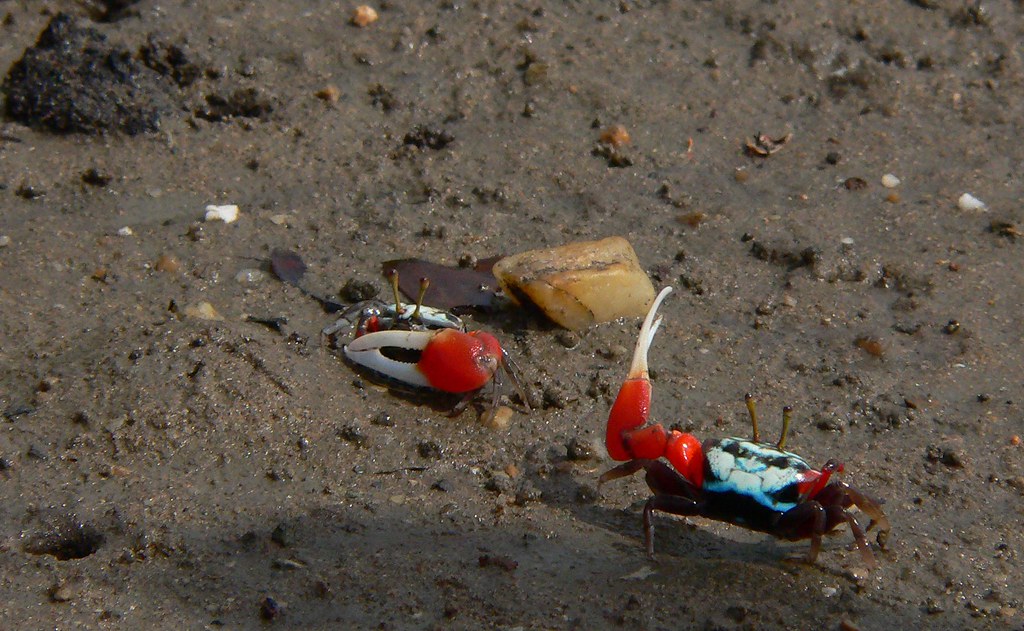
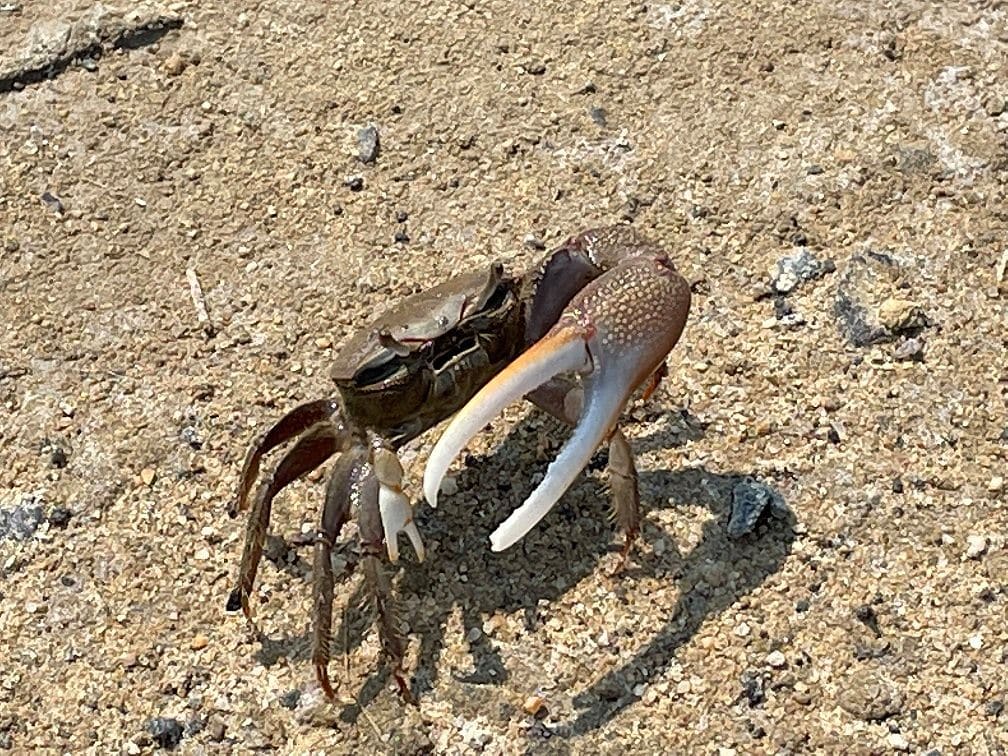
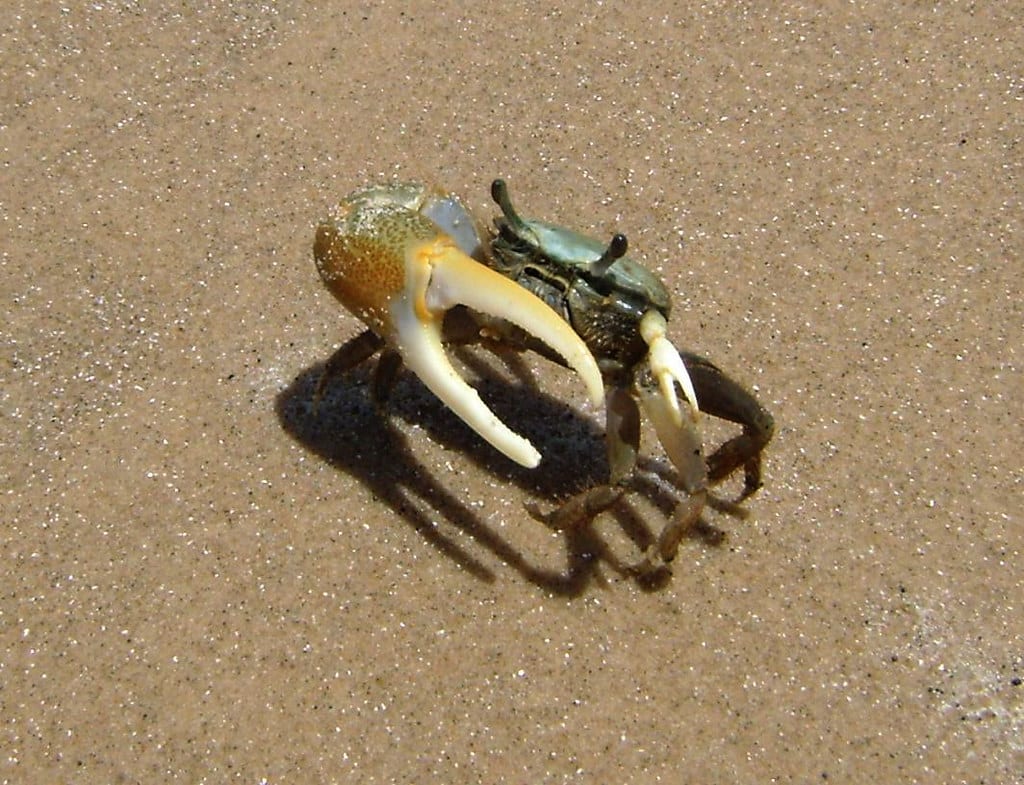
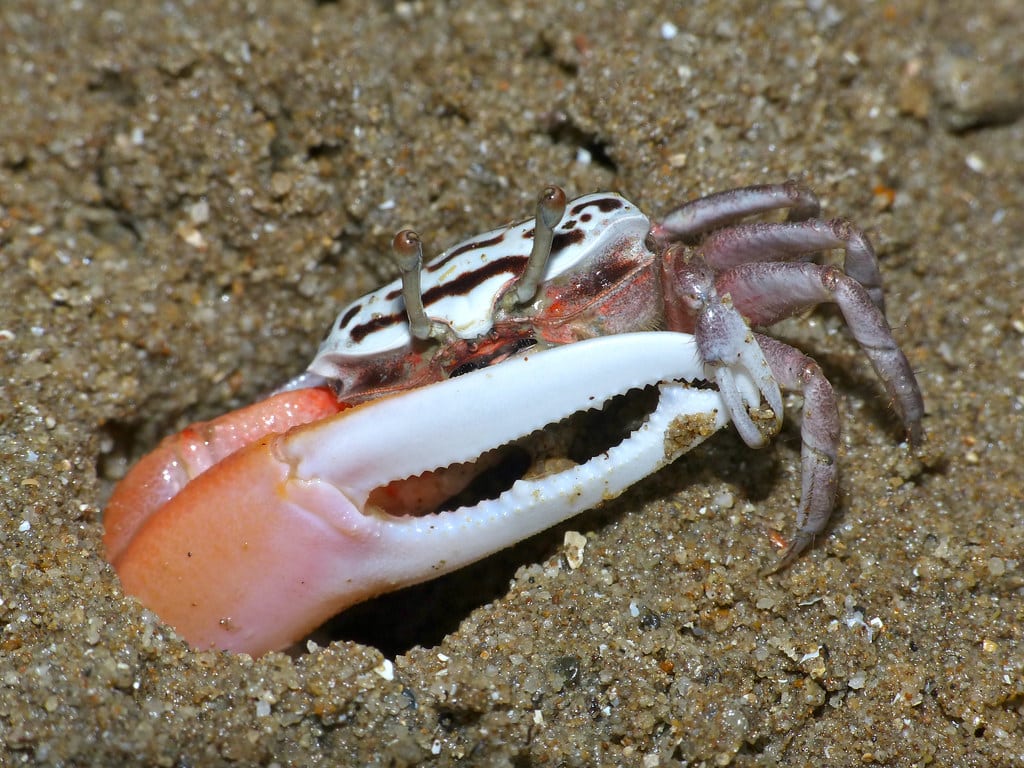
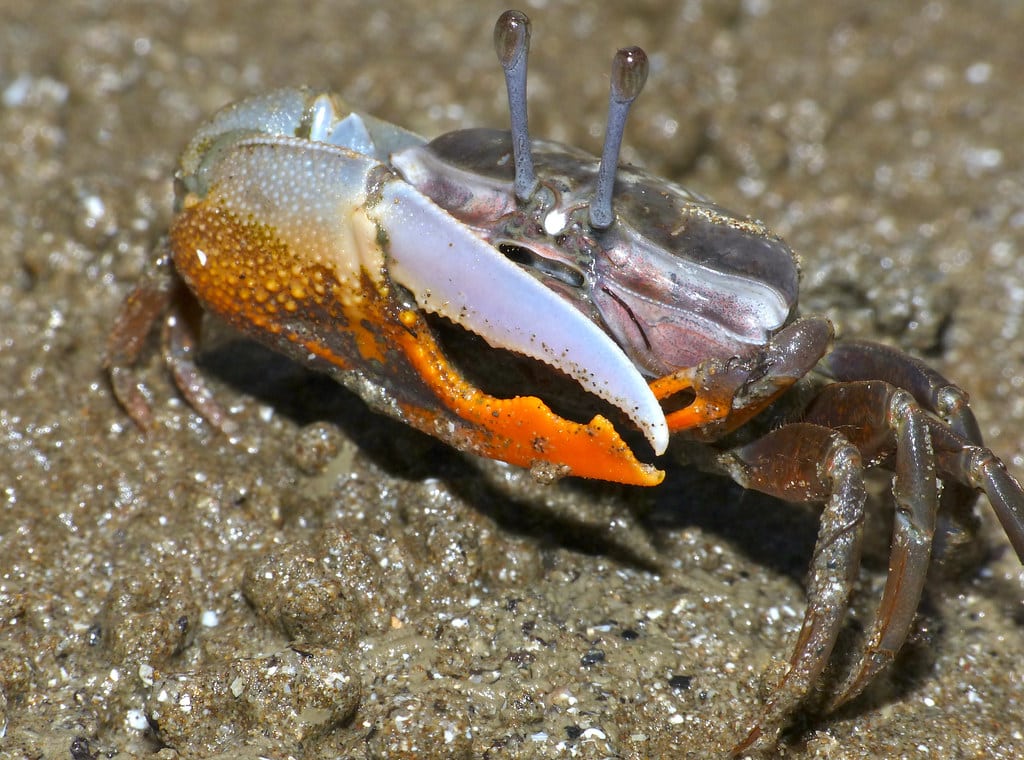
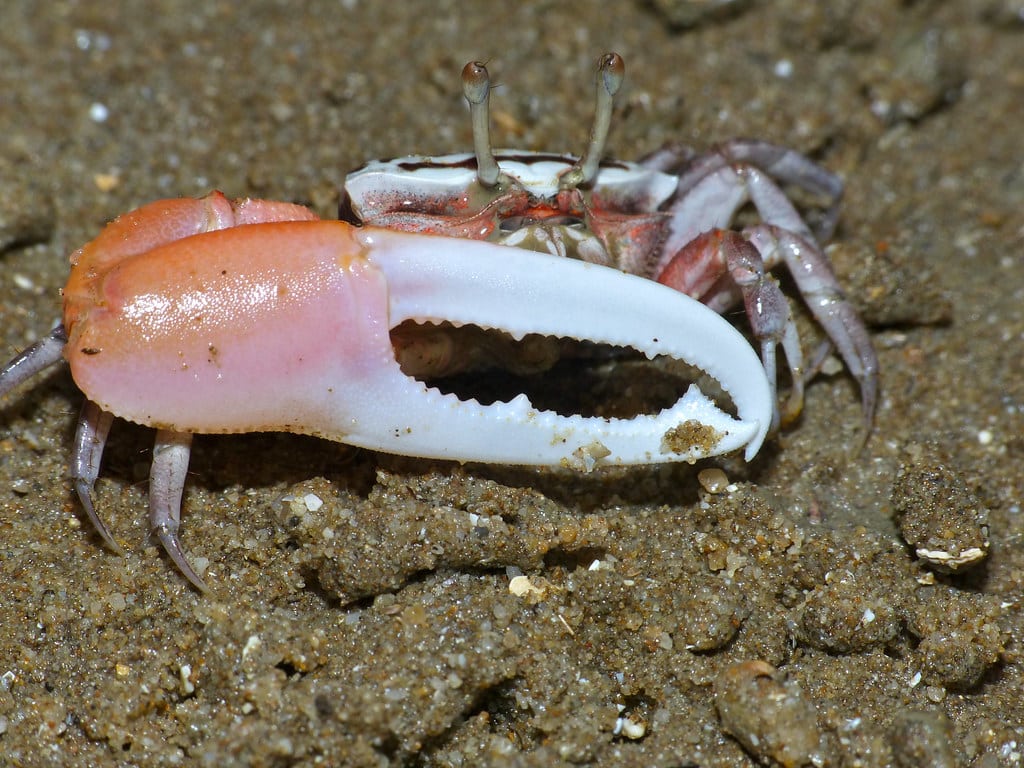
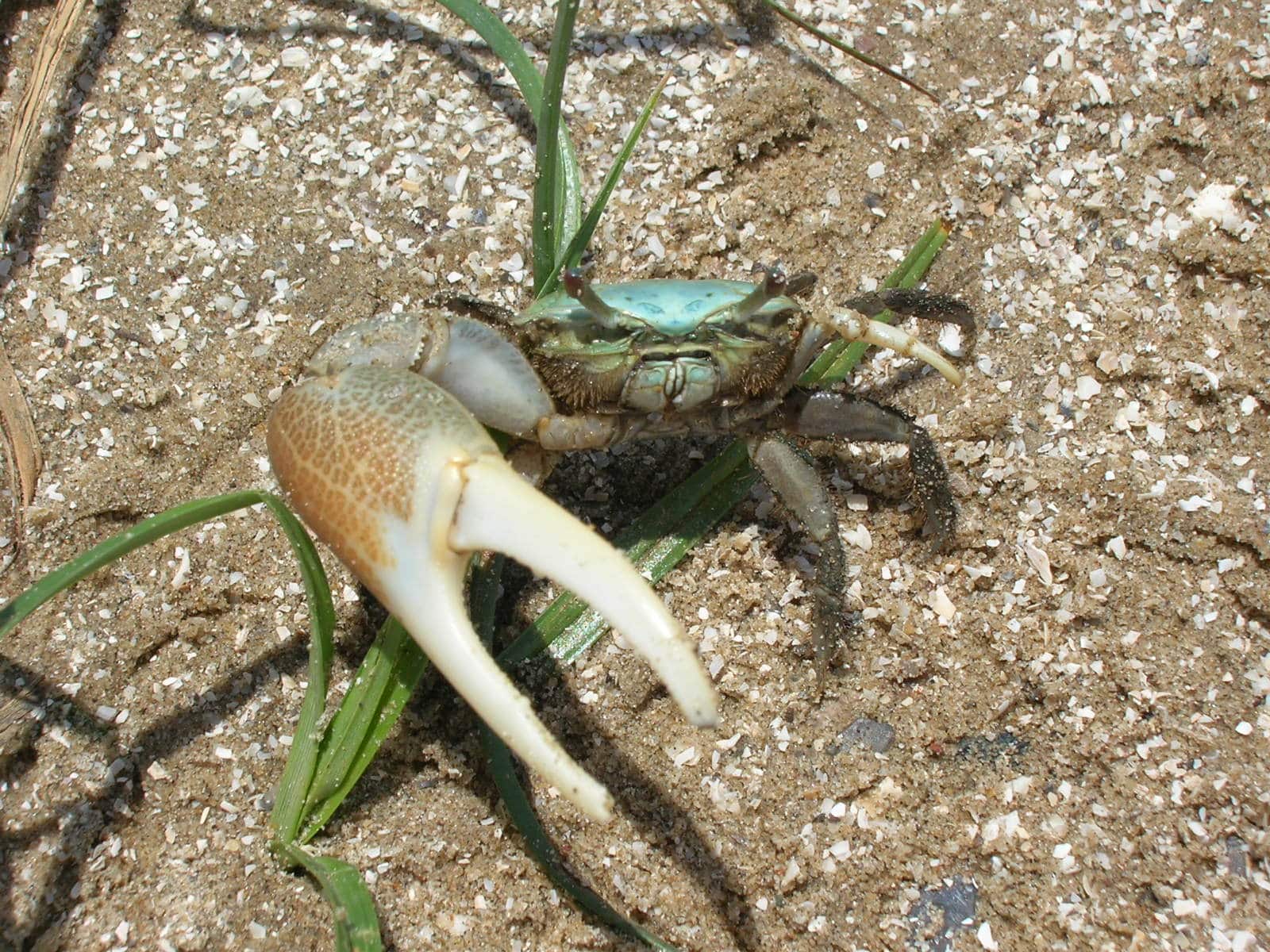
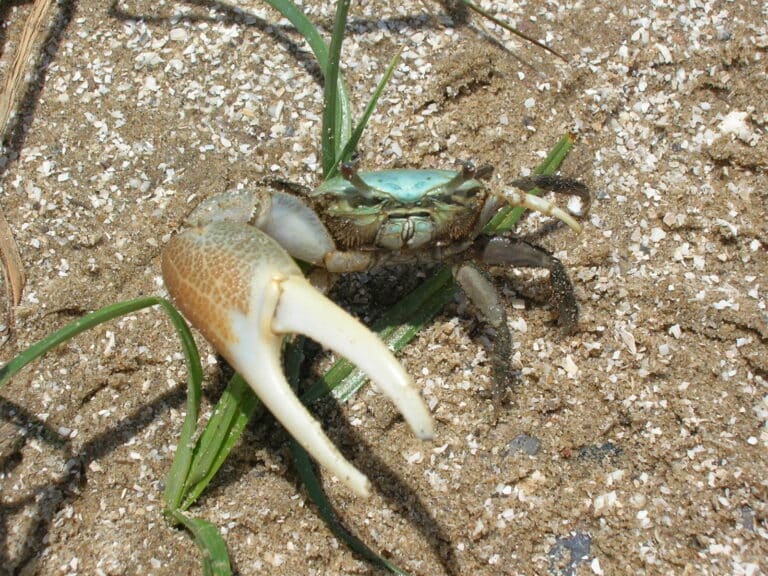
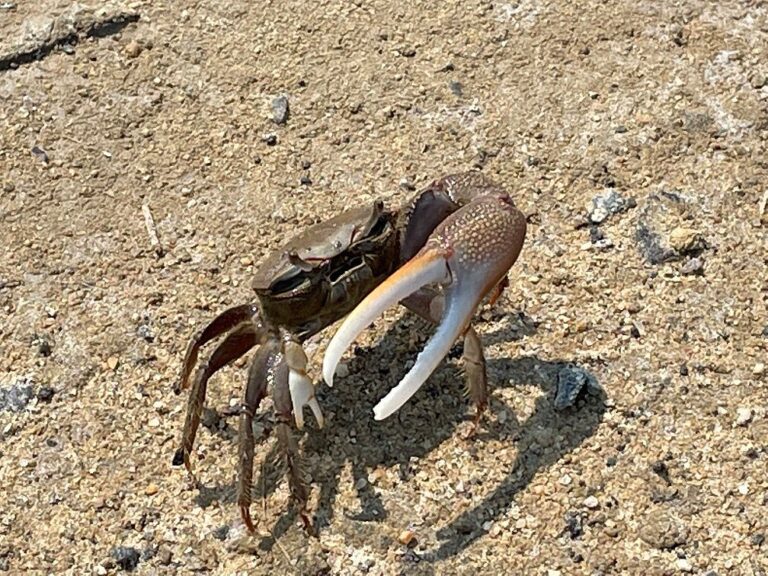
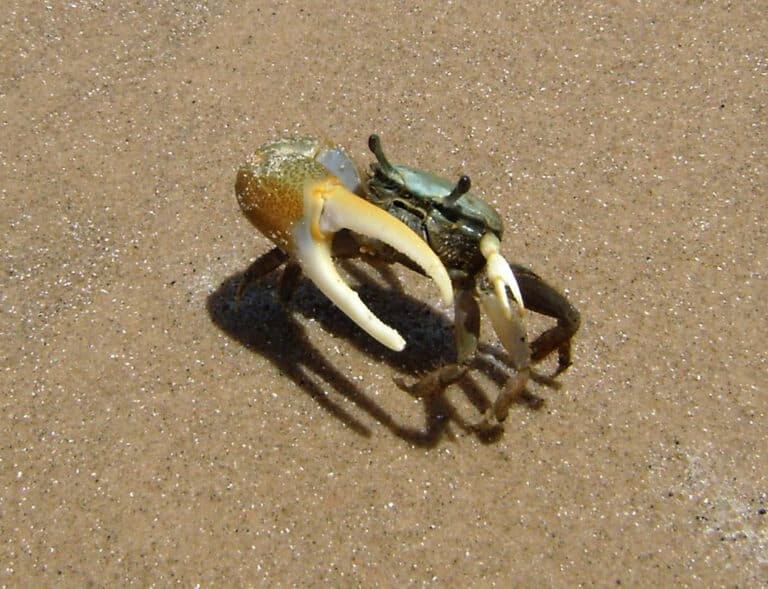
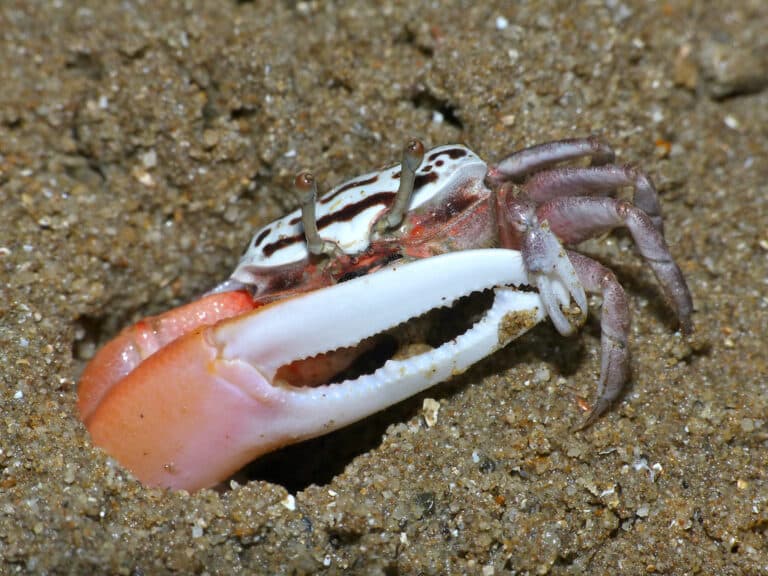
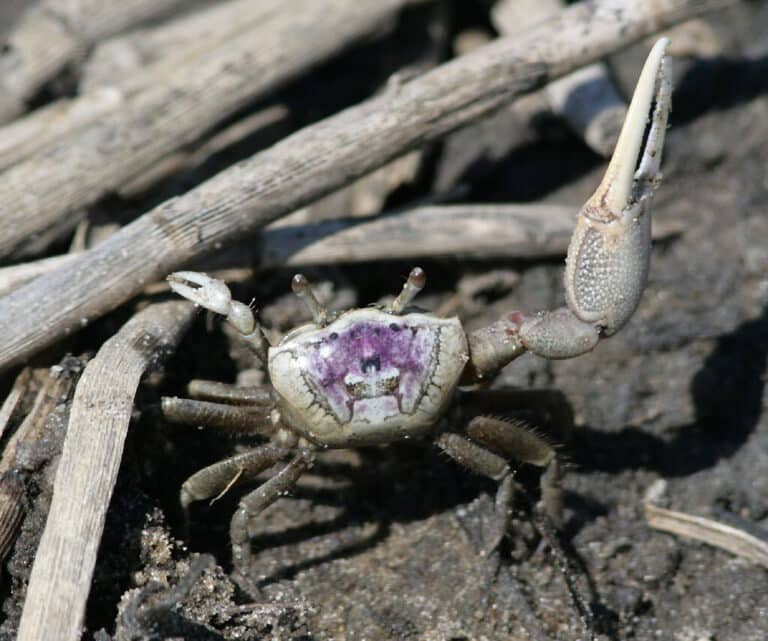
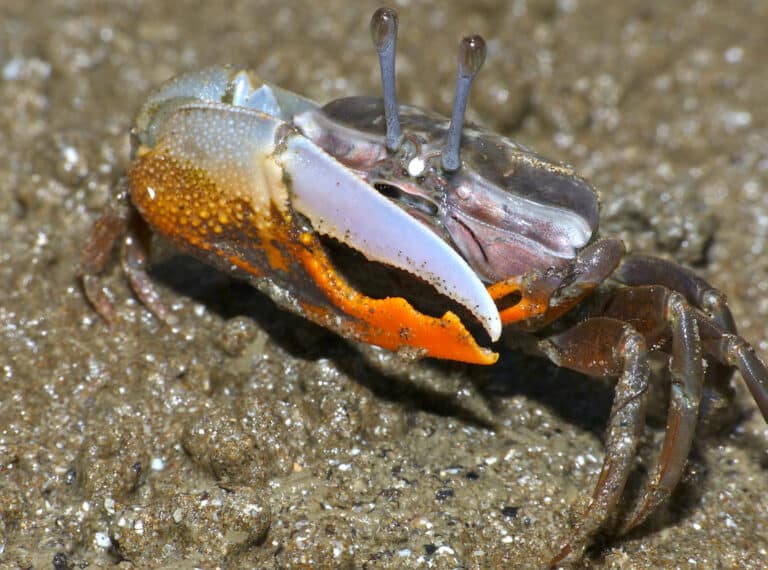
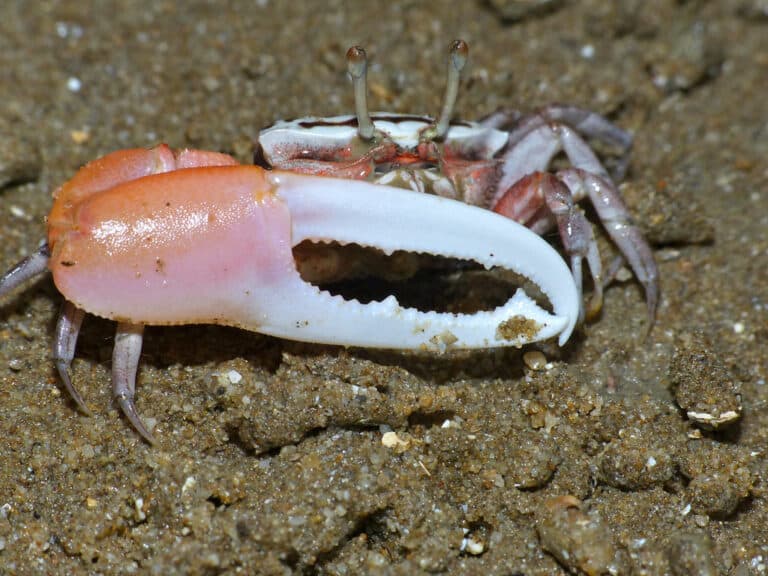
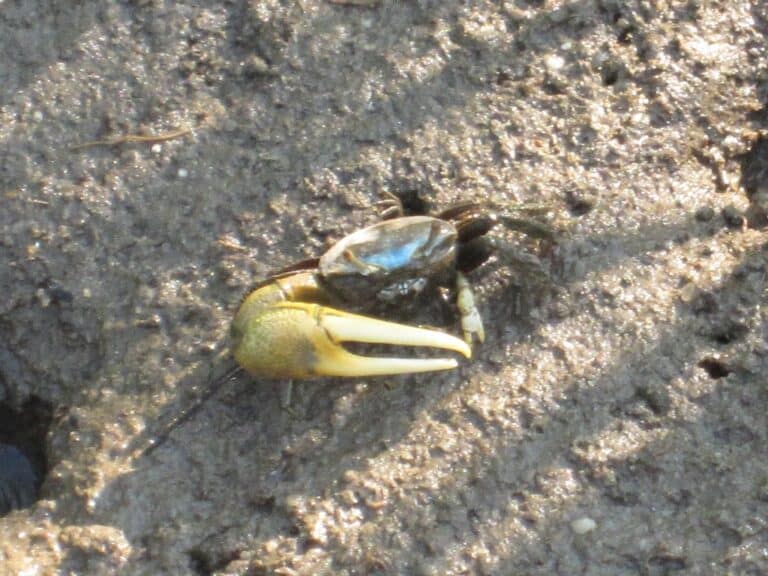
Fiddler crabs have a unique feature: one of their claws is much larger than the other. The big claw acts like a spotlight, dazzling mates and warning rivals of their presence.
These crabs have a 'meet and greet' policy, as they can live up to 3 years in their sandy homes. During this time, they feast on algae, bacteria, and decaying plants, keeping their environment clean!
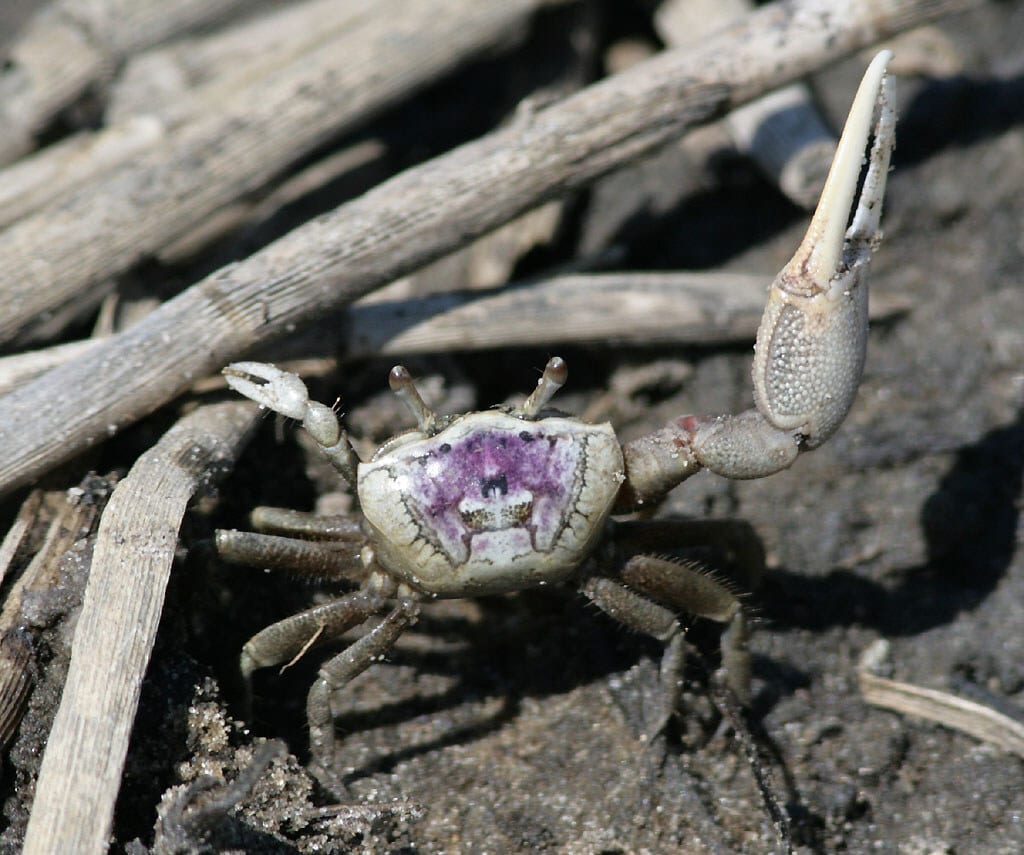
Fiddler crabs truly get their name from their lively arm-waving dance. Male fiddler crabs wave their oversized claws in the air to impress females, like they are playing a tiny fiddle!
These lively little crabs are found in oceans all around the world, turning the beach into their very own stage. They play an important role in their ecosystems, creating burrows that aerate the sand.
So next time you’re at the beach, keep an eye out for these pint-sized performers! Watching fiddler crabs in action might just inspire you to dance like nobody is watching!

Where can you find a Fiddler Crab in the wild?
What does a Fiddler Crab eat?
How big can a Fiddler Crab grow?
How long does a Fiddler Crab typically live?
What is the conservation status of the Fiddler Crab?
What are the main threats to the Fiddler Crab?
Fun facts
Male fiddler crabs have a big claw that can be up to three times the size of their smaller claw, making them look like they are always waving a giant flag!


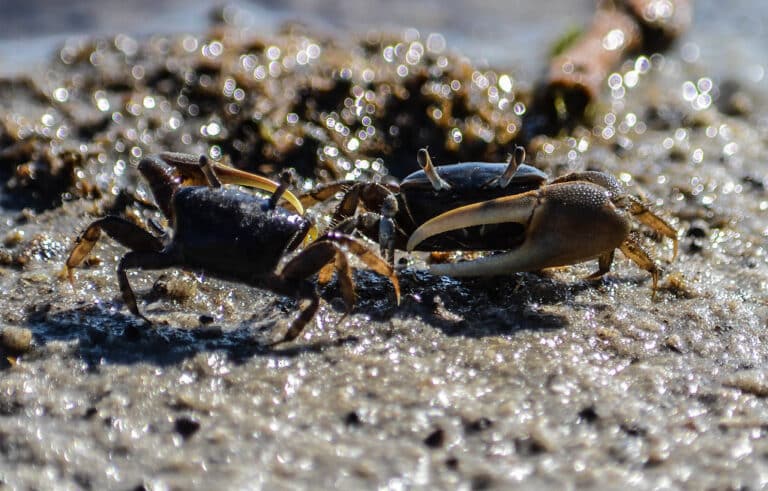
These crabs are super social! They often gather in large groups, creating a lively dance party where they flash their colorful claws in the sun.
Fiddler crabs are known to hurry back to their burrows if they sense danger, like little speedsters on a mission to stay safe from predators.
Some fiddler crabs can even change color! During certain times, they might brighten up to attract mates or show off to rivals.
Fiddler crabs are like little housekeepers! Their burrows help aerate the sand, allowing plants to grow and making their homes better for other creatures.
When they are not dancing, fiddler crabs enjoy an interesting snack: they eat through the sand to find tiny bits of food, making them little chefs of the beach!
Fiddler crabs communicate with each other using body movements. When one crab waves its claw, it tells others to join in the fun or be careful of a predator!
Fiddler crabs have a special way of keeping their homes clean. They frequently clean their burrows to ensure they stay cozy and welcoming!
In some cultures, people like to watch fiddler crabs dance as a fun activity at the beach, turning a day in the sun into a mini crab festival!
Some researchers study fiddler crabs to learn more about how animals adapt to their environment, making these tiny dancers important for science!
Photos





The Basics


explore more
Amphibians
Arachnids
Birds
Cats
Crustaceans
Fish
Fish Pet Guide
Gastropods
Insects
Invertebrates
Mammals
Pet Fish
Pet Rodents
Plants
Reptiles
Roundworms
Sea Slugs